Growing an indoor corn plant (Dracaena fragrans) brings a vibrant, tree-like touch of the tropics right into your living room.
Many beginner plant owners struggle when the lush green leaves on their indoor corn plant suddenly start turning brown at the tips.
Overwatering, harsh direct sun, and dry home air are common issues that cause your indoor corn plant to drop leaves or look sickly.
In this comprehensive guide, you will learn practical care steps, ideal lighting setups, watering routines, and expert troubleshooting tips to keep your houseplant thriving for years.
Understanding the Indoor Corn Plant
The Dracaena fragrans, commonly referred to as the corn plant, is a slow-growing tropical evergreen native to tropical Africa. In its natural environment, it can reach impressive heights of up to 50 feet. However, when grown indoors as a potted specimen, it typically tops out between 4 and 8 feet, making it an ideal choice for adding vertical interest to rooms with high ceilings or bare corners.
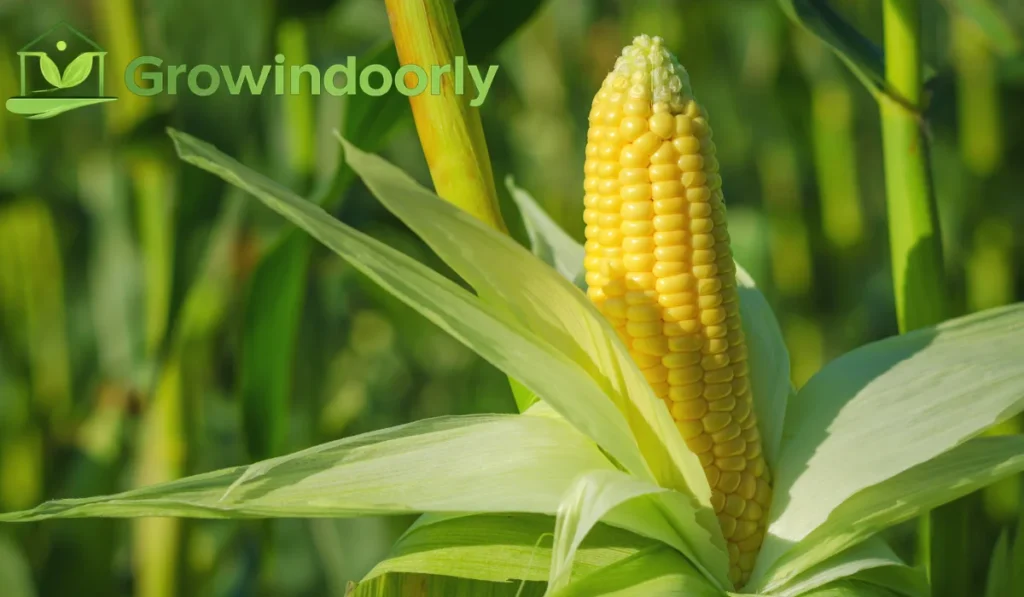
The plant gets its common name from its distinct leaves, which bear a striking resemblance to maize or corn stalks. Long, arching leaves grow out of woody, cane-like stems called “culms” or “stems.” The dark green foliage often features broad yellow or cream stripes running down the center, depending on the cultivar.
As a potted indoor plant, it is prized for its structural look and low-maintenance personality. It grows at a relaxed pace, meaning you will not have to repot it constantly or worry about it quickly overgrown its space.
Why the Corn Plant Is Important for Indoor Spaces
Adding plants to your living space is not just about home aesthetics; it changes the overall atmosphere and environmental quality of your indoor environment.
- Air Purification: The NASA Clean Air Study identified Dracaena varieties as strong performers for removing common indoor pollutants, including benzene, formaldehyde, and trichloroethylene.
- Low-Maintenance Care: It tolerates minor neglect better than fussy tropicals like maidenhair ferns or calatheas.
- Architectural Flair: Its tall, woody canes topped with lush rosettes of leaves provide instant height and texture without requiring a wide footprint.
- Stress Reduction: Bringing natural green elements into indoor living quarters reduces stress levels, improves focus, and enhances overall well-being.
Benefits and Advantages of Growing Dracaena Fragrans
Unlike high-maintenance tropical plants, the corn plant offers distinct advantages that make it a cornerstone of indoor plant collections:
- Tolerates Low Light: While it prefers bright, indirect sunlight, it survives reasonably well in low-light environments like offices and windowless hallways with fluorescent lighting.
- Drought Tolerant: Thanks to its thick cane stems, the plant stores moisture and can easily survive if you forget to water it for a week or two.
- Pest Resistance: Compared to softer-stemmed houseplants, mature Dracaenas have tough leaves that are relatively resistant to common pests when kept healthy.
- Longevity: With basic, consistent care, an indoor corn plant can live in your home for decades, becoming a permanent decor piece.
Different Methods and Varieties to Grow
When selecting a corn plant for your home, you have several popular cultivars and growth formats to choose from:
- Dracaena fragrans ‘Massangeana’: The most recognizable variety, featuring a broad central stripe of lime-green or bright yellow running down each dark green leaf.
- Dracaena fragrans ‘Lindenii’: Known for broad leaves with yellowish borders along the outer edges rather than the center.
- Dracaena fragrans ‘Victoriae’: A striking variegated form with dense, cascading leaves edged in deep golden-yellow.
- Single Stalk vs. Multi-Cane Stacks: Retailers often group two or three canes of varying heights (e.g., 4-foot, 2-foot, and 1-foot) in a single pot to create a full, tiered, tree-like appearance.
Tools and Equipment Required for Success
You do not need expensive equipment to grow a healthy plant, but having these basics on hand makes care simple:
- Well-Draining Pot: Always select a planter with drainage holes at the bottom to prevent water stagnation.
- Moisture Meter: A helpful tool for beginners to check soil dampness deep near the root zone.
- Pruning Shears: Sharp, sanitized shears for trimming dead leaf tips or topping overgrown stems.
- Microfiber Cloth: Essential for dusting leaves to keep pores clear and maximize sunlight absorption.
- Spray Bottle or Humidifier: Useful for increasing localized humidity around tropical foliage.

Lighting Requirements
Lighting is the foundation of long-term success with your plant. Getting the light intensity right keeps the leaf colors vibrant and prevents burning.
Ideal Light Conditions
Bright, indirect light is the sweet spot. Place your plant near an east-facing window or a few feet back from a south- or west-facing window filtered by sheer curtains.
Low Light Tolerance
It can tolerate lower light levels, such as north-facing rooms or inner office spaces. However, growth will slow significantly, and brightly variegated leaves may lose their vivid yellow stripes and fade to solid green.
Sunlight Exposure Warnings
Never expose your plant to harsh, direct sunlight for extended periods. Direct sunlight scorches the foliage, leaving crisp brown or bleached white patches on the leaves that will not recover.
Watering Methods and Hydration
Watering mistakes are the primary reason indoor plants fail. Dracaenas prefer a “soak and dry” approach.
- The Finger Test: Insert your index finger two inches into the topsoil. If it feels completely dry, it is time to water. If it feels cool and damp, wait a few more days.
- Deep Watering Technique: Pour water evenly over the soil until it runs freely out of the drainage holes at the bottom of the pot. Allow all excess water to drain into the saucer, then empty the saucer immediately. Never let the pot sit in standing water.
- Water Quality Matters: Dracaenas are unusually sensitive to fluoride, chlorine, and salts found in tap water. Fluoride toxicity manifests as yellowing leaf edges followed by dark brown, crispy tips. Use distilled water, rainwater, or filtered water whenever possible.
Soil and Growing Medium Specifications
The key to a happy root system is a growing medium that holds moderate moisture while allowing excess water to drain rapidly.
- Standard Mix: A 2:1 ratio of high-quality indoor potting soil mixed with perlite or coarse sand provides ideal aeration.
- Drainage Enhancers: Adding pumice or orchid bark helps prevent the potting mix from compacting over time.
- Avoid Heavy Soils: Never use native garden soil or heavy topsoil, which traps moisture, suffocates roots, and invites fungal root rot.
- Ideal pH Level: Aim for a slightly acidic to neutral soil pH between 6.0 and 6.5 for optimal nutrient absorption.

Temperature Requirements
Because Dracaenas hail from warm, tropical regions, they perform best in standard home temperatures.
- Ideal Range: Keep room temperatures between 65°F and 80°F (18°C to 27°C).
- Cold Limits: Never expose the plant to temperatures below 55°F (13°C). Cold snaps cause heavy leaf drop and black stems.
- Draft Protection: Keep your plant away from cold window drafts during winter, as well as direct blasts from air conditioning vents or heating radiators.
Humidity Control and Management
Standard indoor air humidity (around 30–40%) is tolerable, but your plant will thrive and look much healthier at humidity levels between 50% and 60%.
- Grouping Plants: Place your Dracaena near other indoor houseplants to create a humid microclimate through collective transpiration.
- Pebble Trays: Set the pot on a tray filled with decorative pebbles and water. Ensure the water level stays below the bottom of the pot so roots do not suck up extra moisture.
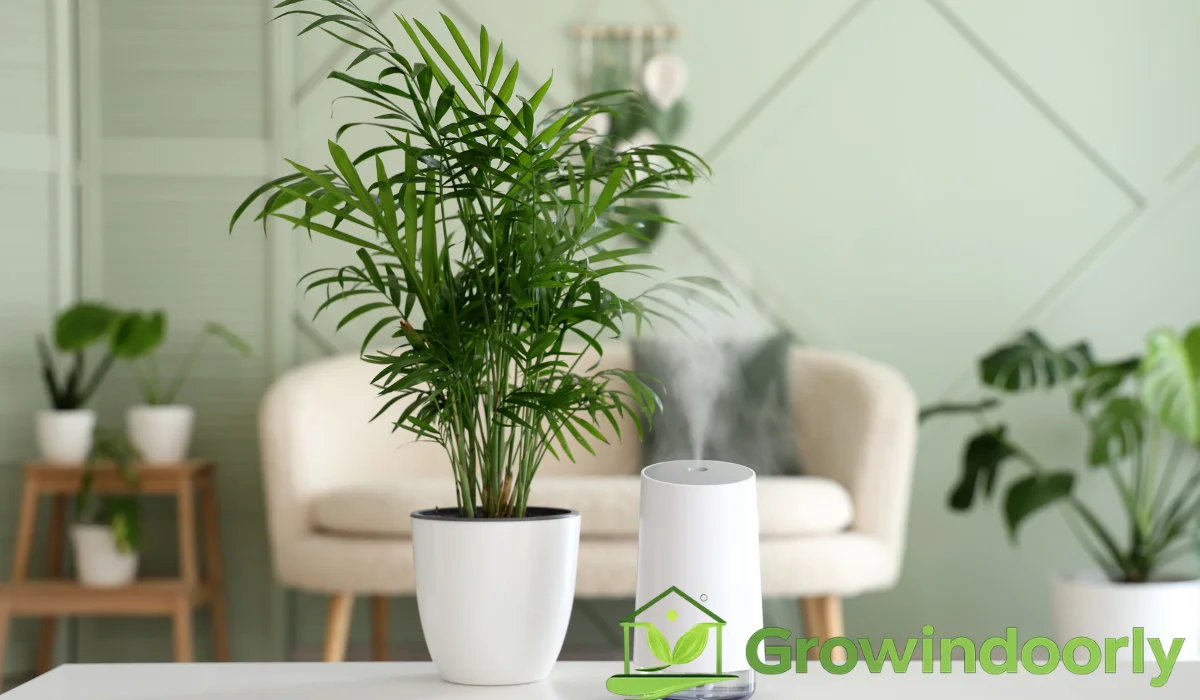
- Humidifiers: Running a small cool-mist room humidifier nearby during dry winter months prevents dry, crispy leaf tips.
Fertilizer and Nutrient Schedule
Corn plants are light feeders, so over-fertilization can burn their delicate roots and leave salts behind in the soil.
- Growing Season (Spring and Summer): Feed once a month using a balanced liquid houseplant fertilizer diluted to half-strength.
- Dormant Season (Autumn and Winter): Pause fertilization completely from late autumn through winter when plant growth naturally slows down.
- Avoid Fluoride-Based Fertilizers: Double-check that your fertilizer mix does not contain superphosphate, which often contains high levels of fluoride.
Daily and Weekly Maintenance Routine
A simple maintenance schedule keeps your plant looking clean, vibrant, and pest-free.
- Dusting: Wipe the broad leaves weekly with a soft, damp microfiber cloth. Removing dust allows the leaves to absorb light efficiently and respire properly.
- Rotation: Rotate the pot a quarter-turn every time you water. This ensures all sides receive equal sunlight, preventing the canes from leaning toward the light source.
- Pruning Damaged Foliage: Use clean, sharp scissors to trim off brown tips. Cut following the natural pointed shape of the leaf so the trim blends in naturally.
Seasonal Care Adjustments
As the seasons shift, your plant’s water and light needs will change.
Spring and Summer Adjustments
- Increase watering frequency as higher temperatures and longer days boost growth rates.
- Resume monthly half-strength feedings.
- Check soil moisture more frequently as drying times accelerate.
Autumn and Winter Adjustments
- Cut watering in half; the top 50–75% of the soil mix should dry out between waterings.
- Stop applying fertilizer completely until spring returns.
- Move the plant closer to bright windows to compensate for shorter winter days.
Common Beginner Mistakes to Avoid
Avoiding these mistakes will keep your plant green and stable:
- Overwatering: Watering on a rigid calendar schedule rather than checking soil moisture causes root rot.
- Using Tap Water directly: Allowing tap water chemicals to build up leads to leaf burning and scorched tips.
- Pots Without Drainage: Planting directly into containers without drainage holes traps water at the bottom, rotting the root ball.
- Drastic Light Changes: Moving a plant abruptly from a dark corner into direct sunlight causes severe sun scuffs and leaf loss.
Troubleshooting Common Problems
When your plant shows signs of distress, use this quick checklist to resolve the issue:
- Brown Leaf Tips: Usually caused by dry air, fluoride/chlorine toxicity in tap water, or slight underwatering. Switch to filtered water and raise room humidity.
- Yellowing Lower Leaves: Dropping older, bottom leaves naturally happens as the cane grows taller. However, if multiple leaves turn yellow at once, it indicates overwatering or poor drainage.
- Soft, Spongy Canes: A sign of severe root rot caused by stagnant water. Stop watering immediately, check the roots for decay, and repot into fresh soil.
- Bleached or Washed-Out Leaves: Caused by excessive direct sunlight. Move the plant back from the window or draw sheer curtains.
- Pest Attacks (Spider Mites, Mealybugs, Scale): Wipe leaves with neem oil solution or insecticidal soap. Increase humidity to deter spider mites, which love dry air.
Beginner Tips for Long-Term Success
- Start with a Healthy Specimen: Look for firm canes, thick leaf rosettes, and healthy green foliage without brown patches when buying.
- Don’t Panick Over Leaf Drop: Shedding an occasional bottom leaf is normal mature behavior as the trunk develops.
- Choose Heavy Pots: Tall multi-cane specimens can become top-heavy over time. Select a heavy ceramic or terracotta planter to prevent tipping.
Advanced Expert Recommendations
- Pruning and Height Control: If your plant grows too tall for your room, prune the main trunk. Use a sharp, sterile saw to cut the cane at your desired height. The bare trunk will produce new leaf rosettes just below the cut within a few weeks.
- Propagating Cut Canes: Don’t throw away the cut stem top! Dip the severed end in rooting hormone and plant it in damp soil to grow a completely new corn plant.
- Soil Flushing: Every six months, flush the pot with distilled water to wash away residual fertilizer salts and tap water minerals.
Conclusion
Caring for an indoor corn plant is a rewarding experience that adds tropical beauty to any room. By providing bright, indirect sunlight, allowing the topsoil to dry between waterings, and using filtered water, you set your plant up for decades of steady growth. Remember to monitor humidity, avoid direct sun rays, and adjust your routine as seasons change. With these practical care strategies from GrowIndoorly.com, you can troubleshoot issues early and enjoy a thriving, air-purifying indoor green space.
Knowledge Check
Test your understanding of care requirements with these quick questions:
- What is the main cause of crispy, brown leaf tips on a corn plant?
- A) Too much humidity
- B) Fluoride or chlorine in tap water
- C) Over-fertilization during winter
- D) Using ceramic pots
- How far should the soil dry out before you water again?
- A) Keep it constantly soggy
- B) Dry out completely to the bottom
- C) Top 2 inches should feel dry
- D) Never water at all
- What type of light keeps foliage stripes vivid and healthy?
- A) Direct harsh sunlight
- B) Complete darkness
- C) Bright, indirect sunlight
- D) Deep windowless shade
- How often should you apply fertilizer during spring and summer?
- A) Every week
- B) Once a month at half-strength
- C) Every day
- D) Never fertilize
- What should you do if your plant grows too tall for your room?
- A) Throw the plant away
- B) Prune the main woody cane to your preferred height
- C) Stop watering it
- D) Put it in a dark closet
- Which of the following is the best water source for sensitive Dracaena varieties?
- A) Untreated municipal tap water
- B) Distilled, rain, or filtered water
- C) Saltwater solution
- D) Water mixed with bleach
- How should you handle an indoor corn plant during its dormant winter season?
- A) Double the fertilizer amount
- B) Water twice as often
- C) Pause fertilization and reduce watering frequency
- D) Move it into complete, dark isolation
- What is the most effective way to maintain healthy leaves and prevent pest build-up?
- A) Spraying leaves with harsh household cleaners
- B) Dusting the broad leaves regularly with a soft, damp cloth
- C) Coating the foliage in petroleum jelly
- D) Never touching the leaves under any circumstance
Answer Key
- B
- C
- C
- B
- B
- B
- C
- B
Frequently Asked Questions
How often should I water my indoor corn plant?
Water your plant every 10 to 14 days on average. Always test the soil first: only water when the top two inches of the potting mix feel completely dry to the touch.
Why are the leaf tips turning brown on my plant?
Brown leaf tips are usually caused by fluoride or chlorine in tap water, low humidity, or dry soil. Switch to distilled or filtered water and boost humidity around the leaves.
Can an indoor corn plant live in low-light conditions?
Yes, it tolerates low-light rooms, but its growth will slow down significantly. Variegated cultivars may lose their bright yellow stripes and revert to solid green without sufficient light.
Is the indoor corn plant toxic to pets?
Yes, Dracaena varieties contain saponins, which are toxic to dogs and cats if chewed or swallowed. Keep the plant out of reach of curious pets.
How big do indoor corn plants get?
Indoors, they typically reach between 4 and 8 feet tall. You can easily control their height by pruning the main canes during the spring growing season.
Why is my plant shedding its lower leaves?
Losing lower leaves occasionally is a natural growth process as the woody stem expands. However, rapid leaf drop usually points to overwatering, sudden temperature drops, or root rot.
Should I mist my plant’s leaves?
Misting provides short-term humidity, but using a cool-mist humidifier or setting the pot on a pebble tray works much better for consistent moisture control.
How do I know if my corn plant has root rot?
Signs of root rot include soft or squishy stems, foul-smelling soil, yellowing leaves, and roots that look dark brown and mushy instead of firm and white.

Megan Foster is the founder and lead writer of GrowIndoorly.com, where she shares practical, easy-to-follow advice for growing healthy indoor plants. She is passionate about helping beginners and experienced plant lovers build thriving indoor gardens with confidence. Megan writes about houseplants, indoor herbs, succulents, hydroponics, grow lights, plant propagation, watering, soil care, and everyday plant maintenance.
She enjoys researching trusted gardening techniques and transforming them into simple, actionable guides that readers can easily apply at home. Her goal is to make indoor gardening more enjoyable and accessible by providing clear, reliable information that helps people keep their plants healthy throughout the year. Whether you’re caring for your first houseplant or expanding your indoor plant collection, Megan’s practical tips are designed to help you grow with confidence.