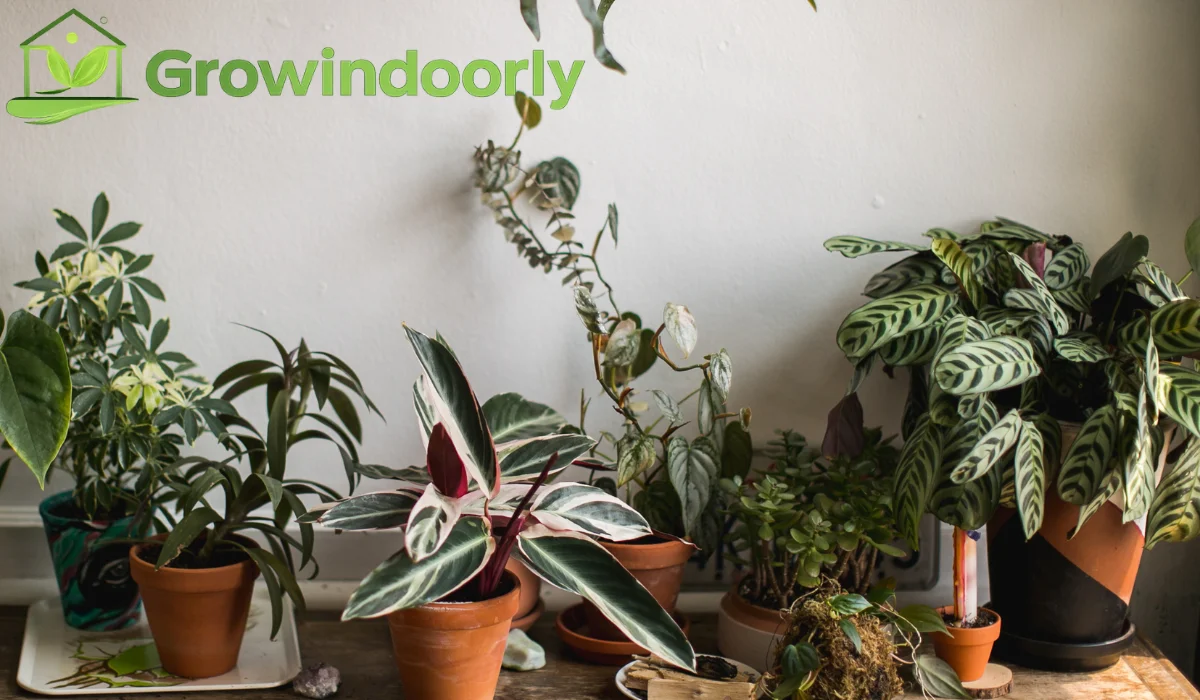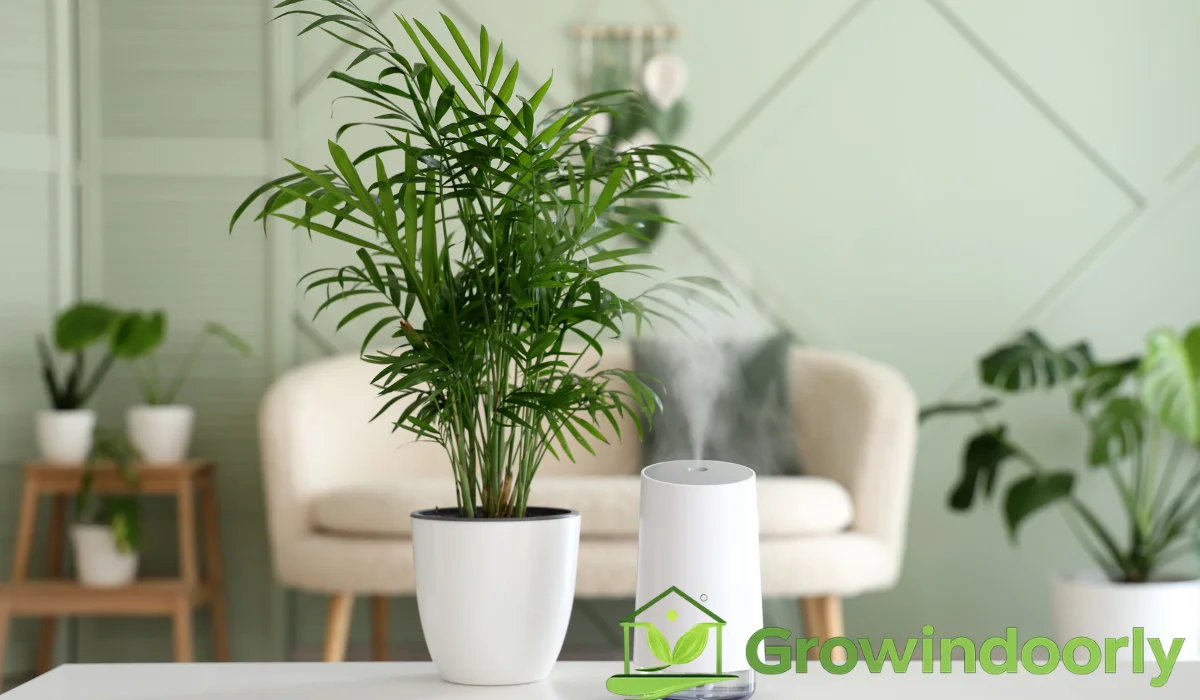
Indoor plants bring life, color, and fresh energy into our homes, but they cannot survive on tap water and light alone. Providing the right indoor plant food is the single most effective way to ensure your houseplants stay vibrant, green, and pest-resistant.
Without targeted nourishment, your pothos, monsteras, and peace lilies will eventually drain the nutrients stored in their potting soil. Choosing a balanced indoor plant food prevents pale leaves, stunted stems, and overall plant decline before those frustrating symptoms ever begin.
Many beginner gardeners feel overwhelmed by fertilizer ratios, feeding schedules, and chemical choices, leading to underfed or burned roots. Using the wrong indoor plant food at the wrong time of year is one of the most common reasons houseplant owners struggle to maintain thriving green spaces.
This ultimate guide breaks down everything you need to know about feeding indoor greenery safely and effectively. You will learn how nutrients work, how to recognize deficiency signals, choose the best formulas, and establish a stress-free feeding schedule for every season.
Understanding Indoor Plant Food
Unlike outdoor gardens, where natural soil biology continuously breaks down organic matter, container-grown houseplants live in an isolated ecosystem. Most commercial indoor planting mixes do not contain real soil at all. Instead, they are made of peat moss, coconut coir, perlite, and bark chunks materials chosen for aeration and moisture retention rather than nutrition.
When you purchase a fresh plant, it usually carries a small amount of slow-release fertilizer pre-mixed into its potting medium. Over three to six months of regular watering, those initial nutrients wash away through the drainage holes. At this stage, your houseplant relies entirely on you to supply the fuel it needs to build new leaves, strong roots, and thick stems.
Plant nutrients fall into two primary categories: macronutrients and micronutrients. Both are critical, but plants require them in vastly different amounts.
The Role of N-P-K
Every fertilizer package displays three prominent numbers known as the N-P-K ratio. These stand for Nitrogen (N), Phosphorus (P), and Potassium (K).
- Nitrogen (N): Drives healthy leaf growth and keeps foliage deep green by supporting chlorophyll production.
- Phosphorus (P): Encourages strong root development and stimulates blooms in flowering houseplants like African violets or peace lilies.
- Potassium (K): Functions as an overall immune booster, regulating water movement within plant tissues and strengthening resistance to pests and disease.

Essential Micronutrients
While N-P-K takes center stage, houseplants also require trace minerals to process those primary elements. Key micronutrients include calcium, magnesium, iron, zinc, boron, and manganese. A high-quality liquid or granular fertilizer will always include trace minerals to prevent soft foliage or yellowing between leaf veins.
Why Indoor Plant Food is Essential
Plants make their own sugars through photosynthesis using light, carbon dioxide, and water. However, photosynthesis alone cannot build plant structures. Think of sunlight as the plant’s calories and nutrients as its essential vitamins and structural building blocks.
Without adequate nutrition, plants experience metabolic slowing. New foliage emerges smaller than older leaves, fenestrations on plants like Monstera deliciosa fail to form, and variegated plants may lose their distinctive leaf patterns.
Regular feeding keeps houseplants resilient. Well-fed plants develop thicker cell walls, making them far less susceptible to spider mites, mealybugs, and root infections. Furthermore, healthy plant roots absorb and process water efficiently, reducing the risk of soil remaining soggy and causing root rot.
Benefits and Advantages of Proper Feeding
Feeding your indoor garden systematically offers immediate and long-term benefits for both your plants and your home environment.
- Faster, Fuller Growth: Proper nutrition encourages dense foliage rather than leggy, weak stems reaching desperately toward light sources.
- Vibrant Leaf Coloration: Adequate nitrogen and iron levels prevent chlorosis (leaf yellowing) and maintain rich green hues.
- Enhanced Flowering: Flowering varieties produce more buds and sustain longer bloom cycles when supported by phosphorus-rich formulations.
- Better Stress Recovery: Plants recover rapidly from routine repotting, pruning, or occasional pest treatments when their nutrient reserves are full.
- Extended Soil Life: Strategic feeding extends the usable life of potting media, allowing you to wait longer between stressful repotting sessions.
Different Methods and Types of Plant Food
Choosing the best feeding method depends on your routine, the number of plants you own, and your personal gardening style.
Synthetic Liquid Fertilizers
Liquid formulas are the most popular option for indoor plant owners. They are sold as concentrated liquids or powders that you dilute in your watering can.
- Pros: Nutrients are immediately available to the root system; easy to adjust strength.
- Cons: Must be applied frequently (every 2–4 weeks during active growth); risk of fertilizer burn if over-concentrated.
Organic Plant Foods
Made from natural sources like kelp emulsion, fish hydrolysate, bone meal, and worm castings, organic options feed both the plant and beneficial soil microbes.
- Pros: Extremely low risk of burning roots; improves soil structure over time; environmentally friendly.
- Cons: Slower acting; can occasionally carry a mild natural odor.
Slow-Release Granules and Spikes
These are small beads or compressed sticks inserted directly into the soil. They release tiny amounts of nutrients every time you water over a period of 3 to 6 months.
- Pros: Set-it-and-forget-it convenience; ideal for busy plant owners or office setups.
- Cons: Hard to control exact nutrient dosage; uneven release if watering is inconsistent.

Tools and Equipment Required
Feeding houseplants requires minimal equipment. Keeping a dedicated plant care kit makes the process clean and effortless. Using the same measuring tools for plant food and kitchen cooking risks contamination, so keep a separate kit. Accurate measuring prevents the overdosing that causes most fertilizer burn.
- Measuring Spoons or Syringes: Essential for measuring liquid concentrates accurately. A 5 mL syringe works exceptionally well for small indoor plant collections.
- Dedicated Watering Can: A fine-spout watering can ensures diluted solution reaches the soil surface directly without pooling on delicate foliage.
- Mixing Jug: A clear gallon or liter pitcher helps ensure dry or liquid formulas dissolve completely before application.
- TDS/EC Meter (Optional): Advanced growers use Total Dissolved Solids meters to check the mineral concentration of their water mix, preventing accidental over-fertilization.
Best Plants for Regular Feeding
While almost all houseplants need nourishment, fast-growing foliage plants and heavy bloomers require more consistent feeding schedules than slow-growing desert species.
- Heavy Feeders: Monstera, Philodendron, Ficus (Fiddle Leaf Fig, Rubber Tree), Pothos, Peace Lily, African Violets.
- Moderate Feeders: Snake Plants, ZZ Plants, Dracaenas, Peperomias, Hoyas.
- Light Feeders (Low Need): Cacti, Succulents, slow-growing orchids, and carnivorous plants (which should never receive standard fertilizers).
Light Requirements for Nutrient Uptake
Lighting and plant feeding are directly connected. A plant’s light exposure determines its rate of photosynthesis, which in turn dictates how quickly it consumes soil nutrients.
If your plant sits in direct sunshine or directly beneath high-output LED grow lights, its metabolism operates at high speed. These plants process water and nutrients rapidly and require regular feeding during their growth phases.
Conversely, if a plant sits in a low-light corner, its growth rate slows dramatically. Giving full doses of food to a plant in low light leads to fertilizer buildup in the soil because the roots cannot absorb the minerals. Match your feeding frequency to the amount of light your plant receives daily.
Watering Methods When Feeding
Never apply liquid fertilizer to completely bone-dry soil. When potting media dries out entirely, roots shrink and lose their protective moisture barrier. Pouring concentrated mineral salts onto dry roots causes immediate root burn, turning leaf tips brown and crispy.
The “Damp Soil” Rule
Always moisten your plant’s soil with a little plain water first, or wait until the day after a routine watering to apply your diluted liquid feed. This ensures root tissues are plump, hydrated, and ready to absorb nutrients safely. Think of dry roots like a dry sponge — concentrated fertilizer hits them too harshly. A quick pre-watering opens the root tissues so they take up nutrients evenly without shock.
Top Watering vs. Bottom Watering
- Top Watering: Pour the nutrient solution evenly over the soil surface until it drips from the bottom drainage holes. Allow all excess liquid to drain away completely.
- Bottom Watering: Place your plant pot in a basin containing diluted fertilizer water for 15–20 minutes. The soil draws the solution upward through capillary action. Every fourth watering, top-water with plain water to flush out accumulated minerals.
Soil and Growing Medium Considerations
The type of potting mix you use dictates how often you should feed.
- Peat and Coir-Based Mixes: These media hold moisture well but contain zero inherent nutrients once added fertilizer strips wash out. They require regular liquid feeding.
- Chunky Aroid Mixes (Bark, Perlite, Charcoal): These drain rapidly and hold few nutrients. Plants in chunky mixes benefit from frequent, diluted feeds (“weakly, weekly” approach).
- Soil-Free Hydroponic or Semi-Hydroponic Systems (LECA, Pon): Plants grown without soil rely 100% on specialized liquid hydroponic nutrients added directly to their water reservoirs.

Temperature Requirements
Houseplants absorb nutrients most efficiently when soil temperatures range between 65°F and 80°F (18°C to 27°C).
If indoor temperatures drop below 60°F (15°C) during winter months, root activity slows down significantly. Applying fertilizers during cold snaps can damage cold-stressed roots. Always wait for warm daytime temperatures before feeding your indoor jungle.
Humidity Control and Foliar Feeding
Indoor humidity plays an understated role in nutrient transport. In high humidity, plants transpire smoothly, moving water and dissolved minerals from roots to leaf tips effectively.
In very dry air (below 30% relative humidity), transpiration speeds up excessively, causing plants to draw up water faster than normal. If the soil contains high fertilizer concentrations, dry air can accelerate leaf-tip burn. Maintain indoor humidity around 40%–60% for optimal nutrient absorption.
Foliar Feeding
Foliar feeding involves spraying extremely diluted liquid fertilizer directly onto leaves. Leaf surfaces possess tiny pores (stomata) that can take up micronutrients rapidly. While not a replacement for root feeding, foliar sprays containing kelp extract or iron are excellent for giving lagging plants a quick visual boost. Spray in the morning so leaves dry by evening, which helps prevent fungal issues. Always test on a single leaf first and use a much weaker dilution than you would for soil feeding.
Fertilizer Ratios and Formulas
Understanding how to read product labels empowers you to select the precise formula for your collection.
| Formula Type | N-P-K Ratio | Best Used For |
| Balanced (Universal) | 10-10-10 or 1-1-1 | General collection maintenance, tropical foliage, vine plants |
| High Nitrogen | 3-1-2 or 2-1-1 | Pothos, Monstera, Ficus, Ferns, heavy foliage growth |
| High Phosphorus | 1-2-1 or 5-10-5 | African Violets, Peace Lilies, Anthuriums, blooming plants |
| Low N-P-K (Gentle) | 1-1-1 (Organic Extract) | Succulents, Cacti, sensitive ferns, rooted cuttings |
Maintenance Routine: The “Weakly, Weekly” Method
Rather than applying a full-strength dose of fertilizer once a month, many horticulturists favor the “weakly, weekly” routine.
Mix your liquid plant food at one-quarter to one-half the strength recommended on the bottle. Apply this mild solution every time you water during the active growing season (spring through early autumn). This approach mimics natural nutrient availability, providing steady, gentle nourishment without flushing the root zone with heavy salt concentrations.
Flushing the Soil
Every 6 to 8 weeks, flush your pots thoroughly with plain, room-temperature tap water or distilled water. Pour generous amounts through the top until water flows freely out the drainage holes for a full minute. This flushes away unabsorbed mineral salts before they build up into white crusts on your pot rims.
Seasonal Care Adjustments
Plant care is dynamic and shifts with seasonal light availability.
Spring and Summer (Active Growth)
As days lengthen and ambient light increases, houseplants enter their primary growth phase. Increase feeding frequency. Heavy feeders in bright light can be fed every 1 to 2 weeks with balanced or high-nitrogen solutions.
Autumn (Transition)
As natural light hours decrease in late September and October, taper off fertilizer applications. Reduce frequency to once a month and cut concentrations in half.
Winter (Dormancy or Rest)
Most houseplants experience a natural slowdown during winter due to short days and lower light intensity. Stop feeding dormant plants entirely from November through February. Feeding during winter can lead to root damage and weak, leggy growth. Note: If you keep plants under high-intensity indoor grow lights on 12-hour timers year-round, continue feeding them at half-strength throughout winter.
Common Mistakes to Avoid
Even seasoned plant owners make simple fertilization errors. Watch out for these common traps:
- Over-Fertilizing: Applying more food than directed does not make plants grow twice as fast. Excessive minerals cause leaf burn, root damage, and eventual defoliation.
- Feeding Dry Soil: Pouring liquid fertilizer on dry potting media burns fine root hairs. Always pre-moisten soil.
- Ignoring Dormancy: Feeding plants when they are resting leads to toxic salt accumulation in the container.
- Using Outdoor Fertilizer Indoors: Garden fertilizers are often far too concentrated for container plants and frequently lack the micronutrients indoor foliage requires.
- Forgetting Drainage: Applying fertilizer to pots without drainage holes leads to rapid salt accumulation with nowhere for excess minerals to escape.
Troubleshooting Problems
Recognizing the signs of nutrient imbalance helps you fix problems before permanent damage occurs.
Signs of Over-Fertilization (Fertilizer Burn)
- Crispy, brown tips or edges on leaves
- A white, crusty film coating the top layer of soil or ceramic pot rims
- Sudden yellowing and dropping of lower leaves
- Limp, blackened roots that slip apart easily
Solution: Immediately flush the potting mix with large volumes of plain water. Suspend all feeding for at least 6 to 8 weeks until fresh, healthy growth reappears.
Signs of Under-Fertilization (Nutrient Deficiency)
- Overall pale or lime-green leaf color instead of deep green
- New leaves developing much smaller than older ones
- Slow or completely halted growth during spring and summer
- Lower leaves turning pale yellow and dropping off as the plant recycles nutrients for upper growth
Solution: Water the plant thoroughly with a gentle, half-strength balanced liquid fertilizer. Resume a consistent seasonal feeding schedule.
Beginner Tips for Success
- Start Diluted: When trying a new formula, always dilute it to half the strength recommended on the product label. It is easy to add more food later, but difficult to reverse root burn.
- Keep a Plant Journal: Track when you feed your collection using an app or notebook. This prevents accidental double-dosing.
- Use Room-Temperature Water: Extreme cold or hot water shocks plant roots and hinders nutrient uptake. Always use lukewarm water.
- Prioritize Light First: If a plant is struggling in a dim corner, adding fertilizer will not fix it. Adjust its light source before increasing plant food.
Advanced Expert Recommendations
For growers looking to maximize indoor plant performance, incorporating biological stimulants provides an extra edge.
- Integrate Humic and Fulvic Acids: Adding liquid humic acids to your fertilizing routine improves soil cation-exchange capacity (CEC). This allows plant roots to absorb nitrogen and trace minerals far more efficiently.
- Incorporate Beneficial Mycorrhizae: Inoculating potting media with mycorrhizal fungi creates a symbiotic relationship with roots. The fungal threads extend root reach, improving water and phosphorus absorption while protecting against pathogenic fungi.
- Monitor Electrical Conductivity (EC): For large indoor collections or rare aroids (Philodendron spiritus-sancti, Monstera esqueleto), measure run-off water EC using a handheld digital meter. Aim for run-off EC values between 1.0 and 1.8 mS/cm during active growth to maintain target fertility levels.

Conclusion
Mastering the art of feeding houseplants is one of the most rewarding steps in your indoor gardening journey. Understanding that indoor plant food works as a vital partner to proper light, clean water, and well-draining soil empowers you to take complete control over your home jungle’s health.
By observing your plants’ signals, selecting the appropriate N-P-K formulas, and maintaining a consistent seasonal routine, you can easily prevent common problems like yellowing leaves and stunted growth. Remember to start conservatively; diluting liquid fertilizers and pausing feed during dark winter months will keep root systems safe and thriving for years to come.
At GrowIndoorly.com, our goal is to simplify plant science so you can cultivate thriving indoor green spaces with total confidence. Apply these practical feeding techniques today, and watch your indoor collection respond with lush, vibrant, and resilient new growth.
Knowledge Check
Test your understanding of houseplant nutrition with these quick questions:
1. What do the three numbers (N-P-K) on a plant food package represent?
- A) Nitrogen, Calcium, Potassium
- B) Nitrogen, Phosphorus, Potassium
- C) Nickel, Phosphorus, Krypton
- D) Nitrate, Phosphate, Potash
2. Why should you avoid applying liquid fertilizer to completely dry potting soil?
- A) The soil will repel the water
- B) Concentrated salts can burn root tissues
- C) It causes the plant to bloom prematurely
- D) It makes the fertilizer evaporate instantly
3. Which primary nutrient is mainly responsible for healthy, dark green foliage growth?
- A) Phosphorus
- B) Calcium
- C) Nitrogen
- D) Potassium
4. How should you adjust your feeding routine during dark winter months for standard window-grown plants?
- A) Double the fertilizer concentration
- B) Feed every single week
- C) Pause or significantly reduce feeding
- D) Switch to dry outdoor garden spikes
5. What visual sign on the top of potting soil indicates excess fertilizer salt accumulation?
- A) Green moss formation
- B) A white, crusty mineral residue
- C) Dark black mold spots
- D) Fine orange dust
6. What is the recommended feeding strategy known as “weakly, weekly”?
- A) Applying full-strength fertilizer once every six months
- B) Applying one-quarter to one-half strength fertilizer with almost every watering during active growth
- C) Using only water obtained from boiling vegetables
- D) Spraying fertilizer directly on soil without diluting it
7. Which method helps wash away unabsorbed fertilizer salts from the potting mix?
- A) Top-dressing the soil with heavy clay
- B) Misting the leaves with a spray bottle
- C) Flushing the pot thoroughly with generous amounts of plain water
- D) Placing the plant in direct sunlight for 12 hours
Answer Key:
B | 2. B | 3. C | 4. C | 5. B | 6. B | 7. C
Feeding After Repotting: When to Resume
Fresh potting mix already contains nutrients, so feeding too soon after repotting can burn tender new roots. Follow these guidelines:
- Wait 4 to 6 weeks after repotting before resuming liquid fertilizer, since most fresh mixes include starter nutrients.
- If you repotted into used or nutrient-poor soil, you can resume light feeding after 2 weeks.
- Watch for new growth as your signal — when the plant pushes fresh leaves, its roots are ready for food.
- Start at half-strength for the first feeding after the waiting period to avoid shocking recovering roots.
- Never add slow-release granules at repotting time if the fresh mix already contains them; doubling up causes salt buildup.
FAQs
Can I use regular outdoor garden fertilizer for indoor houseplants?
No, you should avoid using outdoor garden fertilizers for indoor houseplants. Outdoor formulas are generally far too concentrated for container environments and can easily burn sensitive houseplant roots. Additionally, outdoor fertilizers often lack essential micronutrients like chelating iron and calcium, which container-grown foliage requires, and they may contain insolubly harsh chemical forms intended for vast outdoor soil volumes.
How often should I give indoor plant food to my houseplants?
During the active growing season of spring and summer, most houseplants thrive when fed every two to four weeks with a diluted liquid fertilizer. Alternatively, you can use the “weakly, weekly” method by applying a quarter-strength dose every time you water. In autumn and winter, when natural light decreases and plants enter dormancy, reduce or completely stop feeding.
Should I feed my houseplants during the winter months?
In general, you should not feed most houseplants during winter. Reduced day length and lower sunlight levels cause plants to slow their growth or go dormant, meaning they cannot process soil nutrients effectively. Feeding during this period causes mineral salts to accumulate in the potting soil, leading to root burn. However, if your plants grow actively under artificial LED grow lights year-round, you may feed them at half-strength.
What is the difference between organic and synthetic indoor plant food?
Synthetic fertilizers deliver readily available, inorganic mineral salts directly to plant roots for fast growth response. Organic plant foods, made from natural sources like kelp, fish emulsion, and bone meal, release nutrients gradually as they break down. Organic choices carry a near-zero risk of burning roots and help build healthy micro-ecosystems within the potting mix, though synthetic foods offer precise nutrient control.
Why are the leaf tips of my houseplant turning brown after fertilizing?
Brown, crispy leaf tips after fertilizing are a classic sign of fertilizer burn caused by over-application or applying food to bone-dry soil. Excess fertilizer salts build up in the plant’s tissues and potting medium, drawing moisture away from sensitive root tips. To resolve this, thoroughly flush the pot with plain water several times to rinse away salt buildup and suspend feeding until new growth appears.
How do I know if my plant needs more food?
Key signs that your houseplant needs fertilizer include slow or stalled growth during spring and summer, overall pale yellowing leaves (chlorosis), tiny new leaves compared to older growth, and weak, flopping stems. If your plant has been in the same potting soil for over six months without fresh fertilizer, its nutrient reserves are likely depleted.
Can I mix fertilizer directly into dry potting soil?
You should never pour concentrated liquid fertilizer into dry potting soil or drop dry granules near unmoistened roots. When dry roots contact concentrated chemical salts, water is drawn out of the root cells through osmosis, causing immediate root tissue death. Always pre-moisten the soil with plain water before applying any nutrient solution.
Do succulents and cacti need the same plant food as tropical plants?
No, succulents and cacti require significantly less food than broad-leaf tropical plants. Desert species grow slowly and are adapted to nutrient-poor soils. Use a specialized cactus and succulent fertilizer with a lower Nitrogen ratio (e.g., 2-7-7 or 1-2-2) applied only once or twice during late spring and summer at half-strength.

Megan Foster is the founder and lead writer of GrowIndoorly.com, where she shares practical, easy-to-follow advice for growing healthy indoor plants. She is passionate about helping beginners and experienced plant lovers build thriving indoor gardens with confidence. Megan writes about houseplants, indoor herbs, succulents, hydroponics, grow lights, plant propagation, watering, soil care, and everyday plant maintenance.
She enjoys researching trusted gardening techniques and transforming them into simple, actionable guides that readers can easily apply at home. Her goal is to make indoor gardening more enjoyable and accessible by providing clear, reliable information that helps people keep their plants healthy throughout the year. Whether you’re caring for your first houseplant or expanding your indoor plant collection, Megan’s practical tips are designed to help you grow with confidence.