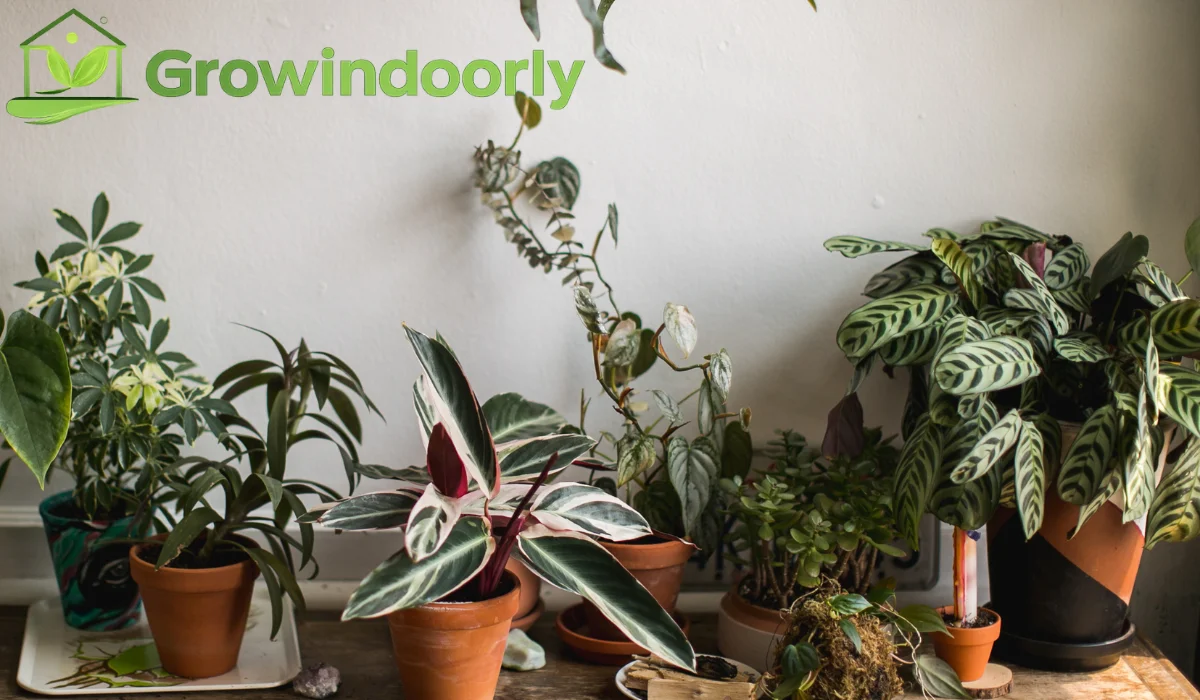
Standard outdoor garden dirt will suffocate roots when used in containers. Indoor plants require a light, airy indoor plant potting mix that drains rapidly while keeping roots appropriately hydrated.
When container soil becomes compacted, root rot quickly sets in and destroys healthy foliage. Choosing the right indoor plant potting mix prevents common watering issues and protects delicate root systems.
Many beginners struggle with yellow leaves and fungus gnats due to heavy soil formulas. Upgrading your indoor plant potting mix provides immediate relief and sets your houseplants up for long-term growth.
This complete guide covers DIY recipes, drainage essentials, custom blends, watering techniques, and troubleshooting steps to help your indoor garden thrive.
Understanding Indoor Growing Mediums
Container environments differ vastly from outdoor garden beds. In an outdoor garden, worms, insects, and natural water channels constantly aerate the earth. Rain washes away excess mineral salts, and groundwater drains deep into the earth naturally.
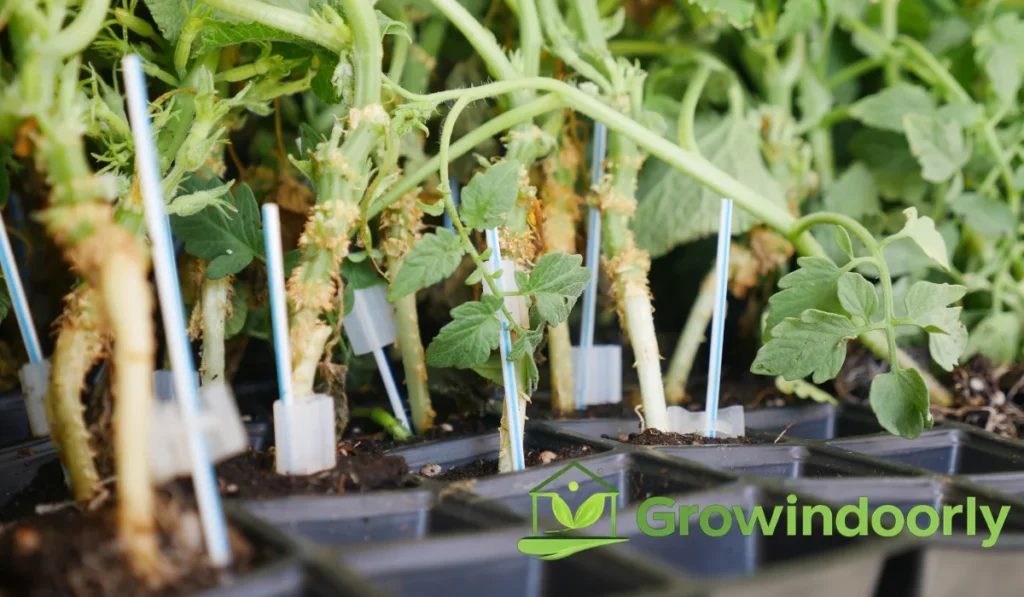
When you place a plant inside a plastic or ceramic pot, you create a closed ecosystem. Regular topsoil or backyard dirt contains heavy clay particles and silt. In a pot, this material packs down tightly every time you water. Oxygen cannot reach the roots, water sits around the base of the stem, and beneficial soil microbes die off.
A high-quality growing medium acts as a supportive mechanical anchor while maintaining a balance between air space and moisture retention. Roots need oxygen just as much as they need water to perform cellular respiration and absorb nutrients efficiently.
Why Quality Medium Matters for Houseplants
The condition of your growing substrate directly dictates root health, which reflects in your plant’s foliage. Using the wrong blend creates a domino effect of plant health issues.
- Oxygen Exchange: Plant roots absorb oxygen from small air pockets between soil particles. When these pockets collapse, roots starve and lose their ability to take up water.
- Moisture Control: High-quality substrates absorb necessary moisture like a sponge while allowing excess water to run out of drainage holes instantly.
- Nutrient Availability: Proper media hold onto essential plant fertilizers through cation exchange, releasing nutrients gradually to root hairs without burning them.
- Disease Prevention: Well-draining, airy blends drastically reduce the risk of opportunistic fungal diseases like Pythium and Phytophthora, commonly known as root rot.
- Pest Mitigation: Heavy, constantly damp soil creates the perfect breeding habitat for fungus gnat larvae, which feed on young feeder roots.
Essential Ingredients in a Premium Blend
Commercial store-bought bags often contain cheap filler materials that degrade quickly. Understanding raw ingredients allows you to evaluate commercial products or mix your own custom recipes.
Coco Coir and Peat Moss
These materials form the base of most quality recipes. Peat moss is harvested from natural bogs, holding significant moisture while maintaining an acidic pH. Coco coir is a sustainable byproduct of coconut processing. Coir drains slightly better than peat, lasts longer in pots without breaking down, and possesses a neutral pH balance.
Perlite
Perlite consists of volcanic glass heated until it pops into lightweight, white foam-like granules. It does not absorb water; instead, it creates permanent air spaces within the pot, preventing compaction over time.
Pumice
Pumice is lightweight volcanic rock that performs a function similar to perlite. However, pumice is heavier, preventing it from floating to the top of the pot during watering. It also features tiny surface pores that hold microscopic amounts of water and beneficial bacteria.
Orchid Bark
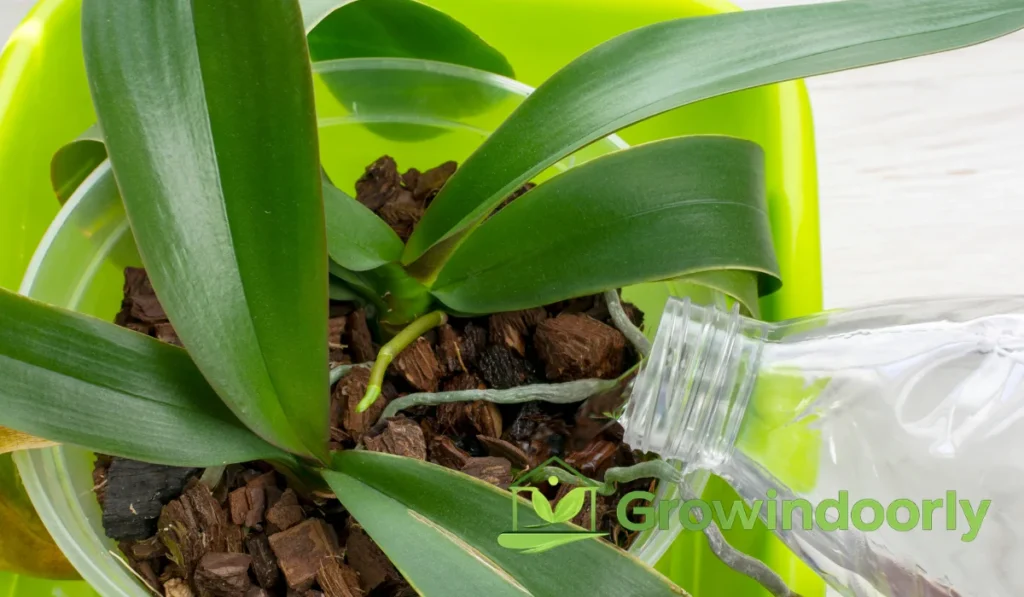
Fir or pine bark chunks introduce structural integrity to custom blends. Bark creates large air gaps required by epiphytic plants like monstera, philodendrons, and orchids, mimicking their natural environment where roots climb up rainforest trees.
Horticultural Charcoal
Activated charcoal chunks absorb excess mineral salts from hard tap water, filter out organic impurities, and suppress unpleasant odors caused by stagnant water.
Worm Castings
Earthworm manure serves as a gentle, organic source of nutrients. Castings introduce beneficial soil microbes that convert minerals into forms plant roots can absorb without risking chemical burns.
Custom DIY Recipes for Specific Plant Families
Different houseplant species originated in vastly different natural habitats. Tailoring your substrate blend to match their native conditions ensures maximum growth and health.
General Purpose Tropical Houseplant Recipe
Ideal for pothos, heartleaf philodendron, spider plants, and aglaonema.
- 40% Coco coir or peat moss
- 30% Perlite
- 20% Medium fir bark
- 10% Earthworm castings
Aroid Extravaganza Recipe
Ideal for Monstera deliciosa, Philodendron gloriosum, Syngonium, and Anthurium species.
- 30% Coco coir
- 30% Coarse orchid bark
- 20% Pumice or perlite
- 10% Horticultural charcoal
- 10% Earthworm castings
Succulent and Cactus Fast-Draining Recipe
Ideal for Echeveria, Haworthia, Jade plants, and desert cacti.
- 50% Pumice or perlite
- 30% Coarse sand or fine poultry grit
- 20% Coco coir or peat moss
Fern and Calathea Moisture-Retaining Recipe
Ideal for Boston ferns, Calathea, Maranta, and peace lilies.
- 50% Coco coir
- 20% Perlite
- 20% Vermiculite (holds moisture while keeping soil soft)
- 10% Earthworm castings
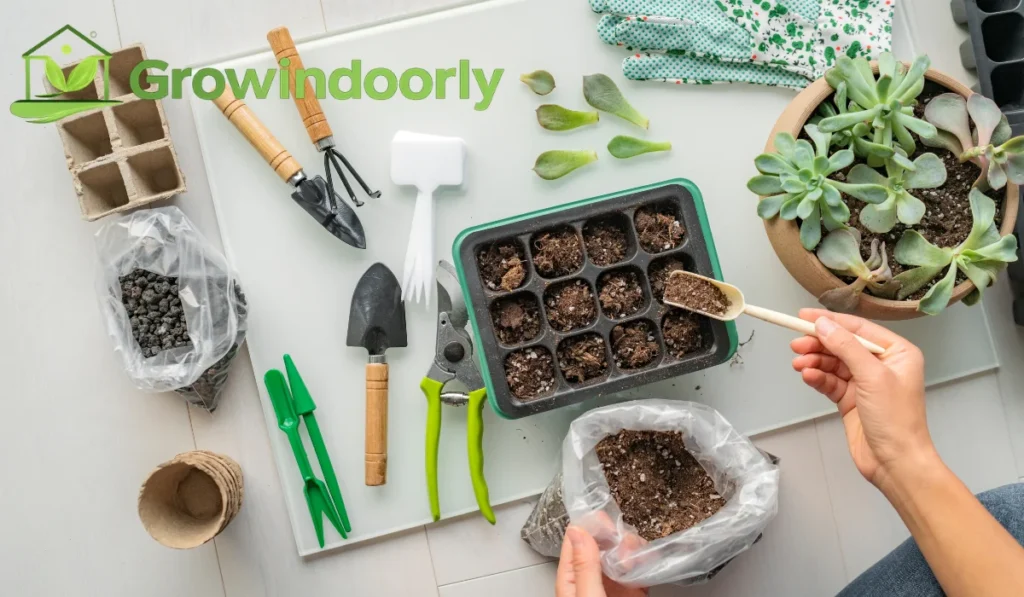
Essential Tools for Potting and Mixing
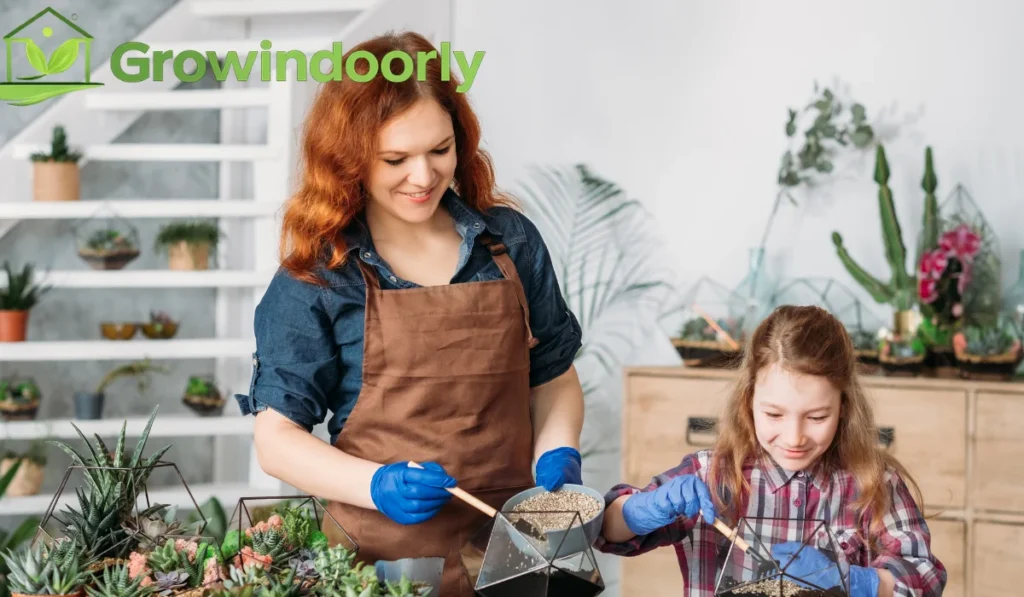
Having the right tools simplifies repotting and keeps your workspace clean.
- Large Storage Bin: A plastic tote bin provides ample space to mix raw ingredients thoroughly without spilling dust and material across your floors.
- Hand Trowel and Soil Scoop: Deep-walled scoops allow you to transfer mix into containers around delicate root systems accurately.
- Dust Mask: Mixing dry perlite and peat moss releases fine particulates into the air that can irritate lungs. Always wear a mask and moisten dry perlite before mixing.
- Potting Mat: A waterproof, snap-corner canvas mat catches loose media during plant maintenance and folds up easily for cleanup.
- Mesh Drain Screen: Small plastic mesh circles placed over pot bottom drainage holes keep your blend inside the container while letting excess water flow freely.
Best Indoor Plants for Beginners
If you are just starting your indoor garden, pair your newly blended substrate with hardy plant choices that tolerate minor care mistakes:
- Pothos (Epipremnum aureum): Highly adaptable, thrives in standard tropical blends, and visually signals when it needs water by slightly wilting.
- Snake Plant (Dracaena trifasciata): Handles low light and survives forgotten waterings, requiring a fast-draining succulent mix.
- ZZ Plant (Zamioculcas zamiifolia): Stores water in thick underground rhizomes; thrives in chunky, high-drainage substrates.
- Spider Plant (Chlorophytum comosum): Grows rapidly in general-purpose mixes and easily produces baby plantlets.
Lighting Requirements and Soil Moisture
Lighting directly impacts how quickly your growing medium dries out. A plant situated right in front of a bright south-facing window actively photosynthesizes, drawing up water through its roots quickly. Soil in high light may dry out within three to five days.
Conversely, the same plant placed in a dimly lit corner slows its metabolic processes significantly. Under lower light levels, roots draw up water at a fraction of the speed, meaning the medium remains damp for weeks.
If your plants reside in medium to low light, modify your substrate by increasing perlite or pumice contents by 15-20% to prevent excess moisture retention.
For spaces with limited natural sunlight, installing full-spectrum LED grow lights ensures your plants maintain active growth, allowing them to process moisture and nutrients efficiently.
Proper Watering Methods
Even the best substrate can fail if watering techniques are incorrect.
Top Watering
Pour water evenly around the soil surface until it runs freely out of the bottom drainage holes. Allow all excess water to drain out completely before returning the pot to its decorative saucer. Never let containers sit in standing runoff water.
Bottom Watering
Fill a tray or bowl with fresh water and submerge the bottom third of the pot. The medium draws water upward through capillary action. Remove the pot from the water once the top layer of soil feels moist, usually after 20 to 30 minutes.
The Moisture Check Technique
Always check substrate moisture before watering. Insert a finger two inches into the pot. If the material feels cool and damp, delay watering. If it feels completely dry, perform a thorough watering session.
Managing Temperature and Root Zone Health
Indoor roots prefer stable root zone temperatures between 65°F and 80°F (18°C to 27°C). Cold drafts from windows or air conditioning vents chill wet media, slowing root absorption and promoting root rot pathogens.
Keep containers away from direct heat sources such as radiators or heating vents, which rapidly dry out the top inches of substrate, crisping delicate upper roots while leaving lower soil damp.
Humidity Control and Surface Evaporation
Ambient humidity affects surface evaporation rates of your pots. Low indoor relative humidity (below 30%) causes the top layer of media to dry into a hard crust, while lower root zones remain saturated.
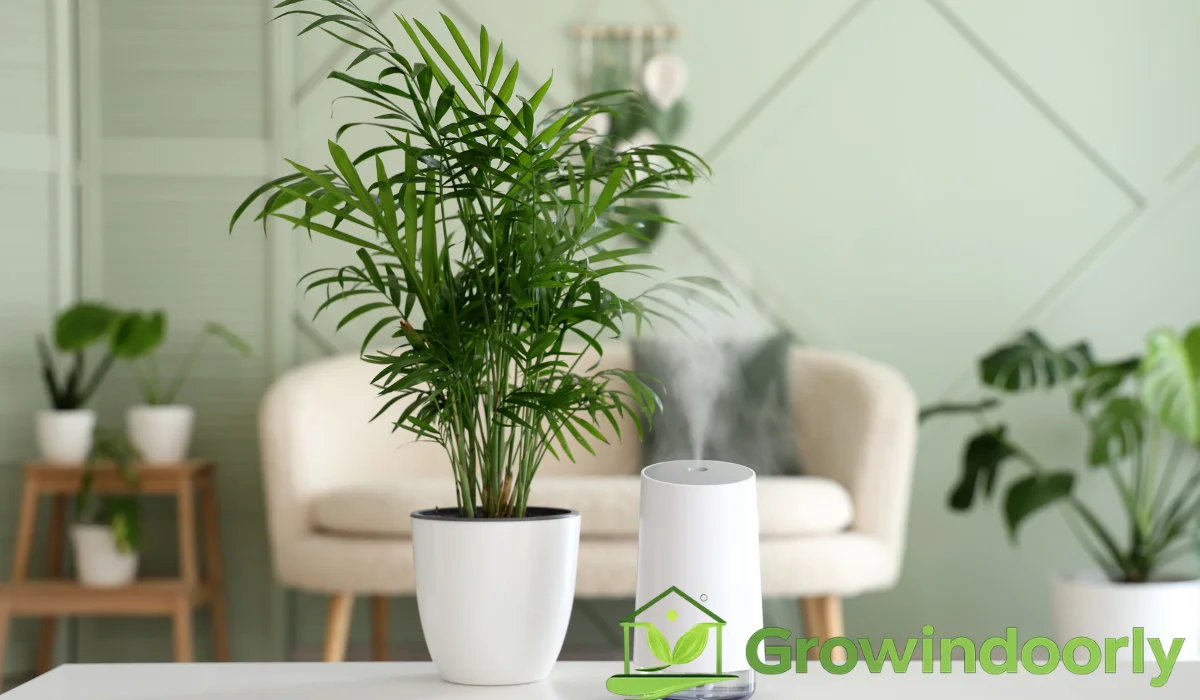
Maintaining indoor humidity around 40-60% supports even evaporation throughout the container. Using small humidifiers or grouping plants together creates microclimates that stabilize substrate moisture levels naturally.
Fertilizer and Organic Nutrients
Base potting media ingredients like peat, coir, perlite, and bark contain zero inherent plant nutrients. Unless your mix includes worm castings or slow-release fertilizer granules, you must provide nutrients through regular feedings.
Use balanced liquid synthetic or organic fertilizers diluted to half-strength during active growing seasons (spring and summer). Flush your substrate with pure distilled or rainwater every few months to dissolve and remove built-up mineral salts from hard tap water and fertilizer residues.
Regular Maintenance Routine
Maintaining healthy root ecosystems requires periodic checks:
- Aeration: Gently loosen compacted topsoil every few months using a chopstick or wooden skewer, taking care not to puncture main root lines.
- Salt Removal: Wipe away crusty white mineral buildup that accumulates along pot rims or surface bark chunks.
- Top-Dressing: Add a fresh one-inch layer of worm castings or rich substrate to top off pots annually as original organic matter breaks down and settles.
Seasonal Care Adjustments
Plant needs shift dramatically with changing seasonal cycles.
Mark your calendar to check root-bound plants each spring: if roots circle the pot bottom or push the plant upward, repot into fresh mix one pot size larger before the growing season starts.
Spring and Summer
Plants experience active foliage and root expansion. Water frequency increases as substrates dry out rapidly. This is the optimal window for repotting plants into larger containers with fresh media.
Autumn and Winter
Shorter daylight hours signal plants to enter semi-dormancy or slow growth phases. Reduce watering frequency by half or more. Hold off on fertilizer applications until spring to avoid burning resting roots.
Common Mistakes to Avoid
- Pots Without Drainage: Planting directly into pots without bottom drainage holes causes water to pool, suffocating roots quickly.
- Reusing Old Soil: Reusing medium from dead plants spreads dormant fungal spores, pests, and built-up mineral salts to healthy plants.
- Adding Gravel to the Bottom: Placing a layer of gravel at the bottom of a pot raises the water table within the container, reducing available root space and increasing rot risks (the perched water table effect).
- Packing Soil Down Firmly: Pressing down hard on fresh mix removes all valuable oxygen pockets needed for healthy root respiration.
Troubleshooting Common Problems
Fungus Gnats
These small dark flies breed in moist, decaying organic topsoil.
- Solution: Allow the top two inches of substrate to dry out fully between waterings. Cover the soil surface with a half-inch layer of coarse sand or pumice, and apply Bacillus thuringiensis israelensis (BTI) drench to eliminate larvae.
Hydrophobic Soil
When peat moss or coir dries out completely, it shrinks away from pot walls and repels water, allowing water to run down the sides without soaking the root ball.
- Solution: Submerge the entire pot in a bucket of warm water for 30 minutes until the medium rehydrates and expands.
Mold on Soil Surface
Harmless white harmless mold indicates high humidity, low airflow, and persistent moisture.
- Solution: Scrape off the surface mold, increase room air circulation with a small fan, and allow the mix to dry out slightly more between waterings.
Beginner Tips for Immediate Success
- Start Simple: Purchase a reputable pre-mixed commercial tropical medium before attempting complex DIY recipes.
- Amplify Commercial Mixes: Buy a basic houseplant blend and stir in 20% extra perlite or bark. This instantly improves drainage with minimal effort.
- Match Pot Size to Root Ball: Select pots only 1-2 inches larger than the current root system. Excess medium around small roots stays wet too long.
Advanced Expert Recommendations
For intermediate and advanced indoor gardeners looking to optimize plant performance:
- Track Substrate pH: Maintain substrate pH between 5.8 and 6.5 for tropical houseplants to maximize nutrient bioavailability.
- Incorporate Mycorrhizal Fungi: Dust root systems with beneficial mycorrhizal fungi spores during repotting. These symbiotic fungi attach to roots, expanding water and nutrient absorption capacity up to a hundredfold.
- Utilize Semi-Hydroponics: For ultra-sensitive plants, consider ditching traditional organic media entirely for inorganic substrates like LECA (Lightweight Expanded Clay Aggregate) or Pon (pumice, zeolites, and lava rock) combined with passive reservoir watering systems.
Conclusion
Mastering the fundamentals of container growing media transforms your indoor gardening experience. By stepping away from heavy backyard soils and adopting light, porous substrates custom-tailored to your tropical plants, you effectively eliminate root rot, discourage pests, and support vigorous foliage growth.
Remember that root health forms the foundation of every thriving indoor urban jungle. Pay close attention to light levels, adjust your watering routines seasonally, and keep root zones well-aerated.
At GrowIndoorly.com, our mission is to empower you with practical, research-backed advice to make houseplant care simple and rewarding. Apply these substrate strategies to your collection today and watch your plants transform.
Pro Tips
- Pre-moisten dry ingredients: dampen peat moss or coco coir with warm water before mixing — dry peat repels water and makes uniform blending nearly impossible. Let it hydrate for 15 to 20 minutes, then fluff it before adding perlite and bark.
- Sift out dust and fines: shake perlite and bark through a coarse sieve to remove powdery fines that clog air pockets. Save the dusty fraction for seed-starting mixes where fine texture matters.
- Label every batch: write the recipe ratios and mixing date on a tag or the storage bin. When a plant thrives or struggles, you’ll know exactly which blend it is growing in.
- Let fresh mixes rest: after blending, moisten the mix lightly and let it sit covered for 24 hours so moisture distributes evenly and the pH stabilizes before potting.
What primary role does perlite play within a container growing medium?
A) Holds large quantities of water for roots
B) Supplies nitrogen to the plant
C) Creates air space and improves drainage
D) Adjusts the acidity of the soil
Question 2
What happens to peat-based substrates when they dry out completely?
A) They expand rapidly
B) They become hydrophobic and repel water
C) They turn into high-nitrogen fertilizer
D) They attract beneficial soil nematodes
Question 3
Why is adding a layer of gravel to the bottom of a pot harmful?
A) It makes the pot too light
B) It raises the perched water table closer to the roots
C) It removes all nitrogen from the substrate
D) It turns the substrate completely alkaline
Question 4
Which ingredient serves as an ideal chunky component for tropical aroid roots?
A) Sand
B) Orchid bark
C) Clay silt
D) Garden topsoil
Question 5
Which pest thrives primarily in damp, compacted surface substrate?
A) Spider mites
B) Fungus gnat larvae
C) Mealybugs
D) Scale insects
Question 6
How does ambient lighting affect soil moisture usage?
A) High light slows water uptake
B) Lighting has no impact on soil moisture
C) Higher light increases photosynthesis and speeds up soil drying
D) Dark rooms cause soil to dry out faster
Answer Key
- Question 1: C
- Question 2: B
- Question 3: B
- Question 4: B
- Question 5: B
- Question 6: C
Frequently Asked Questions
Can I use regular outdoor garden soil for indoor plants?
No, outdoor garden soil contains heavy clay, silt, weed seeds, and potential pests. In containers, regular soil compacts tightly, preventing proper drainage and oxygen flow, which leads to root rot.
How often should I completely replace potting mix?
You should replace the growing medium every 12 to 18 months. Over time, organic ingredients break down, lose their airy structure, compact, and accumulate excess fertilizer salts.
Why is water running down the sides of my pot without soaking in?
Your growing medium has become hydrophobic, which happens when peat moss or coco coir dries out completely. Rehydrate it by bottom-watering or soaking the pot in a water bath for 30 minutes.
Is perlite better than pumice for indoor plants?
Perlite is lighter and cheaper, but it tends to float to the surface over time. Pumice is heavier, stays evenly distributed throughout the pot, and lasts longer without crushing, making it superior for larger containers.
How do I know if my mix holds too much water?
If the top two inches of medium remain soggy four to five days after watering, or if you notice yellowing leaves, soft stems, or fungus gnats, your substrate lacks adequate drainage components like perlite or bark.
Should I sterilize homemade potting blends?
If you are using pure ingredients like fresh coco coir, perlite, and commercial bark, sterilization is unnecessary. However, if you are reusing components or incorporating leaf mold, bake the mixture in an oven at 180°F (82°C) for 30 minutes to kill pests and pathogens.
What is the difference between peat moss and coco coir?
Peat moss comes from harvested moss bogs, is acidic, and holds significant moisture. Coco coir is a sustainable coconut processing byproduct, features a neutral pH, lasts longer before degrading, and rehydrates much easier than peat.
Can I mix fertilizer directly into my new substrate blend?
Yes, adding earthworm castings or slow-release fertilizer granules directly into your blend provides a safe, gentle source of nutrients for new roots without risking fertilizer burn.

Megan Foster is the founder and lead writer of GrowIndoorly.com, where she shares practical, easy-to-follow advice for growing healthy indoor plants. She is passionate about helping beginners and experienced plant lovers build thriving indoor gardens with confidence. Megan writes about houseplants, indoor herbs, succulents, hydroponics, grow lights, plant propagation, watering, soil care, and everyday plant maintenance.
She enjoys researching trusted gardening techniques and transforming them into simple, actionable guides that readers can easily apply at home. Her goal is to make indoor gardening more enjoyable and accessible by providing clear, reliable information that helps people keep their plants healthy throughout the year. Whether you’re caring for your first houseplant or expanding your indoor plant collection, Megan’s practical tips are designed to help you grow with confidence.