Struggling to find trailing foliage that cascades beautifully over shelves while helping clean your room’s air? Growing a hedera helix indoor plant setup brings classic European elegance and lush green vines right into your living space.
Beginners often run into trouble because this trailing evergreen behaves differently than tropical house plants. Bringing a hedera helix indoor plant home without understanding its need for cooler temperatures, bright light, and air circulation frequently causes dry leaves, leaf drop, and spider mite outbreaks.
Mastering its care takes the mystery out of keeping these vigorous vines healthy inside your home. With the right balance of filtered sunlight, well-draining potting soil, sensible watering, and pest prevention, your plant will thrive happily year after year.
In this step-by-step guide, you will learn how to cultivate a hedera helix indoor plant with total confidence. We will cover top varieties, trellising methods, pruning routines, and troubleshooting strategies to keep your trailing greenery thick, vibrant, and lush.
Understanding the Hedera Helix Indoor Plant
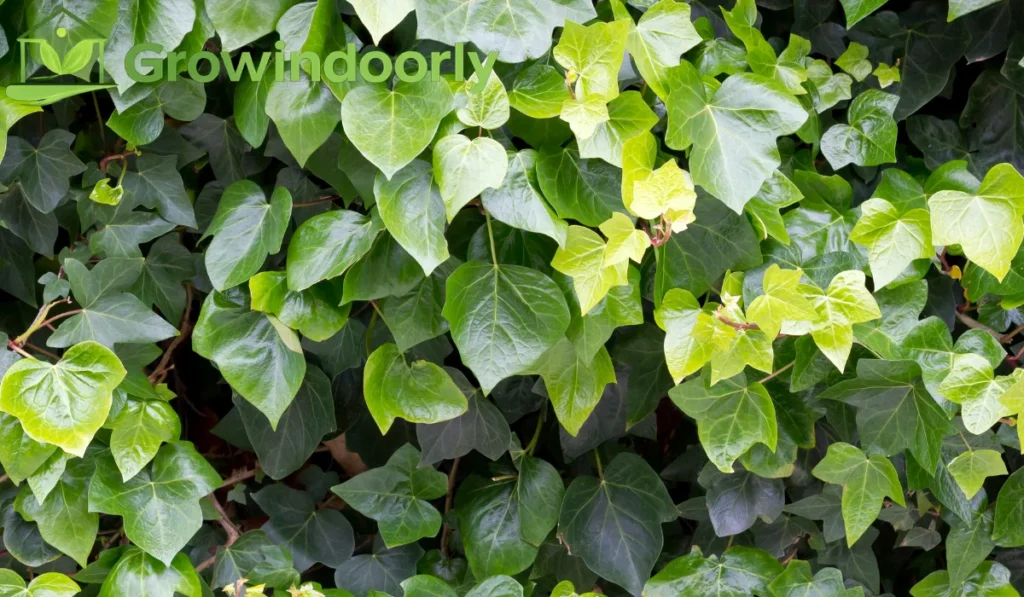
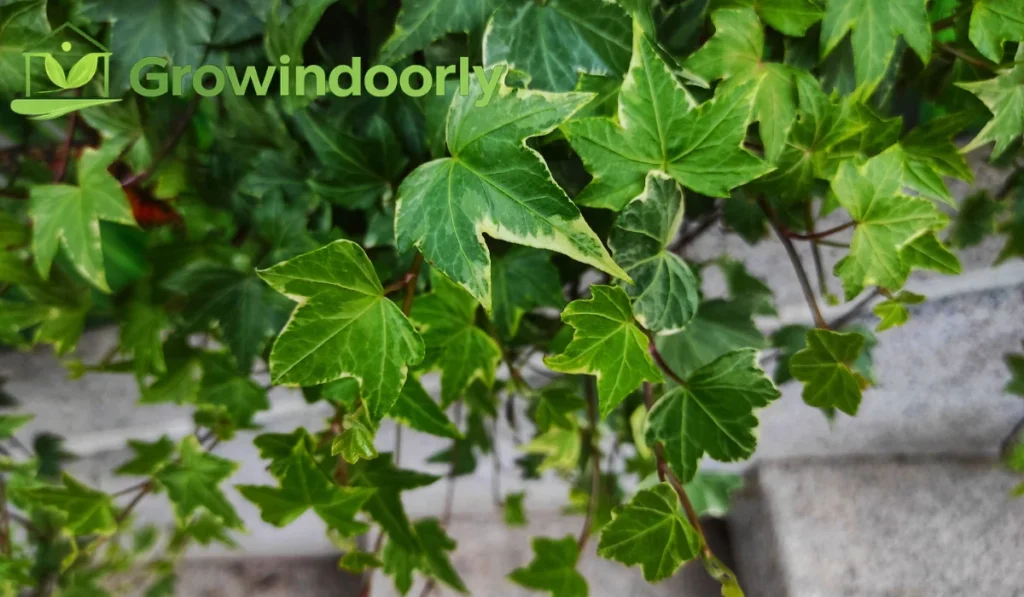
Hedera helix, commonly known as English Ivy, is a woody evergreen vine native to the cool woodlands of Europe and Western Asia. In the wild, it uses tiny aerial rootlets along its stems to climb trees, masonry, and forest floors, creating thick green carpets.
When adapted as a houseplant, it transitions into a versatile ornamental vine. Unlike soft tropical foliage plants, it features tough, leathery leaves with distinct lobed patterns. Understanding its woodland origin explains why it prefers bright cool air over hot, stagnant rooms with dry central heating.
Why Cultivating English Ivy Indoors Matters
Adding English Ivy to your indoor garden brings structural texture that elevates your home decor. Its cascading vines soften sharp shelf edges, frame window sills, and fill empty vertical space when trained upward along moss poles or wire frames.
Beyond aesthetics, caring for ivy sharpens your skills as an indoor gardener. Because it reacts quickly to dry ambient air and improper watering, it gives you immediate feedback. Learning to balance airflow, temperature, and moisture levels builds a strong foundation for growing a wide range of temperate houseplants.
Benefits and Advantages of Growing English Ivy
Bringing Hedera helix into your living areas delivers several practical and visual benefits:
- Exceptional Air Cleaning: It actively scrubs airborne volatile organic compounds (VOCs) like benzene, formaldehyde, and xylene from indoor air.
- Versatile Design Potential: Style it as a trailing hanging basket, a tabletop bookshelf accent, or a trained topiaried shape.
- Vigorous Growth Rate: Healthy plants produce long, vine-like stems rapidly during warm spring and summer months.
- Cool Room Tolerance: Unlike delicate tropicals, it thrives in cooler rooms, drafty entryways, and sunrooms where other plants struggle.
Different Training Methods and Display Approaches
You can grow English Ivy using three distinct styling techniques depending on your space and aesthetic preferences:
- Cascading Hanging Baskets: Allow long vines to trail downward freely from hanging pots or high wall shelves. This creates a lush green curtain effect.
- Trellis and Topiary Support: Train flexible stems around hoop trellises, wooden stakes, or wire frames using gentle plant ties. The aerial rootlets naturally grab textured surfaces over time.
- Semi-Hydroponic Water Culture: Root stem cuttings directly in water containers or LECA clay pebbles for clean, soil-free tabletop displays.

Essential Tools and Equipment Required
Having the right tools on hand makes routine ivy care simple and efficient:
- Breathable Pots with Drainage Holes: Terra cotta or unglazed ceramic pots allow soil to dry out evenly, protecting delicate roots from rot.
- Narrow-Spout Watering Can: Directs water straight to the soil surface without soaking dense stem foliage.
- Precision Pruning Shears: Used to trim leggy stems, encourage bushy growth, and take clean propagation cuttings.
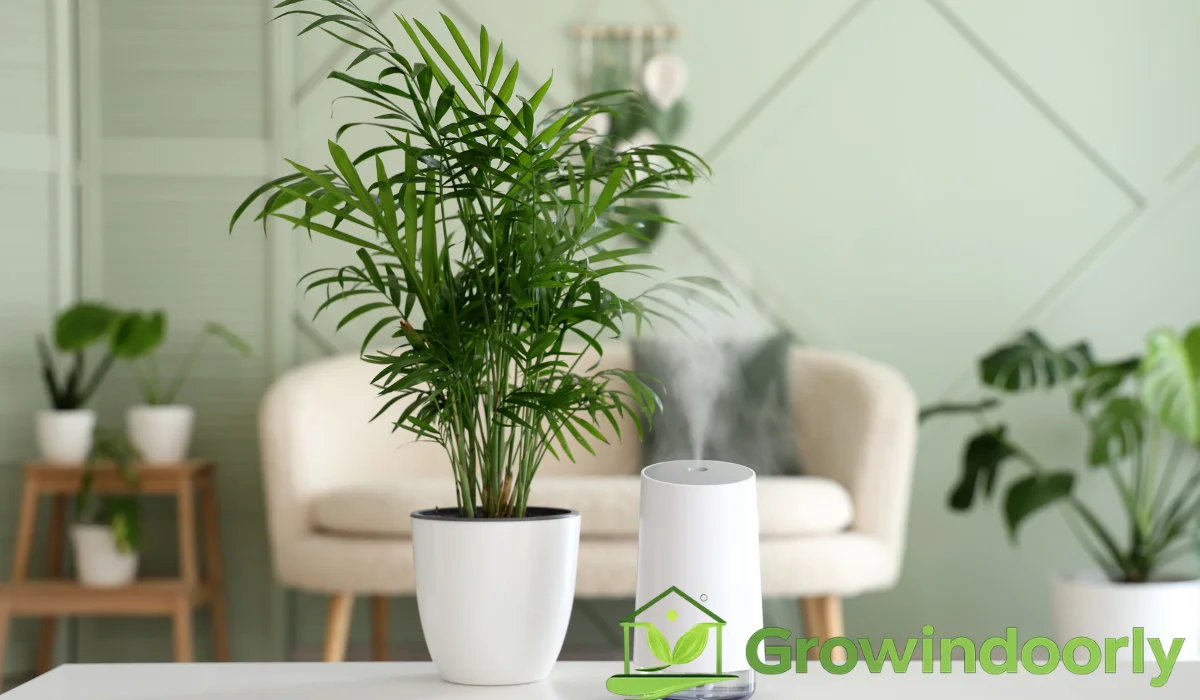
- Cool-Mist Room Humidifier: Raises ambient air moisture to deter spider mites and prevent leaf margins from browning.
- Insecticidal Soap or Neem Oil: Essential natural treatments for managing spider mites and scale insects.
- Full-Spectrum LED Grow Light: Provides supplementary light in dark rooms to keep variegated leaves bright.
Best Hedera Helix Varieties for Indoor Spaces
Selecting the right cultivar makes a big difference in appearance and growth habits:
Hedera helix ‘Eva’
A stunning variegated variety featuring small, lobed leaves with grayish-green centers and creamy white borders. It stays compact and adds brightness to shaded corners.
Hedera helix ‘Glacier’
Known for its silvery-gray foliage trimmed with ivory margins. It boasts strong trailing stems and handles bright indirect light remarkably well.
Hedera helix ‘Needlepoint’
Features deeply cut, three-lobed leaves with sharp, pointed tips. Its unique leaf shape brings fine texture to hanging baskets.
Hedera helix ‘Duckfoot’
A cute, mini cultivar with small, rounded leaves shaped like a duck’s foot. It forms a dense, bushy mound that works exceptionally well on desks and small windowsills.
Lighting Requirements for Full, Bushy Vines
Light dictates leaf color intensity, stem density, and overall vine health.
- Bright, Indirect Sunlight: Position your plant near an east-facing window or a few feet back from a south or west window. Strong filtered light produces tight leaf spacing and rich color patterns.
- Low Light Drawbacks: In dim lighting, stems become weak, thin, and “leggy” with wide gaps between leaves. Variegated cultivars lose their white pattern and turn solid green.
- Direct Sun Scorch: Avoid harsh, midday direct sun behind glass, which bleaches leaves and scorches thin leaf margins.
- Grow Light Setup: Place full-spectrum LED fixtures 12 to 18 inches above the vine canopy for 10 to 12 hours daily in dark interiors.

Proper Watering Methods
Overwatering is the fastest way to kill an indoor ivy. The fine root system requires oxygen pockets between waterings.
- The Soil Surface Check: Insert your index finger two inches into the potting soil. Water thoroughly only when the top 30% to 50% of the soil feels completely dry.
- Deep Drenching: Pour room-temperature water evenly over topsoil until liquid flows out of drainage holes. Allow all excess runoff to drain completely, and empty catch trays after 20 minutes.
- Winter Reduction: Reduce watering frequency during autumn and winter when natural plant growth slows down significantly.
Soil and Growing Medium Essentials
Standard garden soil is too heavy for container ivy, while pure peat mixes retain too much water. You need an airy mix that releases excess moisture fast.
Create a custom potting blend by combining:
- 50% Quality Peat Moss or Coconut Coir: Provides a lightweight base that holds gentle moisture.
- 30% Perlite or Pumice: Creates air channels to promote root respiration and prevent compaction.
- 20% Fine Orchid Bark or Coarse Sand: Enhances overall drainage and supports sturdy root anchor systems.
Temperature Control for Cool-Climate Foliage
Originating in temperate European forests, English Ivy prefers cooler room temperatures than standard tropical houseplants.
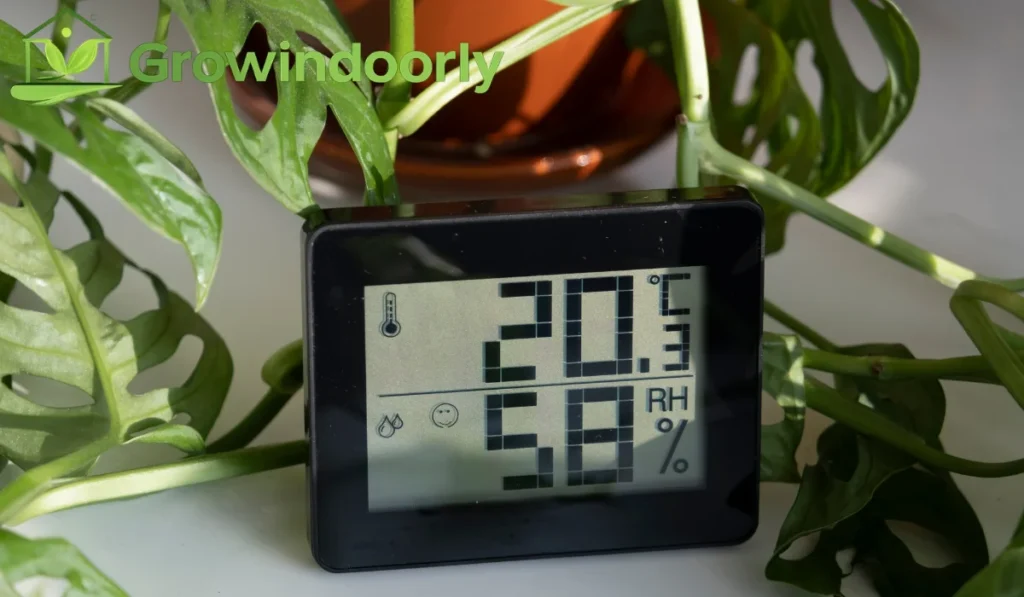
Maintain indoor temperatures between 50°F and 70°F (10°C to 21°C). Nighttime temperature drops down to 55°F (13°C) encourage strong, sturdy growth. Keep pots away from hot air vents, space heaters, and radiator units, as hot dry air causes rapid leaf drop.
Place a small thermometer right at leaf level near the pot for one week to learn your room’s true conditions, because shelves and windowsills can run several degrees warmer or cooler than the wall thermostat reads. If your ivy sits on a chilly windowsill, slide it back 6 to 8 inches from the glass at night during winter so leaves never press against the cold pane. In warm apartments, a hallway, entryway, or sunroom often runs naturally cooler than the living room, which makes it the best spot for ivy through summer heat waves.
Controlling Humidity Levels
Dry indoor air is the single biggest challenge when growing English Ivy inside homes, especially during winter heating seasons. Low humidity causes leaf edges to turn brown and crisp, while inviting destructive spider mites.
Maintain ambient room humidity between 40% and 60% using these techniques:
- Cool-Mist Humidifier: Run a small humidifier near your ivy setup to keep air humid.
- Pebble Trays: Set pots on shallow trays filled with river stones and water, making sure pot bottoms stay above the water level.
- Regular Showers: Rinse vines under cool sink water monthly. This boosts humidity, cleans leaf surfaces, and washes away hidden pests.
Fertilizer and Nutrient Application
English Ivy is a moderate feeder that benefits from steady, balanced nourishment during active growth.
Feed every two to three weeks during spring and summer using a balanced water-soluble houseplant fertilizer diluted to half strength. Avoid high-nitrogen fertilizers that produce weak, watery stems susceptible to pests. Stop fertilizing entirely through late fall and winter when growth rests.
Maintenance Routine and Pruning Techniques
Regular pruning keeps ivy looking thick, compact, and vibrant rather than thin and sparse:
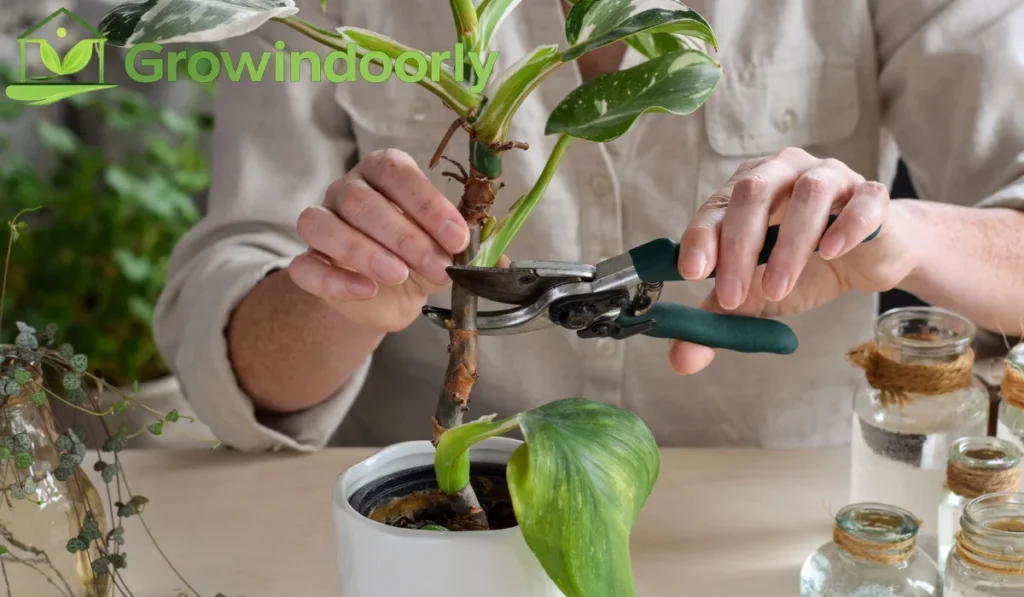
- Pinching Back Stems: Pinch off growing stem tips regularly using sharp shears. This forces dormant side buds to break, turning a single trailing vine into multiple branches.
- Cleaning Foliage: Wipe broad leaves with a damp cloth or shower the plant monthly to remove dust layers that block sunlight absorption.
- Removing Yellow Leaves: Trim off yellowed lower leaves near the soil base to keep the container tidy and encourage air circulation.
Stem Propagation in Water or Soil
Propagating English Ivy is fast, easy, and yields endless new plants:
- Taking Cuttings: Cut 4 to 6 inch stem sections from healthy growth, making cuts just below a leaf node. Strip off lower leaves, leaving 2 to 3 leaves at the tip.
- Water Method: Place stem bases into a glass of fresh water. Roots will sprout from nodes within two to three weeks. Transpot into soil once roots reach two inches long.
- Soil Method: Dip cut ends into rooting hormone powder and press them directly into damp potting soil containing extra perlite. Keep humidity high using a clear plastic bag tent.
Seasonal Care Shifts
Adjust your maintenance routine as natural daylight and seasonal weather shift:
- Spring & Summer: Active growth period. Move plants into bright indirect light, water when topsoil dries, feed every two weeks, and prune back long vines to encourage full growth.
- Autumn & Winter: Resting phase. Move pots away from cold window glass, reduce watering frequency by half, pause fertilizers completely, and run a humidifier to combat dry indoor heating.
Common Mistakes Beginners Make
Avoid these frequent beginner traps to keep your ivy thriving:
- Overwatering Soggy Soil: Keeping soil constantly wet rots fine feeder roots, causing leaves to turn brown and drop off.
- Placing Near Heat Sources: Setting pots near radiator vents or space heaters dries out leaves quickly and triggers spider mite outbreaks.
- Neglecting Light Needs: Dark corners cause long, leafless stems that look sparse and weak.
- Skipping Pest Inspections: Failing to check under leaves regularly allows spider mite colonies to multiply unnoticed until severe damage occurs.
Troubleshooting Common Problems
Diagnose and resolve common houseplant issues with this simple guide:
- Crispy, Brown Leaf Edges: Caused by low room humidity, hot drafts, or underwatering. Boost room humidity and check soil moisture levels.
- Yellowing Leaves: Signals overwatering, poor pot drainage, or insufficient sunlight. Allow soil to dry further between waterings and move to brighter light.
- Pale, Bleached Foliage: Direct afternoon sunlight is scorching the leaves. Move the plant back from window glass or add sheer curtains.
- Tiny Webbing and Speckled Leaves: Indicates spider mites. Wash vines under cool running water, wipe foliage clean, and spray thoroughly with insecticidal soap every five days.
Beginner Tips for Quick Success
Build confidence with these practical care tips:
- Start with Small Containers: Choose small 4-inch or 6-inch pots. Smaller pots dry out faster, protecting against root rot while roots establish.
- Give Vines Room to Breathe: Avoid overcrowding multiple plants in a tight space. Proper air circulation around stems deters fungal diseases.
- Rinse Leaves Monthly: Taking your plant to the bathroom sink for a quick cool shower washes off dust and deters spider mites naturally.
Advanced Recommendations for Experienced Growers
Ready to take your ivy growing skills to the next level?
- Create Topiaries: Train flexible vines around wire frames shaped like circles, hearts, or pyramids to build stunning architectural living sculptures.
- Mix Cultivars: Plant two complementary varieties (such as variegated ‘Glacier’ and dark green ‘Needlepoint’) together in one wide pot for rich visual contrast.
- Hydroponic LECA Setup: Transition established root systems into expanded clay pebbles with semi-hydroponic water reservoirs. This eliminates soil-borne pests while delivering consistent moisture.
Keeping Pets and Kids Safe Around English Ivy
English ivy is toxic to cats, dogs, and people when chewed or swallowed. Its leaves and berries contain natural compounds called saponins that can cause drooling, stomach upset, and skin irritation. For this reason, never hang ivy baskets low over a pet feeding area or set the pot on a floor-level stand where a curious cat or toddler can reach it.
Keep the plant on a high shelf, in a wall-mounted holder, or in a room that stays closed to pets and small children. If a pet does chew on the leaves, remove any remaining leaf pieces from its mouth and watch for vomiting or unusual drowsiness. Call your veterinarian or local poison helpline right away and mention the plant name, Hedera helix, so they can advise you quickly.
Conclusion
Growing a thriving indoor English Ivy brings timeless beauty, cascading foliage, and natural air-cleansing benefits into your home space. By understanding its need for cool temperatures, bright indirect sunlight, well-draining soil, and elevated humidity, you build an environment where these vines flourish effortlessly.
Pay close attention to soil moisture, keep air circulating around stems, and inspect foliage regularly for pests. With proper care, your trailing ivy will reward you with rich green color year after year. For more step-by-step growing tutorials, care guides, and indoor plant tips, explore our full library of resources at GrowIndoorly.com.
Frequently Asked Questions
Is Hedera helix a good indoor plant?
Yes, Hedera helix makes an excellent indoor plant when given bright indirect light, cooler temperatures, and moderate humidity. It cascades beautifully from hanging baskets, cleans indoor air of toxins, and tolerates cool indoor spaces better than most tropical plants.
How often should I water my indoor English Ivy?
Water your indoor ivy when the top 30% to 50% of the potting soil feels dry to the touch. Pour water evenly over the soil until it drains out the bottom holes, and empty the catch tray completely. Avoid watering on a fixed calendar schedule.
Why are the leaves on my indoor ivy turning brown and dry?
Dry, brown leaves are usually caused by low ambient humidity, hot air drafts from heating vents, or underwatering. Increase room humidity with a humidifier, keep the plant away from radiators, and maintain consistent soil moisture.
Does Hedera helix need sunlight indoors?
English Ivy needs bright, indirect sunlight to stay full and bushy. Position it near east windows or set back from south/west windows. While it tolerates medium light, low light causes leggy growth, stem gaps, and loss of leaf variegation.
Is Hedera helix safe for cats and dogs?
No, Hedera helix contains triterpenoid saponins that are toxic to cats and dogs according to ASPCA standards. Ingestion can cause vomiting, excessive drooling, abdominal pain, and diarrhea. Keep trailing vines on high shelves out of reach of pets.
How do I stop spider mites on my indoor ivy?
Prevent spider mites by keeping room humidity above 50% and washing foliage monthly under cool water. If mites appear, spray the stems and undersides of leaves thoroughly with organic insecticidal soap or neem oil every five days until clear.
Can I propagate Hedera helix in water?
Yes, English Ivy propagates easily in water. Cut 4 to 6 inch stem sections below a leaf node, remove lower leaves, and place stem bases in a glass of water. Roots will sprout within two to three weeks, ready for potting into soil.
How do I make my indoor ivy grow thicker and fuller?
To make ivy grow bushy, pinch back the tips of growing stems regularly using clean shears. This forces side buds to branch out. Additionally, ensure the plant receives bright indirect light and plant multiple stem cuttings together in one pot.

Megan Foster is the founder and lead writer of GrowIndoorly.com, where she shares practical, easy-to-follow advice for growing healthy indoor plants. She is passionate about helping beginners and experienced plant lovers build thriving indoor gardens with confidence. Megan writes about houseplants, indoor herbs, succulents, hydroponics, grow lights, plant propagation, watering, soil care, and everyday plant maintenance.
She enjoys researching trusted gardening techniques and transforming them into simple, actionable guides that readers can easily apply at home. Her goal is to make indoor gardening more enjoyable and accessible by providing clear, reliable information that helps people keep their plants healthy throughout the year. Whether you’re caring for your first houseplant or expanding your indoor plant collection, Megan’s practical tips are designed to help you grow with confidence.