
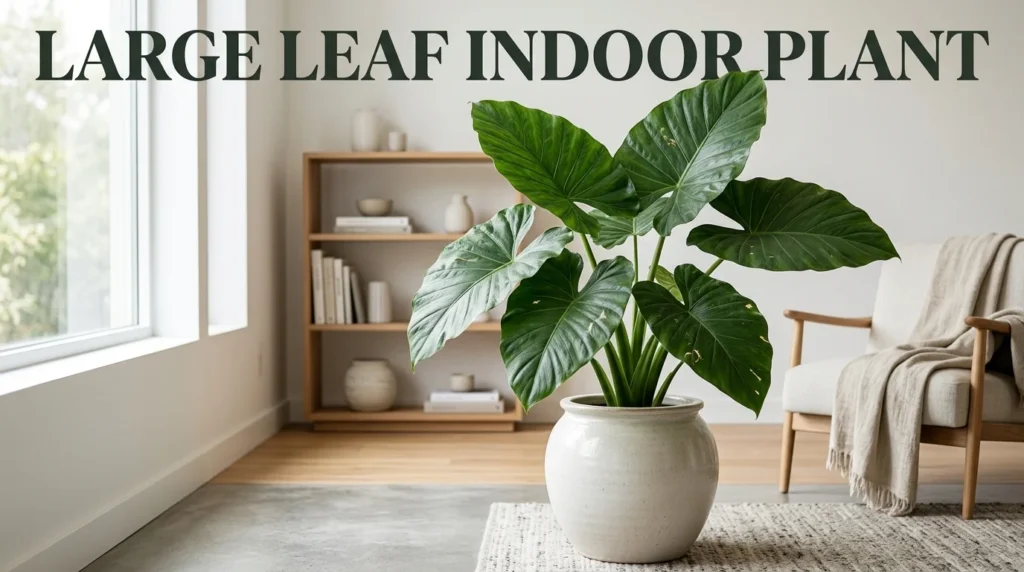
Bringing a dramatic large leaf indoor plant into your home can instantly turn a dull room into a vibrant tropical sanctuary. However, many plant parents struggle to keep those broad, eye-catching leaves looking healthy, shiny, and green over time.
Choosing a large leaf indoor plant is an incredible way to anchor your living room decor and purify interior air. Yet, these botanical giants require specific attention compared to small succulents or trailing ivies because their massive surface areas evaporate water much faster.
Beginners often run into frustrating issues like brown crispy edges, drooping stems, yellowing foliage, or sudden pest infestations. These common problems usually happen when low indoor humidity, poor light levels, or improper watering routines disrupt the plant’s natural growing environment.
This comprehensive guide breaks down everything you need to know about growing a thriving large leaf indoor plant successfully. You will learn how to choose resilient species, master essential light and water needs, prevent common diseases, and keep big foliage immaculate year-round.
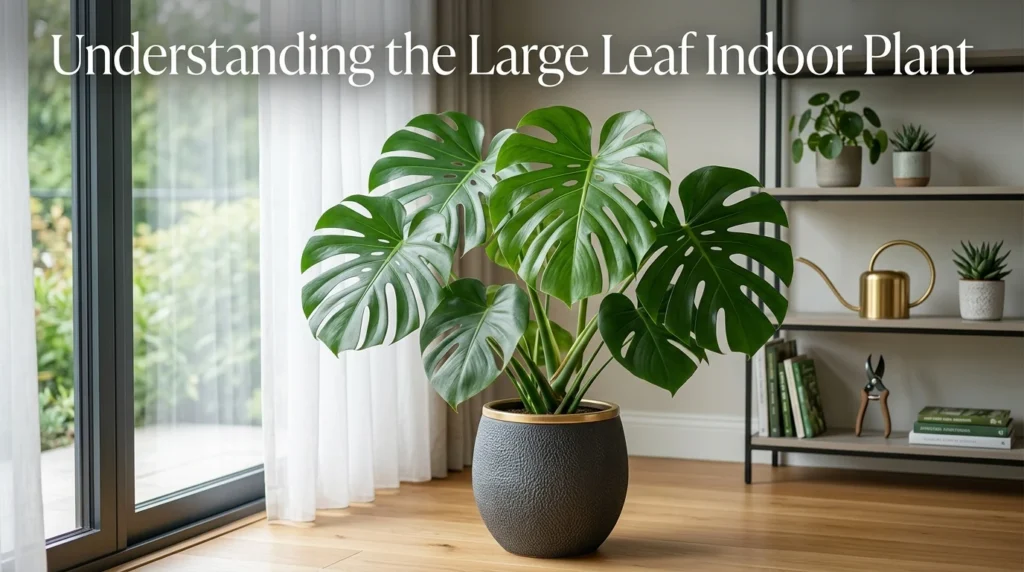
Understanding the Large Leaf Indoor Plant
Broad-leafed houseplants naturally originate in the understory of dense tropical rainforests across South America, Southeast Asia, and West Africa. In their wild habitats, these plants developed oversized leaves to capture every available ray of sunlight filtering down through tall jungle canopies.
When grown indoors, a large leaf indoor plant serves as an architectural statement piece. Their broad foliage acts like natural solar panels, processing indoor ambient light while actively transpiring moisture into the surrounding room air.
Understanding their tropical background is key to indoor success. Because they evolved under high canopy humidity, indirect sunlight, and rich, well-draining forest soil, recreating similar environmental conditions indoors ensures your plant produces giant, healthy leaves.
Why Growing Large Leaf Plants Indoors Matters
Integrating large foliage into interior spaces offers remarkable aesthetic, architectural, and health benefits that smaller foliage cannot replicate.
Dramatic Interior Design and Focal Points
A single towering plant with expansive foliage can effortlessly fill an empty living room corner or frame a window space. It anchors your room decor, replacing artificial plastic ornaments with living, natural art.
Enhanced Air Purification and Transpiration
Because of their massive surface areas, broad-leafed plants filter indoor toxins like formaldehyde and benzene more efficiently than small potted herbs. They also naturally boost indoor humidity levels, making dry living spaces more comfortable during winter months.
Stress Reduction and Biophilic Connection
Surrounding yourself with lush green foliage lowers cortisol levels, improves focus, and fosters a direct connection with nature an essential mental health benefit for modern indoor living.
Cultivation Approaches: Soil, Semi-Hydro, and Hydroponics
While standard potted soil remains the most popular method for growing broad-leaf plants, indoor horticulturists use several growing mediums based on space and maintenance goals:
- Traditional Soil Mixes: The most widely used approach. Using an airy, organic mix provides stability, essential nutrients, and natural root insulation for large potted specimens.
- Semi-Hydroponics (LECA/Pon): Growing large species like Monstera or Alocasia in Lightweight Expanded Clay Aggregate (LECA) or inorganic mineral substrates prevents root rot and eliminates soil-borne pests like fungus gnats.
- Active Hydroponic Systems: Advanced growers utilize continuous water reservoir systems or aeroponics under grow lights to accelerate growth rates during vegetative propagation.
Essential Tools and Equipment Required
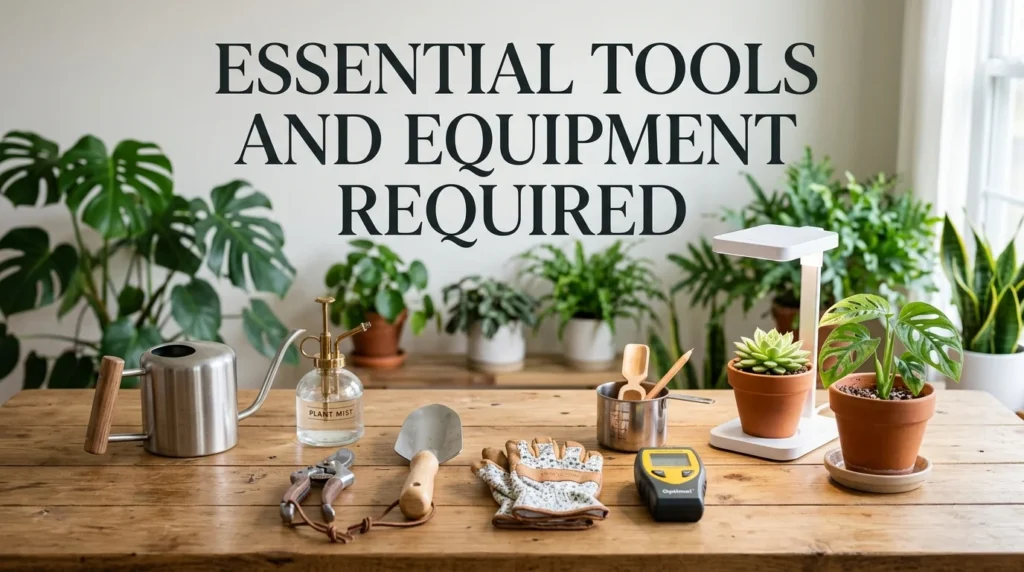
Proper maintenance of broad-leafed plants requires the right equipment to handle their size and weight:
- Heavy-Duty Drainage Containers: Terracotta, ceramic, or sturdy plastic pots equipped with large drainage holes.
- Support Poles or Trellises: Moss poles, coco coir stakes, or cedar planks to support heavy climbing vines like Monstera and Philodendron.
- Microfiber Dusting Gloves or Cloths: Crucial for gently wiping down wide leaf blades to remove dust buildup.
- Bypass Pruning Shears: Heavy-duty, sharp pruners for clean cuts on thick woody stems.
- Cool-Mist Room Humidifier: Essential for maintaining humidity levels above 50% around sensitive broad foliage.
- Full-Spectrum LED Grow Lights: Necessary for supplementing light levels during short winter days.
Best Large Leaf Indoor Plants for Every Space
Selecting the right plant variety for your home’s environmental conditions is crucial. Here are the top broad-leafed cultivars that thrive indoors:
- Monstera Deliciosa (Swiss Cheese Plant): Famous for its iconic split leaves (fenestrations). Highly adaptable, forgiving for beginners, and capable of producing 2-foot-wide leaves when supported by a moss pole.
- Ficus Lyrata (Fiddle-Leaf Fig): Features dramatic, violin-shaped upright leaves. Requires consistent bright indirect light and steady watering routines to prevent leaf shedding.
- Strelitzia Nicolai (Giant White Bird of Paradise): Boasts banana-like paddle leaves that reach toward the ceiling. Perfect for high-ceiling rooms with abundant sunlight.
- Ficus Elastica (Rubber Tree Plant): Displays thick, glossy, leathery foliage in dark green, burgundy, or variegated pink patterns. Exceptionally resilient and low-maintenance.
- Alocasia Macrorrhizos (Giant Elephant Ear): Produces striking arrow-shaped foliage with prominent veins. Demands high humidity and consistent soil dampness.
- Philodendron Gloriosum: A crawling terrestrial species featuring velvety, heart-shaped green leaves with bright white vein lines.
Lighting Requirements for Maximum Leaf Size
Light intensity dictates whether your plant grows massive, vibrant foliage or leggy, sparse stems.
Finding the Right Light Window
Most broad-leafed tropicals thrive in bright, indirect sunlight. Place your plant near an unobstructed east- or west-facing window, or 3 to 5 feet back from a bright south-facing window. Direct midday sun can easily scorch wide leaf blades, leaving unsightly bleach marks or brown burn patches.
Symptoms of Insufficient Light
When big plants lack adequate light energy, they react quickly:
- New leaves emerge significantly smaller without natural fenestrations or splits.
- Stems stretch out, creating wide gaps between leaf nodes.
- Variegated varieties lose their distinct white, cream, or pink marbling, reverting to solid dark green.
Using LED Grow Lights
If your living room lacks adequate window light, install overhead full-spectrum LED grow fixtures. Position the light source 18 to 24 inches above the top leaf canopy, running the timer for 12 to 14 hours daily.
Mastering Watering Techniques
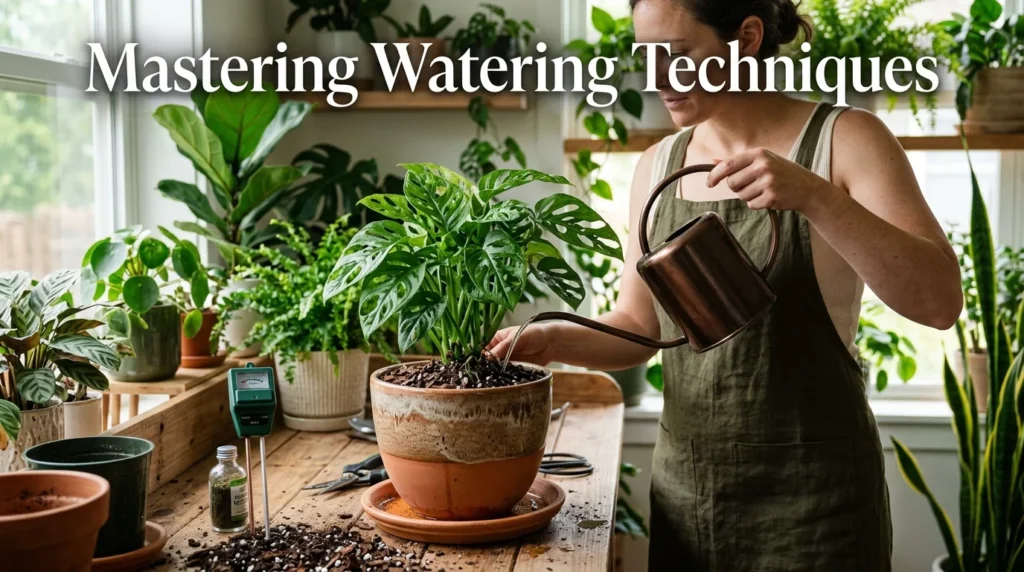
Overwatering is the leading cause of houseplant death, especially for broad-leaf species potted in large containers.
The Finger and Chopstick Moisture Test
Because large pots hold moisture deep near the bottom, testing only the top surface can be misleading. Insert a wooden chopstick or your finger 2 to 3 inches into the potting mix:
- If the chopstick comes out dry and clean, water the plant thoroughly.
- If damp soil clings to the chopstick, wait a few more days before checking again.
Thorough Deep Watering Process
- Pour room-temperature water evenly around the base of the plant until it drains freely from the bottom holes.
- Allow the pot to drain fully for 20 to 30 minutes into a saucer, tub, or sink.
- Empty the catchment tray completely. Never leave heavy containers sitting in standing water, as stagnant moisture starves roots of oxygen.
Soil Mix and Potting Requirements
Heavy, compact soil starves tropical root systems of air, leading to rapid root rot.
DIY Tropical Aroid Mix Recipe
Create a porous, chunky growing medium by blending the following components:
- 2 parts quality potted soil or coco coir base
- 2 parts orchid bark or wood chips (creates airy pockets)
- 1 part coarse perlite or pumice (ensures rapid drainage)
- 1 part horticultural charcoal (prevents soil souring)
Maintain a slightly acidic soil pH between 5.5 and 6.5 to optimize nutrient absorption.
Selecting the Ideal Container
Use heavy clay, terracotta, or ceramic containers for tall, top-heavy plants to prevent accidental tipping. Always verify the pot features open drainage holes. When repotting, select a container that is only 2 to 3 inches wider than the existing root ball.
Temperature Control Requirements
Most broad-leafed tropical houseplants thrive in normal home ambient temperatures.
Optimal Temperature Range
Maintain daytime temperatures between 68°F and 82°F (20°C to 28°C) and night temperatures above 60°F (15°C). Tropical plants experience severe cold shock, cellular damage, and leaf drop if exposed to temperatures below 50°F (10°C).
Protecting Plants from Drafts
Keep your plants away from exterior doors, single-pane cold windows during winter, and direct air currents from air conditioning units or heating radiators. Sudden temperature shifts cause leaves to curl, yellow, or drop abruptly.
Humidity Management for Crisp-Free Edges
Dry indoor air is the primary cause of unsightly brown, crispy leaf margins on broad-leafed houseplants.
Ideal Humidity Targets
While common foliage plants tolerate 30% air humidity, large-leafed tropical species like Alocasia, Calathea, and Strelitzia require 50% to 70% relative humidity to keep leaf margins soft and healthy.
Effective Ways to Boost Indoor Humidity
- Run a Cool-Mist Humidifier: Place a digital humidifier near your plant display during dry winter months.
- Group Plants Together: Grouping several foliage plants creates a humid microclimate through natural leaf transpiration.
- Use Pebble Trays: Fill wide trays with water and stones, resting pots above the water line to generate localized humidity.
- Avoid Misting Leaves: Spraying leaves with water bottles provides minimal humidity and can spread fungal leaf spot infections if air movement is poor.
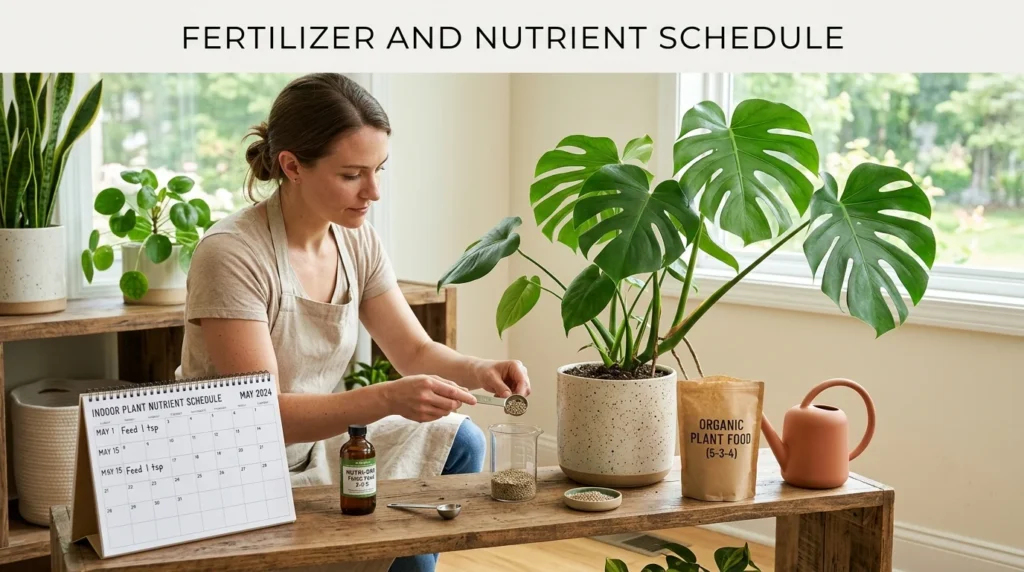
Fertilizer and Nutrient Schedule
Big foliage requires adequate nitrogen, potassium, and magnesium to sustain rapid cell expansion during active growing seasons.
Choosing the Right Fertilizer Formula
Apply a balanced liquid houseplant fertilizer (such as 10-10-10 or 20-20-20 NPK) enriched with micronutrients like iron and magnesium. Alternatively, use a nitrogen-rich foliage formula during vegetative growth phases.
Feeding Calendar
- Spring and Summer (Active Growth): Apply diluted liquid fertilizer every 2 to 4 weeks during regular watering routines.
- Fall and Winter (Resting Period): Reduce or halt fertilizer applications completely. Plants absorb fewer nutrients in low light, making excess fertilizer salts toxic to root tips.
Essential Maintenance: Cleaning, Supporting, and Pruning
Regular maintenance keeps your plant looking vibrant while protecting it from pests and physical damage.
Cleaning Wide Leaf Surfaces
Dust accumulates rapidly on broad, horizontal leaf blades, blocking sunlight penetration and clogging leaf pores (stomata). Wipe both sides of every leaf monthly using a damp microfiber cloth moistened with plain water or a dilute neem oil solution.
Installing Moss Poles and Supports
Climbing species like Monstera and Philodendron produce thick aerial roots that seek vertical support. Secure main stems loosely to a sturdy moss or coco coir pole using soft plant tape. Providing vertical support encourages the plant to produce larger leaves.
Pruning and Deadheading Guidelines
Remove old, yellowing, or damaged bottom leaves by cutting stems cleanly near the main plant base with sterile shears. Pruning directs energy into fresh growth while improving airflow around the root crown.
Seasonal Care Guide
- Spring: Repot root-bound plants into fresh aroid mix, resume regular feeding schedules, and install new vertical climbing supports.
- Summer: Monitor soil moisture closely during hot spells, protect leaves from harsh direct sun rays, and run humidifiers consistently.
- Autumn: Wipe down foliage thoroughly, inspect for outdoor pests if plants were summered outside, and reduce watering frequency as sunlight drops.
- Winter: Move plants closer to bright windows, stop fertilizing completely, keep away from cold window glass, and maintain steady humidity near heating systems.
Common Beginner Mistakes to Avoid
- Overwatering in Heavy Soil: Using standard topsoil without air-draining materials leads to root rot, smelly potting mix, and rapid leaf drop.
- Neglecting Leaf Dust: Allowing dust layers to coat foliage reduces photosynthetic efficiency and hides early pest infestations.
- Placing Plants in Dark Interior Rooms: Expecting light-loving giants like Bird of Paradise or Fiddle-Leaf Fig to survive in windowless hallways leads to rapid decline.
- Repotting into Massive Containers: Moving a small root ball into an oversized pot leaves excess wet soil sitting around roots for weeks, suffocating them.
Troubleshooting Problems and Solutions
| Problem | Likely Cause | Practical Solution |
| Crispy, brown leaf edges and tips | Dry indoor air or mineral buildup from tap water | Run a cool-mist humidifier; switch to filtered water or rainwater. |
| Yellowing bottom leaves with soft stems | Overwatering and root rot | Allow soil to dry deeper; check roots for decay and repot in fresh aroid mix. |
| Drooping, wilted leaves with dry soil | Under-watering or hydrophobic soil | Submerge the pot in a tub of water for 30 minutes to fully rehydrate the soil mass. |
| Sticky sap residue or tiny web structures | Pest infestation (Scale, Mealybugs, Spider Mites) | Wipe leaves with 70% isopropyl alcohol; apply insecticidal soap or neem oil weekly. |
| Pale leaves with zero fenestrations/splits | Severe light deficiency | Move the plant closer to a bright, indirect light window or add an LED grow light. |
Beginner Tips for Quick Success
- Start with a Monstera or Rubber Tree: These two varieties are exceptionally forgiving and adapt easily to typical home conditions.
- Invest in a Cheap Moisture Meter: Using a soil probe eliminates guesswork and prevents overwatering mistakes.
- Rotate Pots Bi-Weekly: Turn your container 180 degrees every two weeks so foliage grows evenly on all sides.
- Wipe Leaves Regularly: Clean leaves absorb light much better and make pest detection effortless.
Advanced Expert Recommendations
- Inoculate Roots with Mycorrhizal Fungi: Dust root systems with beneficial endomycorrhizal fungi during repotting to improve nutrient uptake and root resilience.
- Monitor Soil Electrical Conductivity (EC): Periodically flush pots with pure distilled water to wash away residual fertilizer salts that burn leaf margins.
- Balance Vapor Pressure Deficit (VPD): Maintain an indoor environment with a VPD range between 0.8 and 1.2 kPa to keep leaf transpiration operating at peak efficiency.
Conclusion
Growing a large leaf indoor plant transforms your indoor living space into a breathtaking botanical retreat. While these giant tropicals require a bit more attention to lighting, moisture balance, and humidity than smaller foliage plants, the aesthetic rewards are unmatched.
By choosing resilient species like Monstera deliciosa or Ficus elastica, providing a chunky, well-draining soil mix, and maintaining consistent care routines, you can easily avoid common pitfalls like brown leaves or root rot.
At GrowIndoorly.com, we believe every plant lover can master indoor gardening with the right knowledge. Apply these practical tips today and enjoy lush, healthy foliage in your home!
Knowledge Check Quiz
Test your understanding of caring for broad-leafed houseplants with this brief 5-question review.
1. Why do broad-leafed indoor plants require airy, well-draining soil mixes containing bark or perlite?
- A) To weigh down the pot so it does not blow away indoors
- B) To allow oxygen to reach roots and prevent waterlogging and root rot
- C) To change the color of the leaves to bright yellow
- D) To completely eliminate the need for ever watering the plant
2. What is the main cause of crispy, brown leaf margins on tropical broad-leaf plants?
- A) High humidity levels above 80%
- B) Low air humidity and dry indoor air
- C) Giving the plant too much indirect light
- D) Wiping leaf surfaces with a damp cloth
3. What happens when a Monstera deliciosa does not receive sufficient sunlight?
- A) It produces massive leaves with intricate fenestrations
- B) It grows smaller, solid leaves without natural splits and becomes leggy
- C) Its leaves turn silver instantly
- D) It starts blooming red flowers immediately
4. How often should you fertilize a broad-leafed indoor plant during winter resting periods?
- A) Every single day with double-strength fertilizer
- B) Halt or significantly reduce feeding, as low light reduces nutrient demand
- C) Three times a day
- D) Only when the plant is completely submerged under water
5. Why is wiping dust off broad leaf surfaces essential for long-term plant health?
- A) Dust helps the plant absorb oxygen through its roots
- B) Accumulating dust blocks light absorption and clogs leaf breathing pores (stomata)
- C) Dusting turns green foliage into variegated foliage
- D) Dust attracts beneficial pollinators inside the home
Answer Key: 1-B, 2-B, 3-B, 4-B, 5-B
Frequently Asked Questions
Why are the leaves on my Fiddle-Leaf Fig dropping off?
Fiddle-Leaf Figs (Ficus lyrata) shed leaves in response to environmental shock. Common triggers include moving the plant to a new location, cold air drafts, sudden drops in light levels, or inconsistent watering (either extreme dryness or soggy soil). Keep the plant in a fixed, draft-free spot with bright indirect light.
How do I encourage my Monstera to grow larger leaves with splits?
To get massive split leaves (fenestrations), provide your Monstera with bright indirect sunlight (or an LED grow light) and attach its main stem to a moss pole. Supporting aerial roots vertically signals to the plant that it is climbing, triggering larger leaf development.
Are large leaf indoor plants safe for cats and dogs?
Many popular broad-leafed species like Monstera, Philodendron, Alocasia, and Ficus contain calcium oxalate crystals or latex sap that can cause oral irritation, drooling, or vomiting if ingested by pets. If you have curious pets, consider pet-safe alternatives like Calathea orbifolia, Banana plants (Musa), or place toxic species out of reach on sturdy plant stands.
How often should I wipe down the leaves of my large indoor plant?
Wipe down wide leaf surfaces once or twice a month using a soft, damp microfiber cloth. Regular cleaning removes dust layers, improves photosynthesis efficiency, and allows you to spot pests like spider mites or scale early.
Can I place my large leaf plant outdoors during the summer?
Yes, moving tropical plants outdoors to a shaded patio during warm summer months can boost growth. However, acclimate them gradually to prevent leaf sunscald, ensure outdoor temperatures stay consistently above 60°F (15°C), and inspect foliage thoroughly for pests before bringing them back inside for autumn.



