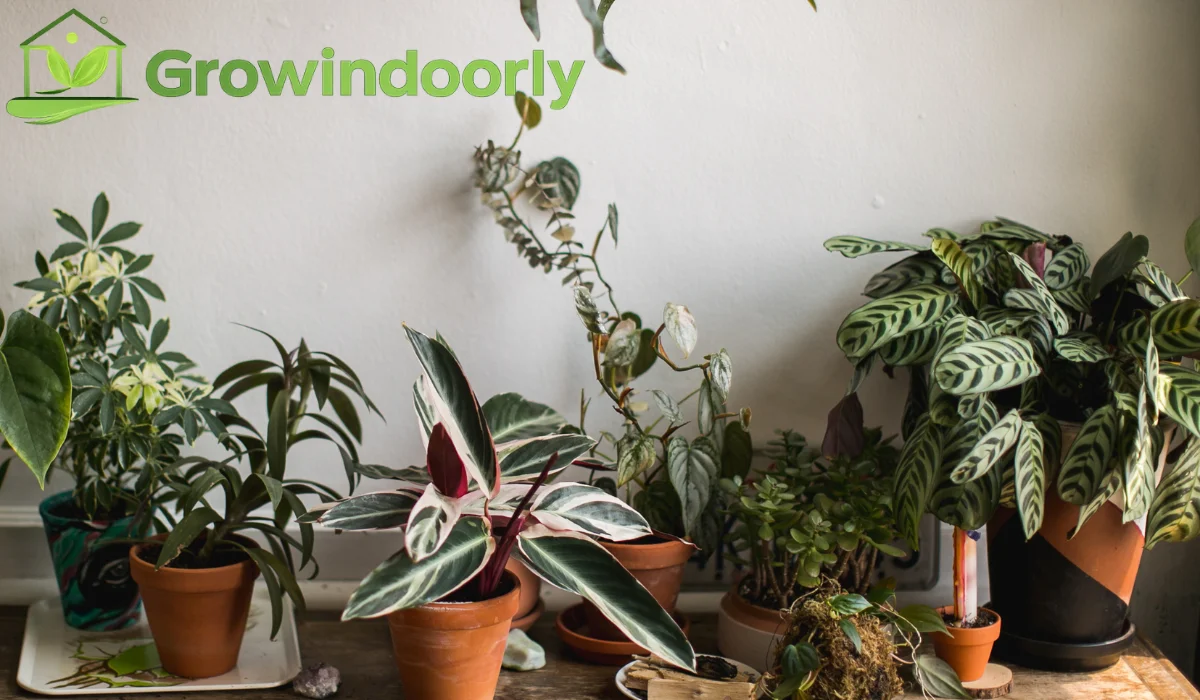
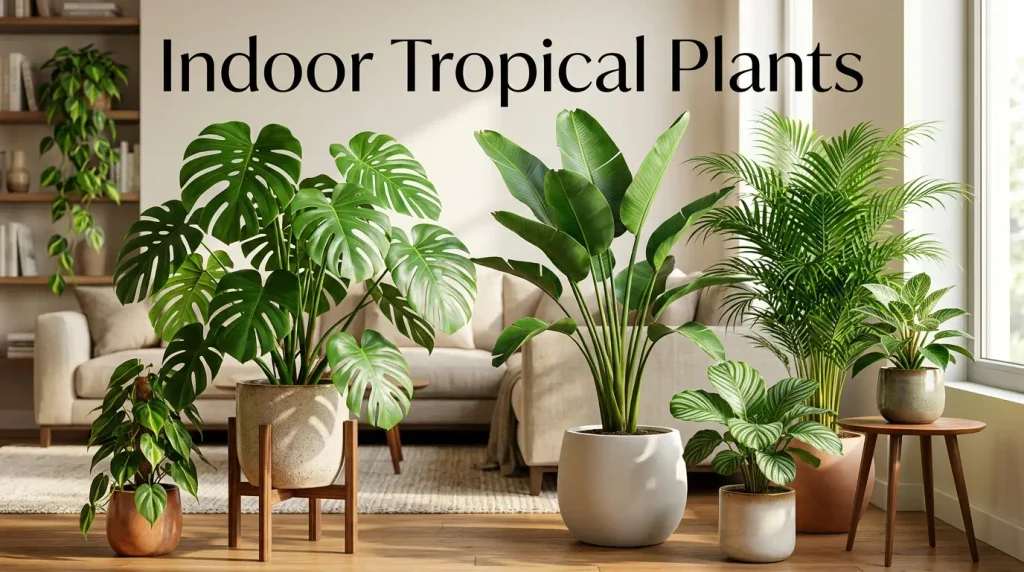
Bringing indoor tropical plants into your home immediately transforms your space into a fresh, vibrant sanctuary. However, keeping these lush species thriving indoors often feels like a constant balancing act between light and moisture.
Many plant lovers struggle with yellowing leaves, unexpected leaf drop, or mysterious root rot. These common issues usually stem from a mismatch between indoor home environments and natural jungle habitats.
Understanding how to care for indoor tropical plants removes the guesswork and builds your confidence as a grower. When you mirror natural rainforest ecosystems through proper light, air movement, and soil drainage, your collection prospers.
This comprehensive guide covers everything you need to know about growing healthy indoor tropical plants. You will learn essential lighting routines, smart watering techniques, custom soil mixes, and seasonal adjustments to turn your home into a flourishing paradise.
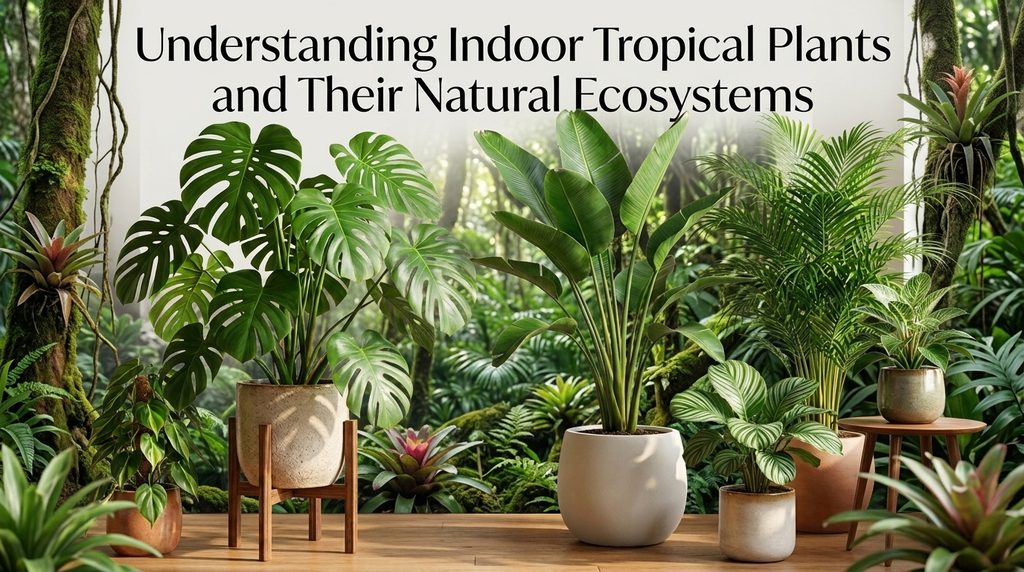
Understanding Indoor Tropical Plants and Their Natural Ecosystems
To grow healthy tropical greenery, you first need to understand where these species originate. Most popular houseplant varieties come from the understory layers of dense tropical rainforests. In their native environments, they nestle under massive canopy trees that filter harsh sunlight, maintain high humidity, and drop organic matter that creates rich, airy soil.
When you move these species inside your home, the environmental conditions change drastically. Indoor air is significantly drier, sunlight enters from fixed angles through windows, and pot boundaries limit root expansion. Tropical flora adapted for warm temperatures and constant moisture often react poorly to sudden drafts or overwatering.
Recognizing these origin conditions explains why your greenery reacts to its environment. When a leaf turns brown at the tips or droops, the plant is signaling that its environment lacks moisture or warmth. Bridging the gap between a jungle canopy and a domestic living room is the secret to long-term success.
Why Tropical Foliage Makes the Best Indoor Greenery
Adding lush foliage to your living space offers benefits that go far beyond basic decoration. These species have evolved striking leaf shapes, deep colors, and unique patterns specifically designed to catch dappled sunlight, making them visually stunning additions to any room.
Beyond aesthetic appeal, keeping living foliage indoors enhances your overall well-being. Tending to your collection provides a grounding, tactile routine that reduces daily stress. Research continuously demonstrates that managing indoor greenery fosters mindfulness and creates a calming atmosphere.
Additionally, tropical foliage actively improves your indoor environment. As plants transpire, they release moisture into the air, naturally increasing humidity levels in dry, air-conditioned or heated rooms. They also absorb carbon dioxide and release fresh oxygen, creating a cleaner, more vibrant indoor environment.
Key Methods for Cultivating Tropical Species Indoors
Growing tropical greenery at home generally falls into two primary methods: traditional soil cultivation and modern hydroponic or semi-hydroponic systems.
Traditional potting in soil remains the most accessible approach for beginners. It relies on a balanced media blend to hold roots, anchor the stem, and supply steady nutrients. Soil growing allows natural microbial activity to feed the plant over time, providing a gentle cushion against slight watering mistakes.
Hydroponic and semi-hydroponic methods use water or inert substrates like expanded clay pebbles (LECA) or inorganic mineral mixes instead of organic soil. These systems give you direct control over nutrient delivery and root hydration. Hydroponics virtually eliminates soil-borne pests like fungus gnats and simplifies watering schedules, making it popular for advanced collectors.
Essential Equipment and Tools for Success
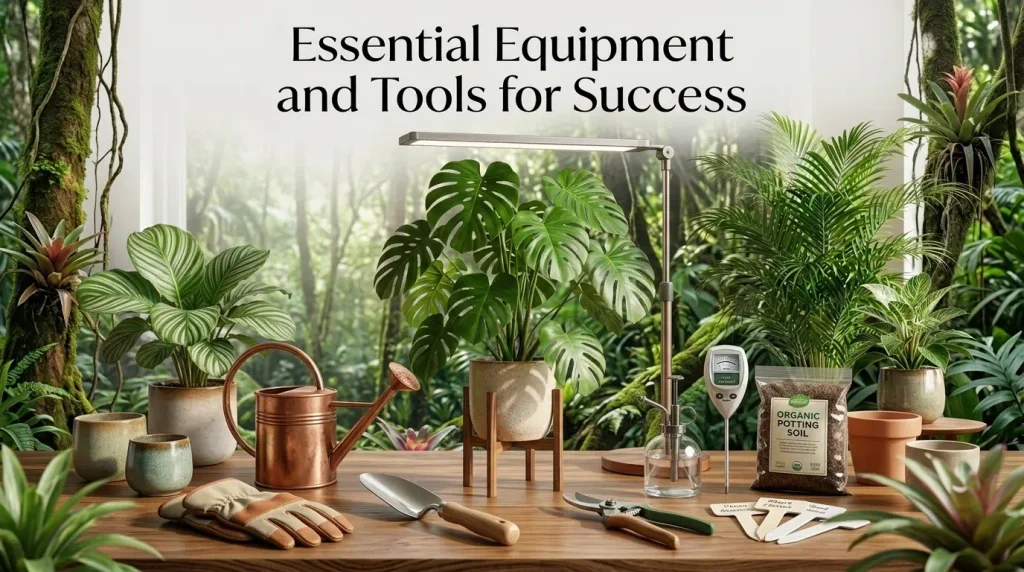
Having the right tools simplifies routine care and prevents accidental damage during maintenance. You do not need expensive commercial gear, but a few basic supplies will set you up for success:
- Drainage Pots: Always choose pots with bottom drainage holes, such as terracotta, ceramic, or nursery plastic pots, to prevent waterlogging.
- Gooseneck Watering Can: A narrow spout allows you to pour water directly at the soil line without soaking sensitive foliage.
- Hand Pruners or Shears: Sharp, sterilized pruners ensure clean cuts when trimming dead leaves or propagating stems.
- Soil Moisture Meter: A basic probe helps you accurately measure moisture deep inside the pot before adding water.
- Precision Plant Mister: Useful for cleaning leaf surfaces and applying organic treatments like neem oil.
Top Indoor Tropical Plant Species for Beginners and Experts
Selecting the right species for your skill level and available space ensures a rewarding experience.
Beginner-Friendly Species
- Monstera Deliciosa (Swiss Cheese Plant): Famous for its iconic leaf split patterns, this hardy grower tolerates variable light and forgives occasional missed waterings.
- Spathiphyllum (Peace Lily): Excellent for low-light spaces, this forgiving species clearly droops when it needs water and bounces back quickly after a deep drink.
- Epipremnum Astartum (Pothos): A fast-growing trailing vine that thrives in almost any indoor setting, making it ideal for hanging baskets or high shelves.
Intermediate to Advanced Varieties
- Calathea and Goeppertia (Peacock Plants): Known for vibrant, painted leaves, these sensitive species require high humidity, purified water, and consistent moisture.
- Anthurium Clarinerium: A stunning velvet-leafed species that demands precise air humidity, porous potting media, and careful nutrient balances to thrive.
- Philodendron Verrucosum: A climbing species featuring fuzzy petioles and dramatic leaves, requiring support poles and steady tropical warm conditions.
Mastering Light Requirements
Light powers every process in your green space. Because tropical species naturally grow under forest canopies, direct sunlight can scorch their leaves, while deep shade stops their growth entirely.
Bright, indirect light is the ideal balance for most species. This refers to a spot where the sun’s rays do not hit the leaves directly, but the room remains bright enough to read comfortably without artificial lighting. Windows facing east or slightly pulled-back south and west windows offer ideal lighting setups.
If your home lacks natural sunlight, grow lights offer a reliable solution. Modern full-spectrum LED grow lights replicate natural sunlight efficiently without emitting excessive heat. Positioning grow lights 12 to 24 inches above your collection for 10 to 14 hours daily supports healthy growth even in windowless rooms.
Watering Methods: How to Avoid Root Rot
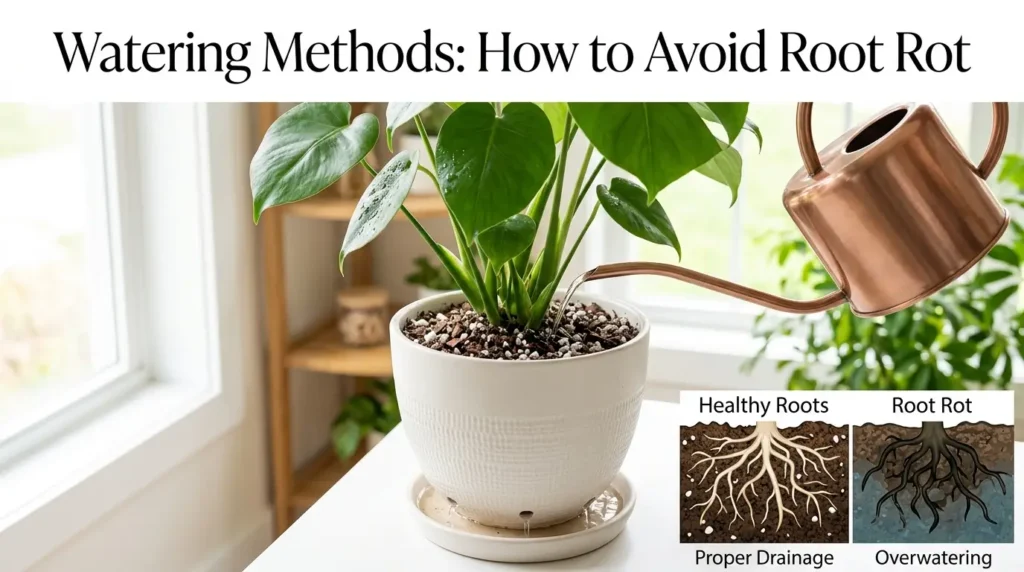
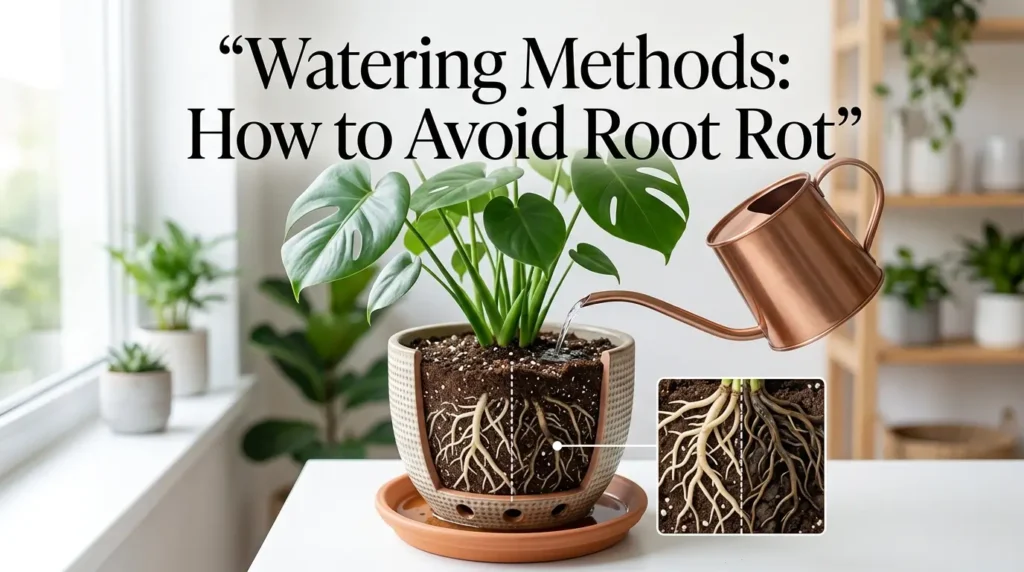
Improper watering causes more indoor foliage problems than any pest or disease. In a pot, excess water displaces oxygen in the soil, suffocating roots and inviting root rot fungi.
Instead of watering on a rigid calendar schedule, practice visual and physical checks:
- Insert your finger 2 inches into the soil. If it feels dry and dusty, it is time to water.
- Pick up the pot to test its weight; dry soil feels significantly lighter than fully saturated soil.
- Use a moisture meter for deep pots to check conditions near the bottom root zone.
When it is time to water, use the soak-and-drain method. Pour lukewarm water evenly over the soil surface until it flows freely out of the drainage holes. Allow all excess water to drain completely into a saucer, then empty the saucer immediately. Never let your pots sit in standing water.
Choosing the Best Soil and Growing Medium
Standard outdoor garden soil is far too dense for potted tropical species. It packs tightly inside containers, cutting off air supply to the roots and causing water to stagnate.
Tropical roots require a light, airy, well-draining potting mix that retains gentle moisture while allowing air circulation. You can easily blend your own high-performance potting medium using simple components:
- Coco Coir or Peat Moss (40%): Provides a moisture-retaining base that holds nutrients.
- Perlite or Pumice (30%): Creates essential air pockets and accelerates water drainage.
- Orchid Bark (20%): Adds large structural fragments that prevent soil compaction over time.
- Worm Castings (10%): Delivers rich, organic nutrients and beneficial microbes.
Temperature and Draft Management
Tropical flora thrives in steady warmth, preferring temperature ranges between 65°F and 85°F (18°C to 29°C). Temperatures dropping below 55°F (13°C) can cause sudden chill injury, resulting in leaf dropping, black spots, or stunted growth.
Keep your collection away from cold window drafts during winter months and direct airflow from air conditioning vents in summer. Sudden temperature fluctuations shock sensitive leaves, causing them to curl or drop overnight. Place a small thermometer at plant level near windows to catch cold spots early, and try to avoid night-time drops of more than 10°F (about 5°C) below daytime temperatures.
Managing Indoor Humidity
Average indoor humidity often drops to 20% or 30%, especially during winter heating seasons. Tropical species prefer humidity levels between 50% and 70%. When air gets too dry, leaf tips turn brown and crispy.
To boost ambient humidity effectively:
- Group Your Collection: Grouping pots together creates a localized microclimate as plants collectively transpire moisture.
- Use Pebble Trays: Set pots on trays filled with water and river stones. Ensure the bottom of the pot rests on the stones above the water level.
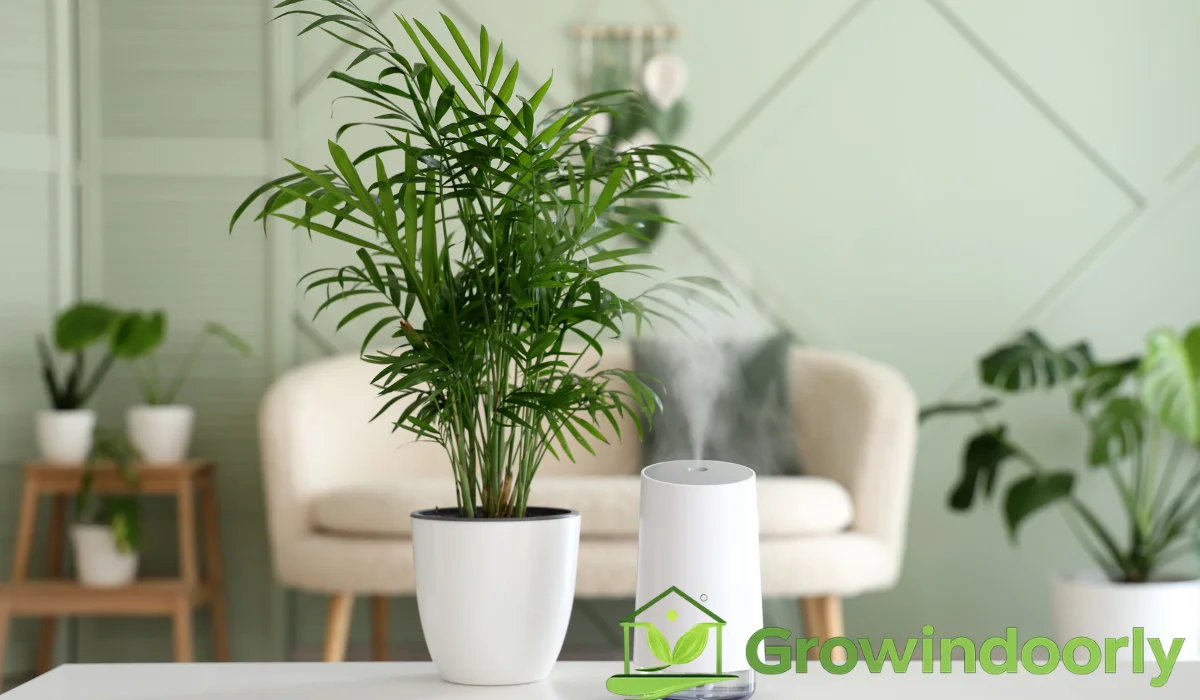
- Install a Cool-Mist Humidifier: Running a small room humidifier nearby is the most reliable way to maintain consistent humidity.
Avoid relying solely on manual leaf misting. Misting only raises humidity for a few minutes and can leave standing water on leaves, encouraging fungal spots.
Fertilizer and Nutrient Schedules
Potted plants quickly exhaust the nutrients present in their soil. Feeding your collection gives them the minerals needed for structural growth and leaf development.
Use a balanced liquid fertilizer (such as an N-P-K ratio of 20-20-20 or 10-10-10) diluted to half the manufacturer’s suggested strength. Apply fertilizer once every two to four weeks during the active spring and summer growing seasons.
Reduce or stop fertilizing entirely during late autumn and winter when plant growth slows naturally. Over-fertilizing builds up chemical salts in the potting mix, burning root tips and causing scorched leaf edges.
Routine Maintenance and Cleaning
Regular maintenance keeps your indoor jungle looking vibrant while preventing health problems before they spread:
- Leaf Cleaning: Wipe leaves monthly with a damp cloth to clear dust buildup. Clean leaves absorb light much more efficiently.
- Pruning: Cut off yellow, damaged, or aging lower leaves near the stem base using sterile pruners.
- Pest Inspection: Check leaf undersides and stem joints weekly for early signs of pests.
- Rotating Pots: Turn your pots a quarter-turn each week so all sides receive balanced light exposure, preventing leggy growth.
Seasonal Care Adjustments
Indoor environments shift dramatically throughout the year, and your care routines must adjust accordingly.
During spring and summer, plants experience active growth. They consume more water, demand extra nutrients, and benefit from bright light. You will need to check soil moisture more frequently and feed regularly.
In autumn and winter, shorter days and lower light levels trigger a resting period. Plants consume water much slower. Cut back your watering frequency, halt fertilizer applications, and move pots closer to light sources to prevent leaf drop.
Common Indoor Gardening Mistakes to Avoid
- Overwatering: Watering on a strict schedule instead of checking soil moisture causes root rot.
- Using Pots Without Drainage: Decorative pots without bottom holes trap water, rotting roots from the bottom up.
- Placing Plants in Harsh Direct Sun: Sun exposure burns leaves, leaving bleached or crisp brown patches.
- Ignoring Pest Infestations: Ignoring tiny bugs allows infestations to spread rapidly across your entire collection.
- Frequent Re-potting: Moving plants into larger pots too often shocks root systems and retains excess water.
Troubleshooting Common Problems
- Yellowing Lower Leaves: Usually signals overwatering or natural aging. Check deep soil moisture first.
- Crispy Brown Leaf Tips: Caused by low room humidity, tap water minerals, or soil salt buildup. Switch to filtered water and increase humidity.
- Drooping or Wilting: Indicates severe under-watering or root damage from overwatering. Inspect the root system to diagnose.
- Leggy, Stretched Stems: Shows the plant is reaching for light. Move it to a brighter location or add a grow light.
Beginner Tips for Quick Success
If you are just starting your indoor garden, begin with two or three easy species like Pothos, Snake Plants, or Monstera. Master their care before expanding your collection to more demanding varieties.
Get into the habit of observing your greenery daily while drinking your morning coffee or tea. Spotting subtle signs like slight drooping or a single yellow leaf allows you to correct environmental issues before serious damage occurs. Keep a simple care log or phone note of when you water each plant; noticing patterns, like a peace lily drooping every Thursday, will teach you each species’ rhythm far faster than any fixed calendar schedule.
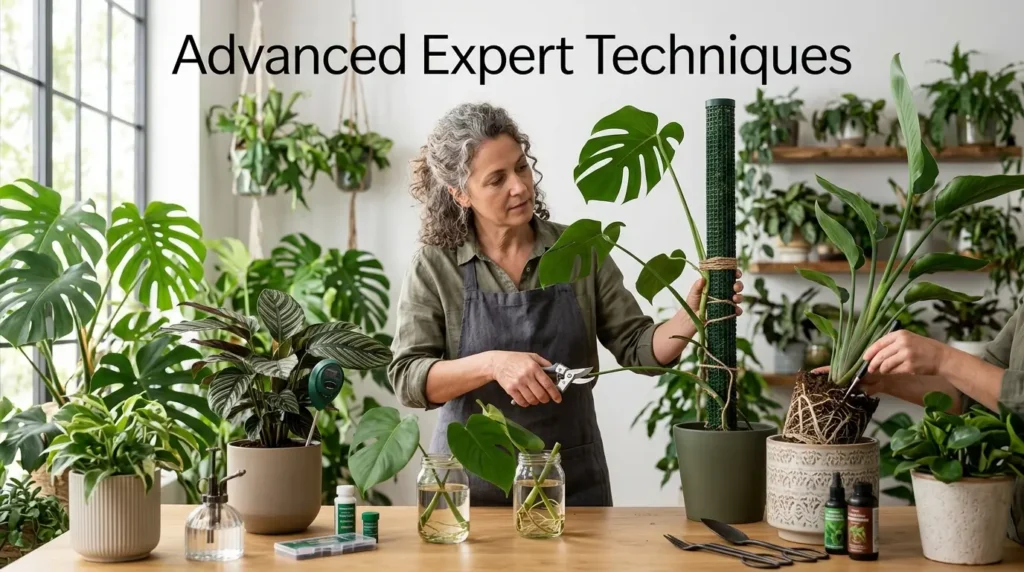
Advanced Expert Techniques
For experienced indoor gardeners looking to elevate their skills:
- Pole Training: Train climbing species like Monstera or Philodendron onto sphagnum moss poles. Keeping the moss damp encourages aerial roots to attach, yielding larger, mature leaves with split fenestrations.
- Custom Substrates: Experiment with specialized soil-free mediums like semi-hydroponics using LECA or inorganic mineral mixes for delicate, rare species.
- Propagation: Propagate your collection through stem cuttings rooted in water, perlite, or moss to create new plants for your home or to share with friends.
Conclusion
Successfully growing indoor tropical plants relies on understanding their origin environments and translating those needs into your daily home care routine. By balancing indirect light, well-draining soil, proper humidity, and sensible watering habits, you eliminate common frustrations and set your indoor garden up for long-term health.
Every plant in your collection provides an opportunity to learn and hone your skills. Start with forgiving species, monitor their reactions, and refine your approach over time. For more expert growing guides, practical tips, and detailed plant care advice, rely on GrowIndoorly.com as your go-to resource for creating a thriving indoor green space.
Pet Safety
Many popular tropical houseplants are toxic to cats and dogs, so plan placement with pets in mind. Monstera, pothos, peace lily, philodendron, and anthurium all contain calcium oxalate crystals or similar irritants that can cause drooling, mouth irritation, and vomiting if chewed. Keep these species on tall stands, wall-mounted planters, or hanging baskets well out of jumping reach, and choose naturally pet-safe alternatives like calathea, parlor palm, spider plant, or Boston fern for low shelves and floor spots. If your pet does chew a leaf, gently remove any plant material from its mouth, offer fresh water, and call your veterinarian promptly for guidance.
Knowledge Check
Test your understanding of tropical indoor plant care with these practice questions:
- What lighting condition is best for most indoor tropical species?
- A) Direct midday sunlight
- B) Complete dark shade
- C) Bright, indirect light
- D) Fluorescent night light
- What is the primary cause of root rot in potted plants?
- A) Too much ambient humidity
- B) Excess water drowning roots in dense soil
- C) Using clean pruning shears
- D) Exposure to bright windows
- Which component added to potting soil primarily improves drainage and root aeration?
- A) Garden clay
- B) Fine beach sand
- C) Perlite
- D) Table salt
- How should you adjust your care routine during autumn and winter months?
- A) Double the fertilizer dose
- B) Water twice as often
- C) Reduce watering frequency and pause fertilizing
- D) Place plants in direct heat vents
- What is the main benefit of wiping down plant leaves monthly?
- A) Keeps insects from sleeping on leaves
- B) Clears dust so leaves absorb light efficiently
- C) Makes leaves change color faster
- D) Prevents roots from growing out of the pot
- What humidity range is ideal for keeping most indoor tropical foliage healthy?
- A) 10% to 20%
- B) 50% to 70%
- C) 85% to 100%
- D) Humidity does not matter for indoor plants
- When is the best time to apply liquid fertilizer to indoor tropical plants?
- A) During late fall and winter dormant periods
- B) During active spring and summer growth periods
- C) Only when the plant is completely dry and wilting
- D) Every single day throughout the year
- What is the correct way to water indoor tropical plants in pots with drainage holes?
- A) Mist the top of the soil with a small spray bottle daily
- B) Pour water until it drains completely from the bottom, then empty the saucer
- C) Fill the saucer with water and let the pot sit in it permanently
- D) Add ice cubes to the soil surface every morning
Answer Key:
- C
- B
- C
- C
- B
- B
- B
- B
Frequently Asked Questions
How often should I water my indoor tropical plants?
Watering frequency depends on light, temperature, pot size, and season. Instead of watering on a fixed calendar schedule, check the top two inches of soil with your finger. Water thoroughly only when the upper soil feels dry to the touch.
Why are the tips of my tropical plant leaves turning brown?
Brown leaf tips usually point to low room humidity, dry air from indoor heating, or mineral buildup from tap water. Boost surrounding humidity with a humidifier or pebble tray, and consider switching to filtered water or rainwater.
Do indoor tropical plants need direct sunlight?
No, most indoor species naturally grow beneath rainforest canopies and prefer bright, indirect light. Direct sun rays scorch leaves, while medium to bright indirect light supports steady growth without leaf burn.
What is the best soil mix for tropical indoor plants?
The best potting medium is light, airy, and well-draining. Blend roughly 40% coco coir or peat moss, 30% perlite or pumice, 20% orchid bark, and 10% worm castings for an ideal mix of aeration and moisture retention.
How can I increase humidity for my plants without a humidifier?
You can increase humidity by grouping pots close together, placing them over trays filled with water and pebbles, or keeping them in naturally humid rooms like bathrooms and kitchens.
Why is my indoor plant dropping leaves suddenly?
Sudden leaf drop is typically triggered by environmental shock, such as cold drafts, sudden temperature drops, moving to a new spot, or severe overwatering. Keep environmental conditions stable to prevent leaf loss.
How do I prevent pests on my indoor plants?
Wipe leaf surfaces monthly with a damp cloth, maintain good air circulation, avoid overwatering, and inspect undersides weekly. Treat early pest signs promptly with insecticidal soap or organic neem oil spray.
Should I fertilize my tropical plants during winter?
No, cut back or pause fertilizing during late autumn and winter. Most indoor species grow very slowly during short winter days, so added nutrients go unused and can cause root burn.

Megan Foster is the founder and lead writer of GrowIndoorly.com, where she shares practical, easy-to-follow advice for growing healthy indoor plants. She is passionate about helping beginners and experienced plant lovers build thriving indoor gardens with confidence. Megan writes about houseplants, indoor herbs, succulents, hydroponics, grow lights, plant propagation, watering, soil care, and everyday plant maintenance.
She enjoys researching trusted gardening techniques and transforming them into simple, actionable guides that readers can easily apply at home. Her goal is to make indoor gardening more enjoyable and accessible by providing clear, reliable information that helps people keep their plants healthy throughout the year. Whether you’re caring for your first houseplant or expanding your indoor plant collection, Megan’s practical tips are designed to help you grow with confidence.