
Choosing the right indoor plant insecticide is essential when common pests threaten your houseplant collection. Unlike outdoor gardens where natural predators help balance insect populations, indoor living spaces offer pests a warm, sheltered environment with zero natural enemies. A minor infestation of fungus gnats, spider mites, or mealybugs can quickly spread across foliage if left unchecked.
Selecting an effective indoor plant insecticide requires understanding the specific pest species, the plant’s sensitivity, and safe indoor appliacation methods. Chemical sprays designed for outdoor agriculture should never be used inside the home due to poor ventilation, pet toxicity risks, and potential foliage burn. Instead, targeted treatments ranging from organic contact sprays to systemic soil drenches allow indoor gardeners to eradicate pests safely while protecting delicate leaves.
This comprehensive guide covers how to identify common indoor plant pests, compare physical, organic, and synthetic treatments, apply treatments safely indoors, and implement preventative pest control strategies.
How to Identify Common Indoor Plant Pests
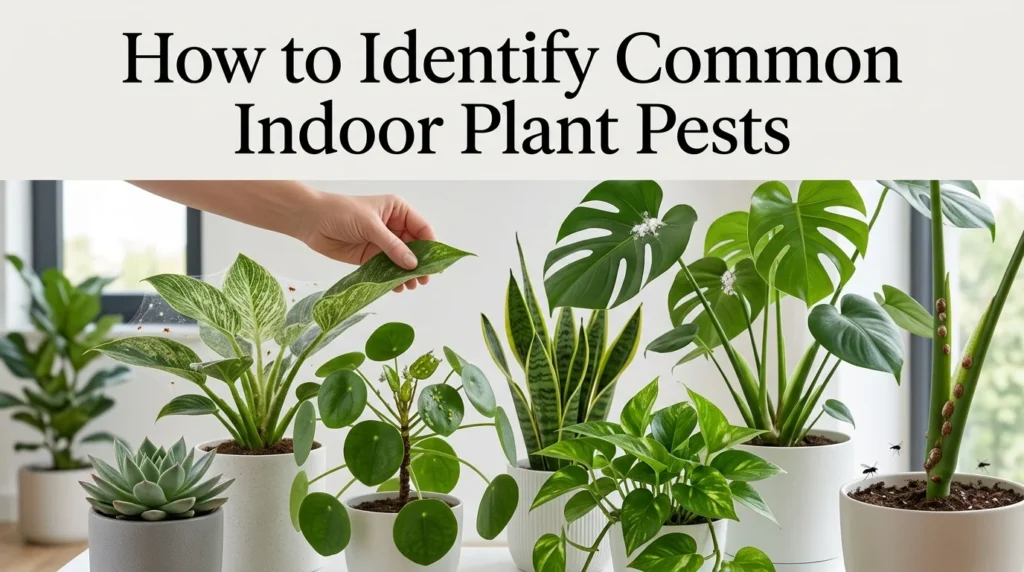
Before choosing an indoor plant insecticide, you must accurately identify the pest attacking your houseplant. Different insect classes require distinct active ingredients and treatment methods.
| Pest Name | Visual Signs & Symptoms | Primary Affected Areas | Feeding Type | Recommended Active Ingredient |
| Fungus Gnats (Sciaridae) | Small black flies hovering around soil; larvae feed on delicate root hairs | Potting soil surface & root zone | Organic matter & root feeder | Bacillus thuringiensis israelensis (BTI) / Neem oil soil drench |
| Spider Mites (Tetranychidae) | Fine white webbing, yellow stippling on leaves, tiny crawling specks | Undersides of leaves & stem joints | Cell-sap piercing/sucking | Insecticidal soap, Neem oil, or Sulfur dust |
| Mealybugs (Pseudococcidae) | White, cotton-like waxy clumps nestled in stem joints and leaf axils | Stem nodes, leaf undersides, and crowns | Sap-sucking soft scale | Isopropyl alcohol (70%) swab, Neem oil, or Imidacloprid |
| Scale Insects (Coccidae) | Raised brown or tan shell-like bumps along stems; sticky honeydew drops | Stems, leaf veins, and woody branches | Armored sap-sucking | Horticultural oil, Systemic granules, or Manual scraping |
| Thrips (Thripidae) | Slender black or yellow specks; silvery leaf scars with tiny black fecal spots | Leaf tissue & emerging flower buds | Rasping/piercing cell feeder | Spinosad, Systemic imidacloprid, or Potassium salts |
| Aphids (Aphidoidea) | Clusters of soft green, black, or pink oval insects on soft new growth | Fresh shoots & tender flower stems | Sap-sucking | Insecticidal soap spray or Cold-pressed Neem oil |
Types of Indoor Plant Insecticides Compared
Understanding how different insecticides work helps you select the safest, most effective option for your home.
1. Organic Contact Sprays (Potassium Salts & Neem Oil)
- Mechanism: Potassium salts of fatty acids (insecticidal soaps) and cold-pressed Neem oil (containing Azadirachtin) break down the protective outer cuticle of soft-bodied insects, causing them to dehydrate and die on contact.
- Pros: Organic, safe for homes with pets and children when dry, minimal risk of chemical residue buildup.
- Cons: Must directly hit the pest to work; requires repeated applications every 5 to 7 days to break the insect egg hatch cycle.
2. Biological Control Agents (BTI & Beneficial Nematodes)
- Mechanism: Bacillus thuringiensis israelensis (BTI) produces natural crystal proteins that selectively destroy the digestive tracts of fungus gnat larvae when ingested.
- Pros: 100% target-specific; completely harmless to humans, pets, plant roots, and beneficial organisms.
- Cons: Treats soil-dwelling larvae only; does not eradicate flying adult gnats directly (must be paired with yellow sticky traps).
3. Biological Nerve Toxins (Spinosad)
- Mechanism: Spinosad is derived from the fermentation of a naturally occurring soil bacterium (Saccharopolyspora spinosa). It disrupts the insect nervous system upon ingestion or contact.
- Pros: Highly effective against notoriously resistant thrips, leafminers, and spider mites.
- Cons: Toxic to outdoor pollinators while wet; must be applied indoors away from open windows and outdoor bees.
4. Systemic Soil Insecticides (Imidacloprid & Acetamiprid)
- Mechanism: Systemic granules or drenches are absorbed through the plant root system and distributed throughout the vascular sap, killing sap-sucking pests when they feed on plant tissue.
- Pros: Provides continuous protection for 6 to 8 weeks with a single application; ideal for dense foliage where contact sprays fail to reach.
- Cons: Synthetic chemical; strictly restricted to non-edible foliage plants; unsuitable for indoor herbs or flowering plants placed outdoors (to protect pollinators).
Step-by-Step: How to Safely Apply Insecticides Indoors
Applying an indoor plant insecticide correctly prevents leaf burn (phytotoxicity) and ensures complete pest eradication.
1.Isolate the Infected Plant:Prevent pests from migrating to healthy houseplants.
Move the infested plant to a separate room, away from the rest of your indoor garden collection, to contain the infestation during treatment.
2.Mechanically Clean the Foliage:Reduce pest populations physically before applying chemical sprays.
Take the plant to a shower or sink and gently wash down the leaves with lukewarm water to dislodge adult insects, webs, and sticky honeydew.
3.Perform a Patch Test:Ensure the spray formula will not burn tender foliage.
Apply the chosen insecticide to two lower leaves. Wait 24 to 48 hours to check for signs of leaf scorching, browning, or spotting before spraying the entire plant.
4.Thoroughly Spray or Apply Granules:Target undersides of leaves, stem nodes, and the soil line.
Spray the plant thoroughly until runoff occurs, making sure to coat the undersides of leaves and leaf axils. If using systemic granules, mix them into the top inch of soil and water well.
5.Repeat Applications on Schedule:Disrupt the multi-stage insect lifecycle.
Reapply contact sprays every 5 to 7 days for at least 3 consecutive weeks to kill newly hatched nymphs that emerge from unhatched eggs.
The Microclimate Setup for Pest Prevention
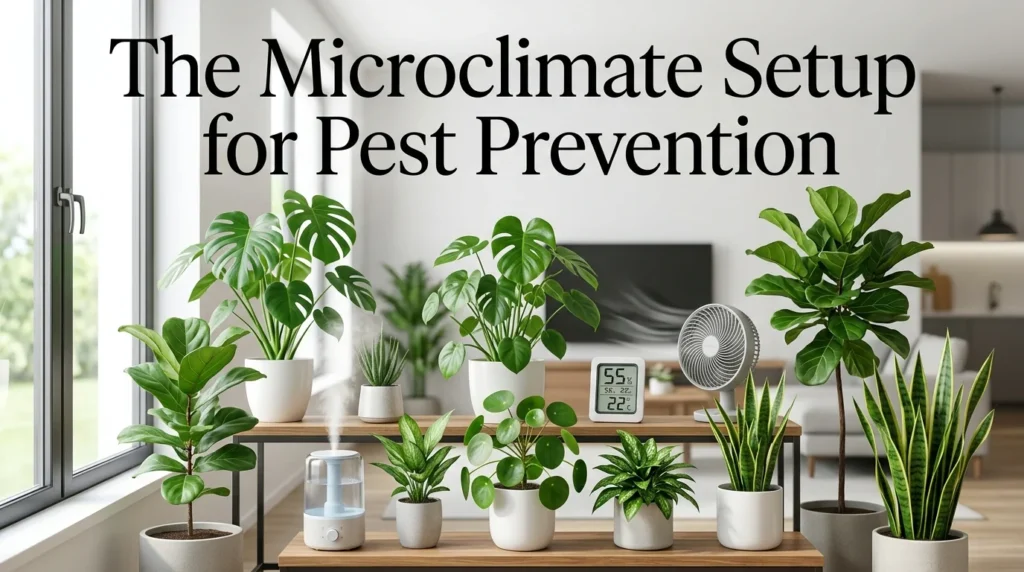
Pest outbreaks in indoor spaces are rarely accidental they are usually triggered by environmental imbalances in your indoor microclimate. Use these strategic steps to build a resilient indoor garden environment:
- Air Movement & Stagnation Control: Position a low-voltage USB fan nearby to maintain gentle air circulation around plant canopies. Continuoups airflow prevents high-humidity pockets where fungal spores and thrips flourish.
- Soil Moisture Management: Overwatered, anaerobic potting soil releases volatile organic compounds that attract adult fungus gnats. Allow the top 2 inches of potting mix to dry out between waterings, and use well-aerated mixes containing coarse perlite and orchid bark.
- Foliage Hygiene Routine: Wipe down smooth leaves monthly with a micro-fiber cloth dampened with clean water. Removing dust improves photosynthesis and strips away early pest colonies before they establish.
Troubleshooting Insecticide Care & Phytotoxicity
Even safe insecticides can cause leaf damage if applied incorrectly. Use this diagnostic table to troubleshoot common treatment issues:
| Problem | Cause | What to Check | Solution |
| Crispy, brown, or bleached patches on leaves after spraying | Phytotoxicity caused by spraying under direct sunlight or intense grow lights | Light exposure during application; oil concentration | Apply sprays in the evening or turn off grow lights until foliage dries completely |
| Pest population returns 10 days after treatment | Incomplete treatment schedule missing newly hatched eggs | Application frequency and coverage of leaf undersides | Repeat contact spray applications every 5 to 7 days for 3 full cycles |
| Sticky, shiny residue on leaves and surrounding table | Honeydew excreted by sap-sucking pests (scale, aphids, or mealybugs) | Check leaf undersides and stems for raised brown scale or mealybugs | Treat with a systemic drench or horticultural oil; wipe leaves clean with warm soapy water |
| Roots turning mushy after applying a soil drench | Overwatering caused by combining heavy drenches with poor soil drainage | Soil moisture depth and pot drainage hole size | Allow soil to dry out thoroughly; ensure pots have functioning bottom drainage |
| Flying insects persist despite soil treatment | Adult fungus gnats residing in surrounding dry soil or drains | Inspect drain sinks and neighboring plant soil surfaces | Combine BTI soil drenches with yellow sticky cards to trap flying adults simultaneously |
Conclusion
Protecting your indoor garden with the right indoor plant insecticide is essential for maintaining healthy, vibrant foliage and stopping pest outbreaks before they spread across your collection. By accurately identifying the specific pest species whether soft-bodied mealybugs, soil-dwelling fungus gnat larvae, or resistant thrips you can select targeted, safe solutions like organic insecticidal soaps, BTI soil drenches, or systemic controls that eliminate infestations without damaging tender leaves.
Long-term success relies as much on prevention and proper application technique as it does on the treatment itself. Isolating infested plants early, performing foliage patch tests, maintaining proper ventilation, and avoiding spray applications in direct sunlight prevent common pitfalls like leaf scorch and re-infestation.
At GrowIndoorly.com, our goal is to help you maintain a thriving, pest-free indoor environment through practical, evidence-based plant care strategies. By combining targeted treatments with ideal environmental controls like balanced watering, healthy airflow, and clean foliage you can safeguard your houseplants and keep your living spaces green and resilient year-round.
Test Your Knowledge:
Question 1
Why do contact insecticides like insecticidal soap require repeated applications every 5 to 7 days?
- A) They make the plant leaves grow faster.
- B) Contact sprays do not kill unhatched eggs, so follow-up sprays are needed to target newly hatched nymphs.
- C) Soaps turn into plant fertilizer after one week.
- D) Insects absorb the soap and build protective shells.
Question 2
Which active ingredient selectively targets and destroys fungus gnat larvae in potting soil without harming pets or roots?
- A) Synthetic Pyrethrin.
- B) Bacillus thuringiensis israelensis (BTI).
- C) Concentrated Bleach.
- D) Copper Fungicide.
Question 3
What critical precaution should you take before spraying an entire houseplant with a new organic insecticide?
- A) Place the plant in full, direct sunlight while wet.
- B) Perform a patch test on a few lower leaves and wait 24 to 48 hours to check for foliage burn.
- C) Strip off all healthy leaves from the stem.
- D) Mix the insecticide with bleach for extra strength.
Question 4
How do systemic soil insecticides protect houseplants from sap-sucking pests?
- A) They create an invisible shield over the outside of the pot.
- B) They release a strong odor that repels flying birds.
- C) They are absorbed through the root system into the sap, killing pests when they feed on plant tissue.
- D) They trap insects on sticky leaves.
Question 5
Why should you avoid applying horticultural oil sprays under direct sunlight or under active grow lights?
- A) Sunlight turns the oil into water instantly.
- B) Light traps heat on oil-coated foliage, causing severe leaf burn (phytotoxicity).
- C) Oils absorb light and make the leaves turn purple.
- D) Grow lights attract more pests to wet leaves.
(Answer Key: 1-B, 2-B, 3-B, 4-C, 5-B)
Frequently Asked Questions
Is neem oil safe to use as an indoor plant insecticide around pets?
Cold-pressed neem oil is generally considered low-toxicity and safe around dogs and cats once the spray has dried completely. However, keep pets out of the room while spraying to prevent them from inhaling airborne droplets or ingesting wet concentrated spray.
Can I use rubbing alcohol directly on indoor plant pests?
Yes. Isopropyl alcohol (70%) applied directly to individual mealybugs or scale insects using a cotton swab dissolves their protective waxy coating and kills them on contact. Avoid spraying pure alcohol over entire plants, as it can strip protective leaf cuticles.
Why are there small black flies in my houseplant soil, and how do I kill them?
These are fungus gnats, which thrive in moist, organic-rich soil. To eliminate them, treat the soil with Bacillus thuringiensis israelensis (BTI) mosquito bits or neem oil drenches to kill larvae, and place yellow sticky traps near the soil line to catch flying adults.
What is phytotoxicity in houseplants?
Phytotoxicity is leaf damage such as scorching, spotting, or yellowing caused by chemical exposure. It occurs when insecticides are applied at high concentrations, sprayed on water-stressed plants, or exposed to direct sunlight while wet.
Are systemic insecticide granules safe for indoor herbs and vegetables?
No. Systemic insecticides (such as imidacloprid) remain inside plant tissues for months, making the foliage toxic to consume. Never use synthetic systemic insecticides on edible plants like indoor basil, mint, or fruiting peppers.
How do I prevent pests from entering my indoor garden in the first place?
Quarantine all new houseplants for 14 days before introducing them to your main collection. Inspect leaf undersides and stem nodes with a magnifying lens, and clean foliage regularly to prevent pest establishment.
Can dish soap be used as a DIY indoor plant insecticide?
Avoid using commercial dish detergents, as they contain degreasers and synthetic fragrances that strip protective leaf waxes. Always use true insecticidal soaps formulated with potassium salts of fatty acids designed for plant foliage.

Megan Foster is the founder and lead writer of GrowIndoorly.com, where she shares practical, easy-to-follow advice for growing healthy indoor plants. She is passionate about helping beginners and experienced plant lovers build thriving indoor gardens with confidence. Megan writes about houseplants, indoor herbs, succulents, hydroponics, grow lights, plant propagation, watering, soil care, and everyday plant maintenance.
She enjoys researching trusted gardening techniques and transforming them into simple, actionable guides that readers can easily apply at home. Her goal is to make indoor gardening more enjoyable and accessible by providing clear, reliable information that helps people keep their plants healthy throughout the year. Whether you’re caring for your first houseplant or expanding your indoor plant collection, Megan’s practical tips are designed to help you grow with confidence.


