Growing a thriving colocasia indoor plant brings dramatic tropical style right into your living space, but it often leaves houseplant owners feeling frustrated when large elephant ear leaves begin to drop or yellow.
Many plant parents struggle to replicate the high humidity and moist environments these bold statement plants naturally crave outdoors. Without proper care, your colocasia indoor plant can quickly suffer from crisp margins, spider mite infestations, or severe root rot.
Understanding how to balance moisture, drainage, and light transforms this delicate challenge into an enjoyable experience. Learning the fundamentals turns high-maintenance tropicals into healthy, rewarding centerpieces for your indoor garden.
This comprehensive care guide covers lighting, watering techniques, humidity solutions, soil mixes, seasonal dormancy, and expert troubleshooting so your colocasia indoor plant stays vibrant year-round.
Understanding the Colocasia Indoor Plant
Colocasia, commonly known as Elephant Ear, belongs to the Araceae family and originates from tropical region understories across Southeast Asia and the Pacific Islands. Grown primary for their oversized, heart-shaped foliage, these herbaceous perennials feature down-pointing leaf tips and distinctive petiole attachments.
Unlike their close relative Alocasia whose foliage typically points upward and prefers somewhat drier soils Colocasia species grow from underground corms in swampy, moisture-rich environments. Understanding this wetland origin is the single most important key to success when growing them inside your home.
When moved indoors, Colocasia acts as an ambient tropical centerpiece. Because they are native to warm, humid riverbanks and boggy areas, indoor cultivation requires deliberate moisture management to match their natural ecosystem.

Why Growing Colocasia Indoors Is Worth the Effort
Adding a large-leafed tropical specimen to your home completely transforms indoor spaces. Beyond aesthetic appeal, Colocasia provides several functional benefits to indoor environment dynamics.
- Bold Architectural Aesthetics: The dramatic, oversized leaves create an instant tropical focal point, anchoring room decor with vibrant structural green, deep purple, or near-black shades.
- Natural Indoor Humidification: Due to high transpiration rates, broad Colocasia foliage naturally releases moisture back into dry indoor air, elevating surrounding ambient humidity.
- Biophilic Connection: Tending to dynamic, fast-growing tropical foliage fosters deep stress relief and connects urban growers directly with biological cycles.

Key Types and Cultivars for Indoor Growing
While wild Colocasia varieties can reach massive outdoor proportions, select cultivars adapt exceptionally well to container life and indoor ceiling heights.
When choosing a cultivar, match the plant to your light conditions: dark-leafed varieties like ‘Black Magic’ develop their richest color with 4 to 6 hours of bright indirect light daily, while variegated ‘Mojito’ needs bright light to hold its patterns but scorches in direct midday sun.
- Colocasia esculenta ‘Illustris’ (Imperial Taro): Features matte, deep green-black foliage highlighted by brilliant lime-green veins and stems. It reaches a manageable three to four feet indoors.
- Colocasia esculenta ‘Black Magic’: Famous for its dusty, dark charcoal-purple leaves that turn darker with higher light exposure.
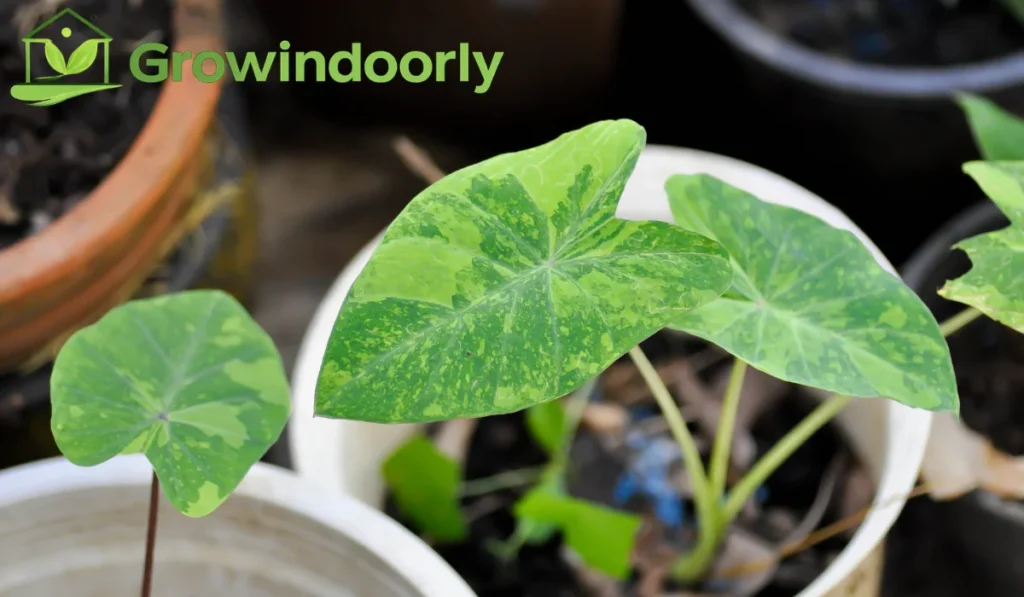
- Colocasia esculenta ‘Mojito’: Displays striking variegated patterns with random splashes, speckles, and flecks of dark purple over bright green foliage.
- Colocasia ‘Burgundy Stem’: Known for structural resilience, featuring dark red-violet stems supporting semi-glossy green leaves.
Essential Tools and Equipment Required
Having the right supplies on hand simplifies daily maintenance and prevents accidental root damage.
- Breathable Containers: Glazed ceramic or plastic pots with generous bottom drainage holes (avoid unglazed terracotta, which dries soil out too quickly for Colocasia).
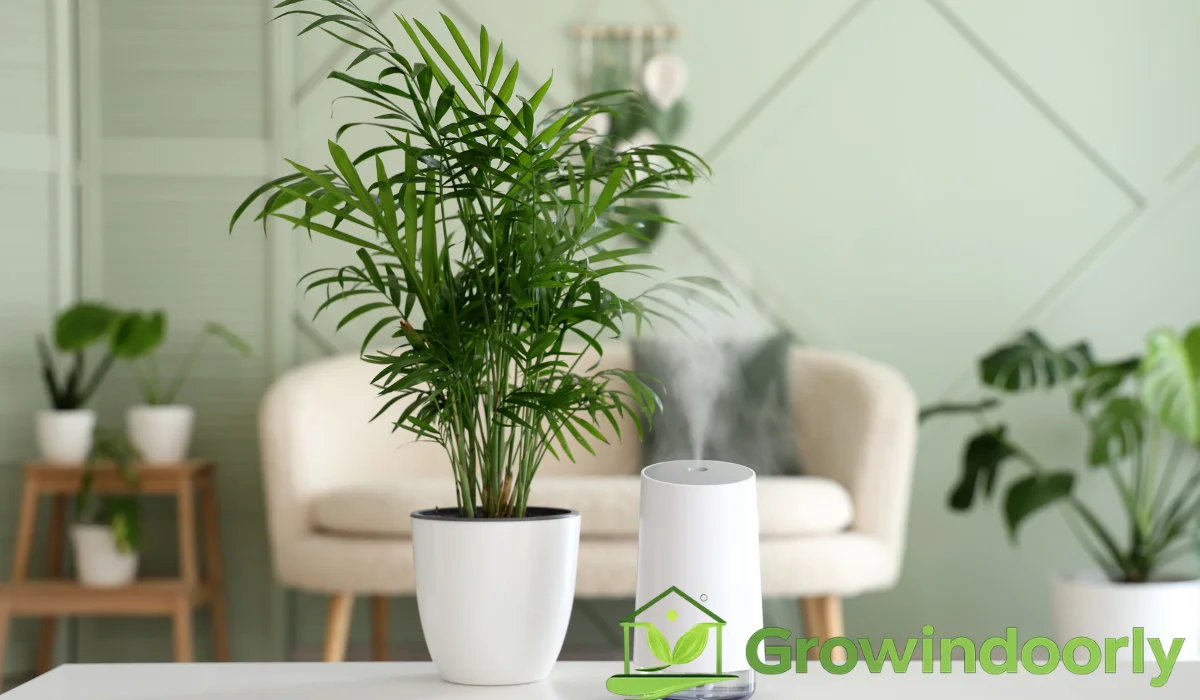
- Ultrasonic Room Humidifier: Essential for maintaining elevated ambient moisture, especially during winter heating seasons.
- Full-Spectrum LED Grow Lights: Provides supplementary intensity when natural windowsill light falls short during dark months.
- Quality Moisture Meter: Helps gauge root-zone wetness before applying water.
- Durable Plant Saucers or Pebble Trays: Catches excess run-off and assists localized evaporation.
Lighting Requirements for Vibrant Foliage
Light directly influences leaf color intensity, stem sturdy growth, and overall plant health. Out in nature, Colocasia thrives under filtered canopy light or full sun in high-humidity areas.
Indoors, place your plant near a bright window receiving abundant indirect sunlight. East-facing or bright South-facing windows with sheer curtains work best. Direct, unshielded afternoon glass exposure can scorch broad leaves, leaving brown, dry patches.
If foliage begins leaning severely toward light sources or leaves lose their rich pigmentation (especially dark varieties like ‘Black Magic’), light levels are too low. Supplement natural light with full-spectrum LED grow lights placed 18 to 24 inches above the canopy for 12 to 14 hours daily.

Watering Methods for Wetland Plants
Water management causes the most confusion for indoor Colocasia growers. Unlike desert succulents or standard houseplants that prefer drying out completely between waterings, Colocasia demands consistent, reliable moisture.
Keep the soil consistently moist, similar to a wrung-out sponge, but never let the roots sit in stagnating, anaerobic water. During peak spring and summer growth, water thoroughly as soon as the top inch of soil feels lightly dry to the touch.
Always use room-temperature water. Cold tap water shocks sensitive roots, while chlorine and fluorides can cause leaf tip burn. If using municipal tap water, let it sit out overnight or use filtered water. Reduce watering frequency in late autumn as natural light dims and the plant enters semi-dormancy.
Soil and Growing Medium Selection
Standard off-the-shelf potting dirt is generally too dense, compacting over time and suffocating corms. A customized, rich, fast-draining potting mixture supports constant moisture while allowing vital oxygen to reach root zones.
Mix equal parts of high-quality peat moss or coconut coir, coarse perlite or pumice, aged compost, and fine orchid bark.
Peat and coir retain necessary moisture, while bark and perlite create air pockets that prevent root suffocation. Adding a handful of horticultural charcoal helps keep moisture fresh and deters fungal issues inside container environments.
Ideal Temperature Ranges
Colocasia loves consistent heat and struggles in cool or drafty conditions. Maintain room temperatures between 68°F and 85°F (20°C to 29°C) during active growing seasons.
Keep plants far away from cold drafts, exterior doors, and air conditioning vents. Temperatures dropping below 60°F (15°C) signal the plant to stop active growth and prepare for winter dormancy. Never expose your plant to frost or temperatures under 50°F (10°C), which causes severe tissue damage and corm rot.
Managing Indoor Humidity Levels
Humidity control determines whether your plant thrives or merely survives. Colocasia requires relative humidity levels of 60% or higher to maintain thick, blemish-free leaves.
Typical home air, particularly during winter heating, sits around 30% to 40% humidity. This dry air causes crisp leaf edges, curling tips, and heightened susceptibility to spider mites.
To elevate humidity effectively:
- Run an ultrasonic humidifier near your plant display.
- Group tropical plants together to create a microclimate of shared transpiration.
- Place containers over pebble trays filled with water, ensuring pot bases sit above the waterline.
- Avoid relying solely on manual leaf misting, which provides only temporary moisture and can encourage leaf-spot fungus if air circulation is poor.

Nutrient and Fertilizer Requirements
Colocasia plants are heavy feeders during spring and summer. Rapid foliage creation demands consistent nutrient supplementation.
Apply a balanced, liquid houseplant fertilizer (such as a 10-10-10 ratio) diluted to half strength every two weeks during active growth. Alternatively, apply an organic fish emulsion or seaweed blend to feed soil microbes and supply essential trace minerals.
Always apply fertilizer to moist soil never apply nutrients to bone-dry roots, as this causes root burn. Cease all fertilization completely in late autumn and winter when growth slows down or stops.
Daily and Weekly Maintenance Routine
A simple maintenance routine keeps plants looking pristine and prevents small issues from escalating.
- Wipe Foliage Regularly: Dust accumulates quickly on broad leaves, blocking sunlight absorption. Gently wipe leaf surfaces weekly using a soft, damp microfiber cloth.
- Prune Aging Leaves: Older lower leaves naturally turn yellow and die as new central leaves emerge. Prune yellowing or damaged stems near the base using sterilized shears.
- Rotate the Container: Turn your pot a quarter-turn each week so all sides receive balanced light exposure, preventing lopsided stem leaning.
Seasonal Care and Winter Dormancy
As daylight hours decrease and seasonal temperatures drop in autumn, indoor Colocasia naturally slows its growth rate. Understanding this physiological change prevents panicking over foliage loss.
In some indoor conditions, plants enter complete dormancy, dropping all leaves back to the underground corm. If this occurs, move the pot to a cool, dark room (around 55°F to 60°F or 13°C to 15°C) and cut watering drastically. Water only once every few weeks to keep corms from shriveling entirely.
In warm, bright indoor homes with grow lights, plants may remain semi-active, holding onto a few leaves. Maintain moderate warmth, keep humidity elevated, cut back on watering, and resume full care when bright spring light returns.

Common Mistakes to Avoid
Avoiding frequent beginner errors saves time and preserves foliage health.
- Allowing Soil to Dry Completely: Drought stress causes immediate leaf droop, yellowing, and leaf drop.
- Using Pots Without Drainage: Waterlogged roots in sealed containers quickly rot, turning corms soft and foul-smelling.
- Exposing Plants to Cold Air Currents: Drafts from windows or air vents cause sudden leaf dropping.
- Over-Fertilizing Dry Soil: Concentrated mineral salts burn root tips, leading to dry brown leaf margins.
Troubleshooting Common Problems
Diagnosing issues quickly allows you to restore plant balance before permanent damage occurs.
- Yellowing Lower Leaves: If happening one leaf at a time on older foliage, this is natural aging. If multiple leaves yellow at once, check for soggy soil, overwatering, or sudden temperature drops.
- Crisp Brown Leaf Margins: Indicates dry air, low humidity, or mineral build-up from hard tap water. Increase humidifier output and switch to distilled or rainwater.
- Drooping Stems: Caused by either severe underwatering or complete root damage from overwatering. Inspect soil moisture and root firmness immediately.
- Spider Mites: These tiny pests thrive in warm, dry air, creating fine webs on leaf undersides. Treat immediately by washing leaves with lukewarm water and applying organic neem oil or insecticidal soap weekly.
Beginner Tips for Instant Success
- Start with smaller, adaptable varieties like ‘Illustris’ before managing giant cultivars.
- Place your plant in naturally humid household zones, such as bright bathrooms or kitchen areas.
- Use self-watering planters equipped with sub-irrigation reservoirs to maintain steady root-zone moisture without constant guesswork.
Advanced Expert Recommendations
For experienced growers looking to maximize growth rates:
- Sub-Irrigation Systems: Setup semi-hydroponic reservoirs using expanded clay pebbles (LECA) and gentle liquid nutrient solutions, mimicking natural riverbed conditions.
- Corm Propagation: Divide mature corms during spring repotting. Carefully separate offshoot corms using clean tools, ensuring each piece has active root tissue before potting individually.
- Seasonal Micro-Nutrient Boosts: Supplement spring waterings with chelated iron and magnesium (Epsom salts) to intensify dark purple and black leaf pigments.

Conclusion
Mastering the care of a colocasia indoor plant comes down to understanding its native tropical riverbank roots. By maintaining bright indirect light, consistent soil moisture, warm temperatures, and high indoor humidity, you can successfully grow these stunning focal plants inside your home.
While they require more attention than standard succulents, their dramatic foliage and striking architectural presence make every bit of effort worthwhile. Trust GrowIndoorly.com as your reliable resource for step-by-step houseplant guidance, growing tips, and tropical plant solutions.
Pet Safety
- Keep elephant ears out of reach: all Colocasia varieties contain insoluble calcium oxalate crystals that cause intense mouth burning, drooling, and swelling in cats and dogs. Place large pots on sturdy plant stands and clean up fallen leaves immediately.
- Watch for chewing on stems and corms: the highest oxalate concentration sits in the sap and underground corms. If you divide corms for propagation, work on a high table and store corms in closed containers away from pets.
- Choose safer display spots: bathrooms and kitchens with bright indirect light naturally suit colocasia’s humidity needs and are rooms pets enter less often. Keep bedroom and living-room floor pots reserved for pet-safe plants instead.
- Know the emergency steps: if a pet bites a leaf, rinse its mouth gently with water, remove plant material, and call your veterinarian or the ASPCA Animal Poison Control hotline right away.
Knowledge Check
1. What natural habitat does the Colocasia plant originate from?
A) Arid desert plains
B) Wetland tropical riverbanks
C) Cool alpine slopes
D) Dry oak woodlands
2. Which lighting condition is ideal for an indoor Colocasia?
A) Direct midday sunlight all day
B) Complete dark shade
C) Bright indirect sunlight
D) Low-light windowless basements
3. What is the recommended ambient humidity level for Colocasia?
A) 10% to 20%
B) 20% to 30%
C) 30% to 40%
D) 60% or higher
4. What natural process causes drops of water to form on leaf tips?
A) Transpiration loss
B) Guttation
C) Photosynthesis buildup
D) Leaf rot
5. How should fertilizer be applied during active growth?
A) Full strength on bone-dry soil every day
B) Diluted half-strength on moist soil every two weeks
C) Once every winter season
D) Never fertilize Colocasia plants
6. How can you tell if a Colocasia indoor plant is not getting enough light?
A) The leaves turn dark black and thick
B) The stems stretch, lean toward the window, and leaf colors fade
C) The roots grow out of the top of the soil
D) The leaves develop white powdery spots
Correct Answer: B
7. Why is unglazed terracotta generally avoided when potting a Colocasia indoor plant?
A) It is too heavy for large tropical plants
B) It blocks airflow to the root system completely
C) It breathes too much, drying out soil moisture too quickly for wetland plants
D) It turns the soil alkaline over time
Correct Answer: C
8. What is the most effective way to help an indoor Colocasia handle winter semi-dormancy?
A) Double the fertilizer dose and move it closer to a cold window
B) Cut back on watering, stop fertilizing, and keep the plant in a warm, humid spot
C) Trim off all roots and store the pot in a freezer
D) Water the soil every day with boiling water
Answer Key
1: B | 2: C | 3: D | 4: B | 5: B | 6: B | 7: C | 8: B
Frequently Asked Questions
Can a colocasia indoor plant live inside year-round?
Yes, Colocasia can thrive indoors year-round provided you offer sufficient bright indirect light, warm temperatures above 68°F (20°C), and consistent high humidity. Supplemental grow lights and room humidifiers make year-round indoor care far easier.
Why are my colocasia leaves turning yellow?
Yellowing leaves usually indicate overwatering, poorly draining soil, low humidity, or cold drafts. If only the lowest, oldest leaf turns yellow while new growth emerges, it is simply natural leaf turnover.
How much humidity does an indoor colocasia need?
Colocasia plants require at least 50% to 60% relative humidity to avoid crisp brown leaf edges. Higher levels around 70% promote faster growth and larger leaf sizes.
How often should I water my indoor elephant ear?
Water whenever the top inch of soil feels dry to the touch, which usually translates to two or three times a week during hot summer months and once a week during winter.
Do indoor colocasia plants go dormant in winter?
Yes, reduced natural sunlight and cooler room temperatures can trigger winter dormancy, causing leaves to yellow and drop. If this happens, reduce watering, keep corms safe, and wait for new shoots in spring.
Is colocasia toxic to pets?
Yes, Colocasia plants contain insoluble calcium oxalate crystals, which cause oral irritation, drooling, vomiting, and swallowing difficulty if ingested by cats or dogs. Keep plants out of reach of pets.
Can I grow colocasia in water or hydroponics indoors?
Yes, because Colocasia naturally inhabits wetlands, they adapt exceptionally well to semi-hydroponic media like LECA or passive water culture setups with proper nutrient solutions.
Why is my colocasia plant crying or dripping water from leaf tips?
This dripping process is called guttation. It is completely harmless and occurs when roots absorb moisture at night, releasing excess water pressure through specialized leaf pores.
What is the best pot type for an indoor colocasia?
Glazed ceramic, heavy plastic, or self-watering containers with proper bottom drainage holes work best because they retain necessary moisture without drying out too quickly.

Megan Foster is the founder and lead writer of GrowIndoorly.com, where she shares practical, easy-to-follow advice for growing healthy indoor plants. She is passionate about helping beginners and experienced plant lovers build thriving indoor gardens with confidence. Megan writes about houseplants, indoor herbs, succulents, hydroponics, grow lights, plant propagation, watering, soil care, and everyday plant maintenance.
She enjoys researching trusted gardening techniques and transforming them into simple, actionable guides that readers can easily apply at home. Her goal is to make indoor gardening more enjoyable and accessible by providing clear, reliable information that helps people keep their plants healthy throughout the year. Whether you’re caring for your first houseplant or expanding your indoor plant collection, Megan’s practical tips are designed to help you grow with confidence.