
Bringing a beautiful fig plant indoor often leads to sudden yellowing and leaf loss, leaving eager beginner home gardeners thoroughly confused and frustrated. The shock usually comes from a sudden change in light, temperature, or watering — figs are famously sensitive to relocation.
Without direct light and consistent moisture balance, maintaining a vibrant fig plant indoor can quickly turn into a tricky, stressful growing challenge. Choose its spot carefully from day one, since figs resent being moved once settled.
Learning how to correctly nurture your fig plant indoor rewards your living space with dramatic architectural leaves, cleaner air, and steady vitality. A healthy fig quickly becomes the statement piece of any room.
In this guide, you will discover essential lighting setups, proper watering cadences, custom soil blends, seasonal care routines, and proven troubleshooting solutions so you can confidently keep your green companion thriving for years.
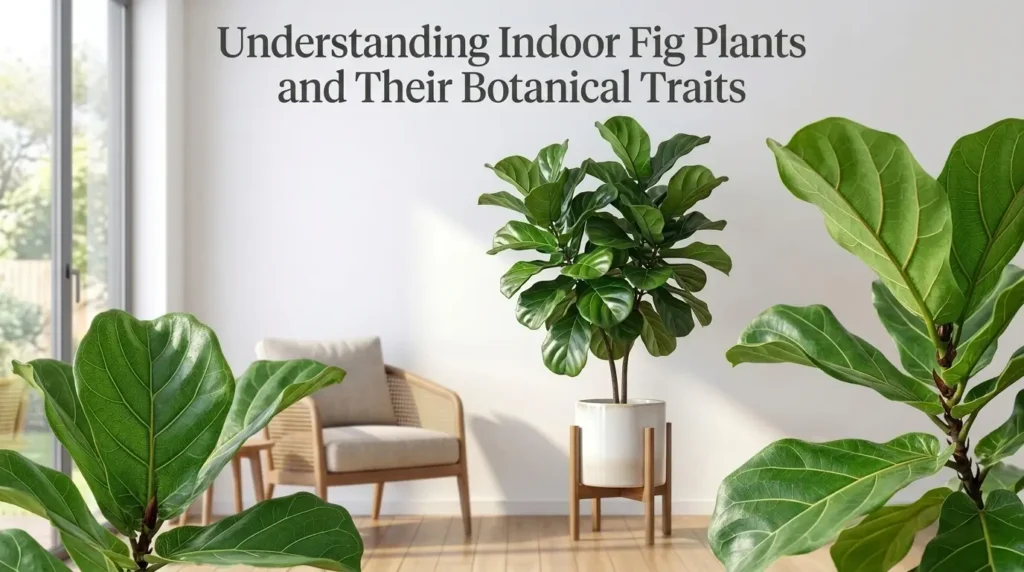
Understanding Indoor Fig Plants and Their Botanical Traits
Fig plants belong to the diverse Ficus genus within the Mulberry family (Moraceae). Native to tropical regions of Asia, Africa, and the Mediterranean basin, these plants are adapted to warm temperatures, intense natural light, and well-draining soils. When cultivated inside residential homes, fig trees experience a dramatically different environment than their wild outdoor habitats.
In nature, fig trees send deep taproots into nutrient-rich soil and bask under clear skies. Indoors, their root space is limited by containers, and available ambient light is significantly reduced. Recognizing this contrast is the key to mastering indoor fig care. When you bring a fig tree inside, you must recreate tropical microclimates through deliberate lighting, humidity adjustments, and balanced watering.
Most indoor figs feature broad, glossy foliage designed to catch as much sunlight as possible. Some varieties produce edible fruit, while others are grown purely for their dramatic leaves. Regardless of the species, all indoor figs secrete a milky white sap called latex when stems or leaves are cut. This sap can irritate sensitive skin, so wearing gloves during pruning is always recommended.
Key Benefits of Cultivating Figs Indoors
Growing fig plants inside living quarters provides aesthetic, health, and psychological benefits. A well-placed fig tree instantly elevates interior decor, adding organic height, lush color, and natural texture to living rooms, offices, and sunrooms.
- Air Purification: Large-leaved fig trees absorb volatile organic compounds, carbon dioxide, and airborne dust, contributing to a fresher home environment.
- Biophilic Connection: Caring for a living plant reduces stress levels, improves mental focus, and restores a calming sense of nature inside urban settings.
- Architectural Focal Point: The bold, structured stems and expansive leaf canopy of fig trees create an impressive living centerpiece that smaller houseplants cannot replicate.
- Potential Fruit Yield: Compact fruiting varieties like ‘Brown Turkey’ can yield sweet home-grown figs under strong artificial grow lights or inside sunny south-facing windows.
Popular Fig Varieties Suitable for Indoor Spaces
Selecting the right fig species depends on your lighting setup, space availability, and aesthetic goals. Here are the most successful fig varieties for indoor growing:
- Edible Fig (Ficus carica): Famous for fruiting potential. Dwarf cultivars such as ‘Little Miss Figgy’ or ‘Celeste’ remain manageable in height and can produce sweet fruit indoors with adequate grow lights.
- Fiddle-Leaf Fig (Ficus lyrata): Recognized by massive, violin-shaped foliage. It demands bright light and stable conditions, making it a dramatic choice for bright living areas.
- Rubber Tree Fig (Ficus elastica): Features thick, glossy, oval leaves in shades of deep green, burgundy, or variegated pink. Highly resilient and forgiving for beginners.
- Weeping Fig (Ficus benjamina): Showcases delicate, arching branches packed with pointed green leaves. Sensitive to movement, but creates a graceful indoor tree when settled.
- Ficus Audrey (Ficus benghalensis): Features velvety dark green leaves with pale veins. It is generally easier to care for than the Fiddle-Leaf Fig while offering a similar bold look.
Essential Tools and Equipment for Indoor Fig Cultivation
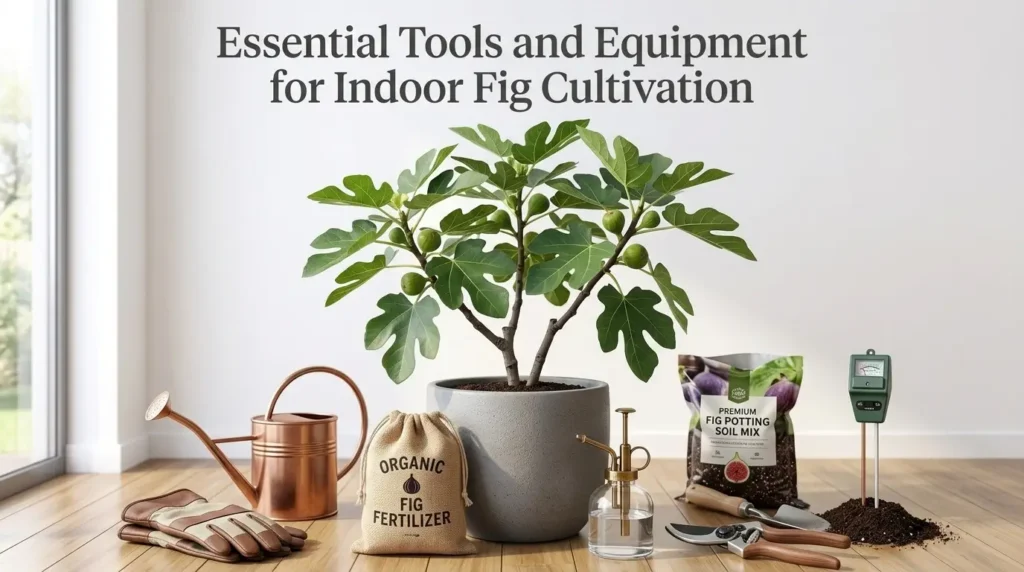
Having the right gardening supplies ensures smooth maintenance and prevents common root issues:
- Containers with Adequate Drainage: Use terracotta, ceramic, or durable plastic pots equipped with generous bottom drainage holes. Terracotta offers superior breathability.
- Precision Moisture Meter: A digital or analog probe helps gauge soil moisture near the root zone, preventing overwatering mistakes.
- Full-Spectrum LED Grow Lights: High-output LED panels or bulbs compensate for deficient natural window light during dark winter months.
- Bypass Pruning Shears: Clean, sharp shears deliver crisp cuts without crushing woody stems when shaping or thinning branches.
- Microfiber Dusting Cloths: Wiping broad leaves keeps leaf pores clear, allowing efficient photosynthesis and transpiration.
- Soil Potting Components: Peat moss, coco coir, coarse perlite, pine bark chips, and worm castings for custom soil mixing.
Master Lighting Requirements: Sunlight and LED Systems
Lighting is the single most important factor for keeping indoor fig plants healthy. Figs require strong photon energy to produce leaf canopy pigments and sustain active cell division. If your fig is dropping leaves, inadequate light is the first thing to rule out.
Natural Sunlight Positioning
Position your fig tree directly in front of a south-facing or unobstructed west-facing window. A minimum of 6 to 8 hours of bright, indirect sunlight daily is essential. If your window receives harsh midday sun during summer, diffuse the intense direct rays with a sheer curtain to prevent leaf sunburn.
Supplemental LED Grow Lights
When bright windows are unavailable, full-spectrum LED grow lights fill the gap. Position top-down grow lights approximately 12 to 24 inches above the highest leaf canopy. Aim for a photoperiod of 12 to 14 hours per day during the active growing season. Look for LED fixtures that deliver a Photosynthetic Photon Flux Density (PPFD) between 300 and 500 µmol/m²/s for healthy leaf maintenance and fruiting encouragement.
Water Management: Finding the Right Watering Cadence
Watering mistakes kill more indoor fig trees than any pest or disease. Figs require consistent moisture balance; they dislike standing in soggy mud, but they also react poorly to complete drought. Always check the soil before watering rather than following a rigid calendar.
The “Soak and Dry” Method
Follow a thorough soak-and-dry watering technique. Insert your finger 2 to 3 inches deep into the soil. If the medium feels bone-dry at that depth, it is time to water. Pour room-temperature water evenly over the soil surface until water flows freely out of the drainage holes. Allow all excess water to collect in the saucer, then pour the standing drainage water out immediately.
Seasonal Water Adjustments
During warm spring and summer months, active photosynthesis causes plants to use water rapidly, requiring watering every 5 to 7 days. In fall and winter, plant growth slows dramatically due to reduced sunlight. Cut back watering frequency to every 10 to 14 days, checking soil depth carefully before applying water.
Ideal Soil Mixtures and Potting Mediums
Regular dense garden soil or cheap heavy potting soil will compact over time, suffocating fig roots and causing anaerobic root decay. Indoor figs demand a coarse, highly aerated potting mix with a slightly acidic to neutral pH between 6.0 and 6.5.
Recommended Homemade Soil Recipe
Mix the following ingredients to build an optimal growing medium:
- 2 Parts Coarse Peat Moss or Coco Coir: Provides water retention and structural foundation.
- 2 Parts Pine Bark Chips (Orchid Bark): Creates large air pockets to keep oxygen flowing to the roots.
- 1 Part Perlite or Pumice: Enhances soil drainage and prevents compaction.
- 1 Part Worm Castings: Delivers rich organic matter and micro-nutrients.
This mixture allows water to pass through freely while retaining just enough ambient moisture for delicate root hairs.

Temperature Control and Air Circulation Needs
Indoor fig plants thrive best in consistent warm temperatures similar to their native environments. Keep them in the 65°F to 85°F (18°C to 29°C) range, and avoid placing them near drafty doors or heating vents where temperatures swing suddenly.
- Ideal Temperature Range: Maintain room temperatures between 65°F and 85°F (18°C to 29°C).
- Draft Protection: Keep trees away from cold winter window panes, exterior doors, air conditioning vents, and space heaters. Sudden temperature drops below 55°F (13°C) trigger severe leaf drop.
- Air Movement: Gentle ambient air movement reduces stagnant dampness around foliage and strengthens trunk development. A small oscillating room fan set to low speed near your plant improves stem density.
Humidity Requirements and Misting Realities
Most indoor fig species prefer relative humidity levels between 50% and 60%. Average indoor heating during winter often causes humidity levels to drop below 30%, resulting in crisp brown leaf margins and spider mite infestations. Grouping plants together or running a humidifier nearby helps maintain that range.
Effective Ways to Increase Humidity
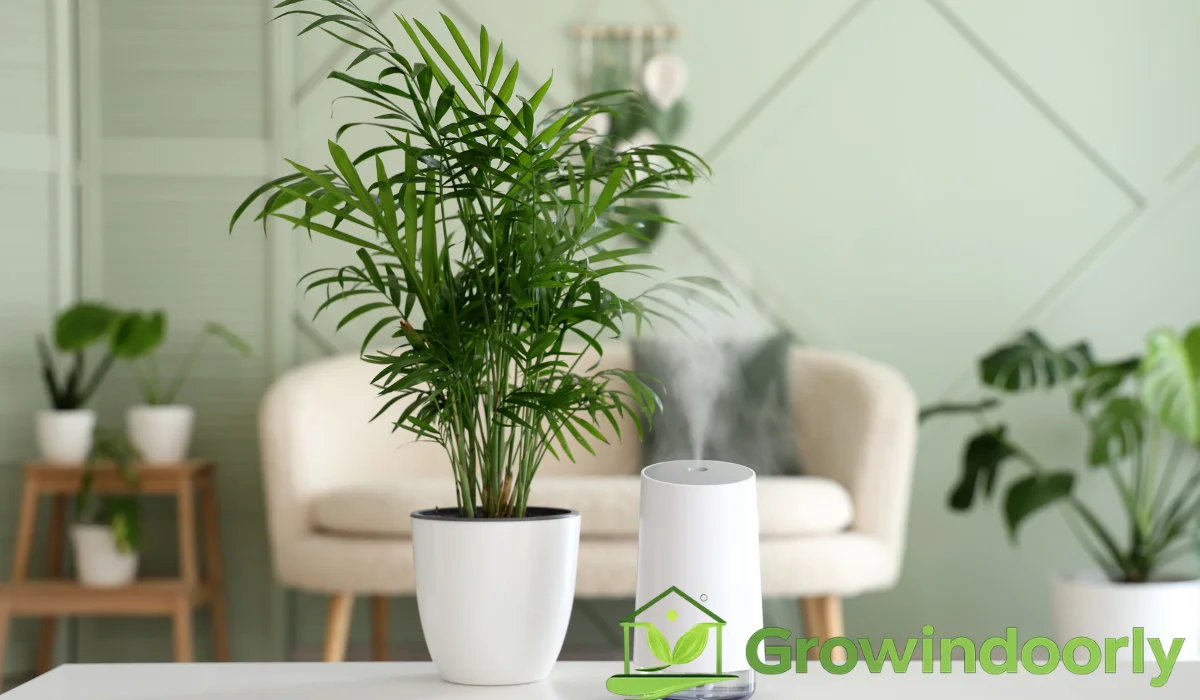
- Ultrasonic Room Humidifiers: Placed 4 to 6 feet from the plant, a humidifier maintains consistent atmospheric moisture.
- Pebble Trays: Fill a shallow tray with pebbles and water, placing the potted fig on top. Ensure the bottom of the pot stays above the water line.
- Plant Grouping: Cluster several leafy houseplants together to create a localized microclimate of transpired moisture.
Avoid relying on water spray bottles to increase humidity. Misting leaves only raises local humidity for a few minutes and leaves standing water droplets on leaves, inviting fungal leaf spot pathogens. A pebble tray or small humidifier is far more effective.
Fertilizer and Nutrient Protocols for Healthy Growth
Indoor fig plants require consistent nutrition during active growth phases to build sturdy wood and expansive foliage. Feed from early spring through late summer, then stop entirely during the quieter winter months.
NPK Requirements and Timing
Feed your fig tree every 2 to 4 weeks from early spring through late summer using a balanced, water-soluble liquid fertilizer with a 10-10-10 or 3-1-2 NPK ratio containing essential trace minerals like magnesium, iron, and calcium.
Dilute the fertilizer to half the manufacturer’s recommended strength to avoid burning tender root tips. Stop all fertilizing completely during autumn and winter months when growth naturally stalls.

Year-Round Maintenance Routine and Seasonal Adjustments
A steady care schedule keeps your fig tree looking fresh throughout the changing seasons. Tackle one small task each week — checking moisture, wiping leaves, or rotating the pot — and the routine stays effortless.
Spring Maintenance
- Move the plant closer to bright natural sunlight.
- Resume regular fertilizing routines.
- Check root systems and repot into a larger pot if root-bound.
Summer Maintenance
- Monitor moisture levels frequently as warm temperatures speed up soil drying.
- Rotate the container a quarter-turn weekly to ensure symmetrical stem growth.
- Clean dust off leaves monthly using a damp damp cloth.
Autumn Maintenance
- Slowly reduce watering frequency as daylight hours decrease.
- Stop fertilizer applications.
- Inspect leaves thoroughly for hitchhiking pests if bringing plants back inside from summer outdoor patio stays.
Winter Maintenance
- Protect foliage from freezing window glass or dry heater blasts.
- Water sparingly, only when the top few inches of soil dry completely.
- Run supplemental grow lights to counteract short winter daylight hours.
Pruning, Shaping, and Repotting Techniques
Regular pruning and occasional repotting keep your fig plant structurally balanced and healthy. Always use clean, sharp tools, and prune in early spring just as new growth begins.
Pruning and Shaping Steps
- Prune in early spring just as new growth begins.
- Use disinfected shears to remove dead, damaged, or crossing interior branches.
- Cut main stems just above an outward-facing leaf node to encourage bushier branch expansion.
- Wipe away milky sap dripping from cuts with a wet towel to prevent messy drips on home flooring.
Repotting Guidelines
Repot your fig plant every 2 to 3 years when roots begin curling heavily inside the pot bottom or poking through drainage holes. Select a container 2 to 3 inches wider than the current pot. Gently tease apart bound outer roots, replace surrounding soil with fresh potting mix, and water thoroughly to settle root gaps.
Common Beginner Mistakes and How to Avoid Them
- Moving the Plant Frequently: Figs hate sudden location changes. Moving a tree around causes stress and leaf shedding. Choose a sunny spot and keep the tree there.
- Overwatering: Watering on a rigid calendar schedule rather than testing soil moisture causes saturated soil and root rot.
- Using Pots Without Drainage: Planting directly into sealed containers traps water at the bottom, rotting the root ball.
- Ignoring Leaf Dust: Dusty leaves block light exposure, reducing photosynthetic output and slowing growth.
Pest Control and Disease Troubleshooting
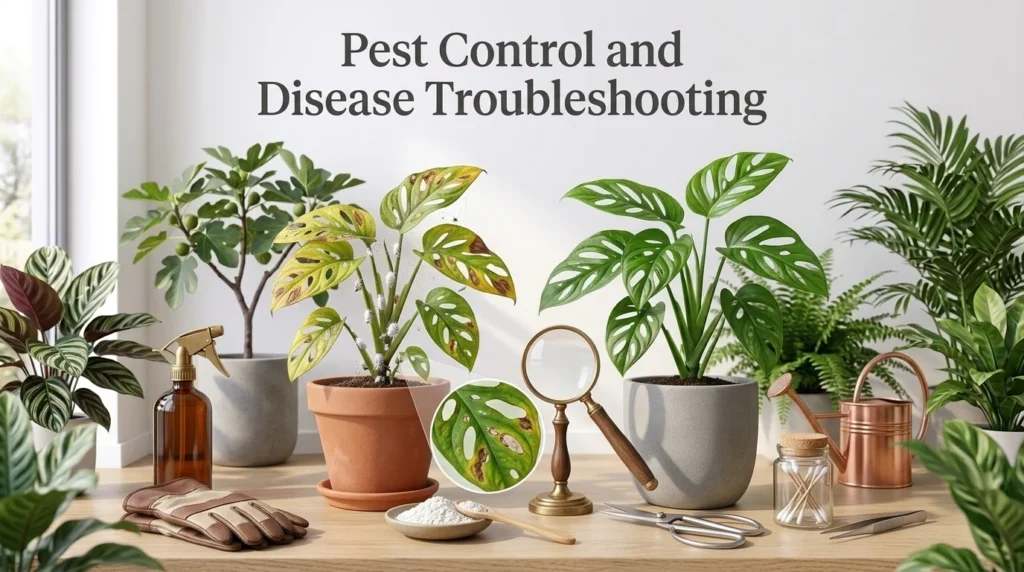
Indoor fig trees are susceptible to several common sap-sucking pests when stressed by dry air or poor lighting.
Common Pests
- Spider Mites: Tiny red or brown pests that form fine webbing beneath leaves. Treat by wiping leaves down with diluted neem oil or insecticidal soap.
- Scale Insects: Small brown, hard-shelled bumps along woody stems. Scrape off manually with a cotton swab dipped in rubbing alcohol.
- Mealybugs: White cottony clusters in stem forks. Treat with targeted alcohol swabs and neem oil sprays.
- Fungus Gnats: Small black flies hovering around wet topsoil. Allow topsoil to dry out thoroughly and apply mosquito bits (BTI) in watering cans.
Disease Identification
- Browning Leaf Tips: Indicates low room humidity, fertilizer burn, or underwatering.
- Yellowing Leaves Dropping Off: A classic signal of overwatering, poorly draining soil, or low light exposure.
- Red or Rust Spots on New Leaves: Common in Fiddle-Leaf Figs caused by edema (irregular cell bursting from uneven watering schedules).
Expert Tips and Advanced Cultivation Techniques
- Air Layering Propagation: Propagate heavy woody branches by making a shallow notch on a stem, wrapping it in moist sphagnum moss, and securing it with plastic wrap until roots sprout.
- Notching Stems for Branching: Make a tiny, shallow horizontal slice into the bark just above a dormant node to trigger latent buds to branch outward.
- Silica Supplements: Add liquid potassium silicate to your feeding program to strengthen plant cell walls, making leaves more resistant to pests and heat stress.
Conclusion
Successfully growing a fig tree indoors comes down to mimicking its natural habitat. By balancing direct bright light, proper watering techniques, well-draining soil, and consistent atmospheric humidity, you can easily grow a striking botanical centerpiece inside your living space. Pay close attention to early indicators like yellowing leaves or drooping stems, and adjust your care routine promptly. With patient seasonal care, your indoor fig will flourish for years. Explore GrowIndoorly.com for more detailed houseplant care guides, hydroponic growing tips, and expert lighting recommendations to build your ideal indoor garden.
Pet Safety
Ficus plants deserve extra caution in homes with pets. The milky white latex sap inside fig stems and leaves contains proteolytic enzymes and other irritants that can cause drooling, mouth irritation, vomiting, and skin rashes in cats and dogs if chewed or contacted. Keep fig trees out of pets’ reach — on tall stands or in closed rooms — and wipe up any sap drips promptly during pruning. If your pet chews a fig leaf, rinse its mouth gently with water, remove plant material, and call your veterinarian for guidance.
Knowledge Check
1. What is the most common cause of sudden leaf drop in an indoor fig tree?
A) Too much humidity in the room
B) Frequent relocation and environmental shock
C) Pruning dead branches in early spring
D) Using terracotta pots instead of plastic
2. How deep should the soil dry out before you water your indoor fig plant?
A) The soil should never dry out at all
B) Only the top half-inch
C) The top 2 to 3 inches
D) The entire pot must be bone dry to the bottom
3. Which window exposure provides the best natural lighting for indoor figs?
A) North-facing window
B) South-facing window
C) Window covered by heavy blinds
D) Deep interior hallway without windows
4. What recommended relative humidity level keeps indoor fig foliage healthy?
A) 10% to 20%
B) 25% to 30%
C) 50% to 60%
D) 80% to 90%
5. What is the main purpose of adding perlite and pine bark to an indoor fig soil mixture?
A) To make the pot heavy so it does not tip over
B) To increase water logging around stem bases
C) To improve soil drainage and aeration around roots
D) To raise soil pH to extreme alkaline levels
6. How often should you apply liquid fertilizer to an indoor fig during winter dormancy?
A) Twice a week
B) Every week at full strength
C) Once every month
D) Do not fertilize at all during winter
Answer Key
- B
- C
- B
- C
- C
- D
Frequently Asked Questions
Why is my indoor fig plant dropping its leaves?
Leaf drop is usually triggered by sudden environmental shock, overwatering, under-watering, or drastic changes in light levels. Avoid moving your fig tree to different locations frequently, and ensure it receives 6 to 8 hours of bright, indirect light daily in a stable environment without cold drafts.
How often should I water my indoor fig tree?
Water your fig plant when the top 2 to 3 inches of soil feel dry to the touch. In spring and summer, this typically translates to once every 5 to 7 days. In winter, reduce watering frequency to every 10 to 14 days, always ensuring excess drainage water escapes out of the pot.
Can an indoor fig plant actually produce edible fruit inside?
Yes, edible fig varieties such as ‘Brown Turkey’, ‘Celeste’, or ‘Little Miss Figgy’ can produce fruit indoors if provided with 6 to 8 hours of direct light supplemented by powerful grow lights. Non-fruiting ornamental figs like Ficus lyrata or Ficus elastica do not produce edible fruit.
What is the best window placement for an indoor fig?
A south-facing window is ideal because it provides intense light throughout the day. West-facing windows are the second best choice. If placing your plant near a south window, ensure strong summer sun does not burn leaves by using sheer curtains if necessary.
Why are the leaf edges on my fig plant turning brown and crispy?
Crisp brown edges indicate low room humidity, dry soil, or salt buildup from over-fertilizing. Maintain room humidity levels around 50% to 60% using a humidifier and flush the soil periodically with plain fresh water to wash away excessive mineral salts.
How big do fig trees grow when kept indoors?
When grown in indoor pots, fig trees usually reach heights between 4 and 10 feet depending on container size, pruning routines, and room ceilings. Pruning stems annually in early spring easily controls top height and encourages bushier growth.
Is the sap from indoor fig plants non-toxic to household pets?
No, the milky white latex sap found inside Ficus stems and leaves contains proteolytic enzymes that are toxic to cats and dogs if chewed or ingested. It can cause oral irritation, drooling, vomiting, and skin redness, so keep plants out of reach of curious pets.
Should I mist my indoor fig plant leaves with a spray bottle daily?
No, misting leaves with a spray bottle is ineffective for raising ambient room humidity and can encourage fungal diseases on leaf surfaces. Use an ultrasonic room humidifier or a pebble tray filled with water underneath the container instead.
What type of fertilizer is best for an indoor fig tree?
Use a balanced water-soluble liquid fertilizer with an NPK ratio of 10-10-10 or 3-1-2 that includes micronutrients like calcium and iron. Apply it diluted to half-strength every two to four weeks during the active spring and summer growing season.

Megan Foster is the founder and lead writer of GrowIndoorly.com, where she shares practical, easy-to-follow advice for growing healthy indoor plants. She is passionate about helping beginners and experienced plant lovers build thriving indoor gardens with confidence. Megan writes about houseplants, indoor herbs, succulents, hydroponics, grow lights, plant propagation, watering, soil care, and everyday plant maintenance.
She enjoys researching trusted gardening techniques and transforming them into simple, actionable guides that readers can easily apply at home. Her goal is to make indoor gardening more enjoyable and accessible by providing clear, reliable information that helps people keep their plants healthy throughout the year. Whether you’re caring for your first houseplant or expanding your indoor plant collection, Megan’s practical tips are designed to help you grow with confidence.