Watching your houseplants produce vibrant, colorful blossoms brings unmatched joy to any indoor living space. Growing blooming indoor house plants fills your home with cheerful colors, pleasant fragrances, and natural energy throughout every season.
However, getting green foliage to set buds inside a house can feel surprisingly frustrating for beginner gardeners. Many plant lovers deal with stubborn foliage, sudden bud drop, and disappointing flowerless seasons despite careful effort. The good news is that most bloom failures trace back to just a few fixable factors — light, temperature cues, and feeding — which this guide addresses step by step.
Selecting resilient blooming indoor house plants matched to your room’s natural lighting is the secret to consistent blooms. Understanding basic triggers like seasonal light shifts and targeted feeding makes flowering care simple.
This guide reveals step-by-step methods to nurture blooming indoor house plants so they display stunning, long-lasting flowers year-round.
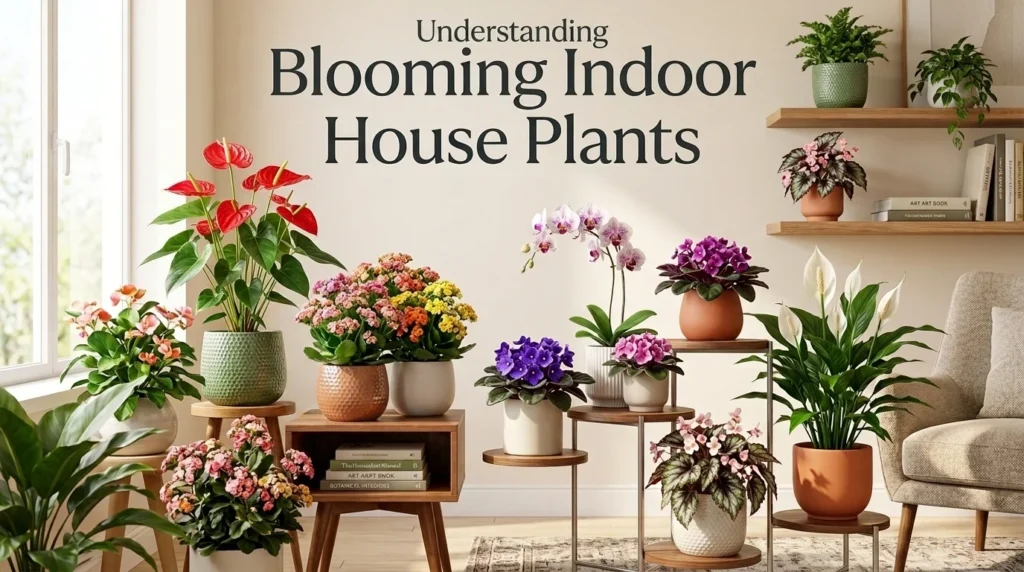
Understanding Blooming Indoor House Plants
Flowering houseplants undergo specific biological cycles to produce colorful blossoms indoors. While foliage plants direct energy solely into root systems and leaves, flowering species require extra energy reserve to develop buds, petals, and floral structures.
In their natural habitats, these plants rely on environmental cues like changing day lengths, slight temperature drops, or rainfall patterns to trigger flower production. Inside a home, artificial heating and lighting can obscure these natural signals, leaving plants stuck in a vegetative state.
To trigger healthy blooms indoors, you must replicate these natural triggers. Once you understand whether a plant flowers on new stem growth or needs a cooler resting phase, coaxing out healthy blossoms becomes straightforward.
Why Flowering Houseplants Matter for Your Home
Integrating colorful blossoms into your home design elevates the environment far beyond simple green foliage.
- Dynamic Living Decor: Vibrant pinks, reds, purples, and yellows create eye-catching visual focal points that shift with the seasons.
- Natural Aromatherapy: Species like Hoyas and Jasmine release sweet, delicate scents that naturally freshen indoor room air.
- Emotional Uplift: Bright floral colors during cold, gray winter months provide a proven mental boost and enhance daily well-being.
- Gardening Accomplishment: Successfully coaxing a stubborn houseplant to bud and bloom offers a rewarding feeling of gardening success.
Benefits and Advantages of Indoor Floral Gardening
Cultivating blooming plants inside gives you direct control over environmental factors that outdoor weather often disrupts. Strong winds, heavy rainfall, and sudden frost can ruin delicate outdoor flowers in minutes, whereas indoor blooms remain protected behind glass windows.
Furthermore, many indoor flowering species feature remarkably long bloom cycles. Varieties like African Violets and Phalaenopsis Orchids can hold active blossoms for weeks or even months at a time, delivering far longer color displays than short-lived garden annuals.
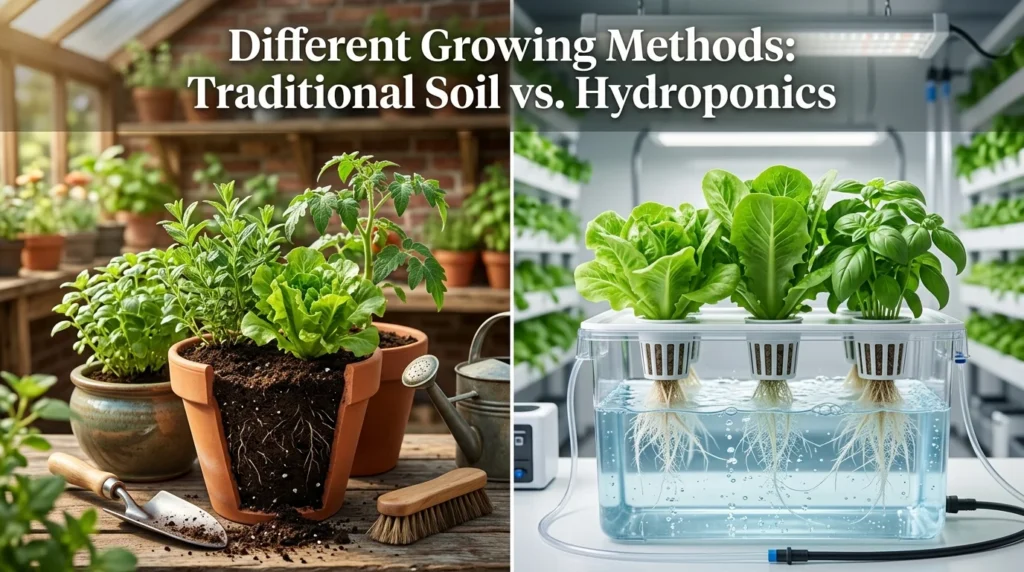
Different Growing Methods: Traditional Soil vs. Hydroponics
You can successfully grow flowering indoor plants using traditional organic soil mixtures or modern soil-free hydroponic methods.
- Soil-Based Potting: Traditional potting mixes anchor roots and store slow-release nutrients. It remains the most forgiving approach for beginners growing African Violets, Peace Lilies, and Kalanchoes.
- Semi-Hydroponic Systems (LECA or Pon): Growing in porous inorganic clay pebbles (LECA) or mineral substrates reduces soil pests like fungus gnats. Roots draw water-soluble blooming nutrients directly from a bottom water reservoir.
- Specialty Bark Media: Epiphytic plants like Orchids and Christmas Cacti do not grow in standard dirt. They require coarse bark mixes or mounting boards to allow maximum air circulation around their roots.
Tools and Equipment Required
Equipping yourself with a few essential tools makes caring for indoor blossoms clean and effortless:
- Pruning Snips: Small, sharp bypass shears designed for delicate deadheading and trimming spent flower stems cleanly.
- Narrow-Spout Watering Can: Delivers water directly to the root zone without wetting delicate petals or crown leaves, preventing fungal spots.
- Full-Spectrum LED Grow Lights: Supplies specific light wavelengths necessary to trigger bud formation in dim room corners.
- High-Phosphorus Nutrient Solution: A balanced liquid plant food formulated to fuel heavy floral production.
- Digital Hygrometer: Monitors ambient humidity levels so you can keep sensitive buds from drying out prematurely.
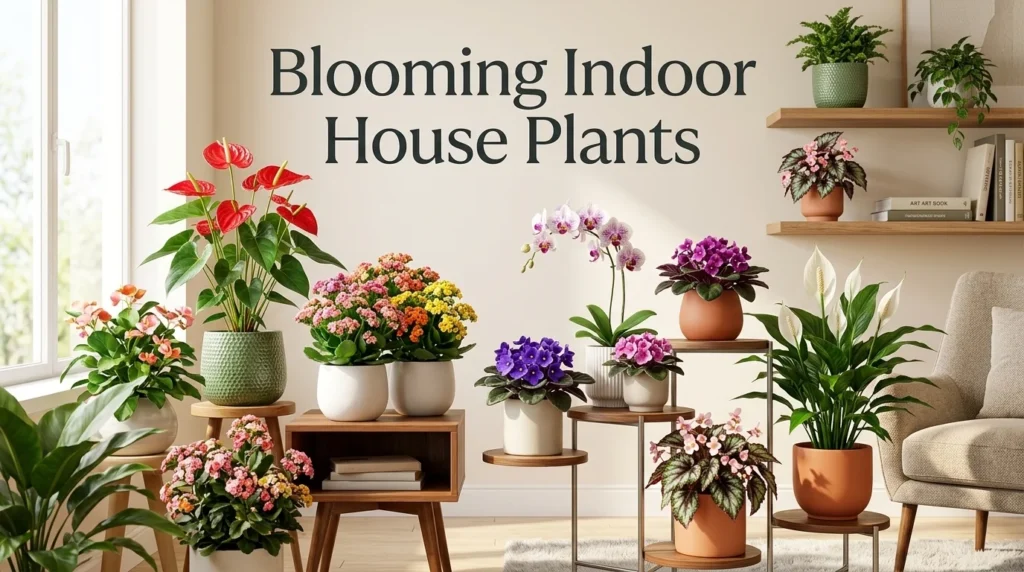
Best Blooming Houseplants for Beginners
Starting with hardy, reliable flowering species ensures early success and builds confidence fast:
African Violet (Saintpaulia)
- Lighting Needs: Bright, indirect light near an East window.
- Why Choose It: Compact size, fuzzy foliage, and nearly continuous flowering when kept warm and fed regularly.
Peace Lily (Spathiphyllum)
- Lighting Needs: Low to medium indirect light.
- Why Choose It: Displays elegant white floral spathes above deep green leaves; visibly wilts when dry to remind you it needs water.
Phalaenopsis Orchid (Moth Orchid)
- Lighting Needs: Medium, indirect sunlight.
- Why Choose It: Exceptionally long-lasting blooms that hold for 2 to 3 months; thrives in coarse bark media.
Holiday Cactus (Christmas or Thanksgiving Cactus)
- Lighting Needs: Bright, indirect light.
- Why Choose It: Produces vibrant pink, red, or white tubular flowers along segment edges during late autumn and winter.
Kalanchoe (Kalanchoe blossfeldiana)
- Lighting Needs: Bright light with some direct morning sun.
- Why Choose It: Succulent foliage topped with dense clusters of small, colorful long-lasting blossoms.
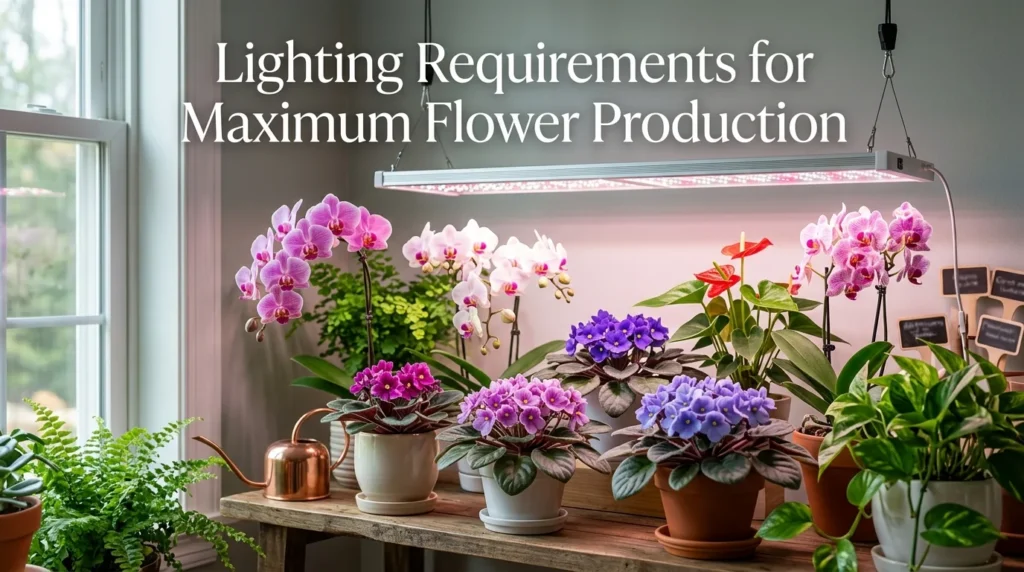
Lighting Requirements for Maximum Flower Production
Insufficient light is the single most common reason houseplants fail to bloom. Creating colorful blossoms requires significantly higher energy levels than simply maintaining green leaves. If a plant has not bloomed in over a year despite healthy foliage, inadequate light is the first suspect to investigate.
Natural Sunlight Guidelines
- Bright, Indirect Light: Most flowering varieties need placement within 2 to 3 feet of a bright South or East-facing window, protected by sheer curtains.
- Direct Light Caution: Harsh midday summer sun through glass can scorch delicate petals and bleach leaf tissue. Morning light or filtered afternoon sun is ideal.
Supplemental LED Grow Light Setup
When natural window light falls short during winter, full-spectrum LED grow lights easily fill the gap. Look for lights offering extra red wavelengths (660 nm), which specifically encourage flowering. Position lights 8 to 12 inches above plant crowns and run them on a timer for 12 to 14 hours daily.
Watering Methods for Healthy Flowers
Watering flowering plants requires a balanced approach. Drought stress causes plants to drop open buds to save water, while saturated soil rots the root system. Blooming plants are thirstiest while buds are swelling, so check the soil a little more often during that stage.
The Touch-and-Feel Technique
Check soil moisture before reaching for the watering can. Insert your index finger 1 inch into the potting medium, or push a plain wooden skewer to the bottom of deeper pots — if it comes up damp and dark, hold off on watering:
- If the soil feels damp, wait a couple of days.
- If the top inch feels dry, water thoroughly until liquid drains freely from the base.
Specialized Bottom-Watering Method
Plants with soft, hairy leaves like African Violets or Gloxinias react poorly to water splashing on their crowns. Set the pot in a shallow dish filled with 1 inch of tepid water for 20 minutes, allowing soil to absorb moisture upward, then discard any remaining water.
Soil and Growing Medium Selection
Flowering roots need a balance of moisture retention and oxygen flow. Standard heavy garden dirt compacts inside pots, cutting off oxygen and rotting delicate feeding roots.
Ideal DIY Blooming Soil Recipe
Mix your own free-draining soil medium using:
- 40% High-grade peat moss or coco coir (for moisture control)
- 30% Perlite or coarse pumice (for continuous aeration)
- 20% Fine aged pine bark mini-chips (for drainage structure)
- 10% Worm castings (for natural organic micronutrients)
Temperature Requirements and Flower Triggers
Most flowering indoor species thrive in normal home temperatures between 65°F and 75°F (18°C–24°C). However, certain species need temporary temperature drops to trigger bud development. A small thermometer near your plants helps you confirm they stay in that sweet spot day and night.
For example, Holiday Cacti and Cymbidium Orchids set flower buds when exposed to cool night temperatures around 55°F to 60°F (13°C–15°C) for several weeks in early autumn. Protect all blooming plants from sudden cold window drafts and hot air discharge from radiators or HVAC vents.
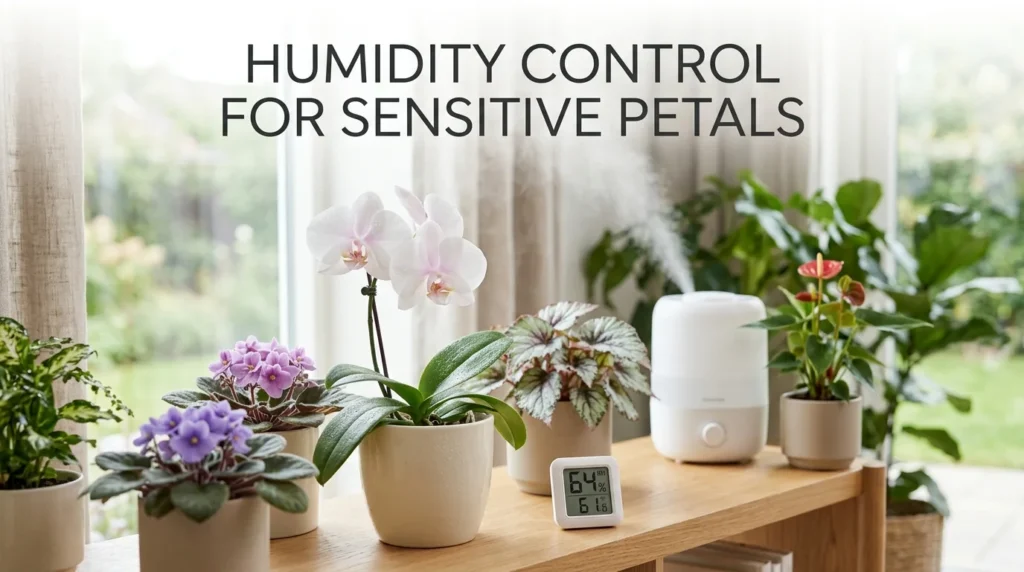
Humidity Control for Sensitive Petals
Dry indoor heating strips moisture from the air, causing unopened flower buds to dry out, turn brown, and drop before opening. Most flowering houseplants prefer relative humidity levels between 50% and 60%. A small hygrometer near your display takes the guesswork out of monitoring moisture.
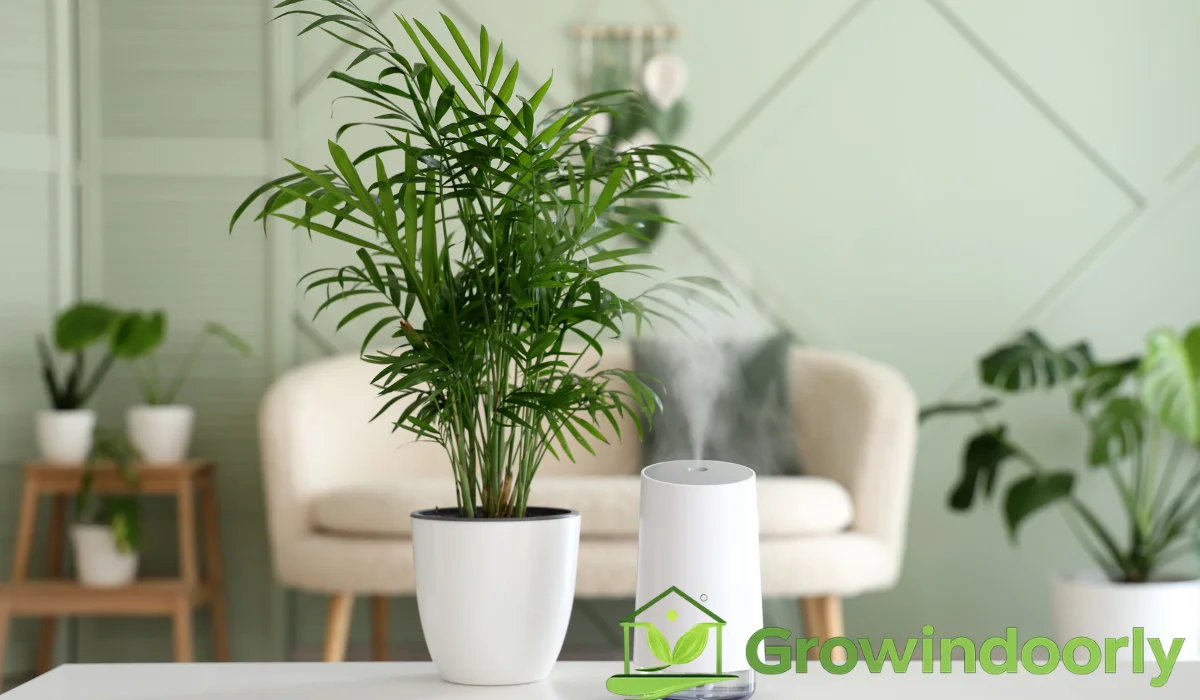
- Ultrasonic Humidifiers: Position a small room humidifier 3 feet away from your display to maintain stable air moisture.
- Pebble Trays: Place pots on top of decorative trays filled with pebbles and water. As the water evaporates, it elevates humidity directly around the plant without soaking roots.
- Avoid Direct Foliage Misting: Misting water directly onto open blossoms leads to unsightly fungal spots and petal rot.
Fertilizer and Nutrients for Abundant Blooms
Foliage fertilizers emphasize Nitrogen (N) for leaf growth, but flowering plants need higher levels of Phosphorus (P) and Potassium (K) to produce buds and strong flower stems. Always dilute liquid fertilizer to half the label strength for indoor pots to avoid root burn.
- Recommended N-P-K Formula: Select a balanced water-soluble fertilizer featuring a 1-2-1 or 15-30-15 ratio specifically labeled for blooming plants.
- Feeding Schedule: Feed every 2 weeks at half-strength during active growth and blooming periods.
- Flushing Roots: Every 2 months, run pure filtered water through the pot to wash away accumulated mineral salts that can burn sensitive roots.
Essential Routine Maintenance: Deadheading and Trimming
Keeping your blooming plants looking neat and extending their flowering season requires simple, consistent maintenance:
- Deadheading Spent Blooms: Pinch or snip off faded flowers right where they join the main stem. This prevents the plant from wasting energy producing unwanted seeds, redirecting its strength into producing fresh flower buds.
- Cleaning Foliage: Gently wipe dust off broad leaves using a damp cloth so the plant absorbs maximum light energy.
- Pruning Leggy Stems: Trim back overgrown stems after the main flowering cycle ends to encourage dense branching and more flowering sites for the next season.
Seasonal Care Adjustments
Adapting your plant care to natural seasonal shifts keeps indoor blossoms healthy year after year.
Spring and Summer Care
- Increase watering frequency as warmer days dry out soil rapidly.
- Apply blooming fertilizer regularly to support active bud formation.
- Provide sheer window shading to protect delicate leaves from intense summer sun.
Autumn and Winter Care
- Reduce watering frequency as growth naturally slows with shorter days.
- Cease fertilizing dormant plants until new spring growth appears.
- Expose bud-setting plants like Christmas Cacti to longer dark nights and cooler room temperatures to trigger holiday blooms.
Common Beginner Mistakes to Avoid
- Using High-Nitrogen Fertilizer: Excess nitrogen fuels huge green leaves while completely suppressing flower production.
- Watering Directly Over Open Petals: Wetting open blossoms causes rapid petal rot and unsightly brown fungal spots.
- Moving Plants While Buds Are Setting: Moving a plant to a new spot while it is setting buds causes environmental shock, causing unspent buds to drop.
- Ignoring Root-Bound Conditions: While some plants like Anthuriums tolerate tight pots, severe root compaction prevents proper nutrient absorption, stopping flower production.
- Leaving Spent Flowers on Stems: Leaving dead flowers on the plant signals it to start seed production, bringing the flowering cycle to an early end.
Troubleshooting Blooming Problems
| Symptom | Primary Cause | Practical Solution |
| Unopened Buds Dropping | Low humidity, dry soil, or cold drafts | Elevate air humidity, keep moisture steady, move away from drafts. |
| Lush Leaves But No Flowers | Insufficient light or high-nitrogen fertilizer | Move to a brighter window; switch to a high-phosphorus bloom booster. |
| Pale, Faded Flower Colors | Excessive direct summer light or nutrient deficiency | Filter direct window light; apply balanced blooming fertilizer at half-strength. |
| Sticky Spots on Petals | Aphid or scale insect pest infestation | Wipe pests away with soapy water swabs; treat with organic neem oil. |
| Rapid Petal Browning | Water splashing on blooms or excessive room heat | Bottom-water carefully; relocate plant away from direct heating vents. |
Beginner Tips for Success
- Start with Easy Starters: Build confidence using resilient varieties like Peace Lilies, Kalanchoes, or African Violets before attempting delicate species.
- Inspect Plants Before Buying: When shopping at local nurseries, select plants with many tight green buds rather than ones with fully open flowers so you enjoy the full bloom display at home.
- Group Plants Together: Grouping several potted plants creates a shared microclimate that naturally holds air humidity around opening buds.
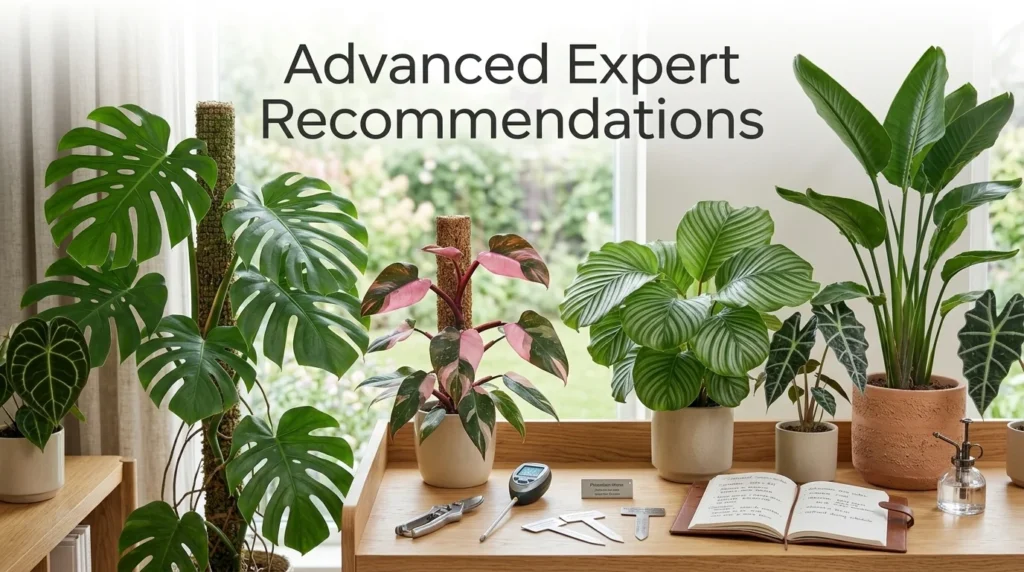
Advanced Expert Recommendations
- Implement Photoperiod Triggers: For short-day plants like Poinsettias and Christmas Cacti, cover them with a dark cloth box for 12 to 14 continuous hours every night for 6 weeks to reliably induce heavy bud production.
- Incorporate Soluble Silica: Add liquid potassium silicate to your feeding routine at low doses to build strong cell walls, helping flower stems support heavy blossom clusters without bending or breaking.
- Switch to Filtered Water: Sensitive flowering species react poorly to tap water additives like chlorine and fluoride. Using rainwater or filtered water prevents tip burn and leaf spotting.
Conclusion
Successfully growing blooming indoor house plants comes down to understanding what triggers flower production in a home setting. By providing bright indirect light, choosing well-draining soil mixtures, and applying high-phosphorus fertilizers during growth periods, you set your plants up to produce continuous, colorful blossoms.
Keep air humidity elevated to protect delicate buds, deadhead faded flowers regularly to encourage fresh stems, and adjust watering schedules as seasons shift. With a little patience and consistency, your indoor space will thrive with vibrant colors and pleasant natural fragrances all year long. Keep exploring GrowIndoorly.com for expert plant guides, reliable solutions, and practical care advice for your indoor garden.
Pet Safety
Several popular blooming houseplants are toxic to cats and dogs, so factor pets into your plant choices. Peace lily, kalanchoe, cyclamen, amaryllis, and lily-family blooms all contain compounds that can cause drooling, vomiting, diarrhea, or worse if chewed. Display these on high shelves, in hanging baskets, or in closed rooms, and choose pet-safe bloomers like African violets, orchids (Phalaenopsis), Christmas cactus, and hoya for places pets can reach. If your pet chews any flower or leaf, remove plant material from its mouth, offer fresh water, and contact your veterinarian right away.
Knowledge Check
Test your understanding of indoor flowering plant care with these quick questions:
1. Which primary nutrient element is most responsible for encouraging bud and flower development?
A) Nitrogen
B) Calcium
C) Phosphorus
D) Sodium
2. What is the main reason spent flowers should be deadheaded regularly?
A) To make the pot lighter to lift
B) To stop the plant from wasting energy on seed production
C) To change the color of future leaves
D) To shorten the plant’s roots
3. Which environmental issue causes unopened flower buds to dry up and drop off prematurely?
A) Low ambient air humidity and dry soil
B) Using indirect window light
C) Pruning lower dead leaves
D) Bottom watering hairy-leafed plants
4. What type of natural light do most indoor blooming plants require to set buds?
A) Deep shadow and complete darkness
B) Bright, indirect light
C) Freezing outdoor winds
D) Harsh direct midday summer sun only
5. How should you adjust your fertilizer routine during late autumn and winter?
A) Triple the fertilizer strength
B) Feed every single day
C) Stop fertilizing dormant plants until spring
D) Switch to pure nitrogen fertilizer
6. Why should you avoid splashing water directly onto delicate flower petals?
A) Water causes petals to turn into leaves
B) Petals absorb water and turn green
C) Wet petals easily develop fungal spots and rapid petal rot
D) Water stops root growth instantly
7. Which easy-care flowering plant can blossom nearly year-round when given warm indoor conditions?
A) African Violet
B) Saguaro Cactus
C) English Ivy
D) Maidenhair Fern
Answer Key:
- C
- B
- A
- B
- C
- C
- A
Frequently Asked Questions
Why is my houseplant producing green leaves but no flowers?
This usually happens when a plant receives insufficient light or too much nitrogen fertilizer. Move your plant to a brighter location with indirect sunlight and switch to a high-phosphorus bloom fertilizer to stimulate bud formation.
How do I trigger my Christmas Cactus to bloom?
Trigger bud development on a Christmas Cactus by exposing it to cool nighttime temperatures between 55°F and 60°F and providing 12 to 14 hours of continuous dark every night for 6 weeks during early autumn.
How often should I fertilize indoor flowering plants?
Feed flowering houseplants every 2 weeks during active spring and summer growth using a liquid blooming fertilizer diluted to half-strength. Stop feeding during late autumn and winter when plants rest.
Should I cut off dead flowers from my indoor plants?
Yes, removing spent flowers (deadheading) prevents the plant from expending energy on seed production. Trimming old blooms encourages the plant to direct its strength into forming fresh buds and new growth.
What is the easiest flowering houseplant for beginners?
The Peace Lily and African Violet are two of the easiest blooming plants for beginners. They adapt well to standard indoor temperatures and produce flowers readily with simple, basic care routines.
Why are unopened flower buds dropping off my plant?
Unopened buds drop due to sudden environmental stress, such as dry air, severe underwatering, cold window drafts, or moving the plant to a new location while buds are forming.
Can I use grow lights to make indoor plants bloom?
Yes, full-spectrum LED grow lights work exceptionally well. Choose lights that include red wavelengths, place them 8 to 12 inches above foliage, and run them for 12 to 14 hours daily to trigger bud growth.
Why are my Phalaenopsis Orchid flowers turning yellow and drooping?
Orchid blooms turn yellow and drop prematurely due to overwatering, poor bark drainage, direct sunlight exposure, or sudden temperature drops below 60°F. Ensure roots dry slightly between light waterings.

Megan Foster is the founder and lead writer of GrowIndoorly.com, where she shares practical, easy-to-follow advice for growing healthy indoor plants. She is passionate about helping beginners and experienced plant lovers build thriving indoor gardens with confidence. Megan writes about houseplants, indoor herbs, succulents, hydroponics, grow lights, plant propagation, watering, soil care, and everyday plant maintenance.
She enjoys researching trusted gardening techniques and transforming them into simple, actionable guides that readers can easily apply at home. Her goal is to make indoor gardening more enjoyable and accessible by providing clear, reliable information that helps people keep their plants healthy throughout the year. Whether you’re caring for your first houseplant or expanding your indoor plant collection, Megan’s practical tips are designed to help you grow with confidence.