Bringing home a mystery green plant without a label often leads straight to guesswork and accidental plant damage. Mastering indoor plant identification solves this problem instantly by revealing your plant’s true species, native habitat, and specific environmental needs.
Beginners often treat every green leafy houseplant the same way, leading to yellowing foliage, root rot, or severe drooping. Relying on accurate indoor plant identification prevents these costly care mistakes before they start, keeping your indoor garden thriving.
Learning how leaf shapes, stem structures, growth habits, and root systems work makes recognizing popular houseplants straightforward. Understanding indoor plant identification transforms confusing plant care into an enjoyable, rewarding daily routine.
In this comprehensive guide, you will learn practical step-by-step methods to identify any houseplant, recognize key botanical physical traits, avoid common misidentifications, and provide custom care tailored to your specific plant family.
Understanding Indoor Plant Identification
Indoor plant identification is the practice of recognizing a plant’s specific botanical family, genus, and species based on its distinct physical characteristics. Every houseplant carries visual clues on its leaves, stems, roots, and growth patterns that tell you exactly what it is and where its ancestors originated in the wild.
In the natural world, tropical understory plants develop broad leaves to catch dim light, while desert succulents grow thick, fleshy tissue to store water during long droughts. When you recognize these structural adaptations indoors, you instantly know whether a plant needs soaking sunshine or filtered shade, heavy watering or dry soil.
Botanical classification divides plants into distinct families like Araceae (aroids like monstera and pothos), Succulents, Ferns, and Palms. Learning to spot these broad family traits gives you an instant blueprint for successful indoor plant care.
Why Indoor Plant Identification Matters for Houseplant Health
Knowing the exact name of your houseplant is far more than a fun trivia fact it is the foundational key to keeping your indoor garden alive and thriving.
- Prevents Devastating Overwatering: A succulent identified as a Echeveria will rot and die if watered weekly, whereas a Calathea in the same spot will crisp up if allowed to dry out completely.
- Ensures Proper Lighting Placement: Placing a shade-loving Peace Lily in bright direct sun scorches its leaves, while putting a Jade Plant in a dark corner causes weak, leggy growth.
- Protects Pets and Family: Many popular houseplants, such as Philodendrons, Dieffenbachia, and English Ivy, contain calcium oxalate crystals or saponins that are toxic to cats and dogs if ingested.
- Saves Money on Plant Care: When you know what plant you have, you purchase the right potting soil, fertilizer ratio, and container size the first time without costly trial and error.

Benefits and Advantages of Knowing Your Indoor Plants
Mastering plant identification elevates you from a frustrated plant owner to a confident indoor gardener.
- Targeted Pest Control: Pests target specific plant families. Spider mites love thin-leaved ivies and calatheas, while mealybugs prefer succulent leaf axils and hoyas. Knowing your plant lets you monitor for the right pests early.
- Predictable Growth Expectations: Knowing whether your plant is a naturally slow grower like a ZZ Plant or a fast-growing vine like a Golden Pothos prevents unnecessary worry about slow progress.
- Simplified Seasonal Adjustments: Identified plants make it easy to plan winter dormancy routines, fertilization schedules, and spring repotting goals.
- Confident Propagation: Different plant families require distinct propagation methods, such as stem cuttings, leaf cuttings, or root division. Knowing your plant ensures high propagation success rates.
Different Methods and Approaches to Identify Houseplants
Indoor gardeners use several complementary methods to figure out an unnamed houseplant. Using a combination of these approaches yields the most accurate results.
Physical Visual Inspection (The Botanical Method)
The most reliable approach is observing physical botanical markers directly:
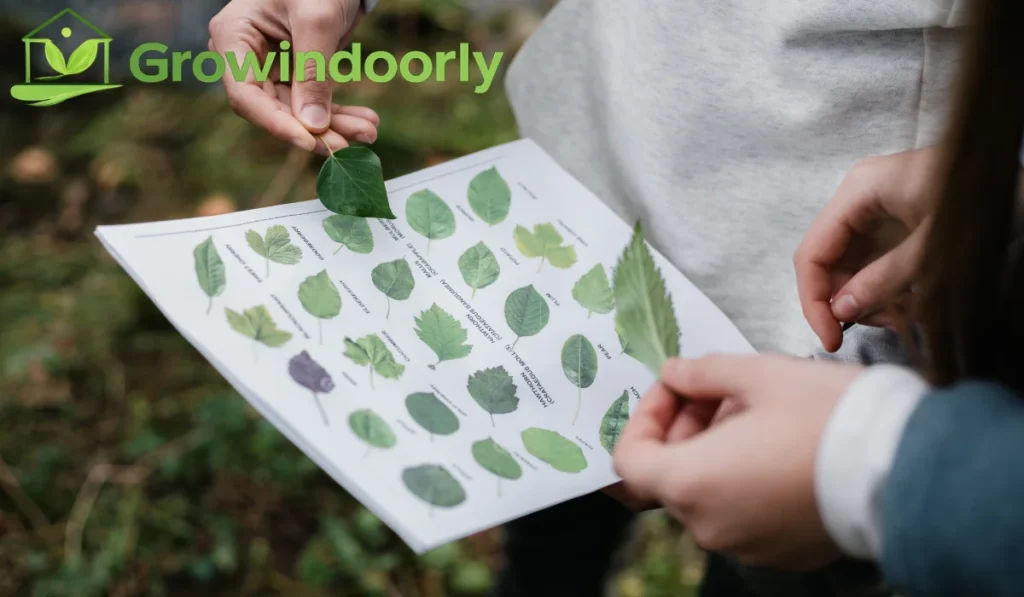
- Leaf Structure: Shape (heart-shaped, lance-like, lobed), margins (smooth, serrated, wavy), and veining patterns.
- Stem Characteristics: Woody vs. herbaceous, square vs. round stems, presence of aerial roots, or sheath coverings.
- Growth Habit: Climbing vine, upright tree, compact rosette, or clumping bush.
- Sap and Texture: Smooth, velvety, rubbery, or milky sap when cut.
Digital Plant Identification Apps
Modern smartphone apps use camera visual recognition to scan foliage and match it against huge botanical databases. While convenient, app suggestions should always be cross-referenced with physical leaf and stem traits to confirm accuracy.
For the most accurate results, photograph leaves against a plain background in bright natural light, capture the leaf underside and stem nodes as well as the whole plant, and compare the app’s top three suggestions against a reference guide before accepting an ID.
Community and Online Horticultural Forums
Local gardening clubs, university extension programs, and dedicated online plant communities offer expert human eyes. Sharing clear photos of the leaf top, leaf underside, stem nodes, and overall pot growth often yields instant, accurate identification from experienced growers.
Essential Tools and Equipment for Identifying Plants
You do not need an expensive lab setup to identify houseplants accurately at home. A few simple, low-cost tools make the process quick and precise.
- Magnifying Glass or Jeweler’s Loupe: Perfect for inspecting leaf undersides, stem veins, fine hairs, and tiny pest activity.
- Smartphone Camera with Macro Mode: Captures crisp, close-up photographs of leaf nodes, petioles, and flower buds for app scanning or community sharing.
- A Sharp Pair of Clean Pruning Snips: Useful for examining a tiny stem section or leaf node cleanly without tearing plant tissue.
- Botanical Reference Guide or Plant Notebook: Keeps track of leaf characteristics, plant names, purchase dates, and custom care notes for every plant in your collection.

Best Popular Indoor Plant Categories to Recognize
Most common houseplants fall into a few primary visual categories. Recognizing these major groups simplifies plant identification significantly.
Aroids (Araceae Family)
- Examples: Monstera, Philodendron, Pothos, Peace Lily, Syngonium.
- Key Visual Traits: Heart-shaped or fenestrated (hole-punched) leaves, aerial roots, and thick stems wrapped in protective sheaths (cataphylls).
Succulents and Cacti
- Examples: Snake Plant (Sansevieria), Jade Plant, Aloe Vera, Echeveria, Haworthia.
- Key Visual Traits: Thick, fleshy leaves or stems designed for water storage, firm protective outer skin, and compact rosette or upright architectural shapes.
Ficus and Indoor Trees
- Examples: Fiddle Leaf Fig, Rubber Tree (Ficus elastica), Weeping Fig (Ficus benjamina).
- Key Visual Traits: Broad, leathery leaves, thick woody trunks, and milky white sap (latex) produced when stems are cut or broken.
Tropical Foliage and Prayer Plants
- Examples: Calathea, Maranta, Stromanthe, Aglaonema (Chinese Evergreen).
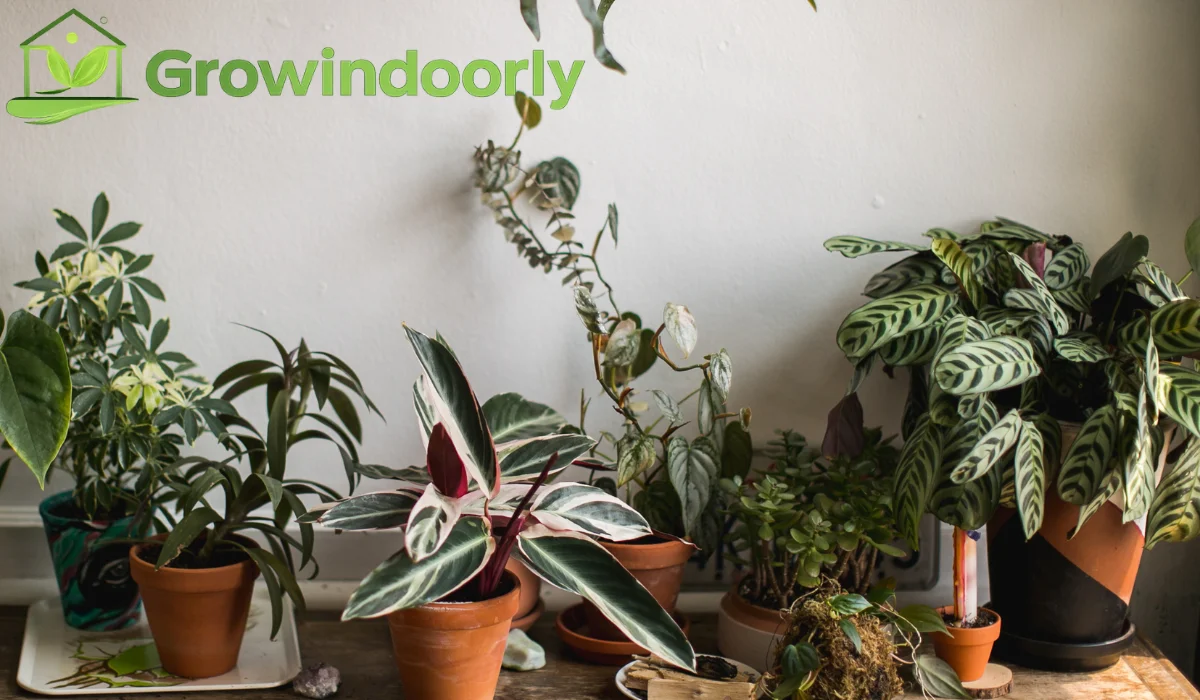
- Key Visual Traits: Striking leaf patterns with pink, silver, or cream stripes, colorful purple leaf undersides, and leaves that fold upward at night.
Lighting Requirements Based on Plant Category
Once you identify your plant category, setting up the right lighting environment becomes effortless.
Bright Direct Sunlight
- Suited For: Cacti, Jade Plants, Aloe Vera, Bird of Paradise.
- Placement: Unobstructed south-facing or warm west-facing window sills.
Medium to Bright Indirect Sunlight
- Suited For: Monstera, Fiddle Leaf Fig, Rubber Tree, Variegated Pothos, English Ivy.
- Placement: 3 to 5 feet away from a south or west window, or directly in front of an east-facing window receiving gentle morning sun.
Low to Moderate Light
- Suited For: Snake Plant, ZZ Plant, Cast Iron Plant, Heartleaf Philodendron, Peace Lily.
- Placement: North-facing windows, interior office desks, or dim room corners far from natural light sources.
If your living space lacks adequate natural light, install a modern LED grow light positioned 12 to 24 inches above foliage for 10 to 14 hours daily.
Watering Methods Tailored to Identified Plants
Watering needs vary dramatically depending on the plant family you identify.
The Deep Soak and Dry Method (Succulents and Drought-Tolerant Plants)
Allow the soil mix to dry out 100% from top to bottom. Pour water generously until it drains out of the bottom holes, then let all excess drain away completely before returning the pot to its tray.
The Top-Inch Dry Rule (Aroids and Tropical Vines)
Check soil moisture by inserting your finger an inch into the potting medium. Water thoroughly only when the top 1 to 2 inches feel completely dry to the touch.
Constant Even Moisture (Ferns, Calatheas, and Nerve Plants)
Keep the growing medium lightly and consistently moist like a wrung-out sponge. Never let the soil dry out fully, but avoid leaving roots sitting in stagnant water.

Ideal Soil and Growing Medium Selection
Using the wrong soil medium is a primary cause of houseplant failure. Tailor your potting mix to the plant’s natural root environment:
- General Tropical Houseplant Mix: 60% quality potting soil, 20% perlite (for air aeration), and 20% orchid bark or coco coir (for chunkiness and moisture balance).
- Succulent and Cactus Mix: 40% organic potting soil, 40% coarse sand/pumice, and 20% perlite to ensure ultra-fast drainage and prevent root rot.
- Aroid Chunk Mix: 30% potting soil, 30% coarse orchid bark, 20% perlite, 10% horticultural charcoal, and 10% peat moss for maximum root oxygenation.
Temperature Requirements for Indoor Plants
Most houseplants originate from tropical and subtropical regions, meaning they thrive in standard home temperature ranges:
- Ideal Day Range: 65°F to 80°F (18°C to 27°C)
- Ideal Night Range: 60°F to 70°F (15°C to 21°C)
Protect your plants from temperature extremes. Avoid placing containers directly next to drafty air conditioning vents, hot radiators, exterior doors, or uninsulated winter windows.
Humidity Control Strategies
Indoor humidity levels drop significantly during winter heating months, affecting delicate tropical foliage.
- Low Humidity Tolerant (20–40%): Snake Plants, ZZ Plants, Succulents, Cacti, Pothos.
- Moderate Humidity Needed (40–60%): Monstera, Philodendron, Ficus, Schefflera, Syngonium.
- High Humidity Demanding (60–80%+): Calathea, Maranta, Boston Ferns, Maidenhair Ferns, Fittonia.
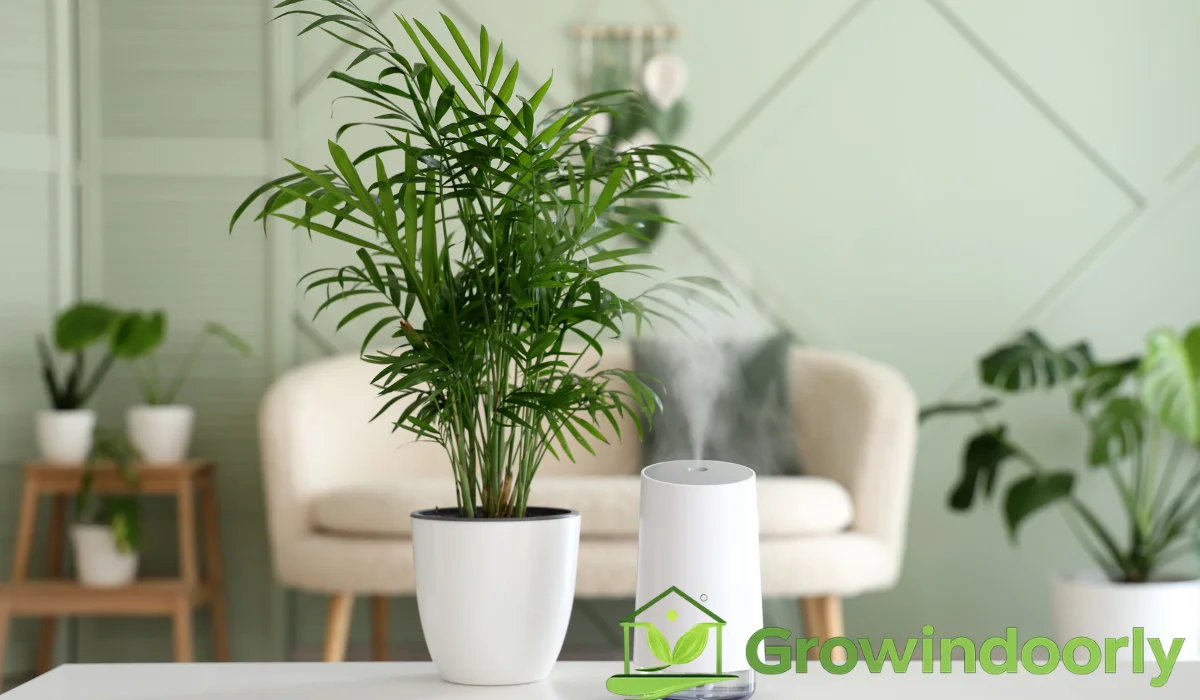
To increase humidity effectively, group plants close together to form a microclimate, set pots on water-and-pebble trays, or run a cool-mist humidifier near your plant display.
Fertilizer and Plant Nutrients
Plants need essential macronutrients Nitrogen (N) for green leaf growth, Phosphorus (P) for root development, and Potassium (K) for overall cell strength.
- Spring and Summer (Active Growth): Apply a balanced 10-10-10 liquid houseplant fertilizer diluted to half strength every 2 to 4 weeks.
- Fall and Winter (Dormancy): Pause fertilization completely. Plants grow slowly during reduced daylight hours and cannot absorb excess nutrients, leading to root burn.
Daily and Monthly Maintenance Routines
A simple maintenance routine keeps your identified plants looking clean and vibrant year-round:
- Dusting Foliage: Wipe broad leaves with a damp microfiber cloth monthly to clear dust and maximize light absorption for photosynthesis.
- Pruning and Deadheading: Remove yellow, damaged, or brown leaves near the stem base using sharp, disinfected pruning scissors.
- Rotating Containers: Rotate your plant pots a quarter-turn weekly so all sides receive balanced light, preventing lopsided growth.
Seasonal Care Adjustments
Your indoor environmental conditions shift dramatically throughout the year, requiring proactive seasonal adjustments:
- Spring: Resume fertilizing, increase watering frequency, repot rootbound plants into containers 1–2 inches larger, and take stem cuttings for propagation.
- Summer: Monitor topsoil daily as warm weather speeds up evaporation; shield sensitive foliage from intense afternoon window heat.
- Fall: Bring plants that spent summer outdoors back inside before night temperatures drop below 55°F (13°C); inspect thoroughly for outdoor pests.
- Winter: Stop fertilizing, reduce watering frequency by half, move plants closer to sunny windows, and run humidifiers to counteract dry home heating.
Common Mistakes Beginners Make in Plant Care
Avoiding these common beginner traps will instantly boost your indoor gardening success rate:
- Assuming All Green Plants Need the Same Care: Treating a desert succulent like a tropical rainforest fern leads directly to plant failure.
- Using Pots Without Drainage Holes: Containers without drainage trap water at the bottom, suffocating roots and causing fungal root rot.
- Repotting Immediately After Purchase: Bringing a plant home causes mild environment shock. Wait 2 to 3 weeks for the plant to acclimate before repotting.
- Misting Leaves to Create Humidity: Misting offers only a brief spike in humidity and can foster fungal leaf spot diseases if air circulation is poor.
Troubleshooting Common Houseplant Problems
When your identified houseplant shows signs of distress, use this quick troubleshooting guide to diagnose and fix the root cause:
- Yellow Lower Leaves and Soft Stems: Classic symptom of overwatering or soil retaining too much moisture. Allow soil to dry deeper and check root health.
- Crispy, Brown Leaf Tips: Indicates low room humidity, underwatering, or mineral buildup from tap water. Switch to filtered water and increase ambient humidity.
- Drooping or Wilting Foliage: Can mean severe underwatering OR severe root rot from overwatering. Check soil moisture with your finger to determine which issue is occurring.
- Fine Webbing on Leaf Undersides: A clear sign of spider mites. Wash foliage under a lukewarm sink sprayer and apply organic insecticidal soap or neem oil spray weekly.
- White Cotton-Like Spots in Stem Axils: Indicates mealybugs. Dab individual pests directly with a cotton swab dipped in rubbing alcohol and treat with neem oil.

Beginner Tips for Quick Identification Success
Starting your indoor plant identification journey is simple when you keep these practical tips in mind:
- Keep the Nursery Tag: When buying new plants, take a photo of the original label or keep it inserted in the pot for quick reference.
- Focus on Leaf Nodes and Stems First: Leaves can vary in size and color based on light, but stem structure and node spacing remain consistent.
- Build a Collection by Plant Families: Start by collecting easy-to-identify families like Pothos (Epipremnum) or Snake Plants (Sansevieria) before tackling complex groups.
Advanced Expert Recommendations
For experienced growers looking to refine their houseplant care and taxonomy skills:
- Learn Binomial Nomenclature (Scientific Names): Common names like “Elephant Ear” or “Ivy” refer to dozens of different plants. Using scientific names like Monstera deliciosa guarantees exact identification and care instructions worldwide.
- Inspect Petiole Junctions and Sheaths: Examining how a leaf petiole attaches to the main stem (such as winged petioles vs. round petioles) easily separates look-alike species like Pothos and Philodendron.
- Perform Annual Soil Leaching: Once every spring, pour clean water through your pots for several minutes to wash away accumulated fertilizer salts that cause tip burn.
Conclusion
Accurate indoor plant identification is the master key that unlocks long-term houseplant success. By taking time to observe leaf shapes, stem textures, root mechanics, and growth habits, you can easily determine what every plant in your collection needs to thrive.
Transitioning from guessing care routines to providing tailored lighting, soil mixes, watering schedules, and humidity levels will eliminate beginner frustration and transform your living space into a thriving indoor oasis. Trust your observations, apply these expert care strategies, and grow your plant confidence with GrowIndoorly.com!
Pet Safety
- Keep toxic varieties out of reach: many popular houseplants, including philodendrons, dieffenbachia, peace lilies, and pothos, contain calcium oxalate crystals that irritate a pet’s mouth and throat. Display these on high shelves or in hanging planters, never on low tables where curious cats or dogs explore.
- Choose pet-safe plants for floor-level pots: spider plants, Boston ferns, calatheas, parlor palms, and African violets are non-toxic to cats and dogs, making them the safest choices for homes with roaming pets.
- Deter chewing and digging: a bitter-tasting leaf spray can discourage nibbling, while covering exposed soil with decorative stones or pine cones stops cats from treating pots as litter boxes.
- Know the emergency steps: if a pet chews a toxic leaf, remove any plant material from its mouth, note the plant’s name, and call your veterinarian or the ASPCA Animal Poison Control hotline right away instead of waiting for symptoms.
Knowledge Check
1. What is the primary benefit of accurate indoor plant identification?
A) It allows you to select the exact watering, light, and soil care your plant needs
B) It makes plants grow ten times faster instantly
C) It prevents plants from ever needing fertilizer
D) It turns green leaves variegated automatically
2. Which visual feature easily distinguishes a Pothos from a Heartleaf Philodendron?
A) Pothos has smooth round stems with brown leaf sheaths
B) Pothos has grooved leaf petioles and thicker, textured leaves
C) Philodendron has thick woody trunks like a tree
D) Both plants have identical stem and leaf structures
3. What soil mix is best suited for succulents and cacti?
A) Heavy clay soil with high moisture retention
B) Pure peat moss without drainage materials
C) Gritty mix with organic soil, coarse sand, perlite, or pumice
D) Pure compost with high organic matter
4. What is the most common cause of yellow leaves and soft stems in houseplants?
A) Insufficient air circulation
B) Overwatering and poor container drainage
C) Fertilizing too frequently in winter
D) Using ceramic pots instead of plastic
5. How should you adjust your plant care routine during winter dormancy?
A) Double the amount of fertilizer applied monthly
B) Reduce watering frequency and pause fertilization completely
C) Water three times a day to combat dry room heating
D) Move all plants into complete darkness
6. Which plant family includes popular houseplants like Monstera, Philodendron, and Peace Lily?
A) Cactaceae
B) Araceae (Aroids)
C) Rosaceae
D) Brassicaceae
Answer Key
- A
- B
- C
- B
- B
- B
FAQs
What is the easiest way to identify an unknown houseplant?
The easiest way is to examine key visual features including leaf shape, stem structure, and growth habit, then cross-reference those traits using a plant identification app or an online botanical guide.
Why do my plant identification apps give incorrect results sometimes?
Apps rely on visual photo matching, which can be thrown off by poor lighting, blurry photos, damaged foliage, or immature plants that haven’t developed their adult leaf shapes yet. Always verify app results against physical botanical characteristics.
How can I tell a Pothos apart from a Heartleaf Philodendron?
Pothos stems are thicker with grooved leaf petioles and textured leaves, while Heartleaf Philodendron stems are smooth and round with perfectly heart-shaped leaves that emerge from thin brown sheaths called cataphylls.
Is a Snake Plant considered a succulent?
Yes, Snake Plants (formerly Sansevieria, now classified under Dracaena) are tropical succulents that store water in their thick, fibrous leaves, making them extremely drought-tolerant.
Can I identify a plant by its roots?
Yes, root structures offer clear clues. Aroids often produce thick aerial roots, succulents feature fine shallow root systems, and plants like the ZZ Plant produce large underground bulbous tubers (rhizomes) that store water.

Megan Foster is the founder and lead writer of GrowIndoorly.com, where she shares practical, easy-to-follow advice for growing healthy indoor plants. She is passionate about helping beginners and experienced plant lovers build thriving indoor gardens with confidence. Megan writes about houseplants, indoor herbs, succulents, hydroponics, grow lights, plant propagation, watering, soil care, and everyday plant maintenance.
She enjoys researching trusted gardening techniques and transforming them into simple, actionable guides that readers can easily apply at home. Her goal is to make indoor gardening more enjoyable and accessible by providing clear, reliable information that helps people keep their plants healthy throughout the year. Whether you’re caring for your first houseplant or expanding your indoor plant collection, Megan’s practical tips are designed to help you grow with confidence.