Indoor air often traps dust, synthetic fumes, and toxins, leaving home spaces feeling stale and uninviting. Adding air purifying indoor plants creates a refreshing environment while naturally filtering invisible household pollutants.
Beginners frequently struggle with selecting resilient air purifying indoor plants that can actually survive typical indoor light, dry air, and varying humidity levels.
Without a clear strategy, many new plant parents end up overwatering or placing their green companions in dark, forgotten corners where they simply cannot thrive.
This comprehensive guide breaks down the best air purifying indoor plants, lighting needs, watering routines, and expert care tactics to keep your indoor space thriving.
Understanding Indoor Air Quality and Plant Physiology
Indoor environments often retain higher concentrations of volatile organic compounds (VOCs) than outdoor air. Paints, carpets, furniture, cleaning agents, and synthetic fabrics continuously off-gas subtle chemical traces like formaldehyde, benzene, toluene, and xylene into closed rooms. Because modern living spaces are sealed tightly for energy efficiency, these airborne chemicals accumulate over time. Common household sources include new furniture, fresh paint, carpeting, and scented cleaning products. Opening windows regularly helps, but in tightly sealed homes or during extreme weather, plants provide continuous, passive filtration that complements ventilation.
Air purifying indoor plants act as living biofilters through a process known as phytoremediation. Plants absorb airborne particles and gases through microscopic pores on their foliage called stomata. Once these compounds enter the plant leaves, they travel down to the root zone (rhizosphere). Microorganisms residing in the soil and around the roots break down these complex chemical molecules into organic compounds that the plant uses for nourishment.
In addition to filtering trace VOCs, houseplants actively balance indoor atmospheric conditions. Through photosynthesis, foliage absorbs carbon dioxide and releases oxygen during daylight hours. Simultaneously, plants perform transpiration, releasing pure water vapor into the surrounding air to naturally elevate dry indoor humidity levels.
Why Purifying Your Indoor Air Matters
Spending extensive hours inside residential or office spaces exposes the body to recirculated air. Poor indoor air quality can contribute to subtle physical discomforts, often referred to as sick building syndrome. Common symptoms include dry throat, mild eye irritation, fatigue, and persistent headaches caused by stagnant air and chemical off-gassing.
Integrating live foliage into living spaces offers a sustainable, continuous method to address indoor pollution. Unlike mechanical filters that only trap dust and solid particulates, healthy foliage targets gaseous pollutants at a molecular level.
Beyond physiological advantages, maintaining green life indoors lowers stress levels and improves cognitive focus. Surrounding living spaces with healthy botanical life promotes a calming visual environment while cultivating a cleaner domestic ecosystem.
Benefits and Advantages of Air Purifying Plants
- Natural VOC Reduction: Plants systematically pull trace levels of household toxins including benzene, formaldehyde, and trichloroethylene out of the air column.
- Passive Humidity Balance: Through natural transpiration, plants release moisture into the room, offsetting the drying effects of artificial heating and air conditioning.
- Enhanced Dust Deposition: Foliage surfaces collect floating atmospheric dust particles, preventing them from recirculating through home ventilation systems.
- Oxygen Enrichment: Active photosynthesis increases local oxygen levels during daylight hours while consuming excess carbon dioxide.
- Mental Well-being: Tending to indoor plants reduces physiological stress markers, improves ambient mood, and creates a tranquil home environment.

Methods and Approaches to Indoor Air Purification
Passive Foliage Placement
The most common approach involves strategically distributing potted plants throughout living areas, bedrooms, and home offices. Grouping multiple plants together creates microclimates that increase ambient humidity while maximizing leaf surface area for gas exchange.
Active Botanical Systems
For enhanced air movement, specialized plant air purifiers use low-voltage fans to actively pull room air through the plant foliage and down directly into the soil root zone. This accelerated airflow speeds up the rate at which soil microbes break down VOCs.
Hydroponic Growing Systems
Growing air purifying species in water-based media or inert substrates like expanded clay pebbles eliminates standard potting soil altogether. Hydroponic setups reduce the risk of soil-borne mold spores and fungus gnats while allowing roots direct access to oxygenated nutrient solutions.
Essential Tools and Equipment for Indoor Plant Care
- Moisture Meter: A simple probe that measures soil wetness at root depth, taking the guesswork out of watering schedules.
- Pruning Shears: Sharp, bypass shears for making clean cuts when trimming dead leaves or harvesting stem cuttings.
- Foliage Duster or Microfiber Cloth: Essential tools for keeping leaf surfaces free of dust so stomata remain open for air exchange and photosynthesis.
- Fine-Mist Sprayer or Humidifier: Helps increase localized moisture levels around humidity-sensitive foliage.
- Full-Spectrum LED Grow Lights: Supplemental light fixtures designed to deliver correct light wavelengths to plants located far from natural windows.
- Well-Draining Pots: Containers equipped with drainage holes to prevent standing water around root systems.
Best Air Purifying Indoor Plants for Beginners
Snake Plant (Sansevieria trifasciata)
Snake plants are virtually indestructible options for beginner gardeners. Featuring upright, sword-like leaves with striking variegated patterns, these plants filter formaldehyde, xylene, and nitrogen oxides. Uniquely, snake plants convert carbon dioxide into oxygen at night through Crassulacean Acid Metabolism (CAM), making them ideal choices for bedrooms.
Pothos (Epipremnum aureum)
Pothos, often called Devil’s Ivy, features cascading vines with heart-shaped leaves. It excels at removing benzene, formaldehyde, and carbon monoxide from indoor spaces. Pothos tolerates a wide variety of indoor environments, adapting easily to low light and irregular watering.
Peace Lily (Spathiphyllum)
With glossy dark green leaves and elegant white blooms, the Peace Lily filters a broad spectrum of indoor toxins, including ammonia, formaldehyde, and trichloroethylene. Peace Lilies communicate their hydration needs clearly by wilting noticeably when thirsty and rebounding rapidly after watering.
Spider Plant (Chlorophytum comosum)
Spider plants produce arching stems laden with narrow green-and-white striped leaves and baby plantlets. Highly efficient at clearing carbon monoxide and xylene, these non-toxic plants are completely safe for households with pets.
ZZ Plant (Zamioculcas zamiifolia)
The ZZ plant features thick, waxy foliage that stores water efficiently. It handles extreme neglect, low light, and low humidity with ease while continuously filtering indoor VOCs like benzene and ethylbenzene.
Rubber Tree (Ficus elastica)
Featuring large, broad, leather-like leaves, the Rubber Tree pulls high amounts of airborne pollutants from indoor rooms. Its large leaf surface area makes it exceptionally good at capturing dust particles and converting carbon dioxide into oxygen.
Lighting Requirements for Maximum Air Filtration
Plant air purification efficiency depends directly on light availability. When a plant receives sufficient light energy, its stomata open fully to process carbon dioxide and airborne toxins.
- Bright, Indirect Light: Ideal for most foliage plants (such as Peace Lilies, Rubber Trees, and Pothos). Place plants 3 to 5 feet away from an east or west-facing window.
- Low Light: Suitable for tolerant species like Snake Plants and ZZ Plants. These survive in north-facing rooms or internal corridors, though their air-clearing metabolic rate slows down slightly.
- Direct Sunlight: Direct sun shining through glass can scorch delicate leaf tissue. Filter direct southern sunlight using sheer curtains.
- Grow Lighting: If natural daylight is limited, install full-spectrum LED grow light bulbs positioned 12 to 18 inches above plant canopy levels for 10 to 12 hours daily.
Watering Methods and Hydration Tactics
Proper watering keeps root systems healthy so they can sustain foliage growth and harbor beneficial root microbes.
- The Finger Test Method: Insert your index finger 1 to 2 inches into the potting medium. If the soil feels completely dry, irrigate thoroughly until water drains from the bottom holes. If it feels moist, wait a few days.
- Top Watering: Pour water slowly over the top soil layer until excess moisture runs out of the drainage holes. Empty collected water from the outer saucer after 15 minutes to prevent root saturation.
- Bottom Watering: Place the potted plant in a tray filled with 1 to 2 inches of tepid water for 20 to 30 minutes. The soil wicks moisture upward through capillary action directly to the root zone without disturbing topsoil structure.

Ideal Soil and Growing Medium
Air purifying foliage requires a potting soil structure that balances moisture retention with high aeration. Heavy garden soils compact inside containers, suffocating roots and starving soil microbes of oxygen.
A high-performing indoor potting mix should consist of:
- Peat Moss or Coco Coir (40%): Provides a organic base that retains balanced moisture.
- Perlite or Pumice (30%): Ensures soil drainage and prevents soil compaction.
- Compost or Aged Bark (20%): Delivers organic nutrient reserves and establishes beneficial microbial populations.
- Horticultural Charcoal (10%): Sweetens the soil mixture and assists in absorbing chemical residues near the root zone.
Temperature Requirements
Most tropical indoor plants thrive in temperature ranges comfortable for human living spaces. Maintain indoor ambient temperatures between 65°F and 80°F (18°C to 27°C). Keep pots away from heating vents and radiators, which create hot, dry microclimates that stress foliage. In winter, check that leaves aren’t touching cold window glass, which can cause chilling injury overnight.
Avoid exposing houseplants to sudden temperature swings. Keep pots away from drafty exterior doors, single-pane winter windows, space heaters, and direct air conditioning vents. Temperatures dropping below 50°F (10°C) can cause foliage chilling, leaf dropping, and root shock.
Controlling Humidity Levels
Tropical air purifying plants thrive in ambient humidity levels between 50% and 60%. However, average heated or air-conditioned homes often drop below 30% relative humidity, causing crisp brown leaf tips.
- Grouping Plants: Position multiple potted plants close together to form a moist microclimate through combined transpiration.
- Pebble Trays: Set plant containers on shallow trays filled with river stones and water. Keep the water level below the base of the pots to allow evaporation without soaking the roots.
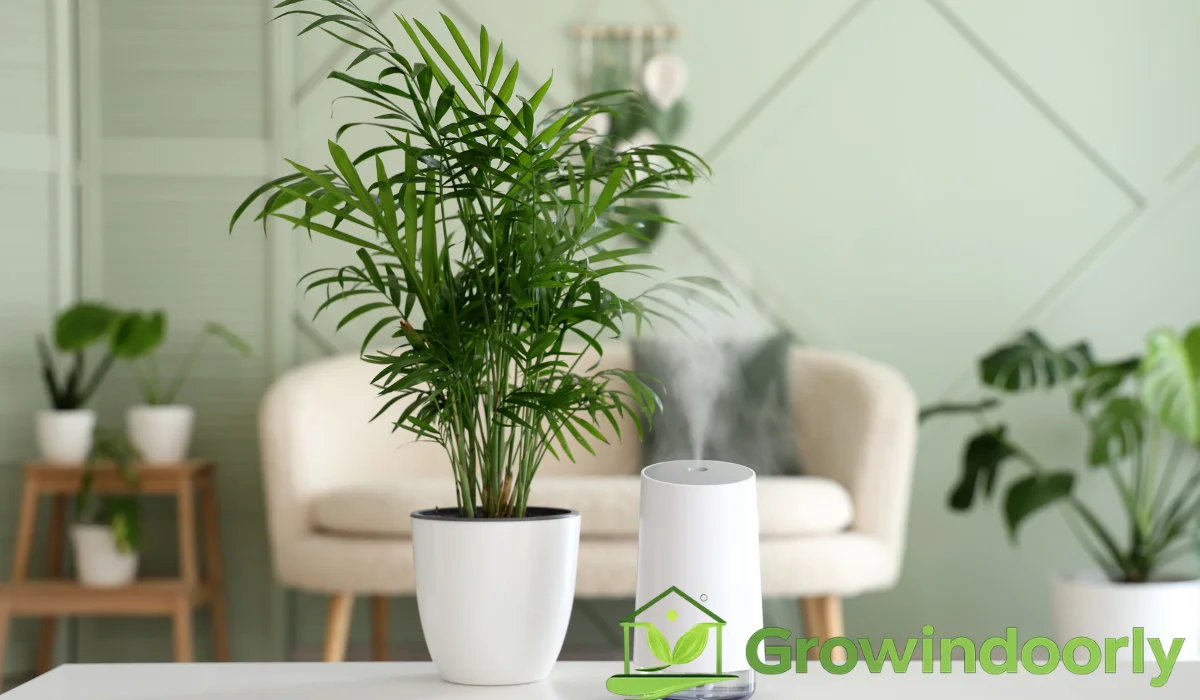
- Ultrasonic Humidifiers: Run a cool-mist humidifier near your plant display during winter months when central heating dries out indoor air.
Fertilizer and Nutrient Management
Indoor plants require nutrients to grow fresh foliage and sustain root health, but over-fertilizing causes salt buildup that burns leaf edges. Feed lightly and consistently rather than heavily and rarely — a diluted dose every few weeks during spring and summer is safer than a full-strength monthly shock. Always flush the soil with plain water occasionally to rinse away accumulated salts.
- Frequency: Feed actively growing plants once every 3 to 4 weeks during spring and summer. Pause fertilization during late autumn and winter when plant growth naturally slows.
- Formula: Use a balanced, water-soluble liquid fertilizer with equal parts Nitrogen, Phosphorus, and Potassium (such as an N-P-K 10-10-10 ratio) diluted to half the manufacturer’s recommended strength.
- Organic Options: Organic seaweed extracts or worm castings provide gentler micronutrients while encouraging healthy soil microbial life.
Weekly and Monthly Maintenance Routine
- Wipe Leaf Surfaces: Dust blocks light absorption and clogs stomata pores. Clean broad leaves monthly using a damp microfiber cloth dipped in tepid water.
- Rotate Pots: Turn containers a quarter-turn each week so all sides receive balanced light exposure, preventing leggy, lopsided growth toward windows.
- Prune Damaged Foliage: Cut away old, yellowing, or damaged leaves near the base using sterile pruning shears to redirect plant energy into fresh growth.
- Inspect for Pests: Check leaf undersides and leaf joints weekly for signs of common indoor pests.
Seasonal Care Adjustments
Spring and Summer Care
Spring marks the start of active growth. Increase watering frequency as higher temperatures and longer daylight hours speed up moisture evaporation. Begin regular feeding routines and repot root-bound plants into containers 1 to 2 inches larger in diameter.
Autumn and Winter Care
As daylight hours shorten, plants enter a dormant phase. Reduce watering intervals significantly, allowing the potting medium to dry out more between waterings. Stop fertilizing entirely and move plants closer to sunny windows to compensate for lower light intensity.
Common Beginner Mistakes to Avoid
- Overwatering: The most frequent cause of houseplant death. Roots submerged in soggy soil lack oxygen, causing them to rot and collapse.
- Containers Without Drainage: Pots without drainage holes trap standing water at the bottom, creating toxic root conditions.
- Neglecting Leaf Cleaning: Allowing dust to coat foliage reduces a plant’s ability to process sunlight and filter indoor air toxins efficiently.
- Frequent Relocation: Moving plants repeatedly causes environmental stress as they constantly re-adapt to varying light, temperature, and humidity conditions.
- Using Heavy Outdoor Soil: Yard soil compacts inside indoor containers, drainage fails, and unwanted garden pests are introduced indoors.
Troubleshooting Common Houseplant Problems
- Yellowing Leaves: Often indicates overwatering or poor drainage. Check soil moisture levels at the root level and ensure pots drain freely.
- Crispy Brown Leaf Tips: Usually signals low relative humidity, underwatering, or mineral accumulation from tap water. Switch to filtered water and increase ambient humidity.
- Drooping or Wilting: Can indicate severe underwatering or root rot caused by severe overwatering. Feel the soil weight to diagnose the true cause.
- Fungus Gnats: Small black flies crawling on moist topsoil. Allow the top 2 inches of soil to dry completely between waterings and apply mosquito bits (BTI) or sticky traps.
- Spider Mites: Fine webbing underneath leaves indicates spider mites, which thrive in dry air. Spray foliage thoroughly with dilute neem oil or insecticidal soap and raise room humidity.
Practical Beginner Tips for Success
- Start with Easy Species: Begin your indoor garden journey with forgiving plants like Snake Plants, Pothos, or ZZ Plants before attempting delicate species.
- Observe Before Acting: Take time to observe your plants weekly. Check leaf color, leaf posture, and soil moisture before reaching for the watering can.
- Group by Light Needs: Arrange plants with similar light and moisture requirements together to streamline your weekly maintenance routine.
- Use Room-Temperature Water: Irrigate plants with lukewarm water. Cold tap water shocks tropical root systems, causing root distress and foliage spot drops.
Advanced Expert Recommendations
To maximize air purifying benefits in your home, consider these advanced horticulture tactics:
- Optimize Biomass Ratios: For noticeable air filtration, aim for approximately one medium-sized (6 to 8-inch pot) air purifying plant per 100 square feet of living space.
- Aerate the Soil Matrix: Periodically insert a clean wooden chopstick gently into the potting medium to loosen compacted soil, improving oxygen flow to beneficial root microbes.
- Utilize Hydroponic LECA Systems: Transition plants to Lightweight Expanded Clay Aggregate (LECA). This soil-free medium eliminates soil pests, maximizes root oxygenation, and simplifies moisture monitoring.
- Combine Complementary Species: Pair CAM-photosynthesis plants (like Snake Plants, which release oxygen at night) with daytime-oxygenating plants (like Rubber Trees) in bedrooms for continuous round-the-clock air refreshment.

Conclusion
Building a healthier home environment starts with understanding how air purifying indoor plants interact with indoor ecosystems. By absorbing trace household volatile organic compounds, elevating dry humidity levels, and converting carbon dioxide into clean oxygen, plants serve as dynamic green biofilters. Successful plant care relies on matching resilient plant species with proper light levels, well-draining soil mixtures, and balanced watering routines.
Applying these straightforward care techniques empowers you to keep your foliage vibrant and your living spaces fresh. As your plants thrive, your home transforms into a clean, calming indoor sanctuary. At GrowIndoorly.com, we are dedicated to supporting your indoor gardening journey with practical tips, reliable growing guides, and actionable expert advice to help your green spaces flourish year-round.
Practice excercise
Through which process do indoor plants naturally filter volatile organic compounds (VOCs) and break them down using soil microorganisms?
- A) Transpiration
- B) Phytoremediation
- C) CAM Photosynthesis
- D) Osmosis
Which air purifying plant is unique because it absorbs carbon dioxide and releases oxygen at night, making it ideal for bedrooms?
- A) Peace Lily
- B) Pothos
- C) Snake Plant
- D) Rubber Tree
What is the main cause of yellowing leaves and root collapse in indoor foliage plants?
- A) Low room humidity
- B) Lack of fertilizer
- C) Overwatering
- D) Direct sunlight exposure
How do dusty leaf surfaces affect a houseplant’s air purification ability?
- A) Dust enhances the plant’s ability to absorb airborne gases.
- B) Dust clogs leaf stomata and reduces sunlight absorption.
- C) Dust forces the plant to transpire faster.
- D) Dust has no measurable effect on plant physiology.
According to general indoor horticulture guidelines, how many medium-sized plants (in 6 to 8-inch pots) are recommended for a 100-square-foot room to optimize air filtration?
- A) 1 plant
- B) 5 plants
- C) 10 plants
- D) 15 plants
Which plant species is completely non-toxic and safe to keep in households with cats and dogs?
- A) Snake Plant
- B) Peace Lily
- C) Spider Plant
- D) ZZ Plant
What is the recommended ideal ambient relative humidity range for tropical air-purifying houseplants?
- A) 10% – 20%
- B) 30% – 40%
- C) 50% – 60%
- D) 80% – 90%
If natural window light is limited in a room, what is the best supplemental light option to ensure air purifying plants continue active photosynthesis?
- A) Standard incandescent light bulbs
- B) Full-spectrum LED grow lights
- C) Warm yellow ambient halogen bulbs
- D) Soft nightlight LEDs
Answer Key
- B
- C
- C
- B
- A
- C
- C
- B
Where to Place Air-Purifying Plants in Your Home
Different rooms have different light, humidity, and pollutant profiles. Match your plants to the room for the best results:
- Bedroom: Choose Snake Plants, which release oxygen at night and tolerate low light while you sleep.
- Living Room: Place larger statement plants like Rubber Trees or Peace Lilies near bright windows for maximum filtration.
- Kitchen: Herbs and Pothos thrive in the warmth and humidity, and help with cooking odors.
- Bathroom: Ferns and Peace Lilies love the steam and humidity from showers.
- Home Office: ZZ Plants and Snake Plants tolerate the low light and irregular care of a busy workspace.
Frequently Asked Questions
Do indoor plants really purify air in homes?
Yes. Plants pull gaseous compounds through their leaf stomata into their root zones, where beneficial soil microbes break down volatile organic compounds into organic nutrients. They also elevate room humidity and capture airborne dust.
How many plants do I need to clean a room?
A practical rule of thumb is placing one medium-sized plant in a 6 to 8-inch pot for every 100 square feet of indoor living space. Combining multiple plant varieties maximizes overall air filtration efficiency.
Which air purifying plant is easiest for beginners?
The Snake Plant and ZZ Plant are the easiest options. Both tolerate low light levels, handle low humidity easily, and survive extended periods between waterings without wilting.
Can air purifying plants grow in rooms without windows?
Yes, provided you supply supplemental full-spectrum LED lighting. Running grow lights for 10 to 12 hours daily gives plants sufficient light energy to photosynthesize and filter air effectively.
Are air purifying plants safe for cats and dogs?
Some air purifying plants like Peace Lilies and Snake Plants are toxic if ingested by pets. For pet-safe options, choose non-toxic species such as Spider Plants or Boston Ferns.

Megan Foster is the founder and lead writer of GrowIndoorly.com, where she shares practical, easy-to-follow advice for growing healthy indoor plants. She is passionate about helping beginners and experienced plant lovers build thriving indoor gardens with confidence. Megan writes about houseplants, indoor herbs, succulents, hydroponics, grow lights, plant propagation, watering, soil care, and everyday plant maintenance.
She enjoys researching trusted gardening techniques and transforming them into simple, actionable guides that readers can easily apply at home. Her goal is to make indoor gardening more enjoyable and accessible by providing clear, reliable information that helps people keep their plants healthy throughout the year. Whether you’re caring for your first houseplant or expanding your indoor plant collection, Megan’s practical tips are designed to help you grow with confidence.