Breathing stale, polluted air inside your sealed home can trigger subtle health issues like morning headaches, dry throats, and constant fatigue. Off-gassing from synthetic carpets, fresh paint, pressed-wood furniture, and harsh household cleansers leaves behind invisible chemical fumes. Choosing air purifying plants indoor spaces need can actively scrub these unseen toxins right out of your breathing zone.
New plant parents frequently struggle with keeping delicate foliage alive long enough to see real environmental benefits. Purchasing high-maintenance varieties often leads to yellowing leaves, rotting roots, and eventual frustration. Selecting proven air purifying plants indoor growers rely on ensures your greenery thrives while cleaning your air reliably.
In this comprehensive guide, you will learn how living plants filter household chemicals, absorb carbon dioxide, and release fresh oxygen. We will cover ideal light setups, smart watering methods, potting soil mixes, and daily care routines to keep your botanical filtration system running at peak performance.
By placing strategic air purifying plants indoor environments stay fresher, healthier, and far more relaxing for your family. Let’s explore how to transform your home into a thriving, natural air-cleansing oasis.
Understanding Air Purifying Plants and Phytoremediation
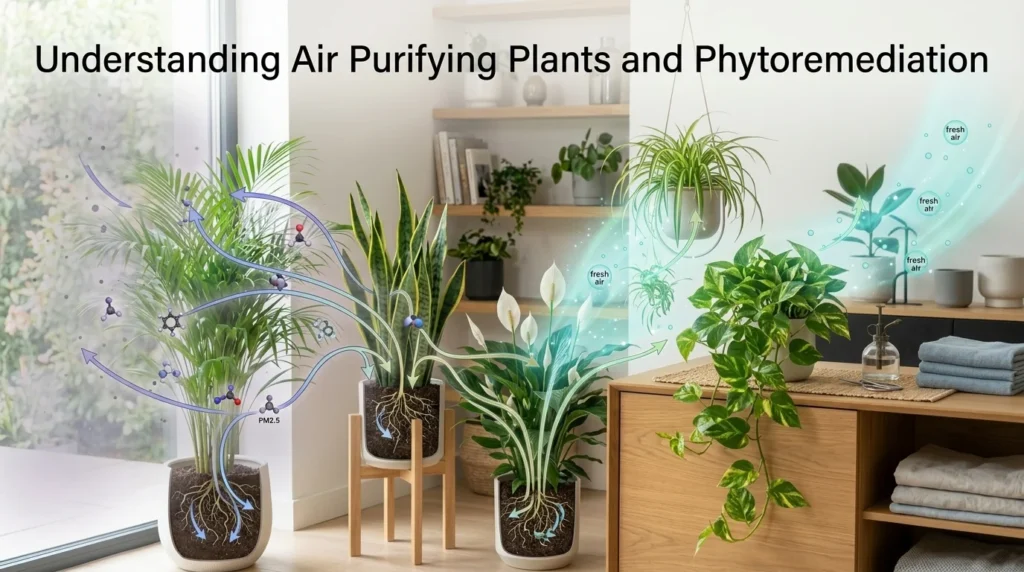
Growing foliage to refresh indoor rooms relies on a natural botanical process known as phytoremediation. Plants absorb airborne gases, volatile organic compounds (VOCs), and fine particulate matter directly through microscopic pores on their leaves called stomata. Once absorbed, these compounds move down into the plant’s root system.
Down around the roots, specialized soil microbes break complex chemical toxins down into harmless organic compounds that nourish the plant. At the same time, plants transpire clean water vapor and release fresh oxygen back into the atmosphere. Understanding this biological loop shows why healthy roots and clean leaves are so vital for natural air filtration.
Why Improving Indoor Air Quality Matters
Modern energy-efficient homes are sealed tightly to prevent heating and cooling loss. Unfortunately, this tight seal traps airborne pollutants inside living spaces. Furniture adhesives emit formaldehyde, vinyl flooring releases benzene, and standard paint fumes distribute xylene into the air you breathe every day.
Over time, long-term exposure to these indoor toxins causes eye irritation, respiratory discomfort, brain fog, and disrupted sleep. Bringing natural bio-filters into your home offers a passive, self-sustaining way to lower toxin levels, restore natural humidity, and build a cleaner indoor environment.
Benefits and Advantages of Air-Clearing Houseplants
Adding foliage to your interior living areas delivers clear lifestyle and wellness advantages:
- Continuous Toxin Removal: Plants work silently around the clock, absorbing volatile organic compounds from carpets, cleaning sprays, and electronics.
- Natural Humidity Regulation: Plants release roughly 97% of the water they take in, adding clean moisture to dry, air-conditioned rooms.
- Reduced Dust Accumulation: High-humidity zones created around plant clusters help settle floating airborne dust particles onto surfaces where they can be wiped away easily.
- Enhanced Mental Wellbeing: Tending to living plants lowers cortisol levels, reduces blood pressure, and boosts daily focus in home work spaces.
- Beautiful Home Styling: Leafy green displays soften sharp architectural lines and bring living color into dreary room corners.
Different Approaches to Natural Air Filtration
You can organize your botanical air-cleansing strategy using three primary methods depending on your space and budget:
- Single-Potted Display: Placing individual large specimen plants in specific rooms where chemicals accumulate, such as placing a Peace Lily near a newly painted bedroom wall.
- Botanical Groupings (Microclimates): Grouping three to five diverse species together on a shelf or plant stand. This boosts local humidity and creates a denser filtration canopy.
- Active Hydroponic Systems: Growing plants in water-based systems or air-circulating plant pots. These systems force room air directly past exposed root zones using small fans, speeding up toxin removal significantly.

Essential Tools and Equipment for Houseplant Care
Keeping your natural air filters running smoothly requires a few basic gardening supplies:
- Narrow-Spout Watering Can: Directs water straight to the root zone without soaking leaves or spilling over pot edges.
- Microfiber Dusting Cloths: Wiping leaf surfaces clean removes dust layers that block light absorption and clog stomata pores.
- Soil Moisture Meter: Measures moisture levels deep down near the roots, preventing accidental overwatering.
- Full-Spectrum LED Grow Lights: Provides essential light energy for plants situated in dark hallways, basements, or windowless bathrooms.
- Pruning Shears: Removes yellowed foliage and clips dead stems neatly to encourage fresh, healthy growth.
- Heavy Duty Saucers: Catches excess water runoff, protecting hardwood floors and furniture surfaces from moisture damage.
The Best Plants for Natural Air Cleaning
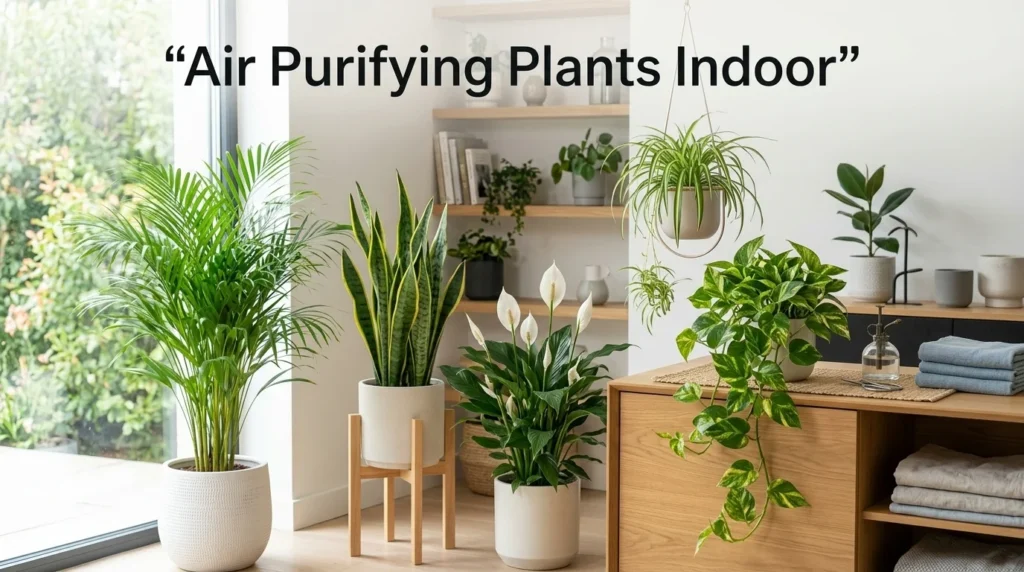
Here are nine of the most resilient, hard-working houseplants proven to filter indoor air effectively:
Snake Plant (Sansevieria trifasciata)
Famous for its tall, sword-like leaves, the Snake Plant is nearly indestructible. It is unique because it converts carbon dioxide into oxygen at night, making it an ideal choice for bedrooms. It absorbs formaldehyde, benzene, and xylene with ease.
Peace Lily (Spathiphyllum)
Featuring deep green foliage and elegant white spathes, the Peace Lily is a powerhouse filter. It absorbs ammonia, benzene, formaldehyde, and trichloroethylene. It prefers medium light and wilts noticeably when it needs water.
Spider Plant (Chlorophytum comosum)
An easy-care favorite that produces long, arching green-and-white leaves. Spider Plants excel at removing carbon monoxide and xylene from kitchen areas while remaining completely non-toxic to inquisitive pets.
Pothos (Epipremnum aureum)
Also known as Devil’s Ivy, Pothos features trailing heart-shaped leaves that handle low light effortlessly. It filters formaldehyde and benzene, making it perfect for high shelves and hanging baskets in living rooms.
Boston Fern (Nephrolepis exaltata)
With feathery green fronds, the Boston Fern acts as a natural humidifier and air purifier. It removes formaldehyde and restores moisture in dry indoor environments, thriving in humid bathrooms.
Rubber Plant (Ficus elastica)
A striking indoor tree with thick, glossy leaves designed to absorb airborne chemicals. It breaks down formaldehyde from furniture adhesives while adding strong visual impact to living room corners.
English Ivy (Hedera helix)
A fast-growing climbing vine that reduces airborne mold particles and fecal matter particles, making it an excellent choice for damp bathrooms or laundry areas.
ZZ Plant (Zamioculcas zamiifolia)
Featuring waxy, dark green foliage, the ZZ Plant thrives on neglect and low light. It filters airborne toxins while storing water in thick underground rhizomes for weeks at a time.
Areca Palm (Dypsis lutescens)
A lush, multi-stemmed palm that acts as a natural room humidifier while scrubbing toxins like toluene and xylene. It brings a bright, tropical feel to bright living spaces.
Lighting Requirements for Maximum Air Filtration
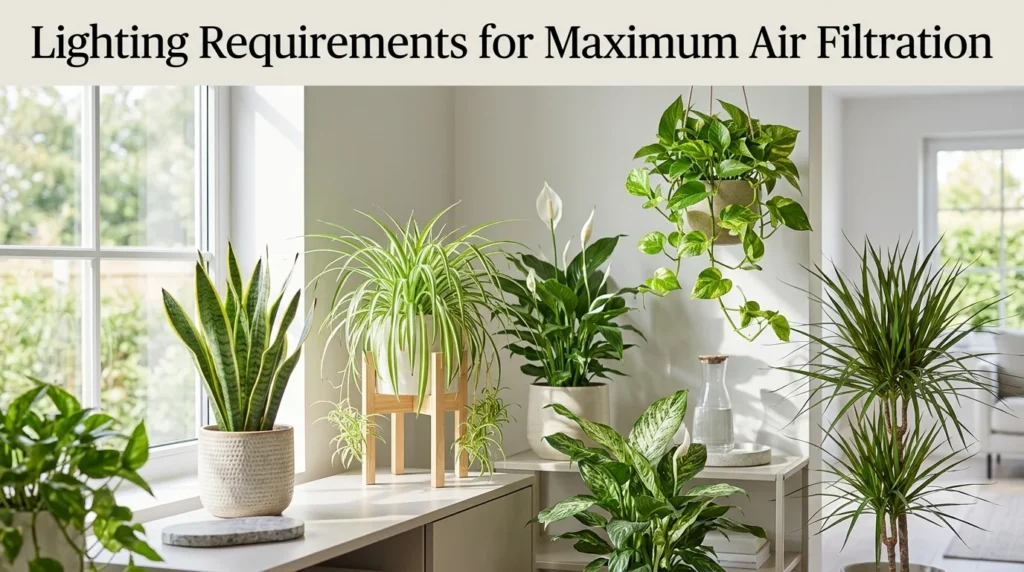
Light fuels photosynthesis, which drives the stomata movement required to scrub toxins from the air. A plant in poor light shuts down its metabolic processes and stops purifying air effectively.
- Bright, Direct Sun: Direct sun rays hit leaves for 4 to 6 hours daily. Suitable for cacti, bird of paradise, and succulents.
- Bright, Indirect Light: Strong light without direct sun rays hitting the foliage. Perfect for Rubber Plants, Areca Palms, and Boston Ferns.
- Medium, Indirect Light: Soft light found a few feet away from east or west windows. Ideal for Peace Lilies, Pothos, and Spider Plants.
- Low Light: Dim interior areas with minimal window exposure. Suitable for Snake Plants and ZZ Plants.
- Grow Light Solutions: Place full-spectrum LED light bars 12 to 24 inches above foliage in dark spaces. Run lights for 12 to 14 hours daily to maintain active growth and air purification.
Proper Watering Methods and Moisture Balance
Overwatering is the fastest way to kill houseplants. Roots need oxygen pockets in the soil to stay alive; soggy soil suffocates roots and triggers fungal rot.
- The Soil Touch Test: Insert your index finger two inches into the potting soil. If it feels dry, water thoroughly. If it feels cool and moist, hold off for a few days.
- Deep Drench Method: Pour room-temperature water evenly over the topsoil until liquid flows freely out of the bottom drainage holes. Allow all excess water to drain away completely.
- Bottom Watering: Fill a basin with two inches of standing water and set your potted plant inside for 20 to 30 minutes. The soil absorbs moisture from the bottom up, keeping the top soil dry to deter pests.
Selecting the Right Soil Medium
Standard outdoor garden soil is too heavy and compact for potted plants. Indoor roots need airy, lightweight potting media that hold moisture without becoming waterlogged.
Prepare an ideal indoor potting substrate by blending three parts:
- 50% Coconut Coir or Peat Moss: Retains moisture and holds applied nutrients.
- 30% Perlite or Pumice: Creates aeration channels for oxygen flow and fast drainage.
- 20% Fine Orchid Bark: Prevents long-term soil compaction and supports healthy root structure.
Temperature Control for Healthy Foliage
Most tropical air-purifying houseplants thrive in standard indoor temperatures between 65°F and 80°F (18°C to 27°C).
Keep foliage away from drastic temperature fluctuations. Drafty winter doors, open windows, air conditioners, and direct heat vents stress plant tissue, leading to sudden leaf loss and slowed air cleaning.
On cold nights, give your plants a simple buffer: pull pots a few inches back from window glass before sunset and close the curtains behind them, since glass can run several degrees colder than room air. A small thermometer placed at leaf height, rather than on a wall thermostat across the room, tells you what the foliage actually feels. If morning leaves look limp or dull after a cold snap, move the plant to a warmer interior spot for a few days and hold off on watering until the soil dries, because cold stressed roots take up water slowly and wet soil makes the damage worse.
Managing Humidity for Peak Performance
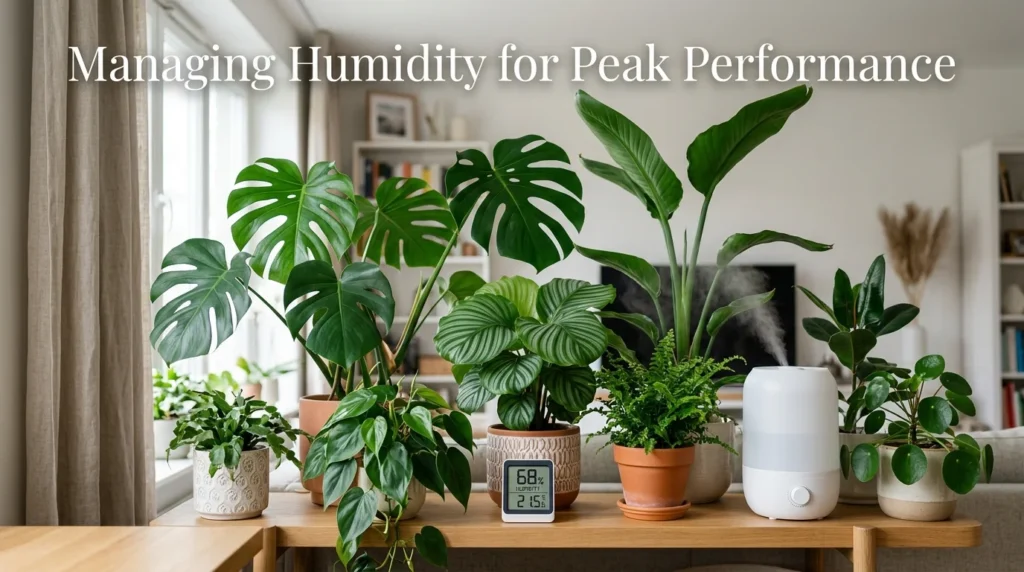
Central heating systems and air conditioners drop indoor relative humidity below 30%, causing leaf edges to crisp up and brown. Most tropical species prefer humidity levels between 50% and 60%.
Maintain healthy room humidity using these proven methods:
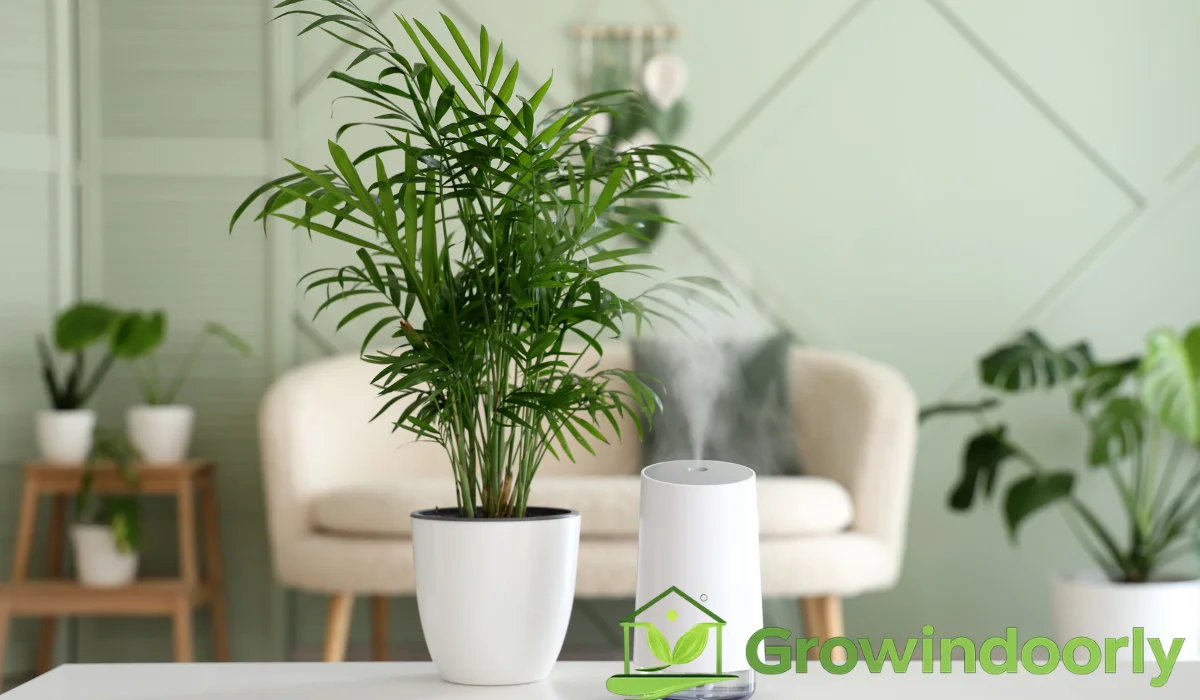
- Room Humidifiers: Run a cool-mist humidifier near your primary plant displays.
- Pebble Trays: Set potted plants on trays filled with decorative pebbles and water, making sure the pot base sits above the water level.
- Grouping Foliage: Placing multiple plants close together forms a natural microclimate that traps moisture released during transpiration.
Fertilizer and Nutrient Needs
Nutrients inside potted soil wash out over time as you water. Replenishing those nutrients ensures plants produce broad, green leaves capable of scrubbing toxins effectively.
Feed plants every two to four weeks during spring and summer using an organic, balanced liquid fertilizer diluted to half strength. Pause feeding entirely during autumn and winter when plant growth slows naturally.
Routine Maintenance and Leaf Cleaning
Dust and grime act as a barrier on leaf surfaces, blocking sunlight and clogging stomata pores.
Set a monthly maintenance routine:
- Wiping Leaves: Gently wipe broad leaves using a damp microfiber cloth to remove dust.
- Pruning: Cut away dead, yellow, or damaged foliage near the stem base using sharp shears.
- Rotating Pots: Quarter-turn plant pots every week so all sides receive balanced light, preventing top-heavy leaning.
Seasonal Care Adjustments
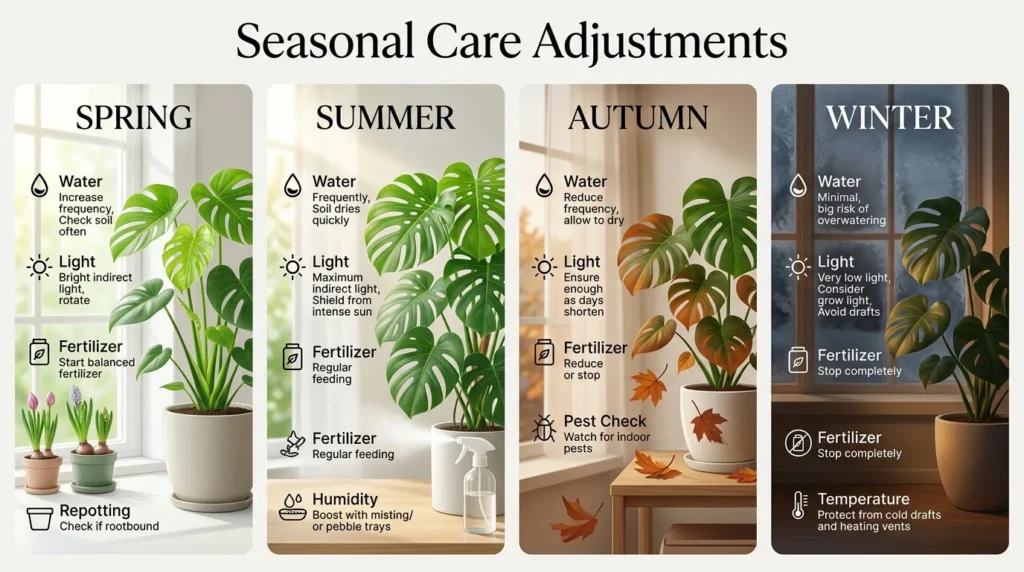
Care routines must adapt to changing natural light and seasonal weather conditions:
- Spring & Summer: Active growth phase. Increase watering frequency, apply organic fertilizer, clean leaves regularly, and check for pests.
- Autumn & Winter: Resting phase. Reduce watering frequency by half, pause fertilizing, move plants closer to windows, and shield foliage from cold drafts.
Common Mistakes Beginners Make
Avoid these frequent mistakes when building your indoor plant collection:
- Pots Without Drainage: Containers without bottom holes trap standing water around roots, causing root rot within weeks.
- Ignoring Leaf Dust: Allowing dust layers to build up stops plants from absorbing light and filtering airborne toxins.
- Over-Potting: Moving small plants into massive pots leaves excess soil wet for too long, chilling delicate root systems.
- Placing Toxic Plants Near Pets: Buying toxic plants like Peace Lilies or Pothos without keeping them safely out of reach of chewing pets.
Troubleshooting Common Houseplant Problems
Use this simple guide to identify and resolve common plant health issues:
- Yellowing Leaves: Caused by overwatering, poor drainage, or nitrogen deficiency. Allow the soil to dry out further between waterings.
- Brown, Crispy Tips: Caused by low room humidity, mineral buildup from tap water, or underwatering. Switch to filtered water and increase humidity.
- Drooping Stems: Signals either severe underwatering or root destruction from chronic overwatering. Check soil moisture immediately.
- Fungus Gnats: Small flies around the soil indicate excess surface moisture. Allow the top two inches of soil to dry out completely, and apply beneficial mosquito bits to kill larvae.
Beginner Tips for Quick Success
Build confidence with these simple strategies:
- Start with Easy Varieties: Begin with a Snake Plant or Pothos before attempting delicate species like Boston Ferns.
- Use the Two-Pot Method: Keep plants inside their plastic nursery pots and slip them into decorative pots. This makes checking soil moisture and draining excess water simple.
- Group Plants by Room Use: Place Snake Plants in bedrooms for night oxygen, Pothos in home offices for focus, and Boston Ferns in bathrooms for humidity.
Advanced Recommendations for Maximum Air Purification
Once you master basic plant care, consider these advanced ideas to maximize your air purification setup:
- Calculate Plant Density: Aim for two to three medium-sized plants for every 100 square feet of living space to achieve measurable air quality improvements.
- Install Automated Grow Shelves: Build multi-tiered shelving units equipped with timer-controlled LED grow lights to maintain dense botanical displays in dark interior rooms.
- Combine Plants with HEPA Filters: Pair living air-purifying plants with mechanical HEPA air purifiers. Mechanical filters trap physical dust and pollen, while plants absorb volatile organic gases.
Keeping Air Purifying Plants Safe Around Pets and Children
Many of the strongest air cleaning plants are the very ones that are toxic when chewed, including peace lilies, pothos, and snake plants, so placement matters more than the plant list alone. Keep toxic varieties in hanging baskets or on high shelves that pets and toddlers cannot reach, and reserve floor level spots and low tables for proven safe choices such as spider plants, Boston ferns, parlor palms, and peperomia. A simple rule helps: if a plant sits where a pet sleeps or plays, it should be a safe one.
If a pet or child does chew a leaf, stay calm and remove any leaf pieces from the mouth without forcing anything down the throat. Note the plant name, or take a clear photo of it, and call your veterinarian or a local poison helpline right away for advice, since the right response depends on the plant and the amount eaten. Do not try home remedies or induce vomiting unless a professional tells you to, and move the plant out of reach before the next curious moment happens.
Conclusion
Creating a clean, healthy indoor environment does not require complex mechanical systems. By choosing resilient air purifying plants indoor spaces naturally need, matching light conditions, using well-draining soil mixes, and keeping leaves dust-free, you build a sustainable bio-filter for your home.
Bringing foliage into living areas offers a simple, continuous way to refresh the air you breathe every day. Plants absorb unseen household chemicals through leaf pores, while beneficial soil microbes around root systems break down those toxins into harmless organic material that supports growth.
Proper placement plays a vital role in keeping your natural air cleaners performing at their absolute best. Position broad-leafed varieties near furniture or newly painted areas, and keep bedroom air fresh at night by adding species that release oxygen during evening hours.
Remember to monitor soil moisture carefully, adjust routines as seasons shift, and place plants strategically in high-use rooms. For more step-by-step guides, indoor growing tutorials, and plant selection advice, explore our full library of resources at GrowIndoorly.com.
Knowledge Check
Test your understanding of air-purifying plant care with these multiple-choice questions:
Which process allows plant roots and soil microbes to break down absorbed airborne chemical toxins into harmless compounds?
A) Transpiration
B) Phytoremediation
C) Photosynthesis
D) Vernalization
Which air-purifying plant is famous for producing oxygen at night, making it ideal for bedrooms?
A) Boston Fern
B) Peace Lily
C) Snake Plant
D) Rubber Plant
What is the primary cause of yellowing leaves in potted indoor plants?
A) Excessive leaf dusting
B) Overwatering and poor drainage
C) High humidity
D) Low nitrogen levels
How often should broad plant leaves be wiped clean of dust to maintain efficient air filtering?
A) Every day
B) Once a month
C) Every six months
D) Only when repotting
Which pet-safe air purifying plant excels at removing carbon monoxide while thriving in hanging baskets?
A) Pothos
B) English Ivy
C) Spider Plant
D) Peace Lily
Answer Key
- Question 1: B)
- Question 2: C)
- Question 3: B)
- Question 4: B)
- Question 5: C)
Frequently Asked Questions
Do indoor plants actually clean air in a home?
Yes, indoor plants clean air by absorbing volatile organic compounds, carbon dioxide, and fine particulates through leaf stomata. Microbes in the root zone then break these chemicals down into harmless nutrients. While mechanical HEPA filters remove physical dust faster, plants provide continuous biological gas removal and restore natural room humidity.
How many plants do I need to purify a room?
To achieve noticeable air quality improvements, aim for two to three medium-sized plants (6-inch to 8-inch pots) for every 100 square feet of living space. Placing a cluster of plants in high-use areas like bedrooms and home offices creates an effective air-cleansing microclimate.
Which plant produces oxygen at night?
The Snake Plant (Sansevieria) converts carbon dioxide into oxygen at night using Crassulacean Acid Metabolism (CAM) photosynthesis. This makes it an ideal plant for bedrooms, as it continues refreshing room air while you sleep.
Can air purifying plants survive in low light?
Yes, several air purifying varieties thrive in low-light conditions. Snake Plants, ZZ Plants, Pothos, and Aglaonemas adapt well to dark corners and north-facing rooms, though their air-cleansing rate increases when given medium, indirect light.
Why are the leaf tips of my plant turning brown?
Brown, dry leaf tips are typically caused by low environmental humidity, tap water mineral buildup, or underwatering. Switch to filtered or rainwater and run a cool-mist humidifier near tropical plants to keep leaf edges green.
Are all air purifying plants safe for pets?
No, many effective air-purifying plants like Pothos, Peace Lilies, and Snake Plants are toxic to cats and dogs if chewed. Safe non-toxic options include Spider Plants, Boston Ferns, Parlor Palms, and Peperomia varieties.
How often should I wipe dust off plant leaves?
Wipe down broad leaves with a damp microfiber cloth once a month. Removing dust accumulation clears stomata pores and allows maximum sunlight absorption, keeping the plant’s air purification system working efficiently.
Is it better to use soil or semi-hydroponics for air purification?
Both methods work well, but semi-hydroponics (like LECA clay pebbles) allows better airflow directly around the root zone where microbial breakdown occurs. It also eliminates soil pests like fungus gnats while maintaining clean root moisture

Megan Foster is the founder and lead writer of GrowIndoorly.com, where she shares practical, easy-to-follow advice for growing healthy indoor plants. She is passionate about helping beginners and experienced plant lovers build thriving indoor gardens with confidence. Megan writes about houseplants, indoor herbs, succulents, hydroponics, grow lights, plant propagation, watering, soil care, and everyday plant maintenance.
She enjoys researching trusted gardening techniques and transforming them into simple, actionable guides that readers can easily apply at home. Her goal is to make indoor gardening more enjoyable and accessible by providing clear, reliable information that helps people keep their plants healthy throughout the year. Whether you’re caring for your first houseplant or expanding your indoor plant collection, Megan’s practical tips are designed to help you grow with confidence.