Growing a healthy indoor bamboo plant seems simple when you buy one from a store, but keeping those stalks bright green and full of leaves often turns out to be trickier than expected.
Many plant lovers face sudden yellowing leaves, rotting stems, or stalled growth without knowing what went wrong. The truth is that an indoor bamboo plant requires specific light, water quality, and nutrient balances that differ from typical houseplant routines.
Whether growing in plain water or well-draining soil, caring for your indoor bamboo plant becomes straightforward once you master a few fundamental horticultural techniques. Avoiding chemical tap water and dark room corners solves most common issues instantly.
In this guide, you will learn essential lighting setups, precise watering methods, ideal growing media, temperature needs, pruning strategies, and expert troubleshooting tips to keep your green stalks thriving for years.
Understanding the Indoor Bamboo Plant
To care for this plant successfully, it helps to understand what it actually is. The most popular green stalks sold as indoor bamboo are not true bamboo species from the grass family (Poaceae). Instead, they are Dracaena sanderiana, a tropical foliage plant native to West Africa.
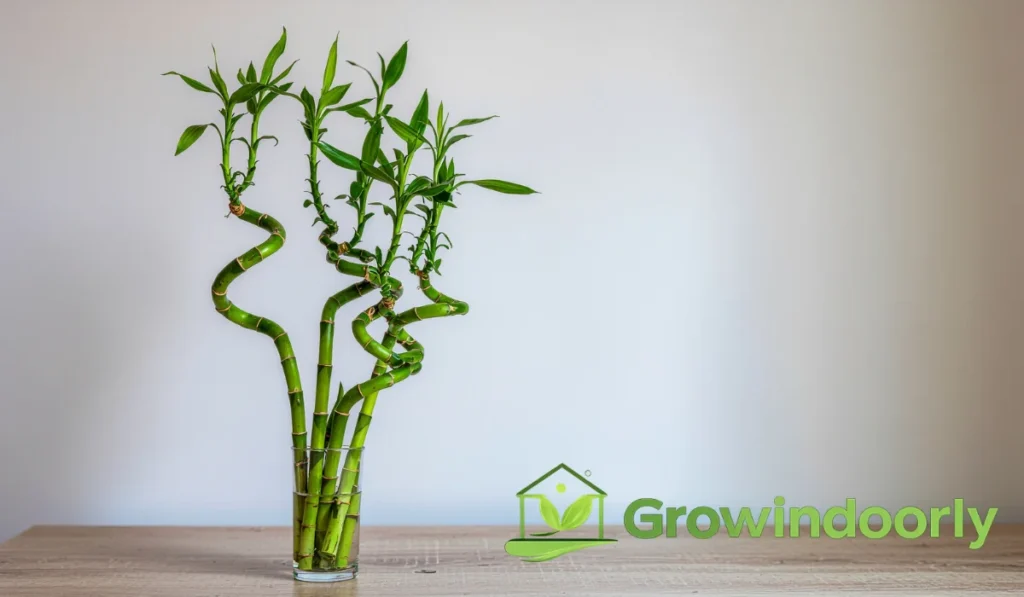
Because its green, segmented stems closely resemble natural bamboo stalks, it earned the common name Lucky Bamboo. Unlike true outdoor bamboo species, which grow massive root systems and demand outdoor sunshine, Dracaena sanderiana thrives in ambient room temperatures and adapts remarkably well to growing directly in containers filled with water or soil.
True bamboo varieties can also be grown indoors, such as Bambusa multiplex or Heavenly Bamboo (Nandina domestica), but these require vast container space, intense lighting, and strict humidity controls. Understanding whether you are cultivating a water-loving Dracaena or a true structural grass determines every step of your daily care routine.

Why Growing Bamboo Indoors Is Worth It
Bringing green stalks into your home or office space offers functional, environmental, and aesthetic benefits that go far beyond standard decorative greenery.
Architectural Versatility
The clean, vertical stems provide a crisp, modern aesthetic that fits minimalist interior designs, office desks, and compact urban apartments. Stalks can be trained into intricate braids, spirals, and woven trellises that serve as living art.
Adaptability to Indoor Environments
Unlike delicate tropical ferns that drop leaves at the slightest draft, these resilient plants tolerate minor care mistakes, fluctuating light levels, and varying humidity. They represent one of the most forgiving options for beginner indoor gardeners.
Cultural Significance and Feng Shui
In traditional Feng Shui practices, green stalks are believed to attract positive energy, prosperity, and balance. The number of stalks arranged together carries symbolic meaning: three stalks represent happiness and health, five symbolize wealth, and eight signify growth and vitality.
Benefits and Advantages of Indoor Green Stalks
- Low Maintenance Requirements: Thrives with minimal intervention, making it ideal for busy professionals or travel-frequent homeowners.
- Hydroponic Flexibility: Grows happily in plain water with pebble support, eliminating soil mess, repotting dirt, and soil-borne pests.
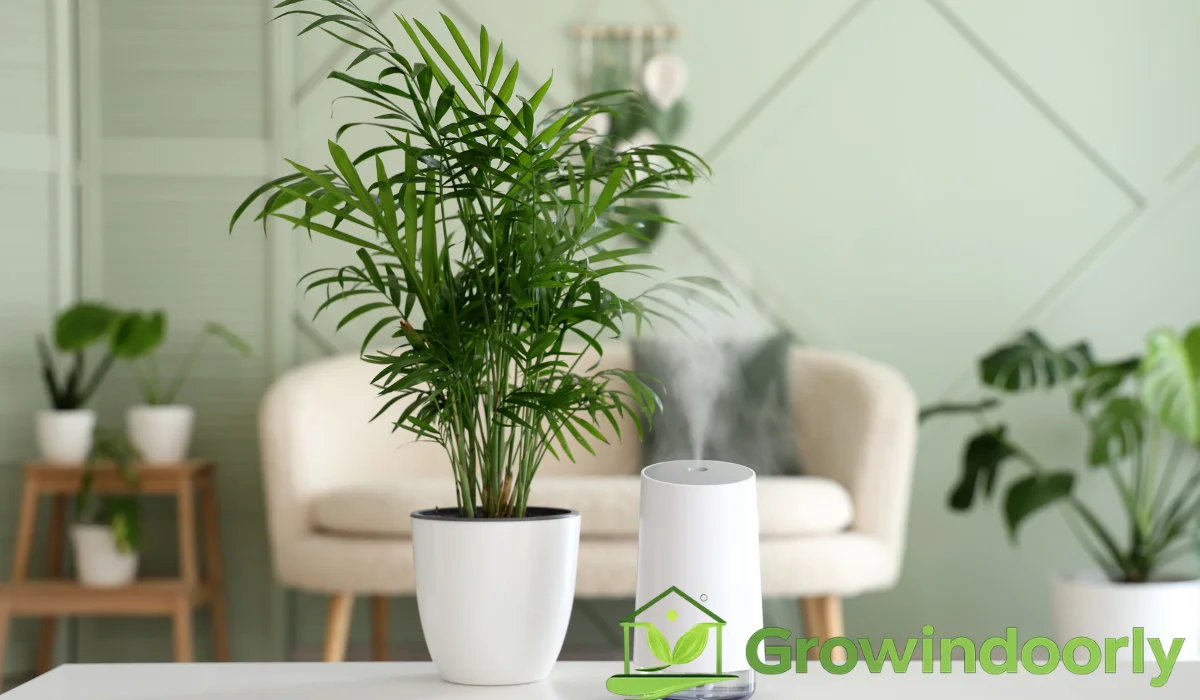
- Natural Air Moisture Enhancement: As water evaporates from vase reservoirs and leaves transpire, the plant gently increases local ambient humidity.
- Compact Footprint: Grows upward rather than outward, filling vertical space without taking up valuable table or floor space.

Two Primary Growing Methods: Water vs. Soil
You can cultivate your plant using two distinct methods. Each approach has unique advantages and specific upkeep needs.
+-------------------------------------------------------------------+
|                        GROWING METHODS                            |
+------------------------------------+------------------------------+
|            WATER METHOD            |          SOIL METHOD         |
+------------------------------------+------------------------------+
| • Grows directly in water & pebbles| • Planted in rich potting mix|
| • Extremely clean, no dirt needed  | • Produces stronger root system|
| • Requires weekly water refreshes  | • Requires standard watering |
| • Highly sensitive to tap minerals | • Needs drainage hole pot    |
+------------------------------------+------------------------------+
The Water Method (Hydroponic)
Growing stalks directly in standing water anchored by clean pebbles is the most common display style. It allows you to inspect root growth through clear glass containers and eliminates guessing when to water. However, water-grown plants are more sensitive to tap water chemicals and lack the natural minerals found in organic soil.
The Soil Method (Traditional)
Planting stalks in a rich, light soil mixture yields stronger root systems, thicker stems, and longer-lived foliage. Soil cushions roots against sudden chemical spikes and provides a stable reserve of micronutrients. The key requirement is using a pot with bottom drainage holes to prevent root rot.
Tools and Equipment Required for Success
Setting up your indoor setup requires a few simple, high-quality tools:
- Glass Vase or Ceramic Pot: Clear or opaque containers for water setups, or terracotta pots with drainage holes for soil setups.
- Distilled, Rain, or Reverse Osmosis Water: Essential for preventing mineral burn, chlorine damage, and leaf browning.
- Smooth River Pebbles or Decorative Stones: Clean rocks to anchor stalks upright in water containers.
- Pruning Shears or Sharp Scissors: Sterilized cutting tools for trimming yellow leaves or shaping overgrown stems.
- Liquid Hydroponic Fertilizer: Extremely mild, specialized plant food formulated for water-grown foliage.
- LED Grow Light (Optional): Supplemental lighting for dark rooms or interior windowless offices.
Best Varieties for Indoor Spaces
Choosing the right variety ensures your plant matches your light conditions and visual goals.
Lucky Bamboo (Dracaena sanderiana)
The undisputed favorite for indoor displays. Features green segmented stems with lush, arching lance-shaped leaves. Available in straight, spiral, braided, and multi-tier tower arrangements.
Lotus Bamboo (Dracaena compacta)
Recognizable by its stockier, thicker green stems and tight clusters of short, dark green leaves that resemble a lotus flower. Requires slightly more light than standard varieties.
Dwarf Buddha’s Belly Bamboo (Bambusa ventricosa)
A true grass variety featuring swollen, bulbous stem segments between joints. Grows well in large indoor pots if supplied with bright, indirect sunlight and high humidity.

Lighting Requirements
Light quality dictates leaf color, growth speed, and stem strength.
Ideal Light Intensity
Provide bright, indirect sunlight for 6 to 8 hours daily. A spot located two to four feet away from an east- or south-facing window covered by a sheer curtain offers optimal light levels without burning delicate leaves.
Avoiding Direct Sun Damage
Direct sunlight acts like a magnifying glass on foliage, turning bright green leaves pale yellow or crisp brown within hours. If leaves appear scorched or washed out, move the container further back into the room immediately.
Low Light and Grow Light Solutions
While these plants survive in medium to low light, prolonged darkness causes weak, skinny stems and dull foliage. In windowless offices or basement rooms, position a small 10-watt full-spectrum LED grow light 12 to 18 inches above the plant for 8 to 10 hours a day.
When using a grow light, position a full-spectrum LED 12 to 18 inches above the leaves and run it 10 to 12 hours daily on a timer. If stems stretch tall and pale between leaf joints, the light is too weak or too far — move it closer gradually over a week to avoid shocking the plant.
Master Watering Methods and Water Quality
Water quality is the single most important factor determining whether your plant thrives or declines.
Why Tap Water Causes Problems
Standard tap water contains chlorine, chloramines, fluoride, and dissolved mineral salts. These chemicals accumulate in leaves and roots, causing severe leaf tip burn, yellowing margins, and root damage.
The Right Water Types
Always use distilled water, purified reverse osmosis water, or clean collected rainwater. If you must use tap water, let it sit in an open pitcher for 24 hours to allow chlorine gas to evaporate (note that chloramines and fluoride will remain, so filtration is still preferred).
Water Refreshing Schedule
For water-grown setups, replace the entire water container every 7 to 10 days. Wash the pebbles and vase thoroughly with mild soap and warm water once a month to remove algae and bacterial slime. Keep water levels consistently covering 1 to 2 inches of root growth.
Soil Composition and Growing Medium
If you choose to grow your plant in soil, creating a lightweight, well-draining root environment is critical.
Mix two parts standard indoor potting soil with one part perlite and one part peat moss or coco coir. This combination holds sufficient moisture while letting excess water drain out rapidly, preventing soil compaction and root suffocation.

Temperature Requirements
Because these plants originate from tropical climates, they require warm, stable room conditions year-round.
Maintain ambient temperatures between 65°F and 85°F (18°C to 29°C). Keep containers away from cold winter windowpanes, exterior doorways, air conditioning vents, and direct heat radiators. Temperatures dropping below 55°F (13°C) cause cold shock, leaf drop, and root damage.
Humidity Control Strategies
Average indoor humidity levels (30% to 50%) are generally acceptable, but dry winter heating can cause leaf tips to turn dry and papery.
- Pebble Trays: Place the pot on a shallow tray filled with water and river stones. As water evaporates, it raises local humidity directly around foliage.
- Misting Routine: Gently mist leaves two to three times a week using distilled water.
- Grouping Plants: Place your bamboo near other tropical houseplants to create a humid microclimate through natural transpiration.
Fertilizer and Nutrient Management
Over-fertilizing is far more dangerous than under-fertilizing, especially in water setups where excess nutrients cannot leach away into soil.
Water Setups
Add one single drop of liquid hydroponic fertilizer or diluted 10-10-10 houseplant food to the water container once a month during spring and summer. Skip fertilizer during autumn and winter completely.
Soil Setups
Feed soil-grown pots every 4 to 6 weeks from April through September using a balanced liquid houseplant fertilizer diluted to quarter-strength. Always apply fertilizer to moist soil never apply concentrated liquid food to bone-dry roots.
Maintenance and Pruning Routine
Regular pruning keeps your plant compact, neat, and healthy.
Use sterilized, sharp shears to snip off dead, yellowing, or damaged leaves at the stem joint. If offshoot branches grow too long or unwieldy, cut them back to within one inch of the main stem. New green leaf clusters will sprout from the cut node within a few weeks.
Never cut the main thick green stalk unless you intend to shorten the plant permanently. Once a main stalk is topped, it stops growing upward from that tip, and growth shifts entirely to side shoots.

Seasonal Care Adjustments
Care needs change noticeably as natural light patterns shift through the year.
Spring and Summer (Active Growth)
Increase monitoring of water levels as higher temperatures speed up evaporation. Resume light feeding schedules and inspect foliage regularly for pests.
Autumn and Winter (Rest Period)
Shorter days slow growth down. Reduce fertilizer applications to zero. Move containers closer to light sources to make up for weaker winter sun, and keep plants clear of cold drafts.
Common Beginner Mistakes to Avoid
- Using Unfiltered Tap Water: Leads to brown leaf tips and chemical burn on root systems.
- Overfilling Water Containers: Submerging the entire stem causes stalk rot. Only submerge the roots and lower 1 to 2 inches of stem.
- Exposing Foliage to Direct Sun: Scorches leaves, leaving bleached yellow or white burn patches.
- Neglecting Container Slime: Allowing algae to build up on glass walls steals oxygen from root systems.
- Over-Fertilizing: Causes salt build-up that burns delicate root tips and turns stalks yellow.
Troubleshooting Frequent Problems
Yellowing Leaves
Yellow leaves usually point to direct sun scorch, over-fertilizing, or tap water chemical burn. Prune off yellow leaves, flush the vase with pure distilled water, and relocate the container to indirect light.
Soft, Yellow, or Mushy Stalks
If a main stem turns yellow, soft, or squishy, root rot has set in. Rotting stems cannot be saved and must be removed immediately to protect remaining healthy stalks. Discard the rotting stalk, wash the vase and pebbles thoroughly, and refill with fresh distilled water.
Brown Leaf Tips
Dry brown tips indicate low room humidity or fluoride/chlorine accumulation from tap water. Trim off brown tips following the natural leaf angle using sharp scissors and switch immediately to distilled water.
Algae Growth in Glass Vases
Algae forms when clear glass vases receive light. Wash the vase and rocks with soap and warm water. To prevent future algae, switch to an opaque ceramic container that blocks light from reaching the water.
Practical Tips for Immediate Success
- Root Inspection: Healthy roots appear orange, red, or light brown. White or pale green new roots are signs of active, healthy growth. Black, mushy, or foul-smelling roots indicate rot.
- Pebble Sanitation: Boil decorative pebbles for 10 minutes before adding them to your water container to kill lingering mold spores and bacteria.
- Container Choice: Use an opaque vase if you struggle with algae, or a clear vase if you enjoy monitoring root development.
Advanced Expert Recommendations
To create custom spiral stalks yourself, construct a small cardboard box with one open side. Place your potted or water-grown stalk inside the box and position the open side toward a bright window.
As the stem bends toward the light, rotate the box slightly every few days. The stalk will follow the light source, growing in a smooth, custom curve over several months. Continue rotating systematically to produce a complete spiral design.
Conclusion
Caring for an indoor bamboo plant comes down to mastering water quality, providing bright indirect light, and maintaining warm room temperatures. Whether growing in plain water or light soil mix, prioritizing distilled water eliminates leaf burn and keeps stalks vibrant green.
By maintaining clean containers, feeding sparingly, and pruning dead growth promptly, your green stalks will remain a striking, low-maintenance feature in your home for years to come.
Pet Safety
- Keep lucky bamboo out of reach: Dracaena sanderiana contains saponins that are toxic to cats and dogs, causing drooling, vomiting, and loss of appetite. Place water vases on high shelves or in rooms pets don’t enter.
- Secure top-heavy vases: curious cats can knock over lightweight glass vases. Use wide-based, heavy containers and keep stalks trimmed so the arrangement can’t topple onto pets or shatter.
- Watch for chewing on leaf tips: the arching leaves tempt cats. If you notice bite marks, move the plant out of reach and offer pet grass as a safe chewing alternative.
- Know the emergency steps: if a pet chews stalks or leaves, remove plant material from its mouth, note the plant name, and call your veterinarian or the ASPCA Animal Poison Control hotline right away.
Knowledge Check
1. What is the botanical name of the most common indoor bamboo plant (Lucky Bamboo)?
A) Bambusa vulgaris |
B) Dracaena sanderiana |
C) Nandina domestica |
D) Phyllostachys aurea
2. Which type of water is safest to use to prevent leaf burn on your indoor bamboo plant?
A) Fresh tap water |
B) Boiled soft water |
C) Distilled or reverse osmosis water |
D) Saltwater solution
3. What is the primary cause of yellow, bleached patches on bamboo leaves?
A) Direct sunlight exposure |
B) Cold room temperatures |
C) Low atmospheric humidity |
D) Using an opaque pot
4. How deep should water levels be in a hydroponic bamboo container?
A) Covering the entire stem up to top leaves |
B) Completely covering roots plus 1 to 2 inches of lower stem |
C) Barely touching the bottom rock layer |
D) Halfway up the leaves
5. What should you do if a main stem becomes soft, yellow, and mushy?
A) Add extra fertilizer |
B) Move it to direct sun |
C) Remove and discard the rotting stalk immediately |
D) Cover it with soil
6. Why is over-fertilizing particularly dangerous for water-grown bamboo setups?
A) It makes stalks grow too fast to hold upright |
B) Unused mineral salts build up and burn delicate root systems |
C) It turns water red |
D) It kills beneficial soil insects
7. Which environmental condition causes bamboo stems to become pale, skinny, and leggy?
A) Insufficient light exposure |
B) High atmospheric humidity
| C) Using distilled water
| D) Warm room temperatures
Answer Key
- B | 2. C | 3. A | 4. B | 5. C | 6. B | 7. A
Frequently Asked Questions
Can an indoor bamboo plant grow in plain water forever?
Yes, it can thrive in plain distilled water indefinitely as long as you refresh the water weekly, clean the container monthly, and supply a drop of mild hydroponic fertilizer once a month during spring and summer.
Why are the leaves on my indoor bamboo plant turning yellow?
Leaves turn yellow primarily due to tap water chemicals like fluoride and chlorine, direct sun exposure, or excessive fertilizer application. Switch to distilled water and move the plant into bright, indirect light.
How much light does an indoor bamboo plant need?
It needs 6 to 8 hours of bright, indirect sunlight daily. Avoid placing it in direct sun, which burns leaves, or in complete darkness, which causes weak, pale growth.
How often should I change the water for my bamboo plant?
Change the water every 7 to 10 days. Wash the vase and pebbles monthly to remove bacterial buildup and algae growth.
Is an indoor bamboo plant toxic to dogs and cats?
Yes, Dracaena sanderiana contains saponins that are toxic to pets if chewed or ingested. Keep containers out of reach of cats and dogs to prevent digestive upset.
What type of water is best for indoor bamboo plants?
Distilled water, purified reverse osmosis water, or collected rainwater are best. Avoid standard tap water because chlorine, chloramines, and fluoride cause leaf tip burn.
Can I transfer my water-grown bamboo plant into soil?
Yes, you can move a water-grown plant into soil. Use a light, well-draining indoor potting mix and keep the soil consistently moist for the first few weeks to help roots adapt.
How do I stop algae from growing in my glass bamboo vase?
To stop algae growth, wash the vase and rocks regularly, keep the vase away from direct sunlight, or switch to an opaque ceramic container that blocks light from entering the water.

Megan Foster is the founder and lead writer of GrowIndoorly.com, where she shares practical, easy-to-follow advice for growing healthy indoor plants. She is passionate about helping beginners and experienced plant lovers build thriving indoor gardens with confidence. Megan writes about houseplants, indoor herbs, succulents, hydroponics, grow lights, plant propagation, watering, soil care, and everyday plant maintenance.
She enjoys researching trusted gardening techniques and transforming them into simple, actionable guides that readers can easily apply at home. Her goal is to make indoor gardening more enjoyable and accessible by providing clear, reliable information that helps people keep their plants healthy throughout the year. Whether you’re caring for your first houseplant or expanding your indoor plant collection, Megan’s practical tips are designed to help you grow with confidence.