Bringing outdoor yard dirt into a houseplant container is a mistake almost every beginner gardener makes at least once.
Choosing the right indoor plant soil is the absolute foundation for growing healthy, pest-free, and vibrant houseplants inside your home.
When plant roots suffocate in dense ground dirt, switching to a lightweight indoor plant soil stops root rot, yellowing leaves, and fungal outbreaks.
In this expert guide, you will learn how selecting the correct indoor plant soil transforms your plant care routine and keeps potted plants thriving long-term.
Understanding Indoor Plant Soil
Many new houseplant owners assume that outdoor garden dirt and potted soil are identical. In natural outdoor environments, soil relies on earthworms, burrowing insects, deep drainage channels, and natural weather patterns to stay aerated and cycle nutrients. Backyard dirt is rich in natural clays, silts, weed seeds, outdoor pests, and bacterial spores that work well in a garden bed.
When you scoop outdoor soil into a closed container, it behaves entirely differently. The heavy clay particles compress tightly against the pot walls after just one or two waterings. The soil turns into a dense, cement-like brick that traps excess water at the bottom and completely blocks oxygen from reaching the root ball.
Commercial growing media meant for indoor containers is actually not dirt at all. It is a soilless potting substrate engineered to balance air porosity, moisture retention, and nutrient availability in confined pots. These mixes rely on lightweight organic materials like sphagnum peat moss, coconut coir, composted pine bark, and inorganic mineral additives like perlite, vermiculite, and pumice.
Understanding this distinction is the single most important concept in indoor horticulture. When plant roots sit in a structured, fluffy soilless substrate, they absorb moisture easily while breathing the oxygen needed to support healthy top growth.
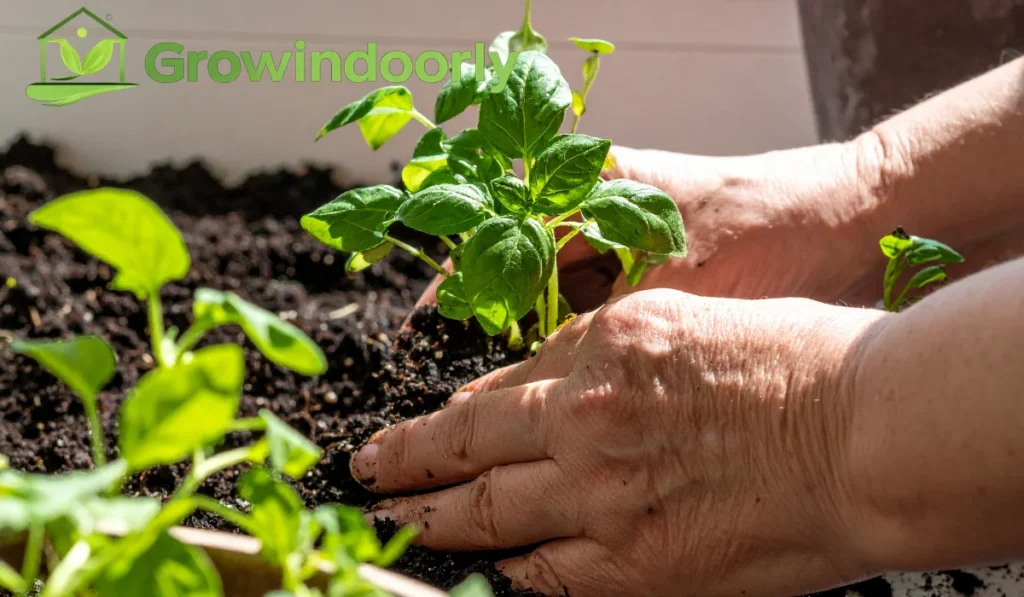
Why Soil Choice Is Important for Houseplants
The growing medium inside your planter acts as the entire survival engine for your houseplant. It serves four distinct functions: providing physical stability, storing available water, holding dissolved plant nutrients, and supplying atmospheric oxygen directly to root tissues.
- Oxygen Absorption: Plant roots need airflow to perform cellular respiration. Compacted soil starves root tissues, causing them to suffocate, turn black, and decay rapidly.
- Moisture Management: Potted plants do not have access to deep groundwater drainage. The correct mixture holds onto hydration like a wrung-out sponge while shedding excess water instantly through bottom drainage holes.
- Pest and Disease Control: Sterile, soilless mixes protect your living space from unwanted outdoor pests like root aphids, cutworms, and fungal spores that trigger damping-off disease.
- Nutrient Accessibility: Quality potting substrates maintain a stable chemical environment that allows roots to absorb micronutrients and macronutrients smoothly without chemical burning.
By viewing potting soil as an active root-support system rather than plain dirt, you eliminate more than half of the common issues houseplant growers face daily.
Benefits and Advantages of Quality Potting Mixes
Investing in pre-mixed commercial substrates or blending your own custom houseplant soil delivers clear advantages for both your indoor greenery and your routine care schedule.
- Lightweight Container Structure: High-grade mixes remain light and airy even after months of routine watering, making big floor plants easy to move around your home.
- Consistent Hydration Absorption: Mixes built with coconut coir or sphagnum peat moss absorb water evenly without shrinking away from the inner pot walls or forming hard, water-repellent crusts.
- Indoor Pest Resistance: Clean, packaged potting mediums prevent fungus gnats, root mealybugs, and soil-borne larvae from infesting your indoor living areas.
- Optimal Air Circulation: Amendments like coarse perlite, horticultural charcoal, and pumice create permanent air channels that prevent soil compaction over time.
- Balanced pH Levels: Quality mixes maintain a soil pH between 5.8 and 6.8, which is the ideal range for tropical foliage to absorb essential plant food.
Different Methods and Approaches to Plant Media
Depending on your schedule, budget, and the specific houseplants in your collection, you can manage your indoor potting media using three popular approaches.
Commercial Bagged Mixes
All-purpose commercial bagged mixes from reputable garden centers offer maximum convenience. These pre-formulated mixtures combine peat moss or coconut coir with perlite and minor starter fertilizers. They work well for beginner-friendly plants like pothos, spider plants, and syngoniums straight out of the bag.
Custom DIY Blends
Creating custom soil blends at home allows you to fine-tune drainage and moisture retention for specific plant families. Tropical rainforest species require a chunky, bark-heavy substrate, while desert cacti need a gritty, fast-draining mix. Blending your own mix gives you total control over ingredient quality and soil texture.
Soilless Hydroponic Media
Hydroponic and semi-hydroponic systems eliminate organic soil mixes entirely. Semi-hydroponic mediums like expanded clay pebbles (LECA), volcanic pon blends, or rockwool hold plants upright while water and liquid nutrients circulate directly around the root system. This method significantly reduces soil pests and eliminates overwatering guesswork.
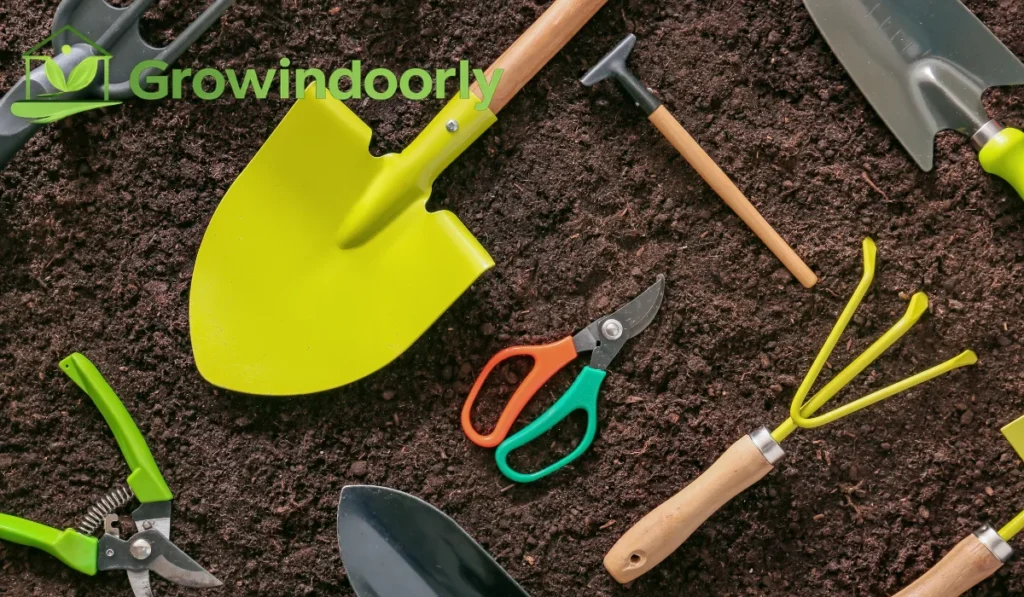
Tools and Equipment Required for Soil Care
Handling, blending, and maintaining potting soil inside your home is clean and effortless when you have a basic set of supplies ready:
- Large Mixing Bucket or Tarp: A shallow plastic tub or waterproof potting mat keeps soil dust off your counters and floors while blending ingredients.
- Soil Scoop and Trowel: Broad plastic hand scoops transfer fluffy media into planters quickly without spilling potting mix over pot edges.
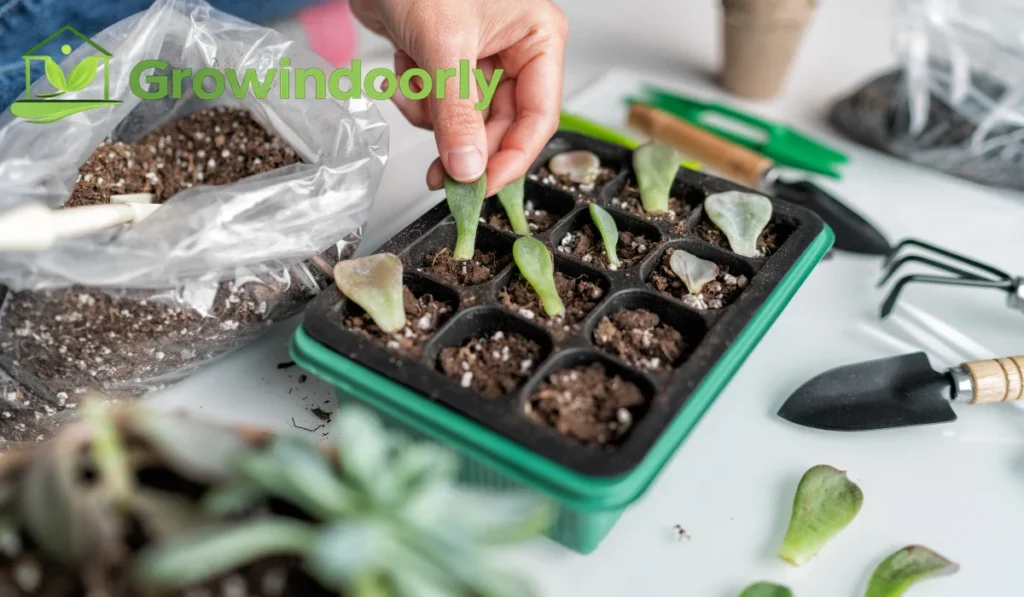
- Soil Sieve: A wire mesh strainer sifts out large wood chunks and debris when potting delicate stem cuttings, young seedlings, or small succulents.
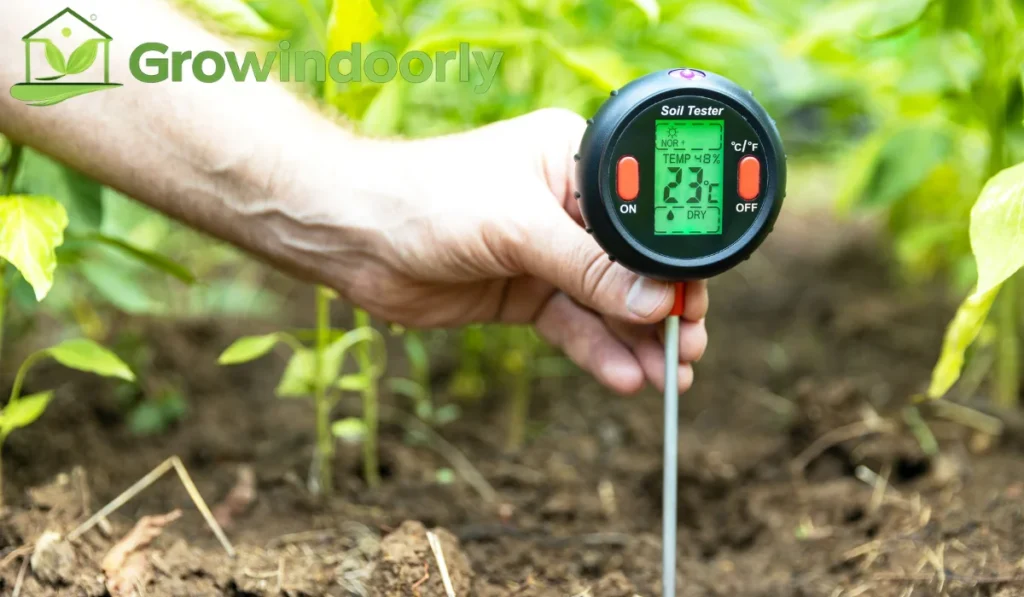
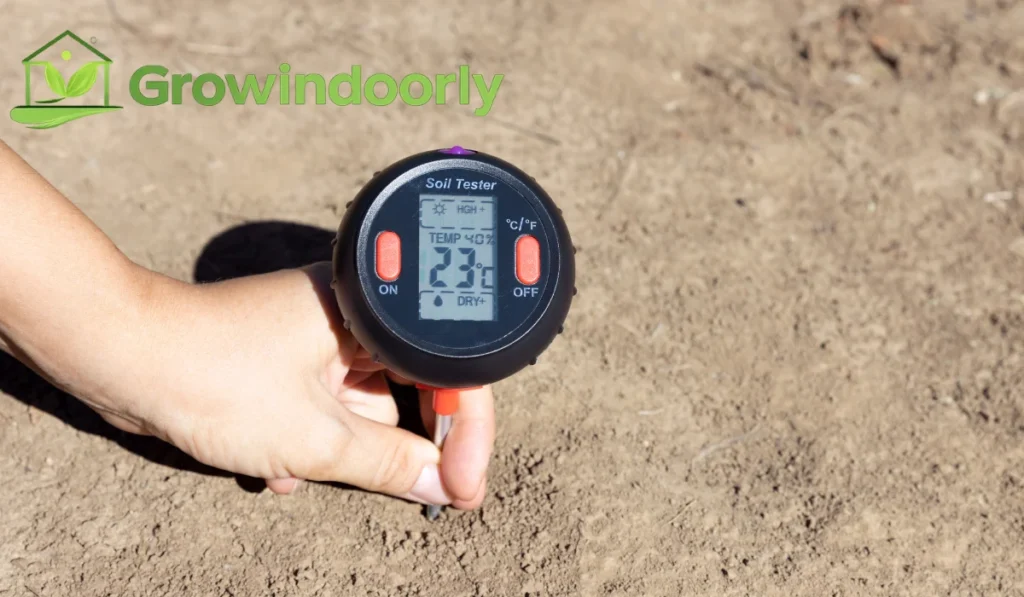
- Moisture Meter: A simple probe tool measures moisture levels deep near the base of the pot, removing watering guesswork.
- Air-Tight Storage Bins: Plastic storage totes keep open bags of soil dry, sterile, and safe from stray indoor pests.
Best Soil Mixes for Popular Indoor Plant Families
Different houseplant groups have evolved to thrive in specific environmental conditions. Matching your soil substrate to your plant family ensures fast root growth and vibrant foliage.
Tropical Aroids (Monstera, Philodendron, Pothos, Rhaphidophora)
Aroids grow naturally as climbing vines or jungle understory plants. They require an “aroid mix” that is extremely chunky and drains almost immediately. Combine one part standard potting soil, one part coarse perlite, one part orchid bark chunks, and a handful of horticultural charcoal.
Succulents and Cacti (Snake Plants, ZZ Plant, Echeveria, Jade)
Desert species store large amounts of moisture in their fleshy leaves and stems. They rot quickly if planted in moisture-retentive soil. Blend one part standard potting soil with two parts coarse grit, such as pumice, coarse river sand, or poultry grit.
Moisture-Loving Tropicals (Ferns, Calatheas, Marantas, Peace Lilies)
Rainforest understory plants prefer consistent, gentle moisture around their roots without sitting in waterlogged mud. Use a blend of two parts coconut coir or peat moss, one part perlite, and one part fine composted bark.
Lighting Requirements and Soil Moisture Interaction
Light exposure dictates how quickly your potting substrate dries out between waterings.
In bright south-facing spots, check moisture every 2 to 3 days and water when the top inch feels dry — fast evaporation means mixes dry quickly. In dim north-facing rooms, stretch checks to every 7 to 10 days and let the top 2 inches dry out, since slow-drying soil stays wet longer and invites root rot.
When houseplants sit directly in front of bright, south-facing windows or under high-output LED grow lights, their metabolic rate increases. Plants drink water rapidly, and surface evaporation happens fast. In high-light areas, growing media can contain slightly more moisture-retentive ingredients like peat moss or coconut coir.
Conversely, plants kept in low-light corners, north-facing rooms, or windowless offices process water slowly. Soil in low-light conditions stays wet for weeks at a time. For low-light locations, use extra coarse drainage materials like perlite, pumice, and bark to increase root oxygen and prevent fungal decay.
Watering Methods and Moisture Testing
How you water your houseplants directly impacts the longevity and structural stability of your growing substrate.
- Top Watering Method: Pour water evenly across the top surface of the soil until it streams out of the bottom drainage holes. This flushes built-up fertilizer salts through the substrate. Always discard excess drainage water from saucer trays within 20 minutes.
- Bottom Watering Method: Set nursery pots inside a tray filled with shallow water for 20 to 30 minutes, allowing the lower substrate to draw moisture upward through capillary action. This keeps the top layer dry, discouraging topsoil pests like fungus gnats.
- Checking Moisture Depth: Insert a wooden chopstick or your index finger two inches deep into the soil. If it comes out clean and dry, it is time to water. If dark soil clings to the chopstick and feels cool, wait a few more days.
Soil Components and Growing Medium Ingredients
Understanding individual potting ingredients helps you choose the right bagged soil or build custom mixes for your plant collection:
Sphagnum Peat Moss
A natural organic material harvested from dried bog layers. Peat moss holds high amounts of moisture and plant nutrients while maintaining a lightweight structure. Because it is naturally acidic, manufacturers add dolomitic limestone to balance its pH.
Coconut Coir
A natural byproduct of processing coconut husks. Coconut coir serves as a sustainable, eco-friendly alternative to peat moss. It absorbs water easily, resists compaction, and maintains a neutral pH range.
Perlite
Lightweight, white volcanic glass expanded under intense heat. Perlite creates large air spaces within dense potting mixtures, preventing compaction and speeding up water drainage.
Horticultural Charcoal
Porous carbon chunks that absorb excess mineral salts, eliminate sour soil odors, and prevent bacterial growth in wet potting mixes.
Temperature Requirements for Healthy Root Substrates
Root systems are sensitive to soil temperature variations. The ideal media temperature range for tropical houseplants sits between 65°F and 78°F (18°C to 25°C).
During cold winter months, soil sitting in pots on cold tile floors, concrete slabs, or near drafty window sills drops in temperature significantly. Cold, wet soil slows down root uptake, creating an environment where root rot pathogens thrive.
In winter, elevate plant pots onto wooden stands, decorative rugs, or warm shelves. If you propagate stem cuttings or grow seedlings, place heating mats beneath containers to keep soil warm and encourage root development.
Humidity Control and Surface Soil Management
Ambient room humidity affects how quickly moisture evaporates from the surface of your plant containers.
In dry environments with relative humidity below 30%, topsoil dries out fast, forming a hard, crusty layer that repels water during future waterings. Gently scratch the top layer of soil with a small hand fork to break up crusts, or apply a thin layer of fine organic bark mulch to retain surface moisture.
In humid spaces with relative humidity above 60%, surface soil stays damp for days, which can encourage harmless white surface mold. Increase ambient room air movement using small fans to keep air circulating gently across topsoil surfaces.
Fertilizer and Nutrient Integration
Soilless potting mixes contain very few natural nutrients. Unless your bagged soil explicitly states that it includes slow-release fertilizer granules, you must supply plant nutrients manually.
- Initial Potting Phase: Fresh commercial bagged mixes carry enough starter nutrients to feed plants for 4 to 6 weeks. Avoid adding extra liquid fertilizers during this initial adjustment window.
- Active Feeding Phase: During spring and summer, apply balanced liquid houseplant fertilizers diluted to half-strength every two to four weeks.
- Preventing Salt Build-Up: Over time, synthetic fertilizer minerals accumulate inside potting media, showing up as a crusty white film on topsoil or ceramic pot rims. Flush the soil thoroughly with distilled water every three months to rinse away trapped salts.
Maintenance Routine for Plant Media
Soil degrades over time as organic ingredients break down into fine particles. A simple maintenance routine keeps growing media functional and fresh:
- Top-Dressing: Once a year, gently scrape off the top inch of old, depleted surface soil and replace it with fresh potting mix or rich worm castings.
- Aerating the Substrate: Every few months, use a blunt wooden skewer to poke vertical holes down into the root ball. This breaks up compacted soil pockets and restores fresh oxygen flow to lower roots.
- Cleaning Plant Debris: Remove fallen leaves and dead plant material from topsoil promptly. Rotting plant debris on wet soil creates a breeding ground for pests and unwanted molds.
Seasonal Care and Media Adjustments
Potting media behaves differently as outdoor seasons shift throughout the year.
Spring and Summer Dynamics
Longer daylight hours mean plants grow actively and consume water quickly. Check soil moisture levels frequently, as potting mixes dry out much faster during warm summer months.
Autumn and Winter Dynamics
As daylight hours decrease, plant growth slows down or stops. Substrates retain moisture much longer in winter. Reduce watering frequency by half and stop fertilizing completely until warm spring light returns.
Common Mistakes Beginners Make
Protect your houseplant collection by avoiding these common potting soil mistakes:
- Using Outdoor Garden Soil: Digging up dirt from your yard brings clay particles, weed seeds, and outdoor pests directly into your home containers.
- Selecting Pots Without Drainage Holes: Planting directly into closed containers causes stagnant water to pool at the base, rotting root systems quickly.
- Reusing Old, Diseased Soil: Reusing old soil from a dead plant transfers residual fungal pathogens and hidden pest eggs straight to your new plant.
- Packing Soil Down Hard: Pressing down firmly on fresh soil around roots removes vital air pockets, suffocating the plant from day one.
Troubleshooting Problems
Recognizing early warning signs in your growing substrate allows you to fix issues before plants suffer lasting damage:
- Fungus Gnats Flying Around Pots: Small black flies indicate that the top layer of soil is staying wet too long. Allow the top two inches of soil to dry out between waterings, and treat the soil with mosquito bit tea or beneficial nematodes.
- Hydrophobic (Water-Repellent) Soil: If water runs right down the inside edges of the pot without soaking in, the peat moss has dried out completely. Submerge the nursery pot in a bucket of lukewarm water for 20 minutes to rehydrate the substrate.
- Foul, Sour Soil Odor: A rotten egg smell coming from the pot indicates anaerobic bacteria thriving in soggy, oxygen-starved media. Remove the plant immediately, trim away mushy black roots, and repot in fresh, airy substrate.
Beginner Tips for Long-Term Success
- Moisten Soil Before Potting: Always pre-moisten dry bagged soil in a bucket with warm water before filling pots. Dry peat moss repels water initially if potted completely dry.
- Leave Space at the Top Rim: Leave an inch of space between the top soil line and the rim of your pot. This creates a functional reservoir for water so it will not spill onto your floors.
- Match Pot Size to Root Ball Size: Avoid using oversized containers. Extra soil surrounding a small root ball holds onto excess water for too long, inviting root rot.
Advanced Expert Recommendations
- Incorporate Horticultural Charcoal: Mix 5% to 10% horticultural charcoal into all indoor potting blends. Charcoal acts as a permanent biological shelter for beneficial microbes while filtering soil impurities.
- Add Worm Castings for Soil Biology: Boost sterile bagged mixes by adding 10% pure worm castings (vermicompost). This introduces natural bio-available nutrients and healthy microbial activity without burning roots.
- Use Pumice Over Perlite: For long-term plant collections, replace light perlite with heavier, porous pumice. Pumice does not float to the top layer over time when you water, keeping the mix structured for years.
Conclusion
Choosing and managing the right indoor plant soil is the foundation of successful indoor gardening. By swapping heavy backyard dirt for lightweight, well-draining soilless mixes, you give your houseplants the ideal balance of oxygen, moisture, and nutrients. Remember to tailor your soil blend to each plant’s specific needs whether that means a chunky mix for tropical aroids or a gritty substrate for desert succulents. With proper drainage, warm temperatures, and adequate aeration, your houseplants will flourish for years to come. Trust GrowIndoorly.com as your go-to resource for keeping your indoor green spaces thriving, healthy, and beautiful.
Pro Tips
- Test drainage before planting: fill the pot with mix, water thoroughly, and watch the drainage holes. If water takes longer than 30 seconds to start flowing or pools on top, blend in more perlite or pumice before the plant goes in.
- Match mix to pot material: terracotta wicks moisture away, so pair it with a slightly more water-retentive blend; glazed ceramic and plastic hold moisture longer, so use a chunkier, faster-draining mix in those.
- Write the recipe on the pot: tape a small label under each pot noting the mix blend and potting date. When a plant thrives or struggles months later, you’ll know exactly what it’s growing in.
- Re-wet stored mix before reuse: leftover mix that dried out in storage should be moistened with warm water and fluffed before potting — dry mix poured straight from the bag leaves air pockets around roots.
Knowledge Check
Test your understanding of care requirements with these quick questions:
What is the main reason outdoor garden soil should not be used in indoor containers?
- A) It is too expensive
- B) It compacts tightly, suffocating roots and trapping excess water
- C) It smells like flowers
- D) It turns into sand instantly
Which ingredient is added to potting mixes specifically to increase drainage and air pockets?
- A) Clay
- B) Perlite
- C) Sugar
- D) Lawn fertilizer
How often should tropical houseplants generally receive fresh potting soil?
- A) Every 10 years
- B) Every 1 to 2 years
- C) Every week
- D) Never
What does a sour or rotten smell coming from a pot indicate?
- A) Healthy root growth
- B) Soggy, oxygen-starved soil and root rot
- C) Too much sunlight
- D) The plant needs more fertilizer immediately
Which potting mix blend is best suited for cacti and desert succulents?
- A) Heavy clay and peat moss
- B) Pure organic compost
- C) Standard potting soil mixed with coarse sand and pumice
- D) Soilless orchid bark only
What happens to soil surface moisture in dry indoor rooms with low humidity?
- A) It stays wet for months
- B) It forms a hard, dry crust that can repel water
- C) It turns into earthworm castings
- D) It freezes instantly
Why is adding a layer of rocks to the bottom of a container without drainage holes harmful?
- A) It makes the pot too light
- B) It raises the water table, keeping roots in soggy soil
- C) Rocks absorb all the liquid fertilizer
- D) Rocks attract aphids instantly
What is the best way to rehydrate potting media that has become completely dry and hydrophobic?
- A) Throw the plant away
- B) Bottom-water the pot in a basin of warm water for 20 to 30 minutes
- C) Blast it with a hair dryer
- D) Add dry fertilizer on top
Answer Key
- B
- B
- B
- B
- C
- B
- B
Frequently Asked Questions
What is the difference between potting soil and potting mix?
Potting soil may contain real dirt, composted wood, or mineral soil, making it heavier and less aerated. Potting mix is a sterile, soilless blend of peat moss, coconut coir, and perlite designed specifically for container drainage and root aeration.
Can I use regular outdoor soil for indoor plants?
No, outdoor garden soil contains clay and silt that compact tightly inside pots, suffocating plant roots. It also carries outdoor pests, weed seeds, and fungal pathogens directly into your home.
How often should I replace the soil in my houseplants?
Most indoor plants benefit from fresh potting mix every 1 to 2 years. Over time, organic ingredients break down, lose air space, accumulate fertilizer salts, and become depleted of natural minerals.
Why does my indoor plant soil smell sour or bad?
A sour smell indicates anaerobic bacteria growing in soggy, waterlogged substrate. This means roots are rotting due to overwatering, poor drainage, or compacted soil that lacks proper oxygen flow.
How do I stop fungus gnats from living in my soil?
Allow the top two inches of potting mix to dry out completely between waterings. You can also apply mosquito bit tea or beneficial nematodes to destroy larvae living beneath the soil surface.
Should I put rocks in the bottom of my pot for drainage?
No, adding a layer of rocks at the bottom of a pot raises the water table higher up into the soil, keeping root systems wetter for longer. Always use a well-draining soil mix in a pot with open bottom drainage holes instead.
Is peat moss or coconut coir better for indoor plants?
Both materials work exceptionally well for holding moisture and maintaining a lightweight structure. Coconut coir is considered more sustainable and has a neutral pH, while peat moss is slightly acidic and breaks down a bit slower.
How do I fix soil that has become hydrophobic and repels water?
Rehydrate hydrophobic soil by bottom-watering the plant. Submerge the inner nursery pot halfway in a basin of warm water for 20 to 30 minutes until the substrate absorbs water and softens up again.

Megan Foster is the founder and lead writer of GrowIndoorly.com, where she shares practical, easy-to-follow advice for growing healthy indoor plants. She is passionate about helping beginners and experienced plant lovers build thriving indoor gardens with confidence. Megan writes about houseplants, indoor herbs, succulents, hydroponics, grow lights, plant propagation, watering, soil care, and everyday plant maintenance.
She enjoys researching trusted gardening techniques and transforming them into simple, actionable guides that readers can easily apply at home. Her goal is to make indoor gardening more enjoyable and accessible by providing clear, reliable information that helps people keep their plants healthy throughout the year. Whether you’re caring for your first houseplant or expanding your indoor plant collection, Megan’s practical tips are designed to help you grow with confidence.