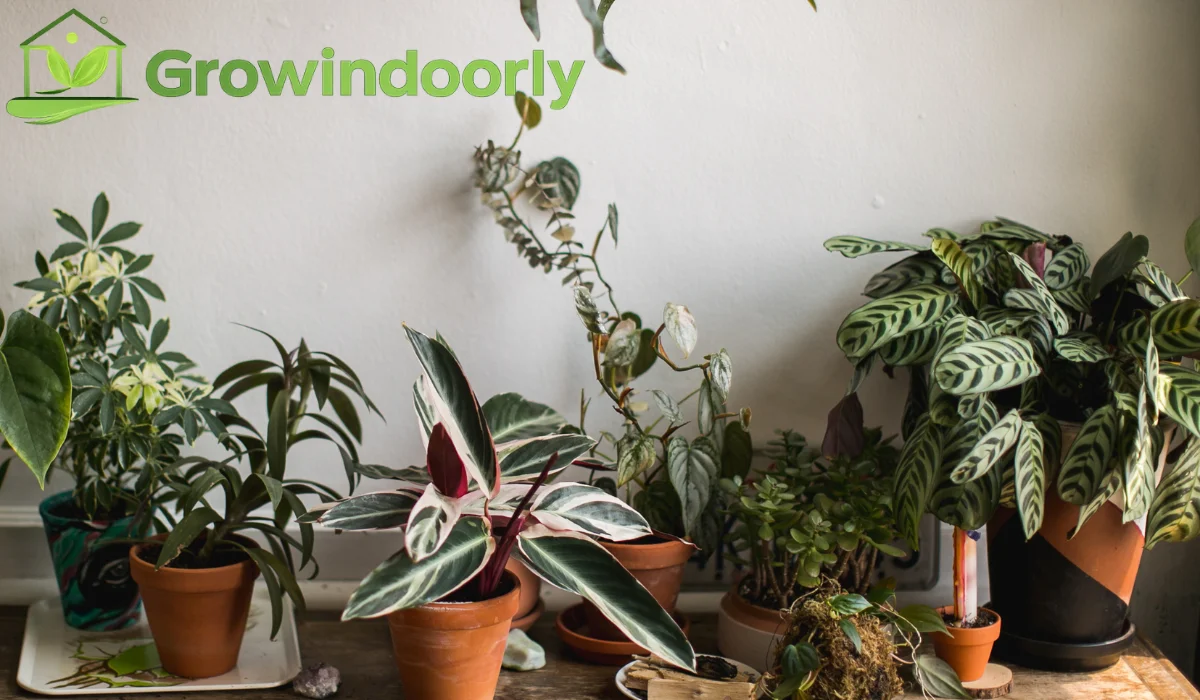
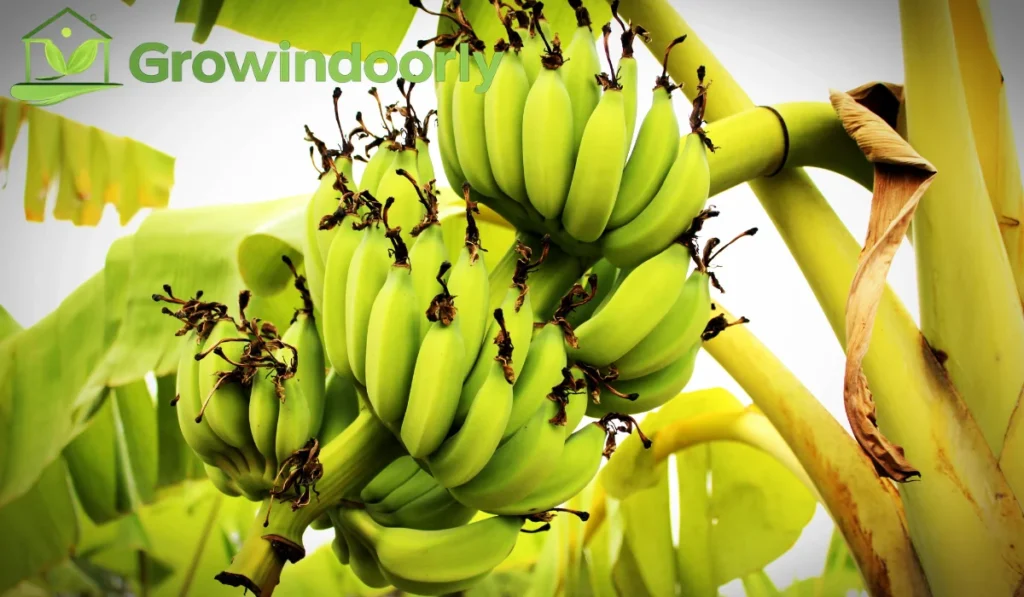
Bringing a vibrant indoor plants banana tree into your home living space instantly transforms any room into a breathtaking, tropical sanctuary.
However, caring for an indoor plants banana tree often presents unique challenges like yellowing leaf margins, unexpected brown crispy tips, and stunted growth.
Learning how to properly nourish your indoor plants banana tree requires balancing intense light, constant soil moisture, and rich nutrient feeding schedules.
This comprehensive guide walks you through every practical step to cultivate, protect, and enjoy a healthy dwarf banana plant indoors successfully.
Understanding the Indoor Banana Tree
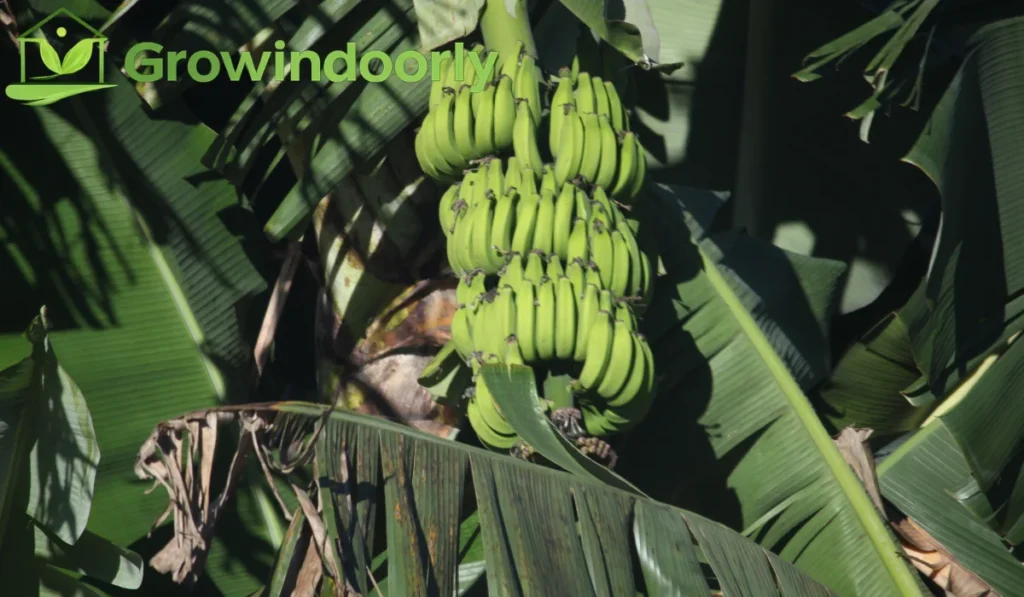
Despite their tree-like appearance and massive leaves, banana plants are technically giant herbaceous perennials rather than woody trees. What looks like a wooden trunk is actually a pseudostem, a tightly packed bundle of overlapping leaf sheaths. In the wild, wild banana species thrive in humid, sun-drenched tropical regions across Southeast Asia and the Pacific.
When brought indoors, banana plants retain their fast-growing nature. They produce large, lush green leaves that unfurl quickly from the central pseudostem. Because they lack true woody bark, these plants are remarkably flexible and soft, depending heavily on internal water pressure to keep their massive leaves upright. Understanding that your indoor banana plant is essentially a massive, fast-growing herb helps explain why its demand for water, light, and plant nutrients is far higher than typical slow-growing houseplants.
Why Growing a Banana Tree Indoors is Worth It
Cultivating a banana plant in a living room, office, or sunroom offers distinct benefits that go beyond basic houseplant decorating:
- Unrivaled Tropical Aesthetic: The expansive, paddle-shaped leaves create a bold, architectural centerpiece that instantly elevates interior decor.
- Natural Air Humidification: Due to their massive leaf surface area, banana plants transpire significant amounts of water vapor, naturally increasing surrounding moisture levels during dry months.
- Rapid, Gratifying Growth: Unlike slow-growing cacti or snake plants, a healthy banana plant frequently unfurls a brand-new leaf every one to two weeks during spring and summer.
- Stress Relief and Connection: Caring for a heavy-feeding, dynamic plant builds hands-on horticultural skills and brings a slice of the natural world inside.
Choosing the Best Dwarf Banana Varieties for Indoor Spaces
Standard wild banana trees can easily reach heights of 15 to 30 feet, which makes them far too large for standard indoor ceilings. Fortunately, compact dwarf cultivars adapt exceptionally well to container life indoors:
- Dwarf Cavendish (Musa acuminata ‘Dwarf Cavendish’): The most popular indoor choice. Reaches a manageable 4 to 6 feet tall in pots, featuring thick pseudostems and broad green leaves often mottled with dark purple splotches when young.
- Super Dwarf Cavendish: An even smaller cultivar that stays under 3 to 4 feet in height, making it ideal for tight corners, small apartments, or bright tabletops.
- Dwarf Red Banana (Musa maclayi or Musa acuminata cultivars): Known for its striking reddish-purple leaf undersides and stems, adding dramatic color alongside green tropical foliage.
- Dwarf Orinoco (Musa ‘Orinoco’): Highly resilient and slightly more tolerant of cold drafts and fluctuating indoor temperatures than Cavendish varieties.
Key Tools and Supplies Required for Success
Before bringing your new banana plant home, gather these essential indoor gardening tools to ensure seamless daily care:
- Large Heavy-Duty Containers: A solid pot (12 to 18 inches minimum diameter) with multiple large drainage holes at the base.
- Rolling Plant Caddy: Because large potted banana plants become extremely heavy when watered, a wheeled caddy makes moving the pot into sunny spots effortless.
- High-Volume Watering Can: A long-spout watering container that holds enough liquid to thoroughly saturate large pots without making a mess.
- Full-Spectrum LED Grow Light: Essential for supplementing natural sunlight during dark winter months or in rooms with limited window exposure.
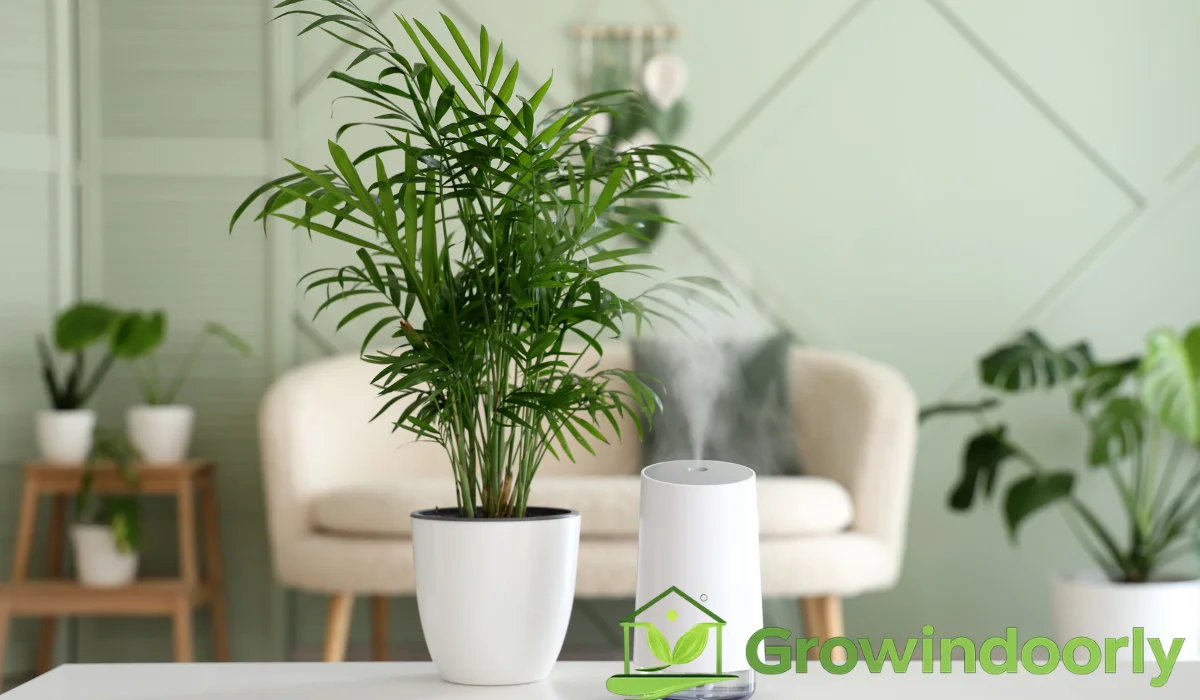
- Ultrasonic Cool-Mist Humidifier: Keeps relative moisture levels high around large leaves, preventing brown crispy edges.
- Pruning Shears: Clean, sharp shears for removing old, yellowing outer leaves near the pseudostem.
Mastering Indoor Lighting Requirements
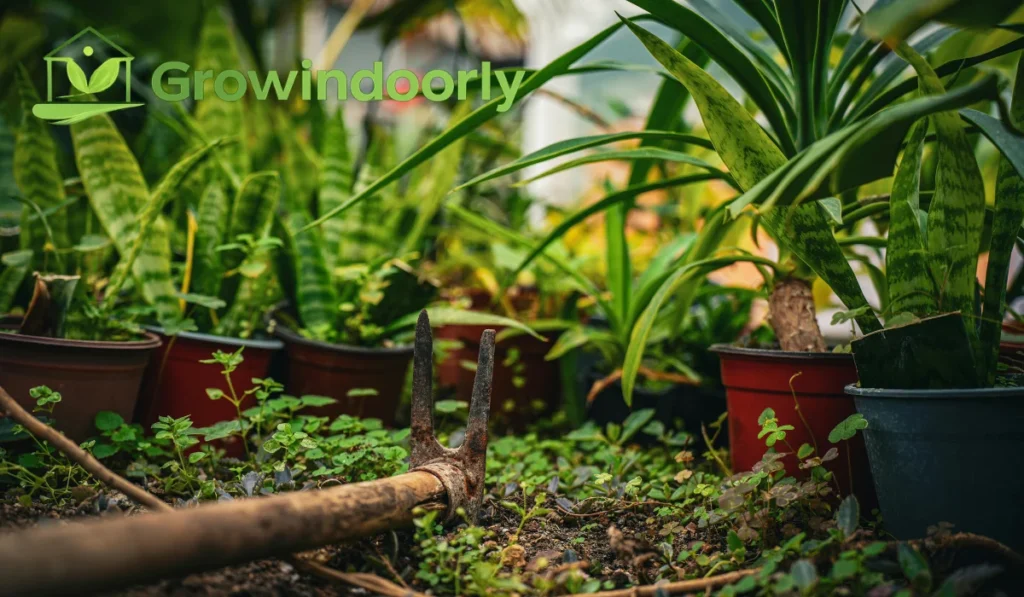
Lighting is the absolute non-negotiable factor when growing a banana plant indoors. In nature, these plants soak up full, unfiltered equatorial sunshine all day long.
Bright, Direct Sunlight Exposure
Place your banana plant in the sunniest location available. A south-facing window is ideal, as it offers the intense sunlight required to sustain fast leaf production. An east- or west-facing window can also work well provided the plant receives at least 6 to 8 hours of direct to bright indirect light every day.
Diagnosing Light Deficiency
If your banana plant is not receiving enough energy from light, it will quickly communicate its distress. Look for leggy, weak pseudostems that lean heavily toward distant windows, pale green or yellow leaves, delayed unfurling of new foliage, and soil that remains soggy for weeks because the plant lacks the energy to consume water.
Using Supplemental Grow Lights
During winter, or if your room lacks direct sun, supplemental artificial lighting becomes necessary. Position a powerful 30 to 50-watt full-spectrum LED grow light 18 to 24 inches directly above the central canopy. Keep the light operational for 12 to 14 hours daily to maintain steady photosynthesis.
Advanced Watering Techniques
Because banana plants are made mostly of water and grow rapidly, their moisture demands are much higher than standard indoor foliage plants.
The Moist but Well-Drained Approach
The goal is to keep the soil consistently damp like a wrung-out sponge, but never waterlogged. Water thoroughly whenever the top 1 to 2 inches of potting mix feel dry to the touch. Pour water evenly across the entire soil surface until liquid drains freely from the bottom holes.
Always pour out any excess standing water from the bottom drainage saucer after 20 minutes. Allowing the roots to sit directly in stagnant water cuts off oxygen, leading to rapid root rot.
Recognizing Overwatering vs Underwatering
- Overwatering Signs: Soft, squishy base of the pseudostem, yellowing lower leaves accompanied by wet soil, and a stale or sour odor emitting from the pot.
- Underwatering Signs: Drooping foliage, crisp brown leaf edges, dry papery leaf texture, and soil pulling away cleanly from the inner rim of the pot.
Ideal Soil Medium and Potting Setup
Standard garden soil is far too dense for container-grown banana plants, as it packs down over time and smothers delicate feeder roots.
Crafting the Perfect Soil Mix
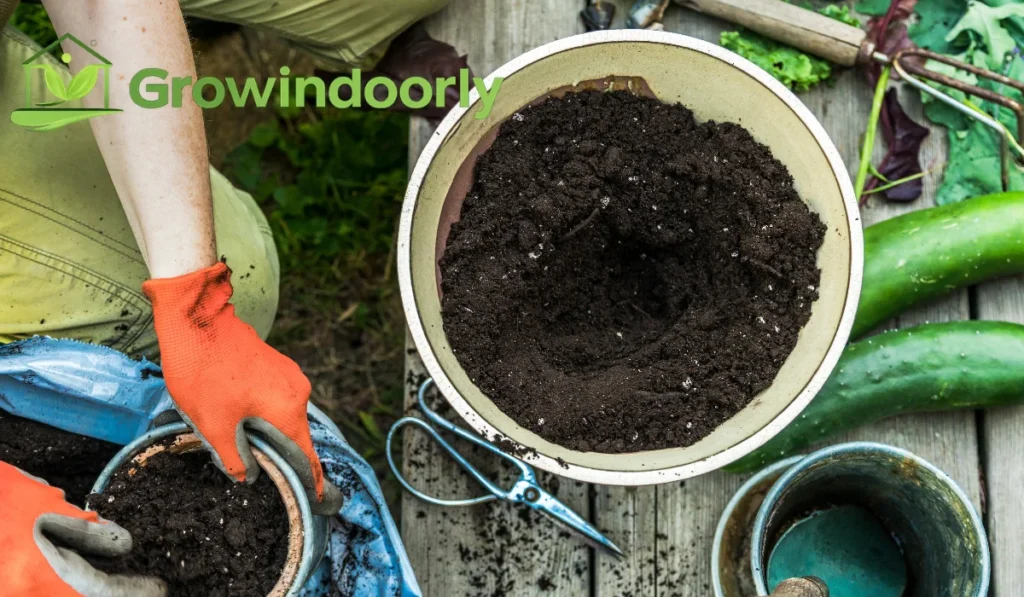
Banana plants require a nutrient-rich, airy, and fast-draining potting mixture. Prepare a high-performance growing medium by combining:
- 2 parts high-quality organic potting soil (provides structural moisture and initial nutrients)
- 1 part coarse perlite or pumice (ensures maximum aeration and rapid water flow)
- 1 part composted pine bark chips or orchid bark (creates stable soil structure)
- 1/2 part aged compost or worm castings (delivers organic micro-nutrients)
Container Selection and Drainage
Always select containers made from sturdy materials like glazed ceramic, heavy plastic, or terracotta. Ensure the pot features multiple clear drainage holes. Terracotta helps moisture evaporate faster through its porous walls, which reduces root rot risks, while plastic holds moisture longer, requiring slightly less frequent watering.
Temperature and Microclimate Control
Banana plants are sensitive tropical organisms that thrive in warm, stable room conditions.
Ideal Temperature Range
Maintain daytime room temperatures between 75°F and 85°F (24°C to 29°C), with night temperatures staying safely above 65°F (18°C). Avoid exposing your plant to temperatures below 57°F (14°C), as cold shocks stall growth instantly and can cause serious foliage damage.
Protecting Against Air Drafts
Keep your indoor banana plant away from exterior doors opened frequently in winter, leaky window frames, and cold air streams from air conditioning units. Similarly, keep the plant several feet away from hot air registers or space heaters, which rapidly dry out delicate leaves.
Humidity Optimization for Healthy Foliage
Average household humidity (often around 30% in winter) is far too dry for a tropical banana plant, which naturally thrives in humidity levels between 60% and 90%.
Effective Methods to Boost Room Moisture
- Dedicated Humidifier: Set up a cool-mist humidifier 3 to 4 feet away from the plant aimed toward the leaf canopy.
- Pebble Trays: Place the pot on a broad tray filled with smooth stones and water. Ensure the base of the pot sits entirely above the water level on top of the rocks so roots stay dry.
- Group Tropical Plants: Surround your banana plant with other broad-leaf houseplants like monsteras, calatheas, and ferns to create a shared humid microclimate through collective transpiration.
Feeding and Nutrient Schedules
Because indoor banana plants produce large leaves continuously, they are classed as “heavy feeders.” Without adequate nutrients, leaf growth slows down and older leaves yellow prematurely as the plant recycles mobile nutrients to feed new growth.
Fertilizing Routine
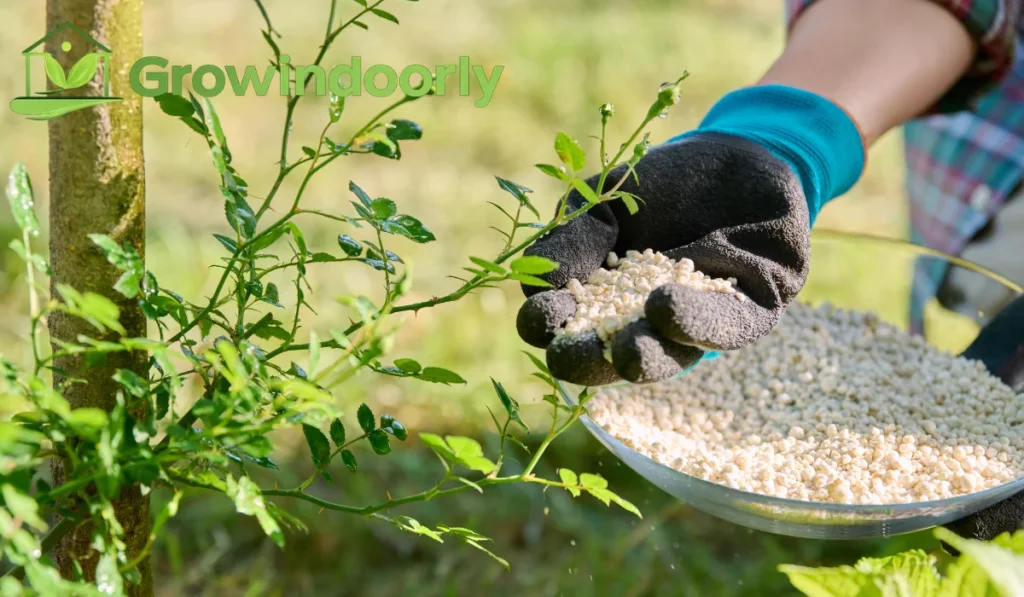
During active growth in spring and summer, feed your banana plant every two weeks using a balanced liquid fertilizer formulated for houseplants (such as a 10-10-10 ratio) or a nutrient formula slightly higher in potassium (like 9-3-27), as potassium drives healthy pseudostem structure and leaf size. Dilute the fertilizer solution to half the recommended strength to prevent mineral burn.
Winter Nutrient Reduction
As natural light levels fade in autumn and winter, stop fertilizing completely. Forcing fertilizer into a plant during its natural seasonal rest causes excess mineral salts to build up in the soil, which burns root tips.
Routine Maintenance and Foliage Care
Keeping an indoor banana plant clean and well-groomed ensures maximum light absorption and keeps pests away.
Pruning Damaged and Aging Leaves
Lower leaves naturally yellow, split, and dry out as the plant matures and produces fresh foliage from the top center. When a leaf loses its green color, use sharp, disinfected shears to slice the leaf stem off roughly 1 to 2 inches from where it connects to the main pseudostem. Never pull or rip leaves off by hand, as this damages the pseudostem tissues.
Cleaning Broad Leaves
Dust accumulates quickly on broad banana foliage, blocking sunlight and clogging leaf pores. Gently wipe down both sides of each leaf every two weeks using a damp cloth soaked in room-temperature water. Avoid using commercial shine sprays, which leave chemical residues that hamper natural gas exchange.
Seasonal Care Guide
Adjust your care habits as ambient environmental conditions shift throughout the calendar year:
- Spring: As sunlight increases, resume regular fertilizing and increase watering frequency. Repot into a container 2 to 3 inches wider if roots are bound.
- Summer: Peak growth period. Monitor soil daily—watering may be needed every 2 to 3 days depending on heat. Keep windows open for air circulation, but shield leaves from sudden wind gusts if placed near open doors.
- Autumn: Gradually trim back watering frequency as days shorten. Stop applying liquid fertilizers entirely by mid-autumn.
- Winter: Move the plant into the brightest window location or under grow lights. Run a humidifier nearby to counter dry indoor heating. Allow the top 2 inches of soil to dry out between light waterings.
Common Mistakes Beginners Make
Avoid these frequent mistakes to ensure your plant stays healthy and full:
- Using Pots Without Drainage: Water gathers at the bottom of solid containers, rotting the root system within weeks.
- Under-lighting the Plant: Placing a banana plant in a dim corner away from window light causes leggy growth, pale leaves, and eventual collapse.
- Neglecting Feeding Schedules: Failing to provide fertilizer during spring leaves the plant looking sparse and yellow.
- Letting Pets Nibble Leaves: While banana plants are non-toxic to cats and dogs, curious pets can shred fragile leaves, ruining the plant’s appearance.
Troubleshooting Common Indoor Problems
Quickly identifying symptoms helps you reverse issues before irreversible damage occurs:
- Crispy Brown Leaf Margins: Indicates low relative humidity, underwatering, or mineral burn from hard tap water. Switch to filtered water and increase humidifier usage.
- Yellow Leaves Across the Canopy: Overwatering or severely waterlogged soil. Inspect roots for black, mushy tissue and repot into fresh, chunky mix immediately.
- Torn or Split Leaves: Usually caused by physical disturbance, strong drafts, or pets brushing past. Keep the plant in low-traffic areas.
- Stunted Growth in Spring: Insufficient sunlight or root-bound conditions. Check if roots are coiling tightly around the pot edges and upgrade pot size.
- Indoor Pests (Spider Mites & Mealybugs): Dry indoor air invites spider mites, which leave fine webbing on leaf undersides. Wipe leaves thoroughly with insecticidal soap or a mild solution of organic neem oil weekly until cleared.
Step-by-Step Propagation Guide (Separating Offshoots)
Banana plants do not propagate reliably from simple stem or leaf cuttings. Instead, mature plants produce small offshoots called “pups” or “suckers” from their underground rhizome.
- Wait for Proper Size: Allow the young pup to grow until it reaches at least 12 inches tall and forms its own small leaf cluster.
- Unpot the Parent Plant: Carefully tip the container and slide the root ball out to expose the underground rhizome system.
- Locate the Connection: Identify where the pup connects directly to the central parent rhizome.
- Make a Clean Cut: Using a sharp, sterile knife, slice downward through the connection point, ensuring the offshoot keeps a healthy set of its own white roots attached.
- Pot the New Pup: Plant the separated pup into its own small pot filled with moist, well-draining soil mix. Keep it in bright, indirect light and maintain high humidity until new top growth appears.
Advanced Expert Tips for Lush Growth
Take your banana care to an expert level with these professional techniques:
- Flush Soil Periodically: Every three months, leach the potting mix by pouring large amounts of distilled water through the pot for several minutes. This flushes away accumulated fertilizer salts that cause tip burn.
- Rotate the Pot Weekly: Banana leaves bend aggressively toward light sources. Quarter-turn the container every week to keep growth upright and balanced around the entire pseudostem.
- Use Warm Water for Irrigation: Cold tap water can shock tender tropical root systems. Always use room-temperature or slightly warm water (around 70°F/21°C) when watering.

Conclusion
Growing a lush, healthy indoor banana plant is one of the most exciting projects an indoor gardener can undertake. By providing abundant direct light, maintaining a consistent watering schedule using well-draining chunky soil, and keeping humidity levels high, you offer your plant everything it needs to thrive inside your home. Remember to adjust care routines with changing seasons, feed consistently during peak summer growth, and groom aging foliage regularly. With patience and attentive care, your dwarf banana plant will serve as a breathtaking tropical highlight in your home for years to come. Explore more expert houseplant guides, detailed care tutorials, and tropical indoor growing tips on GrowIndoorly.com to turn your living space into a thriving indoor jungle.
Pet Safety
Banana plants (Musa species) are completely non-toxic to cats, dogs, and horses according to the ASPCA, making them one of the safest large tropical plants for pet-friendly homes. While the leaves won’t poison curious pets, the broad foliage is fragile — enthusiastic chewing or batting can shred leaves and ruin the plant’s appearance. Keep the plant in a stable, heavy pot that won’t tip if a pet bumps into it, and discourage digging in the soil. If your pet eats a large amount of leaf material, monitor for mild stomach upset and contact your veterinarian if symptoms persist.
Knowledge Check
Test your understanding of indoor banana plant care with this quick interactive quiz:
1. Growth Habit Classification
What type of plant is an indoor banana tree scientifically classified as?
A) A woody evergreen tree
B) A succulent bush
C) A giant herbaceous perennial
D) A climbing vine
Correct Answer: C
2. Lighting Needs
What light condition is best for an indoor dwarf banana plant?
A) Low light in a windowless room
B) Full shaded north window
C) Direct, intense bright sunlight for 6 to 8 hours daily
D) Complete darkness with high heat
Correct Answer: C
3. Primary Cause of Pseudostem Rot
What primary care mistake causes the pseudostem base to turn soft and squishy?
A) Underwatering and dry soil
B) Overwatering combined with poor container drainage
C) High humidity levels
D) Pruning yellow lower leaves
Correct Answer: B
4. Preferred Soil Mix Quality
Which soil blend is best suited for potted banana plants?
A) Dense, heavy garden clay
B) Nutrient-rich, well-draining chunky mix with perlite and bark
C) Fine builders sand
D) Pure peat moss without drainage holes
Correct Answer: B
5. Recommended Winter Fertilization Routine
How should you manage fertilizer applications during winter months?
A) Double the dose of liquid fertilizer
B) Pause fertilizing completely while growth naturally slows
C) Apply nitrogen fertilizer every single day
D) Add heavy doses of dry manure
Correct Answer: B
6. Effective Humidity Management
What relative humidity range best prevents brown crispy leaf edges on banana foliage?
A) 10% to 20%
B) 60% to 90%
C) 0% humidity
D) 30% to 40%
Correct Answer: B
7. Propagation Method
How are indoor banana plants most successfully propagated at home?
A) Leaf blade cuttings rooted in water
B) Stem tip cuttings dipped in rooting powder
C) Separating offshoot “pups” from the main root rhizome
D) Air layering thick foliage
Correct Answer: C
Frequently Asked Questions
Can an indoor banana tree actually produce edible fruit inside a house?
Indoor banana plants rarely produce fruit because they require extreme light intensity, warm year-round temperatures, and high humidity over a continuous 10 to 18-month period. While dwarf cultivars like the Dwarf Cavendish are genetically capable of fruiting, indoor light levels are usually only sufficient to sustain beautiful tropical foliage.
How big will a dwarf banana plant get inside an apartment?
In container environments, dwarf banana varieties typically grow between 4 and 6 feet tall with a leaf spread of 3 to 4 feet. Their overall height can be naturally managed by limiting pot size and controlling light exposure.
Why are the lower leaves of my indoor banana tree turning yellow and dying?
Lower leaves turning yellow and brown one by one is part of the plant’s natural growth cycle. As long as new leaves emerge rapidly from the center stem, aging outer leaves can simply be trimmed away near the base.
Is tap water safe to use for watering indoor banana trees?
Tap water containing high levels of chlorine, fluoride, or heavy minerals can cause leaf margins to brown over time. It is best to use filtered water, rainwater, or tap water that has rested uncovered for 24 hours.
Are indoor banana plants non-toxic to domestic pets?
Yes, banana plants (Musa species) are completely non-toxic to cats, dogs, and horses according to the ASPCA. They are a safe choice for pet owners seeking large, dramatic indoor foliage.
How often should I repot my growing indoor banana tree?
Fast-growing young banana plants often require repotting once a year in early spring. Upgrade to a pot that is 2 to 3 inches larger in diameter each time to allow root expansion.

Megan Foster is the founder and lead writer of GrowIndoorly.com, where she shares practical, easy-to-follow advice for growing healthy indoor plants. She is passionate about helping beginners and experienced plant lovers build thriving indoor gardens with confidence. Megan writes about houseplants, indoor herbs, succulents, hydroponics, grow lights, plant propagation, watering, soil care, and everyday plant maintenance.
She enjoys researching trusted gardening techniques and transforming them into simple, actionable guides that readers can easily apply at home. Her goal is to make indoor gardening more enjoyable and accessible by providing clear, reliable information that helps people keep their plants healthy throughout the year. Whether you’re caring for your first houseplant or expanding your indoor plant collection, Megan’s practical tips are designed to help you grow with confidence.