Bringing leafy greenery into a home shared with curious cats or playful dogs often feels like a constant balancing act between interior style and animal safety.
Many popular houseplants, such as Pothos, Monsteras, and Peace Lilies, contain insoluble calcium oxalate crystals that cause mouth swelling, vomiting, and digestive distress when chewed by pets.
Switching your collection toward verified pet friendly indoor plants eliminates these toxic risks entirely, giving you complete peace of mind while decorating your living space.
In this comprehensive GrowIndoorly guide, you will learn how to identify, select, and cultivate non-toxic greenery, ensuring your home stays vibrant while your fur babies remain completely safe around your pet friendly indoor plants.
Understanding Pet Friendly Indoor Plants
Non-toxic or pet safe houseplants are botanical species certified by veterinary toxicology groups such as the ASPCA Animal Poison Control Center as completely free of chemicals, severe irritants, or systemic toxins harmful to dogs and cats.
While ingestion of any plant material might cause mild, temporary stomach upset simply because domestic animals lack enzymes to break down dense plant fibers, genuine pet friendly indoor plants will not cause organ failure, severe mouth burns, kidney damage, or life-threatening emergencies.
Understanding the difference between mild physical irritation and chemical toxicity is crucial for pet owners. Highly toxic plants like True Lilies (Lilium species) can cause fatal kidney failure in cats from a single bite or a few grains of ingested pollen. In contrast, non-toxic varieties like Spider Plants or Boston Ferns contain no harmful alkaloids or sap compounds, making them fundamentally safe additions to living rooms, bedrooms, and home offices.
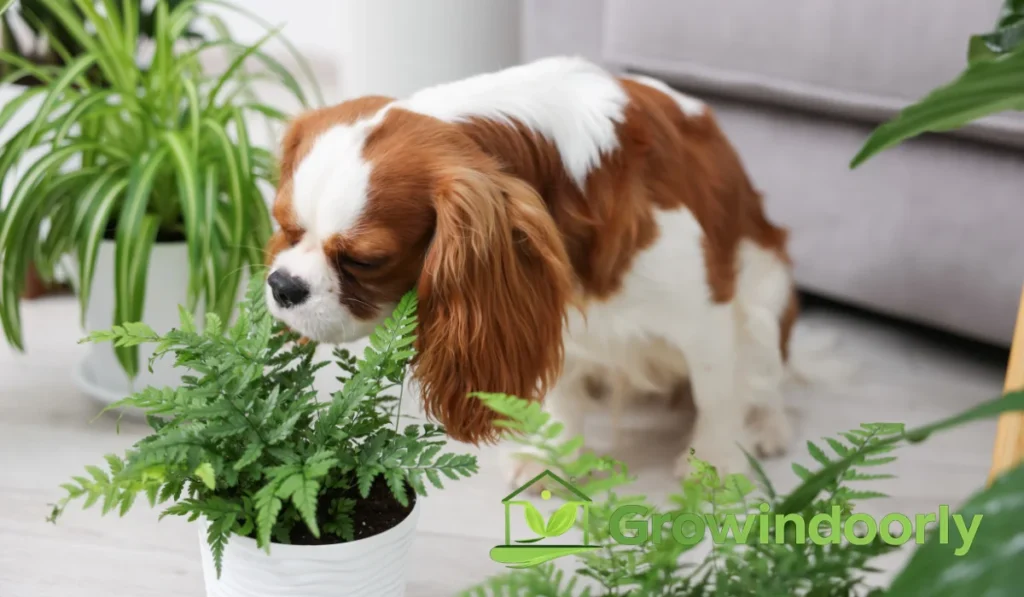
Why Choosing Non-Toxic Plants Matters
Accidental plant poisoning ranks among the top reasons for emergency veterinary visits nationwide. Cats are natural climbers and chewers, frequently targeted by dangling leaves, while curious dogs often nibble on low-lying potted stems out of boredom or playfulness.
Integrating pet safe greenery removes the constant stress of monitoring your pets around your plant shelves. Rather than hiding every pot in closed rooms or installing ceiling hooks everywhere, selecting non-toxic foliage lets you enjoy greenery openly across desks, coffee tables, and floor spaces without constant worry.
Key Benefits of Keeping Pet-Safe Houseplants
- Zero Chemical Toxicity Risk: Non-toxic species prevent emergency poisonings, organ distress, and expensive emergency vet visits.
- Stress-Free Interior Decorating: You can style plants freely at ground level, on low stands, or along windowsill perches accessible to pets.
- Natural Air Purification and Humidity: Safe plants clear airborne dust, release oxygen, and increase room humidity without risking animal health.
- Enrichment and Calm: Natural green elements create a relaxing, biophilic indoor atmosphere for both human occupants and companion animals.
Different Approaches to Pet-Safe Gardening
Creating a pet-safe botanical haven involves both selecting the right plant species and establishing smart layout practices.
- Floor-Level Displays: Using sturdy, heavy ceramic or terracotta planters prevents energetic dogs from knocking over tall species like Cast Iron Plants or Areca Palms.
- Elevated Vertical Styling: Placing delicate, cascading plants like Peperomia or Boston Ferns on high floating shelves keeps them out of reach, preserving the foliage from playful paws.
- Terrarium and Enclosed Growing: Utilizing glass terraria or indoor greenhouse cabinets allows you to cultivate rare species while keeping curious noses completely isolated from the soil and leaves.
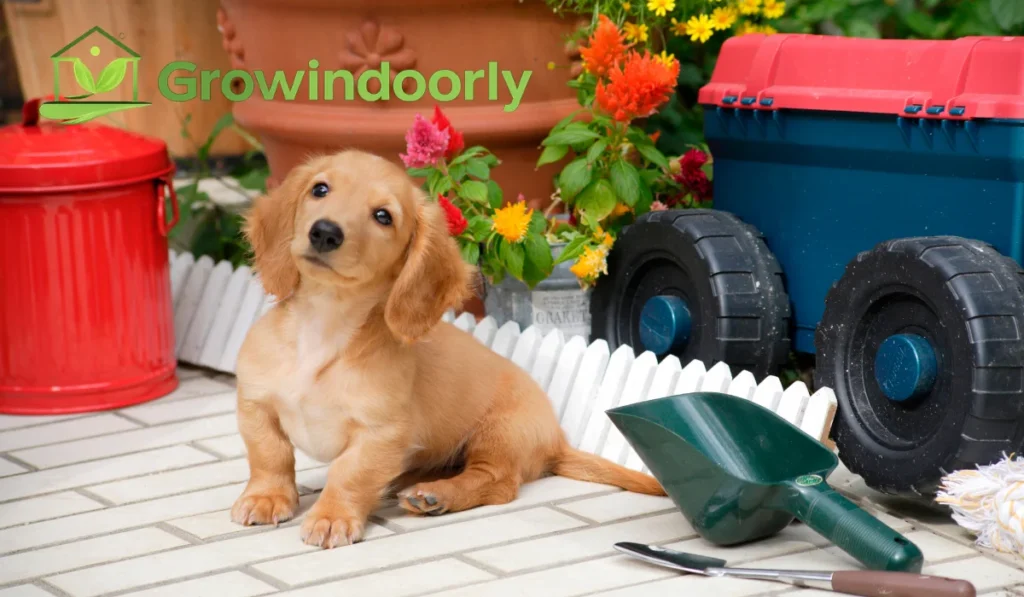
Essential Tools and Equipment for Pet-Safe Plant Care
- Heavy Clay or Terracotta Pots: Adds bottom weight to prevent pets from tipping over tall potted plants during play.
- Natural Soil Coverings: Smooth river rocks or large polished stones placed over topsoil stop cats from digging in dirt or using pots as litter boxes.
- Pet-Safe Cleaning Sprays: Diluted neem oil or mild horticultural soaps that clean leaves without leaving harmful chemical residues behind.
- Full-Spectrum LED Grow Lights: Provides optimal light intensity in interior corners, allowing you to move plants off perches or window sills that pets frequently use.
Top Pet Friendly Indoor Plants for Beginners
Building a non-toxic indoor garden is easy when you choose resilient, widely available species.
- Spider Plant (Chlorophytum comosum): Famous for arching green-and-white leaves and cascading baby plantlets; extremely easy to grow and completely non-toxic to cats and dogs.
- Boston Fern (Nephrolepis exaltata): Feathery, lush fronds that thrive in high humidity; perfect for hanging baskets or bathroom shelves.
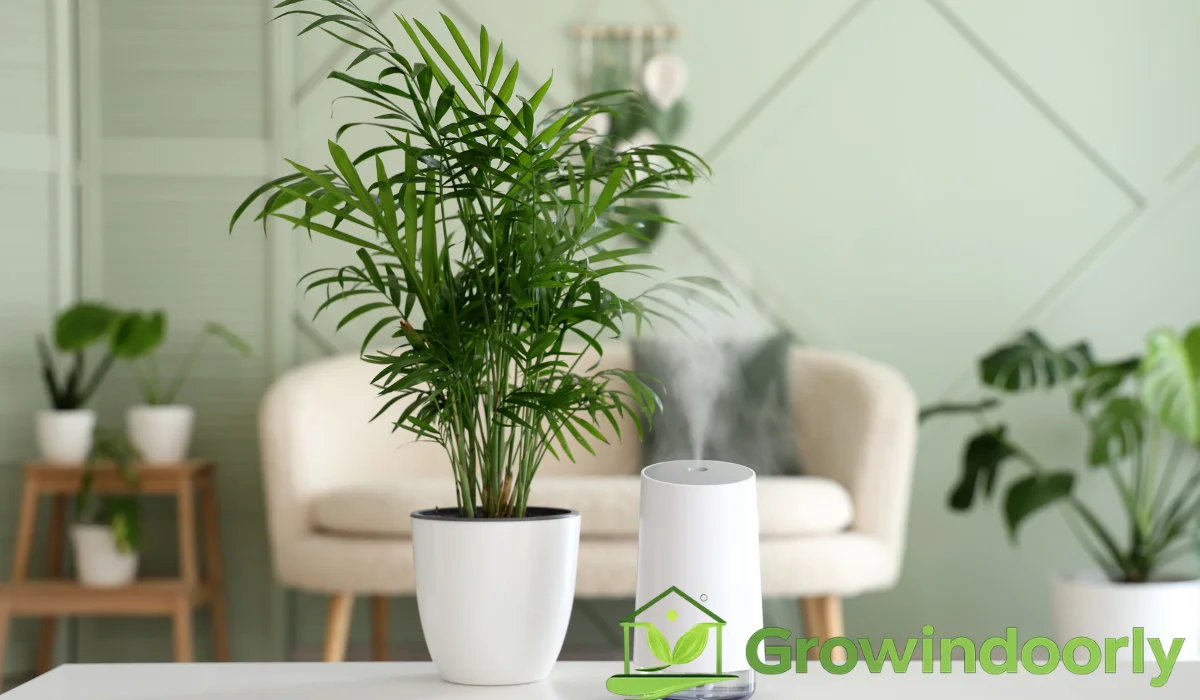
- Parlor Palm (Chamaedorea elegans): A slow-growing, elegant palm that tolerates lower light levels while bringing a tropical aesthetic to living rooms.
- Peperomia Varieties (Peperomia caperata / obtusifolia): Compact houseplants featuring thick, succulent-like leaves in various colors and textures.
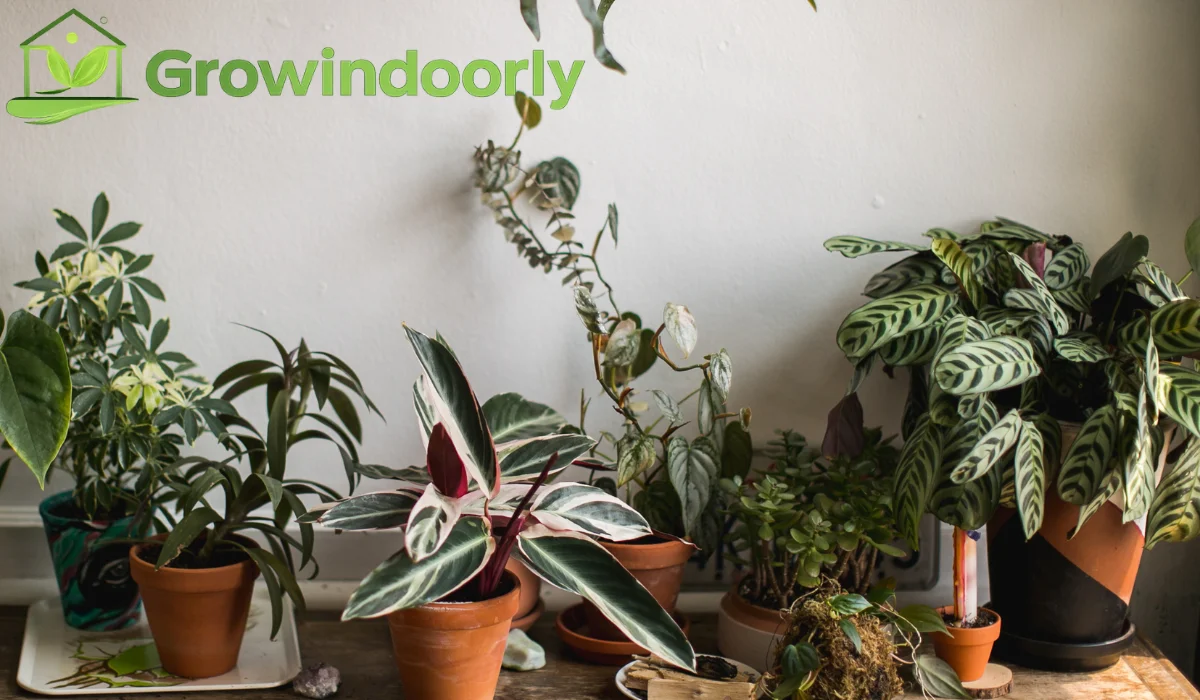
- Calathea and Maranta (Prayer Plants): Renowned for intricate, colorful leaf patterns that fold upward at night; non-toxic and gorgeous.
- Ponytail Palm (Beaucarnea recurvata): Features a unique swollen trunk and long, cascading leaf strands; non-toxic despite its palm-like name (it is actually a succulent relative).
- Phalaenopsis Orchid: Popular flowering houseplant with long-lasting blooms; safe for homes with inquisitive pets.
Lighting Requirements for Safe Indoor Plants
Providing correct light ensures strong, compact foliage growth, making plants less vulnerable to damage if brushed against by animals.
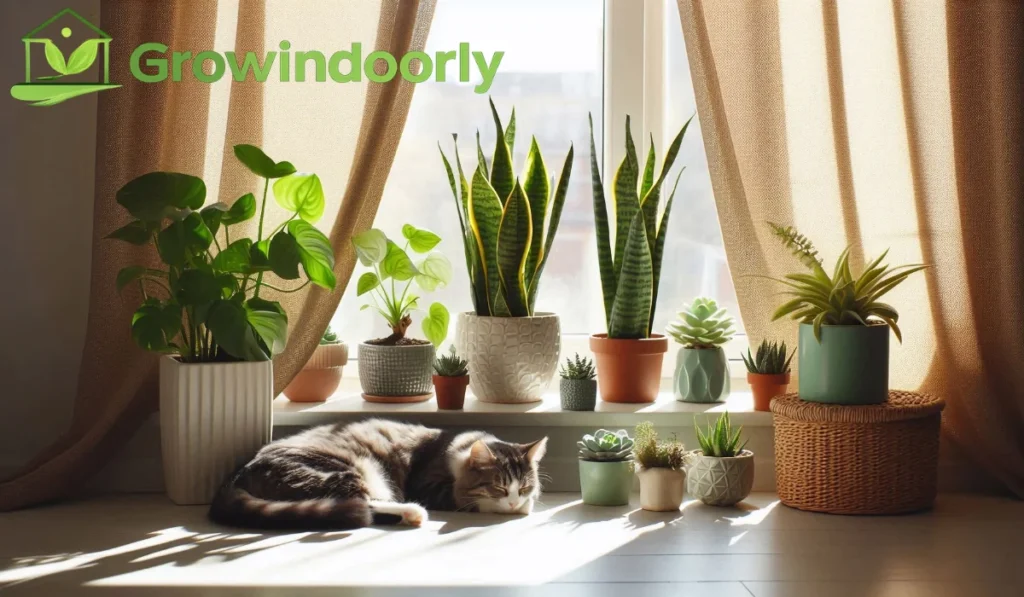
- Bright, Indirect Light: Ideal for Prayer Plants, Peperomias, and Orchids. Place them near east-facing windows or set them back a few feet from south- or west-facing glass behind sheer curtains.
- Low Light Tolerance: Parlor Palms, Cast Iron Plants, and Spider Plants perform remarkably well in medium to low light conditions, making them great for hallways or shaded rooms.
- Grow Light Supplementation: If you relocate plants to higher shelves or dark corners out of reach of pets, use full-spectrum LED grow lights for 10 to 12 hours daily to maintain foliage density.
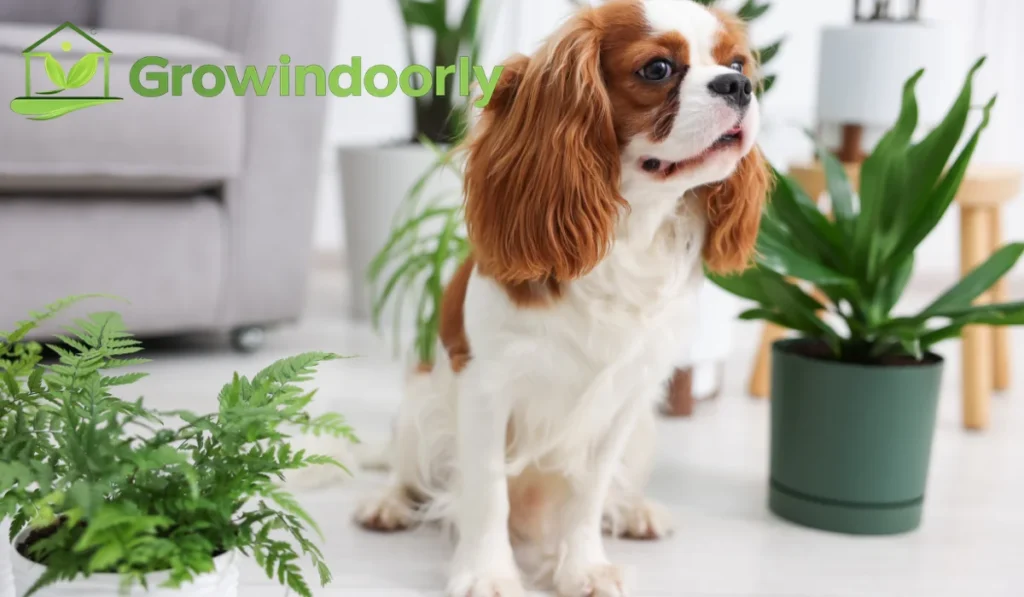
Watering Methods and Hydration Protocols
Proper hydration keeps root systems robust while preventing soggy soil conditions that attract soil gnats or produce mold.
- The Top-Watering Method: Apply water directly to the soil surface until liquid drains freely from bottom holes. Empty drainage saucers after 15 minutes to prevent standing water accumulation.
- The Bottom-Watering Technique: Set pots in a tray filled with clean water for 20 to 30 minutes, allowing soil to draw moisture upward. This keeps the top layer of soil drier, discouraging pets from digging in damp soil.
- Drying Cycles: Allow the top 1 to 2 inches of potting soil to dry out between waterings for most species like Peperomia and Spider Plants. Ferns and Prayer Plants prefer consistent, mild soil moisture without waterlogging.
Soil and Growing Medium Selection
Using clean, organic growing media maintains root health and prevents toxic chemical exposure if pets dig up or touch potting mix.
- Organic Potting Blend: Combine 60% organic potting soil, 20% perlite for aeration, and 20% coconut coir to create a lightweight, moisture-retentive medium.
- Chemical-Free Amendments: Avoid commercial potting mixes containing systemic synthetic pesticides or slow-release chemical fertilizer beads that could prove harmful if swallowed by a puppy or kitten.
- Drainage Layering: Ensure every container features drainage holes. Good drainage prevents anaerobic bacteria build-up in waterlogged roots.
Temperature and Indoor Climate Needs
Most pet-safe houseplants originate in tropical understories and thrive in typical home temperature ranges.
- Optimal Range: 65°F to 80°F (18°C to 27°C) supports continuous active growth.
- Draft Protection: Keep plants away from cold outdoor entryways, window drafts, or direct output from air conditioning units and heating vents.
- Cold Tolerance Threshold: Never expose tropical indoor plants to prolonged temperatures below 55°F (13°C), as sudden cold shocks cause leaf drop and tissue damage.
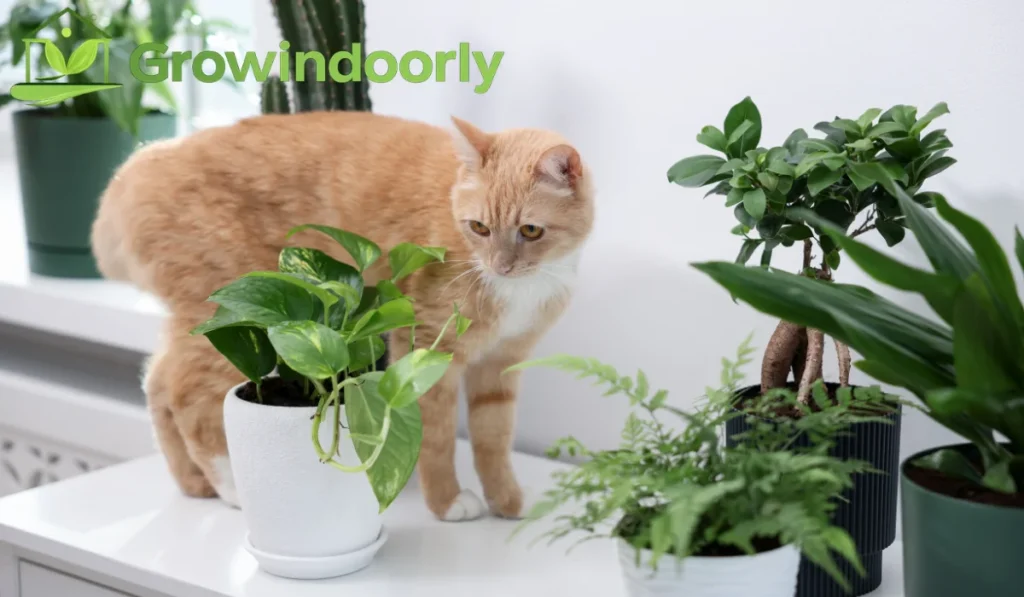
Humidity Control Strategies
Tropical species like Calatheas, Marantas, and Boston Ferns require higher air humidity levels to maintain crisp, vibrant foliage.
- Cool-Mist Humidifiers: Running an ultrasonic cool-mist humidifier near your plant display raises ambient relative humidity to 50–60%, preventing crispy brown leaf edges.
- Pebble Trays: Place pots on trays filled with decorative pebbles and water, ensuring pot bases stay above the water level to generate localized moisture through evaporation.
- Grouping Plants: Clustering non-toxic plants close together creates a shared microclimate, trapping moisture released through natural leaf transpiration.
Fertilizer and Organic Nutrient Care
Feeding your indoor garden supports steady leaf production, but nutrient applications must remain safe for household pets.
- Organic Fish Emulsion or Kelp Liquid: Highly effective organic fertilizers that supply essential nitrogen, potassium, and trace minerals without synthetic chemicals.
- Dilution Schedules: Apply liquid fertilizers diluted to half-strength every 2 to 4 weeks during spring and summer active growth.
- Winter Rest: Pause fertilizer applications during autumn and winter when plant growth naturally slows down under lower light levels.
Routine Maintenance and Foliage Grooming
Regular maintenance keeps foliage dust-free, enhances photosynthesis, and allows early detection of pest issues.
- Pruning and Trimming: Use sharp, clean shears to remove brown tips or yellowing lower leaves at the stem base.
- Wiping Leaves: Clean dust from smooth-leaved species like Peperomias and Palms monthly using a soft cloth dampened with clean water.
- Repotting Routines: Refresh potting soil and step up pot size by 1 to 2 inches every 18 to 24 months to support expanding root systems.
Seasonal Care Adjustments
- Spring and Summer: Increase watering frequency, initiate regular organic feeding routines, and rotate pots bi-weekly for even light distribution.
- Autumn and Winter: Reduce watering as soil drying cycles lengthen. Move plants closer to natural light sources and operate humidifiers to combat dry indoor heating.
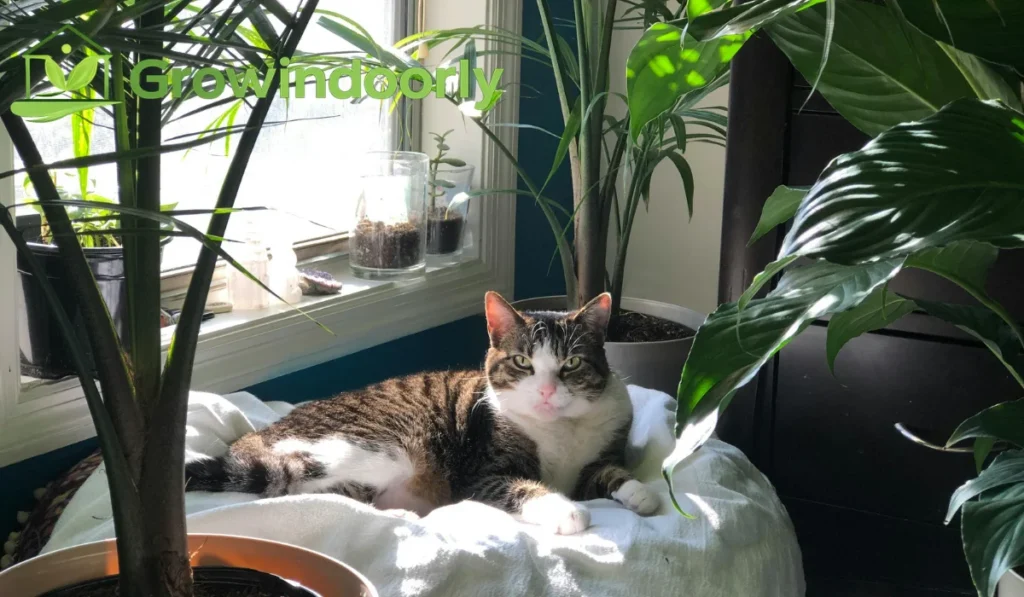
Seasonal changes also affect how pets interact with your plants. In winter, when plants move closer to windows and heating vents, they often end up within easier reach of cats and dogs, so recheck placement and barriers after every seasonal shuffle. Spring is the safest time to divide or repot pet-safe plants, and it is also when curious pets are most tempted by fresh new growth, so keep newly potted plants on higher shelves until the soil settles and the novelty wears off. Once a season, rinse leaves gently under a shower to remove dust and any household residue that a grooming pet might lick off.
Common Beginner Mistakes to Avoid
- Assuming All “Green” Plants Are Safe: Never buy a houseplant without verifying its scientific name against ASPCA non-toxic plant databases.
- Overwatering in Large Containers: Planting small non-toxic species in overly large pots retains excessive water, rapidly causing root rot.
- Using Toxic Organic Sprays: Spraying homemade pest remedies containing essential oils (like tea tree, citrus, or eucalyptus) near plants can be toxic to cats and dogs through inhalation or skin contact.
- Leaving Water Saucers Full: Allowing pets access to dirty, stagnant run-off water in plant saucers can lead to bacterial ingestion.
Troubleshooting Household Plant Problems
- Yellowing Foliage: Indicates overwatering, inadequate drainage, or nutrient depletion in older potting soil.
- Crispy Brown Leaf Margins: Caused by dry indoor air, low humidity, or direct sun exposure scorching delicate foliage.
- Chewed or Shredded Leaves: Indicates active pet nibbling. Relocate affected plants to elevated wall shelves, hanging baskets, or plant stands.
- Fungus Gnats in Soil: Small flies around soil indicate excess surface moisture. Allow topsoil to dry thoroughly between waterings and top pots with decorative river stones.
Practical Beginner Tips for Instant Success
- Start your non-toxic collection with durable, forgiving species like Spider Plants, Peperomia obtusifolia, or Parlor Palms.
- Place large river rocks over exposed potting soil to keep cats from digging or using containers as litter boxes.
- Distract pets by growing a small pot of dedicated pet grass (Wheatgrass) nearby, giving them a safe, dedicated chew option away from your display plants.
Advanced Expert Recommendations
- Vertical Wall Trellises: Train climbing non-toxic vines, such as safe Peperomia varieties, up wall-mounted wooden lattices out of reach of playful pets.
- Glass Cabinet Gardens: Convert glass display cabinets into enclosed plant showcases fitted with grow lights and small fans for humidity-loving species like Calathea.
- Hydroponic and Water Cultivation: Grow safe species directly in water containers using expanded clay pebbles (LECA), eliminating soil digging mess entirely.
What to Do If Your Pet Eats a Houseplant
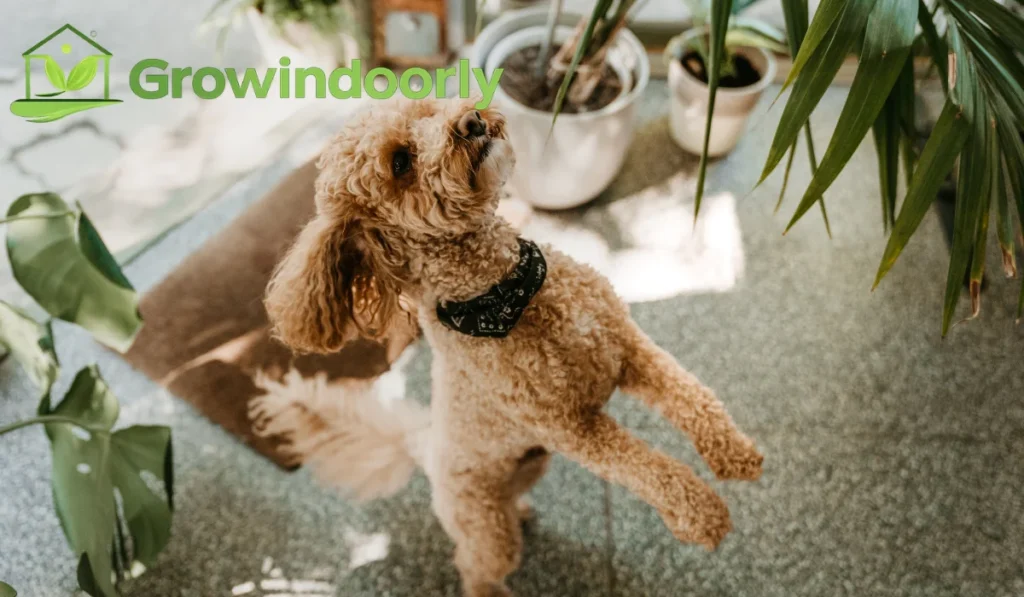
Even in a carefully chosen pet-safe home, accidents happen, and a gifted plant or a mislabeled purchase can put a toxic species within reach. If you catch your pet chewing a plant, stay calm, gently remove any plant material from their mouth, and rinse the mouth with plain water if they allow it. Move the plant out of reach and save a leaf or take a clear photo of it, because correct identification is the single most useful thing you can give your veterinarian.
Watch your pet closely for the next few hours. Drooling, pawing at the mouth, vomiting, diarrhea, loss of appetite, or unusual lethargy are all signs that you should call your veterinarian or the ASPCA Animal Poison Control hotline right away, even if you believe the plant was non-toxic. Do not induce vomiting unless a professional tells you to, and note roughly how much plant material was eaten and when it happened. Keeping a written list of every plant in your home, with botanical names, turns a stressful emergency into a quick, answerable phone call.
Conclusion
Creating a green indoor sanctuary does not mean compromising the safety of your beloved pets. By choosing verified non-toxic houseplants such as Spider Plants, Boston Ferns, Parlor Palms, and Peperomias, you can build a lush interior space that is safe for every member of your household. Focusing on proper indirect lighting, well-draining organic soil, consistent watering practices, and smart plant placement ensures long-term gardening success. Trust GrowIndoorly.com as your go-to guide for all your pet-safe plant care tips, indoor growing systems, and home gardening solutions.
Knowledge Check
Test your understanding of pet-safe houseplant care with these questions:
1. Which of the following houseplants is fully certified as non-toxic to cats and dogs?
- A) Pothos
- B) Peace Lily
- C) Spider Plant
- D) Monstera deliciosa
2. Why do plants like Pothos and Philodendrons cause oral irritation in pets?
- A) High levels of refined sugar
- B) Insoluble calcium oxalate crystals
- C) Natural caffeine content
- D) Heavy iron deposits
3. What is an effective method to stop cats from digging in potted plant soil?
- A) Covering topsoil with large, smooth river rocks
- B) Spraying plants with chemical bleach
- C) Adding extra water to topsoil daily
- D) Mixing coarse sand into potting soil
4. What is the primary advantage of choosing non-toxic houseplants for your home?
- A) They never require watering
- B) They grow without any light source
- C) They eliminate the risk of accidental chemical poisoning in pets
- D) They repel all indoor insect pests automatically
5. Which compact houseplant family offers thick, succulent-like leaves and complete pet safety?
- A) Dieffenbachia
- B) Peperomia
- C) Oleander
- D) Snake Plant
6. How should you water most pet-safe tropical plants to prevent surface soil mold and gnats?
- A) Keep soil submerged underwater continuously
- B) Allow topsoil to dry out slightly between thorough waterings
- C) Spray leaves with water once a month only
- D) Pour boiling water into the pot
Frequently Asked Questions
What are the safest pet friendly indoor plants for cats and dogs?
Spider Plants, Boston Ferns, Parlor Palms, Peperomias, Prayer Plants (Calathea/Maranta), and Ponytail Palms are among the safest non-toxic indoor plants. They contain no chemical toxins or harmful sap compounds that cause severe illness in household animals.
Are Spider Plants completely safe for cats?
Yes, Spider Plants are certified non-toxic to cats and dogs by the ASPCA. However, Spider Plants contain mild compounds that produce a mild hallucinogenic or stimulating effect in cats, often enticing them to chew leaves. While safe, keeping them in hanging baskets prevents excessive leaf shredding.
What happens if a dog eats a non-toxic houseplant leaf?
Ingesting non-toxic plant leaves will not cause chemical poisoning, organ failure, or serious medical emergencies. However, because domestic pets do not digest rough plant fiber easily, eating large quantities may result in mild, temporary stomach upset or vomiting.
How can I stop my cat from digging in indoor plant pots?
Covering exposed topsoil with a layer of large, smooth river stones or heavy decorative pebbles effectively prevents cats from digging in dirt. Additionally, elevating pots onto narrow plant stands or hanging baskets keeps containers completely out of reach.
Are Monstera and Pothos plants pet-safe?
No, Monstera and Pothos varieties are not pet-safe. They contain insoluble calcium oxalate crystals that cause immediate mouth irritation, oral burning, drooling, difficulty swallowing, and vomiting if chewed by dogs or cats.
How do I check if a houseplant is toxic to pets?
Always check a plant’s official botanical name against the ASPCA Animal Poison Control database or consult certified veterinary resources before bringing new greenery home. Do not rely solely on common nursery labels, which can sometimes be vague or misleading.
Are organic fertilizers safe to use around house pets?
Organic liquid fertilizers like kelp meal or diluted fish emulsion are safer alternatives to chemical formulas. However, always store unused fertilizer out of reach, and keep pets away from freshly watered pots until excess liquid drains away completely.
Can I grow indoor plants in water if I have pets?
Yes, growing pet-safe plants hydroponically or in water jars using expanded clay pebbles (LECA) is an excellent option. It eliminates dirt digging mess entirely; just ensure water containers are heavy or secured so pets cannot tip them over.

Megan Foster is the founder and lead writer of GrowIndoorly.com, where she shares practical, easy-to-follow advice for growing healthy indoor plants. She is passionate about helping beginners and experienced plant lovers build thriving indoor gardens with confidence. Megan writes about houseplants, indoor herbs, succulents, hydroponics, grow lights, plant propagation, watering, soil care, and everyday plant maintenance.
She enjoys researching trusted gardening techniques and transforming them into simple, actionable guides that readers can easily apply at home. Her goal is to make indoor gardening more enjoyable and accessible by providing clear, reliable information that helps people keep their plants healthy throughout the year. Whether you’re caring for your first houseplant or expanding your indoor plant collection, Megan’s practical tips are designed to help you grow with confidence.