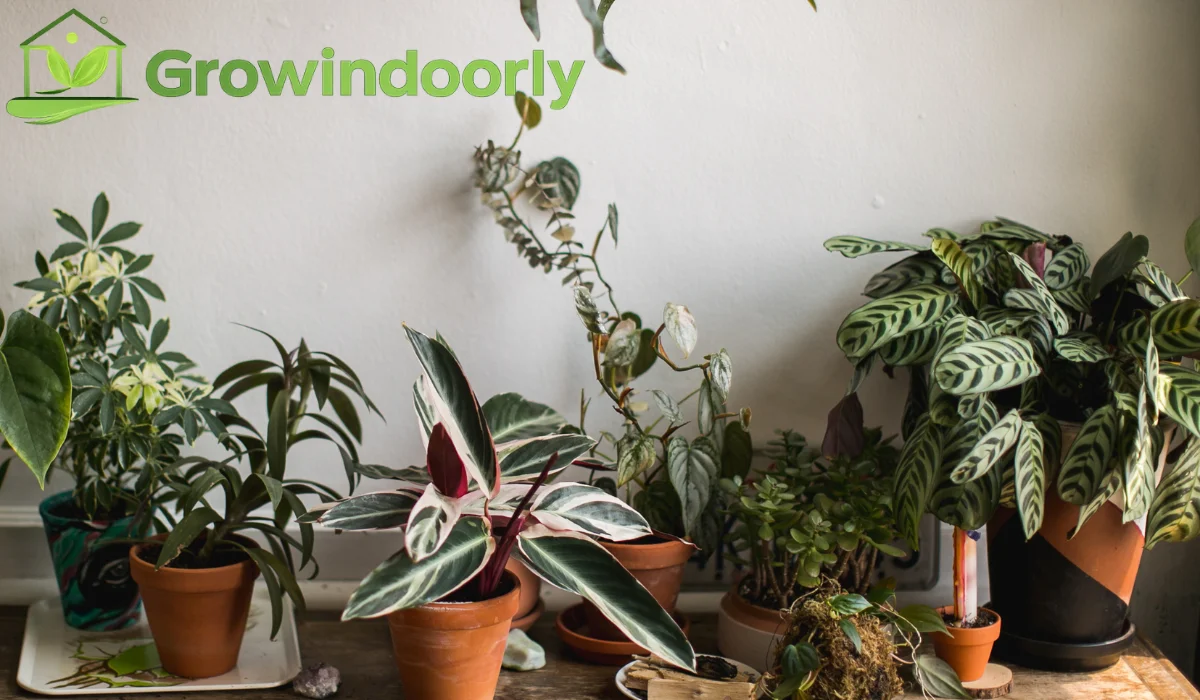
Bringing curious pets into a house filled with lush greenery often leads to an unexpected challenge. Curious cats and energetic dogs love exploring indoor leaves, which can accidentally put their health at risk. Finding pet safe indoor plants allows you to build a beautiful home oasis without constantly worrying about toxicity.
Navigating plant labels at the nursery can quickly feel overwhelming for plant owners. Many popular indoor houseplants contain hidden toxins that cause drooling, vomiting, or worse if chewed. Choosing verified pet safe indoor plants removes the guesswork so your furry family members stay completely protected.
In this guide, you will discover the best non-toxic houseplant varieties for every light level. We will walk through essential care steps, safe soil mixes, pest solutions, and smart placement strategies to keep your space thriving.
By matching the right pet safe indoor plants to your specific home conditions, you can enjoy vibrant foliage and peace of mind. Let’s explore how to create a healthy green space for your entire household.
Understanding Pet Safe Indoor Plants and Plant Toxicity
Indoor plants bring vibrant energy, fresh air, and natural beauty into our living spaces. However, understanding how plants interact with house pets is essential for every pet owner. Plant toxicity varies widely across different species. Some plants cause mild mouth irritation, while others contain severe toxins that affect organ function in dogs and cats.
Tox-producing plants generally contain compounds like calcium oxalate crystals, saponins, or toxic alkaloids. When a pet chews on a toxic leaf, these microscopic crystals penetrate delicate oral tissues, triggering swelling, irritation, excessive salivation, and digestive distress. True pet safe options lack these harmful chemicals, meaning accidental nibbling will not send your pet to the emergency clinic.
Why Choosing Non-Toxic Houseplants Matters
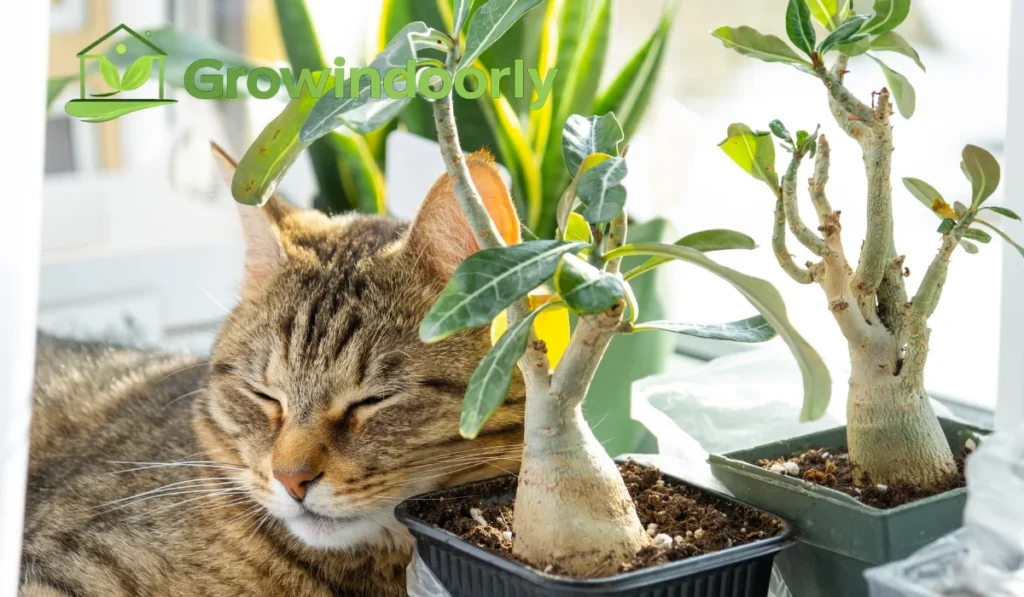
Creating a stress-free environment relies on proactive prevention. Pets explore their surroundings using their noses and mouths. Young kittens, energetic puppies, and bored indoor pets are naturally drawn to moving leaves and dangling vines.
Using non-toxic greenery gives you confidence and peace of mind. You no longer need to hover over your pet or panic whenever a leaf falls onto the floor. Investing in safe plants ensures that your home remains a relaxing sanctuary for both humans and animals.
Benefits of Building a Pet-Friendly Indoor Jungle
Integrating safe plants into your living area offers several distinct lifestyle and health advantages:
- Improved Indoor Air Quality: Non-toxic plants help filter common household toxins, releasing clean oxygen back into your living space.
- Reduced Mental Stress: Tending to green spaces lowers cortisol levels and creates a calming atmosphere.
- Pet-Safe Enrichment: Safe plants add gentle visual and sensory interest to your pet’s environment without physical risk.
- Aesthetic Appeal: You can design rich, layered spaces using diverse textures, colors, and visual styles without sacrificing safety.
Identifying Toxic vs Non-Toxic Plant Varieties
Before buying new greenery, learning how to distinguish safe plants from dangerous ones is critical. Common house plants like Pothos, Monstera, Philodendron, and Peace Lilies contain calcium oxalates. True Lilies are exceptionally dangerous for cats, causing severe kidney failure from tiny amounts of pollen or leaf matter.
Safe alternatives offer similar visual beauty without the chemical danger. For example, trade a toxic Pothos for a safe Peperomia or trade a Dieffenbachia for a lush Calathea. Always double-check scientific plant names against trusted databases like the ASPCA toxic and non-toxic plant list before bringing new specimens home.
Essential Tools and Equipment for Indoor Plant Care
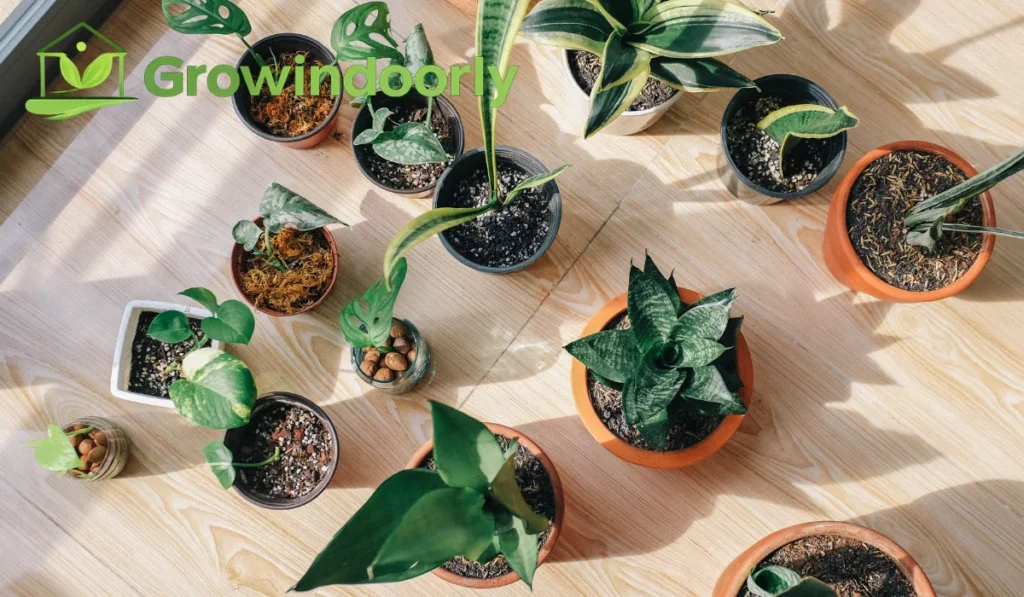
Having the right tools simplifies routine care and keeps your plants healthy:
- BPA-Free Watering Can: A narrow-spout watering pot directs water right to the soil without splashing leaves.
- Pruning Shears: Clean, sharp shears help remove dead foliage quickly.
- Moisture Meter: Prevents overwatering by measuring root-zone wetness accurately.
- Drainage Trays and Saucers: Catches excess runoff water to protect your floors and furniture.
- Plant Stands and Wall Hangers: Keeps pots stable and elevates delicate foliage away from heavy pet play areas.
Best Pet Safe Indoor Plants for Beginners
If you are starting your indoor garden journey, these hardy, non-toxic varieties are exceptionally forgiving:
Spider Plant (Chlorophytum comosum)
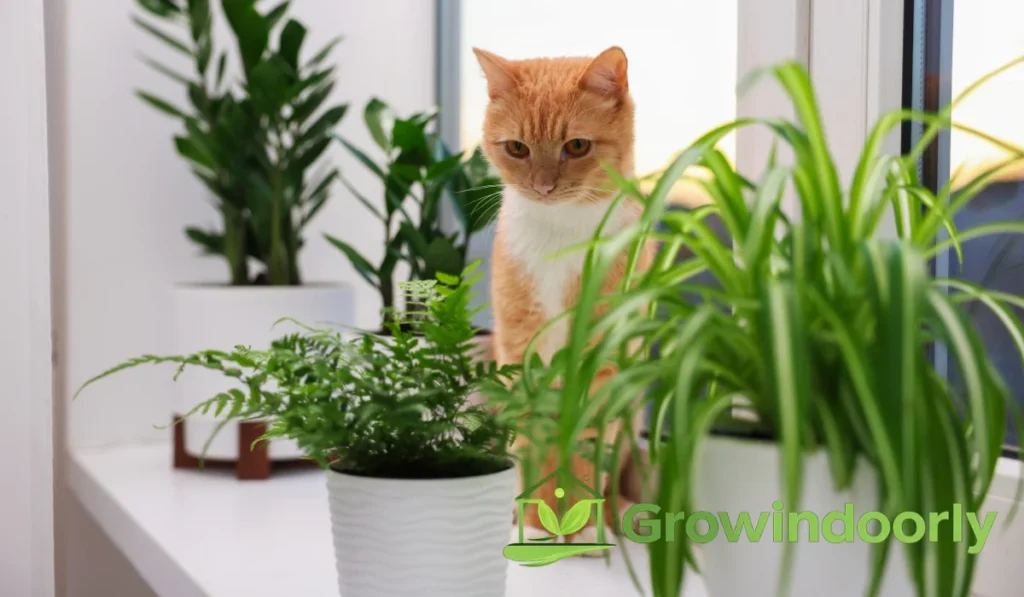
Spider plants feature arching, ribbon-like leaves and produce tiny offshoots called plantlets. They tolerate irregular watering and survive in varied light environments. Cats are often attracted to their movement, making non-toxicity a huge relief.
Parlor Palm (Chamaedorea elegans)
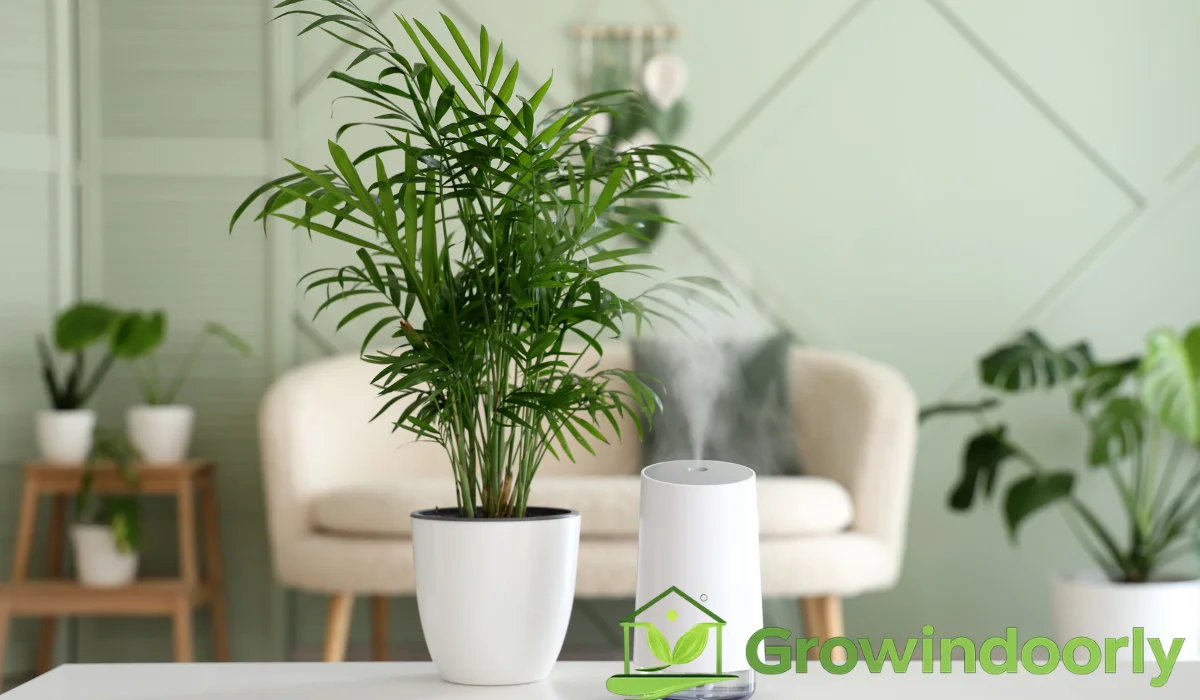
This slow-growing palm brings classic tropical elegance indoors. It thrives in medium light, stays compact for years, and poses zero threat to curious cats and dogs.
Boston Fern (Nephrolepis exaltata)
Famous for its feathery, bright green fronds, the Boston Fern excels in humid spaces like bathrooms or kitchens. It adds rich texture to hanging baskets out of reach of playful paws.
Peperomia Varieties (Peperomia caperata, Peperomia obtusifolia)
Peperomias feature thick, succulent-like leaves in dozens of patterns and shapes. They store moisture in their stems, forgiving occasional missed waterings while staying completely pet-friendly.
African Violet (Saintpaulia)
For bright blooms without danger, African Violets are an ideal choice. Their fuzzy foliage and purple, pink, or white flowers bring charming color to window sills.
Lighting Requirements for Safe Indoor Plants
Matching your plants to appropriate light levels ensures steady growth and prevents common stresses.
- Bright, Indirect Light: Perfect for Peperomia, African Violets, and Hoyas. Position them near east-facing windows or set them back a few feet from intense south-facing glass.
- Medium to Low Light: Ideal for Parlor Palms, Cast Iron Plants, and Spider Plants. These varieties perform well in north-facing rooms or quiet office spaces.
- Supplemental Grow Lighting: If natural light is limited, use full-spectrum LED grow lights positioned 12 to 24 inches above your plant canopy. Keep lights on for 10 to 12 hours daily to mimic natural daylight cycles.
Proper Watering Methods for Indoor Foliage
Overwatering is the leading cause of houseplant failure. Roots require oxygen as much as they require moisture.
- The Soil Touch Test: Insert your finger two inches into the soil. If it feels dry, water thoroughly. If it feels cool and damp, wait a few days.
- Bottom Watering Technique: Set your potted plant inside a basin filled with two inches of standing water. Allow the soil to soak up water through the drainage holes for 20 to 30 minutes, then drain the excess. This protects delicate foliage from moisture buildup.
- Water Quality: Use room-temperature filtered water or let tap water sit out overnight to allow chlorine to evaporate, preventing leaf-tip burn on sensitive plants like Calatheas.
Selecting the Right Soil Medium
Healthy roots need well-draining, airy potting mixes. Standard heavy outdoor soil compacts inside pots, suffocating roots and encouraging fungal growth.
Mix your own potting substrate using three equal parts:
- Quality organic peat moss or coconut coir (for moisture retention)
- Perlite or pumice (for drainage and aeration)
- Composted bark or fine orchid bark (for structural support)
Avoid commercial soils containing pre-mixed chemical fertilizers or systemic pesticides if your pets like to dig in pot soil.
Temperature Control for Healthy Houseplants
Most non-toxic tropical plants thrive in normal home temperatures between 65°F and 75°F (18°C to 24°C).
Avoid placing plants near direct cold drafts, open winter windows, air conditioning vents, or heating radiators. Rapid temperature fluctuations cause leaf drop, stress, and slowed growth rates.
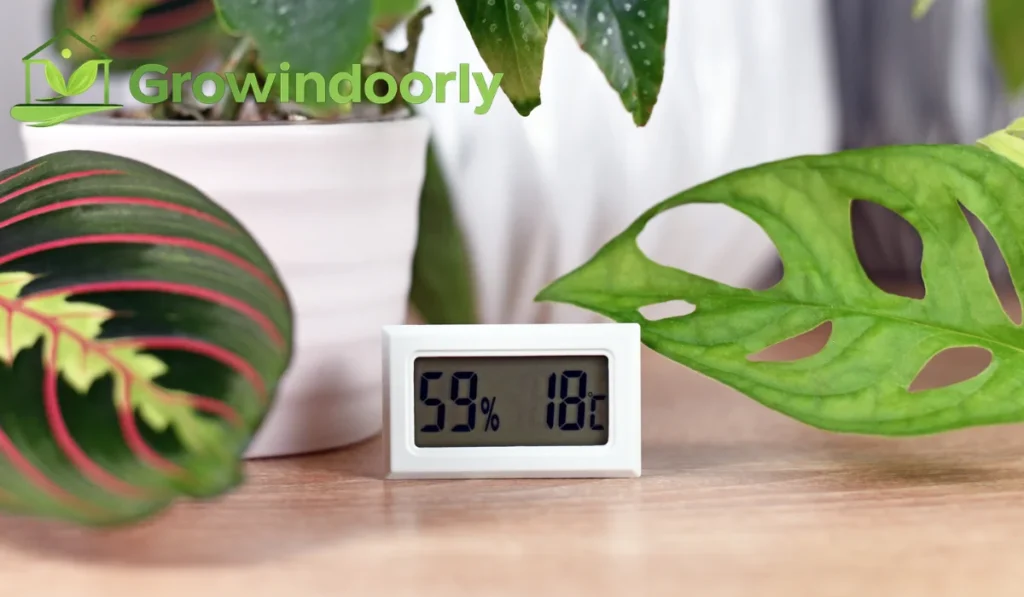
One more safeguard worth adding: watch nighttime temperatures, especially if pots sit on a windowsill. Glass panes can get several degrees colder than the rest of the room after dark, and a thermometer placed right at plant level often reveals a bigger gap than you would expect. If your overnight lows dip below 55°F (13°C), slide plants a few inches back from the glass or onto a warmer shelf until morning. Spider plants and parlor palms tolerate these brief dips fine, but calatheas and maidenhair ferns stay healthier when kept steadily above 60°F.
Managing Humidity Levels Indoors
Tropical species like Boston Ferns, Calatheas, and Marantas need elevated humidity levels (50% to 60%) to prevent leaf margins from turning crisp and brown.
Boost ambient humidity safely with these methods:
- Room Humidifiers: Run a cool-mist humidifier near your plant collection.
- Pebble Trays: Place potted plants on trays filled with decorative pebbles and water. Ensure the pot base sits above the water level.
- Grouping Plants: Grouping several plants creates a natural microclimate, trapping transpirational moisture.
Fertilizer and Nutrient Needs
Indoor plants growing in pots require regular nutrient replenishment during their active growth phases.
Feed your plants every two to four weeks during spring and summer using a balanced, water-soluble organic fertilizer diluted to half strength. Look for organic fish emulsion, seaweed extract, or worm casting teas. Stop fertilizing during autumn and winter when plant growth naturally slows.
Routine Plant Maintenance and Cleaning
Regular maintenance keeps your indoor jungle looking vibrant while preventing pest problems:
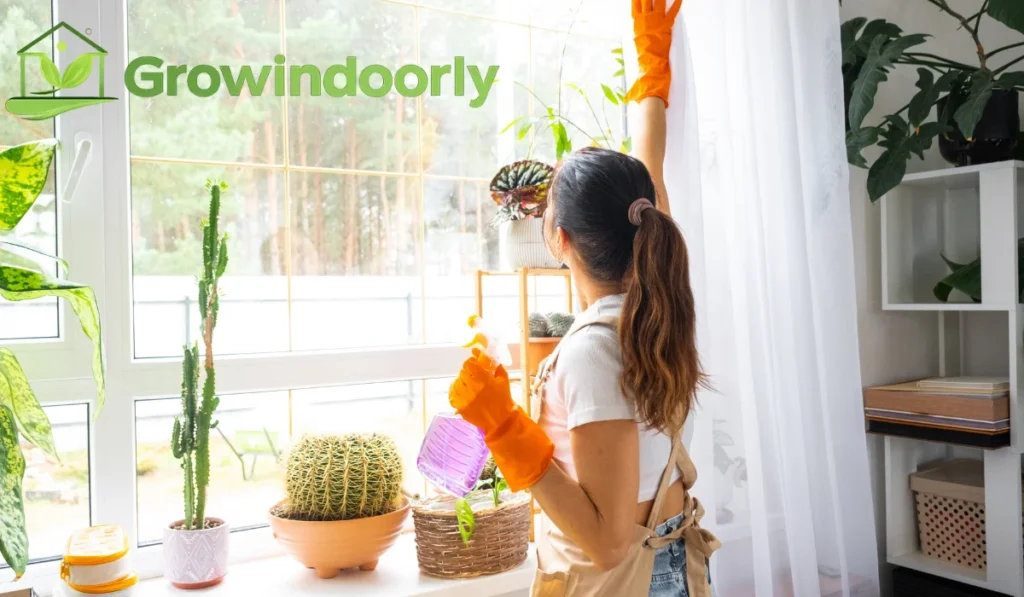
- Dusting Leaves: Wipe large leaves down monthly using a damp microfiber cloth to remove dust accumulation, allowing leaves to photosynthesize efficiently.
- Pruning: Cut away yellow, damaged, or aging leaves near the plant base using sterile shears.
- Pot Maintenance: Wipe down outer pots and saucers to prevent algae and mineral buildup.
Seasonal Care Adjustments
Plant care routines should shift alongside seasonal weather changes:
- Spring & Summer: Increase watering frequency, begin fertilizing routines, and monitor for unexpected sun scorch as solar intensity increases.
- Autumn & Winter: Reduce watering significantly as growth slows down. Move plants closer to light sources to capture shorter daylight hours, and shield them from cold drafts.
Common Mistakes Beginners Make
Avoid these frequent mistakes when starting out:
- Pots Without Drainage: Using containers without bottom drainage holes causes stagnant water to collect, leading quickly to root rot.
- Overwatering Out of Love: Watering on a rigid calendar schedule rather than checking soil moisture leaves roots waterlogged.
- Ignoring Pet Digging: Allowing dogs or cats to dig in pot soil exposes them to moldy organic matter and root damage. Cover exposed soil with large decorative river rocks to discourage digging.
- Skipping Plant Verification: Assuming all green plants sold in supermarket floral sections are non-toxic without checking scientific names first.
Troubleshooting Common Houseplant Problems
When issues surface, use this quick breakdown to diagnose and fix them:
- Yellow Leaves: Usually caused by overwatering or soil that drains too slowly. Let soil dry out further between waterings.
- Browning Leaf Tips: Indicates low room humidity, excessive fertilizer salt buildup, or hard tap water minerals. Switch to filtered water and increase ambient moisture.
- Wilting Foliage: Can signal either severe under-watering or advanced root damage from overwatering. Check soil moisture immediately.
- Fungus Gnats: Tiny flies flying around soil indicate excess surface moisture. Allow the top two inches of soil to dry completely between waterings, and apply beneficial nematodes or mosquito bits to eliminate larvae.
Expert Tips for Pet-Proofing Your Plant Setup
Keeping both plants and pets safe requires clever positioning and gentle training:
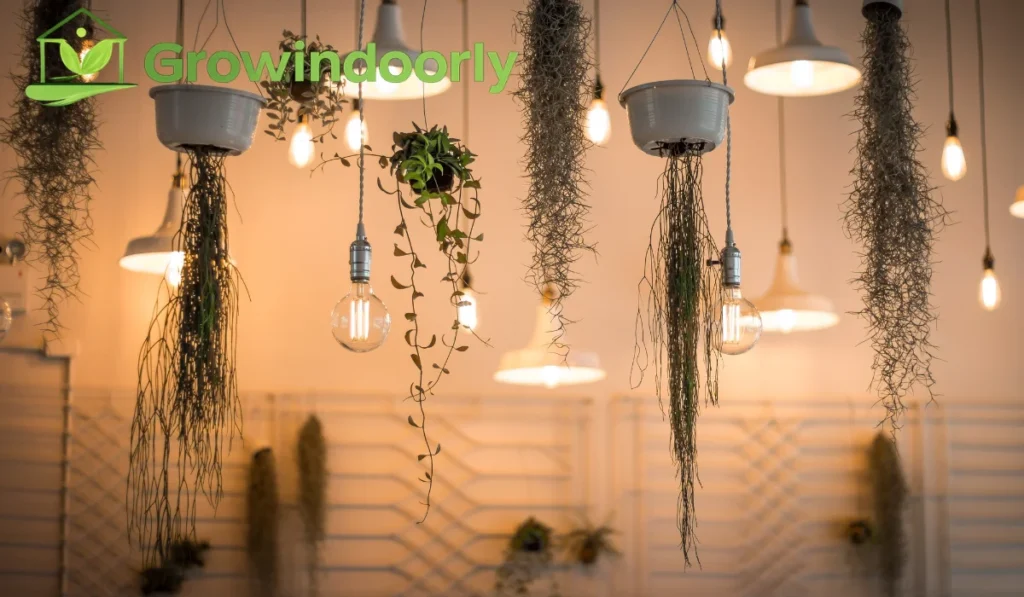
- Elevate Your Display: Use sturdy wall shelves, high bookcases, and ceiling hooks to keep trailing stems away from curious paws.
- Discourage Digging: Place heavy, smooth river stones directly over the topsoil layer to stop pets from treating pots like litter boxes or dig sites.
- Provide Pet Grass: Grow dedicated pots of pet-safe wheatgrass or cat grass nearby. Offering pets their own safe greens distracts them from your ornamental collection.
- Use Citrus Sprays: Lightly misting non-porous pot bases with water infused with lemon juice serves as a natural, safe pet repellent.
Advanced Strategies for Growing Healthy Green Spaces
Once you master basic care, consider expanding your setup using modern indoor growing techniques:
- Self-Watering Planters: Utilize sub-irrigation pots to supply steady moisture straight to root zones without over-wetting topsoil layers.
- Hydroponic Setup: Grow clean, soil-free plants like Spider Plants or Peperomias in decorative glass vessels filled with water and liquid nutrients, completely eliminating dirt messy pets could spill.
- Full-Spectrum Grow Light Arrays: Mount slim LED light bars underneath shelving units to build lush, multi-tiered plant displays in rooms lacking natural windows.
Placing Pet-Safe Plants Room by Room
Livable light differs from room to room, so match the plant to the spot instead of fighting the conditions. In a bright living room, a parlor palm or spider plant handles the extra sun and becomes a sturdy anchor piece that curious pets learn to walk past. For a low-light bedroom, try a cast iron plant or Boston fern; both are non-toxic and actually prefer the softer light, and a hanging fern on a ceiling hook stays completely out of paw range.
In a humid bathroom, Boston ferns and spider plants thrive on the steamy air from daily showers and rarely need misting. A sunny kitchen windowsill suits African violets or a small herb pot, since you see them daily and will notice wilting or soil dryness early. Wherever you place them, keep a two-foot buffer from couch arms and cat trees so tails and climbing attempts cannot knock pots over.
Conclusion
Creating a flourishing indoor garden does not mean you have to compromise the safety of your beloved pets. By choosing non-toxic plant varieties, mastering proper light and moisture needs, and setting up pet-friendly displays, you can build a vibrant indoor sanctuary everyone enjoys.
Remember to double-check new additions, monitor your watering routine, and adjust care as seasonal light shifts. For more expert guides, plant care tutorials, and pet-safe growing inspiration, explore our full library of resources here at GrowIndoorly.com.
Knowledge Check
Test your understanding of pet-friendly indoor plant care with these questions:
Question 1
Which of the following indoor plants is non-toxic to cats and dogs?
A) Pothos
B) Monstera Deliciosa
C) Spider Plant
D) Peace Lily
Question 2
What is the main cause of yellowing leaves in indoor houseplants?
A) High room humidity
B) Overwatering and poor soil drainage
C) Adequate natural light
D) Dust on leaves
Question 3
Which palm variety is EXTREMELY toxic to household pets and should be avoided?
A) Parlor Palm
B) Areca Palm
C) Sago Palm
D) Ponytail Palm
Question 4
What natural barrier effectively prevents pets from digging topsoil out of pots?
A) Plastic wrapping
B) Smooth, heavy river rocks
C) Loose sand
D) Dry fallen leaves
Question 5
Which humidity-loving pet safe plant excels in bright, indirect light environments?
A) Calathea
B) Boston Fern
C) African Violet
D) Peperomia
Answer Key
- Question 1: C)
- Question 2: B)
- Question 3: C)
- Question 4: B)
- Question 5: C)
Frequently Asked Questions
Are Spider Plants completely safe for cats and dogs?
Yes, Spider Plants (Chlorophytum comosum) are non-toxic to both cats and dogs according to ASPCA standards. However, cats are often drawn to their hanging foliage because the plant contains mild hallucinogenic compounds that produce a light stimulatory effect. While nibbling will not poison your cat, consuming large quantities can cause mild stomach upset or vomiting.
What should I do if my pet eats a toxic plant?
If you suspect your pet consumed a toxic plant, immediately remove any plant remnants from their mouth. Safely identify the plant species, take clear photographs, and immediately contact your veterinarian or a 24/7 animal poison control helpline. Do not attempt to induce vomiting at home without direct professional instruction.
Can I make a toxic plant pet safe by putting it on a high shelf?
While placing toxic plants high up reduces immediate access, it is not completely foolproof. Cats are agile jumpers, and falling leaves or broken stems can easily land on lower surfaces where pets can reach them. For complete peace of mind, choosing exclusively pet safe indoor plants remains the safest approach.
Why are my pet safe plant leaves turning brown at the tips?
Browning leaf tips are usually caused by low environmental humidity, tap water mineral buildup, or dry soil. Tropical varieties like Calatheas and ferns are especially sensitive to hard water chemicals. Switch to filtered or rainwater and run a cool-mist humidifier near your plants to keep leaf edges green and healthy.
Which indoor palms are safe for household pets?
Parlor Palms (Chamaedorea elegans), Areca Palms (Dypsis lutescens), and Ponytail Palms (Beaucarnea recurvata) are safe choices for homes with pets. Avoid bringing Sago Palms into your home, as they are not true palms and are extremely toxic to animals.
How do I stop my cat from digging in indoor plant soil?
To keep cats from digging, cover topsoil with a layer of smooth river stones or heavy decorative pebbles too large for them to scoop out. Alternatively, press pine cones into the surface or install mesh soil covers beneath the foliage. Providing a dedicated pot of safe cat grass also redirects their digging instincts.
Do pet safe plants clean indoor air effectively?
Yes, non-toxic plants like Boston Ferns, Spider Plants, and Bamboo Palms effectively clean indoor air. They absorb airborne volatile organic compounds, trap fine dust particles, and release fresh oxygen through natural photosynthesis without posing chemical risks to pets.
Are Succulents safe to grow around pets?
Some succulents are non-toxic, while others carry significant toxicity. Echeveria, Haworthia, and Burro’s Tail are pet-safe succulent options. However, Jade plants (Crassula) and Aloe Vera are toxic to cats and dogs and should be avoided in accessible areas.

Megan Foster is the founder and lead writer of GrowIndoorly.com, where she shares practical, easy-to-follow advice for growing healthy indoor plants. She is passionate about helping beginners and experienced plant lovers build thriving indoor gardens with confidence. Megan writes about houseplants, indoor herbs, succulents, hydroponics, grow lights, plant propagation, watering, soil care, and everyday plant maintenance.
She enjoys researching trusted gardening techniques and transforming them into simple, actionable guides that readers can easily apply at home. Her goal is to make indoor gardening more enjoyable and accessible by providing clear, reliable information that helps people keep their plants healthy throughout the year. Whether you’re caring for your first houseplant or expanding your indoor plant collection, Megan’s practical tips are designed to help you grow with confidence.