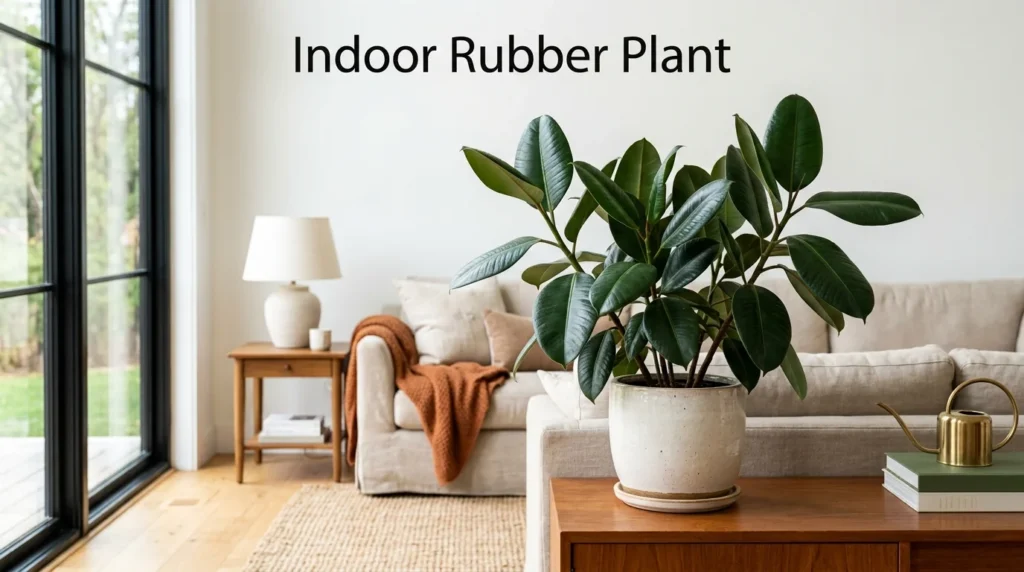
An indoor rubber plant (Ficus elastica) is one of the most striking, resilient houseplants you can add to your home. With its thick, glossy leaves and bold vertical structure, this classic botanical favorite effortlessly transforms dull living rooms into vibrant indoor green spaces.
However, many beginner indoor plant growers run into frustrating issues like sudden leaf drop, drooping foliage, or stubborn dust buildup. Balancing light levels, root moisture, and indoor humidity can feel confusing without a clear step-by-step care plan.
By learning proper care techniques, you can easily turn a struggling pot into a thriving focal point. This complete guide breaks down everything you need to know about growing an indoor rubber plant successfully, from ideal soil mixes to expert maintenance.
Understanding the Indoor Rubber Plant (Ficus elastica)
The indoor rubber plant, botanically known as Ficus elastica, belongs to the Moraceae (fig) family. Native to the tropical regions of Southeast Asia, particularly India, Nepal, and Indonesia, this plant grows into a massive tree reaching over 100 feet tall in its natural habitat. Outdoors, its expansive aerial roots anchor it into rainforest floors.
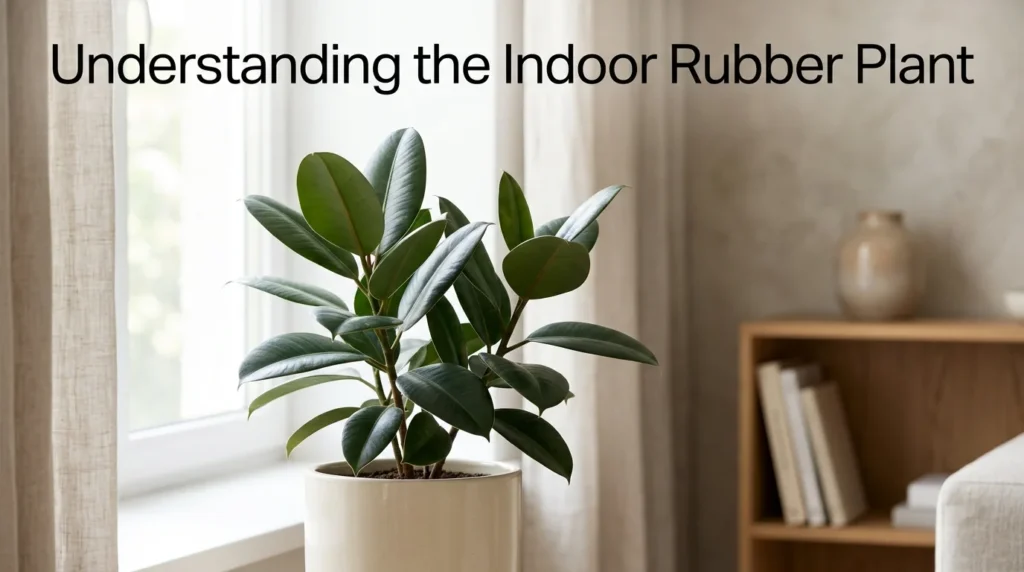
When grown indoors as a potted houseplant, it adapts wonderfully to container life, typically reaching between 4 to 10 feet in height. What makes this plant iconic is its broad, thick, leather-like leaves that feature a deep, glossy sheen. The leaves emerge wrapped in a bright red or pink sheath (known as a cataphyll), which gracefully sheds as the leaf unfolds.
Understanding its tropical roots gives you the ultimate advantage when caring for it indoors. In nature, it receives dappled sunlight through tree canopies, rich organic soil, warm temperatures, and high humidity. Replicating these core forest conditions in your apartment or home is the key to maintaining a lush, long-lived specimin.
Why the Rubber Plant is Essential for Indoor Spaces
Adding a rubber plant to your collection offers far more than just visual appeal. It serves as an anchor plant in interior design while actively improving your living environment.
Air Purification Properties
Rubber plants possess massive, thick leaf surfaces that excel at filtering common indoor air pollutants. During photosynthesizing hours, their foliage helps reduce airborne toxins such as formaldehyde, xylene, and toluene, which often off-gas from furniture, synthetic carpets, and wall paints.
Modern Aesthetic Appeal
With architectural lines and deep forest-green foliage, these plants fit seamlessly into almost any home decor style—from minimalist Scandinavian layouts to modern industrial apartments. A mature plant instantly adds height, structure, and vibrant color to empty corners.
Forgiving Nature for Beginners
Unlike finicky tropicals like the Fiddle-Leaf Fig (Ficus lyrata), the rubber plant is remarkably durable. Its thick, waxy leaves retain moisture well, making it far more forgiving if you occasionally forget to water it or experience minor seasonal temperature shifts.
Popular Varieties of Indoor Rubber Plants
While the traditional dark-green variety remains a classic, several eye-catching cultivars offer varied leaf patterns and colors:
- Ficus elastica ‘Decora’: The classic rubber plant featuring broad, dark green, glossy leaves with a prominent white or cream midrib underneath.
- Ficus elastica ‘Burgundy’ (or ‘Black Prince’): Extremely popular for its dramatic, near-black, deep burgundy foliage and bright red central leaf sheaths.
- Ficus elastica ‘Tineke’: A gorgeous variegated variety with leaves painted in shades of dark green, soft mint green, cream, and subtle pink blush.
- Ficus elastica ‘Ruby’: Similar to ‘Tineke’, but features vivid hot pink, ruby-red, and cream variegation, requiring slightly brighter light to keep its color intense.
- Ficus elastica ‘Robusta’: Known for broad, oval, thick green leaves that are slightly shorter and more compact than ‘Decora’, making it extra resilient indoors.
Essential Lighting Requirements
Light is the single most critical factor determining whether your plant thrives or stalls.
The Ideal Light Window
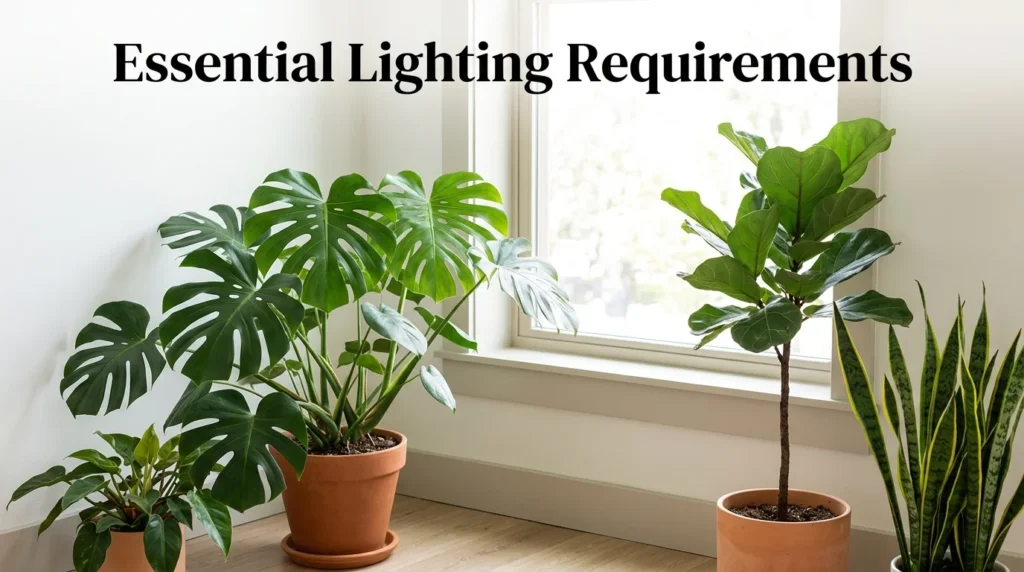
Your plant performs best in bright, indirect sunlight. Place it near an east-facing window where it receives gentle morning sun, or a few feet away from an unobstructed south- or west-facing window.
Navigating Direct Sunlight vs. Deep Shade
- Direct Sun Warnings: Harsh, direct mid-day sunlight shining through untreated glass can scorch the foliage, leaving permanent brown burn patches on the broad leaves.
- Low Light Hazards: Placing the plant in a dark corner causes weak, leggy stems with wide spacing between leaves. Variegated varieties like ‘Tineke’ and ‘Ruby’ will lose their unique coloring and revert to solid green.
Using Artificial Grow Lights
If your living space lacks sufficient natural sunlight, install full-spectrum LED grow lights. Position the fixture 12 to 24 inches above the top leaves and run it for 10 to 12 hours daily to maintain tight node growth and vibrant leaf gloss.
How to Water Your Indoor Rubber Plant Correctly
Improper watering accounts for nearly 80% of houseplant failures. Mastering the soil-check technique keeps your plant healthy for years.
The “Dry Out” Rule
Never water on a strict calendar schedule. Instead, feel the potting mix. Allow the top 2 to 3 inches of soil to dry out completely between waterings. Insert your finger or a wood chopstick deep into the container; if it comes out clean and dry, it is time to water.
Step-by-Step Watering Method
- Take your pot to a sink, tub, or outdoor patio (if warm).
- Pour room-temperature, filtered water evenly over the top of the soil until it drains freely out of the bottom drainage holes.
- Allow all excess water to drain out completely for 15 minutes.
- Empty the saucer or cachepot under the plant. Never leave roots sitting in stagnant runoff water.
Seasonal Moisture Adjustments
During spring and summer (active growth season), your plant consumes water rapidly and may need hydration every 7 to 10 days. In late autumn and winter (dormancy period), growth slows dramatically, meaning watering may only be needed every 2 to 4 weeks.
Best Soil Mix and Container Setup
To prevent root rot, you must provide a well-draining, airy potting medium. Regular garden soil or heavy potting soil packs down over time, suffocating the root system.
DIY Potting Mix Recipe
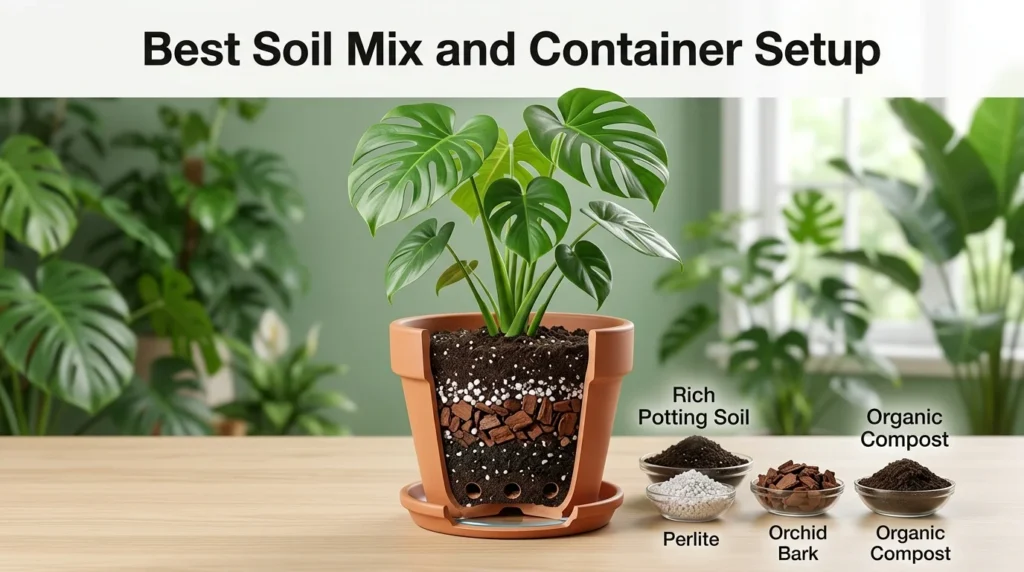
Mix a rich, fast-draining substrate using these standard proportions:
- 2 parts quality peat moss or coco coir (for moisture retention)
- 1 part perlite or coarse pumice (for drainage and aeration)
- 1 part orchid bark or pine nuggets (for air gaps and root support)
- 1 Handful of horticultural charcoal or worm castings (for nutrient health)
Drainage and Pot Selection
Always choose a container with functional bottom drainage holes. Terracotta pots are exceptional for beginners because their porous clay walls pull excess moisture out of the soil. Plastic or ceramic nursery pots placed inside decorative planters (cachepots) work well too, provided excess runoff is dumped immediately after watering.
Temperature and Humidity Needs
Because these plants hail from warm tropical rainforests, maintaining stable indoor atmospheric conditions keeps foliage vibrant.
Ideal Temperature Ranges
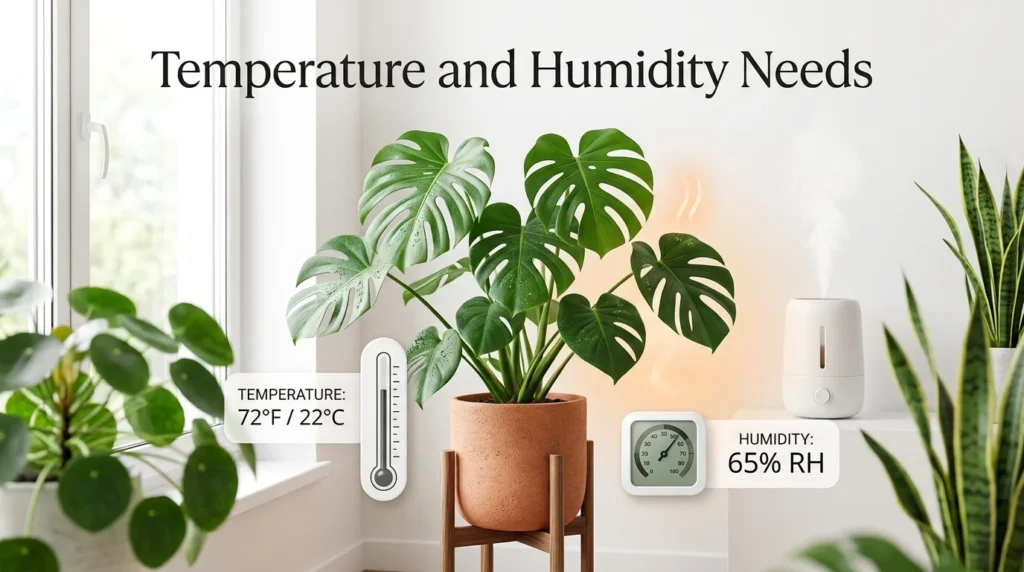
Keep temperatures between 65°F and 80°F (18°C to 27°C). Protect your plant from sudden drops below 55°F (13°C), as cold shocks trigger massive leaf loss. Keep plants clear of cold winter drafts from unsealed windows, exterior doors, and direct blasts from air conditioning vents or heating radiators.
Managing Indoor Humidity
While rubber plants adapt decently to standard home humidity levels (30–40%), they thrive in elevated ambient humidity between 50% and 60%.
- Group houseplants together to create a microclimate of natural transpiration.
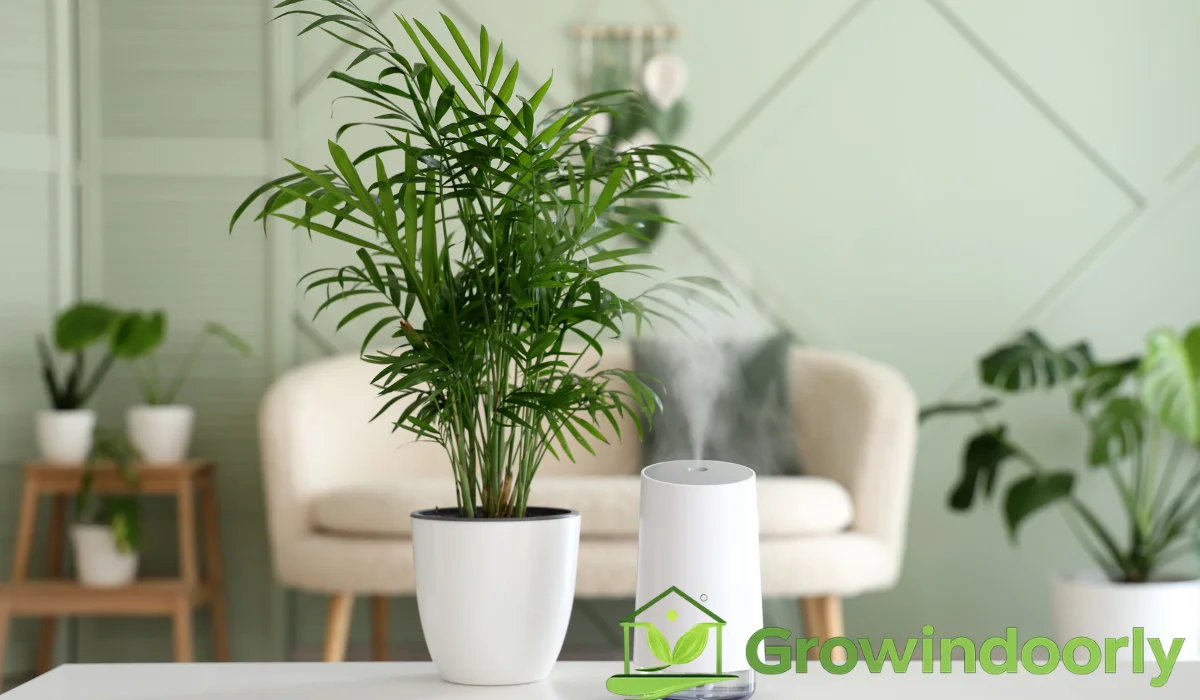
- Use a cool-mist room humidifier near your indoor garden space during dry winter months.
- Avoid relying solely on leaf misting, as wet leaves can attract fungal spot diseases if room airflow is stagnant.
Fertilization and Nutrient Guide
During peak growth months, rubber plants grow quickly and consume nutrients steadily.
What Fertilizer to Use
Feed with a balanced, water-soluble N-P-K fertilizer (such as a 10-10-10 or 20-20-20 formula) diluted to half strength. Alternatively, use an organic liquid kelp and fish emulsion blend to encourage strong tissue development without chemical leaf-tip burn.
Feeding Schedule
- Spring through Summer: Apply liquid fertilizer every 3 to 4 weeks during regular waterings.
- Fall through Winter: Pause all fertilization entirely. Forcing nutrients during low-light dormant periods leads to fertilizer salt buildup, burning root tips and yellowing leaf edges.
Maintenance Routine: Cleaning, Pruning, and Repotting
A clean, properly shaped plant remains active and disease-resistant.
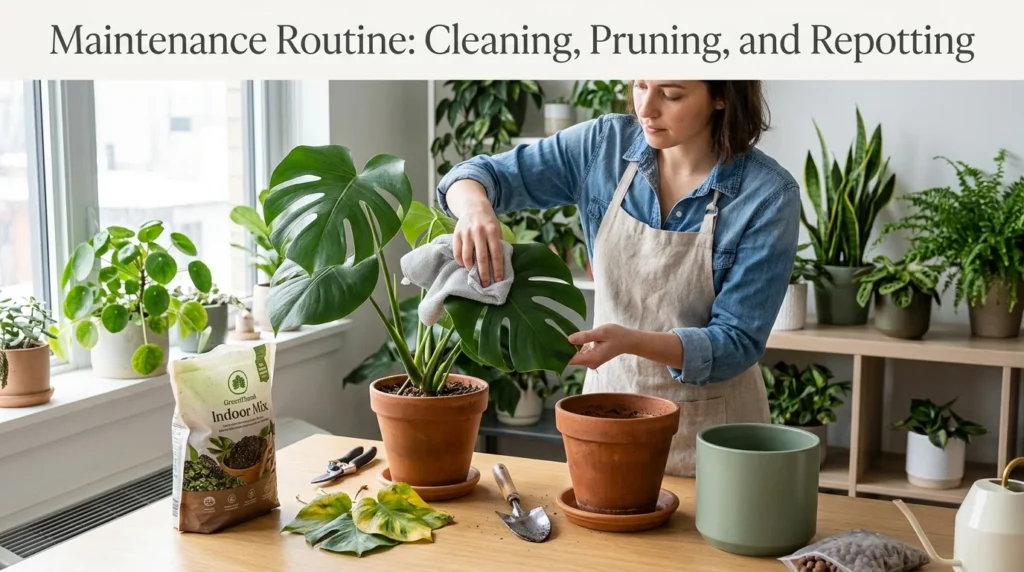
Cleaning Large Glossy Foliage
Dust coats wide leaves quickly, blocking light absorption and choking off leaf pores (stomata). Every 2 to 3 weeks, take a soft microfiber cloth dampened with lukewarm water and gently wipe down both sides of each leaf. Avoid commercial chemical leaf-shine products, which clog pores and trap dirt.
How and When to Prune
Pruning controls height, removes damaged leaves, and encourages a bushy, branching tree form rather than a single tall pole stem.
- Use sharp, bypass hand pruners sterilized with rubbing alcohol.
- Cut the stem just above a leaf node (the tiny bump where a leaf joins the main stem).
- Two new side branches will typically emerge from the node below your cut.
Safety Note: When stems are cut, they secrete a milky white latex sap. This latex can irritate sensitive skin and stain floors or rugs. Wear gloves and place a paper towel beneath cuts until the sap dries.
Repotting Guidelines
Repot every 2 years in spring, or when roots begin growing aggressively out of the bottom drainage holes. Move up only one pot size (2 inches larger in diameter than the current pot). Root systems placed in oversized pots stay surrounded by too much wet soil, leading to root rot.
Common Mistakes to Avoid
- Overwatering: The quickest way to kill a rubber plant. Soggy soil starves roots of oxygen, causing lower leaves to turn yellow and drop off.
- Frequent Relocation: Moving your plant back and forth between rooms forces it to constantly acclimate to shifting light levels, which triggers sudden leaf shedding. Pick a ideal spot and leave it there.
- Neglecting Dust Accumulation: Letting thick layers of dust sit on leaves slows photosynthesis, leading to weak growth and pale coloration.
- Using Pots Without Drainage: Planting directly into sealed containers traps water at the bottom, rotting roots quietly out of sight.
Troubleshooting Common Problems
| Problem | Likely Cause | Solution |
| Yellowing lower leaves dropping off | Overwatering / Wet root zone | Let soil dry out deeper; ensure pot drains freely. |
| Drooping, soft, curling leaves | Severe underwatering or root rot | Check soil moisture; if dry, soak pot thoroughly; if wet, inspect roots for damage. |
| Browning leaf tips or crisp edges | Low air humidity or fertilizer burn | Increase room humidity; flush soil with pure water to clear excess salts. |
| Loss of leaf variegation (turning solid green) | Insufficient light exposure | Relocate plant closer to a bright east- or south-facing window. |
| White sticky spots or fine web strands | Houseplant pests (Mealybugs, Spider Mites) | Wipe leaves down with insecticidal soap or diluted neem oil weekly. |
Step-by-Step Propagation Guide
Multiplying your collection is easy using stem cuttings in either water or soil.
Water Propagation Steps
- Select a healthy stem tip with 3 to 4 leaves and a visible growth node.
- Cut a 6-inch section using clean, sterile shears.
- Remove the lowest leaf to expose the bottom stem node.
- Let the cut tip dry for 30 minutes until the milky sap stops leaking.
- Place the cut stem node into a glass jar filled with clean water, keeping leaves above the water line.
- Position the jar in bright, indirect light, changing the water every 5 days.
- Roots will emerge in 4 to 6 weeks. Transpant into potting mix when roots reach 2 inches long.
Conclusion
Growing a vibrant indoor rubber plant comes down to striking a simple balance: bright indirect light, a well-draining soil mix, and allowing the potting medium to dry out partially between waterings. By giving your plant proper care, dusting its broad leaves regularly, and feeding it during warm growth seasons, you will enjoy a stunning, air-purifying tree that lasts for decades.
At GrowIndoorly.com, we believe anyone can master indoor gardening with the right tools and guidance. Put these expert techniques into practice today, and turn your home into a thriving indoor sanctuary!
Knowledge Check Quiz
Test your understanding of rubber plant care with this quick 5-question review.
1. What is the most reliable way to know when your rubber plant needs water?
- A) Water it strictly every 3 days.
- B) Check if the top 2 to 3 inches of soil feel dry.
- C) Water whenever the surface leaf looks dusty.
- D) Wait until every single leaf drops off.
2. Which light condition is ideal for maintaining rich leaf color without burning foliage?
- A) Direct, scorching mid-day sunlight for 8 hours.
- B) A pitch-black room with no windows.
- C) Bright, indirect light near a window.
- D) Deep shade under heavy furniture.
3. What should you do immediately if you cut a stem and white sap leaks out?
- A) Wipe it with bare hands and rub your eyes.
- B) Wear gloves, wipe the sap, and prevent it from dripping on carpets.
- C) Pour heavy chemical fertilizer directly onto the open wound.
- D) Submerge the entire mature plant underwater for 24 hours.
4. Why is it dangerous to plant a rubber plant in a pot without drainage holes?
- A) The pot will dry out too fast.
- B) Trapped excess water will cause root rot and kill the plant.
- C) It causes the plant to bloom flowers constantly.
- D) It turns all dark leaves into variegated leaves automatically.
5. How should you clean dust off the broad, waxy leaves of your plant?
- A) Spray them with harsh chemical household glass cleaners.
- B) Wipe both sides gently with a soft, damp microfiber cloth.
- C) Sand the leaf surfaces down with steel wool.
- D) Never touch or clean the leaves under any circumstance.
Answer Key: 1-B, 2-C, 3-B, 4-B, 5-B
Frequently Asked Questions
Are indoor rubber plants toxic to pets?
Yes. Rubber plants contain milky latex sap containing calcium oxalate crystals and ficin enzymes, which are toxic to dogs, cats, and humans if ingested. Keep plants out of reach of curious pets and small children.
Why is my rubber plant not growing new leaves?
Slow growth usually stems from low light exposure, dormant cold weather seasons, or depleted soil nutrients. Move the plant closer to a bright light source and apply a diluted fertilizer during spring and summer.
How tall do indoor rubber plants get?
Indoors, they usually reach 6 to 10 feet tall. You can easily cap their height by pruning the main central stem once it reaches your desired size.

Megan Foster is the founder and lead writer of GrowIndoorly.com, where she shares practical, easy-to-follow advice for growing healthy indoor plants. She is passionate about helping beginners and experienced plant lovers build thriving indoor gardens with confidence. Megan writes about houseplants, indoor herbs, succulents, hydroponics, grow lights, plant propagation, watering, soil care, and everyday plant maintenance.
She enjoys researching trusted gardening techniques and transforming them into simple, actionable guides that readers can easily apply at home. Her goal is to make indoor gardening more enjoyable and accessible by providing clear, reliable information that helps people keep their plants healthy throughout the year. Whether you’re caring for your first houseplant or expanding your indoor plant collection, Megan’s practical tips are designed to help you grow with confidence.