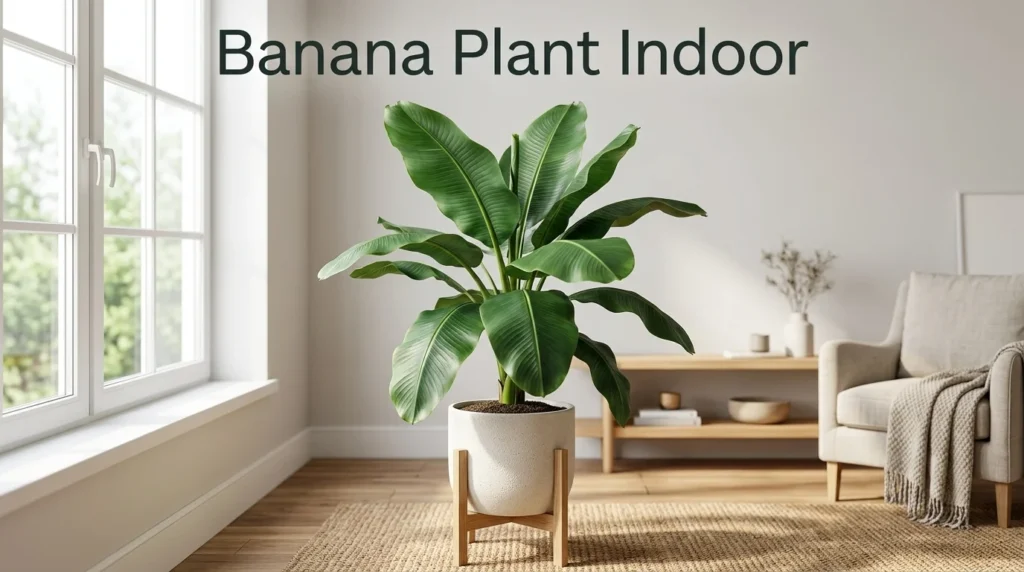
Bringing a dramatic tropical vibe into your living room starts with picking a bold centerpiece. Growing a banana plant indoor space gives you instant architectural impact with massive, arching green leaves that completely redefine your home setup.
Beginner growers often struggle because these fast-growing tropical giants demand far more light, water, and atmospheric moisture than standard houseplants. Bringing a banana plant indoor setup home without meeting these core needs quickly leads to torn leaves, drooping stems, and pest infestations.
Understanding how to care for these heavy feeders keeps your plant healthy and thriving year-round. You need precise information on pot sizing, soil drainage, humidity management, and seasonal light adjustments to keep those giant leaves lush and vibrant.
This comprehensive guide covers everything required to successfully cultivate a banana plant indoor environment. You will master essential care routines, prevent common mistakes, and transform your living space into a tropical oasis.
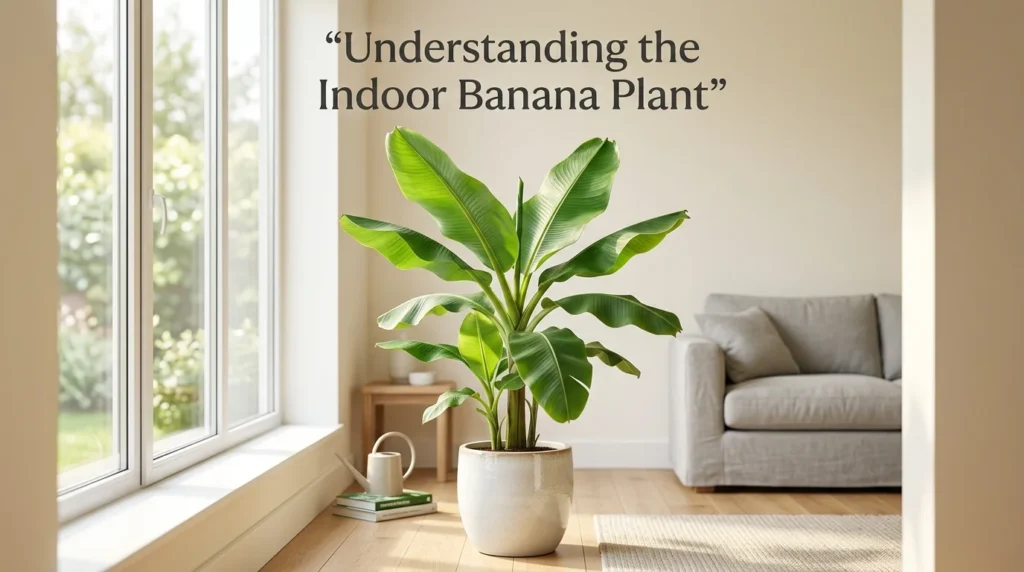
Understanding the Indoor Banana Plant
Despite their tree-like appearance, banana plants are technically giant herbaceous perennials. What looks like a sturdy woody trunk is actually a pseudostem a tightly wrapped column of overlapping leaf sheaths. From the center of this pseudostem, massive leaves unfurl in rapid succession during warm growing months.
Under natural conditions, these plants thrive in hot, humid tropical regions with rich soil and intense sunshine. Bringing them inside means replicating those tropical forest conditions as closely as possible. While fruiting indoors requires exceptional light and space, cultivating them purely for their lush, architectural foliage is completely achievable for home growers.
Why Growing an Indoor Banana Plant Matters
Adding a banana plant to your indoor collection provides a dramatic focal point that elevates your overall interior design. Unlike small desk plants or trailing vines, a mature banana plant makes a striking, sculptural statement in sunlit living rooms, sunrooms, or bright offices.
Cultivating a banana plant also deepens your skills as an indoor gardener. Because they grow so rapidly often pushing out a brand-new leaf every one to two weeks in peak summer they offer immediate visual feedback. Learning to balance their heavy water and nutrient demands builds confidence that applies to all your indoor plants.
Benefits and Advantages of Indoor Banana Foliage
Growing banana plants inside your home brings several unique advantages:
- Unmatched Tropical Aesthetics: The huge, paddle-shaped leaves bring lush, paradise-like energy to any living room corner.
- Rapid Growth Rate: Watching a new leaf roll up from the pseudostem and unfurl within days is incredibly satisfying.
- Natural Air Transpiration: Their massive surface area releases significant moisture back into dry indoor air, acting as a living humidifier.
- Pet-Friendly Greenery: Unlike many popular tropicals like Philodendrons or Monsteras, true banana plants (Musa species) are non-toxic to cats and dogs.
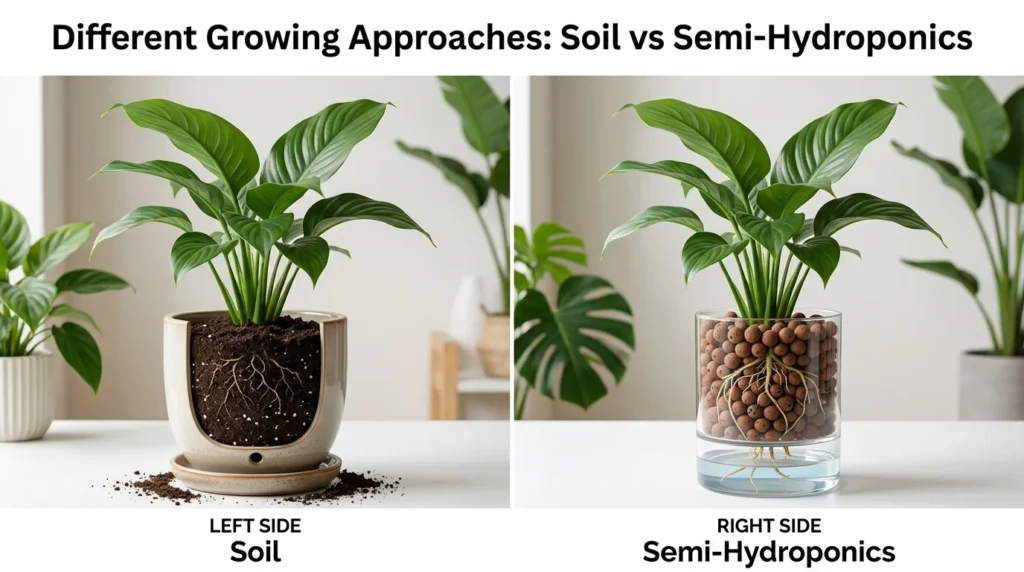
Different Growing Approaches: Soil vs Semi-Hydroponics
While traditional soil culture is the most common approach for container banana plants, growers also utilize alternative setups:
- Traditional Soil Culture: Uses a rich, organic potting soil mix blended with perlite and bark. It offers great stability for heavy pseudostems and holds applied nutrients effectively.
- Semi-Hydroponics (LECA/PON): Growing in porous inorganic media using sub-irrigation. While it helps prevent soil pests like fungus gnats, the high water and nutrient demands of mature plants require frequent reservoir refills.
- Container Gardening with Rolling Caddies: Placing heavy pots on wheeled bases allows you to easily rotate the plant for even sun exposure or move it outdoors during warm summer months.
Essential Tools and Equipment Required
Having the right equipment on hand makes caring for a large tropical plant far more manageable:
- Heavy Container with Drainage: Select a heavy ceramic, terra cotta, or thick plastic pot with multiple bottom drainage holes to prevent top-heavy tipping.
- Wheeled Plant Caddy: Makes moving a heavy, water-soaked banana plant effortless.
- Large-Capacity Watering Can: Directs generous amounts of water straight to the root zone without messy splashing.
- Cool-Mist Room Humidifier: Maintains the high ambient moisture needed to prevent leaf-edge crisping.
- Full-Spectrum LED Grow Light: Supplements natural sunlight during dark winter months to prevent leaf drop and leggy growth.
- Microfiber Cloths: Used to gently wipe dust off giant leaf surfaces so photosynthesis remains efficient.
Best Banana Varieties for Indoor Spaces
Standard wild banana trees can reach heights of 20 feet or more, making them far too large for standard ceilings. Selecting dwarf cultivars is critical for successful indoor growing:
Dwarf Cavendish (Musa acuminata ‘Dwarf Cavendish’)
The quintessential choice for home growers. It features broad green leaves often mottled with dark purple patches when young. It typically tops out between 4 to 6 feet indoors, making it perfectly sized for high-ceiling rooms.
Super Dwarf Cavendish (Musa acuminata)
An ultra-compact variety that rarely exceeds 3 to 4 feet in height. It produces dense, tightly packed foliage and handles indoor container life remarkably well, ideal for smaller apartments.
Dwarf Red Banana (Musa maclayi or Musa acuminata)
Grown for its stunning burgundy-red stems and reddish leaf undersides. It adds rich color contrast to all-green plant collections while staying at a manageable height of 6 to 8 feet.
Variegated Banana (Musa Ae Ae)
A rare and highly prized variety featuring striking white-and-green striped foliage. It requires higher humidity and bright indirect light to maintain its variegated patterns without leaf scorch.
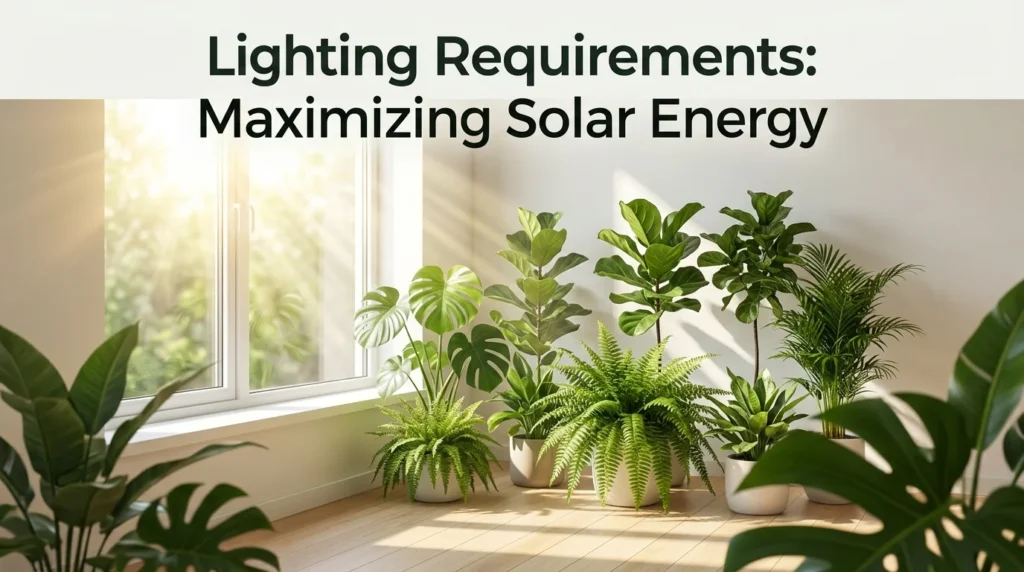
Lighting Requirements: Maximizing Solar Energy
Banana plants are sun-worshippers that require immense light energy to maintain their rapid leaf development.
- Direct Sunlight: Position your plant directly in front of an unobstructed south-facing or west-facing window where it receives at least 6 to 8 hours of direct light daily.
- Indirect Light Limits: While they tolerate bright indirect light, insufficient sun leads to weak, floppy pseudostems, pale leaves, and stalled growth.
- Grow Light Supplementation: During fall and winter or in rooms with limited windows mount high-output full-spectrum LED grow light panels 18 to 24 inches above the canopy. Run lights for 12 to 14 hours daily to maintain foliage density.
Watering Methods: Managing Heavy Moisture Demands
Banana plants consist of over 80% water, meaning they consume large amounts of fluid during warm growth periods. However, soggy, stagnant soil quickly destroys root systems.
- The Soil Moisture Check: Check the top two inches of soil with your finger. During spring and summer, water thoroughly as soon as the top two inches dry out. Never let the pot dry out completely.
- Deep Drench Technique: Pour room-temperature water evenly across the topsoil until liquid runs freely out of the drainage holes. Allow all excess water to drain completely into a saucer, then empty the saucer after 20 minutes.
- Winter Reduction: When growth slows in autumn and winter, allow the top half of the potting soil to dry before watering again to avoid root rot.
Soil and Growing Medium Essentials
A light, generic potting mix will settle and compact under the heavy watering schedules banana plants require. You need a mix that holds rich nutrients while draining excess water instantly.
Create an ideal custom potting soil blend by combining:
- 40% Quality Peat Moss or Coconut Coir: Retains moisture and holds organic nutrients.
- 30% Perlite or Pumice: Ensures rapid drainage and creates vital oxygen channels for roots.
- 20% Aged Compost or Worm Castings: Delivers rich organic matter for heavy feeding needs.
- 10% Fine Orchid Bark: Adds structural body to prevent long-term soil compaction.
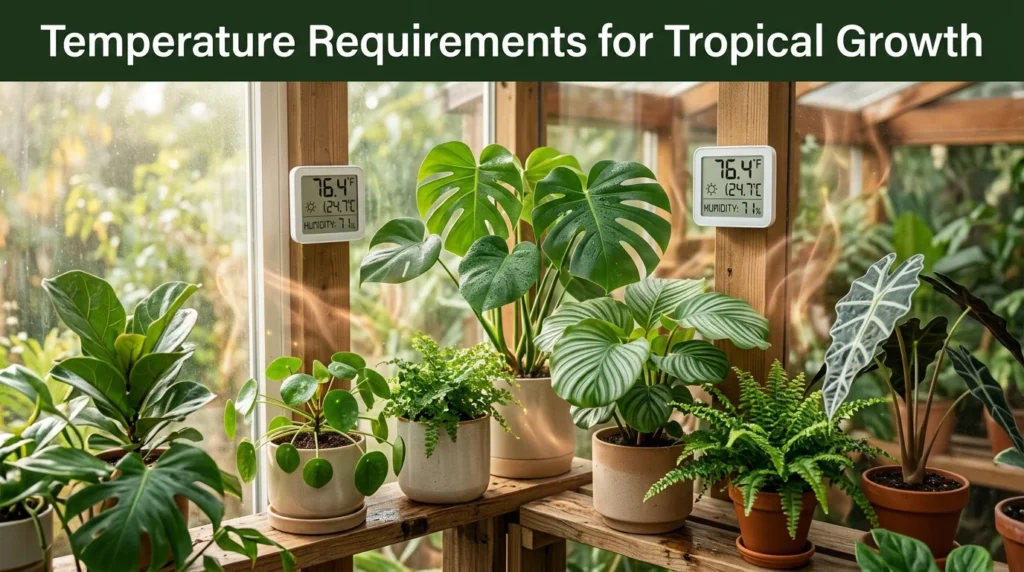
Temperature Requirements for Tropical Growth
Originating in warm tropical climates, banana plants possess zero frost tolerance and react poorly to cold drafts.
Keep ambient indoor temperatures consistently between 75°F and 85°F (24°C to 29°C) during the day, with night temperatures remaining above 65°F (18°C). Growth stalls completely if temperatures drop below 60°F (15°C), and foliage suffers severe cold damage below 50°F (10°C). Keep pots away from drafty exterior doors, air conditioner vents, and uninsulated winter windows.
Controlling Humidity Levels
Low indoor humidity is the most common reason indoor banana plants look tired and tattered. Dry air causes leaf margins to turn crisp and brown, while making the foliage vulnerable to spider mite attacks.
Banana plants prefer humidity levels between 60% and 90%. Maintain high humidity around your plant using these practical strategies:
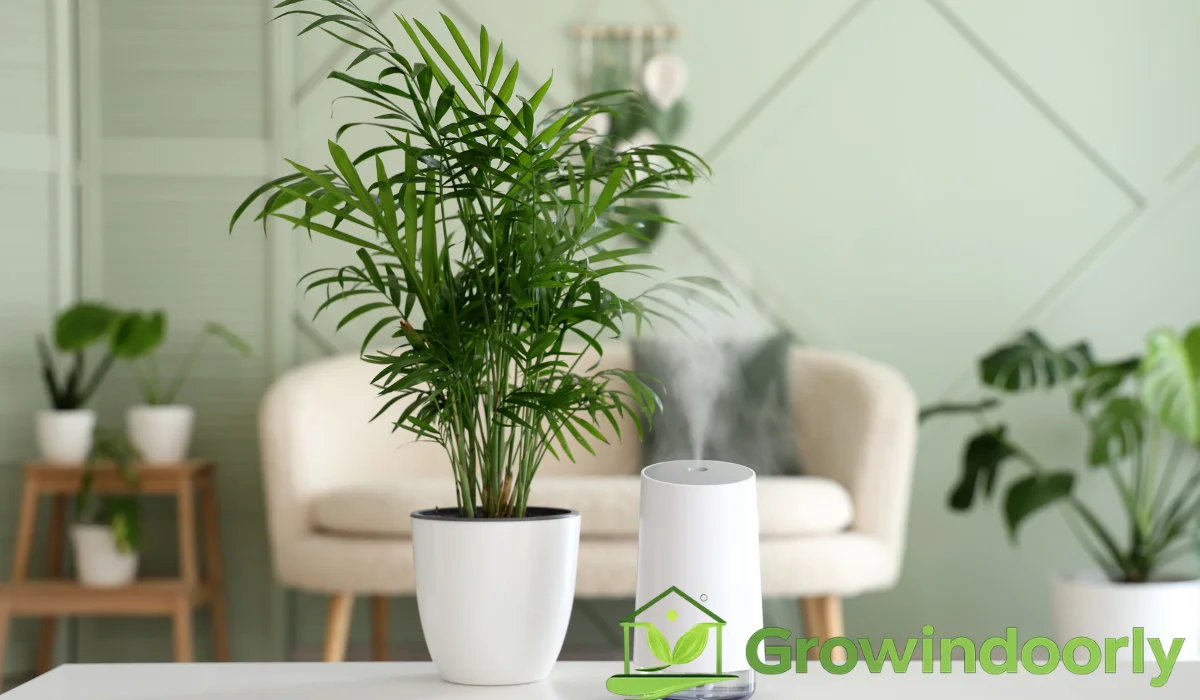
- Run a Nearby Humidifier: Position a dedicated cool-mist humidifier a few feet from the foliage.
- Group Tropical Plants: Place your banana plant alongside other humidity-loving species like Calatheas and ferns to form a microclimate.
- Pebble Trays: Set the pot on a large tray filled with decorative river stones and standing water, ensuring the pot bottom sits above the waterline.
Fertilizer and Nutrient Application
Because banana plants grow so fast, they are extremely heavy feeders. They require consistent nutrient replenishment throughout their active growing phase.
- NPK Ratios: Choose a balanced liquid organic fertilizer or one slightly higher in potassium (such as a 10-10-10 or 15-15-30 ratio) to support sturdy pseudostem development.
- Application Frequency: Feed every two weeks during spring and summer with fertilizer diluted to half-strength. Alternatively, apply a slow-release granular fertilizer across the topsoil at the start of spring.
- Winter Feeding Pause: Stop fertilizing completely during late autumn and winter when natural growth slows down.
Maintenance Routine and Leaf Grooming
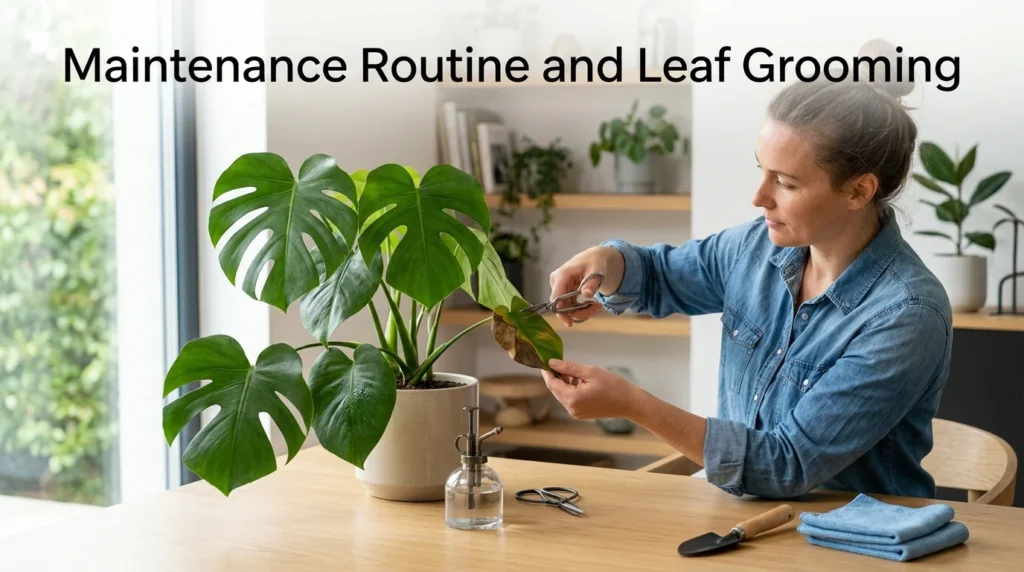
Regular maintenance keeps your banana plant looking pristine while preventing pest issues:
- Wiping Down Leaves: Wipe dust and pet hair off broad leaves monthly using a soft, damp cloth. Clean leaves absorb sunlight far more efficiently.
- Pruning Aging Leaves: Lower, older leaves naturally yellow, drop, and turn brown as new leaves emerge from the pseudostem center. Cut away dead or yellowing leaves close to the main stem using sterile pruning shears.
- Managing Leaf Tears: Natural wind splits occur in outdoor leaves to prevent uprooting. Indoors, gentle handling keeps giant leaves intact, but minor splits are completely normal and do not harm plant health.
Managing Pups and Propagation
Healthy banana plants continuously produce underground runners that pop up beside the main pseudostem, known as “pups” or suckers.
- Separating Pups: Allow pups to reach at least 12 inches in height and develop their own root systems before dividing. Unpot the plant and carefully sever the pup from the main rhizome using a clean, sharp knife.
- Potting Up: Plant the separated pup in a fresh pot filled with well-draining soil mix, keep humidity high, and place it in bright indirect light until established.
- Managing Main Stem: Removing extra pups keeps energy focused on maintaining a single, massive main pseudostem.
Seasonal Care Adjustments
Care routines must adapt as light and weather shift throughout the calendar year:
- Spring & Summer: Peak growing season. Move the plant near bright windows or outdoors to a sheltered patio once night temperatures stay above 65°F (18°C). Increase watering frequency, feed regularly, and check for outdoor pests before bringing it back inside.
- Autumn & Winter: Resting phase. Move the plant indoors before the first autumn chill. Position under grow lights, reduce watering by half, pause fertilizers, and run a room humidifier to combat dry indoor heating.
Common Mistakes Beginners Make
Avoid these frequent beginner traps when growing indoor banana plants:
- Using Pots Without Drainage: Planting directly in closed pots causes stagnant water to pool around the rhizome, causing root rot within weeks.
- Placing in Low Light Corners: Dark rooms cause thin, weak pseudostems that buckle under the weight of heavy leaves.
- Underestimating Water Needs: Allowing soil to remain bone-dry during hot summer months leads to sudden leaf collapse and crisp browning.
- Ignoring Low Humidity: Running central dry heat without supplementation leads to severe spider mite infestations and shredded leaf edges.
Troubleshooting Common Problems
Diagnose and resolve common banana plant health issues quickly:
- Brown, Crispy Leaf Margins: Signals low room humidity, underwatering, or excessive fertilizer salt buildup. Boost humidity levels and flush soil with clean, filtered water.
- Yellowing Lower Leaves: Normal if limited to the oldest bottom leaf. If multiple leaves yellow rapidly, it indicates overwatering, poor drainage, or cold temperature shocks.
- Drooping, Floppy Stems: Caused by severe underwatering, root rot from stagnant water, or inadequate sunlight.
- Spider Mites: Fine webbing underneath leaves accompanied by tiny yellow speckling. Spray foliage thoroughly with organic neem oil solution or insecticidal soap, repeating every five days until clear.
Beginner Tips for Long-Term Success
Set yourself up for effortless growing with these straightforward tips:
- Start with a Dwarf Cultivar: Always purchase verified dwarf varieties like ‘Dwarf Cavendish’ to ensure your plant stays manageable indoors.
- Use the Two-Pot Method: Keep your plant in a heavy plastic nursery pot with drainage holes and slip it inside a decorative outer pot. This makes draining excess water simple.
- Rotate Weekly: Give your pot a quarter-turn every week so light hits all sides evenly, preventing the pseudostem from leaning toward window glass.
Brown, crispy leaf edges are the complaint banana growers report most, and the cause is usually a mix of low humidity and uneven watering rather than disease. Large banana leaves transpire heavily, so dry indoor air pulls moisture from the margins faster than the roots can replace it. Keep a humidifier or pebble tray nearby, water deeply whenever the top two inches of soil feel dry, and trim only the dead brown tissue with clean scissors, leaving a thin margin so you do not cut into living leaf. If browning keeps spreading inward despite steady care, suspect salt buildup from hard water or overfeeding and flush the pot with clean water until it runs freely from the drainage holes.
Advanced Recommendations for Experienced Growers
Ready to take your indoor banana plant care to the next level?
- Attempting Indoor Flowering: Achieving blooms indoors requires specialized high-intensity discharge (HID) or high-wattage LED grow lights running 14 hours daily, strict temperature controls above 80°F (27°C), high humidity, and continuous potassium-heavy liquid feeding over 18 to 24 months.
- Custom Soil Biology: Inoculate potting soil with mycorrhizal fungi and beneficial bacteria to maximize root absorption of phosphorus and micro-nutrients.
- Sub-Irrigation Systems: Install large commercial sub-irrigation planters to deliver continuous moisture directly to the root zone without disturbing topsoil.
Giving Your Banana Plant a Summer Outdoors
A summer holiday on a patio or balcony can transform a leggy indoor banana into a lush, fast-growing specimen. Wait until nighttime temperatures stay reliably above 60 degrees Fahrenheit, then harden the plant off over seven to ten days, starting in full shade and moving it into morning sun a little more each day. Skipping this step almost always ends in bleached, sunburned leaves. Choose a spot sheltered from strong wind, which shreds the big leaves, and keep the pot itself lightly shaded at first because container roots heat up faster than garden soil.
Outdoors in warm weather a banana plant drinks and eats far more than it did on your windowsill, so check the soil daily and feed every two weeks with a balanced liquid fertilizer while it is actively growing. Inspect the leaves weekly for spider mites and aphids, which find outdoor bananas quickly, and rinse the foliage with a strong spray of water at the first sign of pests. Bring the plant back inside well before the first frost, give every leaf a thorough check and a neem oil wipe-down, and quarantine it away from your other houseplants for a week so no hitchhikers spread indoors.
Conclusion
Cultivating a vibrant indoor banana plant is one of the most rewarding projects you can undertake as an indoor gardener. By selecting dwarf cultivars, providing abundant bright light, maintaining warm temperatures, and keeping soil moist and well-drained, you build a thriving tropical centerpiece right in your living room.
Pay close attention to humidity levels, feed regularly during active growth, and adjust care routines as seasons change. With consistent care, your banana plant will reward you with massive, glossy green leaves for years to come. For more detailed tutorials, growing tips, and indoor care guides, explore our full library at GrowIndoorly.com.
Knowledge Check
Test your understanding of indoor banana plant care with these questions:
Which banana plant cultivar is best suited for standard indoor growing due to its compact 4 to 6 foot height?
A) Grand Nain
B) Dwarf Cavendish
C) Wild Forest Banana
D) Ice Cream Banana
What is the primary cause of crispy, brown leaf edges on indoor banana plants?
A) Excessive root space
B) Low ambient humidity
C) Cold soil temperatures
D) Using ceramic pots
How much direct sunlight or high-output light do banana plants require daily for healthy growth?
A) 1 to 2 hours
B) 3 to 4 hours
C) 6 to 8 hours
D) 14 to 16 hours
True or false: Banana plants (Musa species) are toxic to cats and dogs.
A) True
B) False
What natural structural feature describes the main “trunk” of a banana plant?
A) Woody bark
B) Pseudostem made of leaf sheaths
C) Underground tuber
D) Fibrous vine
Answer Key
- Question 1: B) Dwarf Cavendish
- Question 2: B) Low ambient humidity
- Question 3: C) 6 to 8 hours
- Question 4: B) False
- Question 5: B)
Frequently Asked Questions
Can an indoor banana plant actually produce fruit?
While it is theoretically possible, producing edible fruit indoors is extremely rare. Banana plants require at least 12 to 18 months of uninterrupted warm temperatures, 80%+ humidity, intense high-output light, and heavy feeding to flower and set fruit. Indoors, they are grown almost exclusively for their stunning tropical foliage.
Why are the leaves on my indoor banana plant turning brown?
Leaf browning is usually caused by low room humidity, underwatering, or cold drafts. Central indoor heating strips moisture from the air, causing leaf edges to dry out and crisp. Increase humidity with a room humidifier and check that soil moisture remains consistently damp during active growth.
How big do indoor banana plants grow?
When grown indoors in containers, dwarf cultivars like ‘Dwarf Cavendish’ or ‘Super Dwarf Cavendish’ typically reach heights between 3 and 6 feet. Pot size limits root expansion, which naturally controls their overall mature height.
Is an indoor banana plant safe for pets?
Yes, true banana plants belonging to the Musa genus are non-toxic to cats, dogs, and horses according to the ASPCA. Their large leaves are safe for homes with curious pets, though chewing on leaves may still cause mild stomach upset.
How often should I water my indoor banana plant?
During spring and summer, water whenever the top two inches of soil feel dry to the touch—typically two to three times a week depending on room temperature. In winter, reduce watering frequency, allowing the top half of the soil to dry out between waterings.
Why are the leaves on my banana plant splitting?
Leaf splitting is a natural adaptation that allows wind to pass through large leaves in the wild without snapping the main stem. Indoors, gentle air movement from fans, brushed clothing, or low humidity can cause minor tears, which are completely normal and non-harmful.
Should I cut off yellow leaves from my banana plant?
Yes, cut off yellowing or fully browned lower leaves near the pseudostem using clean pruning shears. Removing aging foliage directs the plant’s energy toward pushing out fresh, healthy leaves from the stem center.
What kind of pot is best for an indoor banana plant?
Choose a heavy container made of terra cotta, glazed ceramic, or thick plastic featuring multiple bottom drainage holes. Heavy pots prevent the top-heavy foliage from tipping over, while drainage holes prevent fatal root rot.

Megan Foster is the founder and lead writer of GrowIndoorly.com, where she shares practical, easy-to-follow advice for growing healthy indoor plants. She is passionate about helping beginners and experienced plant lovers build thriving indoor gardens with confidence. Megan writes about houseplants, indoor herbs, succulents, hydroponics, grow lights, plant propagation, watering, soil care, and everyday plant maintenance.
She enjoys researching trusted gardening techniques and transforming them into simple, actionable guides that readers can easily apply at home. Her goal is to make indoor gardening more enjoyable and accessible by providing clear, reliable information that helps people keep their plants healthy throughout the year. Whether you’re caring for your first houseplant or expanding your indoor plant collection, Megan’s practical tips are designed to help you grow with confidence.