
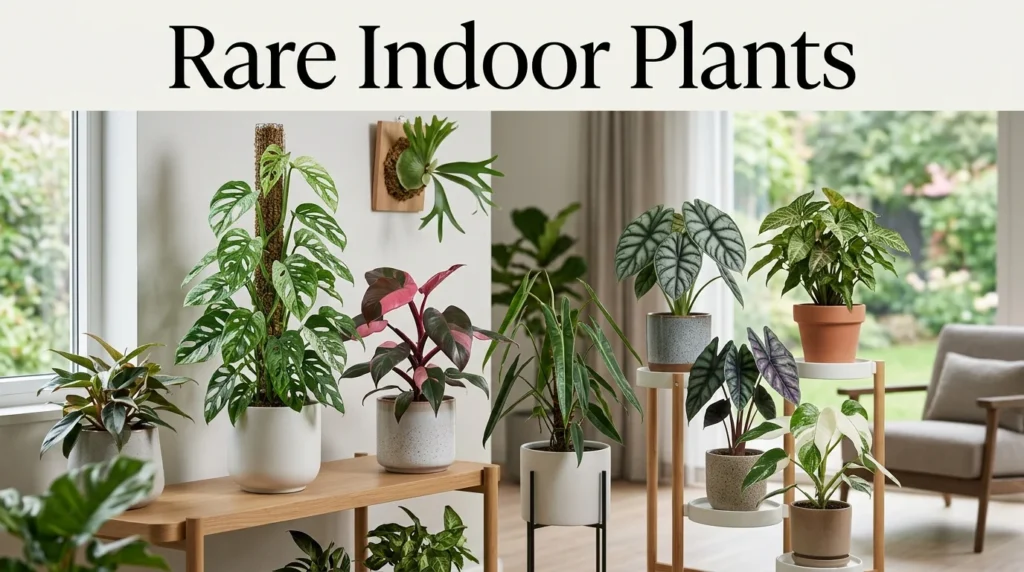
Acquiring a striking rare indoor plants collection is a thrilling milestone for plant collectors seeking unique foliage patterns and uncommon tropical species. However, caring for delicate botanical specimens requires a deeper understanding of indoor environmental microclimates.
Investing in a rare indoor plants display turns an ordinary room into an extraordinary living gallery. These prized botanicals elevate home decor, but their limited availability makes losing a specimen to poor care both heart-wrenching and expensive.
Beginners often struggle with severe acclimation shock, rapid root rot, leaf melting, or sudden variegated leaf crisping. These issues occur because collectors’ items are far more sensitive to low air humidity, improper substrate mixes, and irregular watering.
This comprehensive guide breaks down everything you need to know about growing rare indoor plants successfully. You will learn how to choose forgiving collector species, construct optimal substrate blends, master grow light setups, and prevent costly care mistakes.
Understanding Rare Indoor Plants
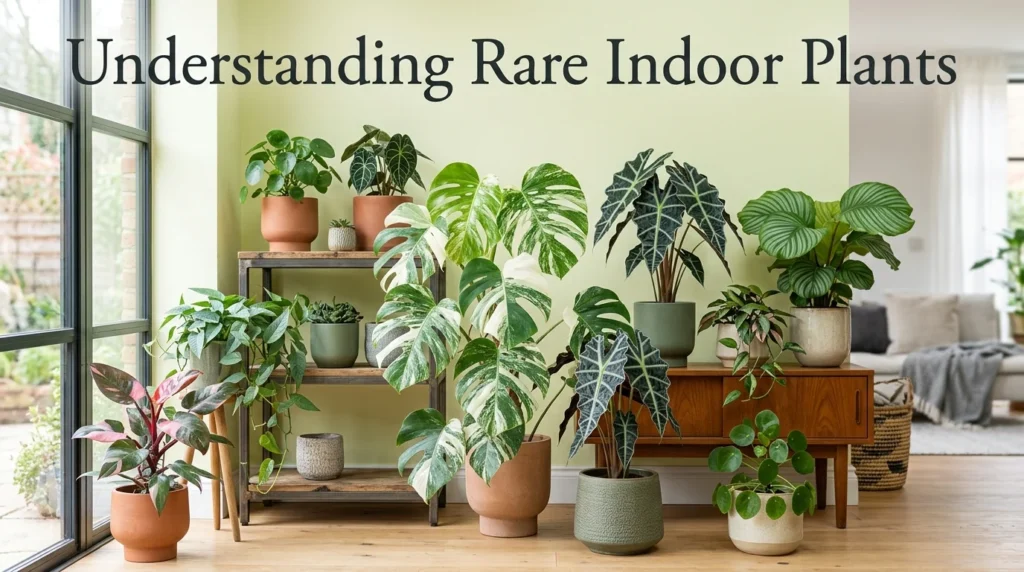
Extremely sought-after houseplants are rare primarily because of limited geographic origin, slow growth rates, or unstable genetic mutations like chimera variegation.
In wild rainforest environments, many of these uncommon species grow as epiphytes or creeping understory aroids across narrow ecological niches. Recreating these specialized habitats inside a typical home setting requires deliberate environmental control rather than basic windowsill care.
Understanding plant genetics is equally essential. Variegated cultivars contain mutated tissue sections lacking chlorophyll, meaning they produce less food energy through photosynthesis and require precise light balance to survive.
Why Collecting Rare Plants Is So Rewarding
Building a personal collection of uncommon botanicals offers benefits far beyond basic living room decoration.
Unique Architectural Beauty
species introduce extraordinary textures, velvety leaf surfaces, silver veining, and dramatic leaf splits that common nursery houseplants simply cannot match.
Horticultural Mastery and Skill Building
Successfully propagating and maintaining sensitive collector plants refines your indoor gardening skills, transforming you into a knowledgeable plant parent who understands soil chemistry, airflow, and ambient humidity.
Thriving Collector Community
Owning and propagating uncommon tropicals connects you with a global community of passionate growers, allowing you to trade cuttings and share rare plant care advice.
Cultivation Approaches: Soil, Semi-Hydro, and Cabinet Systems
Growing delicate foliage successfully often depends on selecting the right cultivation environment:
- Chunky Aroid Substrate Cultivation: The standard approach for epiphytic aroids. Uses ultra-porous organic substrates to provide maximum oxygen to root networks while allowing rapid water drainage.
- Semi-Hydroponics (LECA or Pon): Growing in inorganic mineral substrates like Lightweight Expanded Clay Aggregate (LECA) or inorganic mineral mixtures eliminates soil-borne pests like fungus gnats while offering precise control over root hydration and pH.
- IKEA Greenhouse Cabinet Conversions: Enclosed glass cabinets equipped with internal circulation fans and LED strip lights create tropical greenhouse conditions with 70%+ relative humidity inside dry residential homes.
Essential Tools and Equipment Required
Protecting your high-value botanical investments requires specialized indoor gardening gear:
- Digital Hygrometer and Thermometer: Tracks ambient humidity and temperature changes in real-time.
- Precision Digital Moisture Meter: Eliminates guesswork before watering deep root systems.
- Self-Watering Substrate Pots: Maintains consistent soil moisture without waterlogging delicate root crowns.
- Cabinet Internal USB Fans: Ensures continuous gentle air movement to prevent fungal spot infections on wet foliage.
- Full-Spectrum LED Grow Light Bars: Provides consistent daily PAR/PPFD light output for energy-hungry variegated leaves.
- Distilled or Reverse Osmosis (RO) Water System: Prevents mineral salt burns on delicate foliage margins.
Best Rare Indoor Plants for Collectors
Selecting cultivars that match your experience level ensures success. Here are top uncommon species that thrive indoors:
- Monstera deliciosa ‘Albo Borsigiana’: Famous for its dramatic white patches and leaf fenestrations. Requires bright light to sustain white leaf sections.
- Philodendron verrucosum: A velvet-leafed climbing tropical featuring bright crimson leaf undersides and hairy petioles. Demands high ambient humidity.
- Anthurium clarinervium: Features dark green, heart-shaped velvety leaves with prominent white veins. Exceptionally striking and relatively compact.
- Alocasia frydek ‘Variegata’: Boasts deep green velvet foliage offset by bold white variegation. Requires steady moisture and warm temperatures.
- Syngonium chiapense: A tough, thick-leafed climbing species with glossy blue-green foliage that adapts remarkably well to indoor humidity levels.
- Monstera adansonii mint: A striking variegated form of the Swiss cheese vine showcasing minty green and cream marbling.
Precision Lighting Requirements
Providing accurate light levels is crucial because delicate foliage easily scorches under harsh sun or dies from light starvation.
Finding the Sweet Spot
Position collector plants near unobstructed east-facing windows, or 3 to 4 feet back from south- or west-facing windows filtered by sheer curtains. Variegated white sections lack chlorophyll and burn rapidly under direct harsh midday sun.
Avoiding Light Starvation in Variegated Foliage
When variegated plants do not receive enough bright indirect light, they undergo leaf browning in the white areas or revert to solid green foliage to maximize photosynthetic efficiency.
Optimizing Full-Spectrum LED Grow Lights
For high-value specimens kept away from natural windows, utilize full-spectrum LED fixtures. Aim for a PAR light reading of 150 to 250 µmol/m²/s at the leaf canopy, running lights for 12 to 14 hours daily.
Mastering Watering and Hydration Methods
Root decay is the leading cause of death among expensive imported houseplants.
The Strict Moisture Check Rule
Never water species on a rigid calendar schedule. Always check soil moisture 2 inches deep or verify that semi-hydro reservoirs are functioning properly. Water only when the top 30% to 50% of the chunky mix feels completely dry to the touch.
Proper Watering Routine
- Pour room-temperature distilled or filtered water evenly across the root zone until it drains completely through bottom drainage holes.
- Allow excess water to drain out fully for 20 minutes.
- Empty catchment trays immediately. Never leave high-value aroids sitting in standing runoff water.
Soil and Substrate Mix Requirements
Standard commercial potting soils are far too dense and water-retentive for delicate tropical epiphytes.
The Ultimate DIY Chunky Aroid Mix
Combine these sterile ingredients to create a lightweight, airy substrate:
- 2 parts coarse orchid bark chunks (provides structural air pockets)
- 2 parts coco coir chunks or coarse peat blocks
- 1 part perlite or pumice (ensures fast drainage)
- 1 part horticultural charcoal (absorbs toxic impurities)
- 1/2 part coarse sponge rock or mineral LECA
Maintain a slightly acidic substrate pH between 5.8 and 6.5 to optimize trace mineral uptake.
Potting Container Selection
Utilize clear plastic nursery pots inside decorative planters. Clear pots allow you to inspect root health, root color, and substrate moisture without disturbing fragile plants.
Temperature Control Requirements
Uncommon tropical species are highly sensitive to sudden thermal changes.
Optimal Operating Range
Maintain daytime room temperatures between 70°F and 82°F (21°C to 28°C) and night temperatures above 65°F (18°C). Cold drafts below 55°F (13°C) trigger severe dormancy, leaf melting, or total stem collapse.
Managing Cold and Hot Draft Hazards
Keep rare plants well away from exterior doors, single-pane winter windows, and direct blasts from household heating radiators or air conditioning vents.
Advanced Humidity and Air Circulation Control
Maintaining elevated humidity while providing fresh air movement is essential for velvet-leafed species.
Ideal Relative Humidity Targets
While common plants tolerate dry 30% ambient humidity, delicate collector species like Anthurium and Velvety Philodendrons thrive best at 60% to 80% relative humidity.
Creating Healthy Indoor Microclimates
- Greenhouse Cabinets: Utilize sealed glass cabinets to maintain steady humidity levels automatically.
- Cool-Mist Ultrasonic Humidifiers: Position a dedicated room humidifier near plant displays during dry winter months.
- Air Circulation Is Non-Negotiable: Always pair high humidity with gentle air movement from USB fans. Stagnant wet air leads to bacterial leaf spot and fungal infections.
Fertilizer and Nutrient Management
foliage requires balanced nutrition, but over-feeding easily burns sensitive leaves.
Choosing the Right Formula
Use a complete, balanced liquid fertilizer containing essential micronutrients (iron, calcium, magnesium) or an organic seaweed-based nutrient blend.
Feeding Protocol
- Spring and Summer: Apply liquid fertilizer at half-strength every two weeks during active vegetative growth.
- Fall and Winter: Reduce feeding to once every 6 weeks, or halt completely if growth slows under low natural light.
Pruning, Propagation, and Maintenance
Proper maintenance keeps collector plants vibrant while creating opportunities to propagate new specimens.
Cleaning Delicate Foliage
Dust blocks light absorption. Gently wipe glossy leaves with a damp, soft microfiber cloth. For velvet-leafed species, use a soft makeup brush to clear dust without damaging delicate leaf hairs.
Safe Stem Node Propagation
Propagate rare aroids by making clean cuts directly below a stem node containing visible aerial root initial bumps. Root cuttings in damp sphagnum moss, perlite, or LECA inside a humid ambient box before potting into chunky mix.
Seasonal Care Guide
- Spring: Acclimate plants to increasing natural light, resume regular half-strength feeding, and take stem cuttings for propagation.
- Summer: Monitor ambient room temperatures, run cool-mist humidifiers consistently, and check moisture levels daily during heatwaves.
- Autumn: Wipe down foliage thoroughly, inspect for pests, reduce watering frequency, and set up LED grow light timers.
- Winter: Keep ambient humidity high near indoor heating systems, move plants away from cold glass windowpanes, and halt fertilizer applications.
Common Beginner Mistakes to Avoid
- Potting in Standard Potting Soil: Dense soil suffocates epiphytic roots, causing rapid root rot within days.
- Importing Plants Without Acclimation Steps: Placing freshly shipped bare-root plants directly under harsh light or low humidity causes immediate leaf loss.
- Using Tap Water with High Mineral Content: Tap water hard minerals cause dark crispy leaf tips on sensitive Anthurium and Alocasia species.
- Ignoring Early Pest Signs: Allowing a minor spider mite or thrips infestation to spread can quickly destroy expensive collection plants.
Troubleshooting Problems and Solutions
| Problem | Likely Cause | Practical Solution |
|---|---|---|
| Crispy brown leaf margins on velvet foliage | Low ambient humidity (below 50%) or mineral tap water burn | Run a cool-mist humidifier; switch to distilled or RO water. |
| Soft yellowing leaves with squishy brown roots | Overwatering and poor substrate aeration (root rot) | Unpot immediately, trim decayed roots, wash with diluted hydrogen peroxide, and repot in chunky mix. |
| Variegated white leaf patches turning brown | Insufficient light or direct sun leaf scorch | Move to a spot with bright indirect light or add full-spectrum LED grow lights. |
| Silvery leaf damage with tiny black specks | Thrips or spider mite pest infestation | Isolate plant instantly; wipe leaves with insecticidal soap or systemics; increase air movement. |
| Slow growth with small un-split leaves | Light deficiency or root-bound pot conditions | Increase PAR grow light levels; inspect root ball for pot-bound conditions and repot. |
Beginner Tips for Quick Success
- Start with Resilient Collector Plants: Begin with forgiving varieties like Monstera adansonii or Philodendron silver sword before trying high-value imports.
- Use Clear Pots: Clear plastic pots allow you to monitor root growth and moisture without disturbing the substrate.
- Build a Simple Humidity Box: A clear plastic storage bin filled with damp sphagnum moss creates an inexpensive propagation box for fresh cuttings.
- Quarantine All New Additions: Isolate new plants for 14 days to prevent pest introductions to your existing collection.
Advanced Expert Recommendations
- Maintain Calcium-Magnesium Balance: Supplement chunky aroid mixes with Cal-Mag liquid additives to strengthen structural cell walls in variegated foliage.
- Monitor Substrate Electrical Conductivity (EC): Keep nutrient solution EC levels low (under 1.2 mS/cm) to prevent root tip burning in inorganic mixes.
- Inoculate Substrates with Mycorrhizal Fungi: Add beneficial mycorrhizal fungi during repotting to build strong root systems resistant to fungal pathogens.
Final Thoughts on Rare Indoor Plant Care
Growing rare indoor plants is a deeply satisfying hobby that transforms your living space into a breathtaking botanical showcase. Success relies on understanding their natural tropical origins and providing chunky airy substrates, bright indirect light, high humidity, and consistent air movement.
By choosing resilient cultivars, utilizing clear pots, and maintaining steady environmental control, you can comfortably avoid common pitfalls like root rot or leaf crisping.
At GrowIndoorly.com, we are passionate about guiding plant enthusiasts toward indoor gardening success. Apply these expert recommendations today and watch your rare botanical collection flourish!
Knowledge Check Quiz
Test your understanding of rare houseplant care with this quick 5-question review.
1. Why do epiphytic tropical plants require a chunky aroid substrate instead of regular potting soil?
- A) To make the container heavier so tall plants do not tip over
- B) To provide high air porosity around roots and prevent waterlogging and root rot
- C) To eliminate the need for ever watering the plant again
- D) To turn green leaf variegation into bright red patterns
2. What happens to the white sections of variegated plants when they lack sufficient bright indirect light?
- A) They produce bright flowers immediately
- B) They turn dark brown and die off because they lack chlorophyll to produce energy
- C) They turn metallic silver
- D) They grow three times faster than green leaf sections
3. What is the ideal ambient relative humidity range for sensitive collector plants like Anthuriums and velvet Philodendrons?
- A) 10% to 20%
- B) 60% to 80%
- C) 100% submerged in water
- D) Humidity levels do not matter for tropical houseplants
4. Why is using clear plastic nursery pots recommended for high-value rare plants?
- A) Clear pots reflect sunlight onto lower leaves
- B) They allow you to monitor root health and substrate moisture without unpotting
- C) They prevent roots from growing too long
- D) Clear pots automatically sanitize the soil mix
5. What crucial factor must always accompany high humidity inside indoor greenhouse cabinets to prevent leaf spot diseases?
- A) Heavy daily fertilizer applications
- B) Continuous gentle air circulation from small fans
- C) Direct burning midday sunlight
- D) Freezing cold temperatures
Answer Key: 1-B, 2-B, 3-B, 4-B, 5-B
Frequently Asked Questions
Why are variegated rare plants more expensive than standard green houseplants?
Variegated rare plants are more expensive because their tissue mutations are often unstable and cannot be grown reliably from seed. They grow slower due to lower chlorophyll levels, require meticulous micro-propagation or stem cutting propagation, and are produced in much lower quantities by commercial nurseries.
How do I safely acclimate a newly shipped rare plant?
When a rare plant arrives, unbox it carefully in dim light. Place it in a warm, humid environment (60%+ humidity) with indirect light for the first 7 to 10 days. Avoid immediate repotting, heavy fertilizing, or harsh grow lights until the plant recovers from transit shock.
Can rare tropical plants adapt to normal room humidity?
Some hardier rare species like Philodendron silver sword or Syngonium chiapense adapt well to typical room humidity (40%–50%). However, sensitive velvet-leafed Anthuriums and Alocasias usually develop brown crispy leaf margins unless kept in humid cabinets or near cool-mist humidifiers.
What water type is best for sensitive plants?
Distilled, reverse osmosis (RO), or clean rainwater is best. Tap water containing high concentrations of chlorine, fluoride, or hard mineral salts often causes tip burn and crispy leaf margins on sensitive species like Calathea and Alocasia.
How do I prevent spider mites on my rare plants?
Prevent spider mites by keeping humidity levels above 50%, maintaining continuous gentle air movement, wiping down leaf surfaces bi-weekly, and routinely inspecting the undersides of foliage with a magnifying glass for early pest signs.

Megan Foster is the founder and lead writer of GrowIndoorly.com, where she shares practical, easy-to-follow advice for growing healthy indoor plants. She is passionate about helping beginners and experienced plant lovers build thriving indoor gardens with confidence. Megan writes about houseplants, indoor herbs, succulents, hydroponics, grow lights, plant propagation, watering, soil care, and everyday plant maintenance.
She enjoys researching trusted gardening techniques and transforming them into simple, actionable guides that readers can easily apply at home. Her goal is to make indoor gardening more enjoyable and accessible by providing clear, reliable information that helps people keep their plants healthy throughout the year. Whether you’re caring for your first houseplant or expanding your indoor plant collection, Megan’s practical tips are designed to help you grow with confidence.


