Hanging indoor plants bring a fresh layer of life to any room by taking advantage of underutilized vertical space. Turning empty corners into lush green cascades instantly elevates your interior design while bringing nature closer to your daily routine.
Many beginner indoor gardeners struggle to choose the right hanging indoor plants because lighting conditions, watering routines, and pot selection differ significantly from standard tabletop pots. Heavy soil, dripping water, and dry indoor air often lead to unexpected frustration.
Selecting resilient hanging indoor plants allows you to transform high shelves, ceiling hooks, and wall mounts into thriving living decor without endless guesswork or frequent plant replacements. Simple tweaks to your routine ensure lush growth year-round.
This complete guide walks you through selecting the best varieties, mastering high-altitude watering techniques, choosing safe hardware, managing lighting needs, and troubleshooting common growth issues with confidence.
Understanding Vertical Gardening with Hanging Plants
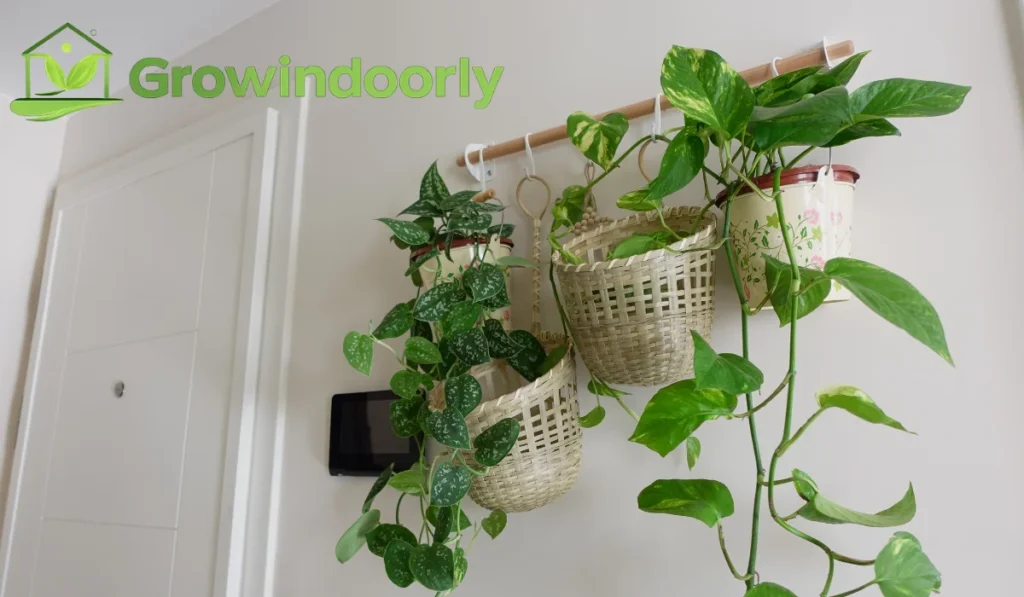
Indoor vertical gardening involves growing trailing, cascading, or vining species in elevated containers suspended from ceilings, wall brackets, high shelves, or specialized tension rods. Unlike traditional potted plants resting on flat surfaces, suspended foliage interacts with indoor airflow, humidity levels, and light angles in distinct ways.
When plants hang, their trailing stems often called runners or vines naturally drape downward due to gravity. This physical orientation mimics how many epiphytic and vining plants grow in tropical natural habitats, where they climb tree trunks or spill over rock ledges in search of filtered sunlight.

Why Vertical Greenery Matters in Modern Homes
Bringing foliage off the floor transforms how a living space looks and feels. Elevating your green friends provides structural, aesthetic, and environmental benefits that floor planters simply cannot match.
Maximizing Floor Space
For apartment dwellers and owners of compact homes, floor space comes at a premium. Wall mounts and ceiling hangers let you build an extensive plant collection without cluttering walkways, side tables, or windowsills.
Pet and Child Safety
Many popular houseplant species, such as Pothos or Philodendrons, contain insoluble calcium oxalate crystals that cause mild to moderate digestive upset if ingested by curious dogs, cats, or toddlers. Elevating these pots safely places delicate greenery completely out of reach.
Enhanced Air Dynamics and Visual Balance
Suspended planters fill awkward visual gaps, softening sharp architectural lines and drawing the eye upward to make rooms feel larger. Elevated trailing foliage also benefits from increased air circulation around the pot, which helps prevent soil stagnation when properly managed.
Benefits and Advantages of Elevated Foliage
- Dynamic Room Styling: Cascading leaves introduce movement, depth, and texture to living rooms, kitchens, and home offices.
- Optimized Light Access: Raising pots closer to window tops often captures bright, indirect light that lower floor corners miss.
- Improved Humidity Circulation: Elevated groupings create microclimates where transpiration boosts local humidity naturally.
- Reduced Pest Spreading: Elevating individual specimens makes it harder for crawling pests to migrate between pots.
Mounting Methods and Hanging Approaches
Successfully displaying suspended plants requires matching your mounting style to your wall structure and pot weight.
Ceiling Hooks and Swivels
Securing a heavy-duty toggle bolt or screwing directly into a ceiling joist offers the highest weight capacity. Using a swivel hook allows you to rotate the pot effortlessly every few weeks so all sides receive balanced light exposure.
Wall Brackets and Sconces
Decorative wood or metal brackets mounted directly onto wall studs create stable arms for hanging baskets. These work exceptionally well near windows where overhead ceiling mounting might be impractical.
High Shelves and Bookcases
If drilling holes is not an option especially for renters placing cascading plants on high furniture tops yields the same striking visual effect with zero wall damage.

Tools and Equipment Required
Setting up your elevated garden requires a few simple tools to ensure stability and hassle-free maintenance:
- Sturdy Ceiling Hooks or Wall Brackets: Heavy-duty toggle bolts for drywall or lag screws for solid wood studs.
- Macramé Hangers or Steel Chains: Strong, aesthetic slings designed to cradle planter bottoms securely.
- Lightweight Pots with Removable Saucers: Plastic, resin, or lightweight composite materials that minimize overall hanging weight.
- Long-Spout Watering Can or Squeeze Bottle: Essential tools to direct water accurately into elevated pots without spilling onto floors.
- Pulley System or Adjustable Hooks: Retractable hooks that lower pots down to eye level for easy watering and trimming.
Top Plant Species for Hanging Displays
Selecting forgiving, naturally cascading varieties ensures success right from the start.
Heartleaf Philodendron (Philodendron hederaceum)
Featuring glossy, heart-shaped green leaves on long trailing vines, this species tolerates a wide range of lighting conditions and irregular watering routines.
Golden Pothos (Epipremnum aureum)
Extremely resilient with variegated green and yellow foliage, Pothos grows quickly and easily propagates from stem cuttings placed in water.
Water pothos when the top 1 to 2 inches of soil dry out, and trim vines back to a leaf node to encourage branching. In low light, variegation fades — move it within 6 feet of a bright window to keep the golden marbling. Always hang it out of pets’ reach since pothos is toxic if chewed.
Boston Fern (Nephrolepis exaltata)
Known for feather-like fronds that create dramatic volume, this traditional favorite thrives in higher humidity settings like bathrooms.
English Ivy (Hedera helix)
Ideal for cooler rooms with bright light, offering classic vine aesthetics and dense evergreen coverage.
Spider Plant (Chlorophytum comosum)
Produces arching ribbon-like leaves along with dangling plantlets (“spiderettes”) that create a layered multi-tiered effect.
String of Pearls (Senecio rowleyanus)
A striking succulent with bead-like leaves that spill gracefully over container rims; demands bright light and minimal water.
Lighting Requirements for Elevated Pots
Light levels change significantly with height. Because standard window frames block overhead light, a pot hung directly above a window frame might sit in deep shadow while its trailing vines receive bright sunlight below.
Place your hanging containers where the top rim of the pot receives soft, filtered sunlight. Position sun-loving succulents like String of Pearls within two feet of a south- or west-facing window, while low-light performers like Pothos thrive near east-facing or shaded north-facing windows.

Master Water Application Techniques
Watering suspended pots presents a practical challenge: preventing excess runoff from dripping onto your floors, carpets, or furniture.
The Sink-Soak Method
Lower the container down, move it to your kitchen sink or bathtub, thoroughly saturate the soil until water drains freely from the bottom holes, and let it drain for 15–20 minutes before rehanging.
The Catch-Tray Attachment
Use lightweight plastic pots featuring built-in, snap-on drainage saucers. Water carefully using a narrow, long-spout watering can, taking care not to overfill the attached tray.
Ideal Soil Composition and Growing Medium
Standard outdoor garden soil is far too heavy for suspended pots and compacts quickly, suffocating root systems. Always use a light, airy indoor potting mix.
Create an ideal mix by blending two parts high-quality peat moss or coco coir with one part coarse perlite and one part orchid bark. This blend retains necessary moisture while encouraging rapid drainage and allowing air to reach roots.
Temperature and Air Circulation Needs
Warm air rises naturally inside homes, meaning suspended pots often experience temperatures 3°F to 8°F higher than pots on the floor.
Maintain room temperatures between 65°F and 80°F (18°C to 27°C). Keep suspended containers away from direct heat registers, radiators, air conditioning vents, and drafty exterior doors to prevent leaf scorch or crisp edges.
Humidity Management Solutions
Tropical trailing varieties require relative humidity levels between 40% and 60%. Elevated dry air from central heating can crisp delicate leaf tips rapidly.
- Group several hanging baskets close together to trap moisture.
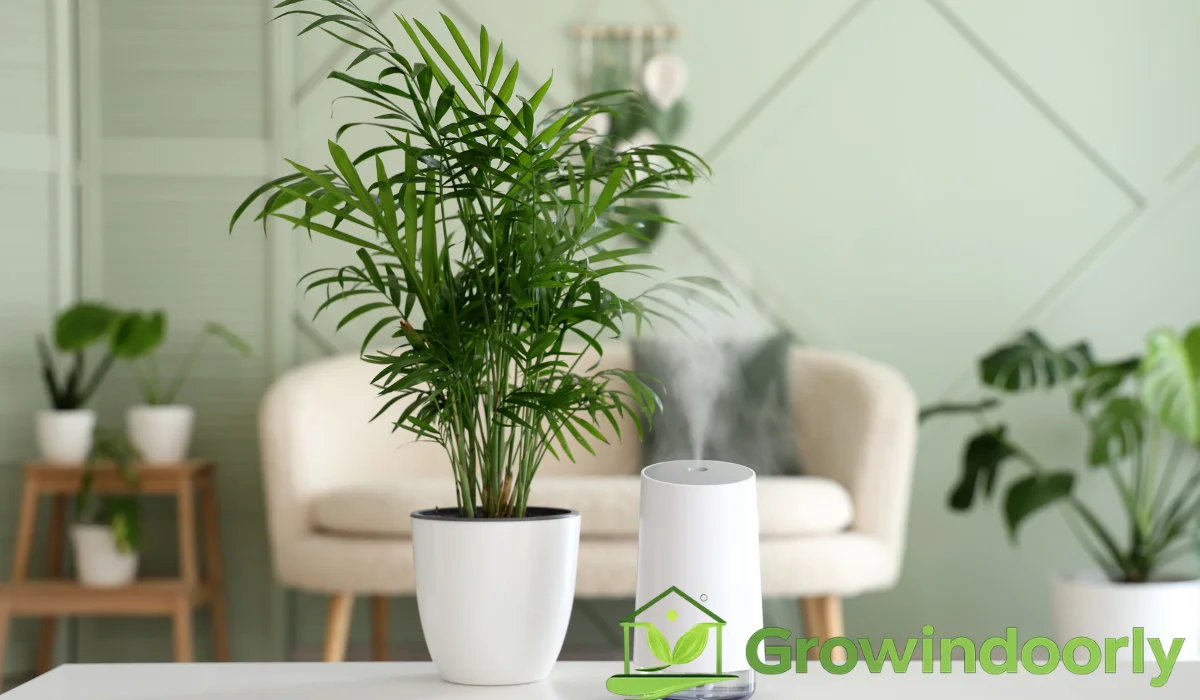
- Run a cool-mist room humidifier nearby during winter months.
- Hang moisture-loving ferns in bright, naturally humid bathrooms.

Nutrition and Fertilizer Schedule
Because indoor plants grow in limited soil volumes, regular feeding during active growth periods keeps foliage vibrant and lush.
Feed your plants every 4 to 6 weeks from early spring through early autumn using a balanced, water-soluble indoor fertilizer diluted to half strength. Pause fertilization entirely during late autumn and winter when plant growth naturally slows down.
Daily and Weekly Maintenance Routines
Keeping your elevated green displays healthy requires a quick, consistent upkeep routine:
- Weekly Rotation: Turn pots 90 degrees every week so all sides receive uniform light and growth remains even.
- Pruning and Trimming: Leggy stems should be snipped just above a leaf node using clean pruning shears to encourage bushier top growth.
- Dusting Foliage: Wipe smooth leaves with a damp cloth every month to remove dust accumulation and maximize photosynthesis efficiency.
Seasonal Adjustments
As natural light patterns shift across seasons, your care approach must adjust accordingly.
During winter, shorter days reduce growth rates and water needs significantly. Allow the top two inches of soil to dry out thoroughly before watering, and move light-sensitive varieties closer to window light sources to compensate for weaker sun angles.
Common Beginner Mistakes to Avoid
- Ignoring Ceiling Studs: Anchoring heavy pots into plain drywall without proper toggle anchors often leads to fallen pots and damaged walls.
- Overwatering Drainless Containers: Using decorative pots without bottom drainage holes traps stagnant water around roots, leading to root rot.
- Neglecting Top Lighting: Forgetting that top soil surfaces need light causes plants to lose top leaves while keeping thin bottom vines.
Troubleshooting Frequent Problems
Yellowing Leaves Near the Base
Usually indicates overwatering or soggy potting soil. Allow the container to dry out further between waterings and confirm drainage holes are unclogged.
Crisp Brown Leaf Tips
Points to low ambient humidity or underwatering. Increase local humidity or adjust your watering frequency.
Spindly or Leggy Vine Growth
Extremely long stems with large gaps between leaves mean the plant is stretching for light. Move the container to a brighter location and trim bare stems back to promote dense growth.
Beginner Tips for Instant Success
Start your vertical garden with dependable, forgiving varieties like Heartleaf Philodendron or Golden Pothos. Use lightweight plastic nursery pots hidden inside decorative macramé holders rather than heavy ceramic planters. Installing retractable plant pulleys makes watering routine effortless and safe.
Advanced Expert Recommendations
To achieve thick, full growth from the top of the pot down, train young vine runners back across the top soil surface using small curved wire pins. The nodes along the stems will root directly into the soil, creating multiple new growing points and eliminating sparse, bare tops.

Conclusion
Successful vertical gardening blends smart hardware choices with attentive care to maximize your living space. By accurately matching plant lighting needs, selecting nutrient-rich lightweight soils, and employing safe mounting hardware, you can easily transform empty walls and forgotten ceiling corners into thriving indoor sanctuaries that brighten your entire home.
Watering thoroughly without leaving fragile roots in standing water remains a critical step for long-term health. Utilizing proper drainage techniques, such as the sink-soak method or pots with attached saucer trays, ensures your greenery absorbs sufficient moisture while preventing destructive root rot from taking hold in suspended containers.
Routine maintenance is essential to keep your elevated displays looking full and vibrant year after year. Regular pruning encourages bushier top growth, seasonal adjustments prevent light starvation during darker months, and weekly pot rotations ensure every angle receives equal sunlight for balanced, symmetrical foliage development across all branches.
Ultimately, vertical gardening allows urban plant enthusiasts to cultivate lush indoor displays regardless of floor space limitations. With consistent care habits, proper positioning, and regular pest inspections, these suspended green systems bring natural beauty, improved indoor air quality, and continuous dynamic texture to every corner of your home.
Pet Safety
- Keep toxic trailers out of reach: pothos, heartleaf philodendron, English ivy, and string of pearls are toxic to cats and dogs — pothos and philodendron contain calcium oxalate crystals that burn the mouth and throat. Hang these high enough that pets cannot bat at or chew the trailing vines.
- Choose pet-safe hangers for low hooks: spider plants and Boston ferns are non-toxic to cats and dogs, making them the best picks for hangers within jumping range or above pet-frequented furniture.
- Watch for dangling temptations: cats love batting at trailing vines and spider plant babies. Hang tempting trailers in rooms pets don’t access, or trim vines shorter so they don’t swing within paw’s reach.
- Know the emergency steps: if a pet chews a toxic leaf, remove plant material from its mouth, note the plant name, and call your veterinarian or the ASPCA Animal Poison Control hotline right away.
Knowledge Check
1. Which mounting hardware is best when attaching a heavy hanging pot directly into hollow drywall without a wooden stud? A) Small nail
B) Standard wood screw
C) Heavy-duty metal toggle bolt
D) Adhesive wall strip
2. Why do suspended indoor plants often dry out faster than floor plants?
A) Warm air rises and air circulation is higher at elevated levels
B) Ceiling light burns off soil moisture
C) Macramé hangers pull water out of the soil
D) Soil shrinks when placed higher up
3. What is the primary cause of spindly growth with large gaps between leaves on trailing vines? A) Too much fertilizer
B) Insufficient light exposure
C) Overwatering
D) Pot size is too large
4. What simple technique promotes bushier growth at the top rim of a hanging container? A) Pinning vine nodes back onto the soil surface
B) Adding extra soil on top of leaves
C) Watering only once a month
D) Removing all healthy leaves
5. Which plant species is ideal for high-humidity areas like bright bathrooms? A) String of Pearls
B) Boston Fern
C) English Ivy
D) Jade Plant
Answer Key
- C | 2. A | 3. B | 4. A | 5. B
Frequently Asked Questions
What are the easiest hanging indoor plants for beginners?
Golden Pothos, Heartleaf Philodendron, and Spider Plants are the easiest species for beginners. They tolerate varying light levels, survive occasional missed waterings, and grow quickly with minimal maintenance.
How do I water hanging plants without making a mess on my floor?
Use plastic nursery pots with detachable drainage saucers or lower your containers to soak them in a sink. Allow excess water to drain out completely before hanging the pot back up.
How do I safely secure heavy hanging plants to my ceiling?
Drill directly into a solid wood ceiling joist using a heavy-duty lag hook, or use a broad metal toggle bolt rated for heavy loads if mounting into hollow drywall.
Why is my hanging plant losing leaves at the top while growing long stems?
This happens when the top rim of the pot does not receive sufficient sunlight. Move the plant lower or closer to a bright window so light reaches the soil surface directly.
Do hanging plants dry out faster than plants on tables or floors?
Yes, warm air rises and air circulation is higher near ceilings, causing soil in elevated pots to dry out faster than soil in floor planters.
Can I grow hanging plants in low-light rooms?
Yes, shade-tolerant varieties like Heartleaf Philodendron, Snake Plant cultivars, and certain Pothos varieties survive in low light, though growth rates will be slower.
How often should I prune trailing indoor vines?
Prune trailing vines during spring and summer whenever stems become thin or leggy. Cutting back stem tips encourages full, bushy growth near the base.
What type of pot is best for suspended indoor gardening?
Lightweight plastic or resin pots with built-in drainage trays are ideal because they reduce overall weight on ceiling mounts while preventing water spills.

Megan Foster is the founder and lead writer of GrowIndoorly.com, where she shares practical, easy-to-follow advice for growing healthy indoor plants. She is passionate about helping beginners and experienced plant lovers build thriving indoor gardens with confidence. Megan writes about houseplants, indoor herbs, succulents, hydroponics, grow lights, plant propagation, watering, soil care, and everyday plant maintenance.
She enjoys researching trusted gardening techniques and transforming them into simple, actionable guides that readers can easily apply at home. Her goal is to make indoor gardening more enjoyable and accessible by providing clear, reliable information that helps people keep their plants healthy throughout the year. Whether you’re caring for your first houseplant or expanding your indoor plant collection, Megan’s practical tips are designed to help you grow with confidence.