Living in an apartment with north-facing windows or dimly lit basement rooms often makes growing green foliage feel impossible. Finding reliable low light plants indoor spaces can support is the first step toward building a thriving room garden.
Many plant lovers assume every houseplant requires bright windowsills, leaving darker corners empty and dull. Choosing shade-tolerant low light plants indoor settings accommodate allows you to green up windowless hallways, offices, and bedrooms easily.
Beginners frequently run into trouble by overwatering shade-tolerant species, assuming slow growth means the plant is constantly thirsty. This miscalculation causes root rot, yellow leaves, and early plant loss.
In this guide, you will discover the most resilient low light plants indoor growers rely on, alongside practical tips for watering, lighting, potting, and long-term care.
Understanding Low Light Indoor Plants
To grow plants successfully in dim spaces, you must first understand what “low light” actually means in indoor gardening. Low light does not mean zero light. All green plants rely on light energy to perform photosynthesis, the process of turning light into food. When growing shade-tolerant species, you are working with plants that naturally adapted to survive beneath dense tropical forest canopies where direct sun rarely hits the ground.
In a home setting, low light areas typically receive between 25 to 75 foot-candles of light. These locations are usually situated 8 to 15 feet away from a bright window, next to north-facing windows, or inside interior rooms supported only by ambient fluorescent ceiling lights. Shade-tolerant species survive in these conditions because their cells consume energy at a much slower rate.
Because their metabolic rate is slow, these plants do not produce rapid new foliage or drink large amounts of water. Recognizing that low-light houseplants focus on conservation rather than rapid growth changes how you handle daily maintenance, preventing the most common care mistakes.
Why Growing Plants in Dim Spaces Matters
Adding foliage to dimly lit areas transforms cold, underutilized spaces into warm, inviting environments. Most interior architecture features dark hallways, quiet corners, and windowless bathrooms that feel sterile without natural elements. Integrating hardy houseplants breaks up harsh wall lines and introduces natural texture where furniture alone feels incomplete.
From an environmental standpoint, shade-tolerant plants continuously filter indoor air by absorbing volatile compounds and settling ambient dust on their wide leaf surfaces.
Cultivating green spaces in low-light rooms also delivers mental health benefits. Studies show that proximity to living greenery reduces stress, improves focus, and creates a relaxing atmosphere, making shade-tolerant houseplants ideal companions for dark workspaces and quiet bedrooms.
Benefits and Advantages of Shade-Tolerant Houseplants
Choosing hardy plants adapted for dim conditions provides clear advantages, especially for busy home gardeners who want greenery without constant attention:
- Exceptional Resilience: Shade-tolerant plants tolerate missed waterings and fluctuating home conditions better than sun-hungry tropicals.
- Low Maintenance Demands: Slow metabolic growth means less frequent pruning, repotting, and fertilizing throughout the year.
- Flexible Placement: You can place these plants in interior hallways, bedrooms, bathrooms, and office spaces far away from natural light sources.
- Cost-Effective Decor: Because these plants hold their form without rapidly outgrowing their containers, you spend less money on larger pots and replacement soil.

Approaches to Growing Foliage in Low Light
When managing shade-tolerant houseplants, gardeners generally choose between two primary growing strategies: natural light utilization and artificial light supplementation. Natural light costs nothing but requires careful placement; artificial light gives you control but adds a small energy cost. Most growers combine both.
The natural approach relies entirely on available ambient light from windows, doors, and skylights. Success with this method requires selecting ultra-resilient species like ZZ Plants or Snake Plants and placing them strategically to catch ambient reflected light from light-colored walls and mirrors.
The supplemental approach uses low-wattage LED grow lights or desk lamps equipped with full-spectrum bulbs to boost light levels in pitch-black rooms. Running an LED light for 8 to 10 hours daily allows you to expand your plant choices to include species that prefer medium light while keeping power consumption minimal.
Tools and Equipment Needed for Low Light Gardening
Equipping yourself with basic indoor gardening tools ensures your shade-tolerant plants stay healthy without extra stress, and you don’t need expensive gear to get started:
- Soil Moisture Meter: A long-probe moisture meter takes the guesswork out of checking damp soil deep inside large containers.
- Full-Spectrum LED Grow Light Bulbs: Energy-efficient LED bulbs screw into standard lamps to supply gentle light in dark rooms.
- Fast-Draining Pots with Saucers: Terracotta or plastic pots with bottom drainage holes prevent trapped water from rotting slow-growing root systems.
- Microfiber Cleaning Cloths: Damp cloths easily wipe accumulated dust off wide leaves, keeping leaf surfaces clean to absorb available ambient light.
- Small Pruning Shears: Sharp scissors help trim yellowed lower leaves cleanly near the main stem without tearing plant tissue.
Best Low Light Plants for Every Home Corner
Selecting proven shade-tolerant varieties ensures strong results regardless of your experience level.
Snake Plant (Sansevieria / Dracaena trifasciata)
Famous for its upright, sword-like leaves, the Snake Plant is virtually indestructible. It stores water inside its thick leaves, making it highly drought-tolerant and ideal for dark bedrooms or office corners.
ZZ Plant (Zamioculcas zamiifolia)
Featuring glossy, dark-green leaves along thick stems, the ZZ Plant thrives in low-light offices and windowless rooms. Its underground rhizomes store moisture, requiring watering only once a month.
Cast Iron Plant (Aspidistra elatior)
True to its name, this plant tolerates heavy shade, temperature swings, and neglect. Its deep-green, arching foliage adds classic texture to dim entryways and hallways.
Pothos (Epipremnum aureum)
A versatile trailing vine that adapts to bright or dim light. Varieties like Golden Pothos maintain lush trailing vines even when placed several feet away from windows.
Parlor Palm (Chamaedorea elegans)
A slow-growing palm that adds tropical texture to low-light living rooms. It tolerates low light levels better than most palm species while maintaining a compact footprint.
Aglaonema (Chinese Evergreen)
Offers beautiful patterned leaves with green, silver, and pink tones. It thrives in low to medium light, adding vibrant foliage color to darker rooms.

Lighting Requirements: Natural Light vs. Grow Light Solutions
Understanding light quality helps you position your shade-tolerant plants for long-term health. Low light does not mean pitch darkness; every plant requires basic photon exposure to maintain leaf color.
Maximizing Natural Light
Place your shade-tolerant species near north-facing windows or set them back 6 to 10 feet from east or west-facing windows. Use light-colored pots and reflective room decor to bounce light onto dark leaf surfaces. Rotate pots a quarter-turn every week so all sides receive balanced light exposure.
Using Artificial Grow Lights
In interior rooms without windows, use energy-efficient LED grow lights. Modern full-spectrum LED bulbs fit into standard floor lamps or desk fixtures, producing clean white light without excess heat. Setting grow lights on an automatic timer for 10 to 12 hours daily provides consistent energy for healthy growth.
Watering Methods: Avoiding Overwatering in Shade
Overwatering is the leading cause of plant death in low-light conditions. Because shade-tolerant plants grow slowly, they use significantly less water than plants sitting in bright sunlight. Water sits in low-light soil much longer, creating conditions for root rot if applied too frequently.
The Touch-and-Probe Method
Always test soil moisture deep in the pot before watering. Insert your finger 2 to 3 inches into the potting mix, or use a wooden skewer. If the skewer comes out damp with dark soil clinging to it, hold off on watering.
Proper Drenching Technique
When the top half of the soil mix dries out completely, water the plant thoroughly until liquid drains freely from the bottom holes. Allow the container to drain completely for 20 minutes, then empty any excess water from the catch saucer. Never leave roots sitting in stagnant water.
Soil and Growing Medium for Slow Growth
Because shade-tolerant plants absorb moisture slowly, their potting mix must offer maximum aeration and rapid drainage. Standard heavy topsoil packs down over time, suffocating roots in wet environments.
Create a lightweight, well-draining potting soil mix by blending:
- 2 parts high-quality peat moss or coco coir (for light moisture retention)
- 2 parts coarse perlite or pumice (for maximum root aeration and fast drainage)
- 1 part orchid bark (to add structure and prevent soil compaction)
This open mix ensures oxygen reaches the roots even when soil moisture remains present for several days after watering.

Temperature Requirements for Indoor Stability
Shade-tolerant tropical species prefer steady, warm indoor temperatures matching normal living space conditions. Keep room temperatures between 65°F and 78°F (18°C to 25°C) for best performance.
Avoid placing low-light plants near drafty windows, exterior entryways, or direct heating and cooling vents. Cold drafts below 55°F (13°C) cause dark leaf spots, sudden leaf drop, and root shock in slow-growing plants.
Humidity Control in Dim Environments
While many tropical plants prefer high humidity, shade-tolerant species adapt well to normal home humidity levels between 30% and 50%. However, winter heating can drop indoor humidity levels significantly, causing dry leaf tips.
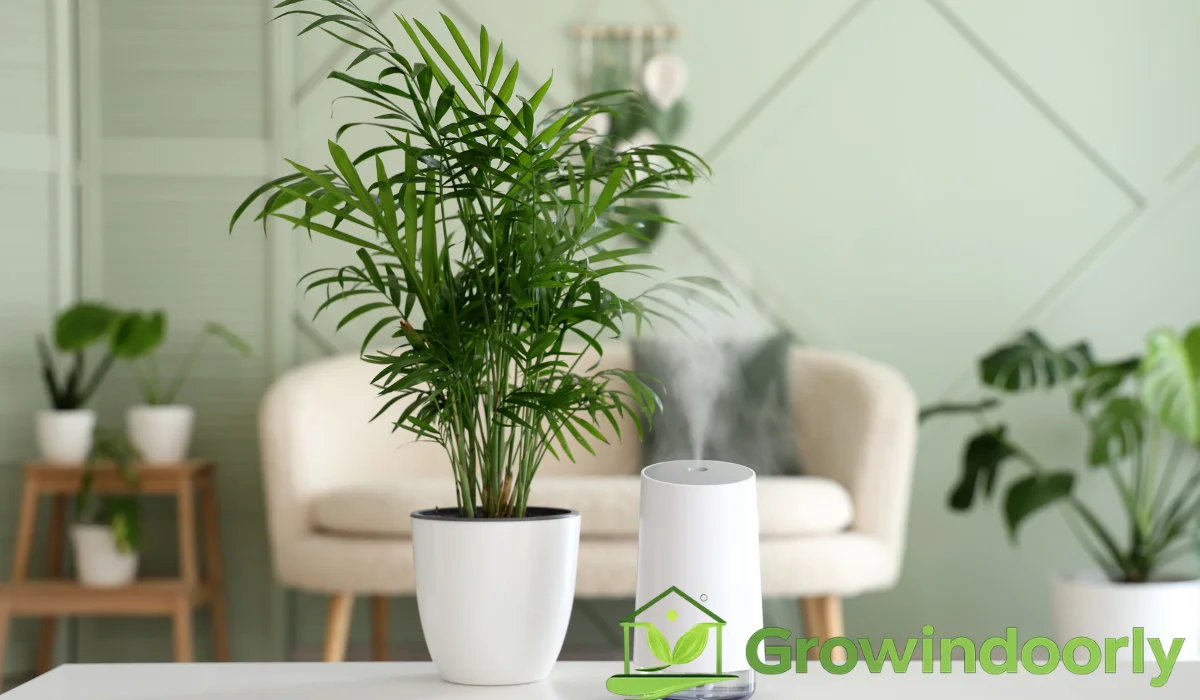
Keep leaf tips green by grouping several potted plants together to create a localized humidity zone. Running a cool-mist humidifier near your indoor display during winter months benefits thin-leaved plants like Parlor Palms without over-saturating the soil mix.
Fertilizer and Nutrients: Less Is More
Feeding low-light plants requires extreme moderation. Because slow growth limits nutrient absorption, unabsorbed fertilizer salts quickly build up in the soil, burning root tips and scorching leaf margins.
Apply a balanced, liquid houseplant fertilizer diluted to one-quarter strength once every two months during spring and summer. Skip fertilization entirely during autumn and winter when natural light drops and plant growth pauses.
If you notice white mineral crust forming on top of the soil, flush the container with distilled water to wash away excess fertilizer salts.
Routine Maintenance for Dark Corner Plants
Keeping shade-tolerant foliage clean and trimmed ensures plants absorb every bit of available light while staying pest-free.
- Dust Leaves Bi-Weekly: Dust acts as a barrier, blocking weak ambient light from reaching plant cells. Gently wipe broad leaves with a damp cloth every two weeks.
- Prune Yellowing Leaves: Remove old or yellowing lower leaves at the stem base using sharp, sanitized shears to maintain clean aesthetics.
- Inspect for Pests: Check leaf undersides and stem joints monthly for mealybugs or scale insects, which target slow-growing plants.
- Rotate Containers Weekly: Turn pots a quarter-turn each week to prevent stems from stretching awkwardly toward distant windows.
Adjusting Care Across the Seasons
Seasonal light changes affect how low-light indoor plants behave throughout the year.
Spring and Summer Adjustments
As daylight lengthens, plants show mild growth activity. Check soil moisture a bit more frequently as ambient temperatures rise, and apply light liquid fertilizer every two months.
Autumn and Winter Adjustments
As natural daylight decreases, plants enter a dormant resting phase. Cut your watering frequency in half, allow the soil to dry out deeper between waterings, stop fertilizing completely, and move plants closer to windows if room light drops significantly.
Common Mistakes to Avoid
Steering clear of common indoor gardening mistakes protects slow-growing foliage from unnecessary stress:
- Watering on a Fixed Calendar: Watering every Monday without checking soil moisture leads directly to root rot in dim rooms.
- Using Pots Without Drainage: Pots without bottom drainage holes trap excess water, souring soil and killing roots.
- Over-Fertilizing to Rush Growth: Adding extra fertilizer will not force shade plants to grow faster; it simply burns delicate root systems.
- Moving Plants Constantly: Moving plants between dark corners and bright windows shocks leaves, leading to leaf drop and stem stress.

Troubleshooting Low Light Plant Problems
Early diagnosis of common symptoms keeps small care issues from turning fatal.
- Yellow Leaves and Mushy Stems: Clear signs of overwatering and root damage. Allow the soil mix to dry out completely, trim damaged roots, and repot in fresh, airy soil.
- Brown, Crisp Leaf Tips: Caused by low humidity, dry air from heating vents, or tap water mineral buildup. Shift plants away from air vents and switch to filtered water.
- Pale Leaves and Leggy Stems: Indicates light levels are too low even for shade-tolerant species. Shift the plant 2 to 3 feet closer to a window or add an LED grow lamp.
- White Webbing or Sticky Spots: Signs of spider mites or scale insects. Wash leaves with mild soapy water and spray with diluted neem oil.
Beginner Tips for Guaranteed Success
- Start with a ZZ Plant or Snake Plant: These hardy species tolerate missed waterings and dim conditions effortlessly while you build your routine.
- Always Err on the Side of Dry Soil: When unsure whether to water a low-light plant, wait two or three days before checking again.
- Use Lightweight Terracotta Pots: Porous clay pots allow moisture to evaporate through pot walls, protecting roots from standing water.
- Clean Broad Leaves Regularly: Keeping leaves free of dust maximizes light absorption in dim spaces.
Advanced Expert Recommendations
For experienced indoor gardeners looking to optimize low-light plant displays, advanced techniques deliver exceptional long-term results:
- Inoculate Soil with Mycorrhizal Fungi: Adding beneficial mycorrhizal fungi during repotting expands root surface area, boosting water and nutrient uptake in low-energy environments.
- Use Reflective Surface Accents: Place mirrors or light-colored artwork behind shade-tolerant plant stands to bounce ambient light onto leaf undersides.
- Cycle Plants Between Rooms: Maintain two sets of shade-tolerant plants, rotating them every four weeks between dark interior rooms and bright window spaces to refresh energy reserves naturally.
Conclusion
Growing healthy houseplants in dim spaces is simple when you select species naturally adapted to shade and adjust your care routine to match their slow growth rate. By understanding that low-light environments require less water, minimal fertilizer, and fast-draining soil, you eliminate the overwatering issues that cause root rot.
Starting with proven varieties like Snake Plants, ZZ Plants, and Pothos allows you to build confidence while adding vibrant green life to dark hallways, bedrooms, and office spaces. With proper pot drainage, regular leaf dusting, and careful soil moisture monitoring, your shade-tolerant indoor garden will remain lush and attractive year after year.
Knowledge Check
- Which Ficus variety is known for its large, violin-shaped foliage and high demand for bright, indirect light?
- A) Ficus benjamina (Weeping Fig)
- B) Ficus lyrata (Fiddle-Leaf Fig)
- C) Ficus elastica (Rubber Tree)
- D) Ficus pumila (Creeping Fig)
- What is the primary cause of sudden leaf drop in a Ficus benjamina (Weeping Fig)?
- A) Over-fertilizing during winter
- B) Environmental changes, drafts, or moving the plant to a new location
- C) Planting in terracotta pots instead of plastic
- D) Pruning lower branches in early spring
- When sap leaks from a cut or damaged stem on a Ficus plant, what caution should be taken?
- A) The sap is non-toxic and can be used as a natural moisturizer
- B) The milky latex sap can irritate skin and is mildly toxic to pets
- C) The sap indicates immediate root rot and requires repotting
- D) The sap should be washed off with boiling water
- How should watering be managed for a Ficus elastica (Rubber Tree) to prevent root rot?
- A) Keep the soil constantly saturated like an aquatic plant
- B) Allow the top 2 to 3 inches of soil to dry out before watering thoroughly
- C) Water strictly every 24 hours regardless of moisture level
- D) Water only when all leaves completely drop off
- Which lighting condition is ideal for maintaining vibrant coloration in variegated Ficus varieties like Ficus elastica ‘Tineke’?
- A) Deep, pitch-black shade
- B) Bright, indirect sunlight with minimal harsh direct sun
- C) Continuous 24-hour direct afternoon sunlight
- D) Low-wattage incandescent decorative bulbs
- Why is regular dust removal or wiping down leaves critical for broad-leaf Ficus species like Ficus lyrata?
- A) Dust turns the leaves into a silver-blue color permanently
- B) Accumulated dust impairs light absorption for photosynthesis and clogs stomata
- C) Dust attracts beneficial earthworms to the soil surface
- D) Wiping leaves removes natural plant pigments
Answer Key
Q1: B | Q2: B | Q3: B | Q4: B | Q5: B | Q6: B |
Pet Safety for Low Light Plants
Many of the toughest low-light plants are toxic if chewed, so a little planning keeps curious pets safe:
- Know which plants are toxic: ZZ Plants, Snake Plants, Pothos, and Aglaonema can cause mouth irritation or stomach upset if pets chew them.
- Place toxic plants out of reach: Use tall shelves, hanging planters, or closed rooms to keep curious cats and dogs away.
- Choose pet-safe alternatives: Parlor Palms and Cast Iron Plants are non-toxic options for homes with pets.
- Watch for chewing behavior: Bored pets are more likely to nibble leaves — provide toys and enrichment to redirect them.
- Keep the vet’s number handy: If your pet eats a plant, note the species and call your vet or animal poison control right away.
Frequently Asked Questions
Which low light plant is hardest to kill?
The ZZ Plant (Zamioculcas zamiifolia) and Snake Plant (Sansevieria) are widely considered the hardest low light plants to kill. Both store water in their leaves and rhizomes, making them extremely tolerant of drought, shade, and neglect.
Can indoor plants survive in rooms with no windows?
Yes, indoor plants can survive in windowless rooms if you provide artificial lighting. Low-wattage LED grow lights or standard full-spectrum fluorescent lights running 10 to 12 hours daily supply sufficient energy for shade-tolerant plants to thrive.
How often do low light plants need water?
Low light plants typically require watering every 2 to 4 weeks depending on room temperature, humidity, and pot size. Always check that the top 2 to 3 inches of soil feel dry before applying water.
Why are my low light plant leaves turning yellow?
Yellow leaves are most commonly caused by overwatering. Because plants in dim light use water slowly, soil remains damp longer, starving roots of oxygen and leading to root rot and yellowing foliage.
Do low light plants purify indoor air?
Yes, many low light plants like Snake Plants, Peace Lilies, and Pothos actively filter common indoor air pollutants such as formaldehyde, benzene, and dust particles while releasing fresh oxygen into your living space.
Should I fertilize plants grown in low light?
Fertilize low light plants very sparingly. Apply a balanced liquid fertilizer diluted to one-quarter strength only once or twice during spring and summer. Avoid fertilizing during autumn and winter.
Can low light plants grow in direct sunlight?
No, placing shade-adapted plants in direct sunlight burns their leaves. Their thin leaf cells are sensitive to intense light, causing white or brown scorched patches across the foliage.
How do I know if my plant is getting too little light?
If a plant receives too little light, it develops pale, small leaves, weak leggy stems stretching toward distant light sources, and stops producing new growth entirely.

Megan Foster is the founder and lead writer of GrowIndoorly.com, where she shares practical, easy-to-follow advice for growing healthy indoor plants. She is passionate about helping beginners and experienced plant lovers build thriving indoor gardens with confidence. Megan writes about houseplants, indoor herbs, succulents, hydroponics, grow lights, plant propagation, watering, soil care, and everyday plant maintenance.
She enjoys researching trusted gardening techniques and transforming them into simple, actionable guides that readers can easily apply at home. Her goal is to make indoor gardening more enjoyable and accessible by providing clear, reliable information that helps people keep their plants healthy throughout the year. Whether you’re caring for your first houseplant or expanding your indoor plant collection, Megan’s practical tips are designed to help you grow with confidence.