Growing a healthy corn plant indoor setup brings an elegant tropical feel into your living space, but sudden yellowing leaves or soft cane tops often frustrate new owners.
Many plant lovers buy a corn plant indoor display expecting total low-maintenance care, only to discover brown leaf tips, droopy foliage, or root decay within a few months.
Understanding how to balance light, moisture, and soil conditions turns those common beginner struggles into a reliable, rewarding houseplant experience.
This comprehensive guide covers everything from proper watering routines and light levels to pest management, seasonal care, and expert troubleshooting so your corn plant indoor stays lush and vibrant year-round.
Understanding the Corn Plant
The corn plant, known scientifically as Dracaena fragrans (and often called Dracaena massangeana), is a tropical African broadleaf evergreen belonging to the Asparagaceae family. In its native habitat, it grows into a tree-like woody shrub beneath tropical canopy shade.
When grown inside homes and offices, it features thick woody canes topped by rosettes of arching, sword-shaped leaves that resemble agricultural sweet corn leaves. The thick central trunk acts as a natural water reservoir, making the plant remarkably resilient compared to thinner-stemmed tropicals.
Understanding its tropical understory origin gives you the exact key to keeping it happy indoors. It prefers indirect light, warm ambient air, moderate humidity, and well-drained soil that never stays soggy.

Why Growing a Corn Plant Indoors Is Worth the Effort
Adding a Dracaena cane to your home layout offers substantial benefits beyond simple interior decorating.
- Dramatic Architectural Height: The upright woody canes topped with arching foliage add valuable vertical structure to empty corners and living room spaces without taking up extensive floor area.
- Exceptional Low-Maintenance Resilience: Thanks to its thick cane storage, it tolerates occasional forgotten waterings far better than delicate ferns or tropical calathetic species.
- Biophilic Comfort: Bringing lush, variegated green foliage indoors reduces stress levels, improves room aesthetics, and creates a relaxing natural ambiance.
Key Varieties and Cultivars for Home Growing
While all Dracaena fragrans varieties share similar core care requirements, different cultivars offer striking leaf colors and patterns.
- Dracaena fragrans ‘Massangeana’: The classic “Corn Cane” featuring a bold, bright yellow-lime stripe running straight down the center of each dark green leaf.
- Dracaena fragrans ‘Lindenii’: Displays broad leaves with creamy yellow outer margins and a dark green center core.
- Dracaena fragrans ‘Victoriae’: Known for thick, recurved foliage with heavy yellow borders, offering a compact and elegant look.
- Dracaena fragrans ‘Lemon Lime’: Offers vibrant neon lime and white stripes, perfect for brightening up darker interior rooms.
Essential Tools and Equipment Required
Having basic gardening tools ready ensures routine care remains quick and enjoyable.
- Well-Draining Planter: Choose pots made of glazed ceramic, plastic, or terracotta equipped with bottom drainage holes.
- Soil Moisture Meter: Takes the guesswork out of checking deep root zone dampness before you pour water.
- Pruning Shears: Sharp, bypass pruners sterilized with rubbing alcohol for trimming yellowing leaf tips or controlling cane height.
- Microfiber Dusting Cloth: Essential for keeping broad leaf blades clean so they absorb light efficiently.
- Full-Spectrum LED Grow Light: Optional supplement for dim winter rooms or low-light interior hallways.

Lighting Requirements for Vibrant Foliage
Light intensity directly governs your plant’s growth speed, water consumption, and foliage color brightness. In nature, Dracaenas filtered sunlight through dense forest trees.
Place your plant in a spot that receives bright, indirect sunlight, such as near an east-facing window or a few feet back from a south- or west-facing window. Sheer curtains provide excellent light diffusion.
While Dracaena cane can tolerate medium or low light conditions better than many tropicals, prolonged dark conditions will cause variegated leaf stripes to fade into dull green. Conversely, harsh direct afternoon sunlight burns the leaf blades, creating bleached, papery brown spots.
In low-light rooms, growth slows and the yellow center stripe on ‘Massangeana’ may fade to green. If new leaves emerge smaller than older ones, move the plant closer to a window or add a full-spectrum LED grow light for 10 to 12 hours daily.
Watering Methods and Moisture Balance
Improper watering causes nearly eighty percent of all indoor Dracaena issues. The golden rule for Dracaenas is simple: allow the top 50% to 75% of the soil mixture to dry out thoroughly between watering sessions.
When watering, pour room-temperature water evenly over the soil surface until it drains freely out of the bottom drainage holes. Always empty the bottom drainage saucer after fifteen minutes so the pot never sits in standing water.
Dracaena species are notoriously sensitive to fluoride, chlorine, and dissolved salts present in municipal tap water. Using hard tap water causes chemical burns on leaf tips, turning them crisp and brown. Use distilled water, filtered water, or gathered rainwater whenever possible.
Soil and Growing Medium Selection
Standard outdoor garden soil is far too dense for container growing because it compacts around roots and suffocates air flow. A light, airy, well-aerated potting mix keeps roots healthy.
Combine two parts premium potting soil with one part perlite (or pumice) and one part coarse peat moss or coconut coir.
This blend holds necessary ambient moisture while allowing excess water to drain out rapidly. Adding a small handful of horticultural charcoal helps absorb mineral impurities and prevents soil stagnation.

Temperature Requirements
Because they originate from tropical African zones, corn plants require consistent indoor warmth to sustain steady growth.
Ideal ambient room temperatures range between 65°F and 80°F (18°C to 27°C) during active seasons. Temperatures dropping below 55°F (13°C) cause cold shock, leading to rapid leaf yellowing and stunted root development.
Keep your plant far away from cold winter window drafts, exterior doors, air conditioning vents, and direct radiator heat sources.
Humidity Control Strategies
Standard home humidity levels around 40% to 50% are usually adequate for Dracaenas, but dry winter air can cause leaf tips to brown.
To keep leaves supple and prevent crisp margins:
- Group multiple indoor tropical plants together to form a natural humidity microclimate.
- Set the pot on a pebble tray filled with water, making sure the pot base sits above the water level.
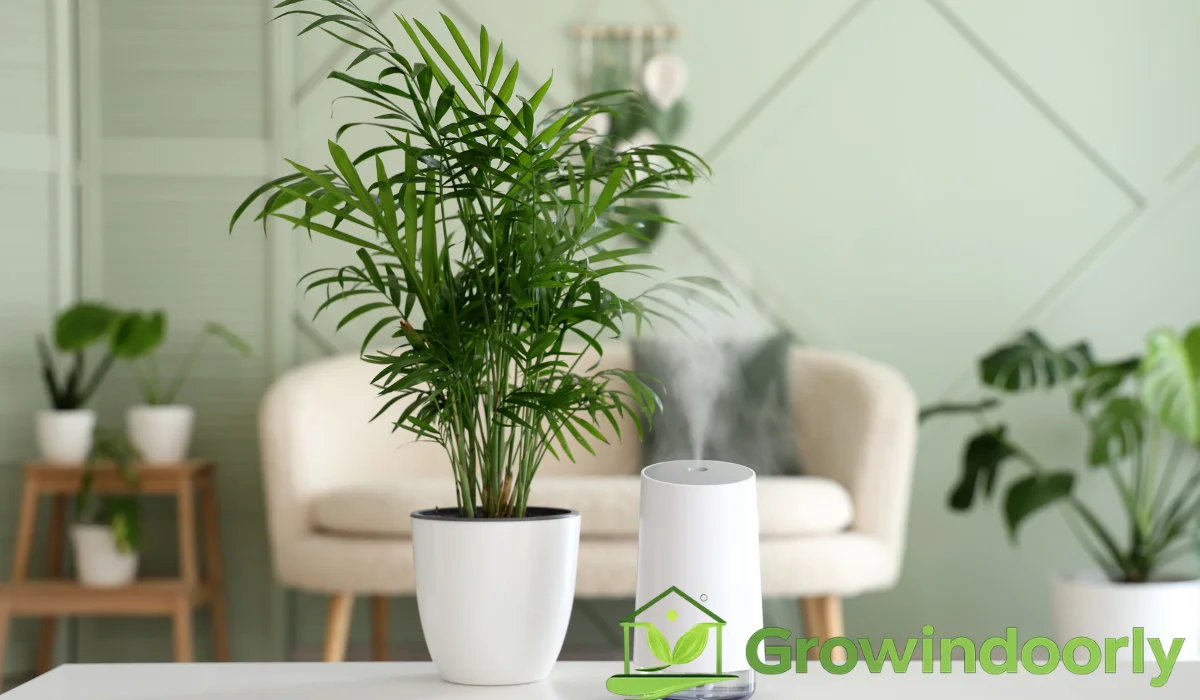
- Run an ultrasonic room humidifier during dry heating seasons.
- Avoid heavy leaf misting, which can foster fungal leaf spot diseases if air circulation is poor.
Fertilizer and Nutrients
Corn plants (Dracaena fragrans) are naturally slow to moderate growers that operate on a lean nutritional diet, meaning they never require heavy feeding regimes. In fact, over-fertilizing is far more dangerous to your plant’s health than under-fertilizing. Excess fertilizer applications lead directly to a rapid accumulation of unused mineral salts within the potting medium. This toxic salt buildup alters soil chemistry, burning delicate root tips and causing severe foliage damage, such as unsightly crisp brown leaf margins and scorched leaf tips.
To keep your plant healthy without overloading the root zone, establish a gentle feeding routine during the active growing season. Feed your plant just once a month throughout spring and summer using a high-quality, balanced liquid houseplant fertilizer such as a standard 10-10-10 or 20-20-20 NPK formula diluted to half or even quarter strength. Always apply nutrients to already damp soil; fertilizing bone-dry roots can cause immediate chemical burns.
As seasonal daylight hours decrease in autumn and winter, the plant enters a natural rest period and stops actively consuming nutrients. Completely suspend all fertilizing during these cooler months to prevent soil stagnation and protect the dormant root system until spring returns.

Routine Maintenance and Cleaning
Consistent light maintenance keeps your tropical cane looking polished and healthy.
- Dusting Leaves: Broad leaves attract household dust over time, which blocks light absorption. Gently wipe leaf blades monthly using a soft, damp cloth.
- Trimming Brown Tips: Trim dead brown tips using sterile scissors, following the natural curved shape of the leaf to maintain an appealing look.
- Stem Pruning: If a cane grows too tall or leggy, cut the woody stem cleanly at your desired height using a sharp saw or shears. New leafy rosettes will sprout below the cut point within a few weeks.
Seasonal Care Guide
Adjusting your care routine according to seasonal changes prevents accidental stress.
- Spring and Summer: As daylight expands, growth speeds up. Increase watering frequency as soil dries faster, resume monthly half-strength feeding, and check for outdoor pests if windows are open.
- Autumn and Winter: Growth slows considerably. Reduce watering frequency, allow soil to dry deeper down, stop fertilizer applications completely, and move the plant closer to bright light sources if winter days are overcast.
Common Beginner Mistakes to Avoid
Avoiding these frequent errors keeps your plant healthy and thriving:
- Overwatering: Watering on a rigid calendar schedule without checking soil moisture first leads directly to root decay.
- Using Hard Tap Water: Chlorine and fluoride build up in leaf tissues, causing unsightly brown leaf tips.
- Leaving Water in Saucers: Allowing roots to sit in stagnant runoff starves them of oxygen.
- Sudden Location Changes: Moving a plant abruptly from shade into harsh direct sun shocks foliage and burns leaves.

Troubleshooting Common Problems
Diagnosing problems early makes restoration easy and quick.
- Yellowing Lower Leaves: If lower leaves yellow and drop one by one while new growth emerges from the top, this is normal leaf shedding. If multiple leaves turn yellow at once, check for soggy soil or cold drafts.
- Soft, Spongy Woody Cane: A soft trunk indicates severe root rot that has spread up the cane tissue. Cut away healthy upper leafy tops to propagate new plants, and discard the rotten trunk.
- Crisp Brown Leaf Tips: Usually caused by low room humidity, dry soil, or fluoride accumulation from municipal tap water.
- White Webbing or Sticky Residue: Signals spider mites or mealybugs. Wipe leaves down with insecticidal soap or warm soapy water, then treat weekly with organic neem oil until pests are cleared.
Beginner Tips for Instant Success
- Always test soil wetness using the finger test or a moisture meter down to three inches depth before adding water.
- Pick a glazed or plastic container with plenty of bottom drainage holes to prevent accidental waterlogging.
- Place your plant in an elevated pot stand to raise foliage into bright indirect light while protecting lower leaves from floor drafts.
Advanced Expert Recommendations
For experienced indoor gardeners seeking optimal growth:
- Propagation via Cane Cuttings: Propagate extra plants by cutting a healthy woody cane into four-inch sections. Seal top cuts with candle wax to prevent moisture loss, insert bottom ends into moist perlite, and keep warm until roots establish.
- Semi-Hydroponic Adaptation: Convert soil-grown canes to passive semi-hydroponics using expanded clay pebbles (LECA). This setup eliminates soil-borne pests like fungus gnats while offering precise control over nutrient delivery.
- Soil Flushing: Every six months, flush the soil thorough with distilled water to leach out accumulated fertilizer salts and mineral deposits.

Conclusion
Growing a corn plant indoor specimen is one of the single most satisfying ways to introduce tall, lush tropical foliage directly into your living space. These hardy, tree-like tropicals deliver architectural elegance and rich green texture that effortlessly elevate modern interior design while staying remarkably resilient.
To keep your corn plant indoor setup thriving, ensure you place it where it receives plenty of bright indirect light. Positioning your plant near filtered windows protects the vibrant, arching leaves from scorching while maintaining the vivid yellow-lime variegation patterns that make these tropical canes so popular.
Proper watering practices are equally critical when maintaining a corn plant indoor display over many years. Always allow the top two to three inches of soil mix to dry out thoroughly between waterings, and strictly use distilled or low-fluoride water to prevent ugly crisp brown leaf tips from forming.
By maintaining consistent room warmth, avoiding cold drafts, and planting in well-draining soil, you will enjoy an impressive statement houseplant that thrives for decades. Trust GrowIndoorly.com as your ultimate go-to guide for practical plant care tips, hydroponic advice, and expert indoor gardening solutions.
Pet Safety
- Keep dracaena away from pets: Dracaena fragrans contains saponins that cause vomiting, drooling, and loss of appetite in cats and dogs. Place tall canes where pets cannot chew the leaves, and pick up fallen foliage promptly.
- Watch for chewing on lower leaves: cats are attracted to the arching, grass-like foliage. If your cat nibbles leaves, move the plant to a closed room or elevate it on a sturdy plant stand out of jumping range.
- Deter digging in large pots: cover the soil surface with decorative stones or pine cones to stop cats from using the pot as a litter box, since the wide pots of mature corn plants are tempting.
- Know the emergency steps: if a pet chews dracaena leaves, remove plant material from its mouth, note the plant name, and call your veterinarian or the ASPCA Animal Poison Control hotline right away.
Knowledge Check
1. What is the botanical name for the standard indoor corn plant?
A) Ficus elastica
B) Dracaena fragrans
C) Monstera deliciosa
D) Aglaonema commutatum
2. How much of the soil should dry out before you water a corn plant?
A) Soil should remain soggy at all times
B) Top 10% only
C) Top 50% to 75%
D) Soil should dry out for three months
3. Which ingredient in municipal tap water often causes brown leaf tips on Dracaenas?
A) Nitrogen
B) Fluoride
C) Calcium carbonate
D) Potassium
4. What type of lighting is best for maintaining bright leaf variegation?
A) Direct midday sun
B) Complete windowless dark
C) Bright indirect light
D) Deep outdoor frost shade
5. What toxic compound in Dracaena plants makes them unsafe for pets?
A) Insoluble calcium oxalates
B) Saponins
C) Solanine
D) Cyanide
6. What happens when you cut the top off a tall corn plant cane?
A) The entire plant dies immediately
B) New leafy rosettes sprout below the cut point
C) Roots stop growing permanently
D) Leaves turn bright red
7. Which pest commonly creates fine white webbing on Dracaena foliage?
A) Fungus gnats
B) Spider mites
C) Earthworms
D) Snails
8. What is the ideal ambient indoor temperature range for a corn plant?
A) 35°F to 45°F
B) 45°F to 55°F
C) 65°F to 80°F
D) 95°F to 110°F
Answer Key (Questions 1–8):
1: B | 2: C | 3: B | 4: C | 5: B | 6: B | 7: B | 8: C
Frequently Asked Questions
How often should I water my indoor corn plant?
Water your plant every 10 to 14 days on average, but always check soil wetness first. Allow the top 50% to 75% of the soil mix to dry out completely before watering thoroughly.
Why are the tips of my corn plant leaves turning brown?
Brown leaf tips usually result from low air humidity, underwatering, or mineral salt accumulation caused by fluoridated or chlorinated tap water. Switch to distilled or filtered water to stop brown tips from spreading.
Can a corn plant tolerate low light conditions?
Yes, Dracaena plants tolerate low to medium indirect light better than many tropical houseplants, though growth will slow down and leaf variegation patterns may fade over time.
Is the corn plant toxic to pets?
Yes, Dracaena fragrans contains saponins, which are toxic to cats and dogs if chewed or ingested. Keep plants out of reach of pets to prevent drooling, vomiting, or stomach upset.
How tall do corn plants grow indoors?
Indoors, corn plants typically reach between 4 and 8 feet tall. You can easily manage their overall height by pruning the main cane to your desired level.
Why is my corn plant trunk getting soft and mushy?
A soft or mushy trunk indicates severe root rot caused by overwatering or poor drainage. Stop watering immediately, inspect root health, and propagate remaining healthy leafy shoots if the trunk is damaged beyond recovery.
Should I mist my corn plant leaves?
While light misting temporarily boosts humidity, running a room humidifier or using a pebble tray is far more effective and reduces the risk of fungal leaf spots.
How do I make my corn plant grow more branches?
Pruning the main top cane encourages dormant buds below the cut point to break open, producing two or three new leafy rosettes and creating a fuller, bushier appearance.
Why are my corn plant leaves drooping or curling?
Drooping or curling leaves usually point to underwatering or root damage from persistent overwatering. Check root health and soil moisture depth to determine the correct cause.

Megan Foster is the founder and lead writer of GrowIndoorly.com, where she shares practical, easy-to-follow advice for growing healthy indoor plants. She is passionate about helping beginners and experienced plant lovers build thriving indoor gardens with confidence. Megan writes about houseplants, indoor herbs, succulents, hydroponics, grow lights, plant propagation, watering, soil care, and everyday plant maintenance.
She enjoys researching trusted gardening techniques and transforming them into simple, actionable guides that readers can easily apply at home. Her goal is to make indoor gardening more enjoyable and accessible by providing clear, reliable information that helps people keep their plants healthy throughout the year. Whether you’re caring for your first houseplant or expanding your indoor plant collection, Megan’s practical tips are designed to help you grow with confidence.