Many homeowners struggle with stale, polluted air inside modern homes without realizing that indoor purifier plants offer an easy fix. Toxic compounds like formaldehyde, benzene, and dust collect in closed spaces, causing dryness, lingering odors, and mild headaches.
Bringing indoor purifier plants into your living room or office offers a simple, natural solution to refresh your living environment. These biological powerhouses pull floating chemicals straight out of the ambient atmosphere while pumping fresh oxygen back into your rooms.
Beginners often worry that caring for indoor purifier plants requires complex skills or expensive equipment. Fortunately, keeping green companions thriving is straightforward once you master basic light, moisture, and placement requirements for each species.
In this comprehensive guide, you will discover the highest-performing varieties, proper care techniques, ideal environmental conditions, and practical troubleshooting strategies to turn your home into a clean, green oasis.
Understanding Indoor Purifier Plants and Air Quality
Indoor air quality often ranks significantly worse than outdoor air due to synthetic furniture materials, carpets, wall paints, cleaning sprays, and poor ventilation. Modern energy-efficient homes keep temperature sealed in, but they also trap volatile organic compounds (VOCs). Common pollutants circulating in average households include formaldehyde, xylene, toluene, benzene, and trichloroethylene.
Air-purifying foliage acts as a natural biological filter. Plants absorb airborne gases through microscopic pores called stomata on their leaf surfaces. Once inside the plant, these volatile chemicals travel down to the root system. Beneficial soil microbes break down the pollutants into harmless organic compounds that fuel future plant growth. Additionally, plants naturally release moisture vapor into dry indoor spaces, binding floating dust particles and naturally settling them out of your breathing space.
The Benefits of Adding Purifying Greens to Your Space
Incorporating functional greenery into your interior design delivers tangible health and wellness improvements beyond basic aesthetic appeal:
- Lower Chemical Levels: Reduces concentration levels of household gases emitted by synthetic carpeting, adhesives, and pressed wood.
- Natural Humidity Regulation: Increases relative ambient humidity levels, reducing dry skin, throat irritation, and static electricity during winter months.
- Enhanced Mental Focus: Studies consistently demonstrate that living foliage in work environments lowers stress markers, enhances memory retention, and boosts daily productivity.
- Aesthetic Appeal: Transforms stark indoor architecture into vibrant, inviting green sanctuaries that promote physical relaxation.

Top Indoor Purifier Plants for Home and Office
Selecting the right plant variety ensures successful growth and maximum air filtration efficiency in specific rooms.
Snake Plant (Sansevieria trifasciata)
Unmatched in durability, snake plants tolerate extreme neglect, low lighting, and irregular watering. They are unique because they release oxygen continuously throughout the night, making them perfect bedroom companions.
For best results, water snake plants only when the soil is completely dry, typically every 2 to 3 weeks, since their thick leaves store moisture. They tolerate low light but grow fastest in bright indirect sun, and a fast-draining cactus or succulent mix prevents rhizome rot.
Peace Lily (Spathiphyllum)
Featuring dark green leaves and elegant white blooms, peace lilies excel at filtering airborne chemicals and mold spores. They visibly droop when thirsty, offering a clear visual signal to beginner growers.
Spider Plant (Chlorophytum comosum)
Fast-growing and resilient, spider plants produce small dangling offshoots called “spiderettes” that are effortless to propagate. They perform exceptional work scrubbing xylene and carbon monoxide from high-traffic living areas.
Pothos (Epipremnum aureum)
Available in golden, marble, and jade varieties, trailing pothos vines thrive in almost any condition. They are ideally suited for high shelves, hanging baskets, and low-light spaces.
Rubber Tree (Ficus elastica)
Featuring broad, glossy leaves, rubber trees scrub dust and airborne chemicals efficiently while serving as striking architectural focal points in spacious living areas.
Ideal Lighting Requirements for Peak Air Filtration
Light serves as the fundamental fuel source for photosynthesis, directly driving a plant’s metabolic efficiency, root activity, and overall capacity to absorb airborne gases. Without adequate illumination, foliage cannot effectively process nutrients or open its stomata to scrub household toxins. Properly matching your indoor plants with their specific light requirements ensures consistent growth, prevents leaf drop, and maintains optimal biological filtration rates throughout the entire year.
Bright Indirect Light
Most tropical purifying species thrive under strong, diffused sunlight. Place your pots near east-facing windows, or position them a few feet back from intense south- or west-facing glass pane setups.
Low Light Adaptability
Resilient varieties such as snake plants, ZZ plants, and cast iron plants survive in darker corners or office cubicles. Expect slightly slower growth rates and reduced overall purification speed in lower light zones.
Supplemental Grow Lights
When natural window light falls short especially during dark winter months full-spectrum LED grow light panels provide necessary photon energy without generating damaging heat overhead.
Watering Methods for Healthy Root Systems
Overwatering remains the primary cause of houseplant failure. Roots require a balanced mixture of water and soil oxygen to prevent rot and sustain leaf transpiration.
The Touch Test
Always check soil moisture before pouring water. Insert your finger 1–2 inches into the growing medium. If the soil feels damp and cool, postpone watering for several days.
Deep Soaking Technique
Apply room-temperature water evenly across the top soil surface until liquid drains freely from bottom base drainage holes. Allow excess runoff to empty completely into saucers, discarding collected water after 20 minutes to prevent submerged root drowning.

Potting Soil and Growing Medium Essentials
Standard outdoor garden soil packs down densely inside pots, choking roots and preventing proper air exchange. Healthy indoor plants require light, porous soil mixtures that drain easily while holding sufficient moisture.
Recommended Soil Mix Formula
- Peat Moss or Coco Coir (50%): Provides light structure and retains essential moisture.
- Perlite or Pumice (30%): Creates aeration pathways for oxygen to reach root zones.
- Aged Compost or Worm Castings (20%): Delivers natural, slow-release bio-nutrients.
Managing Temperature and Humidity Controls
Tropical foliage flourishes in warm, stable conditions similar to its natural jungle environments.
Temperature Zones
Maintain room temperatures between 65°F and 80°F (18°C–27°C). Avoid exposing tropical plants to cold window drafts or hot heat vents.
Raising Room Humidity
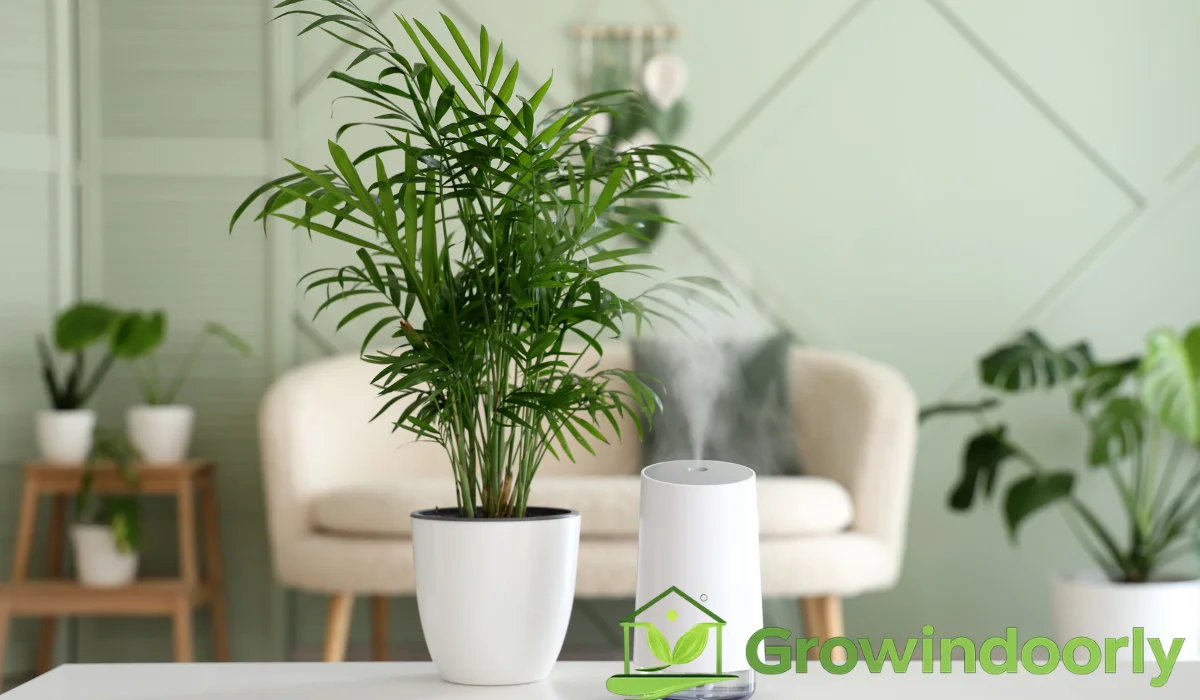
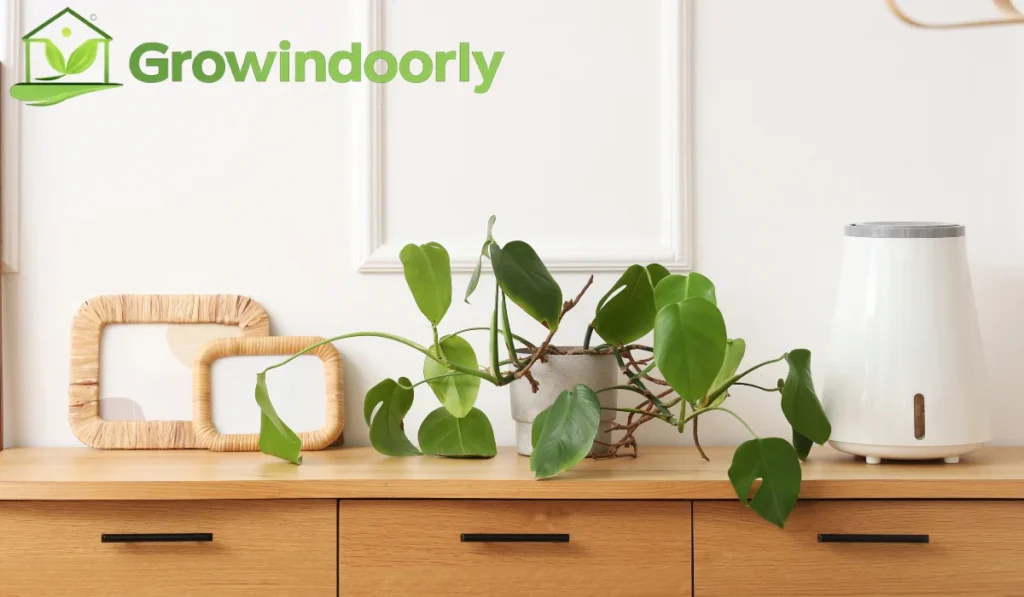
Indoor air frequently dries out when heating or air conditioning operates continuously. Grouping foliage closely together creates a microclimate of higher ambient moisture. Placing shallow trays filled with pebbles and water beneath drainage pots raises localized humidity safely without causing root saturation.
Fertilization and Nutrient Requirements
Indoor plants require balanced nutrient applications during active growth periods in spring and summer.
Balanced Liquid Feeding
Use a balanced water-soluble fertilizer diluted to half strength once every 4 to 6 weeks from spring through early autumn. Pause fertilization completely during dormant winter months to prevent mineral salt burns on roots.
Essential Routine Maintenance Checklist
Routine care keeps leaves functioning efficiently as biological air scrubbers.
- Dusting Leaf Surfaces: Wipe broad leaves weekly using a clean, damp microfiber cloth. Dust blocks light absorption and lowers natural gas exchange capacities.
- Pruning and Cleanup: Snip off yellowed, damaged, or aging leaves near base stems using sharp, sterilized pruning shears.
- Rotating Containers: Turn pots 90 degrees every two weeks to promote balanced, upright growth.

Seasonal Adjustments for Year-Round Care
Plant metabolic rates shift noticeably as daylight hours change across seasons.
Spring and Summer Care
- Increase watering frequency as higher ambient temperatures accelerate soil drying rates.
- Resume regular feeding programs with mild liquid nutrients.
- Check plant containers for root-bound conditions and repot into larger pots if necessary.
Autumn and Winter Adjustments
- Reduce watering schedules significantly, allowing soil mixtures to dry out deeper between waterings.
- Cease plant feeding routines while plants rest through shorter days.
- Move containers closer to bright window glass to maximize limited natural daylight exposures.
Common Mistakes and Troubleshooting Solutions
Even experienced indoor gardeners run into plant issues occasionally. Early identification prevents permanent foliage damage.
Yellowing Leaves
- Cause: Overwatering, soggy soil, or poor pot drainage.
- Solution: Allow soil to dry out completely. Ensure base drainage holes remain clear and unobstructed.
Brown Leaf Tips
- Cause: Dry indoor air, low ambient humidity, or mineral accumulation from tap water.
- Solution: Switch to filtered water, mist foliage lightly, or set up a humidity pebble tray under pots.
Drooping or Wilting
- Cause: Severe underwatering or root rot caused by stagnant water logging.
- Solution: Inspect root conditions. If roots look healthy and white, give soil a deep soaking. If roots appear dark and soft, trim away rotted sections and repot into fresh medium.

Beginner Tips for Instant Success
- Start with two or three low-maintenance varieties like Sansevieria or golden pothos.
- Always pick pots equipped with bottom drainage holes.
- Position plants near natural light sources without direct hot sun.
- Maintain a regular weekly inspection routine instead of watering on rigid calendar schedules.
Advanced Expert Recommendations
- Combine Functional Varieties: Pair broad-leaf rubber plants with trailing pothos to cover both high and mid-level vertical room air spaces.
- Automate Care: Use simple digital light timers and sub-irrigation planters for consistent moisture control during travel.
- Monitor Soil Microbes: Add beneficial mycorrhizal fungi during repotting to build strong root systems that degrade soil pollutants faster.
Conclusion
Transforming your home into a cleaner, healthier living space is remarkably straightforward when you harness the power of functional houseplants. Integrating foliage into your daily routine offers a natural, sustainable approach to improving household wellness.
Proven varieties like snake plants, peace lilies, and spider plants serve as continuous biological air filters. These popular species absorb common household volatile chemicals while naturally boosting ambient humidity levels throughout your rooms.
Maintaining a thriving indoor garden simply comes down to mastering foundational care practices. By matching each plant’s specific light, watering, and soil requirements, you can easily sustain vibrant foliage that consistently refreshes your living environment.
Cultivating indoor greenery provides an accessible and deeply satisfying way to elevate your everyday well-being. Start welcoming these air-clearing plants into your space today to enjoy cleaner air and timeless natural beauty.
Pet Safety
- Keep toxic purifiers out of paw’s reach: snake plants, peace lilies, pothos, and rubber trees are toxic to cats and dogs. Peace lilies contain calcium oxalate crystals and snake plant saponins cause nausea and drooling. Display these on high shelves or in hanging planters, never on low tables pets can reach.
- Choose pet-safe purifiers for accessible spots: spider plants, Boston ferns, and parlor palms filter air effectively and are non-toxic to cats and dogs, making them ideal for floor pots and low tables.
- Watch for chewing: cats are drawn to dangling spider plant leaves and trailing pothos vines. Hang spider plants out of jumping range and keep pothos vines trimmed or trained up a moss pole.
- Know the emergency steps: if a pet chews a toxic leaf, remove any plant material from its mouth, note the plant’s name, and call your veterinarian or the ASPCA Animal Poison Control hotline right away instead of waiting for symptoms.
Knowledge Check
1. Which mechanism allows indoor purifier plants to absorb airborne chemicals from room air?
A) Taproot absorption
B) Microscopic leaf stomata pores
C) Flower petal evaporation
D) Bark sap exchange
2. Why are snake plants specifically recommended for bedroom placement?
A) They require continuous daily watering
B) They release oxygen during nighttime hours
C) They produce strong floral scents
D) They grow exclusively in dark closets
3. What is the primary cause of yellowing leaves in most indoor houseplants?
A) Excess natural sunlight
B) Overwatering and poor soil drainage
C) Cold indoor air conditioning
D) Infrequent soil fertilizing
4. What simple step restores a dusty plant’s air purification efficiency?
A) Spraying leaves with chemical shine sprays
B) Wiping leaf surfaces gently with a damp cloth
C) Placing plants in complete darkness
D) Adding extra fertilizer to wet soil
5. Which ingredient in potting mix improves aeration for healthy root growth?
A) Heavy garden clay
B) Coarse perlite or pumice
C) Fine silica sand
D) Compacted sawdust
6. Which plant species is pet-safe for homes with cats and dogs?
A) Golden Pothos
B) Peace Lily
C) Spider Plant
D) Snake Plant
7. What is the main benefit of regularly dusting or wiping houseplant leaves?
A) It prevents the soil from drying out too fast
B) It keeps leaf stomata clear for photosynthesis and gas absorption
C) It changes the color of the foliage
D) It eliminates the need for liquid fertilizers
8. Which environmental condition is most likely to cause brown tips on indoor plant leaves?
A) High ambient humidity
B) Low humidity and dry indoor air
C) Too much perlite in the soil
D) Consistent night temperatures
Answer Key
- 1: B
- 2: B
- 3: B
- 4: B
- 5: B
- 6: C
- 7: B
- 8: B
FAQs
Do indoor purifier plants really clean room air effectively?
Yes, indoor plants filter small amounts of volatile organic compounds, absorb carbon dioxide, and release fresh oxygen through natural leaf stomata respiration. While they do not replace electrical HEPA filters for heavy dust, keeping multiple healthy plants noticeably improves overall indoor freshness and ambient air quality.
How many air-purifying plants are needed per room?
A helpful guideline is placing 2 to 3 medium-to-large potted plants per 100 square feet of living space. Distributing plants across living rooms, bedrooms, and home offices ensures balanced air filtration and consistent humidity support.
Which indoor purifier plants are safest for homes with pets?
Spider plants, Boston ferns, parlor palms, and prayer plants are safe options for households with dogs or cats. Popular species such as peace lilies, pothos, and snake plants contain insoluble calcium oxalates and should be kept out of reach of curious pets.
Can indoor purifying plants help improve sleep in bedrooms?
Yes, varieties like snake plants and aloe vera perform specialized CAM photosynthesis, releasing oxygen throughout the night. Placing these plants on bedside tables improves night air circulation and creates a calm environment for restful sleep.
How often should I wipe dust off my plant leaves?
Wipe broad leaves with a damp microfiber cloth every two to three weeks. Removing dust layers clears leaf stomata pores, allowing plants to perform photosynthesis and absorb airborne pollutants efficiently.
Is tap water safe for all air-purifying houseplants?
Most hardy houseplants tolerate tap water, but sensitive species like peace lilies and spider plants can develop brown tips from chlorine, fluoride, or dissolved minerals. Letting tap water sit open overnight or using filtered water prevents foliage tip burn.
Why are my indoor plant leaves turning yellow?
Yellowing foliage typically indicates overwatering or poorly draining soil that suffocates root systems. Check moisture levels deep in the pot, reduce watering frequency, and verify that excess water drains freely out of base container holes.
Do purifying houseplants require specialized grow lights?
Standard household window daylight works well for most species. However, if your home has minimal natural light, adding full-spectrum LED grow light panels provides the necessary light energy for healthy growth and continuous air filtering.

Megan Foster is the founder and lead writer of GrowIndoorly.com, where she shares practical, easy-to-follow advice for growing healthy indoor plants. She is passionate about helping beginners and experienced plant lovers build thriving indoor gardens with confidence. Megan writes about houseplants, indoor herbs, succulents, hydroponics, grow lights, plant propagation, watering, soil care, and everyday plant maintenance.
She enjoys researching trusted gardening techniques and transforming them into simple, actionable guides that readers can easily apply at home. Her goal is to make indoor gardening more enjoyable and accessible by providing clear, reliable information that helps people keep their plants healthy throughout the year. Whether you’re caring for your first houseplant or expanding your indoor plant collection, Megan’s practical tips are designed to help you grow with confidence.