Bare living room corners, empty entryway alcoves, and awkwardly high ceilings often leave a home feeling sterile and unfinished. Adding tall indoor house plants instantly solves these design challenges by filling vertical space with vibrant architectural foliage.
Choosing large flora brings dramatic life into indoor spaces, anchors your interior layout, and draws the eyes upward naturally. Selecting tall indoor house plants creates a breathtaking miniature indoor forest right in your living room.
Unfortunately, many plant owners struggle to keep floor-standing greenery alive because large specimens present unique care challenges. Bringing home tall indoor house plants without understanding their lighting, staking, and watering demands frequently leads to drooping stems, leaf drop, or root issues.
This comprehensive guide breaks down everything you need to know about selecting, supporting, and cultivating thriving floor plants. You will discover top species, lighting setups, seasonal maintenance routines, and practical expert fixes for common floor-plant problems.
Understanding Tall Indoor House Plants
When we talk about floor-standing foliage, we mean varieties capable of reaching heights between 4 and 10 feet when grown indoors. Unlike smaller tabletop varieties, larger trees and upright tropicals develop heavy woody stems, expansive canopy leaves, and thick, deep root networks.
In their wild habitats, such as rainforest understories, African riverbanks, or arid subtropical landscapes, these species grow into majestic trees and massive shrubs. Indoors, their growth is restricted by container boundaries and ambient ceiling heights, yet they retain their natural drive to push upward toward light.
Understanding these natural growth habits is the key to long-term success. Large plants have distinct metabolic needs compared to small succulents or hanging vines. Their size means they process higher volumes of water, require sturdy structural support, and rely heavily on consistent, multi-directional light to keep lower branches leafy and healthy.
Why Floor Plants Matter in Home Design
Incorporating substantial greenery transforms the atmosphere of a room far beyond aesthetic decoration. Larger plants serve as living architecture, bridging the gap between low furniture lines and high ceilings.
Placing a tree-form plant in a bare corner softens hard architectural angles and diffuses harsh glare from nearby windows. Large leaves also absorb ambient indoor sound, reducing echo in rooms with tile or hardwood flooring.
From a well-being perspective, larger soil volumes and extensive leaf surface areas work continuous magic in your home. They release moisture into dry indoor air through natural transpiration, increasing home humidity levels while providing a grounded, relaxing connection to nature.
Benefits and Advantages of Large Floor Plants
Investing in larger flora offers exceptional decorative and practical rewards for your living space.
- Instant Structural Impact: A single 6-foot tree instantly anchors a room’s decor, replacing the need for expensive artwork or extra accent furniture.
- Natural Room Dividers: Grouping tall varieties creates soft, organic partitions in modern open-concept floor plans without blocking natural sunlight.
- Acoustic Softening: Broad, textured leaves break up sound waves, making high-ceiling living rooms feel noticeably quieter and cozy.
- Long-Term Living Companions: Most floor trees grow at a steady, manageable pace, growing alongside your family for decades when properly maintained.

Different Approaches to Growing Big Houseplants
There is more than one way to cultivate impressive indoor greenery, depending on your lifestyle, budget, and patience.
Buying Mature Specimens
Purchasing a full-grown, 5-to-7-foot tree from a specialized nursery gives immediate design results.
- Pros: Instant dramatic visual impact; immediate completion of your interior design goals.
- Cons: Higher initial cost; heavier to transport; requires careful acclimatization to your home’s lighting.
Growing Tall Plants from Small Pots
Starting with a young 1-to-2-foot plant in a 6-inch pot and nurturing its growth over several seasons offers incredible satisfaction.
- Pros: Highly affordable; the plant adapts continuously to your specific indoor microclimate as it grows.
- Cons: Requires patience, as reaching true floor-tree size can take anywhere from 2 to 5 years.
Hydroponic and Semi Hydroponic Systems
Growing large plants in soil-free mediums like LECA (lightweight expanded clay aggregate) or specialized inorganic substrates provides fantastic root oxygenation.
- Pros: Eliminates soil-borne pests like fungus gnats; simplifies watering routines through water level indicators.
- Cons: Requires dedicated liquid hydroponic nutrients; heavy containers when filled with water reservoirs.
Tools and Equipment Required
Caring for large, floor-standing foliage requires a few basic tools to make maintenance safe and effortless. Having the right tools on hand before you bring a heavy tree home prevents back strain, floor damage, and plant stress. Investing in a few quality basics once saves you from improvising with unsafe substitutes later.
- Heavy-Duty Plant Caddy: A sturdy, rolling caster base lets you glide heavy 50-pound pots easily for cleaning, rotating, or watering.
- Moss Poles and Bamboo Stakes: Essential structural supports that anchor climbing or top-heavy stems securely as they climb upward.
- Deep Saucers or Sub-Irrigation Trays: Prevent excess runoff from damaging expensive hardwood floors or carpets.
- Long-Spout Watering Can or Bucket: Allows you to deliver clean water straight to the center soil mass without splashing lower leaves.
- Microfiber Cleaning Cloths: Large leaves act as dust collectors; wiping foliage down regularly keeps pores clear for optimal light absorption.
Best Tall Indoor House Plants for Every Home
Choosing the right species for your ambient conditions ensures long-term success without constant struggle.
Fiddle Leaf Fig (Ficus lyrata)
Famous for its massive, violin-shaped glossy leaves, the Fiddle Leaf Fig is a showstopping statement tree. It thrives in bright, indirect light and prefers consistency in both placement and watering. This species is famously sensitive to change, so pick its permanent spot on day one and resist the urge to rotate or relocate it. Even a short move across the room can trigger the leaf drop new owners dread.
Faux Bird of Paradise (Strelitzia nicolai)
Boasting gigantic, banana-like paddle leaves, this tropical powerhouse creates an instant jungle feel. It grows vigorously when given warm temperatures and bright light near south- or west-facing windows.
Rubber Tree (Ficus elastica)
Featuring thick, leathery leaves in shades of deep burgundy, dark green, or variegated bronze, the Rubber Tree is incredibly tough, tolerant of minor neglect, and easily pruned to maintain height.
Dragon Tree (Dracaena marginata)
With slender, woody trunks topped by crowns of arching, ribbon-like leaves, Dracaenas bring striking architectural style. They tolerate lower lighting levels and drier soil than most tropical species.
Swiss Cheese Plant (Monstera deliciosa)
When given a sturdy coir pole or moss support, Monstera vines transform into massive upright columns filled with iconic, fenestrated leaves that fill wide corner spaces effortlessly.
Lighting Requirements for Upright Canopy Plants
Because floor plants stand tall, light exposure varies across the height of the plant. The top canopy might receive bright light while the lower base sits in deep shadow.
Position your floor specimens within 3 to 6 feet of large, unobstructed windows. South- and West-facing windows provide the intense, indirect light required by fast-growing tropical trees like Strelitzia and Ficus. East-facing windows offer gentle morning sun perfect for Monstera and Dracaena.
If your floor corners lack natural daylight, install overhead LED grow lights or track lighting fitted with full-spectrum botanical bulbs. Positioning grow lights directly above the canopy encourages straight, healthy upward growth and prevents trees from leaning awkwardly toward distant side windows.
Watering Methods for Deep Potting Systems
Watering a large floor container differs significantly from watering a small 4-inch pot. Deep potting containers hold substantial moisture at the bottom long after the top few inches have dried out.
The Deep Soak Method
Avoid shallow daily splashes. Instead, water thoroughly until moisture drains out of the bottom holes into your protective catch tray. Wait until the top 2 to 3 inches of potting mix feel dry to the touch before watering again.
Checking Deep Moisture
Never guess soil moisture based on surface appearance alone. Use a 12-inch wooden dowel or a digital soil moisture probe pushed deep into the lower root zone. If the dowel comes out clean and dry, it is time to soak the soil thoroughly. If wet soil clings to the tip, delay watering for several more days.
Soil and Growing Medium Essentials
Large plants need heavy, stable, and well-draining soil mixes that anchor deep root structures without becoming waterlogged.
A standard cheap potting soil will compact over time under the sheer weight of a large plant, suffocating fine feeder roots. Create a custom, well-aerated medium by combining:
- 2 parts high-quality peat moss or coconut coir (for moisture retention)
- 1 part coarse perlite or pumice (for root aeration)
- 1 part orchid bark chunks (to prevent soil compaction)
- 1 handful of worm castings (for natural slow-release organic nutrition)
This airy mixture allows excess water to pass through freely while retaining just enough moisture for healthy root uptake.

Temperature Requirements
Most large indoor trees originate from tropical and subtropical regions where temperatures remain warm year-round.
Maintain indoor room temperatures between 65°F and 80°F (18°C to 27°C) for steady growth. Keep floor pots away from drafty exterior doors, cold single-pane windows in winter, and direct blasts from heating or air-conditioning vents. Rapid temperature shifts cause sudden leaf drop in sensitive species like Ficus.
Humidity Control for Broad Leaf Canopy Trees
Dry indoor air, especially during winter heating months, causes brown, crispy edges on broad leaves like those of the Bird of Paradise or Peace Lily.
Aim for indoor relative humidity levels between 45% and 60%. While misting large foliage with a spray bottle offers temporary visual satisfaction, it does little to raise ambient humidity long-term.
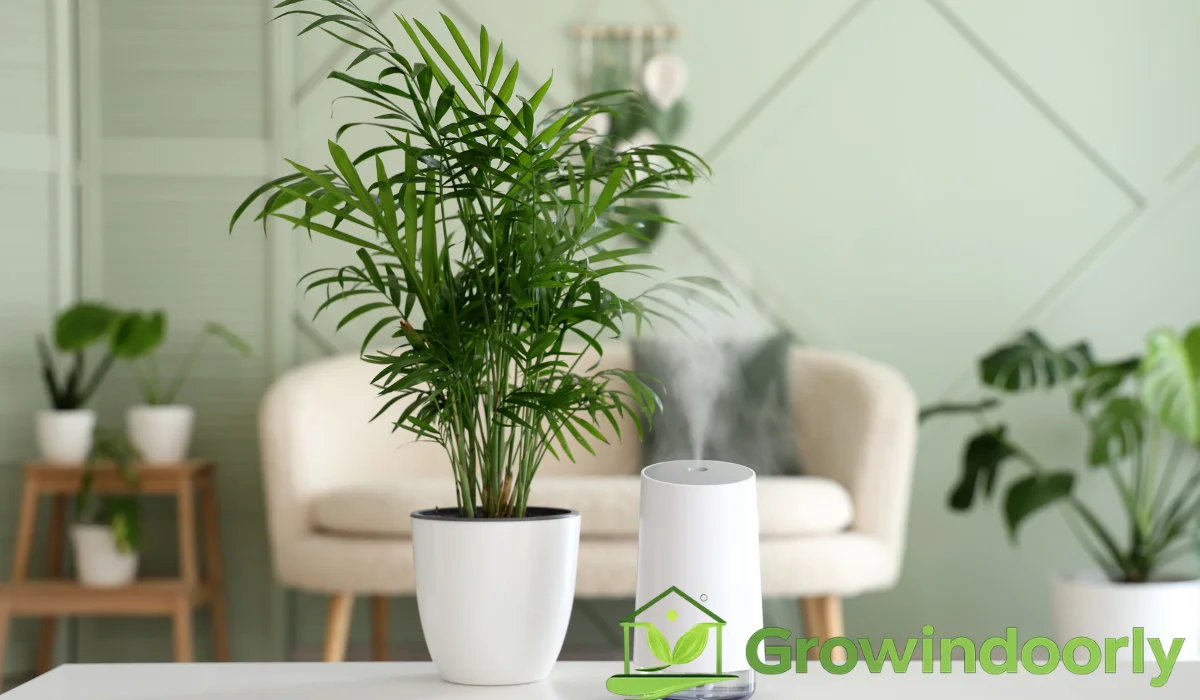
Instead, place a small ultrasonic room humidifier near your plant corner, group several plants together to create a localized humid microclimate, or keep large trays filled with wet pebbles underneath your rolling plant caddies.
Fertilizer and Nutrients for Big Foliage
Big leaves require steady nourishment during their active growing phase, but over-feeding can lead to toxic mineral salt buildup in large containers.
Feed your floor plants every 2 to 4 weeks from early spring through early autumn using a balanced, water-soluble liquid fertilizer diluted to half-strength. Look for formulas with a balanced N-P-K ratio (such as 3-1-2 or 10-10-10) rich in Nitrogen to support rich leaf development.
Always flush the soil with generous amounts of plain water every two months to wash away unabsorbed nutrient salts that gather near the base of the container.
Routine Maintenance and Staking
Keeping a tall plant upright, attractive, and balanced requires simple, ongoing physical care.
Rotating for Even Growth
Plants naturally grow toward their light source. Rotate your heavy pots 90 degrees every time you water. This simple habit keeps trunks straight and prevents the plant from developing a lopsided, top-heavy canopy.
Cleaning Broad Foliage
Dust accumulation blocks sunlight from reaching leaf cells, slowing down photosynthesis. Wipe broad leaves once or twice a month using a damp microfiber cloth moistened with plain lukewarm water. Support each leaf from underneath with one hand while you wipe with the other to avoid cracking the stem. Skip commercial leaf-shine sprays, which can clog pores and attract more dust over time.
Securing Upright Supports
As vines and soft-stemmed species climb higher, install sturdy bamboo poles, wooden stakes, or moss-wrapped columns. Secure heavy main stems using soft garden tie tape, wrapping loosely to avoid constricting fluid movement within the stem.

Seasonal Care Adjustments
Your floor plant’s metabolic demands change significantly as seasons shift throughout the year.
Spring and Summer Care
As sunlight increases, plants produce fresh leaves rapidly. Check soil moisture more frequently, step up liquid feeding routines, and prune unwanted branches to encourage bushier, fuller lateral growth.
Autumn and Winter Care
When day lengths shorten, growth slows naturally. Cut your watering frequency in half, pause all fertilizer applications, and move plants closer to windows to capture limited winter light without cold draft exposure.
Common Mistakes to Avoid
Steer clear of these frequent beginner errors when decorating with tall indoor specimens:
- Porous Potting Without Drainage: Planting large trees directly into solid decorative ceramic pots without drainage holes leads to water pooling at the bottom and fatal root rot.
- Choosing the Wrong Pot Size: Placing a medium plant into a massive pot overwhelms the roots with excess wet soil that takes weeks to dry. Increase pot sizes gradually, 2 to 3 inches in diameter at a time.
- Placing Plants in Deep Shadow: Expecting sun-loving tropical trees like Fiddle Leaf Figs or Palms to flourish in dark hallways without supplemental grow lights leads to thin, dropping foliage.
- Ignoring Top-Heaviness: Top-heavy plants in light plastic pots tip over easily. Always use heavy clay, terracotta, or concrete outer pots to weight the base securely.
Troubleshooting Floor Plant Problems
Detecting problem signals early helps you correct care mistakes before major leaf loss occurs.
Drooping or Dropping Lower Leaves
- Cause: Overwatering, poor drainage, or severe light deficit.
- Solution: Inspect the lower soil mass for sour odors or mushy roots. Increase light levels and let the top 3 inches of soil dry completely before watering again.
Crispy, Brown Leaf Margins
- Cause: Low ambient room humidity, under-watering, or mineral salt accumulation from hard tap water.
- Solution: Switch to filtered water or rainwater, raise room humidity with a humidifier, and flush the potting mix with distilled water.
Yellowing Leaves Across the Entire Canopy
- Cause: Nitrogen deficiency, root-bound conditions, or extreme root shock from cold drafts.
- Solution: Repot into a slightly larger container with fresh airy soil mix and apply a balanced liquid foliage fertilizer.
Beginner Tips for Instant Success
- Keep Plants in Plastic Nursery Pots: Keep your tree inside its plastic nursery container and slip that entire pot into an attractive decorative planter (cachepot). This makes checking drainage and moving the plant much simpler.
- Invest in a Rolling Caddy Early: Put your heavy pot on wheels right from day one so you never strain your back during routine cleaning sessions.
- Group Tall and Short Plants: Surround the bare woody base of a tall tree with small potted plants like Pothos or Calatheas to create a stunning layered green display.
- Prune Top Buds to Control Height: If your plant reaches the ceiling, trim the top central stem cleanly just above a leaf node to stop vertical growth and trigger side-branching.
Advanced Expert Recommendations
Take your floor plant collection to professional levels with these advanced horticultural strategies.
- Notching for Branching: Trigger new side branches on single-stem ficus trees by making a small, clean horizontal cut through the bark right above an inactive node using a sterile blade.
- Top-Dressing Aged Soil: Instead of undergoing the stressful job of repotting a massive 80-pound tree, scrape away the top 3 to 4 inches of old, exhausted soil every spring and replace it with fresh potting mix blended with rich compost and worm castings.
- Custom Modular Grow Support Systems: Build expanding modular trellis systems using sturdy metal or cedar poles secured deeply into the bottom of the pot during repotting, ensuring lifetime structural support for giant climbing tropicals.
Knowledge Check
Test your understanding of caring for large floor plants with these quick questions:
1. What is the most reliable way to check if a large floor plant needs water?
- A) Look at the top surface of the soil
- B) Push a wooden dowel or moisture probe deep into the lower soil mass
- C) Water automatically every Monday morning
- D) Mist the upper leaves with a spray bottle
2. Why should you regularly rotate your tall floor plants?
- A) To prevent the soil from settling
- B) To encourage the roots to grow in circles
- C) To ensure balanced light exposure and prevent lopsided growth
- D) To scare away flying soil pests
3. What is the best technique to maintain a mature, heavy tree that is too large to repot?
- A) Stop watering the plant entirely
- B) Cut all the roots off with shears
- C) Top-dress by replacing the upper 3-4 inches of soil with fresh mix
- D) Move the tree into a dark corner
4. Which ingredient should you add to standard potting mix to improve aeration for large roots?
- A) Fine beach sand
- B) Perlite or orchid bark chunks
- C) Heavy garden clay
- D) Ground limestone
5. How can you trigger a single-stem Ficus tree to grow lateral side branches?
- A) Prune the top central stem or perform horizontal bark notching above a node
- B) Move the plant into complete darkness for two weeks
- C) Pour extra nitrogen fertilizer directly onto dry roots
- D) Water the plant three times a day
6. Why should you avoid placing terracotta saucers directly on hardwood floors under large plant containers?
- A) Terracotta attracts indoor leaf-chewing pests
- B) Porous clay allows moisture to seep through and stain the wood underneath
- C) Terracotta causes the plant’s roots to overheat in winter
- D) The clay surface absorbs light and reduces photosynthesis
Answer Key:
- B | 2. C | 3. C | 4. B | 5. A | 6. B
Conclusion
Bringing floor-standing greenery into your home is one of the most rewarding interior choices an indoor gardener can make. Mastering the care of these striking specimens relies on understanding that big foliage requires deep root support, proper ambient light, sturdy physical staking, and well-aerated soil.
By picking the right species for your lighting conditions, using soil moisture checks instead of guesswork, and adapting your routine as the seasons change, you can easily keep massive tropicals thriving for years. Whether you choose a dramatic Fiddle Leaf Fig, a robust Rubber Tree, or a classic Monstera, floor-standing plants will anchor your home with natural beauty.
At GrowIndoorly.com, we are committed to helping you build vibrant, healthy indoor spaces with easy-to-follow, expert advice. Try these practical tips today and enjoy watching your living room transform into a lush, tranquil oasis.
Pet Safety Around Tall Indoor Plants
Tall floor plants sit at nose and paw height for curious pets, so plan for safety before you buy:
- Many popular tall species, including Fiddle Leaf Fig, Monstera, and Dracaena, are toxic if chewed by cats or dogs.
- Place toxic species in rooms pets cannot access, or choose non-toxic alternatives like Parlor Palm or Cast Iron Plant.
- Secure heavy pots so a jumping cat or bumping dog cannot topple them.
- Keep fallen leaves picked up promptly, since dried foliage remains tempting to chew.
- If your pet chews a plant, identify the species and contact your veterinarian right away.
Frequently Asked Questions
What are the easiest tall indoor house plants for beginners to keep alive?
The easiest large floor plants for beginners are the Rubber Tree (Ficus elastica), Dragon Tree (Dracaena marginata), and Cast Iron Plant (Aspidistra elatior). These species are forgiving of minor watering mistakes, tolerate varying light levels smoothly, and resist pests better than delicate tropical trees.
How do I stop my large floor plant from leaning toward the window?
To prevent floor plants from leaning, rotate the pot 90 degrees every time you water it so all sides receive balanced light. If the plant is already leaning significantly, insert a sturdy bamboo or wooden stake deep into the soil and gently secure the main trunk using soft fabric ties.
How often should I repot heavy, floor-standing plants?
Most large indoor trees only need repotting every 2 to 3 years. Because large containers hold substantial soil, roots take longer to fill the space. If a mature tree becomes too heavy to repot completely, refresh the soil by top-dressing, replacing the top 3 inches of old soil with fresh compost and potting mix every spring.
Can tall plants thrive in low-light rooms or hallways?
Very few large trees grow well in deep shade, but shade-tolerant options like the Snake Plant (Sansevieria trifasciata ‘Laurentii’), Kentia Palm (Howea forsteriana), and Dracaena species manage moderate low light well. For dim rooms, installing an overhead LED grow bulb guarantees healthy growth.
Why are the leaves dropping off my newly purchased Fiddle Leaf Fig?
Fiddle Leaf Figs often drop lower leaves as an acclimatization reaction when moved to a new environment with different light, humidity, and temperature levels. Place the plant in bright, indirect light, avoid moving it around the room, and keep a consistent watering schedule while it adjusts.
How do I protect my hardwood floors from water damage under large plant pots?
Always place heavy plant pots on raised rolling caddies equipped with deep, non-porous plastic or heavy ceramic trays. Avoid placing terracotta saucers directly on hardwood floors because moisture can seep through porous clay and stain wood underneath.
What should I do if my plant grows too tall for my ceiling?
When a plant reaches your ceiling, prune the main stem cleanly using sharp, sterilized shears just above a leaf node. This stops vertical growth and encourages the plant to develop lateral side branches, resulting in a fuller, bushier tree.
Should I wipe dust off large indoor plant leaves?
Yes, wiping dust off broad foliage is essential for plant health. Layered dust blocks sunlight from hitting leaf cells, reducing photosynthesis and slowing growth. Clean broad leaves monthly using a damp microfiber cloth moistened with room-temperature water.

Megan Foster is the founder and lead writer of GrowIndoorly.com, where she shares practical, easy-to-follow advice for growing healthy indoor plants. She is passionate about helping beginners and experienced plant lovers build thriving indoor gardens with confidence. Megan writes about houseplants, indoor herbs, succulents, hydroponics, grow lights, plant propagation, watering, soil care, and everyday plant maintenance.
She enjoys researching trusted gardening techniques and transforming them into simple, actionable guides that readers can easily apply at home. Her goal is to make indoor gardening more enjoyable and accessible by providing clear, reliable information that helps people keep their plants healthy throughout the year. Whether you’re caring for your first houseplant or expanding your indoor plant collection, Megan’s practical tips are designed to help you grow with confidence.