
Bringing a ficus indoor plant into your home can transform any ordinary living space into a lush, vibrant green sanctuary. However, many plant owners panic the moment their tree starts dropping leaves unexpectedly after a simple move across the room.
Understanding the subtle needs of a ficus indoor plant is the key to keeping its foliage healthy, thick, and resilient all year long. Beginners often struggle with tricky watering balances, sudden leaf loss, and finding the right light placement without burning delicate leaves.
When you learn how environmental factors directly trigger plant reactions, caring for your tree becomes second nature rather than a guessing game.
This ultimate guide breaks down everything you need to know about growing a ficus indoor plant, from lighting and watering techniques to advanced seasonal pruning strategies.
Understanding the Ficus Genus
The Ficus genus belongs to the Moraceae (mulberry) family and contains over 800 distinct species of woody trees, shrubs, and vining epiphytes. Native primarily to tropical and subtropical regions across Southeast Asia, Australia, and Africa, these plants have adapted over millions of years to thrive under forest canopies or as massive canopy trees. When grown indoors, they retain those same tropical instincts, which is why replicating their natural habitat is so critical for success.
A defining characteristic of every ficus tree is its white, milky sap (latex). When a stem or leaf breaks, the plant secretes this sticky liquid to seal wounds and protect itself against insects. While this latex is a clever defense mechanism in nature, it can irritate sensitive skin and cause mild stomach upset in curious household pets, making cautious handling essential during routine care.
In their native habitats, many ficus species begin life as air plants (epiphytes) wedged in the forks of older trees. Over time, they send strong aerial roots down to the soil, eventually surrounding host trees. Indoors, this genetic background translates into a robust root structure that adapts remarkably well to container culture, provided the roots receive balanced airflow and moisture.
Why Ficus Plants Are Worth Growing
Integrating a ficus tree into your home provides far more than just visual charm. Their large leaf surface area makes them highly effective natural air purifiers. Through normal photosynthesis and transpiration, they draw airborne dust particles out of circulation and absorb common indoor toxins like formaldehyde and xylene, releasing fresh oxygen and clean moisture back into the room.
From a design perspective, few houseplants command a room quite like a mature ficus. Whether you choose a stately fiddle-leaf fig or a cascading weeping fig, their strong architectural silhouettes fill empty corners, anchor interior décor, and soften hard modern walls. They create an instant visual connection to nature that helps reduce mental stress and elevate everyday mood.
Furthermore, growing a ficus is an exceptionally rewarding long-term investment. Unlike smaller herbaceous plants that complete their lifecycle quickly, a well-cared-for ficus can thrive indoors for decades. As the trunk thickens and the branches shape over the years, your plant becomes an enduring live installation that grows right alongside your family.
Key Benefits and Architectural Advantages
- Bold Interior Impact: Tall, woody trunks and broad, glossy leaves create structural visual focal points that elevate home aesthetic design instantly.
- Effective Natural Air Filtering: Broad leaf surfaces active in gas exchange help reduce common household volatile organic compounds (VOCs) and trap airborne particulates.
- Versatile Form Options: Available in diverse growth habits ranging from upright tree forms and bush shapes to delicate trailing vines and indoor bonsai.
- Longevity and Durability: Once an individual plant acclimates to a stable indoor spot, it exhibits strong longevity and steady growth year after year.
- Microclimate Improvement: Natural transpiration from dense foliage boosts localized indoor humidity, mitigating dry air created by central heating and air conditioning units.

Different Growing Methods and Cultivation Styles
Traditional Potted Soil Cultivation
The most common and accessible method involves growing your plant in a well-draining container filled with an organic potting mix. Soil-based growing gives the root system physical stability and offers a forgiving buffer for nutrient retention, making it ideal for large floor-standing trees.
Semi-Hydroponics with LECA
Growing ficus species in Lightweight Expanded Clay Aggregate (LECA) is gaining popularity among indoor gardeners wanting to avoid soil-borne pests like fungus gnats. In a semi-hydroponic system, the plant sits in porous clay pebbles over a shallow water reservoir. The roots draw up moisture and nutrients evenly through capillary action while maintaining maximum oxygen exposure.
Indoor Bonsai Training
Smaller-leafed species, particularly the Ginseng Ficus (Ficus microcarpa) and Weeping Fig (Ficus benjamina), are world-renowned choices for indoor bonsai art. Through selective root pruning, branch wiring, and strategic pinching, you can train a ficus into a miniature ancient tree that thrives on a sunny windowsill or desk.
Essential Tools and Equipment for Care
- Precision Moisture Meter: A probe tool that checks soil wetness deep in the root zone, taking the guesswork out of determining when to water.
- Bypass Pruning Shears: High-quality, sharp shears designed to make clean cuts through woody branches without crushing plant tissue or tearing bark.
- Microfiber Dusting Cloths: Soft cloths used to wipe dust accumulation off broad leaves, keeping stomata open for photosynthesis and transpiration.
- Full-Spectrum LED Grow Lights: Supplemental light fixtures engineered to deliver optimal PAR wavelengths during dark winter months or in low-light apartments.
- Heavy-Duty Plant Caddy: A sturdy wheeled saucer base that allows you to rotate or move heavy, floor-sized pots without lifting or disturbing the plant’s orientation.
- Neem Oil or Horticultural Soap: Natural, organic pest management sprays used to treat common indoor sap-sucking insects without harsh chemicals.
Popular Ficus Varieties for Every Space
Fiddle-Leaf Fig (Ficus lyrata)
Famous for its massive, violin-shaped leaves with heavy veining, the Fiddle-Leaf Fig is a showstopping centerpiece. It requires consistent light and moderate watering. While it has a reputation for being dramatic, establishing a stable routine keeps it growing happily.
Rubber Tree (Ficus elastica)
Recognizable by its thick, leathery, dark green or variegated foliage, the Rubber Tree is one of the most forgiving varieties for beginners. Popular cultivars include ‘Burgundy’ (with deep purple-black leaves) and ‘Tineke’ (featuring stunning cream, pink, and green variegation).
Weeping Fig (Ficus benjamina)
Featuring graceful, arching branches packed with hundreds of small, pointed leaves, the Weeping Fig offers a classic tree look. It is sensitive to environmental changes and tends to drop leaves if moved, but it quickly regrows fresh foliage once it settles into a new spot.
Audrey Ficus (Ficus benghalensis)
The national tree of India, Ficus Audrey features velvet-textured, emerald green leaves accented by striking white veins and a smooth, pale cream trunk. It is generally considered easier to care for and less finicky than the Fiddle-Leaf Fig.
Council Tree (Ficus altissima)
This eye-catching variety boasts large, oval leaves with vivid yellow-green variegation and bright yellow veins. It grows vigorously indoors, bringing a bright splash of tropical color into bright living rooms.
String of Frogs (Ficus quercifolia)
A unique, miniature trailing ficus with tiny leaf structures shaped remarkably like small oak leaves or frogs. It thrives in hanging baskets or terrariums where it can maintain high surrounding humidity.

Lighting Requirements: Fueling Healthy Growth
Light is the single most critical factor determining whether your plant thrives or declines. In nature, these trees receive abundant sunlight, so placing them in a dark interior corner will inevitably lead to thin stems and heavy leaf drop. Rotate the pot a quarter-turn every few weeks so all sides receive even light and growth stays balanced. If you move a ficus from low to bright light, acclimate it gradually over a week to avoid sunburn on tender leaves.
- Bright, Indirect Light: Most varieties require 6 to 8 hours of bright, filtered sunlight daily. A spot located 2 to 4 feet away from an unobstructed east-facing or south-facing window protected by a sheer curtain is perfect.
- Direct Sun Exposure: While varieties like mature Rubber Trees can tolerate a couple of hours of direct early morning sun, intense afternoon rays shining through window glass can scorch and bleach leaves, leaving permanent brown burn spots.
- Low Light Limitations: Ficus species cannot sustain healthy growth in low-light conditions. In inadequate light, the plant will shed its lower foliage to conserve energy, resulting in a sparse, leggy silhouette.
- Supplemental Grow Lighting: If natural window light is insufficient, position a full-spectrum LED grow light 18 to 24 inches above the top canopy, running it on an automatic timer for 12 hours every day.
Mastering Proper Watering Techniques
Watering mistakes cause more indoor plant loss than all other care factors combined. The goal is to keep the soil consistently, lightly moist without ever allowing the root zone to sit in stagnant water.
The Drench and Drain Method
- Insert your finger or a moisture probe 2 to 3 inches into the topsoil. Water only when the top few inches feel completely dry to the touch.
- Pour room-temperature water slowly over the entire surface of the potting mix until it drains freely out of the bottom drainage holes.
- Allow the pot to sit for 15 to 20 minutes so the root ball absorbs necessary moisture.
- Empty the saucer or outer decorative pot completely. Never leave the container standing in drainage water, as saturated soil rots fragile feeder roots.
Crafting the Ultimate Potting Mix
Standard garden soil or cheap, heavy potting mixes compact tightly inside indoor containers, suffocating roots and trapping excess water. A ficus needs a chunky, well-aerated potting medium that holds balanced moisture while allowing surplus water to pass through rapidly.
A high-performing homemade potting blend should consist of:
- Quality Indoor Potting Soil (40%): Provides a rich organic base that holds essential moisture and nutrients.
- Coarse Perlite or Pumice (30%): Ensures aeration, prevents compaction, and allows rapid drainage.
- Orchid Bark Chips (20%): Creates chunky spaces within the mix that mimic the natural root environment.
- Horticultural Charcoal (10%): Helps absorb chemical impurities and sweetens the mix to prevent sour, anaerobic root zones.
Temperature Preferences and Draft Protection
Because ficus species originate in tropical environments, they thrive in steady room temperatures between 65°F and 85°F (18°C to 29°C). They adapt easily to average home warmth, but they react poorly to sudden temperature fluctuations. Keep pots away from heating vents, radiators, and exterior doors that create hot or cold drafts. In winter, avoid placing leaves against cold window glass, which can cause chilling injury.
Protect your plant from sudden cold or hot air streams. Keep pots away from exterior doors, drafty window frames, air conditioning vents, and space heaters. Exposure to sudden drops below 55°F (13°C) triggers temperature shock, causing the plant to rapidly drop green, healthy leaves overnight as a defense mechanism.
Managing Indoor Humidity
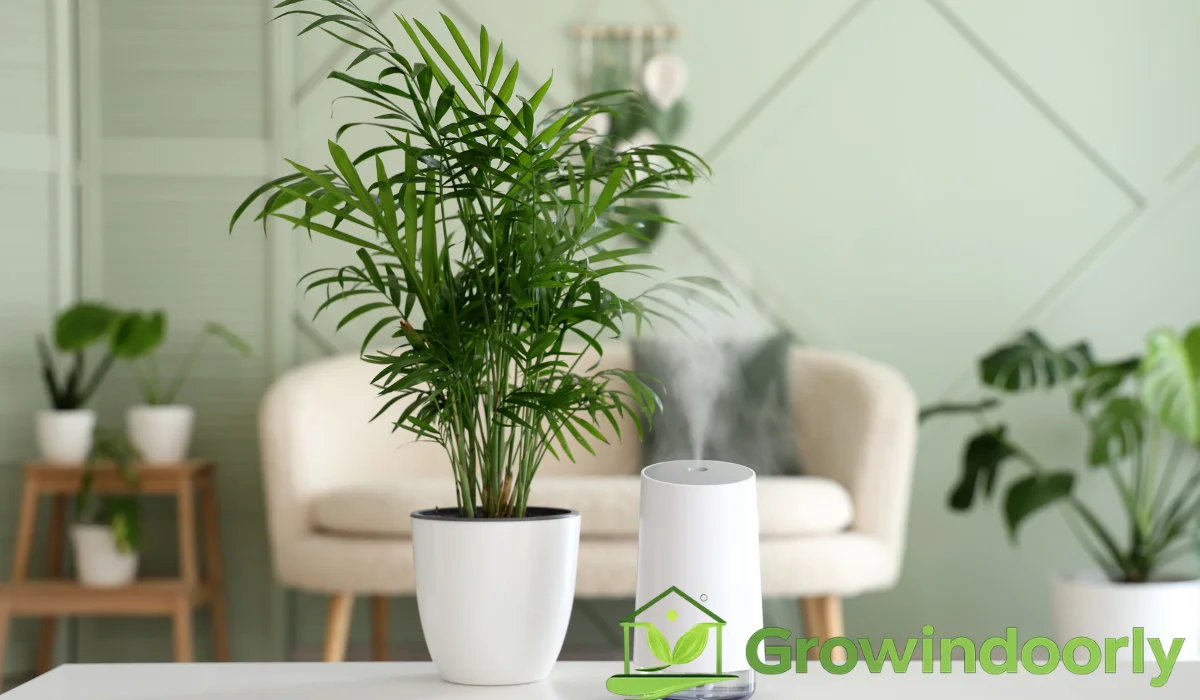
While tough varieties like the Rubber Tree adapt well to standard household air, most ficus species thrive best when relative humidity stays between 50% and 60%. In dry winter conditions caused by running indoor heating, leaf edges can dry out and turn crisp. Group plants together to create a shared humid microclimate, or run a small cool-mist humidifier nearby during the heating season. Avoid placing pots directly above radiators, where hot dry air rises continuously.
- Cool-Mist Humidifier: Running a small humidifier near your plant display is the most effective way to maintain consistent atmospheric moisture.
- Grouping Plants: Clustering several indoor houseplants together creates a natural microclimate, as moisture transpiring from neighboring leaves raises ambient humidity around the group.
- Pebble Trays: Place the pot on a shallow tray filled with small pebbles and water. Ensure the base of the pot rests above the water line on top of the stones so roots stay dry while water evaporates upward.
Nutrient Requirements and Fertilization Schedules
A growing ficus is a heavy feeder during its active growth phase, requiring balanced nutrients to build strong wood and produce broad foliage. However, applying fertilizer to dry soil or over-feeding can burn delicate root tips.
- Spring and Summer: Feed your plant once every 3 to 4 weeks using a balanced, water-soluble fertilizer (such as an N-P-K 10-10-10 or 3-1-2 ratio) diluted to half the strength recommended on the package label.
- Autumn and Winter: As natural daylight wanes and growth slows, reduce feeding to once every 8 weeks or pause entirely until fresh growth resumes in spring.
- Always Moist First: Lightly moisten the soil mix with clean water before applying liquid fertilizer to prevent chemical root burn.
Essential Maintenance and Pruning Routine
Regular maintenance keeps your plant looking its best and encourages full, bushy growth instead of a single tall, weak stem.
Cleaning Leaf Surfaces
Dust layer accumulation blocks sunlight from reaching chloroplasts and clogs leaf pores. Wipe broad leaves once a month using a damp microfiber cloth. For smaller-leafed varieties like the Weeping Fig, give the entire plant a gentle shower with tepid water every few months to rinse off accumulated dust.
Structural Pruning and Branching
Pruning encourages a ficus to branch out and grow denser foliage. Using sharp, disinfected shears, cut stems just above a leaf node or branch junction. Trimming the top growing tip of a main stem stops vertical height gain and signals the plant to push out new lateral side branches below the cut. Always wipe away milky sap drips with a damp cloth during pruning.

Seasonal Care Adjustments
Care routines must adapt as seasons change throughout the year.
Spring and Summer Strategy
As daylight hours extend and temperatures rise, your plant enters its primary growth cycle. This is the optimal window for repotting, heavy pruning, and propagating stem cuttings. Increase watering frequency as the plant consumes moisture faster, and maintain your regular fertilization routine.
Autumn and Winter Strategy
Cooler temperatures and shorter days trigger a natural resting phase. The plant consumes significantly less water, meaning the soil takes much longer to dry out. Extend intervals between waterings to prevent root rot. Stop fertilizing, wipe down windows to maximize incoming winter light, and move pots away from chilly window glass.
Common Beginner Mistakes to Avoid
- Constantly Moving the Plant: Moving a ficus around the house forces it to continuously adjust to changing light levels, causing stress and heavy leaf drop. Pick a bright, suitable spot and leave it there.
- Overpotting: Moving a plant into a container that is too large surrounds the root ball with excess, unoccupied soil. This extra soil stays wet for weeks, leading to root rot.
- Using Pots Without Drainage Holes: Decorative pots without bottom drainage trap water at the base, creating anaerobic conditions that destroy root systems.
- Ignoring Pest Signs: Small sap-sucking pests reproduce rapidly indoors. Inspecting leaf undersides weekly allows you to catch minor infestations before they damage the plant.
- Watering on a Strict Calendar Schedule: Watering every Tuesday regardless of soil wetness leads to overwatering. Always test soil moisture levels before adding water.
Troubleshooting Common Problems
Sudden Green Leaf Drop
- Cause: Environmental shock caused by moving the plant, exposure to cold drafts, or sudden light shifts.
- Solution: Identify and eliminate drafts. Place the plant in a bright, stable spot and maintain a consistent care routine while it recovers and adapts.
Yellowing Lower Leaves
- Cause: Overwatering and root suffocation, or natural aging of older foliage.
- Solution: Check the root system. If the soil is soggy, let it dry out thoroughly. Adjust your watering frequency so only the top few inches dry between irrigations.
Crispy Brown Leaf Tips or Margins
- Cause: Low indoor relative humidity, underwatering, or tap water mineral buildup.
- Solution: Increase ambient humidity using a humidifier or pebble tray. Ensure you water thoroughly until liquid drains from the base when the soil is dry.
Sticky Residue on Leaves or Nearby Furniture
- Cause: Secretions (honeydew) from soft scale insects or mealybugs hiding on stems and leaf undersides.
- Solution: Wipe down stems and foliage with isopropyl alcohol on a cotton pad, then treat the plant thoroughly with insecticidal soap or neem oil spray.
Practical Beginner Tips for Success
- The 2-Inch Rule: Never water your ficus based on how the top surface looks. Always push your finger 2 inches down into the potting mix to verify it is dry before watering.
- Rotate the Pot Monthly: Rotate your plant a quarter-turn every few weeks. This ensures all sides receive equal light exposure, preventing the tree from leaning toward the window.
- Expect Minor Leaf Drop Initially: When you first bring a new ficus home from a nursery, it may drop 5% to 10% of its leaves as it acclimates to your home’s lower light levels. Don’t panic this is a normal adjustment phase.
- Use Room-Temperature Water: Cold tap water directly from the tap can shock tropical root systems. Let your watering can sit overnight so chlorine dissipates and the water reaches room temperature.
Advanced Expert Recommendations
To take your plant care to an advanced level, apply these professional horticultural strategies:
Air Layering Propagation
For tall, leggy ficus trees that have lost their lower leaves, air layering allows you to grow a completely new root system directly on a woody upper branch before cutting it away from the parent plant. Make a small upward notch in a stem node, apply root hormone powder, wrap the wound in damp sphagnum moss, and seal it with plastic wrap. Within 6 to 8 weeks, fresh roots will fill the moss, creating an established top-cutting ready for potting.

Root Pruning for Size Control
If a mature floor tree has reached the maximum pot size comfortable for your living space, perform root pruning every 2 to 3 years. Remove the tree from its pot, slice away the outer 1 to 2 inches of the root ball with a sharp serrated knife, and repot it into the same container using fresh, nutrient-rich soil mix. This keeps the tree healthy and manageable without needing a larger container.
Notching to Induce Branching
To encourage a single-trunk ficus to push out new branches where stems look bare, practice notching. Using a sterile razor blade, make a shallow, notch-shaped cut through the bark about 1/4 inch above a dormant leaf node. This cut interrupts the downward flow of growth-inhibiting hormones (auxins) from the top canopy, triggering the dormant node to sprout a fresh side branch.
Conclusion
Mastering the care of a ficus indoor plant comes down to consistency, patience, and mimicking its natural tropical habitat. By providing bright, indirect light, using a well-draining soil mix, and allowing the top layer of soil to dry slightly between waterings, you eliminate the stress factors that lead to leaf drop.
Remember that environmental stability is your plant’s best friend. Find a bright spot free from drafts, establish a reliable routine, and let your tree adapt. At GrowIndoorly.com, we believe that anyone can cultivate a thriving indoor jungle with the right knowledge. Apply these practical guidelines today, and enjoy the lush, lasting beauty of your ficus for years to come.
Practice exercise
What is the main reason a ficus indoor plant rapidly drops its green leaves after being moved to a new room?
- A) The plant requires immediate repotting into a larger container.
- B) It is experiencing environmental shock from changes in light and temperature.
- C) The plant is naturally completing its life cycle.
- D) It is shedding foliage to prepare for winter dormancy.
Which lighting condition is ideal for most indoor ficus species, such as the Fiddle-Leaf Fig and Rubber Tree?
- A) Complete shade in a windowless room
- B) Direct afternoon sunlight for 10 hours daily
- C) Bright, indirect light for 6 to 8 hours daily
- D) Low light placed far from any light source
What is the defining characteristic of the sap secreted when a ficus stem or leaf is cut?
- A) Clear, sweet-smelling water
- B) Milky, white latex sap that can irritate skin
- C) Dark brown resin that attracts beneficial insects
- D) Thick, yellow gel used directly as fertilizer
Which component should be added to a ficus potting mix to ensure chunky aeration and prevent soil compaction?
- A) Fine garden clay
- B) Coarse perlite or orchid bark
- C) Pure peat moss without additives
- D) Dense yard topsoil
Which ficus variety is famous for its large, violin-shaped leaves with heavy veining?
- A) Ficus benjamina (Weeping Fig)
- B) Ficus elastica (Rubber Tree)
- C) Ficus lyrata (Fiddle-Leaf Fig)
- D) Ficus microcarpa (Ginseng Ficus)
What is the best way to clean dust accumulation off broad ficus leaves to ensure stomata remain unblocked?
- A) Spraying broad leaves with heavy leaf-shine chemical waxes
- B) Wiping leaves gently using a damp microfiber cloth
- C) Scrubbing foliage with dish soap and a stiff brush
- D) Allowing dust to collect naturally without intervention
Which advanced pruning technique involves making a shallow incision just above a dormant leaf node to stimulate new lateral branching?
- A) Air layering
- B) Root pruning
- C) Notching
- D) Hydroponic flushing
Answer Key
- B
- C
- B
- C
- B
- C
- B
- C
Pet Safety Around Ficus Plants
Ficus plants add beauty to your home, but their milky latex sap requires caution in households with curious pets or small children:
- Keep ficus trees out of reach of cats and dogs that like to chew leaves — the sap can irritate mouths and stomachs.
- Wipe up any sap drips immediately after pruning, before pets can walk through or lick them.
- Place floor-sized trees in rooms pets don’t access unsupervised, or use a decorative barrier.
- Wash your hands after handling cut stems, and keep pruned material in a closed bin.
- If a pet chews leaves and shows drooling, pawing at the mouth, or vomiting, contact your veterinarian promptly.
FAQs
Why is my ficus indoor plant dropping leaves so quickly?
Leaf drop is typically a stress response triggered by environmental changes such as moving the pot to a new room, exposure to cold drafts, sudden shifts in light, or overwatering. Keep the plant in a bright, stable spot and allow the care routine to stabilize.
How much light does a ficus tree need indoors?
Most species need bright, indirect sunlight for 6 to 8 hours daily. Place your plant near a window with filtered light. Avoid placing it in dim corners, as insufficient light leads to sparse foliage and weak growth.
How often should I water my indoor ficus?
Water only when the top 2 to 3 inches of potting mix feel dry to the touch. Pour water thoroughly until it drains out of the bottom holes, then empty the tray. Avoid watering on a strict calendar schedule; always check soil moisture first.
Is the milky sap from a ficus plant toxic?
Yes, the milky latex sap secreted by stems and leaves contains compounds that can cause skin irritation in humans and mild digestive upset in pets if ingested. Wear gardening gloves when pruning and keep plants out of reach of curious animals.
Should I mist my ficus leaves to increase humidity?
Misting offers only a temporary moisture boost and can encourage fungal spots if leaves stay wet for too long. For lasting humidity, use a cool-mist room humidifier, set up a pebble tray beneath the pot, or group your plants together.

Megan Foster is the founder and lead writer of GrowIndoorly.com, where she shares practical, easy-to-follow advice for growing healthy indoor plants. She is passionate about helping beginners and experienced plant lovers build thriving indoor gardens with confidence. Megan writes about houseplants, indoor herbs, succulents, hydroponics, grow lights, plant propagation, watering, soil care, and everyday plant maintenance.
She enjoys researching trusted gardening techniques and transforming them into simple, actionable guides that readers can easily apply at home. Her goal is to make indoor gardening more enjoyable and accessible by providing clear, reliable information that helps people keep their plants healthy throughout the year. Whether you’re caring for your first houseplant or expanding your indoor plant collection, Megan’s practical tips are designed to help you grow with confidence.