Bringing vivid blooms into your home requires understanding how indoor flowering plants adapt to living away from direct sunlight. Unlike foliage plants, species that produce flowers demand specific care strategies to trigger and maintain their colorful display indoors.
Many beginners struggle when their healthy indoor flowering plants suddenly stop producing buds or shed unopened blossoms. This frustration often stems from minor missteps in light quality, watering consistency, or nutrient delivery that are simple to fix once understood.
Use up and down arrow keys to resize the meta box pane.
Overcoming these initial hurdles transformed my own windowsill into a continuous blossom display. Caring for indoor flowering plants becomes simple when you learn how to mirror their natural seasonal growth cycles.
In this guide, you will learn practical care methods, environmental controls, lighting adjustments, and expert tips to keep your house plants blooming continuously season after season.
Understanding Indoor Flowering Plants and Their Growth Cycles
Growing blooming plants indoors requires a basic grasp of botanical rhythms. Plants switch between two main phases: the vegetative stage and the flowering stage. During the vegetative phase, the plant focuses entirely on developing root systems, sturdy stems, and green leaves. Once it gathers enough energy and receives specific environmental cues, it shifts into its flowering stage. Watch for the shift: when new growth slows and buds form at leaf joints, the plant has entered its flowering phase and needs steadier care.
In nature, this shift is triggered by seasonal changes. Alterations in daylight length, slight temperature drops, and seasonal moisture shifts signal to the plant that it is time to reproduce by creating flowers. When bringing these species indoors, we must replicate those natural cues.
Use up and down arrow keys to resize the meta box pane.
Use up and down arrow keys to resize the meta box pane.
Indoor environments remain static year-round. Thermostatic heating and air conditioning keep temperatures constant, while artificial ambient light disrupts the natural day-length tracking of plants. Understanding how to manually introduce subtle environmental shifts is the primary key to achieving reliable, repeat blooms inside your living space.
Why Growing Blooming Plants Indoors Is Worth the Effort
Adding blooming species to your indoor garden elevates the environment far beyond what ordinary foliage plants offer. While green leaves provide steady background texture, flowers introduce changing colors, scents, and visual focal points that evolve month by month. Start with one or two flowering plants in the rooms where you spend the most time, so you can observe their cycles closely and learn their needs.
Beyond visual appeal, caring for flowering species deepens your gardening knowledge. Foliage plants can often survive neglect, but blooming varieties give immediate feedback. They show clear signs when light, water, or nutrients are off, helping you develop a keen eye for plant health.
Cultivating flowers inside also offers proven psychological benefits. Watching a flower bud form, swell, and open brings genuine satisfaction, especially during cold winter months when outdoor gardens lie dormant.
Essential Requirements for Successful Indoor Blooming
Achieving healthy blossoms requires balancing several core factors. If any single factor is missing, the plant may survive, but it will lack the surplus energy needed to throw out buds. Check the basics first when buds fail to form: light is the most common limiting factor, followed by overfeeding with nitrogen-heavy fertilizer.
- Targeted Light Spectrum:
Flowering consumes huge amounts of energy, which plants derive primarily from bright, indirect light or specialized full-spectrum artificial grow lights. - Consistent Hydration:
Bud development requires steady moisture levels; both drought stress and root rot cause immediate bud drop. - Balanced Nutrition:
High-nitrogen fertilizers encourage leaves at the expense of blossoms, requiring specialized phosphorus-rich formulas to support flower production. - Proper Air Circulation:
Moving air prevents fungal infections on delicate petals and ensures healthy gas exchange through the foliage.

Top Indoor Flowering Plants for Every Experience Level
Selecting the right plant match for your specific home environment makes the difference between thriving displays and constant troubleshooting.
Beginner-Friendly Options
- Peace Lily (Spathiphyllum): Tolerates lower light levels than most blooming species and produces elegant white spathes. It clearly indicates when it needs water by drooping its foliage slightly without lasting damage.
- African Violet (Saintpaulia): Compact, charming plants that thrive under modest indoor conditions. Placed on an east-facing windowsill with bottom-watering, they can bloom almost continuously throughout the entire year.
- Kalanchoe (Kalanchoe blossfeldiana): A hardy succulent featuring clusters of long-lasting, vibrant flowers. It requires minimal watering and forgiving care, making it ideal for novice gardeners.
Intermediate Choices
- Phalaenopsis Orchid:
Popularly known as the Moth Orchid, this species thrives in bright indirect light and coarse bark media. Its blossoms can last up to three months when protected from drafts and overwatering. - Christmas Cactus (Schlumbergera):
A forest cactus that produces arching stems tipped with bright tubular blooms in late fall and winter. It relies on cooler temperatures and longer nights to initiate its buds. - Anthuriurn:
Renowned for its shiny, heart-shaped red, pink, or white spathes that persist for months. It demands moderate to high humidity and very consistent moisture levels.
Advanced and Rewarding Species
- Gardenia (Gardenia jasminoides):
Highly prized for its intensely fragrant white flowers, but notoriously picky. It requires high humidity, acidic soil, precise moisture control, and warm daytime temperatures paired with cooler nights. - Hibiscus:
Delivers massive, striking tropical flowers but requires extremely bright light, often requiring supplemental grow lights alongside heavy feeding and precise watering routines.
Lighting Requirements: Natural Sunlight vs. Grow Lights
Light is the single most critical factor determining whether an indoor plant will flower. Leaves convert light energy into the sugars necessary to build complex flower buds.
Optimizing Natural Light
- South-Facing Windows:
Provide the strongest intensity and longest duration of light, perfect for sun-loving species like Hibiscus and Citrus, provided thermal stress from window panes is managed. - East-Facing Windows:
- Supply gentle, cool morning light without intense midday heat. This location is ideal for African Violets, Phalaenopsis Orchids, and Peace Lilies.
- West-Facing Windows:
Offer strong afternoon light accompanied by heat. Suitable for semi-succulent flowering plants, provided they sit a few feet back from the glass during peak summer heat. - North-Facing Windows:
Generally insufficient on their own for encouraging heavy floral displays, making supplemental lighting necessary for most flowering species placed here.
Utilizing Artificial Grow Lights
When natural sunlight is limited, LED grow lights fill the gap effectively. Modern full-spectrum LEDs simulate natural sunlight while consuming little electricity and generating minimal heat.
Position full-spectrum grow lights approximately 6 to 12 inches above the canopy for small plants like African Violets, and 12 to 24 inches for larger plants like Anthurium. Aim to keep grow lights running on a consistent timer for 12 to 16 hours daily to support robust bloom production.
Watering Techniques to Prevent Bud Drop and Root Rot
Watering flowering species requires more precision than watering foliage-only houseplants. Both underwatering and overwatering trigger stress responses that cause the plant to drop its energy-intensive flower buds first to conserve survival resources.
The Drench and Drain Method
The most reliable approach for most indoor plants is the drench and drain technique:
- Insert your finger 1 to 2 inches into the pot soil. If it feels dry, it is time to water.
- Pour room-temperature water evenly over the soil surface until it runs freely out of the drainage holes at the bottom.
- Allow the pot to drain completely for 15 to 20 minutes.
- Empty any excess water that collects in the saucer beneath the pot to prevent the roots from sitting in saturated soil.

Bottom-Watering for Sensitive Blooms
For plants with hairy leaves or delicate stems such as African Violets, bottom-watering prevents foliage decay and fungal spots. Set the plant’s nursery pot in a shallow basin of room-temperature water for 20 to 30 minutes, allowing capillary action to draw moisture upward into the root zone. Remove the pot as soon as the topsoil feels damp.
Soil Mixes and Growing Media
Standard garden soil is too dense for container culture; it compacts tightly, starves roots of oxygen, and drains poorly indoors. A high-quality, airy pot mix is essential.
Standard Flowering Potting Mix Recipe
To create a balanced, fast-draining medium for general flowering plants, combine:
- 2 parts Coco Coir or Peat Moss (for moisture retention)
- 1 part Perlite or Pumice (for drainage and root aeration)
- 1 part Quality Compost or Worm Castings (for organic nutrients)
Specialized Media Needs
Orchids and Bromeliads require specialized coarse media composed of fir bark, sphagnum moss, and coarse perlite. This open structure mimics their natural epiphytic habitat, allowing air to circulate freely around the root system while retaining light surface moisture.
Managing Temperature and Humidity Indoors
Indoor flowering species generally prefer day temperatures between 65°F and 75°F (18°C to 24°C) and night temperatures between 55°F and 65°F (13°C to 18°C). A slight temperature drop at night mimics natural outdoor conditions and encourages bud formation in species like Orchids and Christmas Cacti.
Humidity is equally vital. Standard home heating and cooling systems often drop relative humidity below 30%, which dries out sensitive flower buds before they can open.
Practical Ways to Boost Humidity
- Pebble Trays:
Fill a shallow tray with small stones and water, then place the potted plant on top of the stones, keeping the bottom of the pot above the water line. - Grouping Plants:
Grouping several plants creates a localized microclimate through combined transpiration. - Room Humidifiers:
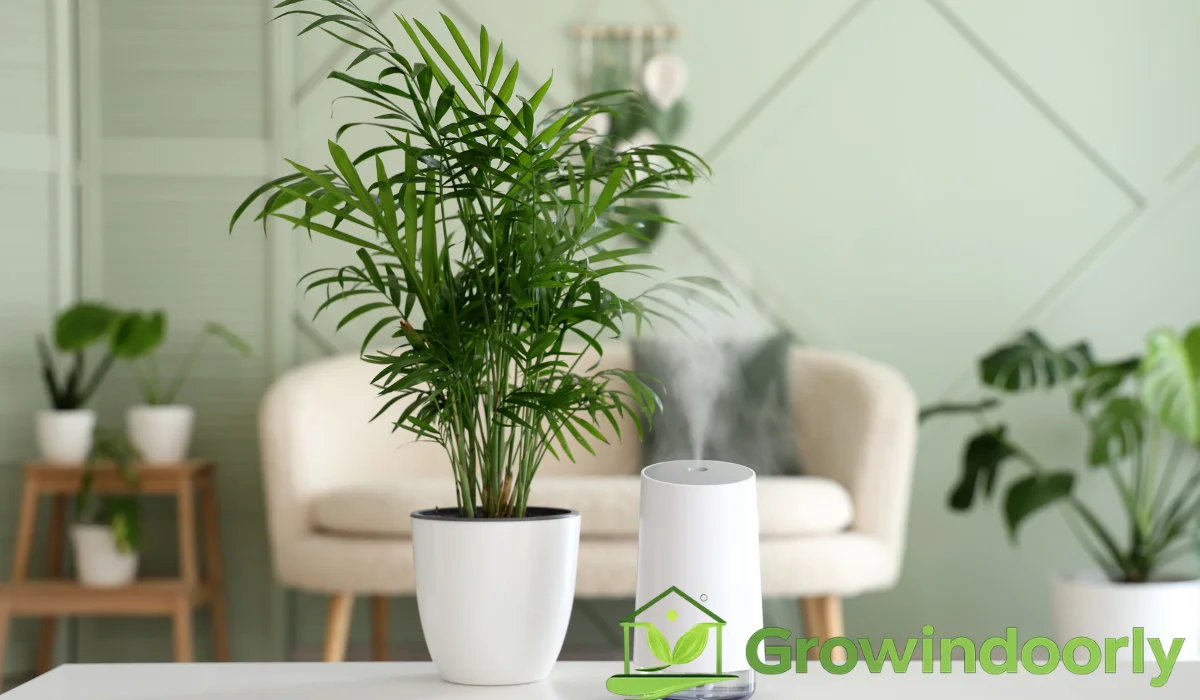
Running a small cool-mist humidifier near your indoor garden maintains an optimal 50% to 60% relative humidity.
Fertilization Strategies for Continuous Blooms
Vegetative growth relies heavily on Nitrogen (N), but flower production demands elevated levels of Phosphorus (P) and Potassium (K). Using a high-nitrogen fertilizer on a flowering plant yields lush, deep-green leaves but few to no blossoms.
Choosing and Applying Nutrients
Select a liquid fertilizer formulated specifically for flowering house plants, typically labeled with an N-P-K ratio such as 10-30-20 or 15-30-15.
- Dilute the fertilizer to half the recommended strength to protect tender indoor root systems from fertilizer burn.
- Apply the solution every two to four weeks only during active growth and flowering stages.
- Suspend fertilization entirely during late autumn and winter when the plant enters its natural resting phase.
Step-by-Step Routine Maintenance
Keeping indoor blooms healthy requires regular, minor upkeep rather than occasional drastic interventions.
- Inspect Weekly: Check undersides of leaves and leaf joints for pests like mealybugs, spider mites, or scale.
- Deadhead Spent Blooms: Snip off fading or dead flowers immediately using clean pruning shears. This prevents the plant from expending energy on seed production and encourages new bud development.
- Clean the Foliage: Wipe leaves monthly with a damp cloth to remove dust that blocks sunlight and reduces photosynthesis.
- Rotate Pots: Give pots a quarter-turn every week to ensure balanced light exposure and prevent lopsided growth.

Encouraging Reblooming Through Seasonal Rest Periods
Many popular flowering house plants, including Amaryllis, Christmas Cactus, and Orchids, require a distinct dormancy or cooling period to initiate their next flower cycle.
For instance, to trigger winter blooms on a Christmas Cactus, expose the plant to 12 to 14 hours of continuous darkness each night along with cooler temperatures (55°F to 60°F) for six weeks starting in early autumn. Reduce watering significantly during this period. Once small buds appear at the branch tips, return the plant to its normal bright spot and resume regular care.
Troubleshooting Common Problems
Even attentive plant parents run into challenges. Recognizing symptoms early helps you correct issues before lasting damage occurs.
- Flower Buds Dropping Off Before Opening: Usually caused by sudden temperature shifts, cold drafts, low humidity, severe underwatering, or moving the plant to a new location while buds are developing.
- Yellowing Leaves with Soft Stems: A classic sign of overwatering leading to root damage. Allow the medium to dry out, inspect the roots, and repot into fresh mix if necessary.
- Lush Leaves but No Flowers: Caused by insufficient light or over-fertilizing with high-nitrogen plant foods. Move the plant to a brighter spot and switch to a phosphorus-rich bloom formula.
- Fading Flower Color: Excessively high temperatures or harsh, direct sunlight can bleach delicate petals. Shift the plant slightly back from the glass or provide sheer filtration.
Beginner Tips for Instant Success
- Start with Easy Species: Build confidence with resilient plants like Peace Lilies, Kalanchoes, or African Violets before attempting challenging varieties like Gardenias.
- Always Use Drainage: Never plant directly into pots without drainage holes; standing water rapidly kills roots.
- Avoid Relocating Blooming Plants: Once a plant forms buds, leave it in place. Frequent moving changes light angles and causes stress, leading to bud drop.
- Observe Before Acting: When a plant shows distress, check light, moisture, and soil conditions carefully before applying fertilizers or pesticides.
Advanced Expert Recommendations
For experienced growers looking to maximize floral displays, advanced techniques yield exceptional results:
- Custom Spectrum Adjustments: Switch grow lights from a cool blue spectrum (450nm) during early leaf growth to a warm red spectrum (660nm) when triggering flower initiation.
- Incorporate Beneficial Microbes: Inoculate potting media with mycorrhizal fungi and beneficial bacteria to enhance phosphorus uptake and strengthen root resilience against soil-borne pathogens.
- Monitor Electrical Conductivity (EC): Measure runoff water EC using a digital meter to monitor salt buildup from fertilizers, flushing the media with distilled water whenever EC levels rise above safe thresholds.
Conclusion
Successfully growing flowering plants inside your home brings constant color, freshness, and life into your living space. While foliage house plants offer steady green backdrops, blooming species reward your care with dynamic, changing beauty throughout the seasons. Success comes down to understanding that flowers are energy-intensive creations; providing bright light, proper phosphorus nutrition, consistent moisture, and correct humidity creates the ideal conditions for robust displays.
By following the practical care guidelines, seasonal rest routines, and troubleshooting strategies detailed in this guide, you can eliminate the guesswork that often leads to dropped buds and failed blooms. Whether you start with a simple African Violet on a windowsill or set up an array of orchids under LED grow lights, matching your environment to your plant’s natural requirements ensures long-term success.
Common Mistakes to Avoid with Indoor Flowering Plants
Most flowering failures come from a handful of avoidable errors. Steer clear of these common pitfalls:
- Moving budding plants: Once buds form, keep the pot in place — relocating it causes bud drop.
- Overfeeding nitrogen: High-nitrogen fertilizer grows leaves at the expense of flowers; switch to a bloom formula.
- Skimping on light: Flowering needs far more light than foliage growth; add a grow light if blooms won’t form.
- Letting spent blooms linger: Deadhead faded flowers promptly so the plant redirects energy into new buds.
- Ignoring the rest period: Many bloomers need a cool, drier rest to reset; skipping it means no flowers next season.
Knowledge Check
Which nutrient primarily encourages flower and bud development in plants?
A) Nitrogen
B) Phosphorus
C) Potassium
D) Calcium
What is the most common reason for flower buds falling off before opening indoors?
A) Too much humidity
B) Environmental stress or sudden temperature changes
C) Lack of dusting on leaves
D) Using ceramic pots
Which window exposure typically provides gentle morning light ideal for African Violets?
A) North-facing
B) South-facing
C) East-facing
D) West-facing
What is the primary purpose of “deadheading” a blooming plant?
A) To make the roots grow deeper
B) To stop the plant from growing taller
C) To remove pests from stem tips
D) To prevent seed formation and encourage fresh blooms
What type of growing medium do epiphytic orchids require?
A) Dense garden topsoil
B) Coarse, airy media like fir bark and perlite
C) Pure sand D) Heavy potting clay
How should you adjust your fertilization routine during late autumn and winter?
A) Double the fertilizer dose
B) Apply fertilizer every single week
C) Suspend or drastically reduce fertilization
D) Switch to high-nitrogen garden lime
How high should full-spectrum LED grow lights typically be positioned above small indoor flowering plants like African Violets?
A) 1 to 2 inches
B) 6 to 12 inches
C) 36 to 48 inches
D) 5 to 6 feet
Which watering method helps prevent foliage decay and fungal spots on plants with hairy leaves?
A) Overhead spraying
B) Bottom-watering
C) Mist spraying twice daily
D) Heavy ice-cube watering
Answer Key
- B
- B
- C
- D
- B
- C
- B
- B
Frequently Asked Questions
Why are my indoor flowering plants not blooming?
Indoor flowering plants usually fail to bloom due to insufficient light or improper fertilization. Blooming requires significant energy, which plants create from bright light. If light levels are adequate, switch from high-nitrogen fertilizers to a formula higher in phosphorus to encourage bud formation.
How often should I water flowering plants indoors?
Watering frequency depends on the plant species, container size, light level, and indoor humidity. Rather than sticking to a strict calendar schedule, water when the top inch or two of soil feels dry to the touch, and always ensure excess water drains out completely.
Do indoor flowering plants need direct sunlight?
Most indoor flowering plants prefer bright, indirect light rather than intense direct sunlight. Direct midday sun through window glass can scorch delicate petals and leaves, while bright indirect light provides plenty of energy without thermal stress.
What type of fertilizer is best for encouraging blooms?
A balanced liquid fertilizer with a higher phosphorus ratio (the middle number in the N-P-K rating, such as 10-30-20) is best for encouraging blooms. Phosphorus supports healthy root development and stimulates flower production.
Why do flower buds fall off before they open?
Bud drop is typically caused by environmental stress, such as sudden drafts, low air humidity, underwatering, overwatering, or moving the plant to a new location while buds are forming. Keep environmental conditions stable once buds appear.
Can I use artificial lights to grow flowering plants?
Yes, full-spectrum LED grow lights work exceptionally well for indoor flowering plants. Position the lights 6 to 12 inches above small plants and run them on a timer for 12 to 16 hours per day to supply adequate energy for blooming.
Should I trim off flowers after they fade?
Yes, removing dead or fading flowers (deadheading) is essential. Cutting away old blooms prevents the plant from wasting energy on seed production and redirects its resources toward developing new flower buds and healthy leaves.
How do I increase humidity for my flowering house plants?
You can increase air humidity by grouping multiple plants, placing pots on pebble trays filled with water (ensuring pot bases stay above the water level), or running a cool-mist room humidifier nearby.

Megan Foster is the founder and lead writer of GrowIndoorly.com, where she shares practical, easy-to-follow advice for growing healthy indoor plants. She is passionate about helping beginners and experienced plant lovers build thriving indoor gardens with confidence. Megan writes about houseplants, indoor herbs, succulents, hydroponics, grow lights, plant propagation, watering, soil care, and everyday plant maintenance.
She enjoys researching trusted gardening techniques and transforming them into simple, actionable guides that readers can easily apply at home. Her goal is to make indoor gardening more enjoyable and accessible by providing clear, reliable information that helps people keep their plants healthy throughout the year. Whether you’re caring for your first houseplant or expanding your indoor plant collection, Megan’s practical tips are designed to help you grow with confidence.