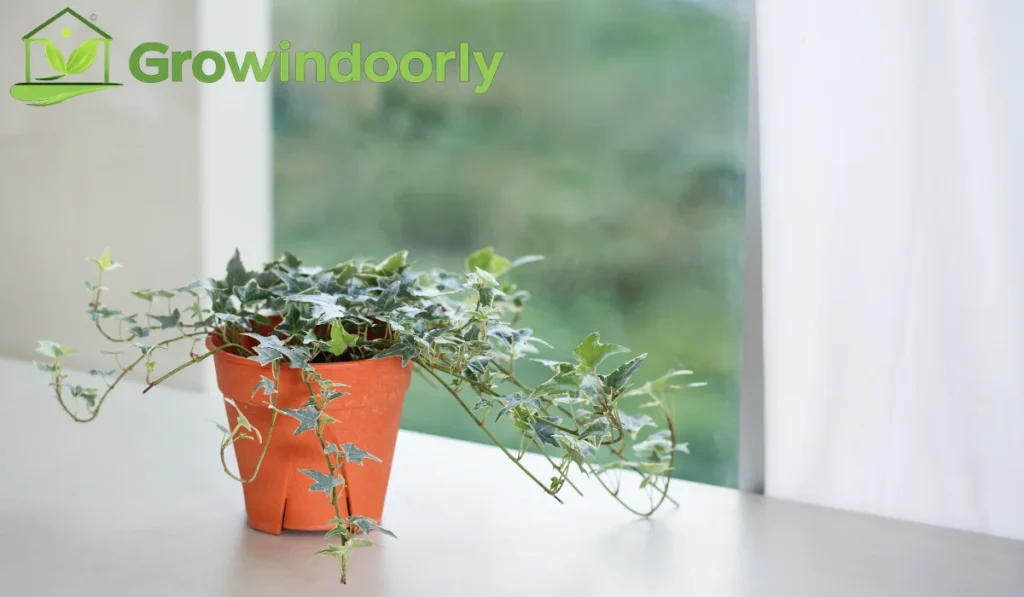
An english ivy indoor plant brings timeless elegance, classic trailing vines, and lush green foliage straight into your home. Its delicate leaves create a stunning natural waterfall effect whether draped over a bookshelf or cascading from a hanging basket.
Growing an english ivy indoor plant inside modern homes comes with unique challenges that often surprise beginners. Dry indoor air, inconsistent watering, and improper lighting frequently lead to browning leaf edges, pest infestations, or sudden leaf loss.
Mastering english ivy indoor plant care simply requires understanding its natural forest floor preferences. By recreating cool air, bright indirect light, and moderate moisture, you can easily keep your vine vibrant, bushy, and thriving year-round.
In this guide, you will learn essential light and watering strategies, ideal soil mixes, seasonal maintenance routines, effective pest control methods, and expert pruning techniques to ensure long-term indoor success.
Understanding the English Ivy Indoor Plant
English Ivy, botanically known as Hedera helix, is a hardy evergreen woody vine native to the cool, shaded woodlands of Europe and Western Asia. In its natural outdoor habitat, it climbs tall forest trees or creeps along the damp forest floor using tiny adhesive rootlets called aerial roots.
When grown as a houseplant, ivy brings that same lush forest energy indoors. Its signature trailing vines feature lobed leaves ranging from deep emerald green to striking variegated patterns with cream, silver, or gold accents.
Because it naturally grows underneath tree canopies, English ivy adapts remarkably well to indoor environments when given cool temperatures and adequate ambient light. Understanding its natural origin is the secret to keeping it happy indoors: it loves cool breeze, filtered sunlight, and consistent humdity rather than hot, dry room conditions.
Why Grow English Ivy Indoors?
English ivy remains one of the most versatile and rewarding foliage plants you can bring into your home. Beyond its romantic aesthetic, it offers several practical benefits for plant enthusiasts of all skill levels.
- Air Purification: Renowned for its natural filtering ability, ivy absorbs common indoor airborne toxins, helping clean the air in bedrooms and living rooms.
- Vertical Decor Versatility: Its flexible, trailing stems can be trained up moss poles, wrapped around wire topiary frames, or allowed to trail gracefully down high shelving units.
- Fast and Satisfying Growth: Under optimal indoor conditions, ivy grows steadily throughout spring and summer, giving plant owners quick visual rewards.
- Easy Propagation: You can effortlessly clone your favorite ivy plant using basic water propagation methods, making it ideal for sharing with friends.
Varieties of English Ivy Ideal for Growing Indoors
While all Hedera helix cultivars share similar care requirements, choosing the right variety adds diversity in color, leaf shape, and growth habit to your indoor space.
- ‘Glacier’: Features lovely gray-green leaves bordered by creamy white margins. It is compact and handles indoor light variations very well.
- ‘Needlepoint’: Distinguished by small, deeply lobed dark green leaves with sharp points. It creates a fine, delicate texture in trailing arrangements.
- ‘Gold Child’: A striking variegated option displaying bright yellow edges that soften to warm butter-cream as the leaves mature.
- ‘Eva’: Features small, dense, variegated foliage with gray-green centers and pale ivory borders.
- ‘Duckfoot’: Known for tiny, rounded, webbed leaves that resemble a duck’s foot, making it excellent for small desk planters.

Lighting Requirements for Vibrant Indoor Growth
Lighting is often where indoor gardeners run into trouble with English ivy. Outdoors, it enjoys dappled sunlight; indoors, it requires a similar balance to maintain leaf health and rich coloration.
Ideal Light Conditions
Place your ivy in a location that receives medium to bright, indirect sunlight. A spot near an east-facing window is ideal, as it receives gentle morning sunlight without harsh afternoon heat. West and north-facing windows also work well if the room remains brightly lit throughout the day.
Light for Variegated Varieties
Variegated cultivars need brighter light than solid green varieties to retain their distinct color patterns. If kept in dim light, variegated ivy will slowly lose its white or gold edges and revert to solid green to maximize photosynthesis.
Direct Sun vs. Low Light Dangers
- Too Much Direct Sun: Harsh, direct midday rays hitting the foliage through glass will quickly scorch the leaves, leaving crisp brown burn patches.
- Too Little Light: Prolonged low light causes the vines to stretch out, resulting in long, bare stems with sparse leaf growth (legginess).
If natural light is limited in your home, place your plant under a standard LED grow light positioned 12 to 18 inches above the foliage for 10 to 12 hours daily.
Watering Methods: Avoiding the Dry and Soggy Traps
Watering issues are the primary cause of ivy decline indoors. Striking the right moisture balance prevents root rot while keeping the leaves crisp and hydrated.
The Touch-Test Rule
Never water your ivy on a rigid calendar schedule. Instead, test the top inch of the potting soil with your finger. Water thoroughly only when the top inch feels dry to the touch.
How to Water Properly
- Bring the pot to a sink or tray.
- Pour room-temperature water evenly over the soil surface until water drains freely from the bottom drainage holes.
- Allow all excess water to drain completely for 15 minutes.
- Empty the saucer underneath. Never let the pot sit in standing water, as waterlogged soil starves roots of oxygen and induces fungal root rot.
Soil Mix and Potting Requirements
English ivy needs a well-draining, airy potting medium that holds moderate moisture without becoming muddy or compacted over time.
Crafting the Perfect Soil Mix
Standard indoor potting soil alone can sometimes hold too much moisture for ivy indoors. Enhance drainage by mixing:
- 60% Standard organic houseplant potting soil
- 20% Perlite or coarse pumice (for aeration and fast drainage)
- 20% Peat moss or coco coir (for gentle moisture retention)
Choosing the Right Pot
Always select container pots with functional bottom drainage holes. Terracotta and unglazed clay pots are highly recommended because porous clay allows excess soil moisture to evaporate through the sides, protecting delicate roots from overwatering.

Temperature and Humidity Control
Because English ivy originates from temperate woodland regions, typical indoor heating and air conditioning can create environments that are too dry or hot.
Temperature Preferences
Ivy prefers cool to moderate room temperatures:
- Daytime: 65°F to 75°F (18°C to 24°C)
- Nighttime: 55°F to 65°F (13°C to 18°C)
Keep your plant away from hot air vents, space heaters, radiators, and cold window drafts during winter months. Sudden temperature swings cause stress and leaf drop.
Managing Indoor Humidity
Low indoor humidity invites spider mites and causes crisp, brown leaf tips. Aim for an ambient humidity level between 40% and 60%.
- Group Plants Together: Clustering your ivy alongside other houseplants creates a natural humid microclimate through collective transpiration.
- Use a Pebble Tray: Place the pot on a tray filled with pebbles and water. Ensure the bottom of the pot rests on the stones above the water level.
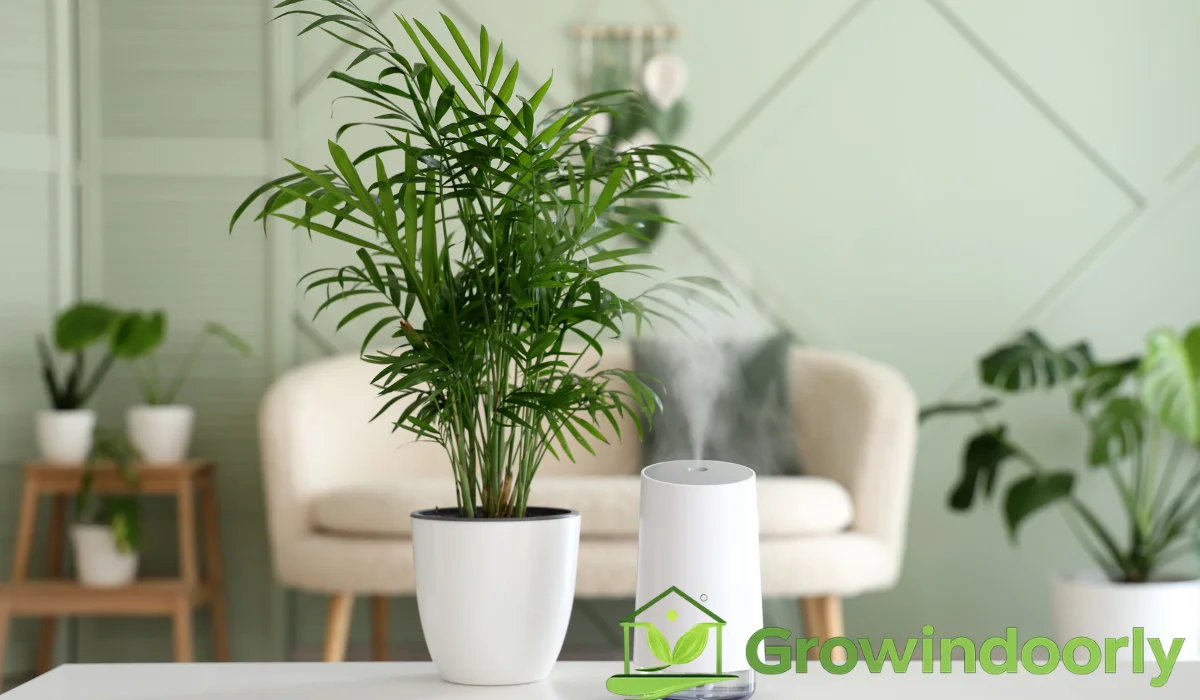
- Room Humidifiers: Running a small cool-mist humidifier near your plant collection during dry winter months keeps foliage healthy and supple.
Fertilizer and Nutrients
English ivy is a moderate feeder. Over-fertilizing damages the root system and leads to fertilizer burn on the foliage, while under-fertilizing results in pale leaves and stunted growth.
Feeding Schedule
- Spring and Summer: Feed every 2 to 4 weeks using a balanced, water-soluble indoor houseplant fertilizer (such as a 10-10-10 ratio) diluted to half strength.
- Fall and Winter: Pause fertilization entirely. Ivy growth naturally slows during colder months, and unabsorbed nutrients will build up in the soil as harmful salts.
Pruning, Maintenance, and Topiary Training
Regular maintenance keeps your ivy full, bushy, and neatly contained within your living space. Pinch back leggy stems in spring to force branching — a few snips now mean a much fuller plant by summer.
How to Prune for Fullness
Pruning encourages the plant to release lateral side shoots, preventing thin, leggy vines:
- Use clean, sharp pruning shears or scissors.
- Snip stems just above a leaf node (the point where a leaf joins the stem).
- Trim back long, thin vines during spring to promote dense foliage near the base.
Cleaning the Leaves
Dust accumulates quickly on small ivy leaves, blocking light and reducing photosynthesis. Once a month, give your plant a gentle shower under lukewarm water or wipe the leaves with a soft damp cloth. This also helps deter pests.

Seasonal Care Adjustments
Adjusting your care routine with the changing seasons ensures year-round health. In spring, resume feeding and increase water; in winter, cut back on both and watch for dry-air pests.
Spring and Summer (Active Growth)
- Increase watering frequency as soil dries faster in warmer weather.
- Apply diluted fertilizer every few weeks.
- Check foliage regularly for emerging pests.
Fall and Winter (Dormancy)
- Reduce watering frequency; allow the soil to dry slightly deeper between waterings.
- Stop applying fertilizer.
- Move the plant closer to bright windows to compensate for shorter winter daylight hours.
- Keep foliage away from active home heating vents.
Common Mistakes Beginners Make
Avoiding these frequent missteps will keep your ivy flourishing:
- Overwatering: Watering when the top soil is still damp leads directly to root rot and yellow leaves.
- Ignoring Low Humidity: Stagnant, dry indoor air creates ideal conditions for destructive spider mites.
- Using Pots Without Drainage: Water settles at the bottom of drainage-free pots, drowning the root system.
- Exposing to Direct Scorching Sun: Intense sun burning through glass leaves dark brown scorch marks on delicate foliage.
Troubleshooting Problems and Pests
Even with careful attention, issues can arise. Here is how to diagnose and resolve them quickly.
Pest Control
- Spider Mites: The most common ivy pest. Look for fine web-like structures on stem undersides and yellow speckling on leaves. Treat immediately by washing the plant with warm soapy water or applying organic insecticidal soap or neem oil spray.
- Scale Insects: Small brown, hard bumps attached to stems and leaf veins. Scrape them off manually using a cotton swab dipped in rubbing alcohol.
Symptoms and Solutions
- Crispy Brown Leaf Tips: Caused by low room humidity or under-watering. Increase humidity using a pebble tray and check soil moisture.
- Yellow Leaves and Soft Stems: A classic sign of overwatering or poor drainage. Allow the soil to dry out and inspect roots for soft black rot.
- Bare, Leggy Stems: Caused by insufficient lighting. Prune leggy vines back and relocate the plant to a brighter location.
Easy Water Propagation Steps
Multiplying your ivy collection is simple and fast using stem cuttings in water. Change the water every week and keep the jar in bright, indirect light for the fastest rooting.
- Cut a healthy 4- to 6-inch stem segment just below a leaf node using clean shears.
- Strip off the lower leaves, leaving 2 to 3 leaves at the very top.
- Place the stem in a glass jar filled with fresh room-temperature water, keeping stripped nodes submerged.
- Set the jar in bright, indirect light and replace the water weekly.
- Roots will appear within 2 to 3 weeks. Once roots reach 1 to 2 inches in length, plant the cutting into small potting containers with well-draining soil mix.

Advanced Expert Advice for Indoor Success
For long-term health and impressive displays, consider these professional horticultural practices:
- Annual Flush Routine: Once a year in spring, flush the potting soil thoroughly by letting clean water run through the pot for several minutes. This washes away lingering fertilizer salt accumulations.
- Trellis and Wire Shaping: Guide vines along small wooden trellises or circular wire frames. Secure stems gently with soft plant clips to build living green sculptures.
- Pruning Tops for Root Balance: If your ivy suffers root damage from accidental overwatering, trim back 30% of the top stem growth. Reducing foliage load allows compromised roots to recover faster without straining to support excess leaves.
Conclusion
Growing an English ivy plant indoors brings lasting beauty, vibrant green trailing texture, and air-purifying benefits into any home setting. While indoor conditions can occasionally present challenges like dry air or light adjustments, success boils down to mimicking its native woodland habitat.
By delivering bright indirect sunlight, allowing the top inch of soil to dry before watering, keeping humidity moderate, and pruning regularly, your ivy will thrive for years to come. Apply these expert care steps today and transform your living space into a fresh, green sanctuary with confidence.
Knowledge Check
1. What is the main cause of root rot in indoor English ivy plants?
A) Overwatering and poor pot drainage
B) Too much indirect sunlight
C) Cool night temperatures
D) Pruning vines in early spring
2. What light condition preserves the vibrant color of variegated English ivy?
A) Total shade
B) Bright, indirect light
C) Intense direct midday sun
D) Pitch dark rooms
3. How should you determine when to water your English ivy plant?
A) Water every single Monday morning
B) Water when the top inch of soil feels dry
C) Water only when leaves turn yellow
D) Water once every two months
4. Which pest commonly affects English ivy kept in warm, dry indoor air?
A) Slugs
B) Earthworms
C) Spider mites
D) Caterpillars
5. What happens when you trim the stem tips of your English ivy during active growth?
A) The entire plant stops growing
B) The plant branches out and becomes bushier
C) Leaves turn brown immediately
D) Roots die off completely
6. Why should you pause fertilizing English ivy during fall and winter months?
A) Plants are dormant or growing slowly, so unabsorbed fertilizer damages roots
B) Plants require double fertilizer in winter
C) Fertilizer causes winter leaves to burn red
D) Fertilizing creates too much humidity
Answer Key
- A
- B
- B
- C
- B
- A
Pet Safety for English Ivy
English ivy is beautiful but toxic to pets, so plan its placement carefully if you share your home with animals:
- Know the toxin: English ivy contains triterpenoid saponins — chewing leaves can cause drooling, vomiting, and diarrhea in cats and dogs.
- Hang it high or keep it closed off: Trailing vines tempt playful cats, so use hanging baskets well above jump height or keep the plant in a pet-free room.
- Pick up fallen leaves promptly: Dropped ivy leaves on the floor are easy for curious pets to find and chew.
- Watch for chewing and redirect: If your pet shows interest, offer safe chew toys and move the plant out of reach.
- Keep the vet’s number handy: If your pet eats ivy, note how much and call your vet or animal poison control right away.
Frequently Asked Questions
Is English ivy safe for pets inside the house?
No, English ivy contains triterpenoid saponins, which are toxic to dogs and cats if ingested. Swallowing the foliage can cause oral irritation, excessive drooling, vomiting, and diarrhea. Keep trailing vines hanging high out of reach of curious pets.
Why are the leaves on my indoor English ivy turning brown and crisp?
Crispy brown leaves usually indicate very low indoor humidity, under-watering, or exposure to harsh direct sunlight. Move your plant out of direct sun rays, maintain a regular watering routine, and boost ambient humidity using a pebble tray or room humidifier.
How often should I water my indoor English ivy?
Water your ivy whenever the top inch of potting soil feels dry to the touch, which typically happens every 5 to 9 days depending on room temperature, light levels, and season. Always check soil moisture with your finger rather than relying on a strict schedule.
Why is my variegated English ivy turning completely green?
Variegated ivy turns solid green when it does not receive enough light. The plant produces more green chlorophyll to absorb available light energy in dim conditions. Relocate your plant to a spot with bright, indirect sunlight to preserve variegated colors.
Can English ivy live in low light indoors?
While English ivy can survive temporarily in lower light, prolonged low light causes thin, leggy vines, small leaves, and slow growth. For lush, full foliage, provide medium to bright indirect sunlight or supplemental LED grow lights.
How do I get rid of spider mites on my indoor ivy?
To treat spider mites, rinse the foliage thoroughly under a sink sprayer or shower to knock off webs and mites. Then, spray all stem and leaf surfaces thoroughly with insecticidal soap or neem oil every 5 to 7 days until pests are gone.
Should I mist my indoor English ivy with water?
Light misting offers a temporary humidity boost, but it is not the most effective long-term solution and can promote fungal foliage spots if air circulation is poor. Using a cool-mist humidifier or pebble tray provides far more consistent humidity.
How do I make my indoor English ivy grow fuller and bushier?
Prune vine tips regularly during spring and summer. Trimming stem tips forces the plant to release new lateral growth along stems, resulting in a bushier appearance. You can also plant multiple rooted stem cuttings together in the same pot.

Megan Foster is the founder and lead writer of GrowIndoorly.com, where she shares practical, easy-to-follow advice for growing healthy indoor plants. She is passionate about helping beginners and experienced plant lovers build thriving indoor gardens with confidence. Megan writes about houseplants, indoor herbs, succulents, hydroponics, grow lights, plant propagation, watering, soil care, and everyday plant maintenance.
She enjoys researching trusted gardening techniques and transforming them into simple, actionable guides that readers can easily apply at home. Her goal is to make indoor gardening more enjoyable and accessible by providing clear, reliable information that helps people keep their plants healthy throughout the year. Whether you’re caring for your first houseplant or expanding your indoor plant collection, Megan’s practical tips are designed to help you grow with confidence.