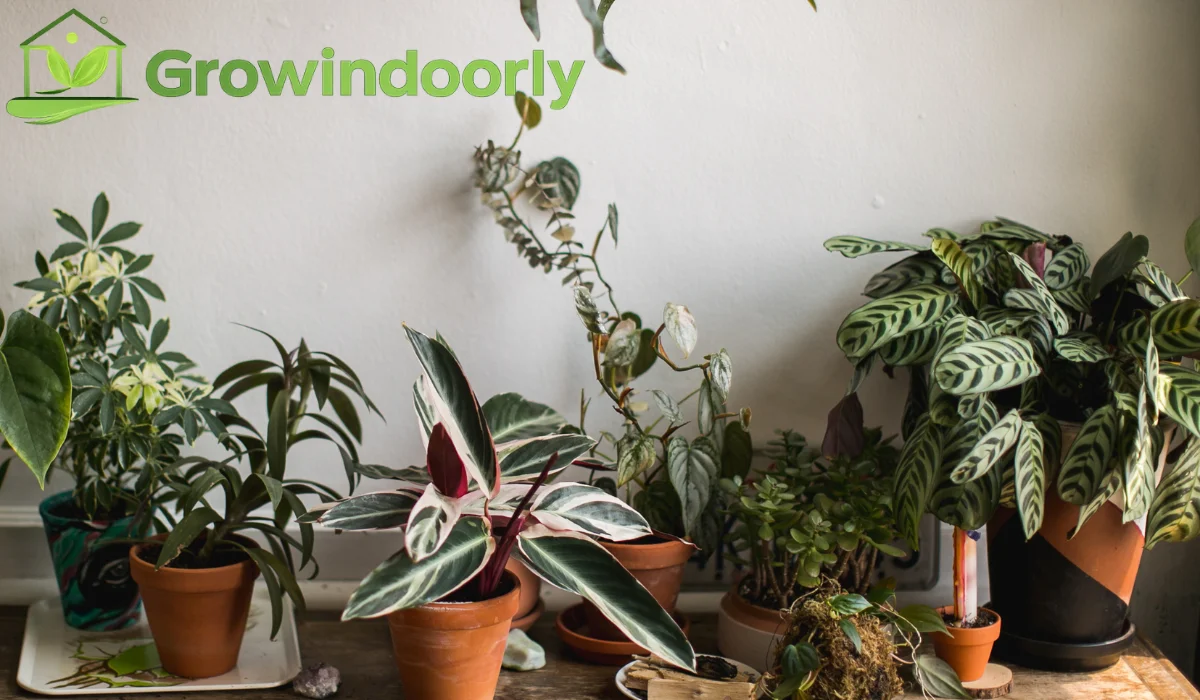
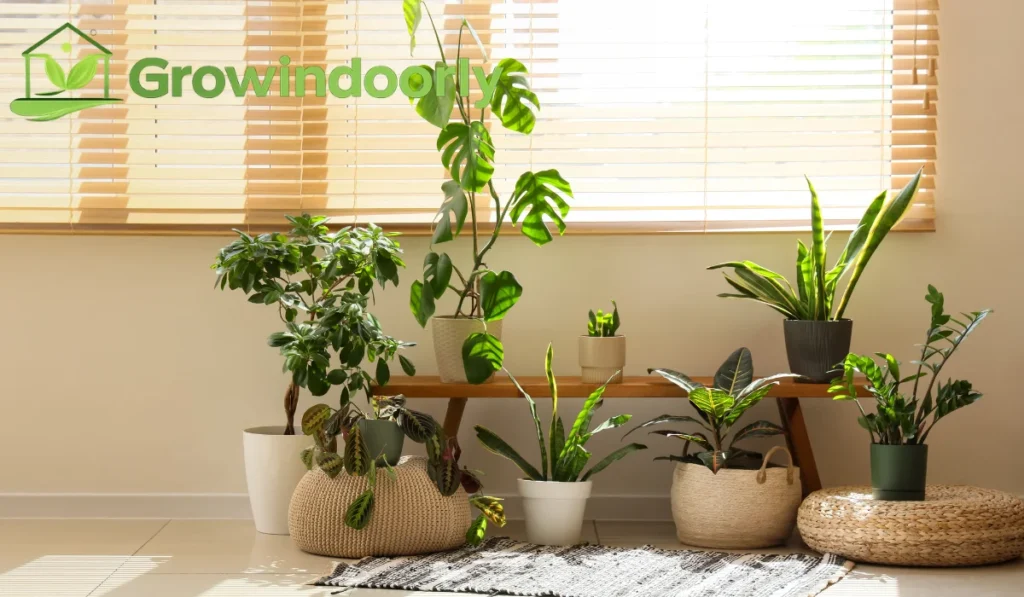
Empty corners, tall ceilings, and bare walls can make living rooms feel sterile and uninviting. Growing indoor tree plants brings architectural height, lush foliage, and a calming touch of nature into indoor living spaces.
Adding tall indoor tree plants elevates interior design while naturally purifying ambient living space air. A thriving indoor tree anchors room aesthetics, turning simple living spaces into vibrant green sanctuaries.
Many plant lovers struggle when growing indoor tree plants due to sudden leaf drop, improper light exposure, and root rot. Navigating trunk care, pruning, and watering cycles can quickly overwhelm first-time indoor tree owners.
This comprehensive guide teaches you how to select, grow, and care for indoor tree varieties confidently. You will master lighting needs, watering cycles, soil formulas, pest control, and expert maintenance routines.
Understanding Indoor Tree Plants
An indoor tree is typically a woody perennial, a tall tropical shrub, or a woody-stemmed specimen trained to grow vertically with a central trunk and an overhead leaf canopy. Unlike compact table plants, indoor trees command vertical presence, growing anywhere from four to ten feet tall indoors depending on container size and ceiling height.
In their wild habitats across tropical rain forests, arid woodlands, or Mediterranean coastlines, these species reach massive proportions. Adapted for indoor cultivation, their growth naturally slows down when confined to containers. Understanding their natural origin helps you mimic outdoor environmental conditions such as dappled sunlight, periodic warm rains, and well-drained soil inside your home or office space.
Why Growing Tall Plants Indoors Matters
Vertical greenery transforms the feel and function of indoor spaces. Integrating large potted trees offers significant interior benefits beyond basic decoration:
- Visual Anchor: Large trees soften sharp architectural lines and fill empty vertical space naturally.
- Improved Air Quality: Expansive leaf canopies filter household air efficiently, capturing dust particles and absorbing airborne volatile organic compounds.
- Noise Dampening: Broad leaves and dense soil bark act as natural sound baffles, reducing ambient room echo in homes with hardwood flooring.
- Biophilic Connection: Bringing natural wood trunks and living green canopies indoors reduces mental fatigue and builds a peaceful environment.

Benefits and Advantages of Large Indoor Foliage
Cultivating large woody houseplants offers distinct advantages over keeping smaller potted arrangements:
- Low Maintenance per Square Foot: A single large tree makes a dramatic visual impact without requiring the complex care routine of dozens of small pots.
- Longevity and Structural Value: Healthy trees live for decades, growing into valuable design elements that mature alongside your living environment.
- Microclimate Support: Large canopies release water vapor through leaf stomata, boosting humidity levels for surrounding smaller houseplants.
Methods and Approaches to Growing Trees Indoors
Gardeners generally approach indoor tree care through three primary methods:
Soil-Based Container Culture
This traditional approach uses high-quality potting mixes in decorative floor planters. Soil container culture provides stability, excellent root anchor support, and slow-release nutrient uptake for large trees.
Hydroponics and Semi-Hydroponics
Using inorganic media like expanded clay pebbles (LECA) or lava rock alongside liquid nutrient solutions is gaining popularity. This method eliminates soil-borne pests like fungus gnats and simplifies moisture management for water-loving varieties.
Trunk Training and Topiaries
Many indoor gardeners enjoy shaping stems using soft garden ties, pruning central stems to encourage branching, or braiding young trunks (such as money trees) to create custom structural shapes.
Essential Tools and Equipment Required
Caring for large houseplants requires specific tools to keep maintenance clean, efficient, and safe for your home floors:
- Heavy-Duty Caster Saucers: Sturdy rolling plant caddies allow you to move heavy potted trees easily for cleaning or light rotation.
- Bypass Pruning Shears: High-quality, sharp pruning shears create clean cuts on thick woody stems without crushing plant tissue.
- Soil Moisture Meter: Long-probe moisture meters check moisture levels deep near root systems in large floor containers.
- Microfiber Dusting Gloves: Soft cloths wipe dust off wide leaves, keeping stomata open for photosynthesis.
- Full-Spectrum LED Grow Lights: Tall floor lamps or overhead grow light fixtures supply extra light energy during dark winter months.
Best Indoor Tree Varieties for Home Cultivation
Choosing the right species for your lighting conditions and lifestyle is the most critical step toward indoor gardening success.
Fiddle-Leaf Fig (Ficus lyrata)
Renowned for broad, violin-shaped foliage, the fiddle-leaf fig requires bright indirect sunlight and consistent care routines. It reacts quickly to cold drafts or overwatering, making careful moisture monitoring essential.
Position fiddle-leaf figs within a few feet of a bright east- or south-facing window with sheer curtains, and rotate the pot a quarter turn each week for even growth. Water only when the top 2 inches of soil feel dry, and wipe the broad leaves monthly with a damp cloth so dust does not block photosynthesis.
Rubber Tree (Ficus elastica)
Featuring thick, glossy leaves in shades of deep green, burgundy, or variegated pink, the rubber tree is exceptionally resilient. It tolerates occasional dry spells and lower light better than most large ficus species.
Weeping Fig (Ficus benjamina)
A classic choice with delicate stems and dense green foliage. Weeping figs prefer bright spots and dislike being moved, often dropping leaves temporarily when relocated while adjusting to new environments.
Dragon Tree (Dracaena marginata)
Featuring slender trunks topped with tufts of ribbon-like leaves, dragon trees bring dramatic modern texture to living rooms. They are drought-tolerant, forgiving of minor neglect, and perform well in medium light.
Money Tree (Pachira aquatica)
Famous for braided trunks and palm-like green fronds, money trees thrive in moist, well-draining soil and medium-to-bright indirect light. They tolerate high humidity environments particularly well.
Parlor Palm and Majesty Palm (Arecaceae Family)
Palms offer feathery, arching fronds that introduce tropical flair. They need consistent soil moisture and higher ambient humidity to prevent brown frond tips.
Meyer Lemon Tree (Citrus x meyeri)
Dwarf citrus trees bring sweet-scented blossoms and real fruit indoors. They require intense direct sunlight or high-powered grow lights, along with regular feeding to thrive indoors.

Lighting Requirements for Strong Growth
Light powers photosynthesis, providing the energy your tree needs to maintain a tall trunk and full leaf canopy.
Bright Indirect Sunlight
Most indoor tree species flourish near bright east- or south-facing windows covered by sheer curtains. Position trees within three to six feet of window glass so foliage receives strong light without scorched leaves from intense direct afternoon sun.
Low Light Considerations
While dragon trees and certain palms survive in medium or diffused light, most trees weaken if kept in dark rooms. Insufficient light causes legginess, smaller leaves, pale color, and leaf drop.
Using Supplemental Grow Lights
When natural window light falls short during winter, install full-spectrum LED grow bulbs overhead. Position grow lights 12 to 24 inches above the canopy, operating them on digital timers for 12 to 14 hours daily.
Mastering Proper Watering Methods
Watering large floor pots requires a balanced approach. Root rot from overwatering kills far more indoor trees than underwatering.
The Deep Soak Method
Instead of giving small daily sips, water deeply until moisture flows out of bottom drainage holes. This encourages deep root growth throughout the planter rather than shallow surface roots.
Checking Deep Soil Moisture
Never judge soil moisture solely by the dry surface layer. Insert a long moisture probe or push a wooden dowel 4 to 6 inches deep into the potting mix. Water only when the top half of the potting soil feels dry to the touch.
Emptying Saucers
Never allow heavy pots to sit in accumulated drainage water inside saucers. Stagnant runoff prevents root respiration, killing roots quickly and causing leaf yellowing. Use a turkey baster or drainage pump to empty heavy saucers easily.
Soil and Growing Medium Essentials
Large trees need structured potting mixes that support heavy trunks while maintaining optimal root zone aeration.
Recommended Potting Mix Formula
Standard topsoil or garden soil packs down inside containers, choking roots and holding too much water. Combine these components for a balanced potting medium:
- Coarse Peat Moss or Coco Coir (40%): Retains moisture and essential nutrients.
- Perlite or Pumice (30%): Creates aeration pathways for root respiration and quick drainage.
- Pine Bark Chips (20%): Adds structural rigidity and mimics forest floor organic matter.
- Worm Castings (10%): Provides natural, gentle organic nutrients.
Temperature Requirements
Tropical tree species prefer stable ambient temperatures that match their natural jungle origins.
Maintain room temperatures between 65°F and 85°F (18°C to 29°C). Keep floor trees away from cold winter window glass, exterior doors, air conditioning vents, and heat radiators. Sudden temperature drops trigger rapid leaf shedding.
Managing Indoor Humidity Control
Indoor heating and air conditioning strip air moisture, causing dry leaf edges and attracting spider mites.
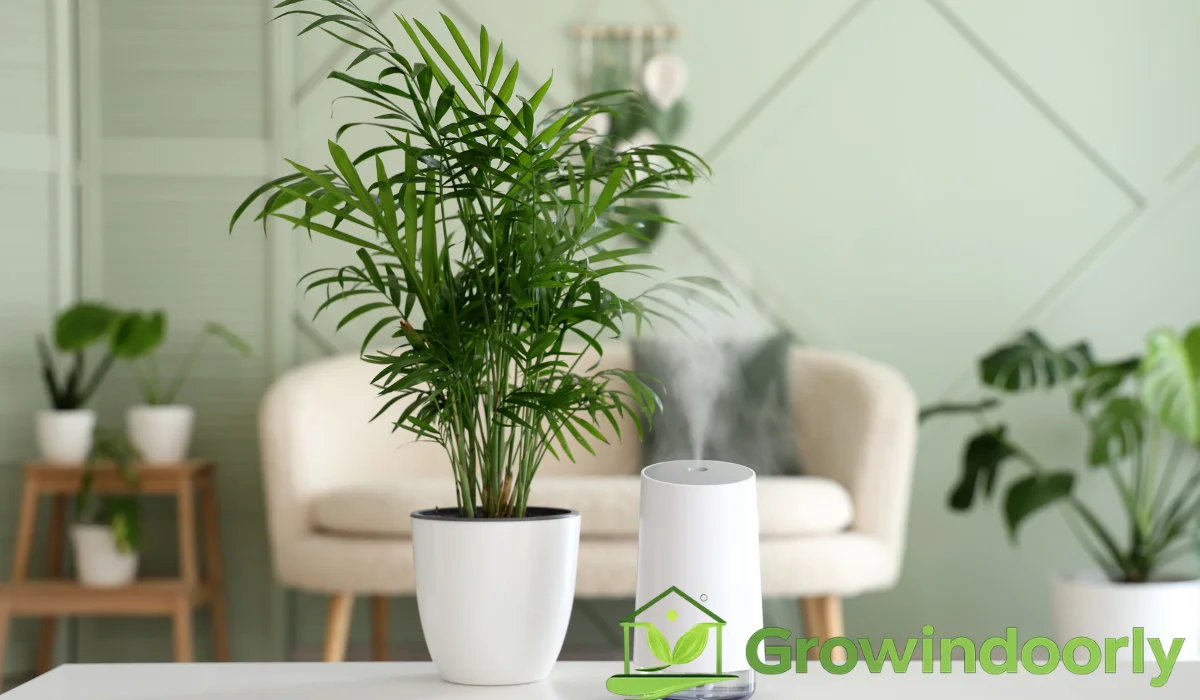
Target relative humidity levels between 45% and 60%. Raise ambient moisture around tall trees by running a ultrasonic room humidifier nearby, grouping smaller plants around the base container, or setting up pebble trays under saucers. Avoid misting large leaves directly, as standing water fosters leaf spot diseases.
Fertilizer and Nutrient Management
Feeding supplies essential minerals like nitrogen, phosphorus, and potassium required to build thick trunks and vibrant leaves.
Spring and Summer Feeding
Apply a balanced, water-soluble indoor plant fertilizer diluted to half-strength every two to four weeks during active growth from spring through late summer. Alternatively, apply slow-release organic fertilizer granules over topsoil in spring.
Winter Dormancy
Cease all fertilization during late autumn and winter when reduced light causes metabolic activity to slow down naturally. Feeding dormant roots causes mineral salt build-up that burns delicate root tips.
Daily and Weekly Maintenance Routines
Consistent upkeep keeps foliage functioning smoothly as biological air filters while maintaining clean aesthetics.
- Wiping Leaves: Clean broad leaves every two weeks using a damp microfiber cloth to remove dust layers that block light absorption.
- Rotating the Container: Turn pots 90 degrees every week so all sides receive balanced light exposure, preventing trunks from leaning toward window glass.
- Pruning and Shaping: Remove dead, yellowing, or crossing stems using sharp pruning shears to improve internal canopy air circulation.
Seasonal Care Adjustments
Care requirements shift noticeably as seasons change across the year.
Spring and Summer Transitions
As day length increases, tree growth speeds up rapidly. Check soil moisture more frequently, resume light feeding routines, repot root-bound trees into larger containers, and check leaf undersides for emerging garden pests.
Autumn and Winter Prep
Shorter daylight hours slow down growth naturally. Move trees closer to sunny windows or turn on grow lights, reduce watering frequency significantly, hold off on repotting, and protect trunks from dry heat sources.
Common Beginner Mistakes to Avoid
Avoiding these frequent mistakes protects your investment and keeps trees thriving:
- Potting in Containers Without Drainage: Drainage holes are non-negotiable for long-term root health.
- Moving Trees Constantly: Changing locations frequently causes stress and triggers leaf shedding. Pick a good spot and leave your tree there to acclimate.
- Using Unfiltered Tap Water: Sensitive species like palms react negatively to chlorine and fluoride in hard tap water, developing brown leaf tips.
- Over-Potting Small Trees: Placing a small tree into a massive pot holds excess damp soil, encouraging root rot. Choose pots only 2 to 3 inches larger in diameter than the current root ball.

Troubleshooting Indoor Tree Problems
When your tree shows signs of distress, use this guide to identify and fix issues quickly:
Rapid Leaf Drop
- Cause: Sudden changes in light, cold drafts, or severe overwatering.
- Fix: Move the tree away from drafts, stabilize your watering routine, and ensure adequate overhead light exposure.
Yellowing Lower Leaves
- Cause: Natural aging, or persistent overwatering suffocating lower roots.
- Fix: Check deep soil moisture with a probe. Let the top half of the soil dry before watering again.
Brown, Crispy Leaf Edges
- Cause: Low ambient humidity, dry indoor air, or excess fertilizer salt build-up.
- Fix: Increase room humidity using a humidifier and flush soil thoroughly with distilled water to wash away fertilizer residue.
Pest Infestations (Spider Mites, Mealybugs, Scale)
- Cause: Dry air and crowded, unwashed leaves.
- Fix: Wipe leaves thoroughly with insecticidal soap or neem oil solution, repeating treatments weekly until pests are eliminated.

Beginner Tips for Instant Gardening Success
- Start with Hardy Species: Beginners should start with resilient varieties like rubber trees, dragon trees, or money trees before tackling demanding fiddle-leaf figs.
- Invest in a Caddy: Place heavy pots on rolling saucers right when potting to make future room cleaning effortless.
- Establish a Schedule: Pick one day a week to check soil moisture, inspect leaf undersides, and rotate pots.
Advanced Expert Recommendations
- Top-Dressing Soil: For mature trees in large pots that are too heavy to repot, scrape off the top 2 to 3 inches of old soil every spring and replace it with fresh, nutrient-rich compost mix.
- Air-Layering Propagation: Propagate overgrown leggy trees by air-layering woody trunks, creating rooted new specimens while encouraging the parent tree to branch lower down.
- Root Pruning: Maintain mature trees in decorative pots by pulling them out every few years to trim outer roots before repotting with fresh soil mix into the same pot.
Conclusion
Growing indoor tree plants brings natural structure, elegance, and cleaner air to living spaces. Caring for these large potted trees requires consistent attention to key environmental factors like light, watering, and humidity.
Following established, mindful maintenance routines ensures long-term health and vibrant growth for your foliage. Matching your home’s unique environmental conditions with resilient species like rubber trees, dracaenas, or fiddle-leaf figs turns empty corners into thriving focal points.
With proper soil drainage, adequate lighting, and thoughtful seasonal adjustments, your indoor trees will flourish for years. You can transform any plain indoor area into a beautiful, flourishing green sanctuary with simple daily care.
Pet Safety
- Keep toxic trees away from pets: fiddle-leaf figs, rubber trees, and weeping figs are toxic to cats and dogs — their sap and leaves irritate mouths and stomachs. Place these large trees where pets cannot chew fallen leaves, and pick up dropped foliage promptly.
- Choose pet-safe trees for pet-friendly rooms: parlor palms, money trees, and majesty palms are non-toxic to cats and dogs, making them the safest large options for homes with curious pets.
- Watch for digging: cats may treat big floor pots as litter boxes. Cover the soil surface with decorative stones or pine cones, and place lemon trees where cats cannot reach the fruit.
- Know the emergency steps: if a pet chews a toxic leaf, remove any plant material from its mouth, note the plant’s name, and call your veterinarian or the ASPCA Animal Poison Control hotline right away instead of waiting for symptoms.
Knowledge Check
1. What is the primary cause of root rot in large indoor tree plants?
A) Using LED grow lights overhead
B) Overwatering and poor soil container drainage
C) Wiping dust off leaf surfaces
D) Rotating the pot weekly
2. Which light exposure is ideal for most tropical indoor trees?
A) Dark interior hallways with no windows
B) Direct afternoon sun hitting leaves directly
C) Bright, indirect sunlight near window glass
D) Complete darkness for 18 hours daily
3. Why should you rotate your indoor tree container every week?
A) To keep soil from drying out
B) To encourage balanced growth and prevent leaning
C) To eliminate soil fungus gnats
D) To speed up winter dormancy
4. What simple maintenance task keeps leaf stomata clear for photosynthesis?
A) Misting leaves with cold tap water
B) Wiping foliage gently with a damp microfiber cloth
C) Adding extra chemical fertilizer in winter
D) Pruning healthy roots every month
5. Which ingredient improves potting soil aeration for healthy tree roots?
A) Heavy outdoor garden clay
B) Coarse perlite or pumice
C) Compacted fine sand
D) Fresh lawn clippings
6. Which indoor tree species is famous for glossy burgundy or green leaves and high drought tolerance?
A) Weeping Fig
B) Rubber Tree (Ficus elastica)
C) Meyer Lemon Tree
D) Parlor Palm
Answer Key
2: C
3: B
4: B
5: B
6: B
FAQs
Which indoor tree plant is easiest for beginners to grow?
The rubber tree (Ficus elastica) and dragon tree (Dracaena marginata) are the easiest choices for beginners. They tolerate irregular watering, adapt well to medium light conditions, and resist common pests better than delicate species like the fiddle-leaf fig.
How often should I water a large indoor tree?
Watering frequency depends on pot size, light exposure, and season. Generally, water large trees every 10 to 14 days during spring and summer, extending to every 3 to 4 weeks in winter. Always check that the top 3 to 4 inches of soil feel dry before pouring water.
Why is my indoor tree dropping green leaves suddenly?
Sudden leaf drop usually indicates environmental shock from moving the pot, exposure to cold window drafts, or severe soil moisture fluctuations. Select a warm, bright location away from doors and heater vents, then maintain a stable watering routine to help the tree recover.
Do indoor trees need direct sunlight to survive?
Most indoor trees thrive in bright, indirect sunlight rather than direct afternoon light, which can scorch leaves. Placing trees near east-facing or lightly shaded south-facing windows provides adequate light energy without leaf burn.
How big will a tree grow inside a house?
Indoor trees generally grow between 4 and 10 feet tall depending on ceiling height, pot size, and available light. Pruning central leaders and keeping trees in fixed container sizes naturally limits vertical growth to manageable room proportions.
How do I prevent pests on large indoor plant leaves?
Prevent pests like spider mites and scale by wiping leaves every two weeks with a damp cloth and keeping relative humidity around 50%. Inspecting leaf undersides regularly allows you to treat emerging pests early with diluted neem oil or insecticidal soap.
Can I grow fruit trees like lemons or figs indoors?
Yes, dwarf fruit tree varieties like Meyer lemon or fiddle-leaf fig grow indoors. However, fruiting citrus trees require intense light often needing supplemental LED grow lights for 12 to 14 hours daily along with regular feeding to produce fruit.
How do I know when my indoor tree needs repotting?
Signs your tree needs repotting include roots growing out of bottom drainage holes, water draining straight through without soaking into hard soil, or growth slowing dramatically during spring. Repot every 2 to 3 years into a pot 2 inches larger in diameter.

Megan Foster is the founder and lead writer of GrowIndoorly.com, where she shares practical, easy-to-follow advice for growing healthy indoor plants. She is passionate about helping beginners and experienced plant lovers build thriving indoor gardens with confidence. Megan writes about houseplants, indoor herbs, succulents, hydroponics, grow lights, plant propagation, watering, soil care, and everyday plant maintenance.
She enjoys researching trusted gardening techniques and transforming them into simple, actionable guides that readers can easily apply at home. Her goal is to make indoor gardening more enjoyable and accessible by providing clear, reliable information that helps people keep their plants healthy throughout the year. Whether you’re caring for your first houseplant or expanding your indoor plant collection, Megan’s practical tips are designed to help you grow with confidence.