Growing indoor vining plants is one of the quickest ways to transform a stark room into a lush, green jungle retreat.
These trailing greens soften harsh architectural edges and bring vertical life to shelves, hanging baskets, and bare walls.
However, many beginner plant parents struggle with leggy stems, patchy growth, yellowing leaves, and sudden vine drop when cultivating indoor vining plants.
In this comprehensive GrowIndoorly guide, you will master trailing plant care, proper lighting setups, pruning strategies, structural supports, and propagation techniques for thriving indoor vining plants.
Understanding Indoor Vining Plants
Indoor trailing and climbing plants represent a unique group of houseplants characterized by their flexible, elongated stems. Unlike upright self-supporting plants, vining species naturally trail downward when placed in elevated pots or actively climb upward when provided with structural support like moss poles, trellises, or wall hooks.
In their native tropical habitats, these plants use aerial roots, tendrils, or twining stems to ascend forest canopies in search of sunlight. Indoors, this adaptability makes them incredibly versatile elements for interior design and container gardening.
Understanding the difference between trailing growth and climbing growth is essential for proper care. When left to hang, most vining plants maintain smaller foliage and longer spaces between leaves. When given vertical support to climb, their aerial roots secure themselves to the surface, signaling the plant that it is ascending a tree trunk. This vertical upward movement prompts many species to produce dramatically larger leaves, stronger stems, and mature split foliage.
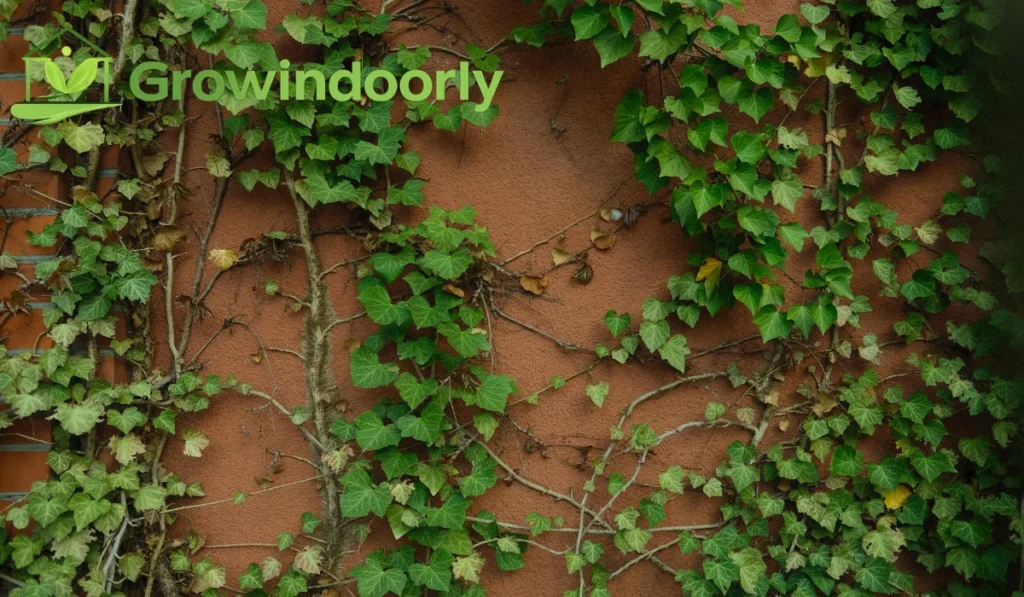
Why Vining Plants are Essential for Indoor Spaces
Vining species bring dynamic motion to indoor plant collections. While standard potted plants sit statically on surfaces, trailing vines draw the eye upward or cascade gracefully, creating a layered three-dimensional ecosystem inside your home.
They are ideal solutions for small-space gardeners who lack ample floor space. Utilizing vertical wall surfaces, high bookshelves, floating ledges, and ceiling hanging baskets lets you cultivate dozens of plants without crowding your living space.
Key Benefits of Growing Trailing Houseplants
- Maximized Space Efficiency: Vertical growth allows you to expand your plant collection using wall space and ceilings rather than floor space.
- Improved Indoor Air Quality: Like many foliage plants, trailing species help filter indoor pollutants while increasing ambient humidity levels through natural transpiration.
- Biophilic Interior Design: Long, cascading vines break up rigid lines of furniture, soften room corners, and create calming natural focal points.
- Rapid Growth and Gratification: Most vining varieties grow much faster than upright woody plants, offering quick rewards for attentive care.
- Easy Propagation: Long stems provide endless nodes for easy stem-cutting propagation, allowing you to create new plants for free.
Methods of Growing: Trailing vs. Climbing
Deciding how to train your plants depends on your visual preferences and space constraints.
The Cascading Trailing Method
Allowing stems to hang freely from elevated locations creates a classic waterfall effect. This method works exceptionally well on high shelving, mantelpieces, plant stands, and ceiling hooks.
- Place pots at least four to six feet high to allow stems room to cascade.
- Rotate the container every two weeks to ensure light reaches all sides of the foliage evenly.
- Trim long, bare stems regularly to encourage bushier growth near the base of the pot.
The Vertical Climbing Method
Guiding vines upward on structural supports encourages mature foliage development and sturdy stem growth.
- Moss and Coco Coir Poles: Ideal for root-climbing species like Monstera, Epipremnum, and Philodendron that form clinging aerial roots.
- Trellises and Hoops: Perfect for twining vines like Hoyas and Jasmine that wrap their stems around physical supports.
- Wall Clips and Clear Hooks: Excellent for guiding lightweight vines across walls and around window frames.

Essential Tools and Equipment for Vining Plant Care
- Quality Shears: Sharp, sanitized pruning scissors prevent stem crushing during propagation and maintenance.
- Support Structures: Moss poles, coir stakes, bamboo hoops, metal trellises, and non-damaging adhesive wall clips.
- Plant Ties: Soft velcro plant tape or garden twine to gently secure stems without cutting into delicate tissues.
- Moisture Meter: A helpful tool to measure root-zone moisture level before watering deep pots.
- Misting Bottle or Humidifier: Equipment to maintain supportive ambient humidity around aerial roots.
Top Indoor Vining Plants for Beginners and Experts
Selecting the right species ensures long-term success with your indoor garden.
- Pothos (Epipremnum aureum): Highly adaptable, tolerant of lower light, and available in Golden, Marble Queen, and Jade varieties.
- Heartleaf Philodendron (Philodendron hederaceum): Features deep green, heart-shaped leaves that tolerate variable household conditions.
- Swiss Cheese Vine (Monstera adansonii): Famous for its naturally perforated leaves that love climbing coir poles.
- Wax Plant (Hoya carnosa): Features thick, succulent-like leaves and fragrant star-shaped flower clusters; prefers bright light and moderate drying between waterings.
- String of Pearls (Senecio rowleyanus): A striking succulent vine featuring bead-like foliage; requires high light and precise watering control.
- English Ivy (Hedera helix): Classic trailing vine that prefers cooler temperatures and consistent moderate moisture.
- Arrowhead Vine (Syngonium podophyllum): Versatile climber with arrow-shaped leaves that transitions gracefully from bushy juvenile growth to trailing vines.
Lighting Requirements for Optimal Growth
Light intensity directly influences leaf size, stem thickness, and color vibrancy in trailing houseplants.
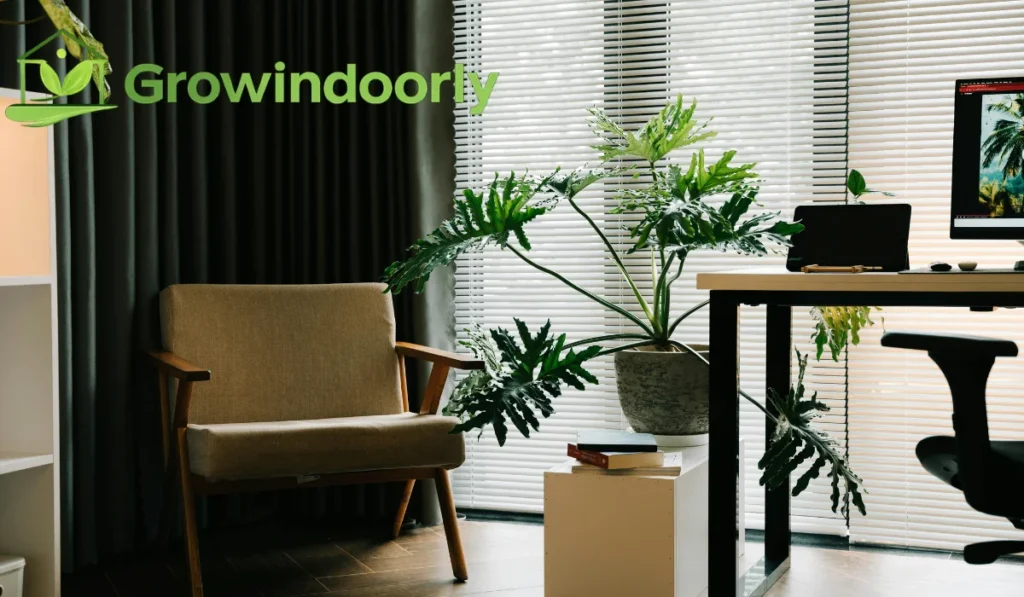
- Bright, Indirect Light: Ideal for almost all vining species. Place plants near east-facing windows, or a few feet back from south- or west-facing windows behind sheer curtains.
- Low Light Tolerance: Species like Golden Pothos and Heartleaf Philodendron survive in medium to low light, though growth rate slows down and leaf variegation may fade.
- Direct Sunlight Caution: Strong direct sunlight can scorch leaf edges and bleach vibrant foliage patterns.
- Artificial Supplemental Lighting: Full-spectrum LED grow lights placed 12 to 18 inches above the canopy ensure lush growth during dark winter months. Aim for 12 to 14 hours of daily light exposure under grow lamps.

Watering Methods and Hydration Strategies
Improper watering is the leading cause of trailing plant failure. Because vining plants often sit in elevated pots, root systems can dry out faster or suffer unnoticed overwatering.
- The Bottom-Watering Technique: Set the pot in a shallow basin of water for 20 to 30 minutes, allowing the soil to absorb moisture upward through bottom drainage holes. This saturates the root mass thoroughly without compacting topsoil.
- Top-Watering Best Practices: Water slowly until liquid drains freely from the base holes. Always empty collection saucers afterward so roots never sit in standing water.
- Drying Cycles: Allow the top 2 inches of soil mix to dry out completely between waterings for Pothos and Philodendrons. Succulent vines like String of Pearls require soil to dry out almost fully throughout the pot.
Ideal Soil and Growing Medium Specifications
Vining plants require rich, light, fast-draining potting soil that supports aerial root anchoring while maintaining adequate oxygen levels around main root structures.
- Standard Houseplant Mix: A blend of 60% high-grade peat moss or coconut coir, 20% perlite for aeration, and 20% composted organic matter.
- Chunkier Aroid Mix: For Monsteras and climbing Philodendrons, combine equal parts potting mix, orchid bark, perlite, and coarse horticultural charcoal to prevent root compaction.
- Drainage Necessity: Never plant directly into pots without drainage holes. Water accumulation at the base rapidly causes anaerobic root rot.
Temperature and Environmental Requirements
Most cultivated trailing plants originate in tropical or subtropical understories, requiring warm indoor climate stability.
- Optimal Range: 65°F to 85°F (18°C to 29°C) promotes consistent active growth.
- Cold Threshold: Keep plants away from temperatures below 55°F (13°C). Exposure to cold drafts from doors, air conditioning vents, or leaky window seals can cause leaf drop and thermal shock.
- Heat Protection: Keep vines from touching hot window panes or sitting directly above heating radiators.
Humidity Control Techniques
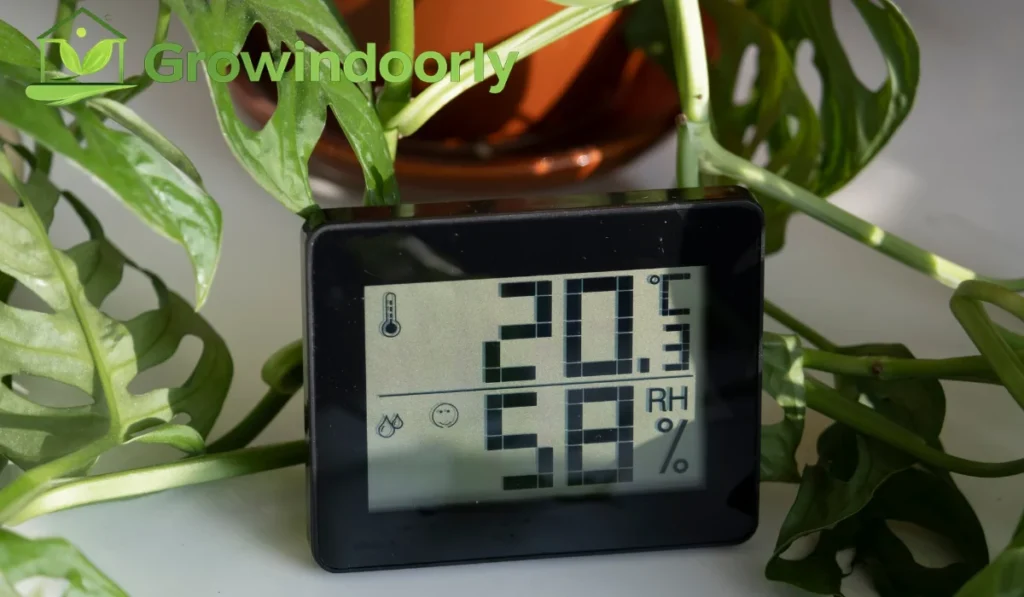
While basic trailing plants tolerate standard home humidity levels (30-40%), elevated humidity levels (50-70%) spur faster leaf expansion, larger foliage, and stronger aerial root attachment.
- Group Plants Together: Grouping several houseplants creates a natural microclimate of elevated localized humidity.
- Use Humidifiers: Position a cool-mist humidifier near wall units or shelves featuring climbing tropicals.
- Pebble Trays: Set pots atop shallow trays filled with pebbles and water, ensuring the water level sits just below pot bases.
Fertilizer and Nutrient Management
Regular feeding supports continuous vine elongation and rich leaf pigmentation throughout active growing seasons.
- Growing Season Schedule: Apply a balanced liquid houseplant fertilizer (such as a 10-10-10 or 20-20-20 N-P-K formula) diluted to half-strength every two to four weeks from early spring through late summer.
- Winter Dormancy: Halt or reduce fertilization significantly during autumn and winter when natural light levels drop and growth naturally slows down.
- Flushing Salts: Every three months, flush potting soil thoroughly with clean water until it drains freely out the bottom to leach away accumulated mineral salts from fertilizers.
Routine Maintenance and Pruning Protocols
Pruning is essential for preventing long, thin, empty vines (legginess) and encouraging bushy foliage growth.
- Promoting Bushier Growth: Snapping or cutting a vine stem just above a leaf node removes apical dominance, forcing the plant to activate dormant buds lower down the vine to sprout multiple branches.
- Clearing Dead Foliage: Snip away yellowing or damaged bottom leaves cleanly at the stem base to direct energy toward healthy vibrant growth.
- Cleaning Leaves: Dust accumulation blocks light absorption. Wipe smooth leaves gently with a damp cloth every month.
Seasonal Care Adjustments
- Spring and Summer: Increase watering frequency, begin monthly fertilization routines, and inspect for new growth shoots. Move plants closer to optimal light sources as daylight extends.
- Autumn and Winter: Decrease watering frequency as soil drying times double. Stop heavy feeding, relocate plants away from cold window drafts, and run humidifiers to offset dry artificial indoor heating.
Seasonal transitions are also the best time to reassess pot size and support structures. In early spring, check whether roots are circling the drainage holes; if they are, move the plant up one pot size and refresh the top layer of soil. Long vines that grew over summer can be trimmed back by a third in autumn so the plant enters the low-light months compact and balanced rather than stretched and sparse. During winter, group trailing plants together on a pebble tray to create a shared pocket of humidity, and wipe dust from leaves monthly so the limited winter light reaches the leaf surface efficiently.

Common Beginner Mistakes to Avoid
- Ignoring Legginess: Letting vines grow extremely long without pruning leads to thin, sparse growth near the base of the container.
- Using Oversized Pots: Moving a small trailing plant into a massive pot retains excessive water, causing root rot before roots can fill the space.
- Neglecting Top Light: Hanging pots so high that the top surface receives zero overhead light causes top foliage to die off, leaving bare soil and visible stems.
- Tying Stems Too Tightly: Securing climbing vines to supports using tight wire or thin string can strangle growing tissue as stems thicken.
Troubleshooting Frequent Vining Plant Problems
- Yellowing Leaves: Overwatering is the most common cause. Check for soft, mushy leaf bases and wet soil. If soil is dry, yellowing leaves may indicate nutrient deficiency or severe underwatering.
- Brown, Crisp Leaf Tips: Signals low ambient atmospheric humidity, dry indoor air currents, or excess fertilizer salt buildup in the root zone.
- Long Gaps Between Leaves (Leggy Growth): Indicates insufficient light. The plant is stretching its stems toward the nearest light source. Move the plant closer to a bright window or add a grow light.
- Pest Infestations: Mealybugs, spider mites, and scale insects love hiding in dense vine foliage. Treat outbreaks early with insecticidal soap or diluted neem oil sprays, coating undersides of leaves and leaf nodes thoroughly.
Practical Beginner Tips for Instant Success
- Start with reliable, resilient varieties like Golden Pothos or Heartleaf Philodendron before moving to delicate or rare species.
- When planting hanging pots, place two or three separate rooted cuttings together in one container to create an instantly full, bushy canopy.
- Routinely tuck long bare vines back into the top of the pot’s soil. Secure nodes gently against moist soil using bent paperclips; nodes will quickly take root and send up new shoots.
Advanced Expert Recommendations
- Moss Pole Hydration: Keep climb supports continuously moist by trickling water down the top of the moss pole. Roots that penetrate moist moss absorb extra water and nutrients, resulting in dramatic foliage expansion.
- Air Layering Large Vines: For thick-stemmed climbers like Monstera adansonii, wrap moist sphagnum moss around leaf nodes on active stems and secure with plastic wrap. Once thick roots sprout into the moss, cut below the node for an instantly established plant.
- Custom Trellis Designs: Craft custom structural supports using copper wire, driftwood branches, or cedar lattices to guide vine growth along walls and ceilings in geometric patterns.
How to Propagate Indoor Vining Plants
Propagating vining plants is the easiest way to fill bare spots in a pot or start new plants for free. In spring or early summer, use clean scissors to cut a stem section just below a leaf node, the small bump where leaves and aerial roots emerge. Each cutting should carry at least two or three nodes and one or two healthy leaves. Remove the lowest leaves so no foliage sits below the waterline or soil surface.
Place the cuttings in a jar of room-temperature water with the nodes submerged, and set the jar in bright indirect light. Change the water every three to four days to keep it oxygenated and clean. Roots usually appear within two to four weeks for Pothos and Philodendron. Once the roots reach about two inches long, transplant the cutting into a moist potting mix and keep the soil consistently damp for the first two weeks while the water roots adjust to soil. Alternatively, pin a living vine’s node against moist soil in a small separate pot, wait for it to root, and only then cut it free from the parent plant.
Conclusion
Mastering the care of indoor vining plants allows you to transform any interior living space into a thriving, vertical green oasis. By providing proper bright indirect lighting, well-draining soil mixes, balanced watering routines, and strategic pruning, your trailing and climbing plants will reward you with rapid growth and vibrant foliage. Whether you choose to let Pothos trail gracefully from a high bookshelf or train a Monstera upward along a sturdy moss pole, consistency and observation remain your best tools. Explore different species, apply these proven care techniques, and trust GrowIndoorly.com as your go-to guide for all your indoor gardening endeavors.
Knowledge Check
Test your understanding of indoor trailing plant care with these quick questions:
1. What occurs when a trailing tropical plant is trained to climb vertically up a moist moss pole?
- A) The plant stops growing completely
- B) Leaf size increases and growth becomes robust
- C) Roots drop off and leaves turn yellow
- D) The stem becomes fragile and breaks easily
2. What is the main cause of long bare spaces between leaves on vining stems (legginess)?
- A) Excessive atmospheric humidity
- B) Inadequate light exposure
- C) Too much root pruning
- D) Using ceramic pots
3. How far down should soil dry out before watering standard Pothos and Philodendron varieties?
- A) Soil should remain soggy at all times
- B) The top 1 to 2 inches should dry out
- C) Soil should stay completely dry for weeks
- D) Only water when leaves turn brown and drop
4. Which maintenance practice forces a trailing vine to activate dormant buds and create bushier growth?
- A) Watering with cold water
- B) Trimming stems just above a leaf node
- C) Moving the plant into total darkness
- D) Packing soil down tightly around roots
5. Which component improves soil aeration and prevents root rot in container mixes?
- A) Clay soil
- B) Perlite
- C) Fine sand
- D) Lawn turf
6. Why do hanging plants often require more frequent watering checks than floor plants?
- A) Heat rises and air circulates around hanging pots, causing soil to dry faster
- B) Hanging plants absorb water through their foliage instead of roots
- C) Gravity pushes water out of leaves continuously
- D) Hanging pots block all light from reaching the soil surface
Frequently Asked Questions
How do I make my indoor vining plants bushier at the top?
To encourage bushier growth at the base of your container, prune long trailing stems just above a leaf node using clean pruning shears. Pruning forces dormant buds lower down the vine to activate and sprout multiple new branches. Additionally, propagate the stem cuttings you removed in water, and plant them back into the top soil of the parent container once roots develop.
Do trailing plants grow faster when climbing a pole?
Yes, trailing tropical plants generally grow faster and produce larger leaves when climbing vertical supports like moss or coir poles. Climbing mimics their natural wild habitat, where ascending tree trunks allows plants to capture more light. As aerial roots attach to moist poles, they absorb additional water and nutrients, which stimulates rapid growth and mature leaf development.
How often should I water hanging vining houseplants?
Hanging plants often dry out faster than floor plants because warm air rises and air circulates freely around all sides of hanging pots. Check soil moisture levels every 5 to 7 days by inserting your finger two inches into the potting medium. Water thoroughly whenever the top two inches feel dry to the touch, and always ensure excess water drains away completely.
Can vining plants grow in low-light rooms?
Certain resilient vining plants like Golden Pothos, Heartleaf Philodendron, and Parlor Ivy survive in lower light conditions. However, their growth rate will slow significantly, spacing between leaves will widen, and vibrant variegated foliage patterns may fade to solid green. For optimal health and thick foliage growth, supplement low-light rooms with full-spectrum LED grow lights.
Why are the leaves on my trailing plant turning yellow?
Yellow leaves are most commonly caused by overwatering, which suffocates roots and causes root rot. Always check root firmness and soil moisture levels when yellowing occurs. Less frequently, yellow leaves can indicate severe underwatering, low light exposure, extreme cold drafts, or nitrogen nutrient deficiencies in aging soil mixes.
How do I attach climbing plants to walls without damaging paint?
To guide climbing vines across walls safely, use non-damaging adhesive cable clips, clear plastic plant hooks, or wall-mounted trellises spaced slightly off the wall surface. Avoid letting aggressive root-climbing plants like English Ivy grow directly onto painted drywall, as their aerial roots can penetrate and damage paint or plaster upon removal.

Megan Foster is the founder and lead writer of GrowIndoorly.com, where she shares practical, easy-to-follow advice for growing healthy indoor plants. She is passionate about helping beginners and experienced plant lovers build thriving indoor gardens with confidence. Megan writes about houseplants, indoor herbs, succulents, hydroponics, grow lights, plant propagation, watering, soil care, and everyday plant maintenance.
She enjoys researching trusted gardening techniques and transforming them into simple, actionable guides that readers can easily apply at home. Her goal is to make indoor gardening more enjoyable and accessible by providing clear, reliable information that helps people keep their plants healthy throughout the year. Whether you’re caring for your first houseplant or expanding your indoor plant collection, Megan’s practical tips are designed to help you grow with confidence.