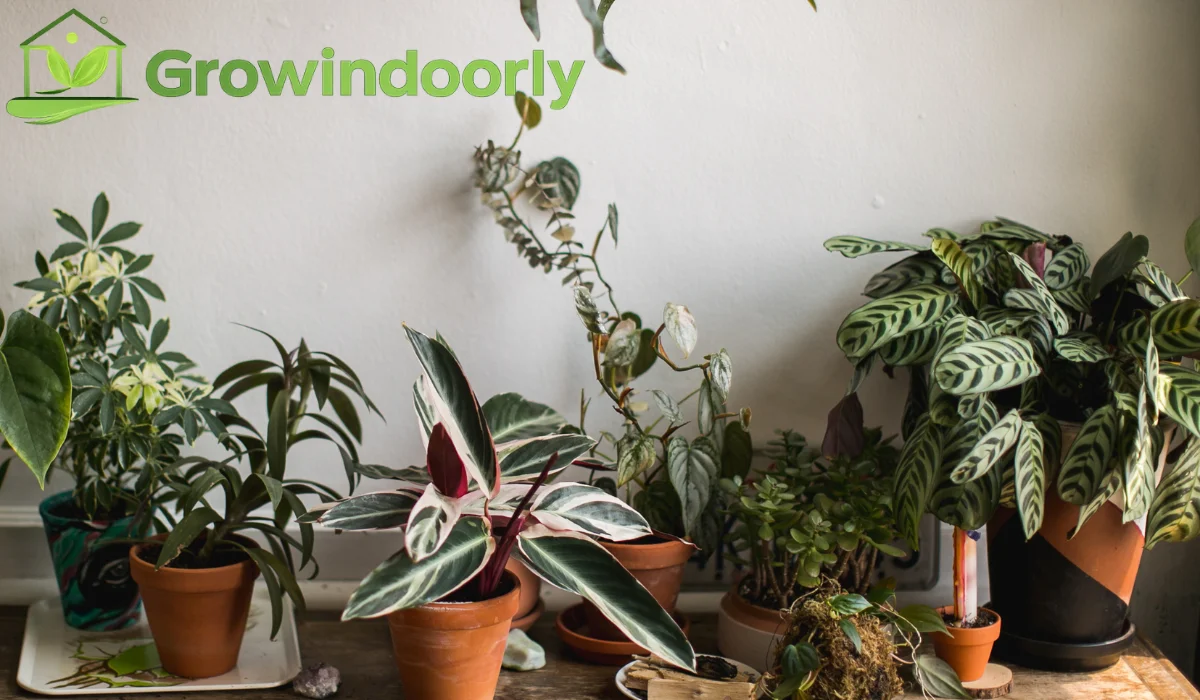
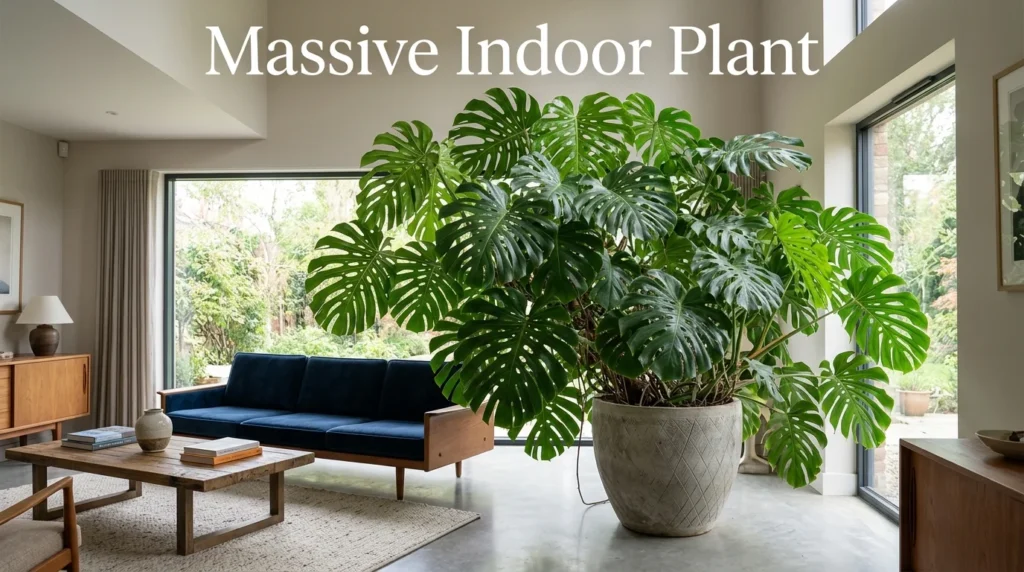
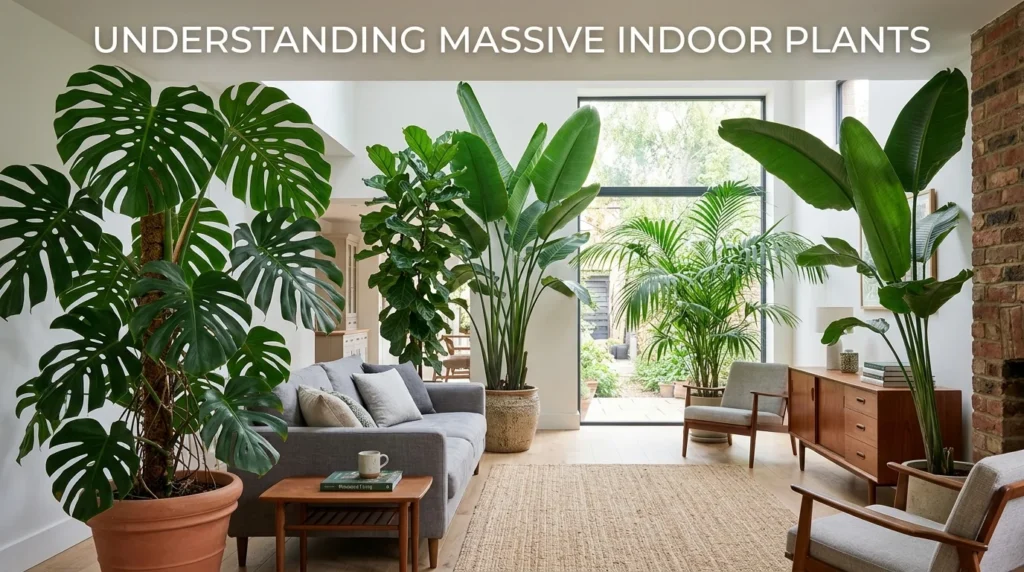
Transforming a dull corner into a stunning indoor jungle often starts with choosing a single statement centerpiece. Raising a massive indoor plant setup brings immediate architectural height, lush foliage, and dramatic living design into your home.
Beginners often feel overwhelmed when caring for oversized indoor trees and massive tropical foliage. Managing a massive indoor plant without understanding soil weight, structural support, lighting, and heavy watering cycles frequently causes root issues, drooping branches, and leaf drop.
Mastering large-scale container gardening takes the guesswork out of maintaining these majestic indoor giants. You need clear strategies for balancing heavy potting mixes, providing vertical supports, managing lighting setups, and feeding root systems safely.
This practical guide covers everything required to cultivate a flourishing massive indoor plant display. You will discover top large species, heavy-duty equipment, watering techniques, structural staking, and expert maintenance routines for long-term success.
Understanding Massive Indoor Plants
A massive indoor plant is any large-scale container specimen that grows past six feet tall or spans several feet in width. Botanically, these specimens range from tropical evergreen trees and towering palms to thick woody vines and large-leaved aroids. In their wild habitats, these species grow into towering canopy trees or sprawling understory giants supported by deep soil beds and unrestricted root space.
When grown indoors, their growth is naturally constrained by pot dimensions, ceiling heights, and available window light. Unlike compact tabletop houseplants, giant specimens possess extensive root systems, store significant quantities of water in their thick stems or trunks, and transpire high volumes of moisture daily. Understanding their physical scale helps you provide adequate soil volume, physical support, and air circulation inside standard rooms.
Why Cultivating Large Plants Indoors Matters
Adding large floor plants to your home design creates an immediate visual anchor that smaller decorative items cannot replicate. A well-placed indoor tree or giant foliage plant fills vertical space, softens room corners, and creates an inviting living atmosphere that transforms living rooms and open offices.
Caring for substantial indoor trees also elevates your gardening expertise. Because large plants represent a bigger investment of time and money, learning how to manage their specialized repotting, pruning, and structural staking needs builds confidence across all areas of indoor plant care.
Benefits and Advantages of Statement Plants
Bringing large floor plants into your living space offers several functional and aesthetic advantages:
- Dramatic Architectural Impact: Oversized foliage creates an instant focal point that complements modern, bohemian, or minimalist home interiors.
- Enhanced Indoor Air Volume Transpiration: Large leaf surface areas naturally release water vapor, helping boost ambient room humidity levels.
- Natural Space Division: Tall plants act as green room dividers in open-plan apartments, creating privacy without blocking natural window light.
- Effective Acoustic Dampening: Large, thick leaves absorb background room echoes and reduce ambient noise in spaces with hard flooring.
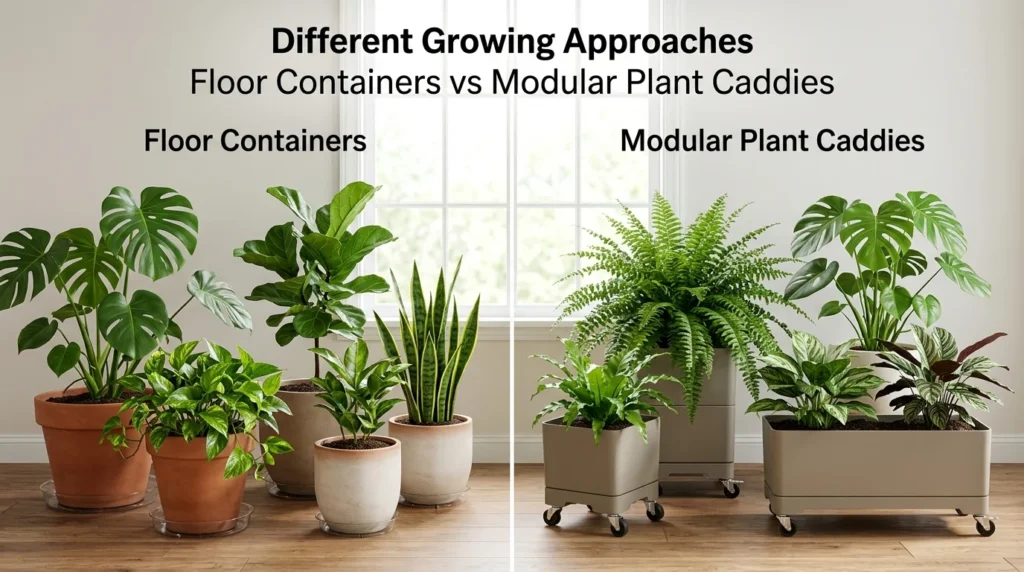
Different Growing Approaches: Floor Containers vs Modular Plant Caddies
Managing heavy floor plants requires practical structural planning before planting:
- Fixed Heavy Containers: Placing plants directly into heavy terracotta, ceramic, or concrete planters provides maximum stability for top-heavy trees. However, moving fixed containers for cleaning or repotting requires substantial physical effort.
- Rolling Plant Caddy Setups: Setting heavy pots onto heavy-duty rolling plant caddies with locking caster wheels allows effortless movement. This approach makes rotating plants toward light, cleaning floor surfaces, and moving trees away from seasonal drafts simple.
- Double-Potting System: Keeping the plant inside its lightweight plastic nursery pot and nesting it within an oversized decorative pot simplifies watering checks and repotting.
Essential Tools and Equipment Required
Caring for large floor plants requires sturdy, large-scale gardening supplies:
- Heavy-Duty Rolling Plant Caddy: Rated to support 150 to 200 pounds with smooth-locking caster wheels.
- Large-Capacity Watering Can: Holds one to two gallons of water to drench deep root systems without frequent sink refills.
- Heavy Sturdy Containers with Drainage: Ceramic, thick resin, or terracotta pots with bottom drainage holes.
- Bamboo Stakes or Wooden Totems: Provides solid physical support for tall trunks and heavy climbing stems.
- Soil Moisture Probe: A long-shaft moisture meter or long wooden skewer to test root depth dryness.
- Full-Spectrum High-Output LED Grow Light: Supplements window sunlight in rooms with high ceilings or limited window openings.
- Microfiber Dusting Gloves: Simplifies cleaning large leaf surfaces quickly without damaging leaf tissue.
Best Large Plant Species for Indoor Spaces
Choosing the right species ensures your plant matches your ceiling height, room width, and light levels:
Ficus Lyrata (Fiddle Leaf Fig)
Famous for its giant, violin-shaped glossy leaves and upright tree structure. It can reach heights of 8 to 10 feet indoors when provided with bright indirect sunlight.
Strelitzia Nicolai (Giant White Bird of Paradise)
Features massive, broad, banana-like leaves that fan out from central stems. It grows rapidly to 6 to 8 feet tall, bringing an unmistakable tropical resort feel to bright spaces.
Ficus Elastica (Rubber Tree)
A tough, adaptable tree with thick, leathery leaves in shades of deep green, burgundy, or variegation. It easily grows into a majestic indoor tree when pruned regularly.
Monstera Deliciosa (Swiss Cheese Plant)
When trained up a thick moss pole or wooden stake, this broad climber develops huge split leaves that span over two feet wide, filling room corners with dense green foliage.
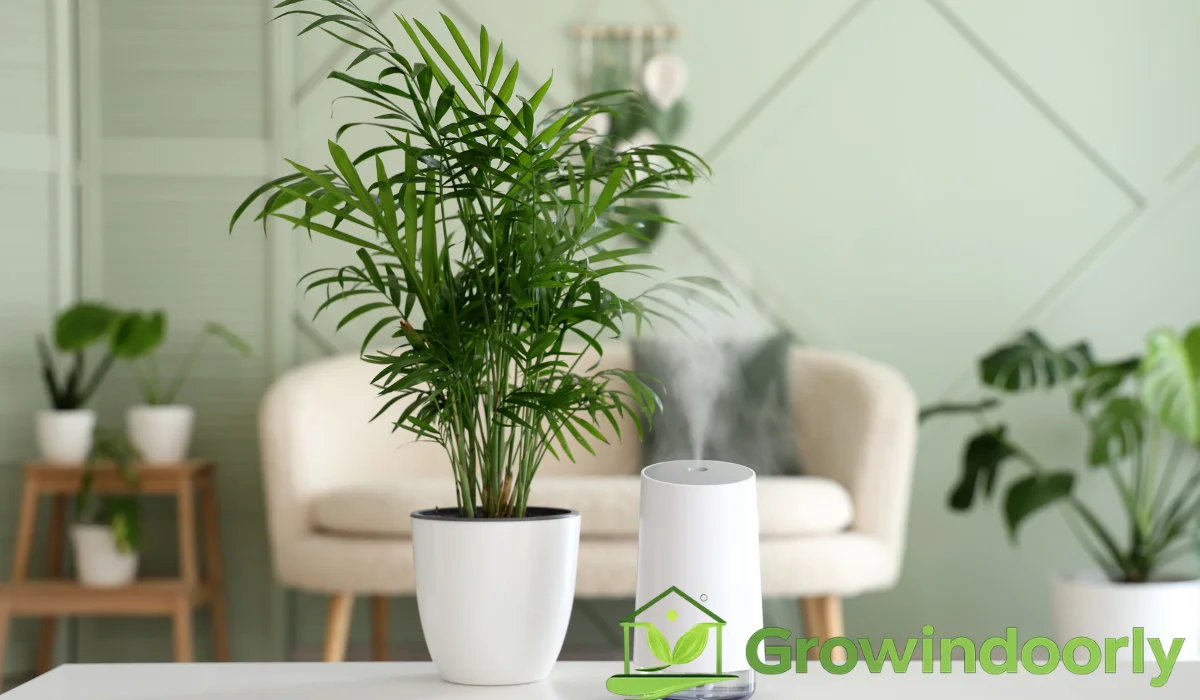
Ravenea Rivularis (Majesty Palm) or Chamaedorea Elegans (Parlor Palm)
Feathery palm varieties bring soft texture and sweeping fronds to bright living areas, adding elegant tropical height to tall rooms.
Lighting Requirements for Tall Foliage
Large plants possess dense leaf canopies that demand consistent light energy to maintain lower foliage.
- Bright, Indirect Window Sunlight: Position giant floor plants near large south-facing or west-facing windows where they receive abundant filtered light.
- The Importance of Rotating: Rotate heavy containers a quarter-turn every two weeks so all sides receive equal light, preventing tall trunks from leaning dangerously toward glass.
- Low Light Defoliation: Inadequate light causes large plants to drop their lower leaves rapidly, resulting in thin, leggy trunks with bare lower branches.
- Supplemental Overhead Lighting: Install overhead full-spectrum LED pendant grow lights positioned 2 to 3 feet above top leaves in rooms with limited window exposure.
Proper Watering Methods for Deep Root Systems
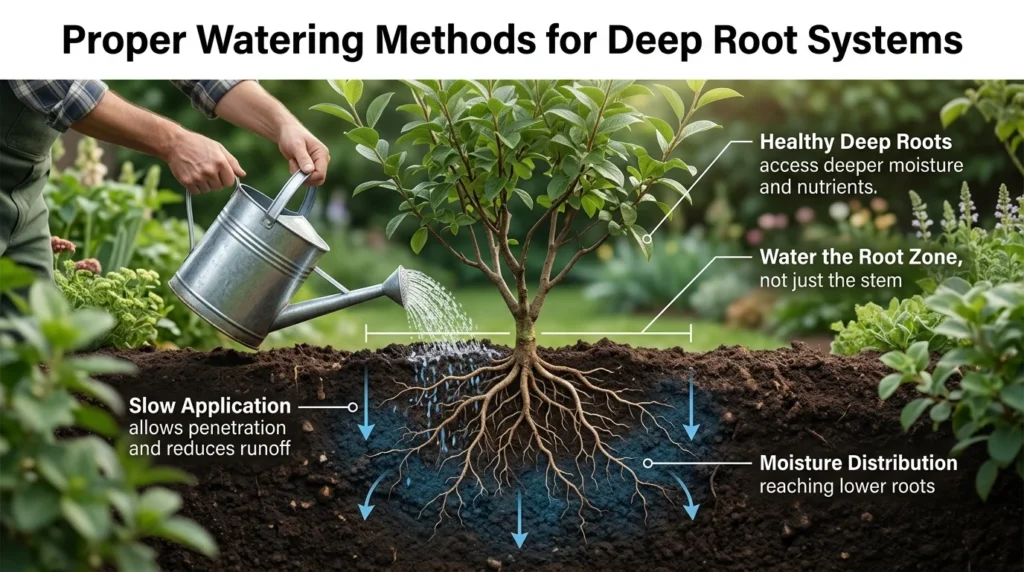
Watering an oversized plant requires a different approach than tending small tabletop containers. Deep root balls hold moisture longer at the bottom than at the surface.
- Deep Soil Testing: Test soil dryness 4 to 6 inches deep using a long wooden skewer or moisture probe. Water only when the top half of the potting soil feels completely dry.
- Thorough Drenching Method: Pour water slowly across the entire soil surface until liquid drains freely into the bottom catch tray. Allow the root ball to soak thoroughly, then empty standing water from the saucer after 30 minutes to prevent root rot.
- Adjusting Volume by Season: Large plants consume heavy amounts of water during warm spring and summer months but require significantly less during winter rest.
Soil and Growing Medium Essentials
Standard outdoor topsoil becomes dense and heavy in large containers, crushing roots and cutting off oxygen. Large plants require a sturdy yet porous, well-aerated potting mix.
Mix an ideal substrate for large container plants using:
- 40% Coarse Peat Moss or Coconut Coir: Retains lightweight moisture and organic nutrients.
- 30% Chunky Orchid Bark: Adds structural integrity and large air pockets to prevent soil compaction over years.
- 20% Perlite or Pumice: Ensures rapid excess water drainage throughout deep pot levels.
- 10% Aged Compost or Worm Castings: Provides rich organic nutrients to support heavy canopy growth.
Temperature Control for Large Specimens
Large plants originate primarily from tropical or warm temperate environments and require stable indoor room temperatures.
Maintain ambient room temperatures between 65°F and 80°F (18°C to 27°C). Keep giant specimens away from cold exterior doors, drafty winter windows, and direct air conditioning vents. Sudden cold drafts below 55°F (13°C) can trigger massive leaf drop across sensitive species like Ficus and palms.
Managing Humidity Levels around Large Canopies
Maintaining humidity around large foliage canopies prevents brown leaf tips and deters common sap-sucking pests.
Keep relative humidity between 45% and 60% using these practical steps:
- Room Humidifier Placement: Position a cool-mist room humidifier a few feet away from the plant canopy during dry winter heating periods.
- Leaf Dusting and Washing: Wipe broad leaves with a damp cloth monthly. Clean leaf surfaces transpire moisture more efficiently and absorb light better.
- Group Secondary Plants: Place smaller potted plants around the base of your statement tree to form a humid microclimate.
Fertilizer and Nutrient Demands
Producing massive leaves and woody trunks requires regular nutrient updates during the active growing season.
- Balanced Liquid Feeding: Apply a balanced water-soluble houseplant fertilizer diluted to half strength once a month from early spring through late summer.
- Top-Dressing Organic Matter: Scrape off the top two inches of old soil annually and replace it with fresh potting soil mixed with worm castings to gently feed roots.
- Pause Feeding in Winter: Stop fertilizing completely during autumn and winter when reduced light levels slow plant growth naturally.
Maintenance Routine, Staking, and Pruning
Regular structural maintenance keeps large plants healthy, stable, and proportioned for indoor living:
- Pruning Top Canopies: Prune top growing tips in spring to control overall height and encourage side-branching for a bushier canopy.
- Notching and Shaping: Cut back bare or leggy branches using sharp, disinfected bypass loppers to stimulate dormant buds along woody stems.
- Staking Heavy Trunks: Insert thick bamboo stakes or wooden posts deep into the pot near the base. Secure leaning trunks gently using soft, wide plant ties.
- Top-Soiling Instead of Full Repotting: When a plant becomes too heavy to repot entirely, perform “top-soiling” by replacing the top 3 inches of old substrate with fresh, nutrient-rich potting mix.
Seasonal Shifts and Rest Periods
Large floor plants react noticeably to seasonal daylight changes:
- Spring & Summer Active Growth: Move plants closer to filtered natural light, maintain regular watering cycles, feed monthly, and wipe leaves frequently.
- Autumn & Winter Rest: Reduce watering frequency significantly, hold off on plant food, move pots away from cold window panes, and run a humidifier to counter indoor dry heat.
Common Mistakes Beginners Make
Avoid these frequent beginner mistakes when caring for large floor plants:
- Overwatering Heavy Pots: Pouring water into large containers on a fixed weekly schedule without checking deep soil moisture rots lower roots.
- Placing in Low-Light Corners: Setting massive plants far from bright windows causes leaf drop, weak stems, and eventual plant decline.
- Skipping Drainage Holes: Planting directly into decorative pots without bottom drainage traps stagnant water at the root base.
- Neglecting Pot Rotation: Allowing plants to lean toward light sources without rotating causes unstable, top-heavy trunks that can tip over.
Troubleshooting Common Problems
Use this simple guide to identify and fix common large plant issues:
- Lower Leaves Turning Yellow and Dropping: Normal if limited to an occasional old leaf. If widespread, it indicates overwatering, poor drainage, or cold drafts.
- Brown, Crispy Leaf Margins: Caused by dry indoor air, underwatering, or mineral buildup from tap water. Increase room humidity and water deeply.
- Leaning or Instability: Signals top-heavy growth or weak root attachment. Secure the trunk to a sturdy bamboo stake and rotate the pot regularly.
- Spider Mites and Scale Insects: Common on large foliage indoors. Wipe leaves thoroughly with an insecticidal soap or neem oil solution every 7 days until clear.
Practical Beginner Tips for Success
Build your container gardening confidence with these straightforward suggestions:
- Invest in a Quality Rolling Caddy First: Place your heavy container onto a rolling plant caddy before adding soil and water.
- Use Lightweight Soil Fillers Wisely: Avoid filling bottom pot space with heavy gravel; use lightweight nursery pot inserts or extra coarse bark instead to maintain drainage without adding unnecessary weight.
- Prune Early for Shape: Do not be afraid to trim top shoots early to build a well-balanced, sturdy trunk structure.
Advanced Recommendations for Experienced Growers
Ready to take your large indoor plant management to the next level?
- Root Pruning for Size Control: Every few years, carefully remove the plant from its container, prune back outer root bound roots by 20%, and repot in fresh soil into the same container to maintain its size safely.
- Air-Layering Thick Branches: Propagate new large trees from overgrown parent branches using air-layering techniques wrapped in sphagnum moss.
- Automated Sub-Irrigation Setups: Install sub-irrigation planter inserts into large containers to deliver consistent, root-level moisture automatically.
Conclusion
Caring for a massive indoor plant is a deeply rewarding project that elevates your home interior into a vibrant, tropical sanctuary. By providing bright indirect light, choosing airy potting mixes, using rolling caddies, and mastering deep watering cycles, you build an ideal environment where large statement trees flourish.
Pay attention to deep soil moisture, clean broad leaf surfaces regularly, and adjust maintenance routines as daylight changes through the seasons. With consistent care, your indoor giant will serve as a majestic centerpiece for years to come. For more detailed care guides, repotting tutorials, and indoor gardening tips, explore our complete resource library at GrowIndoorly.com.
Knowledge Check
Test your understanding of large indoor plant care with these questions:
Question 1
What is the best tool for moving heavy, large container plants safely around a room?
A) A plastic garden shovel
B) A heavy-duty rolling plant caddy
C) A small hand trowel
D) A spray bottle
Question 2
When should you water a large indoor floor plant?
A) Every morning on a fixed schedule
B) Only when the top 4 to 6 inches of soil feel dry
C) When the soil is soaking wet
D) Once every two years
Question 3
What maintenance technique helps keep tall trees from leaning toward window glass?
A) Spraying leaves with cold water
B) Rotating the container a quarter-turn regularly
C) Keeping the room completely dark
D) Adding high-nitrogen fertilizer in winter
Question 4
True or false: You should replace all the soil and repot giant floor plants every six months.
A) True
B) False
Question 5
What is the process of replacing the top few inches of old soil with fresh potting mix called when a plant is too heavy to repot completely?
A) Air-layering
B) Top-soiling
C) Bottom-watering
D) Foliar feeding
Answer Key
- Question 1: B) A heavy-duty rolling plant caddy
- Question 2: B) Only when the top 4 to 6 inches of soil feel dry
- Question 3: B) Rotating the container a quarter-turn regularly
- Question 4: B) False
- Question 5: B) Top-soiling
Frequently Asked Questions
Which massive indoor plant is best for beginners?
The Ficus Elastica (Rubber Tree) and Monstera Deliciosa are excellent choices for beginners. Both tolerate varying light levels, adapt well to typical indoor humidity, and forgive occasional forgotten waterings far better than delicate palms or fiddle leaf figs.
How often should I water a massive indoor plant?
Water a large floor plant only when the top 4 to 6 inches of potting soil feel completely dry. Depending on room temperature, pot size, and season, this usually means watering every 10 to 14 days in spring and summer, and every 3 to 4 weeks during winter rest.
How do I move a heavy indoor floor plant safely?
Use a heavy-duty rolling plant caddy equipped with locking caster wheels underneath the container. Always put the pot on the caddy before filling it with soil and water to avoid strain when moving the plant for cleaning or rotation.
Why is my large indoor plant dropping its lower leaves?
Lower leaf drop is commonly caused by insufficient light, overwatering, sudden temperature drops, or cold drafts. Ensure the plant receives bright indirect sunlight and that the potting mix drains thoroughly between deep waterings.
How do I stop my tall indoor plant from touching the ceiling?
Prune the top growing tip (apical meristem) during early spring using sharp, clean pruning shears. Trimming the top controls height and stimulates lateral dormant buds, encouraging the tree to grow wider and bushier instead of taller.
Should I repot my massive indoor plant every year?
No, mature large plants usually only require repotting every 3 to 4 years. If a plant becomes too large to move, refresh the top 3 inches of old soil annually with fresh compost-enriched potting mix instead of full repotting.
Can I grow a massive indoor plant in a room without windows?
No, large floor plants require substantial light to maintain their leaf canopies. However, you can grow them successfully in windowless rooms if you install high-output overhead LED grow lights that run for 12 to 14 hours daily.
Are massive indoor plants safe for homes with pets?
Some large species like the Ficus Lyrata, Rubber Tree, and Monstera are toxic to cats and dogs if chewed due to sap irritants or insoluble calcium oxalates. Non-toxic large options include the Parlor Palm, Majesty Palm, and Money Tree (Pachira aquatica).

Megan Foster is the founder and lead writer of GrowIndoorly.com, where she shares practical, easy-to-follow advice for growing healthy indoor plants. She is passionate about helping beginners and experienced plant lovers build thriving indoor gardens with confidence. Megan writes about houseplants, indoor herbs, succulents, hydroponics, grow lights, plant propagation, watering, soil care, and everyday plant maintenance.
She enjoys researching trusted gardening techniques and transforming them into simple, actionable guides that readers can easily apply at home. Her goal is to make indoor gardening more enjoyable and accessible by providing clear, reliable information that helps people keep their plants healthy throughout the year. Whether you’re caring for your first houseplant or expanding your indoor plant collection, Megan’s practical tips are designed to help you grow with confidence.