
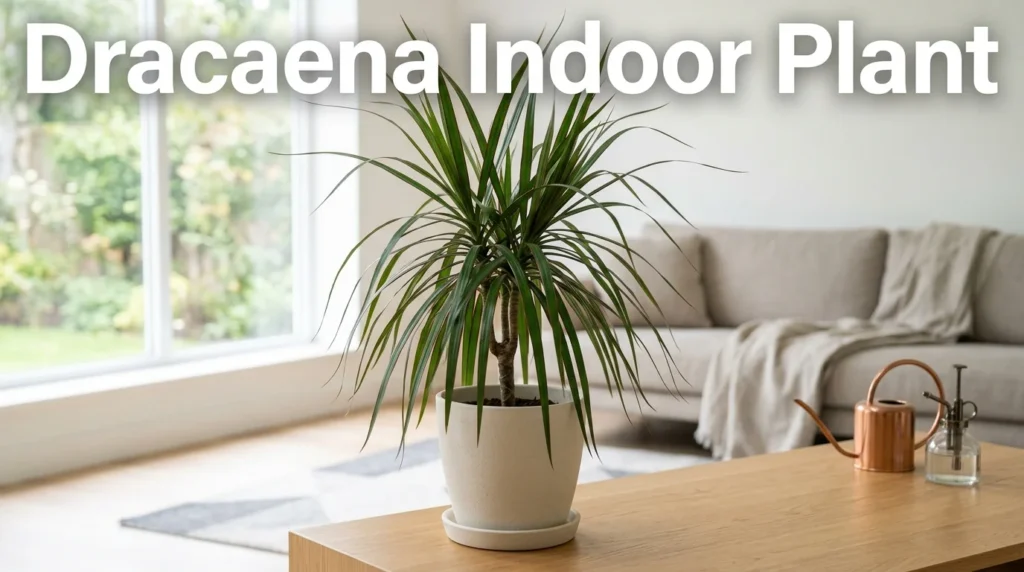
Keeping a dracaena plant indoor care routine simple is the best way to enjoy these striking, architectural houseplants without stress. Their long, strap-like foliage and bold cane trunks add instant height and rich green textures to apartments, offices, and homes.
However, mastering dracaena plant indoor care involves understanding how these tropical plants react to water quality, light exposure, and soil drainage.
Beginners often run into frustrating issues like brown leaf tips, sudden lower leaf loss, soft trunks, and fluoride toxicity from municipal tap water.
This comprehensive guide breaks down everything you need to know about dracaena plant indoor care, from picking the right variety to pruning stems, setting up optimal lighting, and fixing common care mistakes.
Understanding Dracaena Indoor Plant
Dracaenas belong to the Asparagaceae family and are native to tropical regions across Africa, southern Asia, and northern Australia. In their natural habitats, many species grow into large shrubs or small trees with thick, woody stems topped by rosettes of arching leaves.
When grown as houseplants, dracaenas retain their woody, tree-like habit. As the plant grows taller, it naturally sheds its lowest leaves, revealing a clean, cane-like stem with a tuft of foliage at the top. This characteristic growth pattern gives them a palm-like appearance, which is why species like Dracaena marginata are often called dragon trees.
Because dracaenas originate in warm, seasonally dry tropical thickets and understories, they have developed thick root structures that store moisture. They are naturally adapted to dry spells and bright, filtered light, making them exceptionally resilient indoors when you avoid overwatering.
Why It Is Important
Learning proper dracaena care opens the door to long-term indoor gardening success. Dracaenas are among the most adaptable, forgiving houseplants available, making them ideal for plant parents transitioning from basic succulents to larger tropical foliage.
Mastering their care teaches you essential plant parenting skills, such as recognizing mineral sensitivity, reading soil moisture levels correctly, and pruning woody stems to encourage branching.
Additionally, dracaenas can live for decades indoors. Understanding their basic environmental needs ensures your investment continues to enhance your home’s aesthetic appeal year after year.
Benefits and Advantages
- Bold Architectural Shapes: Woody canes and arching leaf rosettes bring clean lines, height, and structure to empty room corners.
- Low Maintenance Requirements: Thick stems and robust roots store water, allowing these plants to survive occasional missed waterings without collapsing.
- Tolerates Moderate Light: While they prefer bright indirect light, many dracaena species adapt well to medium-light areas where other tropicals struggle.
- Simple Propagation: Cane cuttings root easily in water or moist soil, making it straightforward to multiply your collection or save an aging plant.
- Air-Purifying Qualities: Large leaf surface areas catch dust and assist in natural indoor air exchange.
Different Methods or Approaches
Traditional Potted Soil Cultivation
Planting dracaenas in a loose, well-draining potting mix inside containers with drainage holes is the standard, most effective growing method. Soil provides physical stability for tall canes while buffering nutrients and moisture around the root system.
Semi-Hydroponics with LECA
Growing dracaenas in Lightweight Expanded Clay Aggregate (LECA) removes potting soil entirely. Clay pebbles hold the plant upright while roots dip into a shallow reservoir of water and hydroponic nutrients. This method eliminates soil pests like fungus gnats and prevents root rot caused by dense, waterlogged soil.
Water Propagation and Long-Term Water Culture
Small dracaena top cuttings or cane sections can root and live in jars of clean water for extended periods. While growth is slower compared to soil-grown plants, water culture offers a clean, decorative display for desktops and shelves.

Tools and Equipment Required
- Chunky, Well-Draining Potting Mix: A loose soil blend that allows rapid water drainage while retaining light moisture.
- Bypass Pruning Shears: Sharp, sterile shears for trimming dead leaf tips, harvesting cane cuttings, or topping tall stems.
- Digital Soil Moisture Meter: A long-probe tool that measures moisture deep inside the pot, taking the guesswork out of watering schedules.
- Water Filter or Pitcher: A filtration device to remove chlorine, chloramines, and heavy minerals from tap water.
- Microfiber Cloth: A soft, damp cloth for wiping dust off long leaf blades to keep pores clear.
- Heavy Ceramic or Terracotta Pot: A solid, heavy container with bottom drainage holes that prevents tall, top-heavy canes from tipping over.
Best Plants or Options
The genus Dracaena includes several popular species and cultivars, each offering unique colors, patterns, and leaf shapes:
Dracaena Marginata (Dragon Tree)
Recognizable by its slender, woody canes topped with thin, ribbon-like green leaves edged in red or pink. It is extremely hardy and tolerates lower light and missed waterings remarkably well.
Dracaena Fragrans (Corn Plant)
Features thick, sturdy woody canes and broad, arching leaves that resemble corn foliage. Popular cultivars like ‘Massangeana’ display a bright yellow-green stripe down the center of each leaf.
Dracaena Reflexa ‘Song of India’
A branching variety with dense, lance-shaped leaves edged in bright cream or yellow. It forms a bushier, multi-stemmed plant that creates a vibrant pop of color.
Dracaena Deremensis / Janet Craig
Known for its deep green, glossy leaves that grow compactly along sturdy stems. It is one of the most shade-tolerant dracaena varieties, making it ideal for darker rooms and office spaces.
Dracaena Lemon Lime
A striking variety featuring sword-like leaves with bright neon-green and yellow stripes surrounding a dark green center. It requires bright indirect light to maintain its vivid variegation.
Lighting Requirements
Light exposure directly influences leaf color, growth speed, and water consumption in dracaenas.
- Bright, Indirect Light: Most dracaenas flourish when placed near bright east-facing windows or set back 3 to 5 feet from south- or west-facing windows.
- Low Light Tolerance: Solid green varieties like ‘Janet Craig’ or plain Dracaena marginata can tolerate moderate to low light, though growth will slow significantly.
- Direct Sun Damage: Harsh, direct midday sunlight will scorch leaf surfaces, leaving permanent white, bleached, or brown burn spots.
- Variegation Maintenance: Variegated types like ‘Lemon Lime’ or ‘Song of India’ need brighter indirect light to keep their vivid yellow and cream stripes from fading to plain green.
- Supplemental Grow Lighting: In dark spaces, position a 20-to-30-watt full-spectrum LED grow light 18 to 24 inches above the leaf canopy on a 12-hour daily timer.

Watering Methods
Incorrect watering is the number one cause of dracaena failure. Dracaena roots need a wet-to-dry cycle; keeping the soil constantly wet starves roots of oxygen and triggers decay.
The Deep Soak and Dry Method
- Insert your finger or a moisture meter 3 to 4 inches into the potting mix.
- Water only when the top half to two-thirds of the pot feels completely dry.
- Pour room-temperature, filtered water evenly over the soil surface until it drains freely from the bottom holes.
- Allow the container to drain completely for 15 to 20 minutes, then empty any water left in the drainage saucer.
Soil or Growing Medium
Standard outdoor garden soil or cheap, heavy potting mixes retain too much water and compact around dracaena roots. Dracaenas require an airy, chunky mix that drains quickly.
A reliable homemade dracaena potting mix includes:
- Quality Indoor Potting Soil (50%): Provides an organic foundation for moisture and base nutrients.
- Coarse Perlite or Pumice (30%): Prevents compaction and creates air pockets for root respiration.
- Orchid Bark Chips (10%): Adds chunky texture and improves overall drainage speed.
- Horticultural Charcoal (10%): Absorbs stagnant moisture, neutralizes impurities, and keeps the root environment fresh.
Temperature Requirements for Dracaena Indoor Plant
Dracaenas prefer warm indoor temperatures that mirror their tropical origins. Keep ambient room temperatures between 65°F and 80°F (18°C to 27°C).
Protect your plants from sudden cold drafts, air conditioning vents, uninsulated winter windows, and exterior doorways. Exposure to temperatures below 55°F (13°C) can cause chill damage, leading to drooping, soft, or blackened leaves and root shock.

Humidity Control
While dracaenas appreciate moderate humidity, they are far more adaptable to average indoor air (30% to 40% humidity) than many other tropical houseplants like ferns or calatheas.
- Ideal Humidity Range: Maintaining relative humidity between 40% and 50% keeps leaf tips green and flexible.
- Addressing Dry Air: In very dry winter homes (below 30% humidity), use an ultrasonic cool-mist humidifier or place the pot on a pebble tray filled with water (ensuring the pot base sits above the water line).
- Avoid Leaf Misting: Spraying water directly onto dracaena leaves does not raise ambient humidity significantly and can trap water in the central leaf rosette, causing fungal crown rot.
Fertilizer and Nutrients
Dracaenas are light to moderate feeders. Over-fertilizing causes mineral salts to accumulate in the soil, burning root tips and turning leaf margins crispy and brown.
- Spring and Summer Feeding: Apply a balanced 10-10-10 or 3-1-2 liquid houseplant fertilizer diluted to half or quarter strength once a month from April through August.
- Autumn and Winter Rest: Stop fertilizing completely during autumn and winter when reduced light slows growth.
- Moisten Soil First: Always apply liquid fertilizer to slightly damp soil. Applying nutrients to bone-dry soil can scorch delicate roots.
Maintenance Routine
- Wipe Leaf Blades: Dust accumulation blocks light absorption and clogs stomata. Wipe leaves monthly with a damp microfiber cloth from the stem outward to the tip.
- Trim Damaged Tips: Trim brown leaf tips using sharp, disinfected shears. Follow the natural pointed shape of the leaf, leaving a tiny margin of brown tissue so you don’t cut into healthy green cells.
- Prune Leggy Canes: If a cane grows too tall or sparse, cut it back to your desired height with a clean pruning saw or shears. New leaf buds will emerge near the cut within a few weeks.
- Rotate the Pot: Turn your container a quarter-turn every two weeks so all sides receive balanced light, keeping the canes growing straight rather than leaning toward windows.
Seasonal Care
Spring and Summer Strategy
Spring initiates active growth. Move plants closer to bright light, step up watering as soil dries faster in warm weather, and begin your monthly half-strength feeding schedule. This is also the best season for repotting root-bound plants or taking cane cuttings for propagation.
Autumn and Winter Strategy
Cooler temperatures and shorter daylight hours cause dracaenas to enter a semi-dormant resting phase. Extend intervals between waterings significantly, letting the soil dry deeper into the pot. Pause fertilizing, keep plants away from cold window glass, and clean windows to maximize available sunlight.

Common Mistakes
- Using Unfiltered Municipal Tap Water: Dracaenas are sensitive to fluoride, chlorine, and salts added to public tap water. These chemicals accumulate in leaf tips, causing brown, burnt margins.
- Overwatering and Poor Drainage: Keeping soil constantly damp starves roots of oxygen, causing soft trunks, root decay, and yellow leaves.
- Planting in Excessive Pot Sizes: Moving a dracaena into a pot that is too large surrounds the root system with excess wet soil that takes weeks to dry out.
- Leaving Water in the Saucer: Allowing the pot to sit in standing drainage water leads to root rot and anaerobic bacterial growth.
- Cutting Canes with Dull, Dirty Tools: Pruning with dirty shears introduces fungal and bacterial infections directly into the stem tissue.
Troubleshooting Problems
- Crispy Brown Leaf Tips: Usually caused by fluoride/chlorine sensitivity from tap water, dry air, or salt buildup from over-fertilizing. Switch to filtered water or rainwater and flush the soil.
- Soft, Squishy Cane Base: A severe sign of advanced root rot caused by prolonged overwatering. Cut healthy upper cane sections above the squishy tissue to propagate new plants before the base rots completely.
- Yellowing Lower Leaves: If lower leaves turn yellow and drop one by one while new growth emerges at the top, this is normal natural shedding. If multiple leaves turn yellow at once, it indicates overwatering or severe low light.
- Bleached White or Brown Spots: Indicates leaf scorch from direct, unfiltered sunlight. Move the plant back from the window or add a sheer curtain.
- Sticky Residue or Fine Webbing: Signals common houseplant pests like mealybugs, scale, or spider mites. Wipe foliage with rubbing alcohol on a cotton swab and spray with insecticidal soap or diluted neem oil.
Beginner Tips
- Use Filtered Water or Rainwater: Prevent brown tips by using filtered water, distilled water, or collected rainwater instead of tap water.
- Follow the Dryness Rule: Always test soil depth with a moisture meter or finger before watering. When in doubt, wait a few more days—dracaenas tolerate dry soil far better than wet soil.
- Choose Heavy Pots for Tall Canes: As dracaenas grow, top-heavy foliage can cause light plastic pots to tip over. Use heavy ceramic, terracotta, or concrete pots for stability.
- Don’t Panic Over Shedding Lower Leaves: As your plant grows taller, losing older lower leaves is completely natural as the plant forms its woody cane.
Advanced Expert Recommendations
Take your dracaena care to an advanced level with these professional techniques:
- Top-Cutting and Branching Promotion: Cut the main stem of a tall, bare Dracaena marginata or fragrans 6 inches above the soil line. Seal the cut top with melted candle wax to prevent moisture loss. Two to four new growth buds will burst out below the cut, turning a single stem into a bushy, multi-branched tree.
- Soil Salt Leaching: Every four months, place your potted dracaena in a sink or shower and flush the potting mix thoroughly with distilled water for several minutes. This washes away accumulated fertilizer salts and fluoride deposits.
- Air Layering High-Value Specimens: For thick, mature dracaena canes, perform air layering by making a shallow upward notch in the stem, dusting it with rooting hormone, wrapping it in damp sphagnum moss, and securing it with clear plastic wrap. Once thick roots fill the moss ball, cut below the ball for an instant, well-rooted new tree.
Conclusion
Mastering dracaena plant indoor care comes down to understanding their tropical origin and respecting their preference for well-drained soil and moderate moisture. By giving your plant bright indirect light, using filtered water to protect sensitive leaf tips, and letting the soil dry out between waterings, you avoid the most common beginner pitfalls. Dracaenas are resilient, stylish plants that reward simple, consistent care with years of striking tropical growth. At GrowIndoorly.com, we are dedicated to helping you build a healthy, vibrant indoor garden. Apply these practical tips today and watch your dracaenas thrive for years to come.
Knowledge Check
What is the natural growth habit of a dracaena as it matures indoors over time?
- A) It grows into a dense, creeping groundcover with non-woody stems.
- B) It naturally sheds its lowest leaves to reveal a clean, woody cane with a top foliage rosette.
- C) It transforms into a thick, trailing vine that requires hanging baskets.
- D) It loses its central stem entirely and forms individual bulbs beneath the soil.
Why does using untreated municipal tap water frequently cause brown, burnt tips on dracaena leaves?
- A) Tap water lowers the soil temperature too rapidly for the roots.
- B) Dracaenas are highly sensitive to fluoride, chlorine, and salts added to public tap water.
- C) Tap water contains excessive natural nitrogen that destroys leaf chlorophyll.
- D) Tap water strips the protective natural wax off the outer leaf surface.
How much of the potting mix should dry out before you thoroughly water an indoor dracaena?
- A) Only the top 1/4 inch of the soil surface.
- B) The top half to two-thirds of the pot.
- C) None at all; the soil must remain continuously soggy.
- D) The entire pot must stay bone-dry for at least three months.
Which potting mix formula provides the airy, well-draining environment dracaenas need to prevent root rot?
- A) Pure garden clay mixed with fine builder sand.
- B) Indoor potting soil, coarse perlite, orchid bark chips, and horticultural charcoal.
- C) Heavy backyard topsoil mixed with shredded cardboard.
- D) Dense peat moss mixed with fresh cow manure.
Answer Key
- B
- B
- B
- B
- B
Frequently Asked Questions
Why are the leaf tips on my dracaena turning brown?
Brown leaf tips are most commonly caused by fluoride and chlorine in tap water, dry indoor air, or fertilizer salt buildup in the soil. Switch to filtered water or rainwater, maintain moderate humidity, and flush the soil quarterly with distilled water.
How often should I water my indoor dracaena plant?
Water only when the top half to two-thirds of the potting mix feels dry to the touch. This usually means watering every 10 to 14 days in spring and summer, and every 3 to 4 weeks during the winter resting period.
How do I make my tall dracaena bushier?
Prune the top of the main cane using sharp, sterile shears at your desired height. This stops vertical growth on that stem and prompts the plant to produce multiple new leafy branches just below the cut.

Megan Foster is the founder and lead writer of GrowIndoorly.com, where she shares practical, easy-to-follow advice for growing healthy indoor plants. She is passionate about helping beginners and experienced plant lovers build thriving indoor gardens with confidence. Megan writes about houseplants, indoor herbs, succulents, hydroponics, grow lights, plant propagation, watering, soil care, and everyday plant maintenance.
She enjoys researching trusted gardening techniques and transforming them into simple, actionable guides that readers can easily apply at home. Her goal is to make indoor gardening more enjoyable and accessible by providing clear, reliable information that helps people keep their plants healthy throughout the year. Whether you’re caring for your first houseplant or expanding your indoor plant collection, Megan’s practical tips are designed to help you grow with confidence.


