Finding the right spot for largest indoor house plants can feel tricky when high ceilings or empty living room corners need a bold statement. Big foliage instantly transforms indoor spaces, making cold rooms feel warm, lively, and luxurious.
However, bringing home largest indoor house plants introduces real physical challenges that desktop succulents never present. Massive root systems, heavy pots, and tall canopy growth demand more thought regarding floor support, ceiling clearances, and light distribution.
Many homeowners struggle when their giant specimens lose lower leaves, lean toward distant windows, or become too heavy to move for routine care. Overwatering big containers is another mistake that quickly leads to hidden root decay.
In this guide, you will learn how to choose, support, and nurture the largest indoor house plants to keep them healthy and structural for years.
Understanding Large Indoor House Plants
When we talk about floor-standing indoor giants, we mean species capable of reaching heights between 5 and 10 feet indoors with broad, architectural leaf structures. These plants are not merely decorative accents; they are structural living elements that define the architecture of a room. Before buying, measure your ceiling height and available floor space, then choose a species whose mature size fits comfortably with room to grow.
In their native habitats, these species grow beneath dense jungle canopies or climb forest trees to reach sunlight. When grown inside homes, they retain their genetic drive to produce massive leaves and thick stems. Understanding their natural habits helps you mimic those conditions indoors.
Unlike smaller potted plants that respond quickly to minor care tweaks, large plants possess substantial energy reserves within their heavy stems and root trunks. They react more slowly to environmental changes, meaning both health improvements and stress symptoms manifest over weeks rather than days.
Why Big Plants Are Important for Indoor Spaces
Incorporating tall, broad-leaf plants into interior design bridges the gap between hard architecture and organic comfort. A single tall plant anchors a room, softening hard corners, balancing tall windows, and filling empty vertical voids that wall art cannot address. Start with one statement plant in your most-used room to see how it changes the space before adding more.
Beyond visual scale, big plants act as natural room dividers in open-plan homes. They visually separate dining areas from living spaces while maintaining an airy, open feel.
Their massive leaf surface area improves indoor air quality by absorbing ambient dust, balancing indoor humidity, and releasing oxygen. Cultivating large floor plants creates a calming botanical atmosphere that makes indoor living spaces feel connected to nature.

Benefits and Advantages of Statement Plants
Investing time and care into large houseplants yields unique advantages for homeowners:
- Architectural Focal Points: A mature plant creates a dynamic centerpiece that draws the eye upward and adds dimension to any room.
- Improved Acoustic Comfort: Large leaves and dense foliage absorb background echoes and soften noise in rooms with hardwood or tile flooring.
- Microclimate Creation: Tall foliage transpiring together increases ambient humidity, benefiting nearby smaller plants.
- Long-Term Value: Mature specimens grow in beauty and financial value over time, becoming treasured interior features.
Methods and Approaches to Growing Tall Plants
There are two main approaches to introducing giant foliage into your home: buying mature floor specimens or growing young plants into giants over several years. Buying mature gives instant impact but costs more and needs immediate space; growing young is budget-friendly and lets the plant adapt to your home gradually. Choose based on your patience, budget, and available room.
Purchasing a fully grown plant provides instant architectural impact, but requires immediate adjustments to lighting and spacing. These plants need time to acclimate to your home’s humidity and light levels, often shedding a few leaves as they adjust.
Growing a young plant into a large specimen takes patience, but allows the plant to adapt gradually to your home’s environment. This method builds a stronger root system that matches your specific lighting and care routine.
Tools and Equipment Required for Heavy Plants
Caring for large houseplants requires specialized equipment to make maintenance manageable and prevent physical strain:
- Heavy-Duty Rolling Plant Caddies: Heavy-duty caster bases allow you to rotate and move 100-pound containers easily for cleaning or light adjustments.
- Sturdy Support Moss Poles and Trellises: Thick cedar posts or moss poles support heavy climbing vines like Monstera as they grow upward.
- Long-Spout Watering Cans or Pump Sprayers: Extended spouts help deliver water evenly across large pots without spilling onto floors.
- Soil Moisture Meters: Deep probe meters help check moisture levels 8 to 12 inches down near the bottom of large pots.
- Microfiber Cleaning Gloves: Ideal for wiping dust off broad leaves quickly without damaging sensitive leaf surfaces.

Best Large Plant Options for Indoor Spaces
Selecting the right plant for your room’s light levels and floor space ensures long-term success.
Fiddle-Leaf Fig (Ficus lyrata)
Renowned for its large, violin-shaped leaves and tall, tree-like structure. It thrives in bright, indirect light and needs stable placement away from cold drafts.
Monstera Deliciosa (Swiss Cheese Plant)
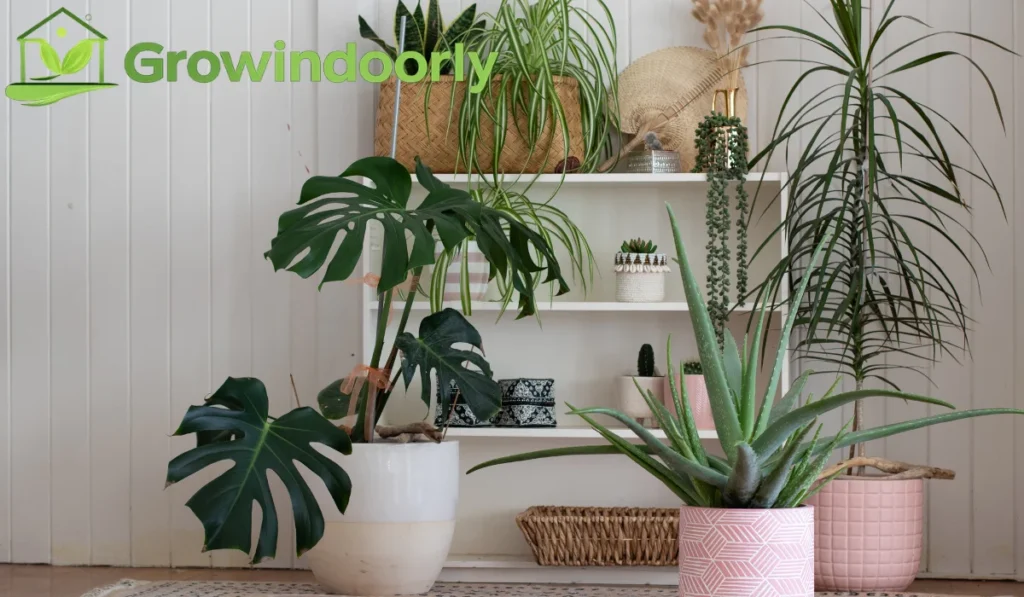
A classic choice with broad, split leaves that add a tropical feel. Supported by a moss pole, it grows wide and tall, making it ideal for spacious room corners.
Bird of Paradise (Strelitzia nicolai)
Features massive, paddle-shaped leaves that reach toward the ceiling. It thrives in bright direct or indirect light and adds dramatic height to sunny living rooms.
Rubber Tree (Ficus elastica)
Known for its thick, glossy, deep-green or burgundy leaves. It is resilient, tolerates moderate light better than Fiddle-Leaf Figs, and can grow into a striking indoor tree.
Kentia Palm (Howea forsteriana)
An elegant option with arching fronds that tolerates lower light levels and lower humidity, making it perfect for office spaces and quiet corners.
Dragon Tree (Dracaena marginata)
Features slender stems topped with spiky leaves, providing a modern, architectural look while tolerating missed waterings and variable light.

Lighting Requirements for Tall Foliage
Big plants require significant energy to maintain their massive leaf surface areas and thick stems. Insufficient light causes tall plants to drop lower leaves, develop thin stems, and lean precariously toward windows.
Place sun-loving species like Bird of Paradise and Fiddle-Leaf Fig directly in front of south-facing or west-facing windows. If window light is obstructed by adjacent buildings or trees, supplement with full-spectrum overhead LED grow lights mounted on the ceiling or high floor stands.
Rotate your plant a quarter-turn every two weeks. This simple habit ensures light reaches all sides of the canopy, encouraging straight stem growth and preventing your plant from leaning toward the light source.
Watering Methods for Deep Root Systems
Watering large pots requires a different approach than watering small desktop containers. Big pots hold significant soil volume, which retains moisture near the bottom long after the top layer dries out.
The Deep Soak and Drain Strategy
Avoid giving small daily sips of water, which only moisten the top few inches of soil and leave lower roots dry. Instead, water thoroughly until liquid drains from the bottom hole into the saucer.
- Check soil moisture 4 to 6 inches deep using a soil probe or a long wooden skewer.
- If the deep soil feels dry, apply room-temperature water slowly across the entire soil surface.
- Allow water to soak down to the lower roots until it runs into the catch tray below.
- Use a turkey baster or small siphon pump to remove standing water from the saucer within 30 minutes, keeping the pot out of sitting water.
Soil and Growing Medium for Stability and Drainage
Large plants require a potting soil mix that provides structural support to keep tall stems upright while remaining airy enough to prevent root rot.
Standard commercial potting soils often pack down over time in deep pots, squeezing out oxygen and trapping excess water around roots. Create a stable, well-draining mix by blending:
- 3 parts high-quality coco coir or peat moss (for moisture management)
- 2 parts coarse perlite or pumice (to prevent soil compaction and promote aeration)
- 1 part orchid bark chips (to build soil structure and support healthy roots)
- 1 part worm castings (for gentle, long-lasting organic nutrition)
Temperature Requirements for Tropical Giants
Most large houseplants originate from tropical and subtropical climates where temperatures stay consistently warm year-round.
Maintain indoor temperatures between 65°F and 80°F (18°C to 27°C) for healthy growth. Avoid letting room temperatures drop below 55°F (13°C), as cold temperatures stress tropical roots and cause leaf dropping.
Keep tall plants away from drafty exterior doors, single-pane winter windows, and air conditioning vents. Sudden temperature shifts stress delicate leaves and cause unopened leaf buds to brown and die.

Humidity Control for Broad Leaves
Indoor heating during winter drops humidity levels below 30%, which dries out large leaves and causes crisp, brown leaf edges on plants like Bird of Paradise and Monstera.
Aim for relative humidity levels between 45% and 60% around your plants. While light leaf misting offers brief relief, it does not raise humidity long-term in large spaces.
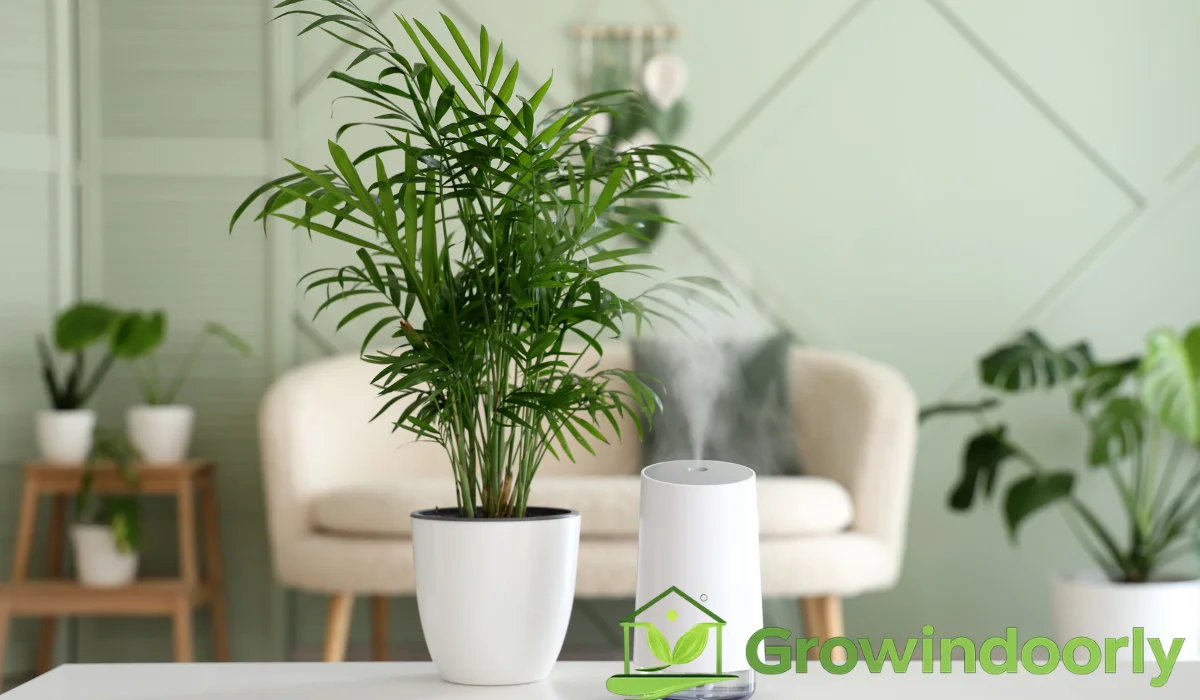
Place a cool-mist humidifier near your plant display to provide consistent air moisture. Grouping tall plants together also creates a natural microclimate, as moisture released from their leaves helps humidify the surrounding air.
Fertilizer and Nutrients for Heavy Feeders
Developing tall trunks and broad leaves consumes substantial soil nutrients during active growth. However, over-fertilizing big pots causes harmful salt accumulation that burns sensitive root tips.
Apply a balanced, water-soluble liquid fertilizer diluted to half strength every three to four weeks from early spring through late summer. Look for balanced ratios like 3-1-2 or 20-20-20 that include essential micronutrients like iron, magnesium, and calcium.
Stop fertilizing entirely during fall and winter when light levels decrease and plant growth naturally slows down. Flush the soil mix with plain water every spring to wash away accumulated mineral salts.
Maintenance Routine for Clean, Broad Foliage
Regular upkeep keeps tall indoor plants looking vibrant while preventing common pest infestations before they spread.
- Wipe Leaves Monthly: Dust builds up quickly on wide leaf surfaces, blocking sunlight and reducing photosynthesis. Clean leaves using a damp microfiber cloth moistened with plain water.
- Prune Dead or Yellow Leaves: Cut off yellowing lower leaves near the main stem using clean, sharp pruning shears to direct energy toward fresh growth.
- Check Moss Pole Supports: Inspect ties and moss poles regularly to ensure heavy climbing stems remain secure as they grow upward.
- Check Soil Surface: Remove fallen leaves and debris from the topsoil to prevent fungal growth and deter fungus gnats.
Seasonal Care Adjustments
Adjusting your care routine to match seasonal light and temperature changes keeps large plants healthy year-round.
Spring and Summer Growth Phase
As daylight increases, plants begin producing fresh leaves rapidly. Increase watering frequency as soil dries faster, resume gentle monthly feeding, and rotate pots regularly to support balanced canopy growth.
Autumn and Winter Rest Phase
As daylight hours shorten, plants enter a natural resting phase. Reduce watering frequency, allowing the soil to dry deeper between waterings, stop fertilizer applications, and move plants closer to bright windows to maximize available light.
Common Mistakes to Avoid
Preventing care missteps is easier than restoring a stressed, top-heavy plant:
- Using Pots Without Drainage: Planting directly into large decorative pots without drainage holes leads to standing water, sour soil, and fatal root rot.
- Moving Plants Too Often: Big plants need time to adjust to light levels; moving them frequently causes leaf drop and growth stress.
- Repotting into Excessively Large Containers: Moving a plant into a pot that is too large leaves unrooted soil damp for weeks, increasing root rot risks. Choose pots only 2 to 3 inches larger in diameter.
- Neglecting Vertical Staking: Delaying stem support until heavy vines begin leaning leads to bent stems and foliage damage.
Troubleshooting Common Problems
Diagnosing issues quickly helps you restore plant health before structural damage occurs.
- Lower Leaves Yellowing and Dropping: Often indicates overwatering or soil compaction near the bottom of the pot. Check deep soil moisture and reduce watering frequency.
- Brown, Crisp Leaf Edges: Caused by low humidity, drafty room air, or dry soil conditions. Increase humidity levels and maintain consistent moisture.
- Pale, Leggy Growth with Small Leaves: Signals that the plant needs more sunlight. Move it closer to a bright window or add overhead grow lights.
- Sticky Residue on Leaves or Floor: Indicates pests like scale insects or mealybugs. Wipe leaves down with insecticidal soap or diluted neem oil solution.
Beginner Tips for Success
- Start with Forgiving Species: Build confidence using resilient plants like Rubber Trees or Dragon Trees before managing trickier Fiddle-Leaf Figs.
- Invest in a Quality Rolling Caddy: Place heavy pots on rolling caddies right away so you can move plants easily for cleaning and watering.
- Measure Ceiling Height and Floor Space: Account for vertical growth and leaf spread so your plant has room to expand naturally.
- Use the Finger Test for Moisture: Check soil moisture with your finger or a wooden skewer before reaching for the watering can.
Advanced Expert Recommendations
For experienced indoor gardeners looking to manage tall trees and climbing foliage, these techniques deliver superior results:
- Air Layering for Height Control: If your tall Ficus reaches the ceiling, propagate a top branch using air layering to create a healthy new tree while encouraging bushier growth on the parent plant.
- Top-Dressing Aged Soil: Instead of repotting heavy 15-gallon containers, scrape off the top 3 inches of old soil each spring and replace it with fresh compost mixed with worm castings.
- Structural Pruning for Trunk Thickness: Gently prune growing tips to encourage branching, thicken the main trunk, and build a sturdy indoor tree structure.

Conclusion
Bringing large indoor plants into your home creates a striking natural focal point that elevates your interior decor. While caring for large floor plants requires more planning around light, space, and deep watering than managing smaller containers, the rewards are well worth the effort. By understanding their growth habits, using proper soil mixes, providing adequate light, and using helpful tools like rolling caddies and support poles, you can easily maintain healthy foliage that thrives for years.
At GrowIndoorly.com, we believe that anyone can successfully cultivate impressive indoor green spaces with practical knowledge and consistent care routines. Start by assessing your room’s light levels and available floor space, select a species suited to your home, and enjoy the transformative beauty that large plants bring into your living space.
Knowledge Check
1. Which nutrient ratio should you prioritize when selecting a balanced liquid fertilizer for large leafy houseplants?
A) High phosphorus bloom boosters
B) Balanced formulas like 3-1-2 or 20-20-20
C) Pure nitrogen spray
D) Acidifying sulfur compounds
2. What is the main benefit of rotating large floor plants every two weeks?
A) It prevents soil pests from building nests
B) It ensures balanced light exposure and prevents leaning growth
C) It increases pot drainage speed
D) It lowers room humidity
3. Which plant species is best suited for bright locations with direct sunlight?
A) Kentia Palm
B) Peace Lily
C) Bird of Paradise
D) Cast Iron Plant
4. What is top-dressing when maintaining large potted plants?
A) Spraying leaves with leaf-shine oils
B) Replacing the top 2 to 3 inches of old soil with fresh nutrient-rich mix
C) Covering the pot surface with decorative plastic wrap
D) Trimming top leaves to restrict root growth
5. Why is it risky to plant large tropical species into pots without drainage holes?
A) The roots will grow out of the top of the pot
B) Trapped water causes root rot and anaerobic soil conditions
C) The leaves will grow too fast for room ceilings
D) Pots without drainage holes attract spiders
6. Which tool helps move heavy 100-pound plant containers without scratching floors?
A) Moss pole
B) Rolling plant caddy with soft casters
C) Turkey baster
D) Soil moisture probe
7. How does winter heating affect indoor humidity levels for broad-leaf tropical plants?
A) It raises humidity above 80%
B) It keeps humidity stable
C) It drops humidity below 30%, causing dry, brown leaf edges
D) It eliminates the need for watering
8. What is the primary purpose of adding orchid bark and perlite to potting mixes for large plants?
A) To make the pot heavier for wind stability
B) To raise soil acidity for blooming
C) To improve aeration, drainage, and structural soil stability
D) To deter flying insects
Answer Key
- B
- B
- C
- B
- B
- B
- C
- C
Pet Safety Around Large Indoor Plants
Oversized plants bring drama to a room, but their size and weight create unique hazards for pets and small children:
- Anchor top-heavy trees: A climbing cat can tip a tall, narrow pot — use wide, heavy planters and wall anchors.
- Check toxicity before buying: Many large statement plants (like Dieffenbachia and Sago Palm) are toxic if chewed.
- Keep fallen leaves picked up: Large plants drop big leaves that curious pets may chew or choke on.
- Block access to soil: Cats love digging in deep, loose potting mix — cover the surface with decorative stones.
- Prune low-hanging fronds: Keep palm fronds and trailing vines above pet height to prevent chewing and tangling.
Frequently Asked Questions
Which large indoor plant is easiest for beginners to grow?
The Rubber Tree (Ficus elastica) and Dragon Tree (Dracaena marginata) are among the easiest large indoor plants for beginners. They adapt well to varying light levels, require moderate watering, and tolerate occasional neglect better than sensitive species like the Fiddle-Leaf Fig.
How often should I water large indoor houseplants?
Most large indoor plants need watering every 1 to 2 weeks during spring and summer, and every 2 to 3 weeks during winter. Always check soil moisture 4 to 6 inches deep before watering, rather than relying strictly on a set calendar schedule.
Do large indoor plants need direct sunlight?
Most large indoor tropical plants prefer bright, indirect sunlight rather than harsh, direct sun rays. However, species like Bird of Paradise and Citrus trees thrive with a few hours of direct morning or afternoon sun near south-facing or west-facing windows.
How do I prevent tall houseplants from leaning toward windows?
Prevent tall houseplants from leaning by rotating their pots a quarter-turn every two weeks. This simple practice ensures all sides of the foliage receive equal sunlight, promoting straight, balanced trunk growth and a sturdy canopy structure.
What should I do if my large plant grows too tall for my ceiling?
If your plant grows too tall, trim the top growing tip using clean, sharp pruning shears during early spring. Pruning controls overall height, encourages lateral branching, thickens the main stem, and creates a fuller, bushier plant canopy.
How can I move heavy potted plants without damaging floors?
Place heavy plant containers on heavy-duty, rolling plant caddies with soft rubber caster wheels. Rolling caddies make it easy to move, rotate, and clean around 100-pound plants without scratching hardwood or tile flooring.
Why are the lower leaves on my tall plant turning yellow and falling off?
Lower leaf loss is commonly caused by overwatering, poor drainage, or insufficient lighting. If the plant lacks enough light, it naturally drops older, lower leaves to direct energy toward top growth receiving adequate light.
How do I repot a massive houseplant that is too heavy to lift?
Instead of full repotting, perform top-dressing on massive containers. Carefully scrape away the top 2 to 3 inches of depleted surface soil each spring, replacing it with fresh, nutrient-rich potting soil mixed with worm castings.

Megan Foster is the founder and lead writer of GrowIndoorly.com, where she shares practical, easy-to-follow advice for growing healthy indoor plants. She is passionate about helping beginners and experienced plant lovers build thriving indoor gardens with confidence. Megan writes about houseplants, indoor herbs, succulents, hydroponics, grow lights, plant propagation, watering, soil care, and everyday plant maintenance.
She enjoys researching trusted gardening techniques and transforming them into simple, actionable guides that readers can easily apply at home. Her goal is to make indoor gardening more enjoyable and accessible by providing clear, reliable information that helps people keep their plants healthy throughout the year. Whether you’re caring for your first houseplant or expanding your indoor plant collection, Megan’s practical tips are designed to help you grow with confidence.