

The dracaena indoor plant is widely celebrated as one of the most striking and resilient choices for adding natural structure to any interior space. Native to tropical regions, this evergreen features architectural woody stems topped with vibrant foliage rosettes, making it an ideal companion for plant enthusiasts of all skill levels.
Integrating a dracaena indoor plant into your decor instantly elevates a room’s aesthetic while maintaining a manageable, space-efficient footprint. From slender dragon trees to broad-leaved corn plants, these varied cultivars effortlessly fill empty corners and complement diverse interior design styles without demanding constant attention.
However, keeping a dracaena indoor plant vibrant over the long term requires a basic understanding of its fundamental horticultural needs. While exceptionally forgiving of occasional neglect, it has specific sensitivities regarding soil drainage, bright indirect light, and the chemical composition of municipal tap water.
By replicating its ideal tropical environment and maintaining proper moisture balance, you can ensure lasting vitality. This guide covers everything you need to confidently select the right variety, prevent common maintenance mistakes, and enjoy a thriving indoor tree for years to come.
What Makes Dracaena an Ideal Indoor Plant?
The primary appeal of growing a dracaena indoor plant lies in its natural tolerance for imperfect domestic environments. Unlike high-maintenance tropicals that require greenhouse-level humidity, Dracaenas possess physiological adaptations that allow them to thrive in moderate light and average household air.
- Drought Tolerance: Most species store water reserves in their thick, fibrous stems, allowing them to withstand occasional underwatering.
- Architectural Diversity: Growth habits range from fine-textured, ribbon-like foliage (Dracaena marginata) to broad, corn-like leaves (Dracaena fragrans).
- Space-Efficient Growth: Their upright, cane-forming nature yields a small footprint, making them ideal for tight floor plans, office nooks, and corners.

Top Dracaena Indoor Plant Species & Varieties
Selecting the right cultivar requires matching its growth habit and light demands with your specific room layout.
| Species / Common Name | Foliage Structure | Light Requirement | Growth Rate | Best Indoor Placement |
| Dracaena marginata (Dragon Tree) | Narrow, ribbon-like, red-edged leaves on slender canes | Medium to bright indirect light | Moderate | Narrow corners, minimalist spaces |
| Dracaena fragrans (Corn Plant) | Broad, arching leaves with yellow/lime central stripes | Low to medium indirect light | Slow | Spacious living rooms, floor pots |
| Dracaena reflexa (Song of India) | Short, spiraling leaves bordered in cream or yellow | Bright indirect light | Slow to moderate | Sunlit office desks, side tables |
| Dracaena sanderiana (Lucky Bamboo) | Slender green stems, flexible soft leaves | Low to bright indirect (or water culture) | Fast in water | Desks, tabletop glass vases |
| Dracaena compacta (Janet Craig Compacta) | Dense, dark green rosettes packed closely on short canes | Low to medium indirect light | Very slow | Dim hallways, low-light offices |
| Dracaena trifasciata (Snake Plant) | Rigid, upright succulent sword-like leaves | Low to bright direct light | Slow to moderate | Bedrooms, low-maintenance areas |
Note: Taxonomy updates officially moved Sansevieria into the Dracaena genus as Dracaena trifasciata, though it remains functionally distinct in succulent care practices.
Comprehensive Horticultural Care for Indoor Dracaena
Keeping a dracaena indoor plant healthy requires balancing light intensity, substrate composition, and moisture levels while avoiding common chemical sensitivities.
1. Light Quality and Placement
Dracaenas thrive best in medium to bright indirect sunlight. Position your plant near an East-facing window or 3 to 6 feet back from an unshaded South- or West-facing window.
- Low Light Tolerances: Dark-green cultivars like Dracaena fragrans or Janet Craig tolerate lower light, though growth slows significantly.
- Variegated Varieties: Cultivars with white, yellow, or pink stripes (Song of India, Lemon Lime) require brighter indirect light to maintain their vivid colors.
- Sunburn Risk: Direct afternoon sunlight will scorch leaf tips, leaving bleached or crisp brown patches on the foliage.
2. Soil Substrate & Aeration Requirements
Root rot from waterlogged soil is the leading cause of decline in indoor Dracaena plants. They require a light, well-aerated potting mix with fast drainage.
- Ideal Potting Blend: Combine 60% high-quality peat- or coir-based potting soil, 20% coarse perlite, and 20% orchid bark or pumice.
- pH Target: Aim for a slightly acidic to neutral soil pH between 6.0 and 6.5.
- Container Choice: Always use containers with functional bottom drainage holes. Terracotta pots are excellent because they allow excess moisture to evaporate through their porous walls.
3. Watering Mechanics and Tap Water Sensitivity
The most critical aspect of caring for a dracaena indoor plant is avoiding overwatering and chemical leaf burn.
- The Dry-Out Period: Allow the top 50% to 75% of the potting medium to dry out completely before watering again. Insert a finger or wooden stake 3 inches into the soil; if it comes up damp, delay watering.
- Fluoride & Chlorine Sensitivity: Dracaenas are notoriously sensitive to fluoride, chlorine, and soluble salts commonly found in municipal tap water. Fluoride toxicity causes leaf tips and margins to turn dark brown or black with a yellow halo.
- Best Water Sources: Use rainwater, distilled water, or reverse osmosis water. If using tap water, running it through a carbon filter can help reduce chemical buildup.
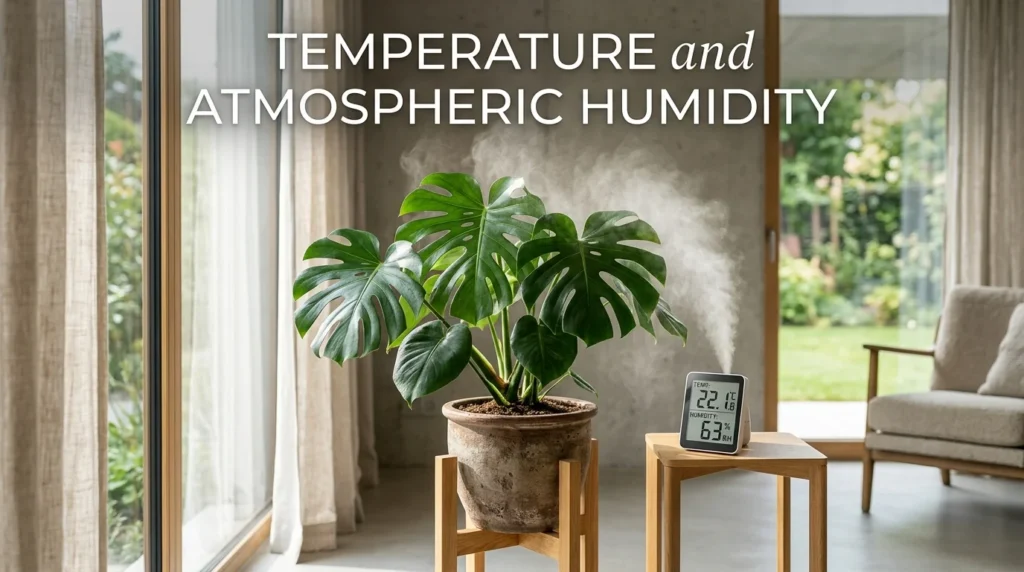
4. Temperature and Atmospheric Humidity
Originating from tropical regions, Dracaenas prefer stable warm temperatures:
- Temperature Range: Maintain temperatures between 65°F and 80°F (18°C–27°C). Keep plants away from cold window breezes, air conditioning vents, or heating radiators. Exposure to temperatures below 55°F (13°C) can cause chill damage and leaf drop.
- Humidity: Average indoor humidity (30% to 50%) is sufficient for most species. However, thin-leaved varieties like Dracaena marginata benefit from higher humidity levels (above 50%), which prevents dry, brown leaf tips.
5. Nutrient Management
Dracaenas are light feeders. Over-fertilization leads to fertilizer burn, root damage, and unsightly leaf spots.
- Frequency: Feed once per month during the active growing season (spring and summer). Suspend fertilizing during autumn and winter when the plant enters dormancy.
- Fertilizer Type: Apply a balanced, water-soluble houseplant fertilizer (such as 10-10-10 or 20-20-20) diluted to half or quarter strength. Avoid fertilizers containing superphosphate, as they often contain elevated fluoride levels.
Pruning, Shaping, and Propagation
Over time, a dracaena indoor plant may grow tall and leggy, losing its lower foliage as the central cane elongates. Pruning controls height and stimulates bushier growth.
Pruning Leggy Canes
To shorten an overgrown cane, simply cut the woody stem at the desired height using sharp, sterilized pruners.
- Cut Execution: Make a clean, horizontal cut across the main cane.
- Callus Formation: The bare stem remaining in the pot will callus over at the top.
- New Buds: Within 4 to 6 weeks, new vegetative buds will emerge just below the cut, producing two or three new leaf rosettes.
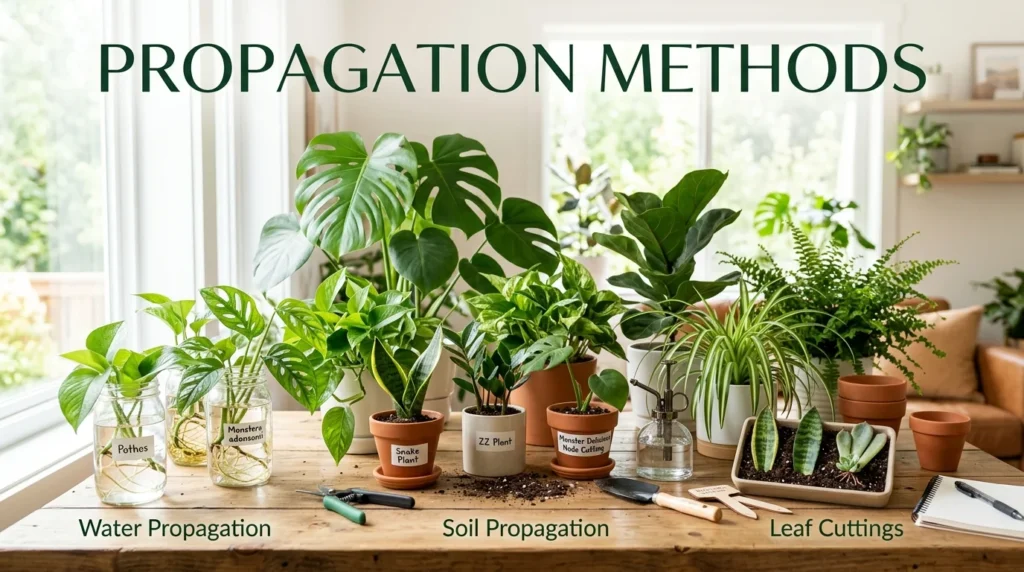
Propagation Methods
The trimmings from your pruning sessions can easily be propagated into new plants using stem cuttings.
1.Take Cane Cuttings:Use clean, sharp bypass pruners.
Cut top leaf rosettes or 4- to 6-inch bare cane sections from healthy stems. Mark the top orientation of bare cane segments to ensure they are planted right-side up.
2.Prepare Cuttings:Allow cuts to air-dry for 2 hours.
Strip off lower leaves on top rosettes, leaving a 2-inch bare stem at the bottom.
3.Rooting Process:Choose water or soil rooting.
Place the bare stem base in a jar of filtered water, or insert it directly into a moist 50/50 mix of perlite and peat moss.
4.Root Establishment:Provide warm, bright indirect light.
Keep the medium damp and warm. Roots typically form within 3 to 5 weeks. Transplant water-rooted cuttings into soil once roots reach 2 inches in length.
Diagnostic Troubleshooting Guide
| Problem | Cause | What to Check | Solution |
| Brown, crisp leaf tips with yellow margins | Fluoride/chlorine buildup from tap water, or low atmospheric humidity | Quality of water source; check indoor air humidity levels | Switch to distilled water or rainwater; group plants or use a cool-mist humidifier |
| Soft, mushy stem base and yellow, dropping lower leaves | Root rot caused by overwatering or poor drainage | Soil moisture at pot bottom; smell for sour, decaying root odors | Stop watering immediately; unpot, prune rotted black roots, and repot in fresh, airy soil |
| Bleached, white, or straw-colored patches on upper foliage | Sunburn from direct sunlight exposure | Position relative to windows and afternoon sun intensity | Move the plant back from the window or diffuse light with a sheer curtain |
| Fine webbing on leaf undersides with speckled yellow foliage | Spider mite infestation (common in warm, dry indoor air) | Inspect undersides of leaves and leaf-to-stem joints with a magnifying lens | Wipe foliage with a damp cloth; spray thoroughly with insecticidal soap or neem oil |
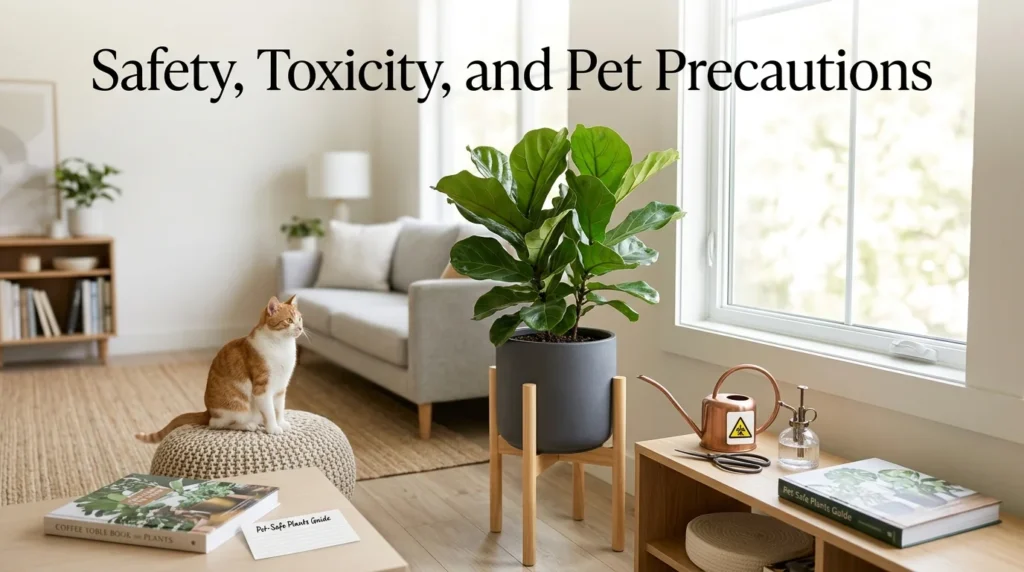
Safety, Toxicity, and Pet Precautions
While the dracaena indoor plant is a versatile decoration, pet owners must take precautions:
- Toxicity Level: All Dracaena species are toxic to dogs and cats. They contain steric saponins, natural chemical compounds that protect the plant in the wild.
- Ingestion Symptoms: If chewed or swallowed by pets, Dracaenas can cause drooling, vomiting, loss of appetite, weakness, and dilated pupils (especially in cats).
- Prevention: Keep smaller varieties on high plant stands or floating shelves out of reach of curious pets, or choose pet-safe alternatives like Calathea or Peperomia for accessible areas.
Conclusion
Bringing a Dracaena into your living space is one of the most effective ways to introduce bold, architectural greenery without adding demanding maintenance to your routine. With its striking woody stems, diverse leaf patterns, and remarkable tolerance for indoor conditions, this tropical evergreen adapts effortlessly to home and office environments. By taking advantage of its upright growth habit, you can easily transform empty corners and bright rooms into lush, vibrant focal points.
Long-term success with your plant relies on understanding and respecting its core horticultural preferences. By providing well-draining soil, bright indirect light, cautious watering, and clean, fluoride-free water, you protect your plant from common pitfalls like root rot and leaf tip burn. Regular dusting and occasional pruning will keep its foliage vibrant and encourage full, healthy growth season after season.
At GrowIndoorly.com, our goal is to empower you with practical, expert guidance so your indoor garden flourishes effortlessly. Whether you are cultivating a single desk accent or caring for a tall floor tree, mastering these simple care principles ensures your Dracaena remains a resilient, captivating centerpieces for years to come.
Test Your Knowledge:
Why should you avoid using standard tap water for a dracaena indoor plant?
- A) Tap water lacks nitrogen.
- B) Dracaenas are sensitive to fluoride and minerals, which cause brown, burned leaf tips.
- C) Tap water lowers the soil temperature too much.
- D) Tap water stops root growth entirely.
Question 2
What is the correct watering protocol for most indoor Dracaena species?
- A) Keep the soil completely saturated at all times.
- B) Water only once every three months regardless of soil condition.
- C) Allow the top 50% to 75% of the soil mix to dry out before watering again.
- D) Pour water exclusively into the leaf crown.
Question 3
How does a dracaena indoor plant respond when you prune a tall, leggy cane horizontally?
- A) The plant dies back to the roots.
- B) The cut cane calluses over and sprouts new leaf rosettes just below the cut.
- C) The leaves turn red and fall off permanently.
- D) It triggers immediate flowering.
Question 4
Which Dracaena variety tolerates low-light indoor environments best?
- A) Highly variegated Dracaena reflexa (Song of India).
- B) Sun-loving Dracaena marginata Tricolor.
- C) Dark-green cultivars like Dracaena fragrans or Janet Craig.
- D) Desert succulents.
Question 5
What compounds make Dracaenas toxic to domestic pets if ingested?
- A) Calcium oxalate crystals.
- B) Steric saponins.
- C) Cyanogenic glycosides.
- D) Essential volatile oils.
(Answer Key: 1-B, 2-C, 3-B, 4-C, 5-B)
Frequently Asked Questions
Why are the bottom leaves of my dracaena indoor plant turning yellow and dropping off?
Occasional loss of the lowest leaves is completely natural. As a Dracaena grows taller, it sheds older bottom leaves to redirect energy to new top growth, exposing its characteristic woody cane. However, if multiple leaves drop simultaneously throughout the entire plant, it indicates overwatering, cold drafts, or root shock.
Can a dracaena indoor plant survive in a room without windows?
Yes, provided there is adequate artificial lighting. Dracaenas adapt well to fluorescent or LED office lighting if left on for 12 to 14 hours daily. Dark-green cultivars like Dracaena compacta or Janet Craig perform best under artificial light setups.
How often should I repot my dracaena indoor plant?
Repot every 2 to 3 years in spring, or when roots begin growing out of the bottom drainage holes and soil dries out unnaturally fast. Select a new pot that is 2 inches wider in diameter than the current container.
How do I clean the leaves on my dracaena indoor plant?
Accumulated dust blocks light absorption and harbors pests. Wipe broad leaves gently with a damp microfiber cloth dipped in tepid, distilled water once every month. Avoid commercial leaf shine products, which clog leaf pores (stomata).
Why is my Dracaena leaning towards one side?
Dracaenas grow toward their primary light source (phototropism). If your plant receives light from only one direction, the stems will bend toward the window. Rotate the pot a quarter-turn each time you water it to promote straight, balanced growth.
Can I grow Lucky Bamboo in soil like other Dracaenas?
Yes. Although Dracaena sanderiana (Lucky Bamboo) is frequently sold in glass vases filled with water and pebbles, it actually thrives longer and healthier when transplanted into a well-draining potting soil mix.
How big will a dracaena indoor plant get inside a home?
Indoor height depends on the species and ceiling space. Dracaena marginata and Dracaena fragrans can reach 6 to 10 feet tall over several years, but their height is easily managed through regular cane pruning.

Megan Foster is the founder and lead writer of GrowIndoorly.com, where she shares practical, easy-to-follow advice for growing healthy indoor plants. She is passionate about helping beginners and experienced plant lovers build thriving indoor gardens with confidence. Megan writes about houseplants, indoor herbs, succulents, hydroponics, grow lights, plant propagation, watering, soil care, and everyday plant maintenance.
She enjoys researching trusted gardening techniques and transforming them into simple, actionable guides that readers can easily apply at home. Her goal is to make indoor gardening more enjoyable and accessible by providing clear, reliable information that helps people keep their plants healthy throughout the year. Whether you’re caring for your first houseplant or expanding your indoor plant collection, Megan’s practical tips are designed to help you grow with confidence.


