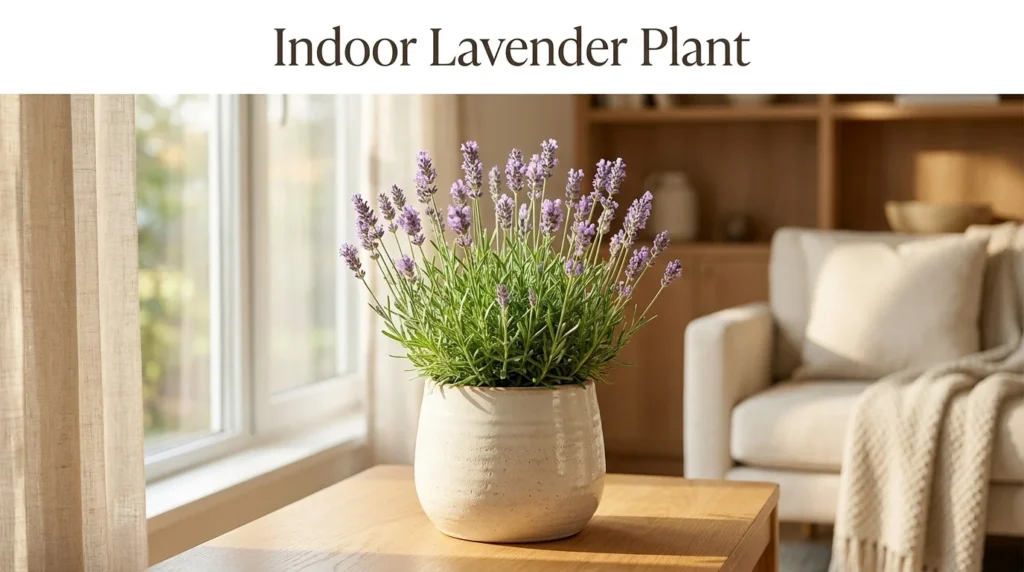
Growing a vibrant lavender plant indoor setting is a rewarding goal for any houseplant enthusiast looking for sweet aromatherapy. However, keeping this sun-loving Mediterranean native happy inside a home requires a completely different care routine than standard foliage plants.
A potted lavender plant indoor display thrives only when provided with intense direct light, fast-draining gritty soil, and minimal soil moisture. Without these specific environmental conditions, plants quickly lose their woody structure, drop needle-like leaves, and refuse to bloom.
Beginners frequently run into frustrating problems like sudden root rot, drooping weak stems, yellowing lower foliage, or moldy soil bases. These common issues happen when high indoor humidity, peat-heavy potting soils, or dim window lighting suffocate the delicate root system.
This comprehensive guide breaks down everything you need to know about growing a healthy lavender plant indoor environment. You will discover the best dwarf varieties, proper lighting setups, ideal watering schedules, and expert pruning techniques to keep your potted lavender blooming year after year.
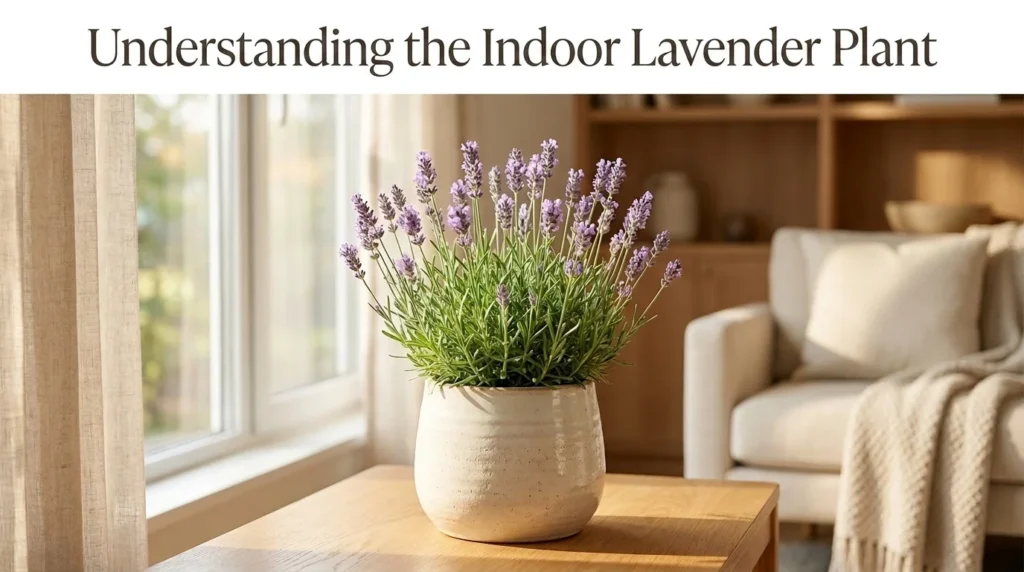
Understanding the Indoor Lavender Plant (Lavandula)
The lavender plant belongs to the genus Lavandula, a member of the Lamiaceae (mint) family. Native to the rocky, sun-drenched coastal hillsides of the Mediterranean region, these aromatic evergreen subshrubs are world-famous for their soothing essential oils, silvery-green foliage, and delicate purple flower spikes.
In their natural wild habitats, lavenders grow in lean, chalky, highly alkaline soils exposed to intense blazing sunlight and harsh ocean breezes. When adapted to container life inside homes, they offer high aesthetic charm and natural herbal fragrance. However, because they are structurally adapted to arid, windy environments, success indoors depends on recreating dry root conditions and high light exposure.
Lavender plants produce woody stems at their base with narrow, needle-like leaves coated in tiny oil glands. Understanding their growth habit is essential: they do not tolerate waterlogged roots or stagnant indoor air, requiring gritty soil mixes and constant air circulation.
Why Growing Lavender Indoors Is So Rewarding
Cultivating a potted lavender inside your living space offers unique sensory and practical benefits that standard indoor foliage houseplants cannot match.
Natural Aromatherapy and Stress Relief
The essential oils stored in lavender foliage and flowers contain high concentrations of linalool and linalyl acetate. Brushing past the leaves releases a soothing botanical scent proven to calm nervous tension, reduce anxiety, and foster restorative sleep in bedrooms.
Culinary and Household Uses
Harvesting fresh indoor lavender spikes gives you direct access to organic, pesticide-free blooms for culinary baking, herbal teas, homemade sachets, and natural room fresheners.
Compact Visual Charm
Potted lavenders add a rustic Mediterranean aesthetic to sunny kitchen windowsills, desks, and plant shelves, bringing silvery textures and soft violet blooms into your interior design.
Cultivation Approaches: Soil-Based vs. Hydroponics
While soil potting is the most common method, growers utilize different cultivation strategies depending on their indoor setup:
- Terracotta Soil Cultivation: The most reliable and beginner-friendly method. Porous unglazed terracotta clay pots allow soil to dry out rapidly, protecting delicate woody roots from moisture retention.
- Passive Hydroponics (Semi-Hydro with LECA): Growing lavender in lightweight expanded clay aggregate (LECA) or inorganic pumice substrates eliminates soil-borne pathogens and fungus gnats while providing maximum root aeration.
- Active Hydroponic Systems: Highly experienced growers sometimes use deep water culture (DWC) or ebb-and-flow systems under high-intensity LED grow lights, maintaining strict nutrient conductivity and dissolved oxygen levels to prevent root saturation.
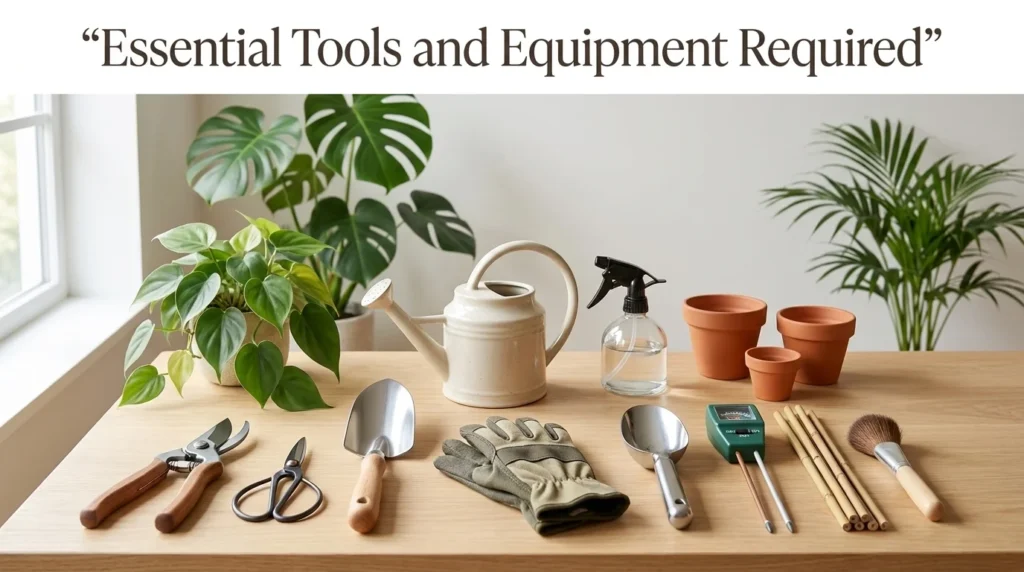
Essential Tools and Equipment Required
Setting up your potted lavender for long-term health requires a few essential supplies designed for Mediterranean herbs:
- Unglazed Terracotta Pot: Terracotta absorbs excess moisture from the soil, allowing root systems to breathe.
- Coarse Sand and Perlite: Essential soil additives to build a fast-draining, lean potting substrate.
- Agricultural Lime: Used to adjust acidic potting soils toward a slightly alkaline pH (7.0 to 7.5).
- Bypass Pruning Snips: Sharp precision shears for trimming spent flower spikes and shaping woody stems.
- Full-Spectrum LED Grow Light: Highly recommended if south-facing window light is unavailable.
- Small USB Circulating Fan: Essential for providing continuous air movement around dense indoor foliage.
Best Lavender Varieties for Indoor Growing
Not all lavender species adapt well to indoor container life. Selecting compact, dwarf cultivars is the most critical decision for indoor success:
- Lavandula angustifolia ‘Munstead’ (English Lavender): A compact dwarf English variety that grows 12 to 18 inches tall. Highly fragrant, resilient, and adapts better to indoor pot culture than larger species.
- Lavandula angustifolia ‘Lady’ (English Lavender): An award-winning compact cultivar that flowers quickly from seed and remains manageable on narrow windowsills.
- Lavandula stoechas (Spanish / French Lavender): Recognizable by its unique, rabbit-ear flower bracts atop purple spikes. Highly heat-tolerant and thrives in warm, sunny indoor spots.
- Lavandula dentata (Fringed / French Lavender): Features delicate, scented, serrated leaves and soft purple flowers. Performs exceptionally well in pots but requires high light levels.
Essential Lighting Requirements for Indoor Lavender
Light exposure is the single biggest factor determining whether an indoor lavender thrives or slowly declines.
Maximizing Natural Window Light
Lavender requires at least 6 to 8 hours of direct, unfiltered sunlight daily. Place your pot directly on the sill of a clear south- or southwest-facing window. East- or west-facing windows rarely provide enough light intensity, leading to leggy, weak stems that collapse under their own weight.
Recognizing Symptoms of Light Starvation
If your plant is not receiving sufficient light energy, it will exhibit clear warning signals:
- Stems stretch out toward the light source with wide spaces between leaves.
- Silver-green leaves turn dull dark green or drop off lower stems.
- Complete absence of flower spikes during spring and summer.
Using Supplemental LED Grow Lights
Because indoor window glass filters out light intensity, supplementing with a full-spectrum LED grow light is often necessary. Position the light fixture 6 to 10 inches above the plant canopy and run it for 12 to 14 hours daily using a digital timer.
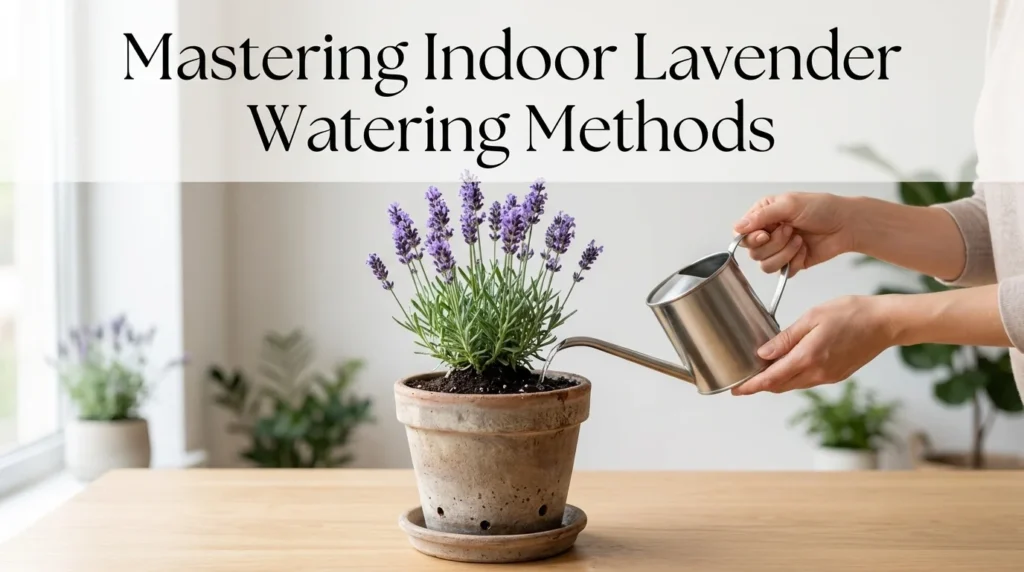
Mastering Indoor Lavender Watering Methods
Improper watering is the primary reason indoor lavenders fail. Unlike tropical houseplants that prefer damp soil, lavenders suffer severe damage when overwatered.
The Soak and Dry Method
Never water on a rigid weekly schedule. Instead, allow the top 2 inches of potting mix to dry out completely between waterings. Insert a wooden skewer or your finger deep into the pot—if any moisture is detected, wait a few more days before applying water.
Step-by-Step Irrigation Technique
- Apply room-temperature water directly to the soil surface around the base of the plant until water flows freely from the bottom drainage holes.
- Avoid getting water on the woody crown or foliage, which invites fungal infections.
- Allow the pot to drain fully for 15 minutes.
- Empty the drainage tray immediately. Never leave the pot standing in runoff water.
Soil Mix and Potting Requirements
Standard commercial potting soils hold far too much water for Mediterranean herbs, leading to root suffocation.
Creating a Custom Lean Mix
Build a gritty, free-draining substrate by mixing the following ingredients:
- 1 part standard peat-free potting soil or coco coir
- 1 part coarse horticultural sand or granite grit
- 1 part perlite or pumice
Add 1 tablespoon of agricultural lime or crushed eggshells per pot to raise the soil pH to 7.0–7.5. Lavender prefers alkaline soil conditions and will suffer in acidic peat mixes.
Choosing the Ideal Pot Size
Select a container only 1 to 2 inches larger than the root ball. Oversized containers hold excess soil mass that stays wet for too long, causing root decay. Ensure the pot has multiple open bottom drainage holes.
Temperature Control Requirements
Lavender plants prefer warm daytime temperatures combined with cooler night drops, mimicking their natural Mediterranean climate.
Optimal Indoor Temperatures
Maintain daytime temperatures between 65°F and 75°F (18°C to 24°C) during spring and summer. During winter rest periods, night temperatures dropping to 50°F to 60°F (10°C to 15°C) help stimulate future spring bloom formation.
Avoiding Temperature Hazards
Keep potted plants away from hot air currents emitted by heating vents, space heaters, and radiators. Likewise, protect foliage from touching freezing window panes during cold winter months.
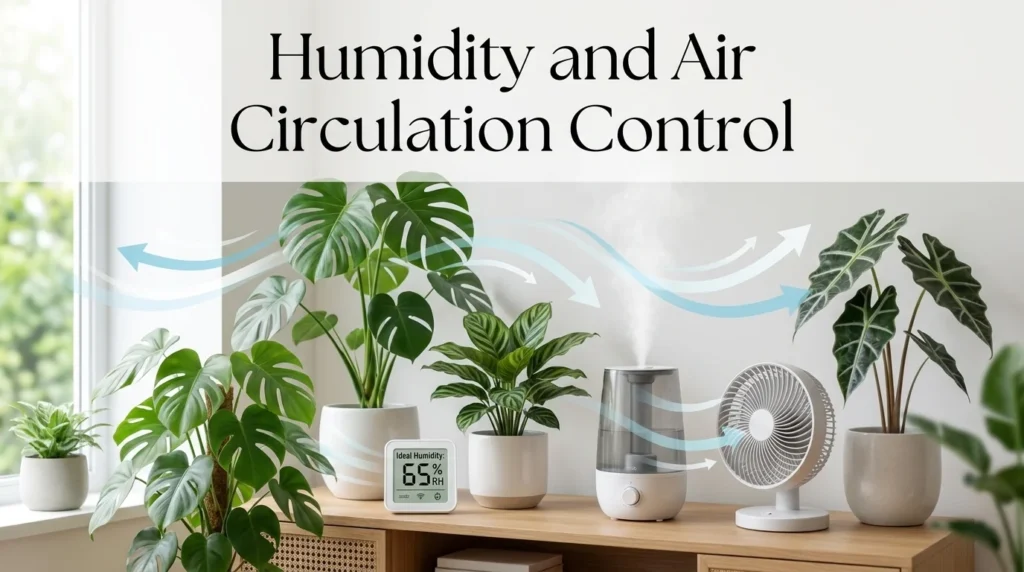
Humidity and Air Circulation Control
Dry air and continuous breezes are essential for keeping lavender foliage healthy inside homes.
Low Humidity Is Best
While most houseplants demand high humidity, lavender thrives in low to moderate relative humidity (30% to 40%). High air humidity traps moisture between dense needle leaves, causing gray mold (Botrytis) and leaf rot.
Improving Air Movement
Position a small, low-powered fan in the room to circulate air gently around the pot. Good air movement dries out wet leaves quickly and strengthens woody stem tissue. Never mist lavender foliage with water spray bottles.
Fertilizer and Nutrient Schedule
Lavender is accustomed to growing in rocky, nutrient-poor soil and requires very little fertilizer.
Less Is More
Over-fertilizing lavender causes rapid, soft, weak growth that lacks essential oils and flower spikes. Excess nitrogen also burns root tips and makes plants susceptible to pest attacks.
Recommended Feeding Schedule
- Spring through Early Summer: Apply a balanced, water-soluble organic fertilizer diluted to one-quarter strength once a month during active growth.
- Late Summer through Winter: Stop fertilizing completely. Do not feed dormant plants during low-light winter months.
Essential Pruning and Maintenance Routine
Pruning keeps your potted lavender bushy, prevents leggy woody stems, and encourages fresh flower production.
How to Prune Step-by-Step
- Deadheading: Cut off spent flower stalks near the main foliage base as soon as blooms fade to encourage secondary flower buds.
- Spring Shaping: In early spring, trim back green stem growth by one-third using sharp, sterile shears.
- Avoid Hard Wood Cuts: Never prune back into the old, leafless woody base of the plant. Lavender rarely produces new shoots from old bare wood.
Repotting Guidelines
Repot indoor lavender every 1 to 2 years in spring. Shake off old soil, inspect roots for damage, and repot into fresh gritty mix using a container that is 1 inch larger in diameter.
Seasonal Care Guide
- Spring: Move pot to the sunniest window, resume light monthly feeding, prune back green top growth by one-third, and repot if root-bound.
- Summer: Provide 8 hours of bright sun or grow light exposure, monitor soil drying closely, deadhead faded blooms, and maintain air circulation.
- Autumn: Reduce watering frequency, stop fertilizing completely, and allow night temperatures to cool down slightly.
- Winter: Keep in a cool, bright room, water only when the top 2 to 3 inches of soil feel bone dry, and run a supplemental grow light for 12 hours daily.
Common Beginner Mistakes to Avoid
- Using Standard Moisture-Retaining Soil: Potting lavender in dense potting mix without adding sand or perlite leads to rapid root rot.
- Placing Plants in Low-Light Areas: Expecting lavender to survive on coffee tables or in dim corners causes weak, leggy growth and plant failure.
- Overwatering out of Habit: Watering on a rigid schedule while soil is still damp starves roots of necessary oxygen.
- Pruning into Bare Wood: Cutting stems down into old, leafless woody bases prevents new growth from emerging.
Troubleshooting Problems and Solutions
| Problem | Likely Cause | Practical Solution |
| Drooping, soft stems with yellowing leaves | Overwatering and soggy root rot | Stop watering immediately; allow soil to dry completely or repot into dry gritty soil. |
| Leggy, leaning stems with sparse foliage | Insufficient light exposure | Move to a direct south window or install an overhead LED grow light running 12-14 hours. |
| Blackened stem bases and moldy soil | Poor drainage and high air humidity | Increase sand/perlite in soil mix; improve room airflow with a small fan; keep foliage dry. |
| Crispy, graying leaves that crumble | Extreme root dehydration or severe sunburn | Submerge pot in water for 15 minutes to rehydrate root ball; move slightly back from glass. |
| Fine webbing on leaves with tiny moving spots | Spider mite infestation in dry indoor air | Wipe foliage with insecticidal soap; increase room ventilation without spraying water. |
Beginner Tips for Quick Success
- Always Use Terracotta Pots: The breathable clay walls act as an insurance policy against overwatering.
- Add Lime to Your Soil: Adding crushed eggshells or lime raises soil pH, creating the alkaline environment lavender loves.
- Invest in an LED Grow Light: Do not rely solely on window light during short winter days.
- Rotate the Pot Weekly: Turn your container 180 degrees every few days so stems grow upright and symmetrical.
Advanced Expert Recommendations
- Top-Dress with White Gravel: Place a 1/2-inch layer of small white gravel or pea shingle on top of the soil. White gravel reflects light into the lower canopy while keeping the root crown dry.
- Monitor Soil Electrical Conductivity (EC): Keep nutrient salt concentrations extremely low (EC under 1.0 mS/cm) to mimic natural lean Mediterranean soils.
- Harvest Flowers at Peak Oil Production: Cut flower spikes in the early morning just as the bottom buds begin to open for maximum fragrance and essential oil potency.
Final Thoughts on Indoor Lavender Care
Growing a lavender plant indoor home setup is entirely achievable when you respect the plant’s Mediterranean origins. Success depends on providing intense direct sunlight, lean fast-draining gritty soil, low ambient humidity, and allowing roots to dry out between waterings.
By choosing compact varieties like Lavandula angustifolia ‘Munstead’, using unglazed terracotta pots, and supplementing with full-spectrum LED grow lights when needed, you can enjoy vibrant purple blooms and calming herbal scents year-round.
At GrowIndoorly.com, we are dedicated to helping indoor gardeners build thriving green spaces. Put these expert techniques into action today and bring the soothing scent of lavender into your home!
Knowledge Check Quiz
Test your understanding of indoor lavender plant care with this quick 5-question review.
1. Which pot material is best suited for growing a lavender plant indoors because of its breathable, moisture-wicking properties?
- A) Glazed ceramic pot
- B) Unglazed terracotta pot
- C) Sealed plastic container
- D) Glass jar without holes
2. How much direct sunlight or grow light exposure does indoor lavender ideally require each day?
- A) 1 to 2 hours of dim morning light
- B) 0 hours (thrives in windowless bathrooms)
- C) At least 6 to 8 hours of direct sunlight
- D) 24 hours of non-stop sunlight
3. What critical soil modification should be made when mixing potting substrate for lavender?
- A) Adding heavy clay topsoil from the garden
- B) Adding coarse sand, perlite, and lime to ensure fast drainage and an alkaline pH
- C) Soaking the soil in peat moss and keeping it constantly soaking wet
- D) Mixing in high-nitrogen fertilizer pellets every week
4. How should you water an indoor lavender plant to prevent root rot?
- A) Water daily regardless of soil dampness
- B) Allow the top 2 inches of soil to dry out completely between thorough waterings
- C) Mist the leaves with water three times a day
- D) Keep the bottom saucer filled with standing water at all times
5. What is an important rule to remember when pruning a lavender plant?
- A) Cut the plant completely down to ground level every month
- B) Never cut back into old, bare woody stems, as they rarely produce new shoots
- C) Prune only during the middle of winter
- D) Strip off all leaves leaving only bare stems
Answer Key: 1-B, 2-C, 3-B, 4-B, 5-B
Frequently Asked Questions
Can lavender survive indoors year-round?
Yes, compact varieties like English Lavender (Lavandula angustifolia ‘Munstead’) can survive indoors year-round if provided with 6 to 8 hours of bright direct sun (or grow lights), well-draining gritty soil, good air circulation, and cool winter rest temperatures.
Why is my indoor lavender turning brown and woody?
Lavender naturally forms a woody base as it matures. However, if stems turn brown, dry, and crispy rapidly, it usually indicates root rot from overwatering, poor drainage, or severe light deprivation. Inspect roots for decay and ensure the pot receives direct light.
Is indoor lavender safe for pets?
Lavender contains linalool, which can be mildly toxic to dogs and cats if consumed in large quantities, causing stomach upset or nausea. Keep potted plants out of reach of curious pets on high sunny window sills or plant stands.
Why is my indoor lavender not blooming?
A lack of flowers is almost always caused by insufficient sunlight or over-fertilizing with nitrogen. Move your plant to a brighter south window, supplement with an LED grow light, and stop applying high-nitrogen plant food.
How do I harvest indoor lavender flowers?
Harvest flower spikes in early morning when the lowest buds on the stalk just begin to open. Use sharp sterile snips to cut stems just above the leaves, then bundle and hang them upside down in a cool, dry place to dry.

Megan Foster is the founder and lead writer of GrowIndoorly.com, where she shares practical, easy-to-follow advice for growing healthy indoor plants. She is passionate about helping beginners and experienced plant lovers build thriving indoor gardens with confidence. Megan writes about houseplants, indoor herbs, succulents, hydroponics, grow lights, plant propagation, watering, soil care, and everyday plant maintenance.
She enjoys researching trusted gardening techniques and transforming them into simple, actionable guides that readers can easily apply at home. Her goal is to make indoor gardening more enjoyable and accessible by providing clear, reliable information that helps people keep their plants healthy throughout the year. Whether you’re caring for your first houseplant or expanding your indoor plant collection, Megan’s practical tips are designed to help you grow with confidence.