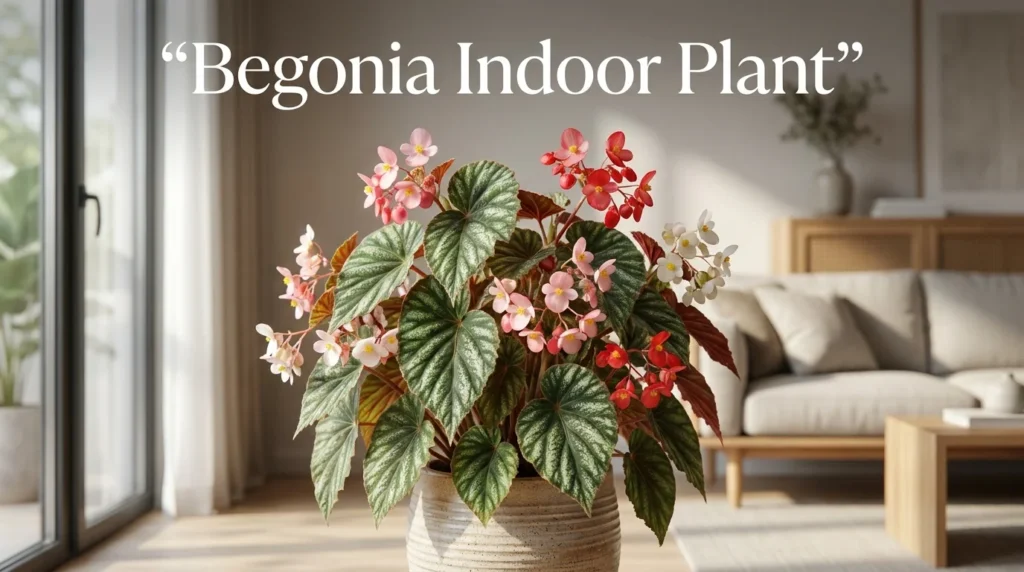
Keeping leaves vivid and colorful inside your home can feel like a tricky challenge for plant lovers. Bringing a begonia indoor plant into your living space provides an instant splash of striking metallic patterns, rich textures, and bright blooms.
Many plant parents struggle with sudden leaf crisping, dropped buds, or rot caused by overwatering. Learning how to properly support your begonia indoor plant ensures its foliage stays dense, vibrant, and healthy year-round.
Without balanced humidity and light, these tropical beauties quickly show signs of stress or drop foliage. Master the right care balance to make your begonia indoor plant a resilient, long-lasting centerpiece.
In this ultimate guide, you will learn ideal lighting setups, watering routines, potting soil mixes, and troubleshooting solutions to keep your plants thriving.
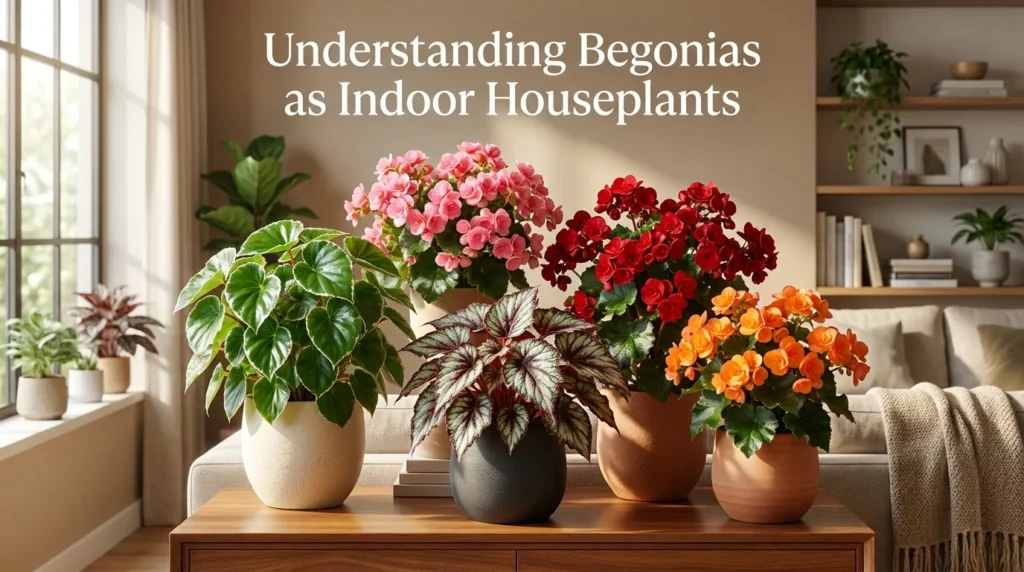
Understanding Begonias as Indoor Houseplants
Begonias represent one of the largest and most diverse plant families in the horticultural world, containing over 2,000 distinct species and thousands of hybrids. Originating in subtropical and tropical regions across South America, Africa, and Asia, these plants grow beneath dense forest canopies. This natural environment makes them uniquely suited to indoor life, as they naturally adapt to dappled sunlight and warm, moist air.
To grow them successfully inside your home, it helps to understand their structural differences. Begonias are generally categorized by their growth habits and root systems:
- Rhizomatous Begonias: These plants grow from thick, horizontal stems (rhizomes) running along or just below the soil surface. They are prized mostly for their dramatic leaf shapes, textures, and colorful patterns.
- Cane-Stemmed (Angel Wing) Begonias: Featuring tall, bamboo-like stems with distinct nodes, these cultivars display asymmetric, wing-shaped leaves and produce heavy clusters of dangling flowers.
- Tuberous Begonias: Growing from underground swollen tubers, these varieties produce massive, rose-like blossoms. They naturally go through a dormant phase in winter and require a seasonal rest period.
- Rex Begonias: A specialized subgroup of rhizomatous begonias celebrated exclusively for their foliage, which showcases metallic silver, deep purple, burgundy, and swirling spiral leaf patterns.
Why Growing an Indoor Begonia is Worth It
Adding begonias to your indoor collection offers exceptional visual rewards that few other houseplant families can match.
- Unmatched Foliage Diversity: Rex and rhizomatous varieties offer swirl patterns, iridescent sheens, and textured hairs that rival artificial artwork.
- Long-Lasting Indoor Blooms: Cane and wax varieties bloom reliably indoors for months at a time under proper ambient lighting.
- Compact Footprint: Most indoor begonia species maintain a modest size, making them ideal for plant stands, wide window sills, terraria, or crowded shelving units.
- High Adaptability to Indoor Temperatures: Because they thrive in standard home temperature ranges (65°F to 75°F), they adapt easily to indoor climate conditions.
Benefits and Advantages of Indoor Begonia Care
Cultivating begonias indoors protects them from extreme weather conditions, heavy rains that tear delicate foliage, and intense outdoor sun that scorches thin leaves.
Inside a climate-controlled home, you can easily adjust light exposure using sheer curtains or LED grow lights, maintain ideal soil moisture, and shield plants from damaging cold drafts. Furthermore, their compact roots allow them to thrive in smaller decorative pots, making them ideal for apartment dwellers and urban gardeners space constraints.
Different Approaches to Cultivating Begonias
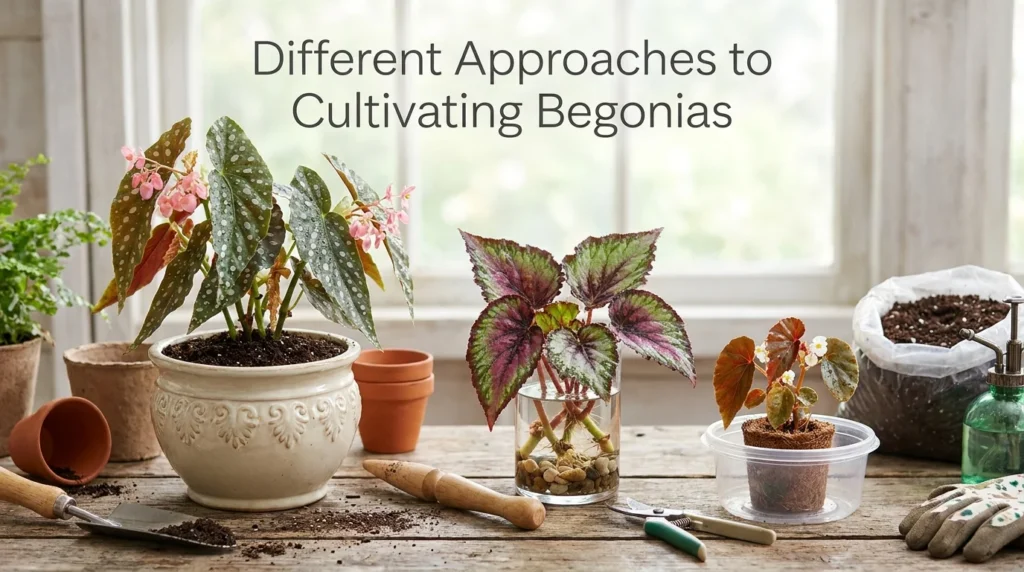
Depending on your home environment and experience level, you can grow begonias using several effective methods:
Standard Container Gardening
The most traditional approach involves planting begonias in breathable terracotta or plastic nursery pots using an airy, peat-based potting soil. This method works well for cane-stemmed and rhizomatous varieties placed on tables, plant stands, or bright sills.
Enclosed Terrarium Growing
High-humidity species especially delicate Rex begonias or miniature rhizomatous types thrive inside glass terraria, cloches, or wardian cases. The enclosed environment retains moisture, protecting sensitive leaf margins from drying out in ambient room air.
Hydroponics and Semi-Hydroponics
Many experienced begonia collectors transition their plants into semi-hydroponics using inorganic mediums like LECA (Lightweight Expanded Clay Aggregate) or Pon. This setup provides constant, balanced moisture to the root system while drastically reducing the risk of soil-borne fungal pathogens like Pythium.
Essential Tools and Equipment Required
Proper begonia maintenance requires a few simple tools to keep growth clean, supported, and healthy:
- Pots with Drainage Holes: Breathable terracotta or plastic pots prevent water stagnation around sensitive roots.
- Precision Watering Can: A long-spout watering can lets you direct water straight to the soil base without wetting delicate, hairy leaves.
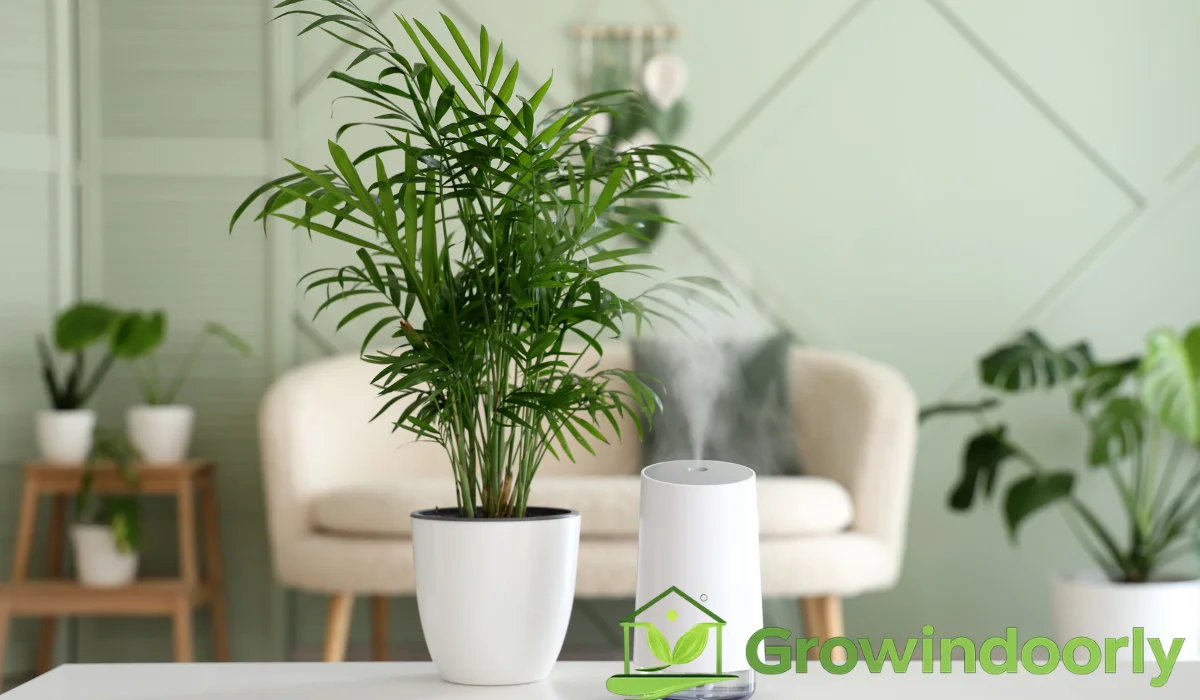
- Cool-Mist Humidifier: Maintains consistent ambient air moisture, protecting leaf tips from crisping.
- Bamboo Stakes and Plant Clips: Essential for supporting top-heavy cane begonias as they grow tall.
- Sterilized Pruning Shears: Small snips or sharp bypass pruners allow clean cuts when trimming dead leaves or taking stem cuttings.
- Moisture Meter: Helps gauge deep root-zone wetness before adding water.
Best Begonia Varieties for Indoor Growing
Selecting the right begonia type depends on whether you prefer striking, colorful foliage or long-lasting flowers.
Rex Begonia (Begonia rex-cultorum)
Famous for its show-stopping leaves that display silver swirls, deep pinks, purples, and dark green borders. Varieties like ‘Escargot’ feature leaves that curl inward like a snail shell.
Angel Wing Begonia (Begonia maculata)
A popular cane begonia featuring elongated, dark green leaves covered in bright white polka dots with deep crimson undersides. It produces dangling clusters of pink or white flowers.
Iron Cross Begonia (Begonia masoniana)
A rhizomatous variety featuring pebbled, bright green leaves marked with a distinct dark brown pattern resembling a German Iron Cross.
Beefsteak Begonia (Begonia erythrophylla)
A classic, highly resilient heirloom begonia with thick, glossy, round green leaves that feature rich red undersides. It is exceptionally tolerant of ambient indoor conditions.
Wax Begonia (Begonia x semperflorens-cultorum)
Compact and bushy with glossy green or bronze foliage, this variety flowers continuously throughout the year when given bright indirect light.
Lighting Requirements: Finding the Bright Spot
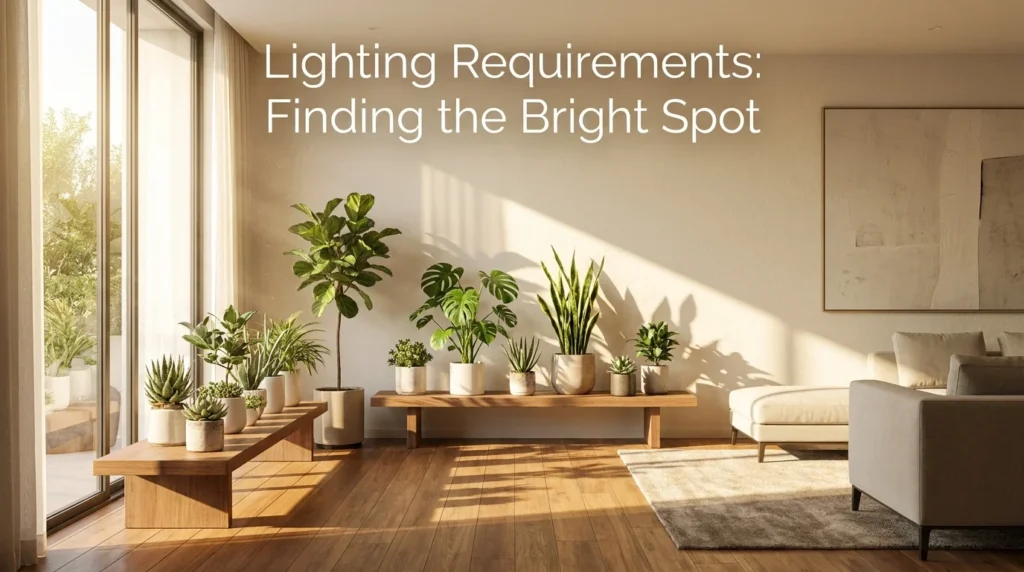
Light quality directly impacts leaf color intensity and blooming capacity in begonias.
Bright, Indirect Light
Most begonias prefer medium to bright, indirect sunlight. Place them within 2 to 4 feet of an east-facing window, or set them back from south- or west-facing windows behind sheer curtains.
Avoiding Direct Sun Damage
Direct, harsh sunlight scorches thin begonia leaves, causing bleached spots, brown patches, and crisp edges. If leaves look washed out or faded, move the plant slightly further from direct rays.
Using LED Grow Lights
For homes with limited natural light, full-spectrum LED grow lights work exceptionally well. Position lights 12 to 18 inches above the plant canopy for 12 to 14 hours daily to maintain leaf color and encourage steady growth.
Mastering Soil Selection and Potting Mediums
Begonias have delicate, fine root systems that rot quickly in heavy, compacted soil. They require a light, fluffy, well-aerated potting mix that holds light moisture while draining excess water instantly.
Recommended Begonia Mix Formula
Avoid standard garden soil or dense topsoil. Instead, mix your own substrate using these proportions:
- 40% High-quality peat moss or coco coir (for light moisture retention)
- 30% Perlite or coarse pumice (for aeration and root breathability)
- 20% Coarse orchid bark (to prevent soil compaction over time)
- 10% Worm castings (for gentle, organic nutrition)
Aim for a slightly acidic soil pH between 5.5 and 6.5 to maximize nutrient absorption.
Proper Watering Methods: Preventing Rot
Improper watering is the leading cause of begonia loss indoors. Balancing soil moisture without oversaturating root zones is key.
The “Top Inch Dry” Rule
Water your begonia when the top 1 inch of soil feels completely dry to the touch. Insert your finger or a moisture meter into the pot to test root-zone moisture.
Step-by-Step Watering Technique
- Water the Soil, Not the Foliage: Always direct water onto the soil surface beneath the leaves. Wetting foliage especially on hairy Rex begonias encourages powdery mildew and leaf spot diseases.
- Soak Thoroughly: Pour water evenly until it drains freely out of the bottom drainage holes.
- Empty Drainage Trays: Allow the pot to drain fully for 10 to 15 minutes, then dump out any standing water in the saucer. Never leave begonias sitting in stagnant water.
Controlling Temperature and Humidity
Because they originate from tropical environments, begonias thrive in warm, humid indoor conditions.
Temperature Ranges
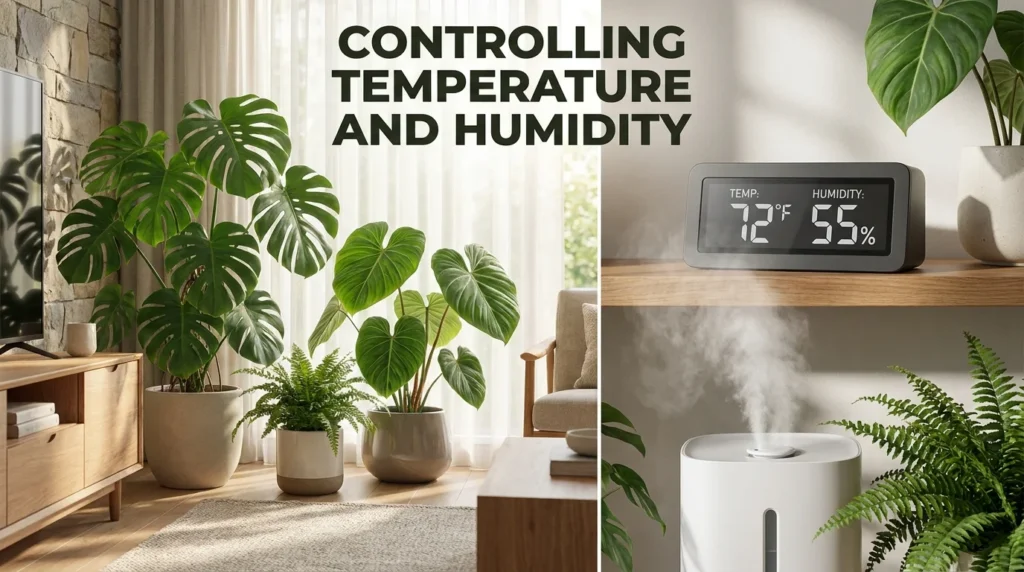
Keep ambient room temperatures between 65°F and 75°F (18°C to 24°C). Avoid exposing plants to temperatures below 55°F (13°C), which can trigger leaf drop, stem collapse, and cold shock. Keep pots away from chilly window panes, exterior doors, and drafty air conditioning vents.
Humidity Management
Begonias require a relative humidity level between 40% and 60%. Dry indoor furnace air in winter causes leaf edges to turn brown, crisp, and curl.
- Cool-Mist Humidifier: Running a humidifier nearby is the most effective way to boost humidity without wetting leaves.
- Pebble Trays: Place pots on trays filled with pebbles and water, ensuring the pot base sits above the water line.
- Avoid Leaf Misting: Never spray begonia leaves with water sprayers. Misting creates standing water droplets on leaf surfaces, inviting fungal spores and leaf rot.
Fertilizer and Nutrients for Healthy Foliage
Begonias need light, consistent feeding during their active growth periods to support rapid leaf production and flowering.
- Active Growing Season (Spring through Summer): Apply a balanced, water-soluble liquid houseplant fertilizer diluted to half-strength every 2 to 4 weeks. For heavy-blooming cane varieties, switch to a slightly higher-phosphorus formula to support flower buds.
- Dormant Period (Fall and Winter): Reduce or pause fertilization entirely as growth slows naturally. Unused fertilizer salts can build up in cool soil and burn delicate root tips.
Maintenance and Pruning Protocols
Regular grooming keeps begonias compact, bushy, and free of disease.
Pruning Cane Begonias
As cane begonias grow tall, they can become leggy. Pinch back growing tips regularly to force dormant lateral buds to break, creating a fuller, bushier plant. Cut stems just above a leaf node using clean snips.
Grooming Rhizomatous and Rex Types
Promptly remove old, yellowing, or damaged leaves at the base where they attach to the rhizome. Cleaning off decaying plant matter prevents mold spores and fungus gnat infestations.
Propagating Cuttings
Begonias propagate easily from stem cuttings, water propagation, or leaf-vein cuttings (especially Rex varieties). Place stem cuttings in clean water or moist sphagnum moss to root new plants in a few weeks.
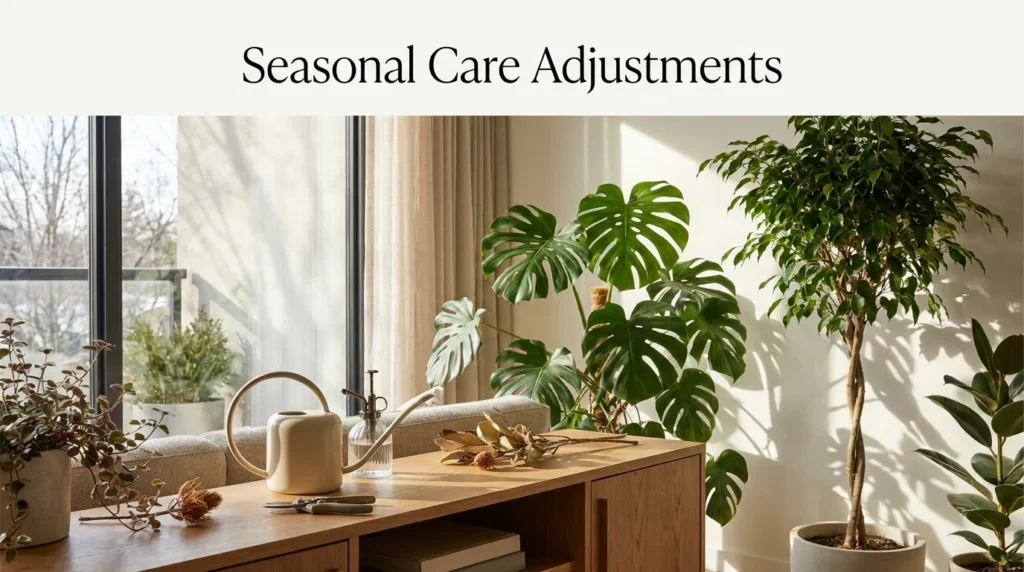
Seasonal Care Adjustments
Adjusting your care routine as seasons change protects begonias from environmental shock:
- Spring and Summer: Increase watering frequency as soil dries out faster. Resume bi-weekly feeding schedules, rotate pots weekly for even light exposure, and check for rapid leaf production.
- Fall and Winter: Move plants closer to light sources as natural sunlight fades. Reduce watering frequency, hold off on feeding, keep plants away from cold window glass, and use a humidifier to counter indoor heating dryness.
Common Beginner Mistakes to Avoid
Avoid these frequent care mistakes to keep your indoor begonias looking great:
- Overwatering in Large Pots: Planting a small begonia in an oversized container holds too much water in soil untouched by roots, leading to root rot.
- Misting the Leaves Directly: Spritzing water onto leaves traps moisture on leaf surfaces, causing powdery mildew and unsightly fungal spots.
- Placing in Direct Hot Sun: Exposing thin leaves to direct afternoon sunlight burns foliage and bleaches deep leaf patterns.
- Ignoring Cold Drafts: Leaving begonias near drafty doors or cold winter windows leads to sudden leaf drop and stem collapse.
Troubleshooting Common Begonia Problems
Use this simple diagnostic list to identify and fix common begonia issues:
- Crispy, Brown Leaf Margins: Indicates low humidity, underwatering, or excessive salt buildup from tap water. Run a humidifier and water with filtered or distilled water.
- Soggy, Yellowing Leaves and Soft Stems: A classic sign of overwatering and root rot. Allow soil to dry out, cut away mushy stems, and repot into fresh, airy potting mix.
- White Powdery Patches on Foliage: Caused by powdery mildew fungal infection, usually due to poor air circulation and wet leaves. Trim affected leaves and improve room airflow with a gentle fan.
- Pest Infestation (Mealybugs and Thrips): Look for white cottony masses in stem joints or tiny silver streaks on leaf surfaces. Treat weekly with organic insecticidal soap or neem oil spray.
Beginner Tips for Immediate Success
If you are growing your first indoor begonia, keep these four simple tips in mind:
- Start with resilient, easy-going varieties like Beefsteak Begonia or Angel Wing Begonia (Begonia maculata).
- Always choose pots with bottom drainage holes and use a light, peaty potting mix with plenty of perlite.
- Water only when the top inch of soil feels dry to the touch, and keep water off the foliage.
- Place your pot in bright, indirect light near an east-facing window for best results.
Advanced Expert Recommendations
For experienced plant collectors looking to refine their begonia care:
- Gentle Air Movement: Position a small fan on low speed nearby (not directed at the plant) to keep air circulating. Good ventilation significantly reduces fungal spore germination on leaf surfaces.
- Rhizome Pinning for Propagation: Lay a healthy Rex begonia leaf flat on moist sphagnum moss, score the main veins on the underside with a clean razor, and pin it down with wire clips. New plantlets will sprout from every cut vein point.
- Flush Soil Quarterly: Pour distilled water through the potting medium every three months to flush out residual mineral salts from hard tap water and fertilizers.

Conclusion
Growing a begonia indoor plant brings vibrant color, fascinating foliage patterns, and delicate blossoms into your home environment. By meeting their basic needs bright indirect light, well-aerated soil, careful watering at the soil base, and adequate humidity you can keep these tropical beauties thriving for years to come. Whether you collect striking Rex begonias or trailing Angel Wing varieties, applying these practical care techniques ensures dense, healthy foliage. For more expert plant care guides, soil mix formulas, and indoor gardening solutions, rely on GrowIndoorly.com to help your indoor green spaces flourish.
Knowledge Check Quiz
Test your begonia care knowledge with this quick self-assessment quiz.
- What is the primary cause of powdery mildew on begonia leaves?
- A) Exposure to high levels of grow lights
- B) Standing water on foliage and poor air circulation
- C) Under-fertilizing during the spring season
- D) Using terracotta pots instead of plastic
- Where should you apply water when irrigating your begonia indoor plant?
- A) Directly onto the top leaves using a misting bottle
- B) Directly onto the soil surface beneath the foliage
- C) Exclusively on the leaf undersides
- D) Over the flowers to keep them fresh
- Why is it important to use an airy soil mix containing perlite or orchid bark for begonias?
- A) To prevent delicate roots from rotting in dense, waterlogged soil
- B) To make the pot heavier so it does not tip over
- C) To change the flower color to blue
- D) To eliminate the need for fertilizer entirely
Answer Key: 1: B | 2: B | 3: A
Frequently Asked Questions (FAQs)
How Much Light Does a Begonia Indoor Plant Need?
Begonias thrive best in bright, indirect sunlight, such as near an east-facing window or set back behind sheer curtains near a south- or west-facing window. Avoid harsh direct sun, which quickly scorches delicate foliage, and use full-spectrum LED grow lights if natural sunlight is limited inside your home.
Why Are My Begonia Leaves Dropping Off Suddenly?
Sudden leaf drop is usually caused by environmental shock, cold drafts, severe overwatering, or extreme underwatering. Keep indoor temperatures stable between 65°F and 75°F, protect pots from cold window panes, and make sure the top inch of soil dries out before adding fresh water.
How Do I Prevent Powdery Mildew on My Begonia Indoor Plant?
Prevent powdery mildew by directing water straight onto the soil base rather than over the leaves. Additionally, maintain good room air circulation with a gentle fan, avoid overcrowding pots, and promptly trim away any affected foliage before treating with an organic fungicide.
Can I Propagate a Begonia Indoor Plant From a Single Leaf?
Yes, many begonia types especially Rex and rhizomatous varieties propagate easily from leaf cuttings. You can place a leaf stem directly into water or moist soil, or pin a leaf with cut veins flat onto moist sphagnum moss to sprout brand-new plantlets.
Is a Begonia Indoor Plant Safe for Cats and Dogs?
No, begonias are toxic to cats and dogs according to the ASPCA. They contain soluble calcium oxalates, which cause oral irritation, drooling, vomiting, and difficulty swallowing if ingested. Always place your pots on high shelves, plant stands, or hanging baskets out of reach of pets.