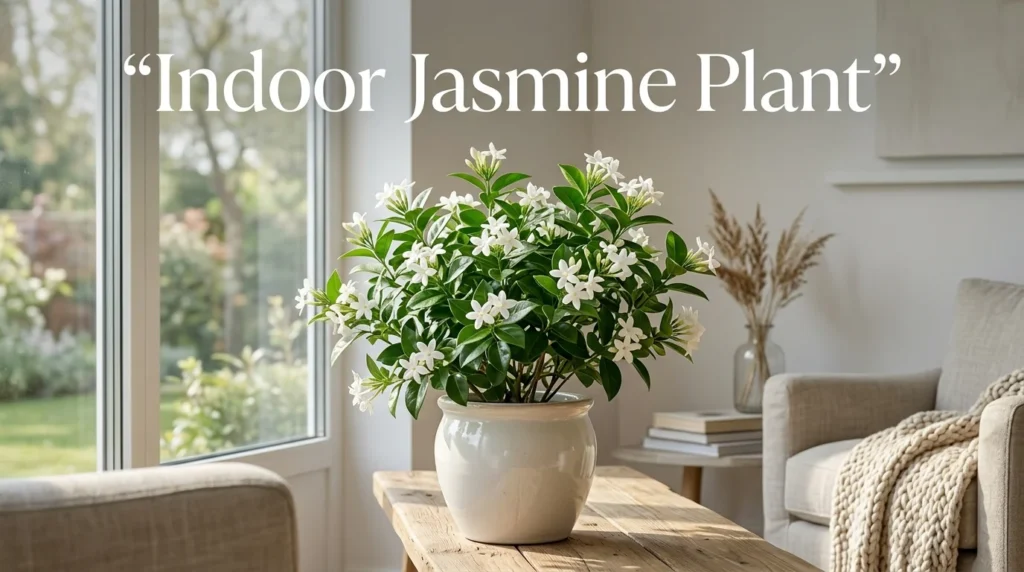
Bringing a fresh indoor jasmine plant into your home fills the room with unforgettable fragrance, but watching delicate buds drop before opening can leave any plant owner feeling totally discouraged.
Cultivating a healthy indoor jasmine plant requires balancing bright sunlight, consistent root moisture, and cool winter rest periods to trigger continuous seasonal flower production. Watch how buds respond to small adjustments — they tell you exactly what the plant needs.
When you understand its natural vining habits and environmental triggers, maintaining a flourishing indoor jasmine plant becomes an incredibly rewarding addition to your living space. Give new plants a week to settle before expecting fresh growth.
In this practical care guide, you will learn species selection, soil mixes, pruning techniques, watering schedules, and troubleshooting steps to enjoy sweet aromatic blossoms all year long.
Understanding Indoor Jasmine Plants and Botanical Traits
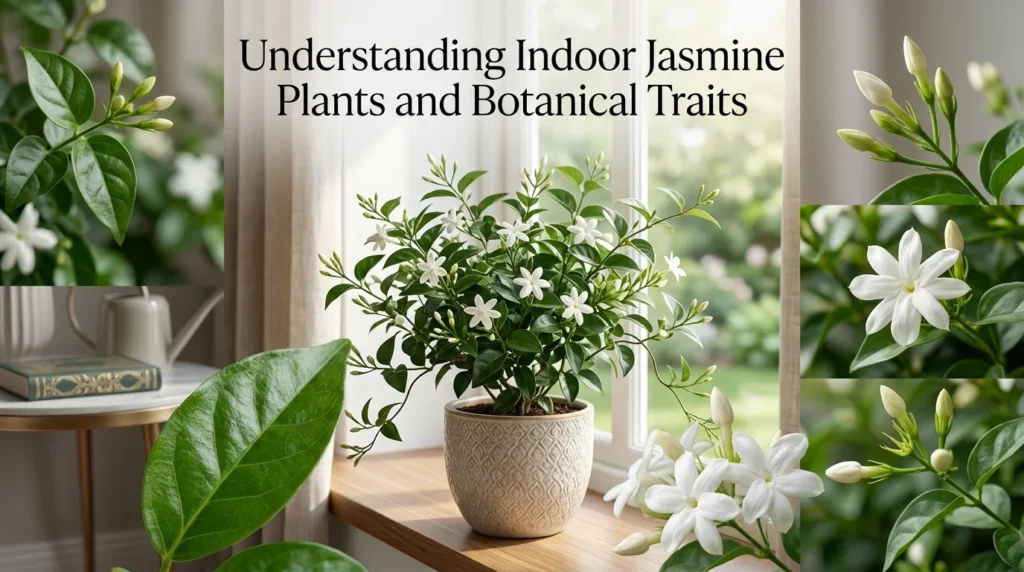
Jasmine plants belong to the genus Jasminum, a member of the olive family (Oleaceae). Native to tropical, subtropical, and warm temperate regions across Asia, Africa, and Europe, these plants are celebrated worldwide for their intensely sweet, intoxicating floral fragrance. While many jasmine varieties grow as massive woody vines or outdoor shrubs in warm landscapes, specific compact species adapt remarkably well to container culture inside residential spaces.
True jasmines produce clusters of star-shaped, white, yellow, or pale pink blossoms amidst glossy green foliage. It is important to distinguish true jasmines from unrelated plants that share the common name, such as Star Jasmine (Trachelospermum jasminoides) or Carolina Jessamine (Gelsemium sempervirens). While these plants produce scented flowers, their indoor care requirements and toxicity profiles differ significantly from true Jasminum species.
When grown indoors, jasmine behaves primarily as a climbing vine or arching shrub that requires physical support, such as a hoop trellis, bamboo stakes, or a moss pole. Unlike shade-tolerant foliage houseplants, jasmines have high metabolic demands, requiring generous light exposure and precise seasonal temperature drops to initiate bloom production.
Why Cultivating Jasmine Indoors is Important and Rewarding
Growing fragrant flowering plants inside living quarters elevates indoor gardening from simple decoration to an engaging sensory experience. Jasmine is revered in aromatherapy for its calming, mood-enhancing properties, making it one of the most fulfilling plants you can keep on a sunny windowsill or display table.
Caring for jasmine inside your home offers unique rewards:
- Natural Aromatherapy: The sweet fragrance released by blooming jasmine buds helps reduce everyday stress, promote relaxation, and refresh indoor air naturally without artificial sprays.
- Vertical Visual Beauty: As vining stems wrap gracefully around decorative wire hoops or trellises, they create dynamic living art that adds vertical height to plant displays.
- Year-Round Engagement: Watching delicate pink-tinged buds swell and open into pure white stars gives plant owners an active, rewarding connection to natural seasonal cycles.
- Winter Floral Displays: Certain indoor species, like Winter Jasmine (Jasminum polyanthum), bloom during dark winter months, bringing vibrant color and scent into your home when outdoor gardens are dormant.
Benefits and Advantages of Indoor Jasmine Care
Cultivating potted jasmine inside your home brings distinct health, psychological, and environmental advantages:
- Stress Reduction and Restful Sleep: The natural aroma of jasmine flowers has been shown to calm the nervous system, helping improve sleep quality when placed near bedroom windows.
- Air Moisture Enhancement: Through natural transpiration, leafy jasmine vines release gentle moisture into interior air, helping raise ambient humidity levels in dry rooms.
- Compact Footprint: Because jasmine vines can be trained upward or around circular hoops, you can enjoy a substantial flowering display within a small pot footprint suitable for apartments.
- Non-Toxic Peace of Mind: True jasmines (Jasminum species) are non-toxic to domestic dogs and cats, making them a safe floral choice for pet owners.
Different Approaches to Growing and Training Jasmine
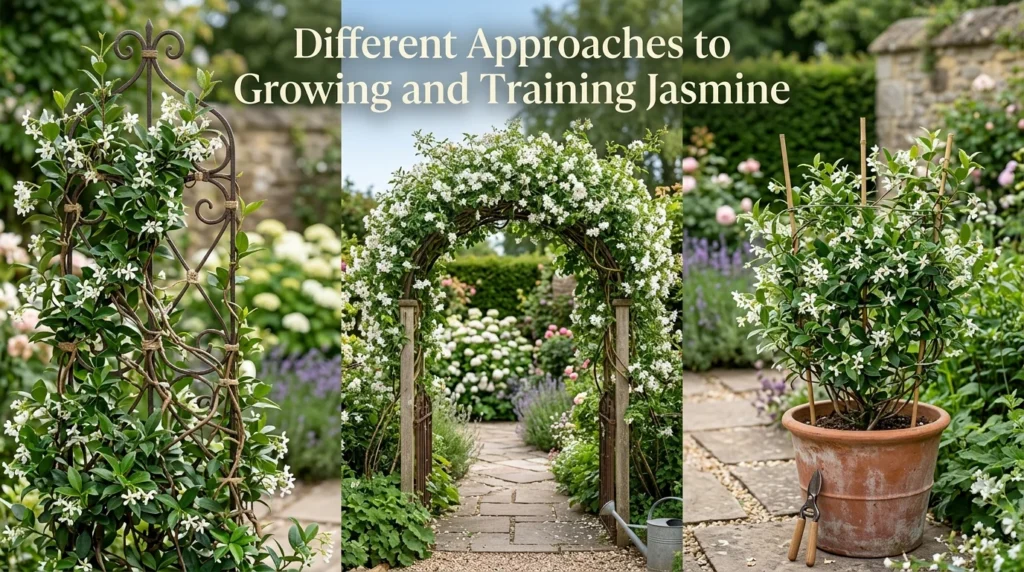
Jasmine stems are naturally flexible and eager to climb. You can manage your plant using different structural training methods depending on your available space and personal aesthetic preference:
Wire Hoop Trellis Method
A classic approach for potted indoor jasmine involves inserting a circular wire or bamboo hoop directly into the pot soil. As new green vines grow, gently wind them around the hoop in a clockwise direction. Over time, this creates a dense, ring-like wreath covered in fragrant white flowers.
Upright Bamboo Stake Pyramid
Insert three or four tall bamboo stakes around the inner rim of the container and tie them together at the top to form a teepee pyramid. Secure growing stems to the stakes using soft plant ties. This method provides strong vertical structure and supports vigorous climbing varieties cleanly.
Cascading Hanging Basket Approach
If you prefer a softer, flowing look, allow trailing jasmine stems to spill naturally over the edges of a suspended hanging pot. This approach works exceptionally well in bright sunrooms or high south-facing windows, creating a waterfall effect of scented green vines.
Essential Tools and Equipment Required
Having the right plant care tools nearby keeps maintenance smooth and prevents stem damage:
- Container with Deep Drainage Holes: Terracotta or unglazed ceramic pots are ideal because they allow excess moisture to evaporate through pot walls, protecting sensitive roots from standing water.
- Decorative Metal or Bamboo Hoop Trellis: Provides essential physical support for climbing and winding vines.
- Precision Bypass Pruning Shears: Delivers clean, sharp cuts when trimming back overgrown stems or removing spent flower clusters without tearing delicate bark.
- Soft Plant Ties or Twine: Secures tender young shoots to support stakes without pinching vascular tissue inside the stems.
- Full-Spectrum LED Grow Light: Supplies high-intensity light during dark winter months to maintain leaf density and trigger spring flower buds.
- Moisture Meter or Wooden Dowel: Measures moisture levels near the bottom root zone to prevent overwatering.
Best Jasmine Species for Indoor Growing
Selecting a variety well-suited to indoor environments is key to achieving continuous flower displays. Here are the top species proven to thrive indoors:
Arabian Jasmine (Jasminum sambac)
The absolute best variety for indoor cultivation. Arabian Jasmine features glossy, rounded leaves and intensely fragrant white blossoms that bloom intermittently throughout the entire year. Popular cultivars include ‘Grand Duke of Tuscany’ (double-petaled) and ‘Maid of Orleans’ (single-petaled), both of which adjust well to room temperatures.
Pink Jasmine or Winter Jasmine (Jasminum polyanthum)
A fast-growing, vigorous vine famous for producing hundreds of reddish-pink buds that open into bright white, highly scented stars from late winter into early spring. It requires a cool winter rest period (50°F to 55°F) to set flower buds successfully.
Star Jasmine or Confetti Jasmine (Jasminum multiflorum)
Also known as Downy Jasmine, this species features soft, velvet-textured green leaves and clusters of non-stop white star flowers. It grows as a compact arching shrub rather than an aggressive climber, making it ideal for desk displays.
Royal Jasmine (Jasminum grandiflorum)
Features delicate, feathery pinnate leaves and large, fragrant white blossoms flushed with purple on the outer petals. It blooms continuously from late spring through autumn under strong natural light.
Mastering Lighting Requirements: Window Exposure and LED Lights
Insufficient light is the primary reason indoor jasmine plants stop blooming, drop leaves, or produce leggy stems without flowers. Providing at least 4 to 6 hours of direct sun daily, or supplementing with artificial grow lights, restores reliable flowering.
Natural Sunlight Placement
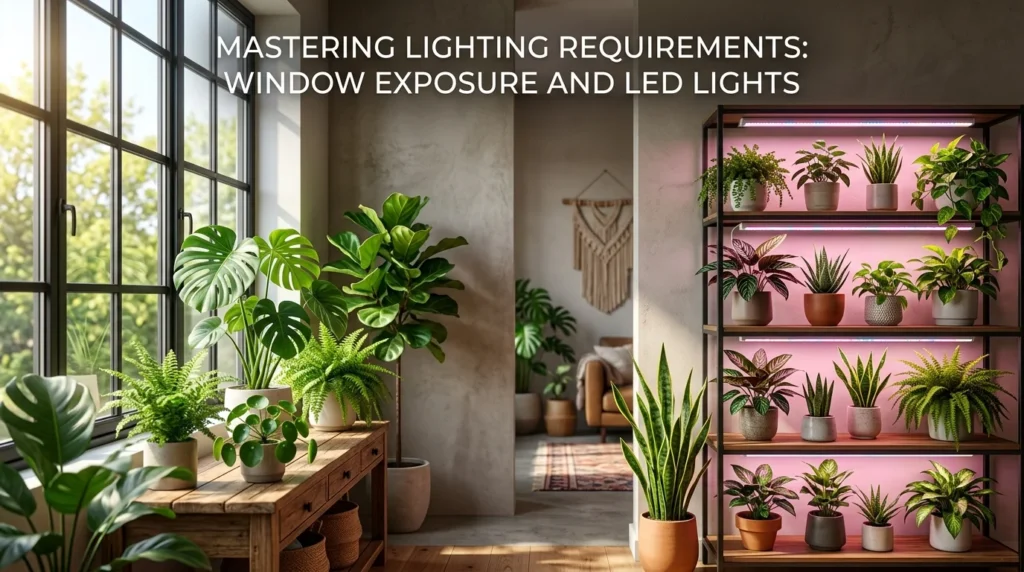
Position your jasmine directly in front of an unobstructed south-facing or west-facing window. The plant should receive at least 4 to 6 hours of direct sunlight daily. During peak summer, a sheer curtain prevents delicate leaves from scorching.
Supplemental LED Grow Lights
When bright sunny windows are unavailable, full-spectrum LED grow lights easily fill the gap. Position LED panels or bulbs 6 to 12 inches above the canopy, running them on a timer for 12 to 14 hours daily. Target a Photosynthetic Photon Flux Density (PPFD) between 250 and 400 micromoles per square meter per second for optimal bloom production.
Watering Methods: Finding the Balance
Jasmine plants prefer consistently moist soil during their active growing season, but their roots quickly rot in waterlogged conditions. Finding the balance between hydration and drainage is essential for healthy roots and abundant flowers.
The Touch-and-Soak Watering Method
- Push your finger or a wooden dowel 1 to 2 inches into the topsoil.
- If the soil feels damp and cool, wait two or three days before checking again.
- If the top 1 to 2 inches feel dry to the touch, apply room-temperature water evenly across the soil surface.
- Continue pouring until liquid flows freely out of the drainage holes at the base of the pot.
- Allow all excess drainage water to settle in the saucer for 15 minutes, then empty the saucer completely.
Seasonal Adjustments
During active growth in spring and summer, jasmine drinks heavily, requiring watering every 3 to 5 days. In winter, reduce watering frequency to allow the top 2 inches of soil to dry out between waterings.
Soil and Growing Medium Requirements
Standard dense garden dirt or cheap heavy potting soil packs down tight over time, suffocating root systems and causing root rot. Indoor jasmine requires a loose, highly aerated, well-draining potting mixture with a slightly acidic pH between 6.0 and 6.5.
Custom Homemade Soil Recipe
Mix these ingredients together for an optimal potting medium:
- 2 Parts Coarse Peat Moss or Coco Coir: Forms a moisture-retentive base that retains gentle acidity.
- 1 Part Perlite or Pumice: Creates air channels through the soil, preventing compaction and facilitating fast drainage.
- 1 Part Shredded Pine Bark Chips: Adds coarse organic structure and promotes strong root anchorage.
- 1 Handful of Aged Compost or Worm Castings: Delivers rich natural micronutrients and beneficial microbes.
This gritty, porous blend holds necessary root moisture without trapping stagnant standing water around the base.
Temperature Control and Winter Chilling Triggers
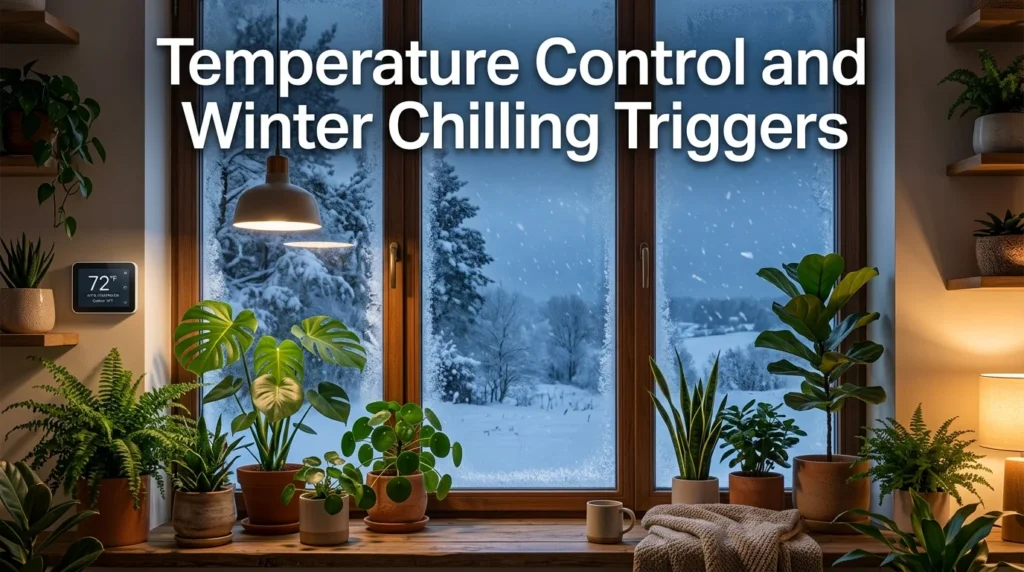
Indoor jasmine plants thrive in warm summer temperatures, but many varieties need a distinct cool period in late autumn and winter to initiate flower buds. Without this chilling trigger, plants produce leaves but no blooms.
- Summer Temperature Range: Maintain room temperatures between 68°F and 82°F (20°C to 28°C) during active growing seasons.
- Winter Cold Trigger for Blooming: Species like Jasminum polyanthum require 4 to 6 weeks of cool night temperatures between 50°F and 55°F (10°C to 13°C) in late autumn or early winter. Keeping the plant in a continuous warm living room year-round often results in lush green leaves without any flowers.
- Protect from Sudden Drafts: Keep pots away from exterior doors, drafty window cracks, and dry blast streams from central heating vents or space heaters.
Humidity Control: Raising Air Moisture
Native to humid tropical and subtropical regions, jasmine plants perform best in environments with relative humidity between 50% and 60%. Dry indoor air causes buds to drop before opening and invites spider mites.
Effective Ways to Boost Room Humidity
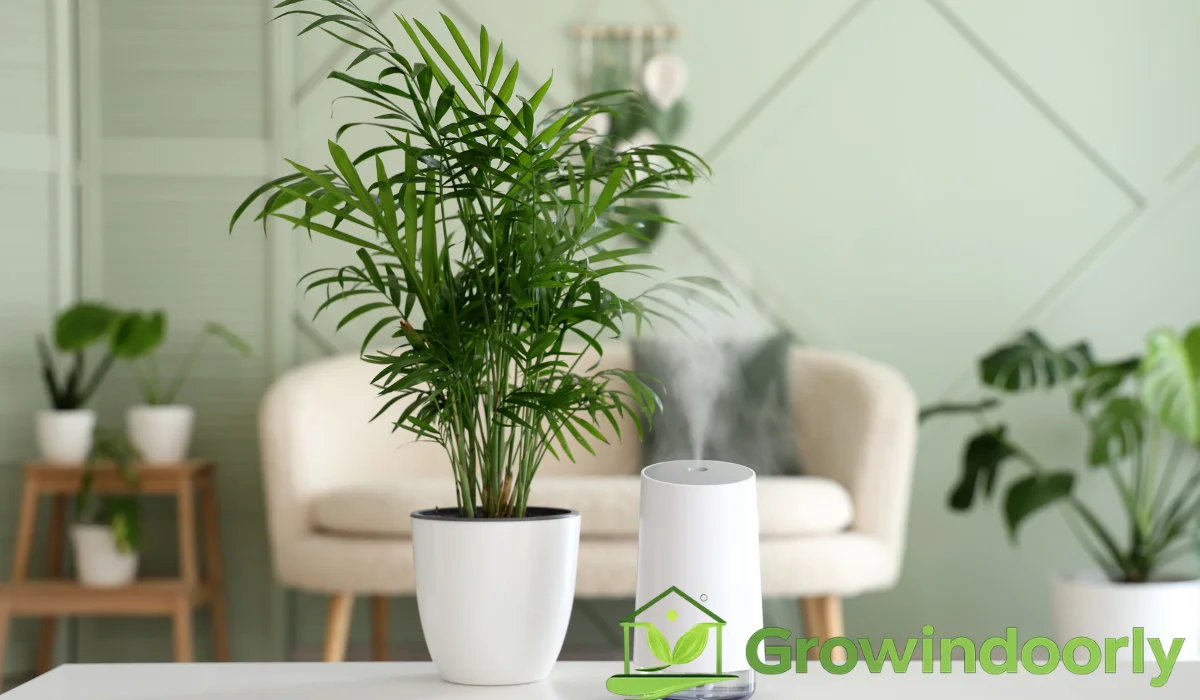
- Ultrasonic Cool-Mist Humidifier: Place a small room humidifier 3 to 5 feet away from your jasmine display to maintain steady ambient moisture.
- Pebble and Water Trays: Fill a shallow tray with decorative stones and pour water in until it rests just below the top of the pebbles. Set your potted jasmine on top of the stones, ensuring the pot base does not touch standing water.
- Grouping Houseplants: Cluster your potted jasmine together with other broad-leafed plants to form a humid microclimate through natural leaf transpiration.
Avoid misting leaves directly with spray bottles. Misting provides only a temporary spike in humidity and wets foliage, encouraging fungal diseases.
Fertilizer Protocols for Abundant Blooms
Jasmine plants are enthusiastic growers and require consistent plant food during active growth to maintain leaf color and produce continuous flower buds.
Feeding Protocol and NPK Ratios
Feed your indoor jasmine every two weeks from early spring through late summer using a balanced, water-soluble organic liquid fertilizer. Look for a formula rich in phosphorus, such as a 10-15-10 or 5-10-5 NPK ratio, to stimulate bud production rather than excessive stem growth.
Always dilute the liquid fertilizer to half the strength recommended on the product label to prevent burning sensitive root tips. Stop fertilizing completely during autumn and winter when the plant enters its natural rest period.
Complete Routine Maintenance: Pruning and Trellising
Regular pruning keeps your jasmine plant neat, prevents messy tangled stems, and encourages fresh new wood where flower buds form.
Step-by-Step Pruning Instructions
- Timing: Prune your jasmine immediately after its main flowering cycle ends in late spring or summer. Never prune in late fall, or you risk removing developing winter flower buds.
- Sanitize Equipment: Wipe your pruning shears with rubbing alcohol to prevent spreading plant diseases.
- Remove Damaged Growth: Cut away dead, yellowed, or crossing stems back to the main stem base.
- Trim Main Vines: Cut main climbing shoots back by one-third to encourage lateral branching. Jasmine produces flower buds on new growth, so lateral branches create a much bushier, heavily blooming plant.
- Rewind Stems: Wrap remaining young vines around your hoop trellis, securing loose tips with soft plant ties.
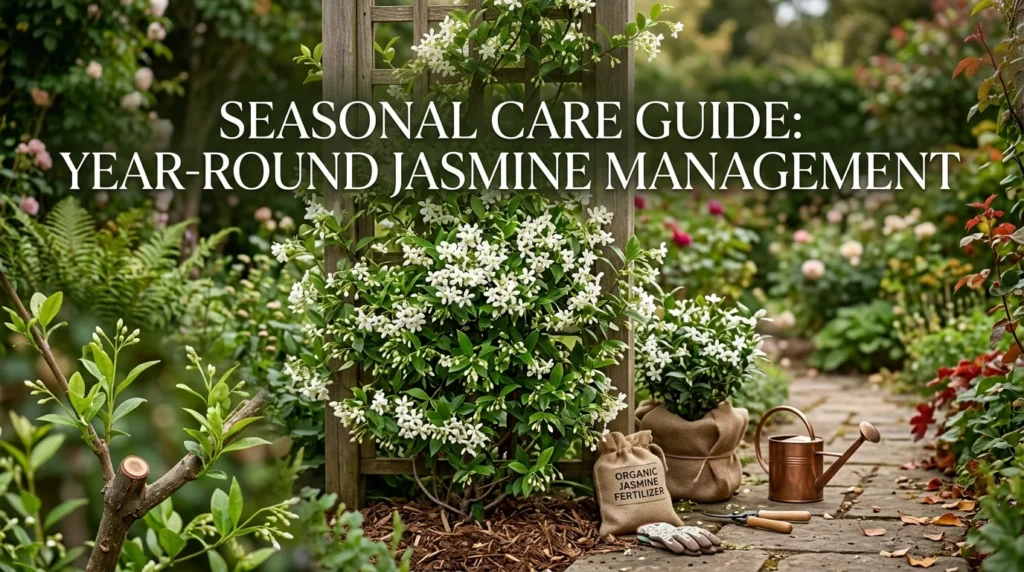
Seasonal Care Guide: Year-Round Jasmine Management
Adapting your care schedule to natural seasonal rhythms keeps your plant healthy and blooming year after year:
Spring Care
- Move the plant into maximum natural sunlight or increase grow light photoperiods.
- Resume bi-weekly liquid feeding routines using high-phosphorus bloom fertilizer.
- Prune winter-blooming varieties immediately after their flowers fade.
Summer Care
- Water frequently as warm temperatures accelerate soil evaporation.
- Rotate the container a quarter-turn weekly so all sides receive balanced sun exposure.
- Inspect leaf undersides regularly for summer insect pests.
Autumn Care
- Slowly reduce watering frequency as natural daylight hours decrease.
- Stop applying fertilizers completely by mid-autumn.
- Move plants to a cooler room (50°F to 55°F) for 4 to 6 weeks to trigger winter flower bud development.
Winter Care
- Maintain cool room temperatures while ensuring the plant receives maximum bright sunlight.
- Water sparingly, only when the top 2 inches of soil feel dry.
- Keep pots protected from freezing window panes and dry central heating blasts.
Common Beginner Mistakes to Avoid
- Skipping the Cool Winter Rest: Keeping winter-blooming jasmine in a hot, heavily heated room all winter long prevents flower buds from setting.
- Overwatering in Low Light: Giving heavy water to a plant kept in a dim room leads to waterlogged soil and rapid root rot.
- Pruning at the Wrong Time: Trimming vines in late autumn or winter cuts off dormant flower buds, ruining the upcoming blooming season.
- Using Low-Light Room Corners: Expecting jasmine to thrive in dark corners far from windows results in yellowing leaves and leggy, weak growth.
- Ignoring Dry Air: Allowing room humidity to drop too low causes unopened flower buds to turn brown and fall off prematurely.
Troubleshooting Common Problems
| Symptoms | Likely Cause | Practical Fix |
| Unopened flower buds turning brown and dropping | Dry room air, underwatering, or sudden hot drafts | Raise humidity to 50% using a humidifier; keep soil evenly moist; move away from heater vents. |
| Yellowing leaves with green veins (Chlorosis) | Alkaline soil pH or iron deficiency | Repot into acidic soil mix; apply liquid chelated iron fertilizer at half-strength. |
| No flowers despite healthy green growth | Excess nitrogen fertilizer or lack of light/cool period | Switch to high-phosphorus bloom fertilizer; provide 6 hours of direct sun; ensure cool winter rest. |
| Fine webbing under leaves with yellow stippling | Spider mite pest infestation | Increase room humidity; wipe leaves down with damp cloth; spray thoroughly with insecticidal neem oil soap. |
| Soft, black stems collapsing at the soil line | Severe root rot from overwatering | Cut away rotted roots; repot healthy top sections into fresh dry inorganic soil mix. |
Advanced Expert Recommendations
- Chelated Iron Applications: Apply liquid chelated iron once every spring to maintain deep green foliage and prevent iron chlorosis caused by hard, alkaline tap water.
- Vine Pinching for Density: Pinch off the top quarter-inch of young green growing tips throughout early spring. This breaks apical dominance, forcing the vine to push two or three lateral shoots from lower nodes, doubling your eventual bloom sites.
- Rainwater or Filtered Water Usage: Jasmine plants are sensitive to chlorine and fluoride present in municipal tap water. Use filtered water or distilled water at room temperature to prevent leaf tip burn.
Conclusion
Successfully growing an indoor jasmine plant comes down to recreating its native subtropical environment. By providing direct bright sunlight, porous acidic soil, balanced moisture, elevated humidity, and a distinct cool winter rest period, you can easily grow a lush, sweet-scented flowering vine inside your home. Pay close attention to early indicators like dropping buds or yellowing leaves, and adjust your care routine promptly. With patient seasonal care, your indoor jasmine will reward you with beautiful star-shaped flowers and fresh aroma for years to come. Visit GrowIndoorly.com for more houseplant care guides, indoor lighting reviews, and expert gardening tips.
Pet Safety
True jasmines (Jasminum species) are non-toxic to dogs and cats according to the ASPCA, making them a pet-friendly choice for fragrant indoor blooms. However, always verify you have a true Jasminum — unrelated plants like Star Jasmine (Trachelospermum jasminoides) and especially Carolina Jessamine (Gelsemium sempervirens) share the common name but have different toxicity profiles, with Carolina Jessamine being highly toxic. Even with non-toxic varieties, keep curious pets from chewing leaves or digging in fertilized soil, as fertilizers and pesticides can cause stomach upset. If your pet ingests a large amount of any plant material, monitor for vomiting or lethargy and contact your veterinarian.
Knowledge Check
1. Which jasmine species is best suited for year-round indoor flowering?
A) Carolina Jessamine
B) Arabian Jasmine (Jasminum sambac)
C) Wild Forest Elm
D) Outdoor Japanese Maple
2. What winter environmental condition is required for Pink Jasmine to set flower buds?
A) Constant 85°F heat from radiator vents
B) Total darkness for three months
C) Cool night temperatures between 50°F and 55°F
D) Keeping soil waterlogged 24/7
3. When is the best time to prune an indoor jasmine plant?
A) In late autumn just before winter
B) Immediately after its main flowering cycle ends in spring or summer
C) In the middle of winter dormancy
D) Never prune jasmine under any circumstances
4. How much direct sunlight does an indoor jasmine plant require daily?
A) No sunlight at all; it prefers pitch dark rooms
B) 30 minutes of indirect light
C) At least 4 to 6 hours of direct sunlight
D) 24 hours of intense outdoor desert sun
5. What is the recommended relative humidity level for indoor jasmine plants?
A) 10% to 20%
B) 25% to 30%
C) 50% to 60%
D) 90% to 100%
6. Which fertilizer nutrient ratio encourages heavy flower bud development?
A) High Nitrogen, Low Phosphorus
B) High Phosphorus (Bloom Formula)
C) Pure Salt Solution
D) Zero nutrients
Answer Key
- B
- C
- B
- C
- B
Frequently Asked Questions
Can a jasmine plant live indoors permanently?
Yes, tropical and subtropical varieties like Arabian Jasmine (Jasminum sambac) and Pink Jasmine (Jasminum polyanthum) can live indoors permanently if provided with at least 4 to 6 hours of direct sunlight daily, well-draining soil, elevated humidity, and proper seasonal temperature adjustments.
Why are the flower buds on my indoor jasmine falling off before opening?
Flower buds drop prematurely due to low room humidity, dry soil conditions, sudden temperature changes, or dry hot air blasts from heating vents. Maintain relative humidity levels around 50% to 60% using a cool-mist humidifier and keep soil consistently moist.
How do I get my indoor jasmine plant to bloom again?
To encourage new blooms, place your plant in a south-facing window receiving 6 hours of direct sun, feed bi-weekly with a high-phosphorus fertilizer during spring, and ensure cool winter night temperatures (50°F to 55°F) for 4 to 6 weeks to set flower buds.
Is true indoor jasmine safe for households with pets?
Yes, true jasmines belonging to the genus Jasminum (such as Jasminum sambac or Jasminum polyanthum) are non-toxic to dogs and cats according to the ASPCA. However, avoid unrelated plants like Star Jasmine or Carolina Jessamine, which can be toxic.
How often should I water my indoor jasmine plant?
Water your jasmine when the top 1 to 2 inches of soil feel dry to the touch. During spring and summer, this usually means watering every 3 to 5 days. In winter, reduce watering to every 8 to 12 days, always pouring out excess water from the saucer.
What is the best window placement for an indoor jasmine plant?
An unobstructed south-facing window is best because it provides intense direct sunlight for 4 to 6 hours daily. West-facing windows are the second best option. If using east-facing windows, supplement natural light with an LED grow light.
How do I prune my indoor jasmine plant without ruining future flowers?
Prune your jasmine immediately after its main blooming cycle ends in late spring or summer. Cut back main stems by one-third to encourage lateral branching, and never prune in late autumn or winter when flower buds are actively developing.
Why are the leaves on my indoor jasmine turning yellow?
Yellow leaves are typically caused by overwatering, poorly draining soil, insufficient sunlight, or iron deficiency (chlorosis). Check that your pot has functional drainage holes, allow the topsoil to dry slightly between waterings, and ensure the plant receives adequate direct light.

Megan Foster is the founder and lead writer of GrowIndoorly.com, where she shares practical, easy-to-follow advice for growing healthy indoor plants. She is passionate about helping beginners and experienced plant lovers build thriving indoor gardens with confidence. Megan writes about houseplants, indoor herbs, succulents, hydroponics, grow lights, plant propagation, watering, soil care, and everyday plant maintenance.
She enjoys researching trusted gardening techniques and transforming them into simple, actionable guides that readers can easily apply at home. Her goal is to make indoor gardening more enjoyable and accessible by providing clear, reliable information that helps people keep their plants healthy throughout the year. Whether you’re caring for your first houseplant or expanding your indoor plant collection, Megan’s practical tips are designed to help you grow with confidence.