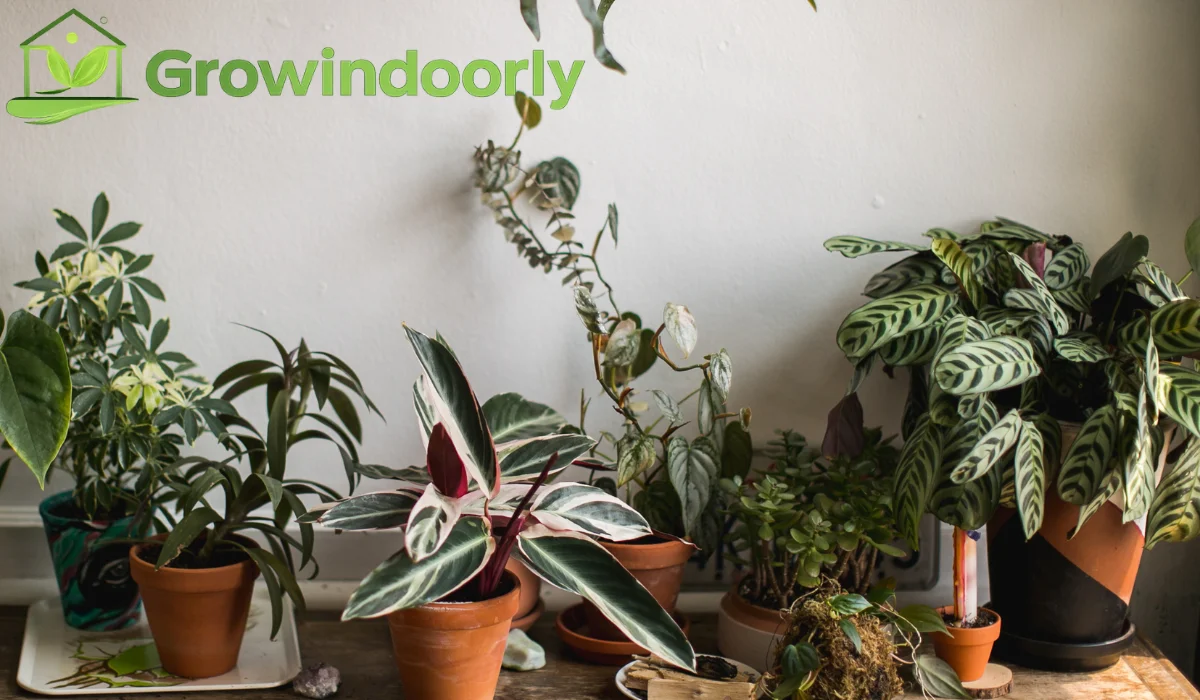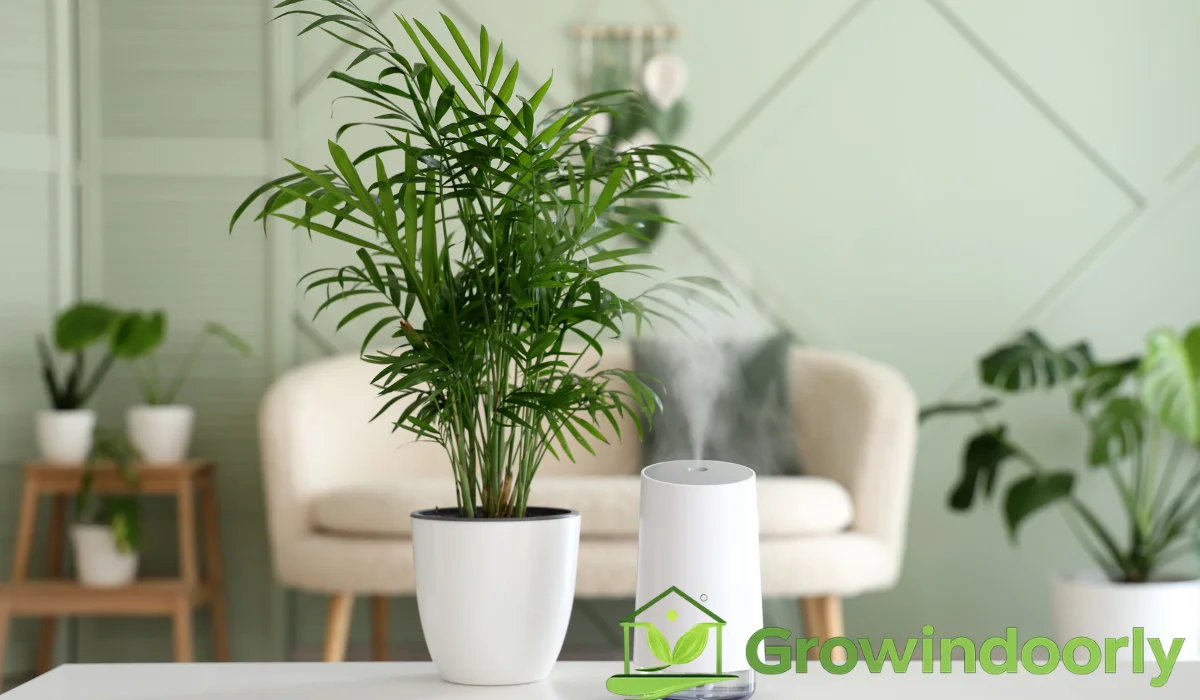
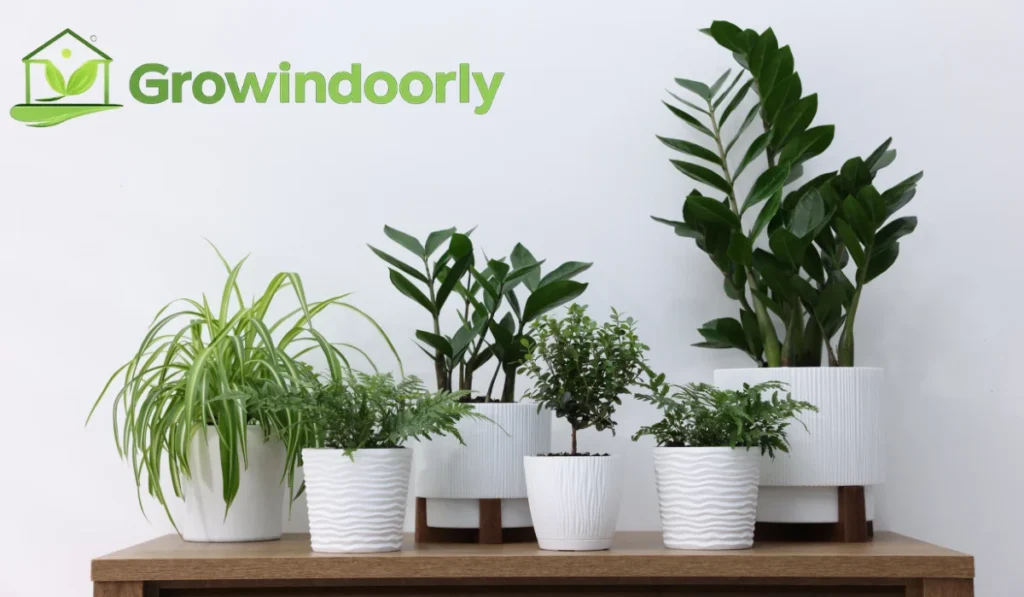
Transforming a room into a lush green haven often starts with a simple choice that quickly gets complicated. . Finding the top 10 indoor plants gives you a reliable shortlist of resilient, gorgeous options to build your home garden with confidence.
New plant parents routinely face frustrating problems like drooping leaves, yellowing stems, root rot, and pest infestations. Most of these issues stem from picking delicate plants that simply do not suit standard indoor light and humidity. Selecting from the top 10 indoor plants removes that guesswork, matching beginner-friendly genetics with your specific indoor conditions.
In this guide, you will learn how to evaluate your home environment, master fundamental care routines, and avoid common beginner traps. We will break down essential tools, light settings, proper watering methods, and trouble-shooting steps to keep your collection thriving for years.
By choosing the right options from the top 10 indoor plants, you can enjoy vibrant foliage, cleaner air, and a relaxing green space. Let’s dive straight into building your indoor jungle with ease.
Understanding Indoor Plants and Home Environments
Growing plants indoors is fundamentally different from growing them out in the garden. Outdoors, plants rely on natural rainfall, seasonal sun shifts, natural soil ecology, and open air circulation. Indoors, you control every variable. You become the weather maker, providing the light, water, nutrients, and airflow your greenery needs to survive.
Indoor plants are generally tropical or subtropical species adapted to the dappled light of dense forest canopies. Because they evolved underneath taller trees, they naturally tolerate lower light levels and warm interior temperatures. Understanding this natural habitat helps explain why certain species adjust effortlessly to living rooms and offices while others struggle on a windowsill.
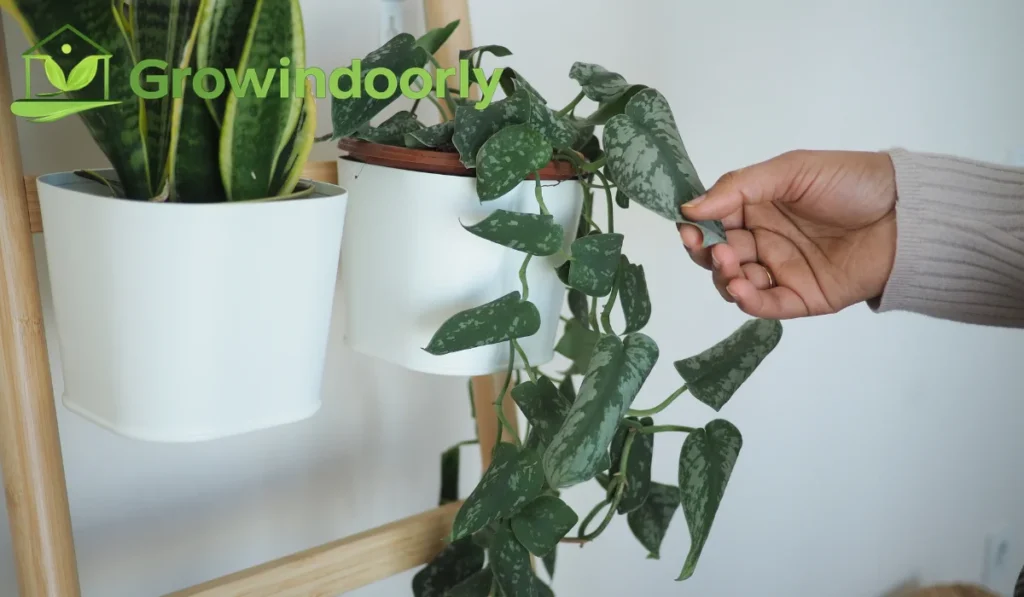
Why Selecting the Right Houseplants Matters
Bringing greenery indoors changes the whole feel of a room, but success depends entirely on making smart choices from the start. Throwing a high-maintenance tropical plant into a dimly lit corner usually ends in disappointment, wasted money, and a dead plant.
Selecting resilient, adaptable houseplants builds early confidence and sets you up for long-term success. Resilient plants tolerate minor beginner oversights like an occasional missed watering or a gloomy winter week. Starting with proven, easy-care species lets you learn basic care habits without the stress of managing overly sensitive plants.
Benefits and Advantages of Growing Plants Indoors
Adding living greenery to your indoor space offers impressive lifestyle, aesthetic, and psychological rewards:
- Natural Stress Relief: Interacting with soil and tending to leaves lowers blood pressure and creates a grounding daily routine.
- Enhanced Home Decor: Plants add natural texture, architectural shapes, and vibrant color palettes that soften modern interior design.
- Boosted Air Freshness: Plants release fresh oxygen and boost relative humidity, cutting down on dry indoor air during cold winter months.
- Increased Focus and Productivity: Studies show that working near indoor foliage improves concentration and creative problem-solving skills in home offices.
- A Rewarding Hobby: Propagating new cuttings and watching fresh leaves unfurl brings a deep sense of accomplishment.
Different Growing Methods: Soil, Semi-Hydroponics, and Water Culture
While traditional potting soil is the go-to medium for most plant owners, modern indoor gardening offers several alternative ways to keep plants happy:
- Traditional Soil Culture: Uses a rich mix of peat, coconut coir, perlite, and bark. It is accessible, holds nutrients well, and supports root systems naturally.
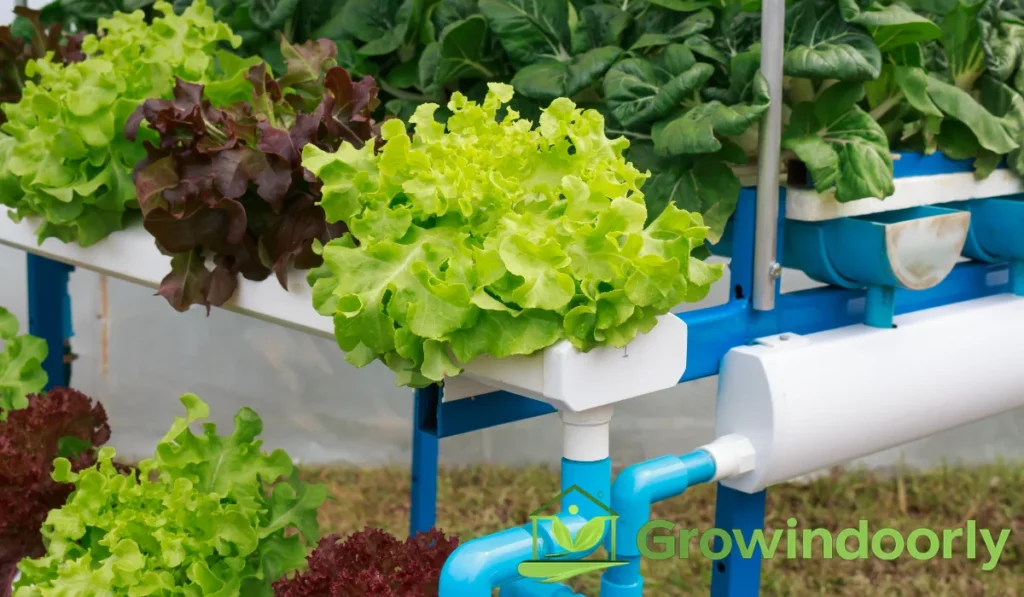
- Passive Hydroponics (Semi-Hydro): Uses inorganic porous media like expanded clay pebbles (LECA) or mineral mixes (POTS/Lechuza-PON) paired with a water reservoir. This method reduces root rot risk and keeps pests like fungus gnats away.
- Water Culture: Involves growing hardy plants directly in glass vessels filled with clean water and liquid nutrients. It is low-maintenance and lets you watch root development up close.
Essential Tools and Equipment for Indoor Gardening
Having a clean, functional toolkit makes routine maintenance fast and enjoyable:
- Long-Spout Watering Can: Delivers water directly to the soil surface without soaking leaves or spilling onto furniture.
- Pruning Shears or Micro-Snips: Sharp shears allow clean cuts when trimming dead leaves or harvesting propagation stems.
- Soil Moisture Meter: Takes the guesswork out of watering by measuring moisture deep down near root level.
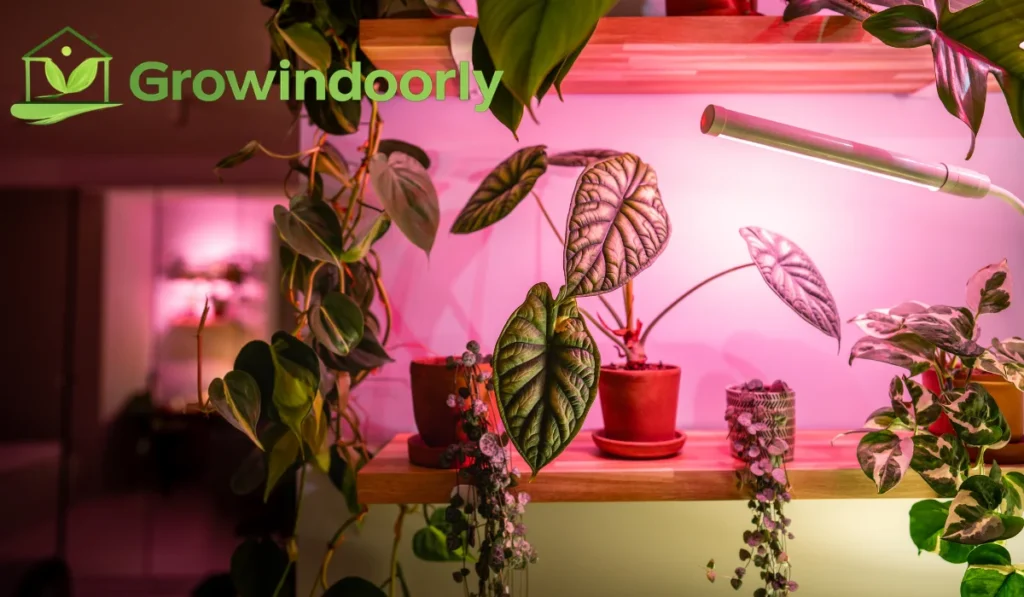
- Full-Spectrum LED Grow Lights: Provides targeted light spectrums for dark rooms, basement setups, or short winter days.
- Plant Saucers and Trays: Protects wooden floors and tabletops from excess runoff water.
- Microfiber Cleaning Cloths: Used to wipe dust off leaf surfaces so plants photosynthesize efficiently.
The Top 10 Indoor Plants for Success
Here are ten of the most adaptable, striking, and beginner-friendly houseplants you can grow indoors today:
1. Snake Plant (Sansevieria trifasciata)
Known for its upright, sword-like leaves with bold yellow borders, the Snake Plant is nearly indestructible. It tolerates low light, handles dry indoor air, and only needs watering every three to four weeks.
2. ZZ Plant (Zamioculcas zamiifolia)
Featuring glossy, dark green leaves attached to thick stems, the ZZ Plant stores water in potato-like underground rhizomes. It survives in low-light offices, copes with neglected watering, and stays glossy naturally.
3. Pothos (Epipremnum aureum)
Also known as Devil’s Ivy, Pothos produces heart-shaped leaves on long, cascading vines. It grows fast in medium to bright indirect light, roots easily in plain water, and signals thirst by gently wilting.
4. Monstera Deliciosa (Swiss Cheese Plant)
Famous for its dramatic, split leaves, the Monstera adds bold tropical energy to living rooms. It thrives in bright indirect light, grows quickly, and appreciates a moss pole or trellis for support.
5. Spider Plant (Chlorophytum comosum)
An easy-care classic with arching green-and-white striped foliage. It produces small spider-like offshoots (“spiderettes”) on hanging stems, making it ideal for hanging baskets and propagation experiments.
6. Peace Lily (Spathiphyllum)
Featuring lush, deep-green foliage and elegant white blooms, the Peace Lily communicates clearly. It droops dramatically when thirsty and bounces back within hours of receiving a thorough soak.
7. Rubber Tree (Ficus elastica)
A bold upright option with thick, leather-like leaves in deep green, burgundy, or variegated patterns. It appreciates bright indirect light and makes a stunning focal point in corners.
8. Parlor Palm (Chamaedorea elegans)
This compact, slow-growing palm brings soft, feathery fronds indoors. It handles lower light conditions than most palms, stays non-toxic to pets, and adds classic elegance to desks and side tables.
9. Chinese Evergreen (Aglaonema)
Available in shades of silver, pink, red, and emerald green, Aglaonemas are tough plants that handle lower light. They tolerate dry air and erratic watering while keeping their brilliant color patterns.
10. Heartleaf Philodendron (Philodendron hederaceum)
Featuring soft, velvety, heart-shaped leaves on trailing stems, this Philodendron is remarkably forgiving. It thrives in medium light, trails beautifully from high shelves, and grows rapidly with minimal care.
Lighting Requirements: Natural Light vs Grow Lights
Light is a plant’s primary food source through photosynthesis. Matching your plant choices to available light levels prevents weak, leggy growth:
- Bright, Direct Light: Direct sun rays hit the foliage directly for 4 to 6 hours daily (south-facing windows). Suitable for cacti, succulents, and bird of paradise.
- Bright, Indirect Light: Intense light shines into the room without direct sun rays scorching leaves (east-facing windows or set back from south windows). Ideal for Monstera, Rubber Trees, and Fiddle Leaf Figs.
- Medium, Indirect Light: Soft light found in east or west rooms a few feet from window glass. Great for Pothos, Philodendrons, and Spider Plants.
- Low Light: Dim areas with minimal natural window exposure (north-facing windows or interior hallways). Suitable for Snake Plants, ZZ Plants, and Aglaonemas.
- Supplemental Grow Lights: When natural windows fall short, mount LED grow light panels or screw LED plant bulbs into standard lamps. Keep lights running 12 to 14 hours daily, positioned 12 to 24 inches above the leaf canopy.
Proper Watering Methods and Moisture Balance
Overwatering is the single most common cause of plant loss among beginners. Roots need air as much as they need moisture; constantly wet soil suffocates roots and causes decay.
- The Finger Test: Insert your index finger two inches into the potting soil. If it feels dry and warm, water thoroughly. If it feels cool and damp, leave it alone.
- Drench and Drain Method: Pour water evenly over the topsoil until liquid flows out of the bottom drainage holes. Let all excess water drain out completely before returning the pot to its decorative saucer.
- Bottom Watering Method: Fill a basin with two inches of room-temperature water. Place your potted plant (with drainage holes) inside for 20 to 30 minutes, allowing soil to draw moisture upward like a sponge.
Soil and Growing Medium Essentials
Commercial outdoor topsoil is too dense and compact for container growing. Indoor roots need lightweight, aerated substrates that balance water retention with rapid drainage.
A reliable, custom potting soil mix consists of:
- 50% Premium Peat Moss or Coconut Coir: Retains water and holds organic nutrients.
- 30% Perlite or Pumice: Creates porous pockets for root aeration and quick drainage.
- 20% Fine Orchid Bark: Adds structural body, preventing medium compaction over time.
Temperature Control for Indoor Plants
Most tropical houseplants thrive in typical indoor room temperatures between 65°F and 80°F (18°C to 27°C).
Keep foliage away from extreme temperature spikes. Drafty winter windows, open doors, air-conditioning vents, and direct heat from radiators stress leaf tissue, causing leaves to drop or edges to turn black.
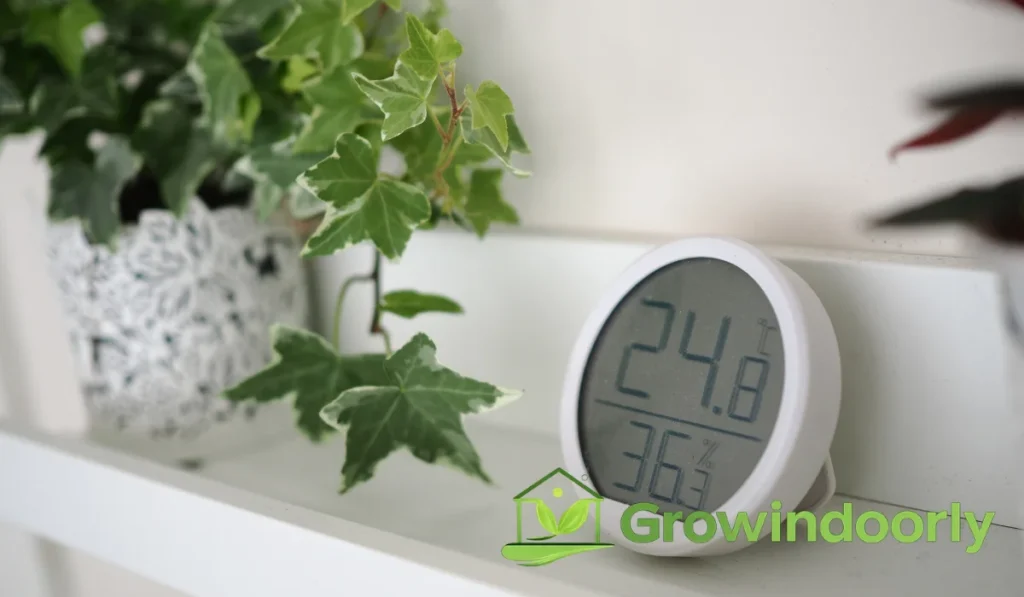
Pay special attention to what happens after dark. A windowsill can drop several degrees colder than the room once the sun goes down, so move sensitive pots a few inches back from the glass on freezing nights or slip a piece of cardboard between the pot and the pane. A small thermometer kept at plant height, not on the wall, gives you the honest reading; if it reads below 55°F (13°C) regularly, relocate the plant to an interior shelf for winter. Snake plants and pothos tolerate brief chills, but peace lilies and calatheas reward steady warmth with far healthier leaves.
Managing Humidity Levels
Central heating and summertime air conditioning strip humidity from indoor air, dropping relative humidity below 30%. Tropical plants prefer humidity levels between 50% and 60%.
Increase ambient moisture using these practical approaches:
- Cool-Mist Humidifiers: Position a small room humidifier near your plants during dry winter months.
- Pebble Trays: Fill a shallow tray with decorative stones and water. Place potted plants on top, ensuring pot bases stay elevated above the standing water.
- Plant Grouping: Place multiple plants close together to form a microclimate that traps transpirational moisture naturally.
Fertilizer and Nutrient Application
Indoor potted soils lose their nutrient reserves over time. Feeding plants provides essential macronutrients (nitrogen, phosphorus, potassium) for steady growth.
Feed plants every two to four weeks during active spring and summer growth using a balanced, water-soluble organic fertilizer diluted to half strength. Pause fertilization completely during late autumn and winter when plant growth naturally rests.
Daily and Monthly Maintenance Routines
Establishing simple care habits keeps your plants looking healthy year-round:
- Dusting: Wipe down broad leaves with a damp cloth every month to clear dust buildup and maximize light absorption.
- Pruning: Trim off old, yellowing, or leggy stems near the main base using clean, sharp pruning shears.
- Rotating Pots: Quarter-turn your plant pots every week so all sides receive balanced light exposure, preventing top-heavy lean.
Adjusting Care by Season
Your indoor plant routine should shift along with seasonal light and temperature changes:
- Spring & Summer: Plant growth accelerates. Increase watering frequency, feed regularly, inspect for pests, and move plants back if direct sun threatens to scorch foliage.
- Autumn & Winter: Growth slows down dramatically. Cut watering frequency in half, pause fertilizers, move plants closer to light sources, and protect roots from cold drafts.
Common Mistakes to Avoid
Prevent these common plant care mistakes:
- Pots Without Drainage Holes: Containers without bottom holes trap standing water around roots, leading quickly to root rot.
- Watering on a Strict Schedule: Watering every Monday without checking soil wetness causes waterlogging or extreme dryness. Always check soil moisture first.
- Ignoring Pest Outbreaks: Spotting spider mites or scale bugs early prevents widespread infestation across your entire plant collection.
- Repotting Too Early: Moving small plants directly into oversized pots holds too much excess moisture, chilling and suffocating root systems.
Troubleshooting Common Houseplant Problems
Use this quick diagnostic list when leaf symptoms appear:
- Yellowing Leaves: Usually indicates overwatering, poor drainage, or nitrogen deficiency. Check soil wetness first.
- Brown, Crispy Leaf Tips: Points to low room humidity, tap water mineral buildup, or underwatering. Switch to filtered water and increase room humidity.
- Drooping Stems: Means either extreme underwatering or advanced root rot from overwatering. Check soil moisture immediately.
- Pest Infestation: Spray affected stems and leaves with organic neem oil solution or insecticidal soap, repeating treatments weekly until cleared.
Practical Beginner Tips
Build confidence with these simple strategies:
- Start Small: Begin with two or three easy species like a Snake Plant, ZZ Plant, or Pothos before expanding your collection.
- Keep Plastic Nursery Pots: Keep plants in their original plastic pots and slip them inside decorative pots. This makes checking moisture and draining water simple.
- Track Your Care: Keep a simple notebook or phone app to log when you last watered, repotted, or fertilized your plants.
Advanced Recommendations for Experienced Growers
Ready to take your indoor garden further? Try these expert strategies:
- Custom Soil Blending: Tailor drainage profiles using akadama, charcoal, or specialized bark formulations to match specific plant families like Aroids or Hoyas.
- Active Hydroponic Systems: Set up deep water culture or nutrient film technique systems under full-spectrum grow lights to raise kitchen herbs and rare foliage indoors without soil.
- Environmental Automation: Connect grow lights, humidifiers, and ventilation fans to smart plugs and humidity controllers for precise microclimate management.
Shopping Smart: How to Choose Healthy Plants at the Store
The fastest way to succeed with your first ten plants starts before you ever bring them home. At the nursery, pick up the pot and check the drainage holes: firm white roots poking through are fine, but a solid root mat circling the pot means the plant is badly root-bound. Scan both sides of every leaf for yellowing, brown crispy edges, and the tiny webs or sticky spots that signal spider mites and scale, and give the soil a sniff. Sour or musty soil usually means overwatering damage below the surface.
Skip the wilted clearance rack unless you genuinely enjoy rescue projects, since stressed plants often carry hidden pests into a healthy collection. Buy from a reputable nursery or garden center rather than a discount bin with no care labels, and ask when the shipment arrived so you get a plant that has not sat in a dark delivery truck for weeks. Keep new arrivals in a separate room for one to two weeks; this quarantine catches hitchhiking pests early and lets the plant adjust to your home’s light and humidity before it joins the main display.
Conclusion
Building a thriving indoor jungle is a deeply satisfying journey that blends art, science, and daily care. By selecting hardy options from the top 10 indoor plants, matching your light conditions, using well-draining soil mixes, and watering intentionally, you create a green space that stays healthy for years.
Remember to observe your plants closely, adjust routines as seasons shift, and treat early setbacks as learning opportunities. For more step-by-step guides, indoor growing tutorials, and light setup advice, explore our full library of articles at GrowIndoorly.com.
Knowledge Check
Test your understanding of indoor plant care with these questions:
Question 1
Which of the following plants stores water in underground rhizomes and tolerates low-light environments?
A) Boston Fern
B) ZZ Plant
C) Fiddle Leaf Fig
D) Calathea
Question 2
What is the primary cause of root rot in indoor houseplants?
A) Overwatering and poor soil drainage
B) Too much direct sunlight
C) Low humidity levels
D) Using ceramic pots
Question 3
How long should full-spectrum LED grow lights run daily to replace natural sunlight?
A) 4 to 6 hours
B) 8 to 9 hours
C) 12 to 14 hours
D) 20 to 24 hours
Question 4
Which soil amendment is added to potting mixes specifically to improve drainage and root aeration?
A) Clay
B) Sand
C) Perlite
D) Garden topsoil
Question 5
What simple test determines if your potted plant requires watering?
A) Looking at pot color
B) Inserting a finger two inches into topsoil
C) Misting leaves with water
D) Measuring room humidity
Answer Key
- Question 1: B)
- Question 2: A)
- Question 3: C)
- Question 4: C)
- Question 5: B)
Frequently Asked Questions
Which indoor plant is easiest for complete beginners?
The Snake Plant (Sansevieria) and ZZ Plant (Zamioculcas zamiifolia) are the easiest indoor plants for beginners. Both tolerate low light, handle low indoor humidity, and survive weeks without watering thanks to water-storing leaves and underground rhizomes.
How often should I water my indoor plants?
There is no fixed calendar schedule for watering indoor plants. Check the soil moisture first by inserting your finger two inches deep into the pot. Water thoroughly only when the top layer feels dry to the touch.
Can indoor plants survive without natural sunlight?
Yes, indoor plants can thrive without natural sunlight if provided with proper artificial lighting. Full-spectrum LED grow lights placed 12 to 24 inches above foliage for 12 to 14 hours daily provide all the energy plants need for healthy growth.
Why are the leaves on my indoor plant turning yellow?
Yellow leaves are most commonly caused by overwatering, poor drainage, or soil that remains soggy for too long. Other potential causes include natural aging of lower leaves, rootbound conditions, or severe nitrogen deficiencies.
Which indoor plants are best for low-light rooms?
The best plants for low-light rooms include Snake Plants, ZZ Plants, Cast Iron Plants, Parlor Palms, and Aglaonemas. These species naturally grew under dense rainforest canopies and adapt well to dimmer interior spaces.
How do I know if my indoor plant needs repotting?
Signs a plant needs repotting include roots growing out of drainage holes, water sitting on top without soaking in, slowed growth during spring, or a plant becoming top-heavy and tipping over easily.
Are all top indoor plants safe for pets?
No, not all indoor plants are pet-safe. Popular options like Pothos, Monstera, and Snake Plants contain calcium oxalate crystals that irritate cats and dogs if chewed. Safe choices include Parlor Palms, Spider Plants, and Boston Ferns.
How can I get rid of small gnats around my potted plants?
To eliminate fungus gnats, allow the top two inches of soil to dry completely between waterings. Use yellow sticky traps to catch flying adults, and apply mosquito bits (Bacillus thuringiensis israelensis) to soil to destroy larvae.