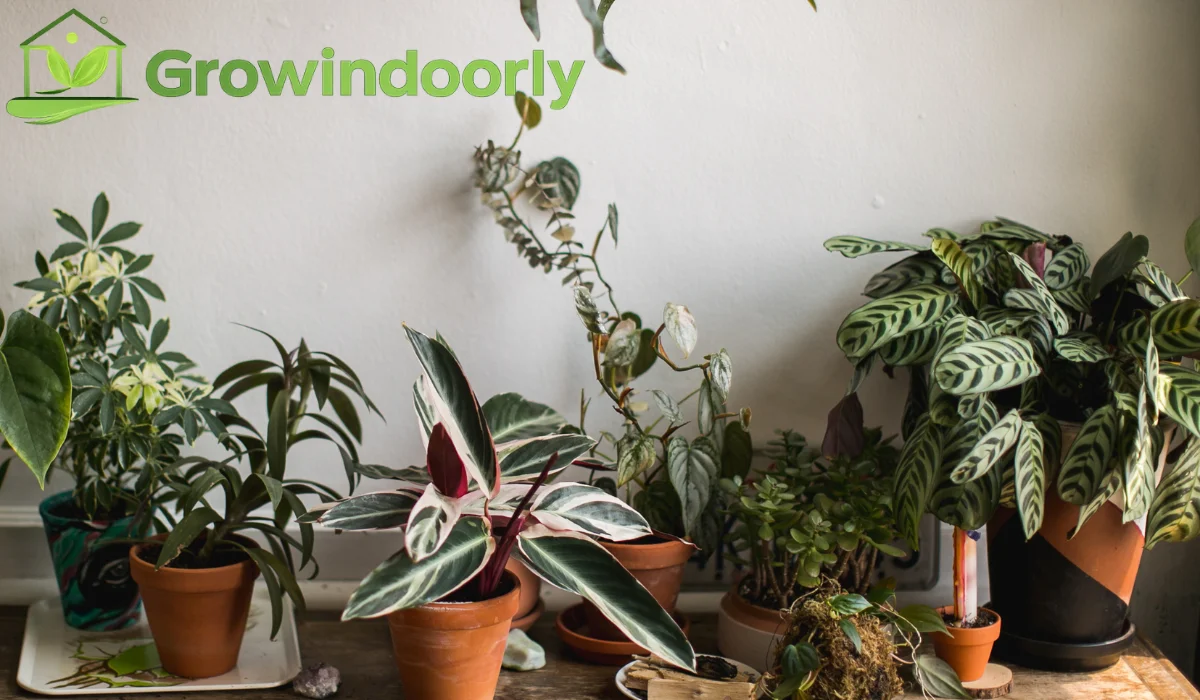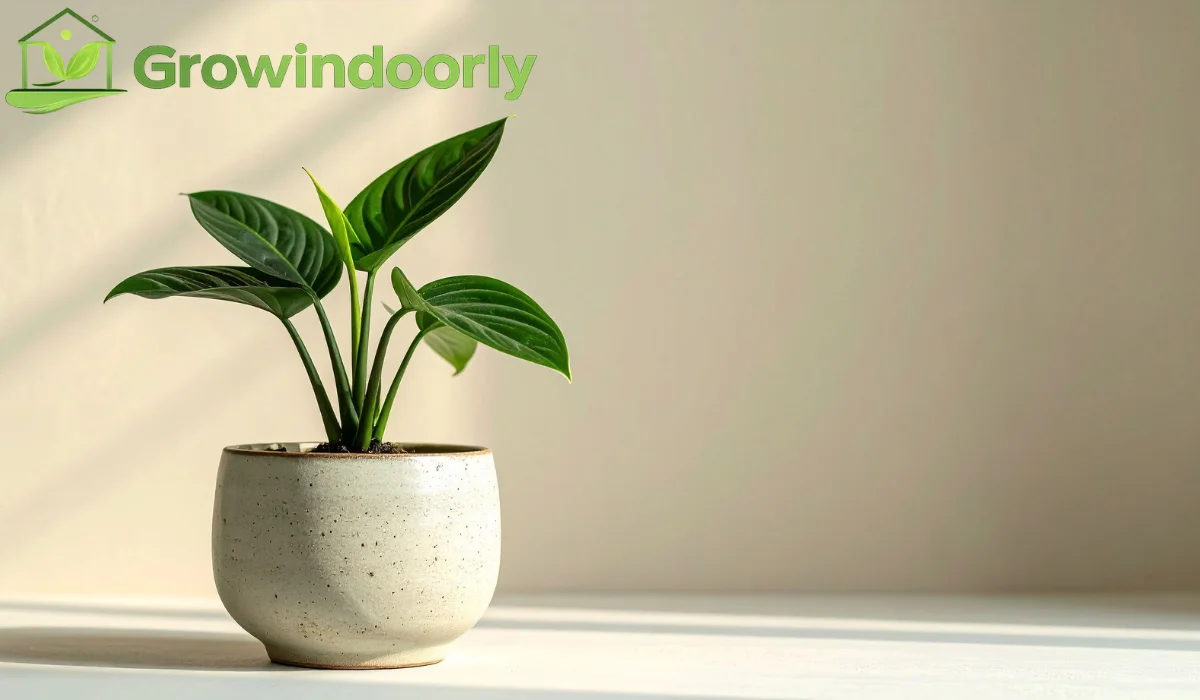
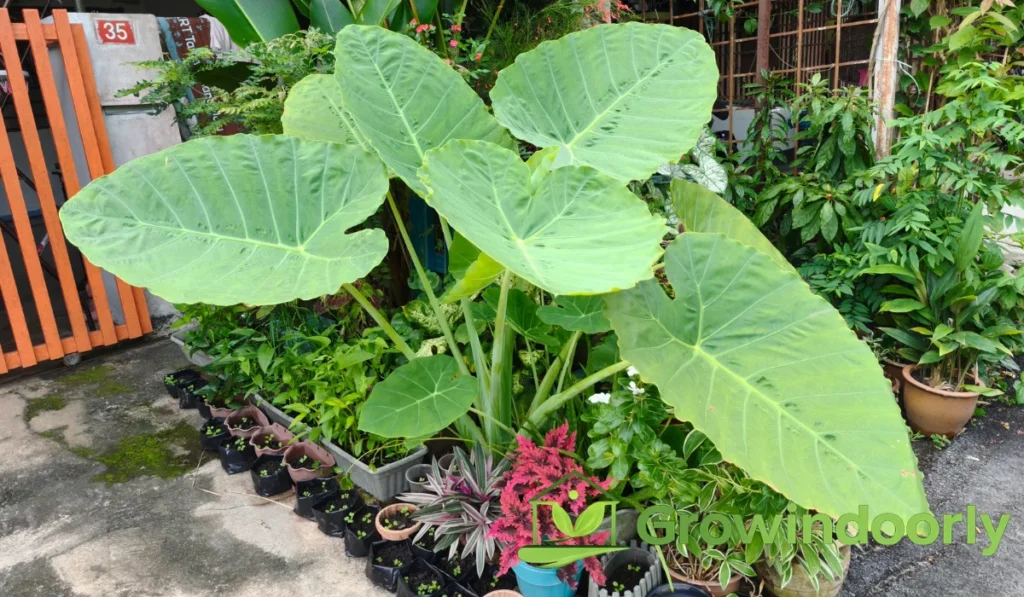
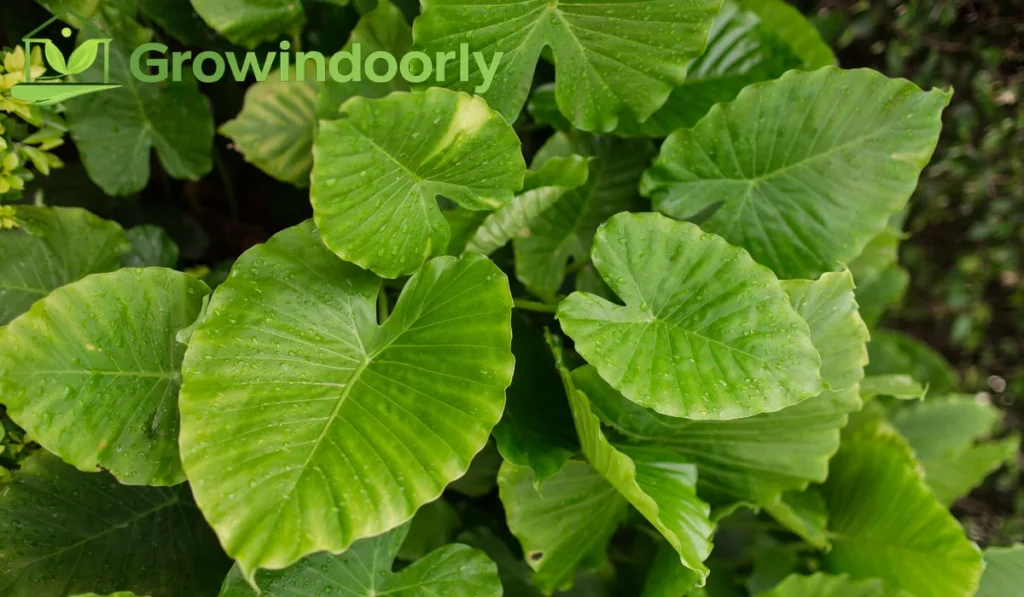
Transforming a plain room into a dramatic tropical sanctuary starts with bringing in bold, oversized foliage. Keeping an elephant ear plant indoor setup gives you immediate architectural impact with huge, heart-shaped leaves that instantly command attention in any living space.
Beginner plant parents often struggle because these fast-growing tropical giants require specific care to stay healthy inside standard homes. Bringing an elephant ear plant indoor display into a low-humidity room without proper light leads to yellowing foliage, drooping stems, and unexpected leaf drop.
Mastering their essential needs takes the guesswork out of cultivating these striking tropical specimens indoors. You need clear strategies for managing soil drainage, ambient humidity, feeding schedules, and seasonal winter dormancy without stressing your plant.
This comprehensive guide covers everything required to cultivate a thriving elephant ear plant indoor environment. You will learn expert maintenance routines, troubleshoot common issues, and keep your plant growing strong year after year.
Understanding Elephant Ear Plants Indoors
The common name “elephant ear” refers to a group of tropical plants known for their massive, heart-shaped or arrow-shaped leaves. In the botanical world, these plants belong primarily to three main genera: Alocasia, Colocasia, and Xanthosoma. In their natural habitats across tropical Asia, South America, and the Pacific Islands, they grow under warm forest canopies or along damp riverbanks in nutrient-rich soil.
When grown indoors, elephant ears adapt remarkably well as long as their basic tropical requirements are met. Instead of growing into massive ten-foot outdoor specimens, indoor container varieties grow to manageable, breathtaking sizes. Understanding that these plants grow from underground corms or tubers helps explain why they store moisture, experience growth surges, and occasionally rest during dark winter months.
Why Cultivating Elephant Ears Indoors Matters
Adding an elephant ear to your home setup offers a bold, sculptural element that smaller houseplants simply cannot match. A single healthy plant can fill an empty corner, anchor a sunlit room, and create an impressive tropical aesthetic that upgrades your entire interior decor.
Cultivating these heavy-feeding, moisture-loving plants also expands your skills as a home gardener. Because their large leaves show signs of environmental stress quickly, they give you instant feedback. Learning to balance their light, humidity, and moisture needs builds a solid foundation for growing all kinds of rare tropical plants.
Benefits and Advantages of Growing Elephant Ears
Bringing elephant ears into your living space offers several practical and aesthetic rewards:
- Dramatic Architectural Impact: Massive leaves featuring bold veins, ruffled edges, or dark metallic shades create an unforgettable natural focal point.
- Rapid Growth Rates: Watching a rolled leaf shoot up from the center stem and unfurl into a huge leaf within days is incredibly satisfying.
- Natural Air Transpiration: Their massive leaf surface areas release water vapor back into the room, raising relative humidity naturally.
- Versatile Indoor Sizing: Container growing naturally limits root spread, keeping dwarf and medium varieties at an ideal height for standard rooms.
Different Growing Approaches: Soil vs Semi-Hydroponics
While traditional soil culture remains the most popular approach, indoor gardeners use different methods to grow healthy elephant ears:
- Traditional Soil Culture: Uses a chunky, well-aerated potting mix enriched with organic matter. It provides great physical support for heavy stems and holds nutrients effectively.
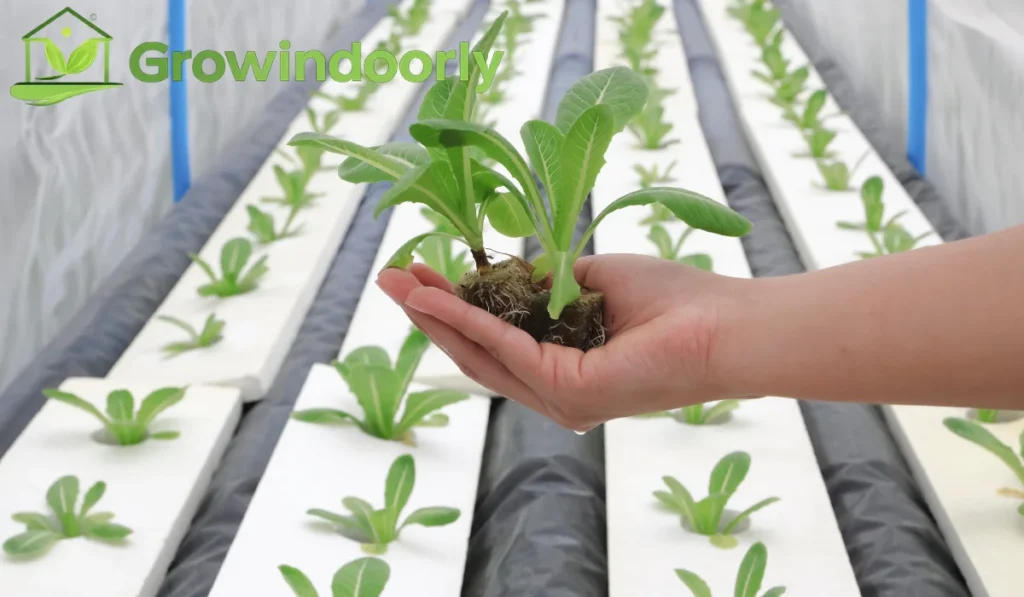
- Passive Hydroponics (LECA or PON): Growing tubers in inorganic clay pebbles or mineral substrates paired with a water reservoir. This method reduces root rot risks, provides steady moisture, and eliminates soil pests like fungus gnats.
- Wheeled Container Setups: Placing heavy pots on rolling plant caddies makes it easy to rotate plants toward sunlight or move them out of cold drafts.
Essential Tools and Equipment Required
Having the right tools on hand makes routine maintenance simple and keeps your plants looking pristine:
- Heavy Pot with Multiple Drainage Holes: Sturdy ceramic or thick plastic containers prevent top-heavy plants from tipping while letting excess water escape.
- Large-Capacity Watering Can: Delivers generous amounts of water directly to the soil surface without splashing leaves.
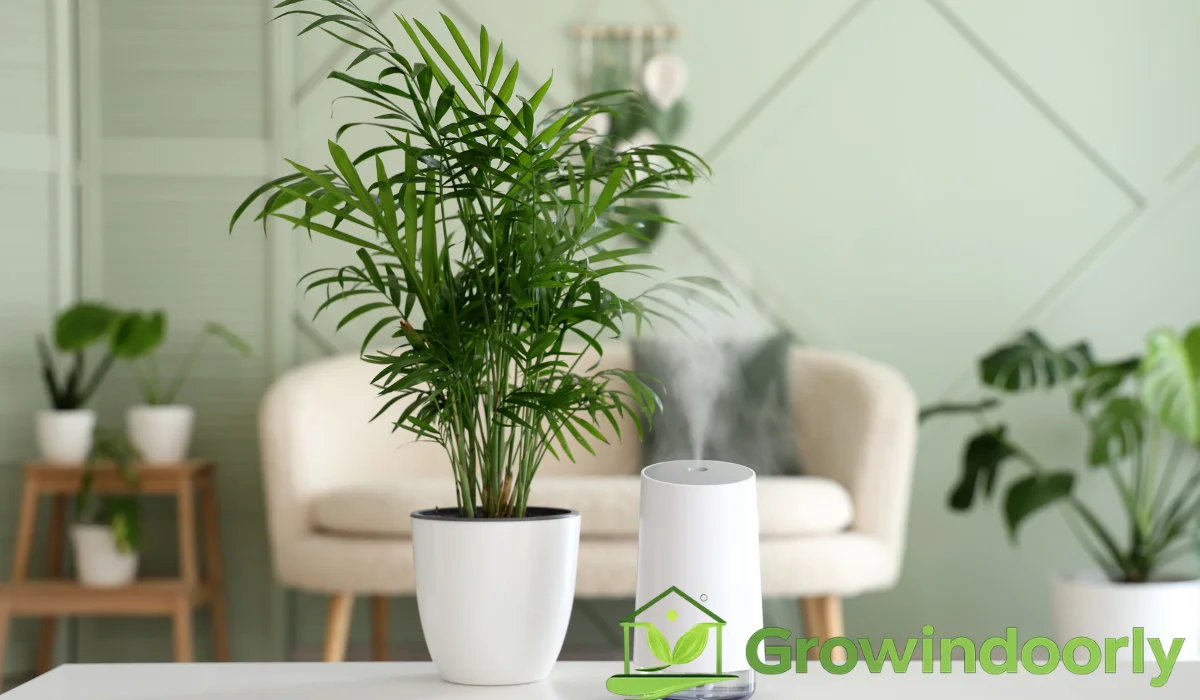
- Cool-Mist Room Humidifier: Keeps ambient moisture levels high to prevent crispy, brown leaf margins.
- Full-Spectrum LED Grow Lights: Supplements natural window light during dark winter months or in dimly lit rooms.
- Microfiber Cleaning Cloths: Used to gently wipe dust off giant leaf surfaces so the plant photosynthesize efficiently.
- Bypass Pruning Shears: Delivers clean cuts when trimming away old, yellowing lower leaves near the base.
Best Elephant Ear Varieties for Indoor Growing
Choosing cultivars that adapt well to indoor light and container sizes ensures long-term success:
Alocasia amazonica (‘Polly’)
A famous compact cultivar featuring dark green, shield-shaped leaves with bold, silver-white veins and wavy edges. It grows 1 to 2 feet tall, making it perfect for tabletops and small plant stands.
Alocasia macrorrhizos (‘Giant Taro’)
Known for massive, upright, bright green leaves that point toward the sky. When grown in large containers indoors, it reaches 4 to 6 feet tall, creating a stunning tropical centerpiece.
Colocasia esculenta (‘Illustris’ or ‘Black Magic’)
Colocasias feature leaves that droop gracefully downward. Varieties like ‘Illustris’ offer deep purple-black leaves accented by bright green veins, adding rich color contrast to your home.
Alocasia zebrina
Prized for its eye-catching, tiger-striped leaf stems topped with sleek green arrow-shaped foliage. It grows 2 to 3 feet tall and adds a unique, modern touch to living spaces.
Alocasia reginula (‘Black Velvet’)
A dwarf variety with thick, velvety, dark charcoal leaves highlighted by stark white veins. Staying under 18 inches tall, it thrives in smaller spaces with high humidity.
Lighting Requirements for Vibrant Foliage
Light powers leaf production and keeps those striking leaf colors bright and vibrant without fading.
- Bright, Indirect Light: Place your plant near an east-facing window or set back 3 to 5 feet from a bright south or west window. Sunlight filtered through a sheer curtain provides ideal energy.
- Direct Sunlight Risks: Harsh, unfiltered afternoon sun can quickly scorch thin leaf tissue, leaving faded yellow or bleached brown spots across the foliage.
- Low Light Consequences: Inadequate light causes weak, leggy stems that collapse under the weight of heavy leaves, along with stalled growth and yellowing foliage.
- Grow Light Setup: Position full-spectrum LED panels 18 to 24 inches above the leaf canopy in dark rooms. Run lights for 12 to 14 hours daily to maintain steady growth.

Proper Watering Methods
Elephant ears love moisture, but their underground tubers rot quickly if left sitting in waterlogged, airless soil.
- The Soil Surface Test: Check the top two inches of soil with your finger. During spring and summer, water thoroughly as soon as the top layer feels dry. Keep the soil consistently damp, like a wrung-out sponge.
- Deep Drenching Method: Pour room-temperature water evenly across the soil until it drains freely out of the bottom holes. Let all excess water drain away completely, and empty the catch tray after 20 minutes.
- Winter Reduction: When growth slows down in late fall and winter, allow the top half of the potting soil to dry before watering again to protect resting tubers from rot.
Soil and Growing Medium Essentials
Standard outdoor topsoil or dense potting mixes compact under frequent watering, suffocating delicate feeder roots. You need a loose, airy mix that retains light moisture while draining excess water instantly.
Mix an ideal custom potting substrate using:
- 40% Premium Peat Moss or Coconut Coir: Retains moisture and holds organic nutrients.
- 30% Perlite or Pumice: Creates porous pockets for root oxygen and fast water drainage.
- 20% Fine Orchid Bark: Adds structural body to prevent soil compaction over time.
- 10% Aged Compost or Worm Castings: Delivers rich, organic nutrients to fuel heavy leaf growth.
Temperature Requirements for Tropical Plants
Originating in warm tropical rainforests, elephant ears cannot tolerate cold drafts or sudden temperature drops.
Maintain indoor room temperatures consistently between 65°F and 85°F (18°C to 29°C). Keep plants away from chilly winter windows, exterior entry doors, air conditioners, and direct heat vents. Temperatures below 55°F (13°C) shock the plant and can trigger unwanted winter dormancy.
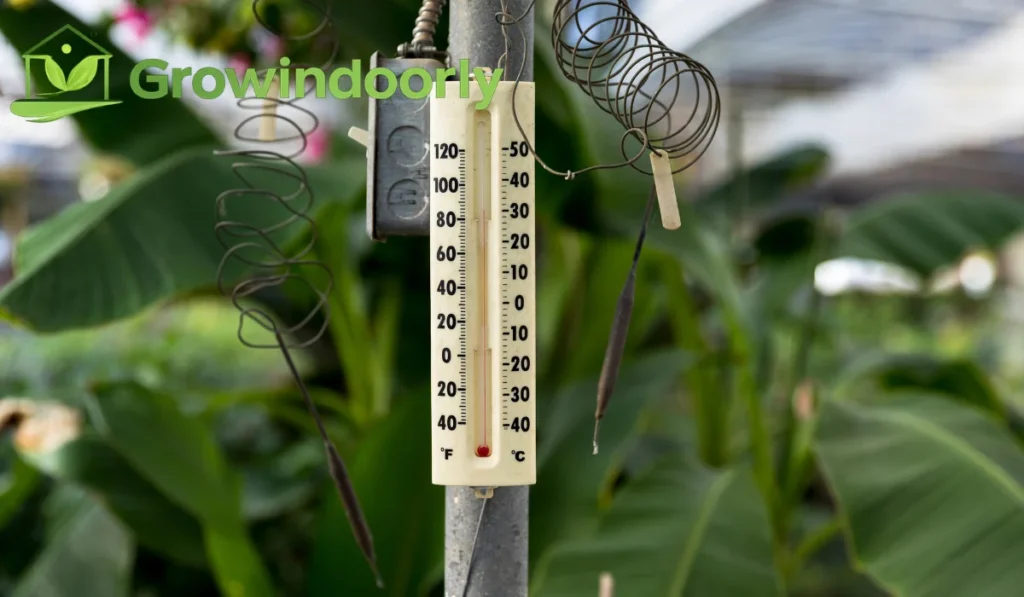
Watch the path from exterior doors, because the burst of cold air each time a door opens in winter can shock a nearby plant even when the room itself feels warm. Move the pot at least six feet away from entry doors and drafty hallways during the cold months. A simple minimum-maximum thermometer near the pot also helps: if nighttime readings dip below 60°F (16°C), shift the plant to an interior wall or a warmer room until spring.
Controlling Humidity Levels
Low indoor humidity is the most common reason indoor elephant ears develop dry, crispy leaf tips and attract pests.
These tropical foliage plants thrive best when relative humidity stays between 50% and 80%. Raise humidity around your plants with these proven strategies:
- Cool-Mist Humidifiers: Place a humidifier a few feet away from your plant display during dry winter months.
- Grouping Plants: Cluster tropical plants together to form a microclimate that traps moisture released during transpiration.
- Pebble Trays: Set pots on trays filled with river stones and water, making sure the pot base sits completely above the waterline.
- Avoid Constant Misting: Spraying leaves directly with water does not raise room humidity and can encourage fungal spots on broad leaves.
Fertilizer and Nutrient Demands
Elephant ears grow rapidly during warm months, making them heavy feeders that require regular nutrient updates.
- Balanced Liquid Fertilizer: Apply a balanced, water-soluble organic houseplant fertilizer diluted to half strength every two to three weeks during spring and summer.
- Micro-Nutrient Boost: Look for fertilizers containing iron and magnesium to keep green foliage vibrant and prevent yellowing between leaf veins.
- Pause in Winter: Stop fertilizing completely during autumn and winter when the plant enters its natural resting phase.
Maintenance Routine and Leaf Cleaning
Establishing simple care habits keeps your elephant ear looking its best year-round:
- Wiping Down Leaves: Wipe broad leaves monthly using a damp microfiber cloth. Dust accumulation blocks sunlight and clogs stomata pores.
- Pruning Old Leaves: Lower, older leaves naturally turn yellow and droop as new leaves emerge from the stem center. Cut dead or yellowing leaves close to the base using clean shears.
- Rotating Pots: Quarter-turn your pot every week so all sides receive balanced light exposure, preventing the plant from leaning toward windows.
Managing Winter Dormancy
It is completely normal for indoor elephant ears to slow down or shed lower leaves as daylight shrinks in autumn and winter.
- Understanding Dormancy: Shorter days and cooler temperatures signal the plant to rest. If a plant loses all its leaves, do not throw it away the underground tuber is simply sleeping.
- Dormancy Care: Move the pot to a cool, dark space, cut watering to once a month, and hold off on fertilizing. Fresh shoots will sprout from the tuber once warm spring temperatures and bright light return.
Common Mistakes Beginners Make
Avoid these frequent beginner mistakes:
- Using Pots Without Drainage: Containers without bottom drainage holes trap stagnant water around tubers, causing fatal root rot.
- Placing in Low-Light Corners: Dim rooms cause weak, floppy stems that collapse under the weight of broad leaves.
- Overwatering in Cold Weather: Keeping soil soaking wet during winter when growth stops rots resting corms.
- Ignoring Low Room Humidity: Running dry central heating without a humidifier causes crisp brown leaf edges and spider mite outbreaks.
Troubleshooting Common Problems
Use this simple diagnostic guide to identify and fix plant health issues:
- Yellowing Lower Leaves: Normal if limited to the oldest single leaf. If multiple leaves yellow at once, it indicates overwatering, poor drainage, or cold drafts.
- Crispy Brown Leaf Margins: Caused by low room humidity, underwatering, or chemical buildup from tap water. Increase humidity and switch to filtered water.
- Drooping or Floppy Stems: Signals underwatering, inadequate light, or root rot from soggy soil.
- Spider Mites and Scale: Tiny webbing underneath leaves or brown bumps along stems. Wipe foliage with insecticidal soap or organic neem oil solution weekly until clear.
Practical Beginner Tips
Build growing confidence with these practical suggestions:
- Start with Hardy Cultivars: Begin with Alocasia amazonica (‘Polly’) or Alocasia macrorrhizos before attempting delicate, rare variegated varieties.
- Use the Double-Potting Method: Keep your plant inside a plastic nursery pot with drainage holes and slip it into a decorative outer pot. This makes checking soil moisture and draining runoff simple.
- Use Filtered Water: Let tap water sit out overnight or use filtered water to prevent chemical salts from burning sensitive leaf edges.
Advanced Recommendations for Experienced Growers
Ready to take your indoor tropical garden to the next level?
- Tuber Division: Separate small offsets (corms) from the parent tuber during spring repotting to propagate fresh new plants effortlessly.
- Custom Microclimates: Enclose rare, humidity-loving dwarf species in glass cabinet terrariums equipped with small circulation fans and automated LED lighting setups.
- Semi-Hydroponic Conversions: Convert established plants from soil to LECA clay pebbles using water reservoirs to maintain consistent moisture without soil pests.
Moving Elephant Ears Outdoors for Summer
Once nighttime temperatures stay reliably above 60°F (16°C), elephant ears enjoy a summer holiday outside on a patio, balcony, or shaded porch. Begin with one week of acclimation: set the pot in deep shade for a few hours each morning, then increase the outdoor time a little each day. This gradual introduction stops the existing indoor leaves from scorching under stronger sun and wind.
Outside, check soil moisture every day because pots dry out far faster in summer heat and breezes than they do indoors. A weekly half-strength feeding keeps the new growth coming, and you can hose the giant leaves off directly to wash away dust and pests. Bring the pot back inside well before the first cold snap, and inspect the leaves and soil surface for hitchhiking insects before it crosses the doorway.
Conclusion
Growing a vibrant indoor elephant ear plant is a rewarding project that transforms your living area into a lush, tropical retreat. By choosing suitable container varieties, providing bright indirect light, using airy potting mixes, and maintaining warm room humidity, you build a healthy environment where these impressive foliage plants thrive.
Pay close attention to soil moisture, clean leaves regularly, and adjust care routines as seasons change. For more step-by-step guides, indoor growing tutorials, and plant care advice, explore our full library of resources at GrowIndoorly.com.
Knowledge Check
Test your understanding of indoor elephant ear plant care with these questions:
Question 1
Which plant genus includes popular indoor elephant ear varieties like ‘Polly’ and ‘Zebrina’?
A) Monstera
B) Alocasia
C) Ficus
D) Philodendron
Question 2
What is the main cause of crispy, brown leaf margins on indoor elephant ear foliage?
A) Excessive perlite in soil
B) Low ambient room humidity
C) Too much root space
D) Using terracotta pots
Question 3
True or false: Elephant ear plants contain insoluble calcium oxalates and are toxic to pets.
A) True
B) False
Question 4
Which natural process causes harmless water drops to drip from elephant ear leaf tips after heavy watering?
A) Photosynthesis
B) Guttation
C) Vernalization
D) Dormancy
Question 5
What type of lighting condition is ideal for growing healthy indoor elephant ear plants?
A) Deep, dark shadows
B) Harsh, direct midday sun
C) Bright, indirect filtered light
D) Complete darkness
Answer Key
- Question 1: B)
- Question 2: B)
- Question 3: A)
- Question 4: B)
- Question 5: C)
Frequently Asked Questions
Is an elephant ear plant safe for pets?
No, elephant ear plants (Alocasia, Colocasia, and Xanthosoma) contain insoluble calcium oxalate crystals that are toxic to cats and dogs according to ASPCA standards. Chewing on leaves or stems causes mouth irritation, drooling, and difficulty swallowing. Keep these plants well out of reach of pets.
How often should I water my indoor elephant ear plant?
Water whenever the top two inches of potting soil feel dry to the touch typically once or twice a week during warm spring and summer months. Reduce watering in winter, allowing the top half of the soil mix to dry out between waterings.
Why are the leaves on my indoor elephant ear drooping?
Drooping leaves are usually caused by underwatering, insufficient sunlight, cold drafts, or root rot from overwatering. Check soil moisture first if the soil is bone-dry, water thoroughly; if soggy, inspect roots for damage and move the plant to brighter light.
Can elephant ear plants live in low light indoors?
No, elephant ear plants require bright, indirect sunlight to maintain strong stems and vibrant foliage. In low light, stems grow weak, long, and leggy, eventually buckling under the weight of their broad leaves.
Why is my elephant ear plant weeping water drops from its leaf tips?
Water dropping from leaf tips is a natural process called guttation. When soil moisture is high and room humidity is elevated, roots absorb water faster than the plant transpires it, releasing excess water through special leaf pores. It is harmless, but signals that soil moisture is high.
How big do elephant ear plants grow indoors?
Indoors, container-grown elephant ears typically reach heights between 2 and 5 feet, depending on the cultivar. Pot size naturally limits root expansion and controls overall plant dimensions compared to outdoor garden specimens.
Should I trim off yellow leaves from my elephant ear?
Yes, cut off yellowing or fully browned lower leaves near the main base using clean, sharp pruning shears. Trimming aging foliage directs energy back into producing fresh new leaves from the stem center.
What should I do if my indoor elephant ear loses all its leaves in winter?
If your plant loses its leaves in winter, it has likely entered dormancy. Keep the pot in a cool room, cut watering to once a month, and hold off on fertilizing. Fresh shoots will sprout from the underground tuber once warm spring weather and bright light return.

Megan Foster is the founder and lead writer of GrowIndoorly.com, where she shares practical, easy-to-follow advice for growing healthy indoor plants. She is passionate about helping beginners and experienced plant lovers build thriving indoor gardens with confidence. Megan writes about houseplants, indoor herbs, succulents, hydroponics, grow lights, plant propagation, watering, soil care, and everyday plant maintenance.
She enjoys researching trusted gardening techniques and transforming them into simple, actionable guides that readers can easily apply at home. Her goal is to make indoor gardening more enjoyable and accessible by providing clear, reliable information that helps people keep their plants healthy throughout the year. Whether you’re caring for your first houseplant or expanding your indoor plant collection, Megan’s practical tips are designed to help you grow with confidence.