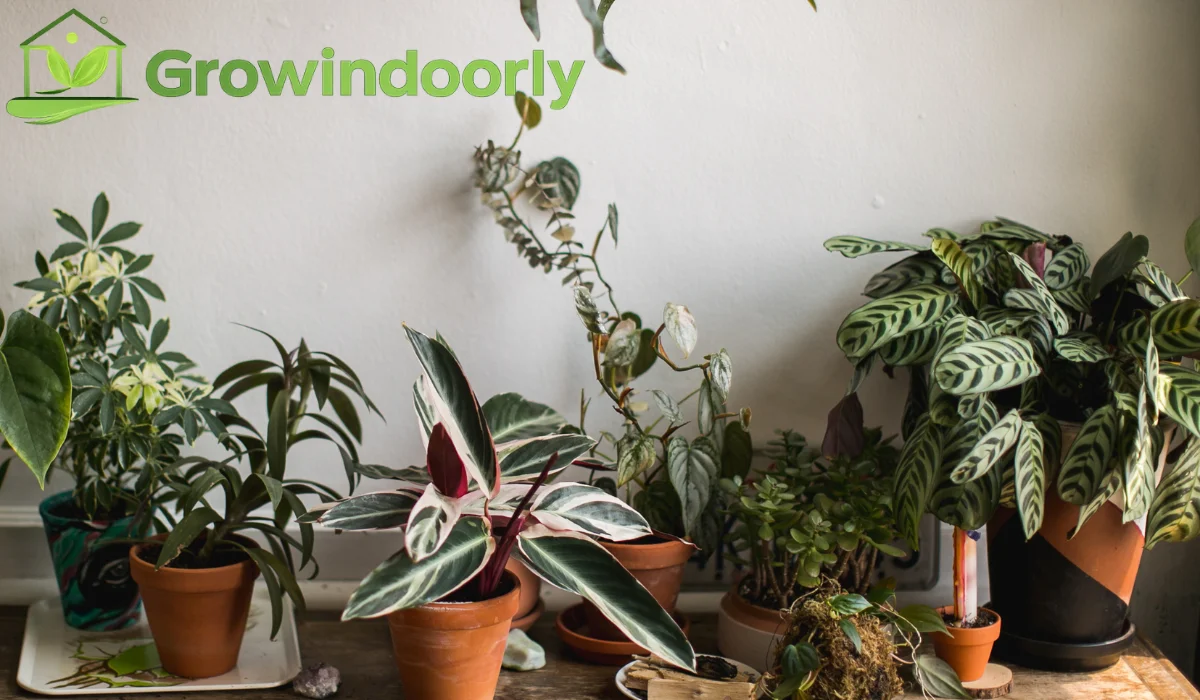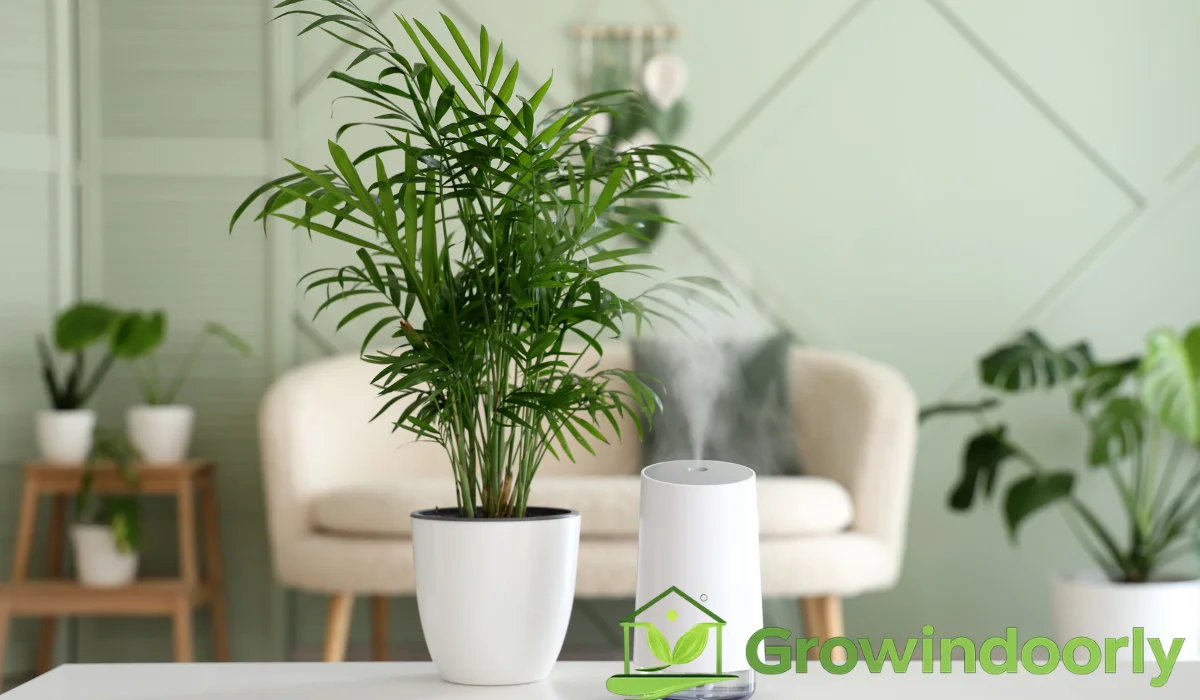
Growing tropical plants indoor brings lush, breathtaking jungle greenery directly into your home, but recreating high-humidity native environments inside modern living spaces isn’t always easy.
Many passionate houseplant lovers struggle when managing tropical plants indoor because dry indoor air, inadequate natural light, and incorrect watering schedules quickly damage sensitive, delicate foliage.
Without practical care strategies, cultivating tropical plants indoor frequently results in frustrating problems like crispy brown leaf edges, droopy stems, yellowing leaves, and destructive fungal root rot.
In this comprehensive guide, you will learn simple lighting setups, humidity hacks, custom soil recipes, precise watering routines, and expert troubleshooting steps to keep your indoor green space thriving year-round.
Understanding Indoor Tropical Plants and Their Natural Habitat
To keep tropical foliage thriving inside your home, you must first understand where these species originate. Most popular houseplant species evolved beneath dense jungle canopies across Central and South America, Southeast Asia, and tropical Africa.
In their wild habitats, tropical foliage plants experience warm temperatures year-round, damp atmospheric humidity ranging from 70% to 90%, and dappled sunlight filtered through towering trees. The soil underfoot is rarely dense topsoil; instead, it consists of loose, airy leaf litter, decomposing wood, and organic debris that drains rapidly after frequent rainfall.
How Tropical Plants Adapt to Indoor Environments
When brought into human living spaces, tropical species demonstrate remarkable adaptability. Under dense forest canopies, these plants evolved large, chlorophyll-rich leaves specifically designed to absorb limited ambient light. This evolutionary adaptation allows species like Monstera deliciosa, Philodendron, and Anthurium to live comfortably in bright, indirect household light.
However, modern air conditioning and artificial heating units create dry air with relative humidity levels dropping below 30%. Understanding how your plants absorb moisture, transpire through stomata, and uptake root nutrients bridges the gap between indoor artificial environments and their native rainforest habitats.
Why Tropical Plants are Essential for Modern Indoor Spaces
Incorporating lush greenery into home design does far more than elevate visual aesthetics. Surrounding yourself with living foliage brings measurable physical, physiological, and emotional benefits to your daily routine.
Health and Environmental Benefits
- Natural Air Purification: Tropical foliage actively absorbs volatile organic compounds (VOCs) such as benzene, formaldehyde, and xylene from indoor furnishings and synthetic cleaning agents.
- Ambient Moisture Regulation: Through natural transpiration, broad-leaved foliage releases moisture vapor back into the air, helping ease dry indoor conditions during heavy heating seasons.
- Stress Reduction and Focus: Interacting with living greenery lowers cortisol levels, reduces mental fatigue, and boosts focus for remote workers and indoor enthusiasts.
- Biophilic Aesthetics: Deep green tones, dramatic leaf fenestrations, and unique leaf patterns transform standard living areas into peaceful, natural sanctuaries.

Choosing the Best Methods to Grow Tropical Plants Indoors
There is no single correct way to cultivate tropical flora indoors. Depending on your lifestyle, available time, and environment, you can choose from several proven growing methods.
1. Traditional Soil-Based Culture
Growing in potted soil media remains the most accessible method for beginners. Using structured pots filled with well-draining potting mixtures provides stability, organic nutrients, and familiar care routines.
2. Semi-Hydroponics (Passive Hydroponics using LECA)
Semi-hydroponic culture involves replacing traditional soil with Light Expanded Clay Aggregate (LECA) or inorganic minerals like Pon. The plant sits in an inert medium above a shallow nutrient solution reservoir.
Advantages of Semi-Hydroponics:
- Eliminates soil-borne pests like fungus gnats.
- Significantly reduces the risk of root rot through superior aeration.
- Simplifies watering routines through visual reservoir levels.
3. Full Hydroponic and Water Culture
Certain species, particularly Epipremnum (Pothos), Syngonium, and Philodendron, can grow permanently in water mixed with liquid hydroponic nutrients. This method eliminates soil pests entirely and creates striking visual displays in transparent glass containers.
Essential Tools and Equipment for Indoor Tropical Gardening
Equipping yourself with the right gardening tools simplifies maintenance and ensures plant longevity. A moisture meter alone prevents the most common killer — overwatering — while a humidifier keeps humidity-loving species happy.
- Moisture Meter: Prevents root damage caused by premature watering.
- Ultrasonic Cool-Mist Humidifier: Maintains optimal atmospheric moisture in dry spaces.
- Precision Pruning Shears: Delivers clean cuts when trimming dead leaves or propagating stems.
- LED Grow Lights: Supplies consistent light spectrums when window lighting falls short.
- Clean Spray Bottles: Useful for applying pest treatments, foliar sprays, or cleaning dusty leaves.
- Pebble Trays: Provides localized humidity directly underneath moisture-loving plants.
Top Tropical Plants for Indoor Growing
Selecting species suited to your specific indoor conditions ensures long-term success. Here are the most rewarding options for home growers, ranging from easy-care classics to striking collector items.
1. Monstera Deliciosa (Swiss Cheese Plant)
Known for its iconic split leaves, the Monstera deliciosa is fast-growing and resilient. It thrives in bright, indirect light and tolerates occasional dry spells, making it an excellent anchor plant for living rooms.
2. Philodendron Hederaceum (Heartleaf Philodendron)
An adaptable trailing vine that tolerates medium-to-low light conditions. It trails beautifully from hanging baskets or climbs sturdy moss poles, producing rich green, heart-shaped leaves.
3. Ficus Lyrata (Fiddle-Leaf Fig)
Famous for its large, violin-shaped foliage, the Fiddle-Leaf Fig makes a dramatic structural statement. It requires high light conditions, steady moisture, and protection from cold air drafts.
4. Calathea and Goeppertia (Prayer Plants)
Celebrated for intricate leaf patterns and colorful purple undersides, these species fold their foliage upward at night. They demand consistent humidity above 50% and purified or distilled water to avoid crispy leaves.
5. Anthurium (Tailflower)
Featuring glossy, heart-shaped leaves and bright, long-lasting flowering spaths, Anthuriums love high humidity, warm temperatures, and airy, orchid-style potting mixes.
6. Epipremnum Aureum (Pothos)
Virtually indestructible, Pothos varieties handle inconsistent watering, varied light levels, and minimal fertilizing. They serve as the ideal gateway plant for absolute beginners.

Master Lighting Requirements for Tropical Foliage
Light powers photosynthesis, providing the energy foliage requires to produce foliage, roots, and flowers. Matching light levels to each plant’s natural preference prevents faded foliage and burned leaf blades.
Understanding Indirect vs. Direct Sunlight
- Bright Indirect Light: Located roughly 2 to 4 feet away from a bright east or south-facing window. Bright indirect light is ideal for Monsteras, Anthuriums, and Ficus.
- Medium Indirect Light: Located 5 to 8 feet back from sunny windows or directly in front of north-facing windows. Great for Pothos, Heartleaf Philodendrons, and Syngoniums.
- Direct Sunlight: Unfiltered sunlight striking leaf surfaces directly. While acceptable for early morning eastern exposure, intense midday southern or western light can scorch delicate leaves.
Supplementing with LED Grow Lights
During dark winter months or in rooms with minimal windows, full-spectrum LED grow lights keep plants growing steadily. Position lights 12 to 24 inches above the foliage canopy and run them on an automated timer for 12 to 14 hours daily to maintain vibrant leaf colors.
Watering Methods and Moisture Control
Watering mistakes cause more indoor plant fatalities than pests and diseases combined. Developing a practical moisture strategy is essential.
The “Soak and Dry” Method
Rather than watering on a rigid calendar schedule, evaluate moisture levels using your finger or a digital moisture meter inserted deep into the root zone.
- Wait until the top 1 to 2 inches of soil feel completely dry.
- Pour water evenly across the entire soil surface until water drains freely from the bottom drainage hole.
- Allow the pot to empty completely for 15 minutes. Never leave pots sitting in standing drain water.
Water Quality Matters
Tap water high in chlorine, fluorine, or dissolved mineral salts often causes dark, crispy leaf tips on sensitive species like Calatheas and Marantas. Use distilled water, collected rainwater, or filtered tap water to keep sensitive foliage clean and vibrant.
Creating the Ultimate Soil and Growing Medium Mix
Standard dense commercial potting soil retains too much moisture and smothers delicate tropical root systems indoors. Building an airy, fast-draining “aroid mix” protects roots against suffocating moisture pockets.
Recommended Custom Aroid Soil Recipe
- 40% High-Quality Coco Coir or Peat Moss: Retains balanced, evenly distributed moisture.
- 30% Medium-Grade Orchid Bark: Creates large air pockets and replicates natural tree bark.
- 20% Perlite or Coarse Pumice: Promotes rapid water drainage and prevents soil compaction.
- 10% Worm Castings: Delivers gentle, slow-release organic nutrients.
Mix these components thoroughly before potting. This structure allows surplus water to run off quickly while maintaining appropriate root zone humidity.
Managing Temperature and Climate Consistency
Tropical flora prefers consistent warm temperatures and suffers quickly when exposed to sudden thermal fluctuations.
- Ideal Temperature Range: Maintain indoor temperatures between 65°F and 85°F (18°C to 29°C) during the day, avoiding dips below 60°F (15°C) at night.
- Avoid Cold Drafts: Keep sensitive plants far away from drafty winter doors, uninsulated single-pane windows, and entryway hallways.
- Avoid Direct Heat Sources: Position foliage at least 4 feet away from active radiator heaters, forced-air vents, and fireplace hearths, which dry out air rapidly.

Mastering Humidity Control Indoors
Average home humidity often hovers around 30% to 40% in winter, whereas rainforest species flourish in 60% to 80% relative humidity. Adding moisture to the air keeps foliage lush and prevents dry tips.
Low Humidity Symptoms:
Crispy brown leaf margins ➔ Curling leaf tips ➔ Dropped lower leaves ➔ Spider mite infestation

Corrective Actions:
Run cool-mist humidifiers ➔ Group plants together ➔ Place pots on wet pebble trays
Effective Ways to Increase Indoor Humidity
- Group Plants Together: Grouping several plants closely creates a localized microclimate through combined transpiration.
- Use Ultrasonic Humidifiers: Position a dedicated humidifier near your plant collection to maintain an automated 55% to 65% moisture target.
- Utilize Pebble Trays: Place pots on trays filled with gravel and water. Ensure water levels stay just below the pot base so roots do not absorb standing water.
- Avoid Excessive Foliar Misting: Misting leaf surfaces with spray bottles provides only temporary relief and can encourage fungal spots if water pools on foliage overnight.
Fertilizer and Nutrient Requirements
Because indoor plants are confined to pots, available soil nutrients drain away over time. Replenishing minerals ensures continuous leaf expansion and rich leaf color.
Feeding Schedule and Formulas
- Active Growing Season (Spring & Summer): Apply a balanced liquid fertilizer (such as an N-P-K 10-10-10 ratio) diluted to half-strength every 2 to 4 weeks.
- Dormant Season (Autumn & Winter): Reduce or suspend fertilizing entirely when natural light levels drop and plant growth slows naturally.
- Flushing Minerals: Every three months, flush potting soil thoroughly with plain water to clear built-up fertilizer salts that can burn sensitive roots.
Routine Maintenance for Healthy Foliage
Consistent care prevents health problems before they develop into serious plant issues. A few minutes of weekly attention — checking leaves, soil moisture, and overall vigor — catches small problems before they become serious.
- Dusting Leaf Surfaces: Dust accumulation blocks natural sunlight from reaching foliage cells. Wipe broad leaves monthly using a soft, damp microfiber cloth.
- Pruning and Trimming: Remove yellowing or damaged lower foliage with sharp, sanitized pruning shears to redirect metabolic energy toward new, healthy leaves.
- Support Structures: Attach climbing species like Monstera and Philodendron to sturdy moss poles, coir stakes, or wooden trellises to encourage larger leaf expansion.
Seasonal Care: Adjusting for Summer and Winter
Your indoor plant routine must change as the natural seasons shift outside. Growth speeds up in spring and summer, then slows in fall and winter — adjust water, food, and light to match.
Spring and Summer Routines
- Increase watering frequency as warmer temperatures and brighter days accelerate transpiration.
- Feed regularly with balanced liquid plant food.
- Check foliage frequently for outdoor pests entering through open windows.
Autumn and Winter Adjustments
- Reduce watering frequency significantly; allow soil to dry deeper between sessions.
- Pause fertilizing until active growth resumes in spring.
- Move plants closer to bright sunny windows as direct sunlight weakens in winter.
- Run humidifiers continuously to offset drying indoor heaters.
Common Mistakes Beginner Tropical Plant Owners Make
Avoiding these frequent beginner missteps will save you time, effort, and plant loss:
- Overwatering Out of Love: Watering on a rigid, frequent schedule rather than checking soil moisture leads directly to root rot.
- Pottings Without Drain Holes: Decorative pots without drainage hold stagnant water around roots, suffocating them.
- Using Heavy Garden Topsoil: Outdoor garden soil compacts tightly inside indoor containers, cutting off vital root air circulation.
- Repotting Stressed New Plants: Repotting immediately after bringing a new plant home doubles its stress level. Let new plants acclimate to your space for 2 to 3 weeks first.
- Ignoring Early Pest Signals: Ignoring minor webbing or leaf spots allows pest populations to multiply rapidly.
Troubleshooting Common Tropical Plant Issues
| Visible Symptom | Likely Underlying Cause | Quick Corrective Solution |
| Yellowing Lower Leaves | Overwatering or poor drainage | Check soil moisture; extend drying intervals; verify pot drainage holes. |
| Crispy Brown Edges | Low humidity or fluoridated tap water | Increase humidity above 50%; switch to distilled or filtered water. |
| Drooping / Wilting Stems | Severe underwatering or root rot | Inspect roots; if dry, water deeply; if soft and brown, prune rot and repot. |
| Fine Webbing Under Leaves | Spider mite activity | Wash leaves with mild warm soap; apply neem oil or insecticidal soap weekly. |
| Sticky Residue on Leaves | Scale insects or mealybugs | Wipe pests using cotton swabs dipped in 70% isopropyl rubbing alcohol. |
| Small Flies Above Soil | Fungus gnat larvae in moist soil | Allow top soil to dry thoroughly; apply Bacillus thuringiensis (BTI) water drops. |
Expert Tips for Advanced Tropical Plant Collectors
Once you have mastered general care, try these advanced techniques to grow stronger, larger plants:
- Self-Watering Sphagnum Moss Poles: Use hollow mesh poles packed with damp sphagnum moss. Climbing plants root directly into the pole, producing massive leaves.
- IKEA Greenhouses and Cabinets: Convert glass cabinets into controlled glass greenhouses complete with internal grow lights and circulating USB fans to keep humidity levels at 70%+.
- Nutrient Film Semi-Hydroponic Conversions: Wash soil thoroughly off established root systems and acclimate foliage to LECA or Pon using diluted hydroponic nutrients.

Conclusion
Successfully growing tropical foliage indoors transforms your home into a vibrant living oasis. While mimicking rainforest environments within modern living spaces presents unique challenges, mastering the core foundations bright indirect light, high humidity, well-aerated soil mixes, and thoughtful watering guarantees long-term success.
By observing your plants closely, adapting care routines to changing seasons, and taking swift action when issues arise, you can cultivate a thriving indoor jungle that brings beauty and clean air to your living space. Explore our detailed plant care guides at GrowIndoorly.com to deepen your indoor gardening knowledge and grow healthier foliage today.
Knowledge Check
Test your understanding of indoor tropical plant care with these quick review questions:
1. What is the primary cause of yellow leaves and soft, decaying stem bases in indoor tropical species?
A) Direct sunlight
B) Underwatering
C) Overwatering and poor soil drainage
D) Low ambient humidity
2. Which light condition is ideal for the vast majority of tropical houseplants?
A) Complete shade
B) Bright, indirect light
C) Direct midday southern sunlight
D) Dark basement corners without grow lights
3. What component is added to custom potting mixes specifically to increase aeration and drainage?
A) Heavy clay topsoil
B) Fine sand
C) Perlite or pumice
D) Pure garden compost
4. How should you adjust your watering routine during the autumn and winter months?
A) Double the water amount
B) Keep soil constantly soaked
C) Reduce watering frequency as growth slows
D) Stop watering completely for six months
5. Which water source is best for sensitive foliage species like Calatheas and Marantas?
A) Fluoridated tap water
B) Water treated with water-softening salts
C) Distilled or rainwater
D) Boiling water
1: C | 2: B | 3: C | 4: C | 5: C
Pet Safety for Tropical Plants
Many popular tropical houseplants are toxic if chewed, so a little planning keeps curious pets safe:
- Know which plants are toxic: Monstera, Philodendron, Dieffenbachia, and Anthurium contain calcium oxalate crystals that irritate mouths and stomachs if chewed.
- Place toxic plants out of reach: Use tall shelves, hanging planters, or closed rooms to keep curious cats and dogs away.
- Choose pet-safe alternatives: Parlor Palms, Calathea, and Peperomia are non-toxic options for homes with pets.
- Watch for chewing behavior: Bored pets are more likely to nibble leaves — provide toys and enrichment to redirect them.
- Keep the vet’s number handy: If your pet eats a plant, note the species and call your vet or animal poison control right away.
Frequently Asked Questions
How often should I water indoor tropical plants?
Watering frequency depends on light, temperature, container size, and time of year. Instead of watering on a set schedule, water when the top 1 to 2 inches of potting soil feels dry to the touch. During spring and summer, plants may need water every 5 to 7 days, whereas in winter, watering intervals may stretch to every 10 to 14 days.
What is the ideal light exposure for indoor tropical plants?
Most indoor tropical species thrive best in bright, indirect light. This corresponds to locations situated a few feet away from bright east, south, or west-facing windows. Avoid harsh, direct afternoon sunlight, which can burn leaf surfaces, as well as extremely dark corners that halt plant growth.
How can I raise humidity for my plants without a humidifier?
You can increase localized moisture around your plant collection by grouping several pots closely together, placing containers on trays filled with wet pebbles, or displaying plants in naturally humid rooms like bathrooms and kitchens.
Why are the leaf tips of my indoor tropical plants turning brown?
Brown leaf tips usually indicate low atmospheric humidity, dry indoor air, or an accumulation of tap water minerals like chlorine and fluoride in the soil. Increase ambient humidity above 50% and consider switching to distilled water or filtered rainwater.
What is the best potting mix for tropical houseplants?
The best growing medium is a loose, well-aerated, fast-draining custom mix. A reliable blend consists of 40% coco coir or peat moss, 30% orchid bark, 20% perlite or pumice, and 10% worm castings. This structure prevents compacted soil and root rot while holding sufficient moisture.
How do I eliminate fungus gnats naturally?
To eradicate fungus gnats, allow the top 2 inches of soil to dry out completely between waterings to disrupt gnat egg laying. Water your plants using dissolved Mosquito Bits (Bacillus thuringiensis israelensis) to safely eliminate gnat larvae living beneath the soil line.

Megan Foster is the founder and lead writer of GrowIndoorly.com, where she shares practical, easy-to-follow advice for growing healthy indoor plants. She is passionate about helping beginners and experienced plant lovers build thriving indoor gardens with confidence. Megan writes about houseplants, indoor herbs, succulents, hydroponics, grow lights, plant propagation, watering, soil care, and everyday plant maintenance.
She enjoys researching trusted gardening techniques and transforming them into simple, actionable guides that readers can easily apply at home. Her goal is to make indoor gardening more enjoyable and accessible by providing clear, reliable information that helps people keep their plants healthy throughout the year. Whether you’re caring for your first houseplant or expanding your indoor plant collection, Megan’s practical tips are designed to help you grow with confidence.