Modern homes and sealed apartments trap pollutants like formaldehyde, benzene, and dust, leading to dry throats, headaches, and poor sleep quality.
Using anindoor plants air purifier setup is a natural, beautiful way to scrub indoor toxins while boosting daily ambient oxygen and humidity levels. Combining biological plant filtration with mechanical ventilation creates a healthier living space for your family.
Beginners often struggle when choosing an indoor plants air purifier because they expect instant miraculous results without understanding how many plants are actually needed. Common issues include overwatering, choosing low-light varieties for bright rooms, or letting dusty leaves block air filtration.
This comprehensive guide breaks down how an indoor plants air purifier cleans air, which species filter toxins most effectively, and how to maintain healthy foliage year-round.
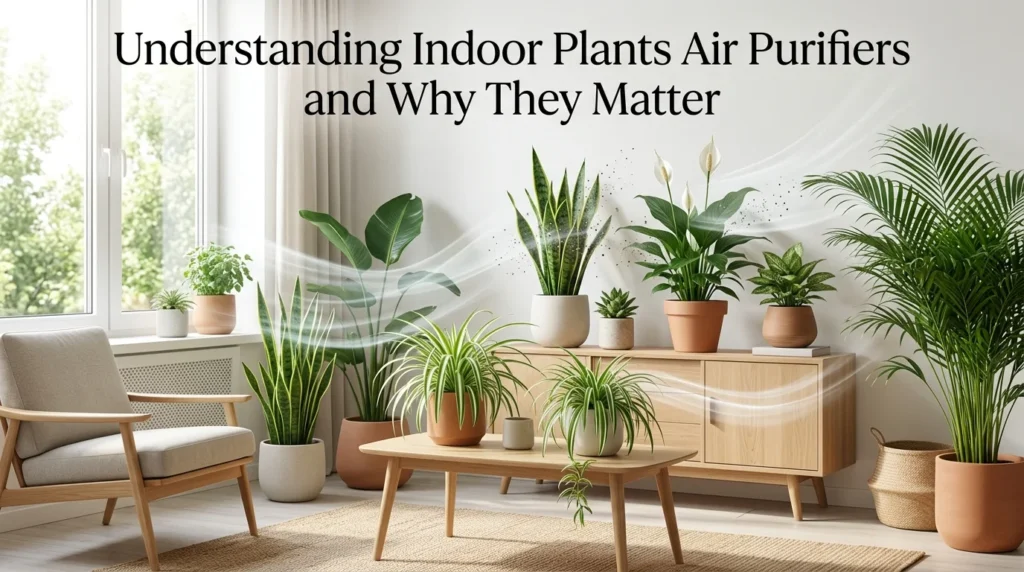
Understanding Indoor Plants Air Purifiers and Why They Matter
An indoor plants air purifier setup relies on phytoremediation the natural process where living plants absorb airborne chemicals, heavy metals, and gaseous toxins through their leaf stomata. During photosynthesis and respiration, plants pull polluted air into their tissues and root zones. Beneficial microorganisms living in the surrounding potting soil break down these toxic compounds into harmless organic matter, which the plant then uses as nutrients.
This biological cleaning process targets volatile organic compounds (VOCs) commonly released by synthetic carpets, furniture adhesives, wall paint, household cleaners, and electronic equipment. Common indoor toxins include formaldehyde, benzene, xylene, toluene, and trichloroethylene. While mechanical HEPA filters catch solid dust and pet dander, active plant foliage and soil microbes excel at absorbing invisible gaseous chemicals that mechanical filters miss.
Understanding the balance between leaf surface area, root health, and air circulation explains why plant selection matters. A single tiny potted plant in a massive living room cannot purify the air on its own. However, strategically placing mature, broad-leaf plants throughout high-traffic rooms creates an active biological filtration network inside your home.
Benefits and Advantages
- Natural VOC Reduction: Absorbs harmful household gases released by synthetic furniture, carpets, paint, and cleaning chemicals.
- Natural Humidity Regulation: Releases moisture vapor into dry indoor air through transpiration, easing dry skin and respiratory discomfort.
- Increased Indoor Oxygen: Converts carbon dioxide into fresh oxygen during daylight hours, enhancing mental alertness and sleep quality.
- Stress and Fatigue Reduction: Living greenery lowers heart rates, reduces cortisol levels, and builds a calm, restorative home environment.
- Cost-Effective Long-Term Filtration: Unlike electronic air purifiers that require expensive replacement filters and electricity, healthy plants clean air continuously for years.
Different Methods and Approaches to Air-Purifying Indoor Plants
Soil-Based Potted Displays
Growing broad-leaf plants in traditional pots filled with well-aerated potting soil remains the most accessible method. Microbes living near the root system perform a significant portion of the VOC breakdown, making healthy soil just as important as healthy leaves.
Active Botanical Air Filters
These specialized growing setups use quiet electric fans to pull room air directly through the plant’s root zone and charcoal-enriched soil media. Pushing air past roots accelerates gas absorption compared to passive foliage placement alone.
Semi-Hydroponics and LECA Systems
Growing air-purifying species in Lightweight Expanded Clay Aggregate (LECA) eliminates organic soil debris while promoting high airflow around root systems. This method prevents soil-borne mold and keeps root systems breathing freely.
Tools and Equipment Required
- Broad-Leaf Air-Purifying Houseplants: Healthy specimens with high leaf surface area for maximum gas absorption.
- Airy, Charcoal-Enriched Potting Mix: A loose soil blend containing activated charcoal to trap organic pollutants near root microbes.
- Soft Microfiber Dusting Cloth: A clean cloth used to wipe leaf surfaces monthly, keeping stomata unclogged for efficient photosynthesis and gas exchange.
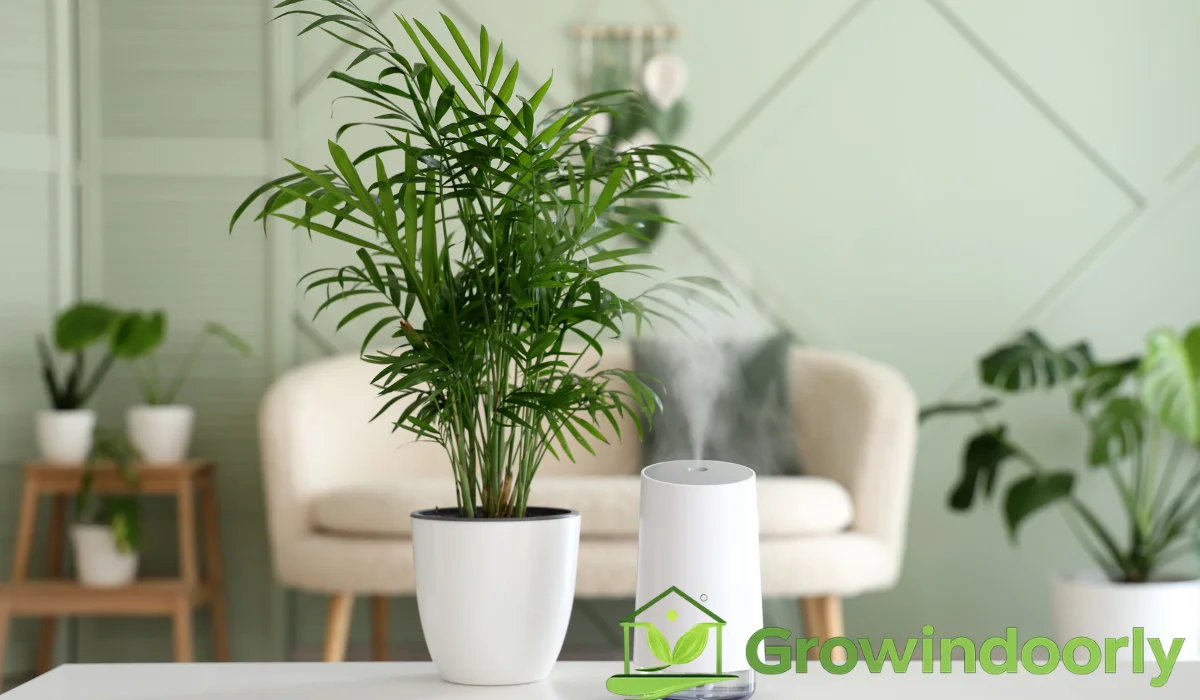
- Cool-Mist Humidifier or Hygrometer: Diagnostic tools to monitor and maintain relative room humidity between 40% and 60%.
- Full-Spectrum LED Grow Light: Supplemental lighting to ensure high photosynthetic rates in dim rooms, keeping gas absorption active.
- Air Circulation Fan: A small oscillating fan to move stagnant room air across plant canopies, increasing phytoremediation efficiency.
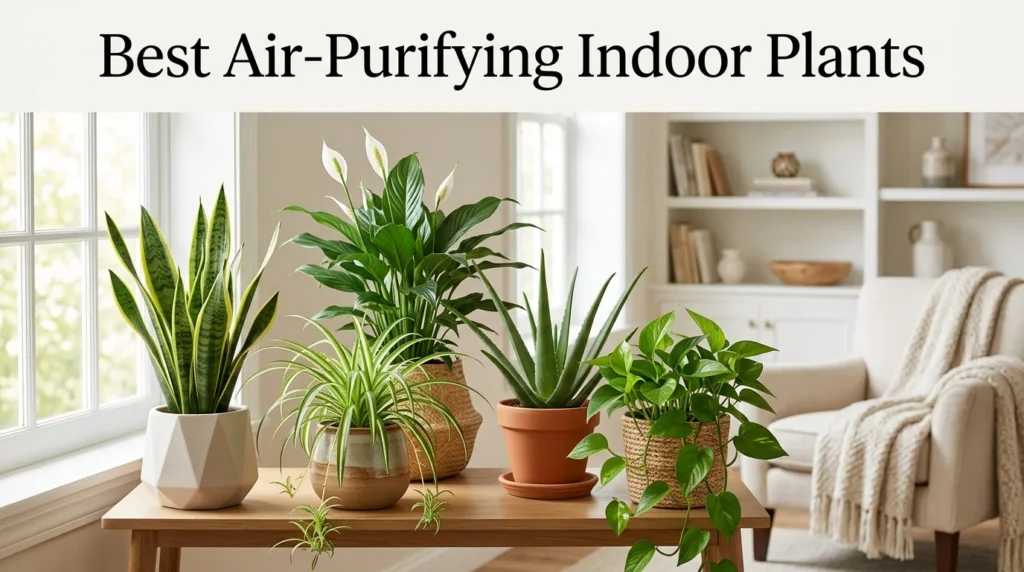
Best Air-Purifying Indoor Plants
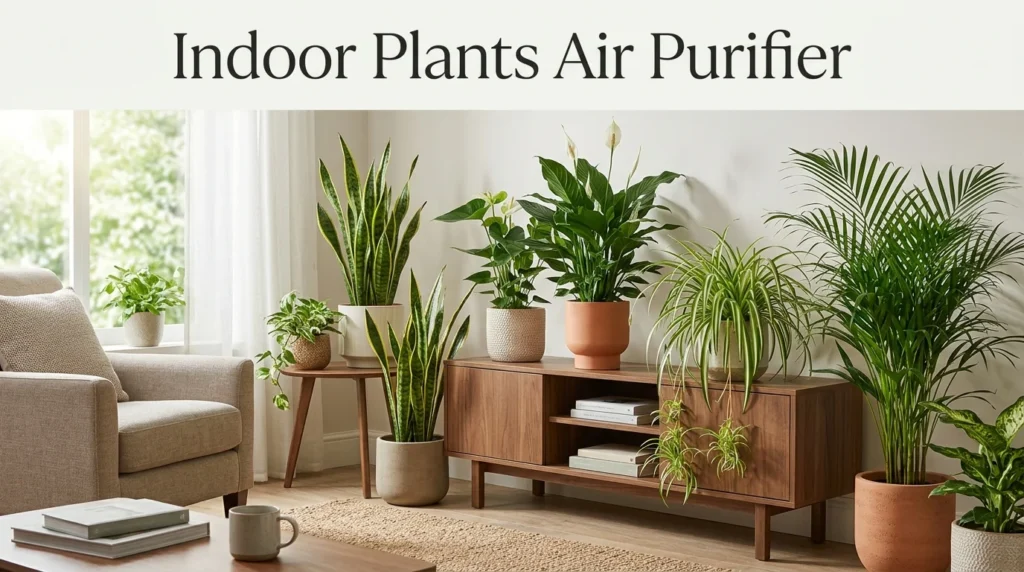
Certain houseplant species excel at filtering specific indoor toxins based on their stomatal density and root microbe relationships:
Snake Plant (Sansevieria trifasciata)
A virtually indestructible plant that converts carbon dioxide into oxygen at night using Crassulacean Acid Metabolism (CAM). Filters formaldehyde, benzene, xylene, and toluene.
Peace Lily (Spathiphyllum)
Features dark glossy leaves and elegant white blooms. Outstanding for absorbing ammonia, benzene, formaldehyde, and trichloroethylene, though toxic to pets if chewed.
Spider Plant (Chlorophytum comosum)
A fast-growing, pet-safe plant with cascading striped foliage. Highly effective at removing carbon monoxide, xylene, and formaldehyde from kitchens and living areas.
Pothos (Epipremnum aureum)
A trailing vine with heart-shaped leaves that thrives in low light. Removes broad spectrum VOCs and tolerates fluctuating household conditions.
Rubber Tree (Ficus elastica)
Boasts massive, thick foliage that absorbs heavy concentrations of airborne toxins while releasing generous amounts of moisture into dry indoor air.
Lighting Requirements
Active photosynthesis powers the stomatal opening required for plants to absorb air pollutants.
- Bright, Indirect Sunlight: Place plants near east-, west-, or south-facing windows shielded by sheer curtains to maximize light exposure without scorching foliage.
- Low Light Considerations: In dark hallways or windowless offices, plants close their stomata to conserve energy, drastically reducing air purification rates.
- Grow Light Supplementation: Position full-spectrum LED grow lights 18 to 24 inches above foliage in dim rooms, running them for 12 to 14 hours daily to maintain peak metabolic function.
Watering Methods
Proper soil hydration keeps roots healthy and supports the microbial communities that destroy absorbed toxins.
The Balanced Soak-and-Dry Method
- Check soil moisture 2 inches deep using your finger or a digital meter.
- Water only when the top 2 inches feel dry to the touch; overwatering suffocates root microbes.
- Pour room-temperature water evenly around the base until it flows freely from bottom drainage holes.
- Allow excess water to drain out completely for 15 to 20 minutes.
- Empty standing water from drainage saucers immediately to prevent root rot and mold growth.
Soil and Growing Medium
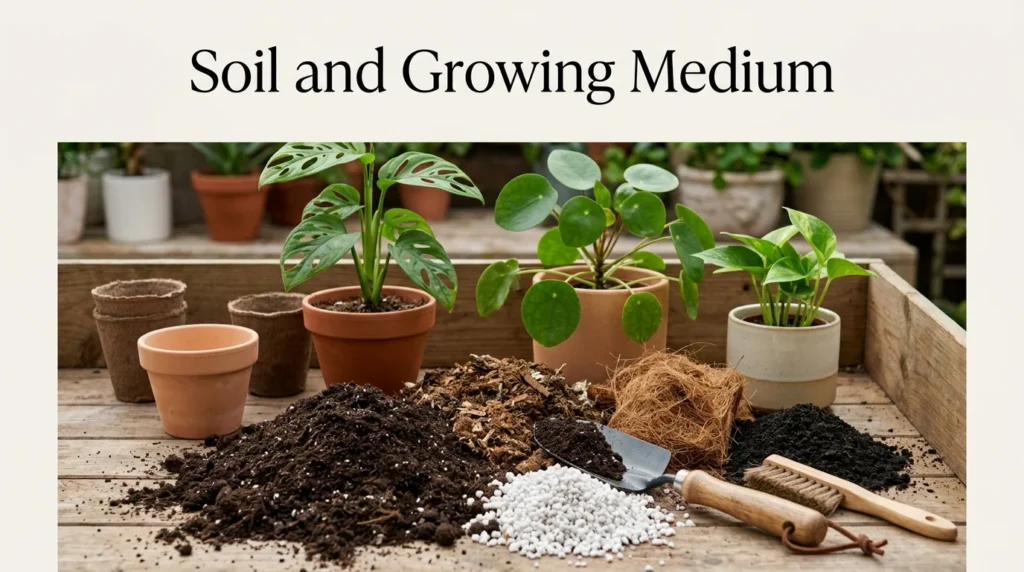
Air-purifying plants require a porous soil structure that lets oxygen reach root microbes while preventing waterlogging.
A proven air-cleansing soil blend includes:
- Quality Commercial Potting Soil (50%): Provides essential nutrients and organic structure.
- Coarse Perlite or Pumice (25%): Ensures rapid water drainage and creates air pockets for root respiration.
- Chunky Orchid Bark (15%): Prevents soil compaction in deep pots, maximizing air movement near roots.
- Activated Horticultural Charcoal (10%): Binds airborne impurities and prevents sour soil odors.
Temperature Requirements
Tropical air-purifying plants prefer steady ambient temperatures between 65°F and 80°F (18°C to 27°C).
Avoid exposing plants to sudden temperature fluctuations, such as cold drafts from exterior doors, drafty window seals, or hot air blasts from heating vents. Temperatures below 55°F (13°C) cause cold shock, causing leaves to drop and halting gas absorption.
Humidity Control
Maintaining ideal room humidity keeps leaf tissue plump and stomata functioning efficiently.
Keep relative indoor humidity between 40% and 60%. Dry air causes leaf tips to turn brown and crispy, reducing the plant’s overall surface area for air filtration. Use a cool-mist humidifier near plant collections during winter months when heating systems dry out interior air.
Fertilizer and Nutrients
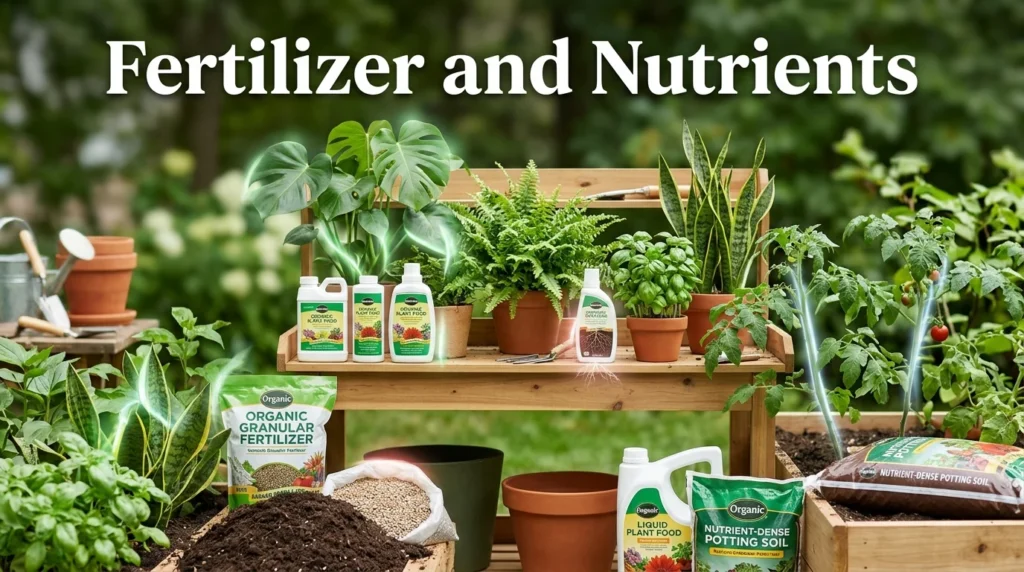
Healthy, actively growing plants process toxins much faster than nutrient-starved, stagnant plants.
- Spring and Summer: Apply a balanced liquid houseplant fertilizer (such as 10-10-10) diluted to half strength every 3 to 4 weeks.
- Autumn and Winter: Reduce feeding to once every 6 to 8 weeks, as lower light levels slow down plant metabolism.
- Avoid Over-Fertilization: Excess fertilizer salts burn delicate root tips, killing off the soil microbes needed for VOC breakdown.
Maintenance Routine
- Wipe Leaf Surfaces Monthly: Dust accumulation blocks light penetration and clogs stomata. Wipe leaves gently with a damp microfiber cloth.
- Prune Dead or Yellowing Foliage: Trim away decaying leaves using sterile shears to prevent mold growth and direct energy into healthy air-cleansing foliage.
- Rotate Pots Bi-Weekly: Turn pots 180 degrees every two weeks so all sides receive uniform light, maintaining a dense, bushy canopy.
- Inspect for Pests: Check leaf undersides weekly for spider mites, mealybugs, or scale, treating outbreaks promptly with neem oil or insecticidal soap.
Seasonal Care
Spring and Summer Strategy
Longer days and higher temperatures accelerate plant growth and gas exchange. Increase watering frequency as soil dries faster, supply regular half-strength food, and propagate overgrown vines to expand your indoor green filtration footprint.
Autumn and Winter Strategy
As natural sunlight decreases, move plants closer to bright windows or install supplemental grow lights. Soil dries more slowly in winter, so extend watering intervals to prevent root rot while maintaining room humidity around heating sources.
Common Mistakes
- Underestimating Plant Quantity: Expecting one small plant to purify an entire house. Aim for 2 to 3 medium-sized plants per 100 square feet of living space.
- Allowing Dust to Cover Leaves: Dust creates a physical barrier over stomata, shutting down photosynthesis and toxin absorption.
- Overwatering Soil: Wet, compacted soil starves root microbes of oxygen, causing root decay and fungal growth that degrades indoor air quality.
- Placing Plants in Complete Darkness: Keeping air-cleansing plants in windowless rooms without grow lights causes them to shed leaves and die.
- Ignoring Pet Safety: Choosing toxic varieties like Peace Lilies or Snake Plants for homes with curious cats or dogs without placing them safely out of reach.
Troubleshooting Problems
- Yellowing Leaves and Soft Stems: A classic sign of overwatering and suffocating roots. Allow soil to dry out thoroughly and check for healthy firm root tissue.
- Brown, Crispy Leaf Tips: Caused by low room humidity or fluoride buildup from tap water. Switch to distilled or rainwater and run a humidifier.
- Pale, Leggy Stem Growth: Indicates insufficient light levels. Move the plant closer to a bright window or install overhead LED grow lights.
- Mold Growth on Topsoil: Indicates stagnant air and excessive soil moisture. Scrape away top mold, increase room air circulation, and let soil dry out between waterings.
- Sudden Leaf Drop: Triggered by cold drafts or abrupt relocation. Keep environmental conditions stable and shield plants from drafty doors.
Beginner Tips
- Start with Easy-Care Varieties: Begin your air-purifying collection with resilient species like Snake Plants, Pothos, and ZZ Plants.
- Place Plants in High-Traffic Rooms: Position key air-purifying varieties in bedrooms, home offices, and living rooms where you spend the most time.
- Use Pots with Drainage Holes: Never plant directly into sealed containers; proper drainage is non-negotiable for healthy root microbial activity.
- Combine Plants with Mechanical HEPA Filters: Use plants to absorb gaseous VOCs while using HEPA air purifiers to catch physical dust and pet hair for total indoor air remediation.
Advanced Expert Recommendations
- Incorporate Activated Charcoal in Soil Mixes: Mix 10% horticultural charcoal into potting soil to trap gaseous pollutants directly near root microflora for accelerated breakdown.
- Optimize CAM Plants for Bedrooms: Place nighttime oxygen-producing CAM plants (like Snake Plants and Aloe Vera) on nightstands to improve nocturnal air quality.
- Utilize Active Fan-Assisted Root Filtration: Build or purchase small fan-assisted plant containers that draw room air down through root zones, increasing toxin absorption up to eight times compared to passive pots.

Conclusion
Building an indoor plants air purifier ecosystem inside your home combines natural beauty with effective biological air remediation. By selecting top VOC-filtering species like Snake Plants, Peace Lilies, and Pothos, providing bright indirect light, and maintaining well-drained, microbial-rich soil, you transform dark, stale living spaces into fresh indoor oases. Plants absorb invisible gaseous toxins while boosting indoor oxygen and humidity levels naturally. At GrowIndoorly.com, we provide trusted, expert-backed advice to help you build healthy indoor green spaces. Apply these care techniques today and enjoy cleaner, fresher air in every room of your home.
Frequently Asked Questions
How many indoor plants do I need to purify a room?
For effective air purification, place 2 to 3 medium-to-large plants per 100 square feet of room space, focusing on areas where you sit, work, or sleep.
Do indoor plants really remove toxins like formaldehyde and benzene?
Yes, scientific studies show that plant foliage and soil microorganisms absorb VOCs like formaldehyde, benzene, and xylene through stomatal gas exchange and root microbial breakdown.
Which indoor plant produces the most oxygen at night?
The Snake Plant (Sansevieria) is one of the top nighttime oxygen producers because it uses Crassulacean Acid Metabolism (CAM) to absorb carbon dioxide and release oxygen in complete darkness.
Are air-purifying plants safe for pets?
Not all are safe. Peace Lilies and Snake Plants are toxic to cats and dogs if ingested. Safe options for pet owners include Spider Plants, Boston Ferns, and Areca Palms.
How does dusty foliage affect a plant’s ability to clean the air?
Dust blocks sunlight and physically clogs leaf stomata, reducing photosynthesis and drastically lowering the plant’s capacity to absorb airborne gaseous toxins.
Knowledge Check
1. What biological process allows plants to absorb gaseous pollutants through leaf stomata and soil microorganisms?
A) Transpiration stream
B) Phytoremediation
C) Hydroponics
D) Vernalization
2. Which specific metabolic mechanism allows Snake Plants to release oxygen during the night?
A) Aerobic glycolysis
B) Crassulacean Acid Metabolism (CAM)
C) Photoperiodism
D) Thermal conduction
3. Why is activated horticultural charcoal a beneficial addition to an air-purifying plant soil mix?
A) It turns the soil completely black for better warmth.
B) It binds gaseous pollutants near the root zone, allowing soil microbes to break them down.
C) It replaces the need for natural sunlight.
D) It prevents plants from ever needing water.
4. What is the primary cause of brown, crispy leaf tips on indoor tropical plants?
A) Excessive atmospheric humidity
B) Low relative room humidity or fluoride buildup from tap water
C) Overfeeding with nitrogen fertilizer
D) Placing plants in complete darkness
5. How does dusty foliage impact an air-purifying plant’s performance?
A) Dust speeds up photosynthesis by catching light.
B) Dust acts as a natural fertilizer for leaf tissues.
C) Dust clogs stomata and blocks light, drastically reducing photosynthesis and gas filtration.
D) Dust has no impact on plant health.
6. What is the ideal ratio of medium-to-large plants recommended per 100 square feet for noticeable air purification?
A) 1 small plant per entire house
B) 2 to 3 medium-to-large plants per 100 square feet
C) 50 plants squeezed into a single corner
D) Plants only work if placed outdoors
- Answer Key:
- B
- B
- B
- B
- C
- B

Megan Foster is the founder and lead writer of GrowIndoorly.com, where she shares practical, easy-to-follow advice for growing healthy indoor plants. She is passionate about helping beginners and experienced plant lovers build thriving indoor gardens with confidence. Megan writes about houseplants, indoor herbs, succulents, hydroponics, grow lights, plant propagation, watering, soil care, and everyday plant maintenance.
She enjoys researching trusted gardening techniques and transforming them into simple, actionable guides that readers can easily apply at home. Her goal is to make indoor gardening more enjoyable and accessible by providing clear, reliable information that helps people keep their plants healthy throughout the year. Whether you’re caring for your first houseplant or expanding your indoor plant collection, Megan’s practical tips are designed to help you grow with confidence.