Growing a vibrant indoor monstera plant brings an unmatched tropical energy into your home, turning any ordinary living space into a thriving green sanctuary.
Many plant lovers purchase an indoor monstera plant hoping for massive split leaves, only to end up with drooping vines, pale foliage, or stubby, leaf-less stems.
Understanding how to balance light, water, and support can be confusing when you are just starting out with your indoor monstera plant at home.
This complete guide breaks down practical, expert care steps, helping you easily grow, troubleshoot, and enjoy a healthy, impressive Swiss cheese plant.
Understanding the Indoor Monstera Plant
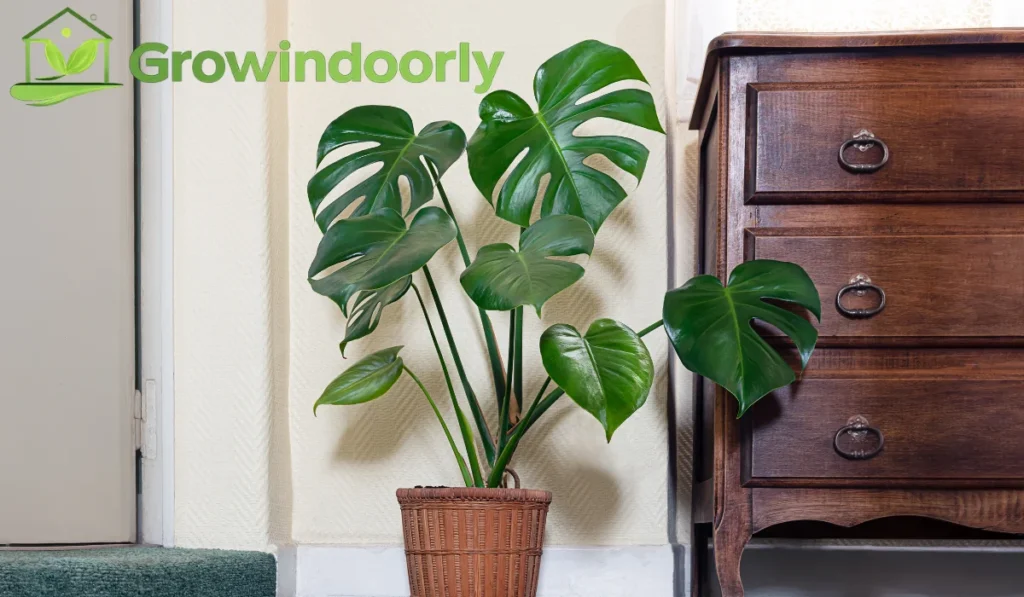
The Monstera deliciosa, commonly known as the Swiss cheese plant, originates from the dense tropical rainforests of Central America. In its natural environment, this evergreen epiphyte climbs up towering tree trunks using aerial roots, seeking pockets of dappled sunlight high above the canopy floor. When brought indoors, it adapts remarkably well to home environments while maintaining its natural climbing tendencies.
The defining characteristic of a mature monstera is fenestration the natural splits and holes that form across its leaves. In the wild, these fenestrations allow heavy tropical downpours and winds to pass through the leaves without tearing them, while letting sunlight filter down to the lower foliage. Understanding this natural history helps explain why light levels and climbing supports are critical to getting those iconic, split leaves in an indoor space.
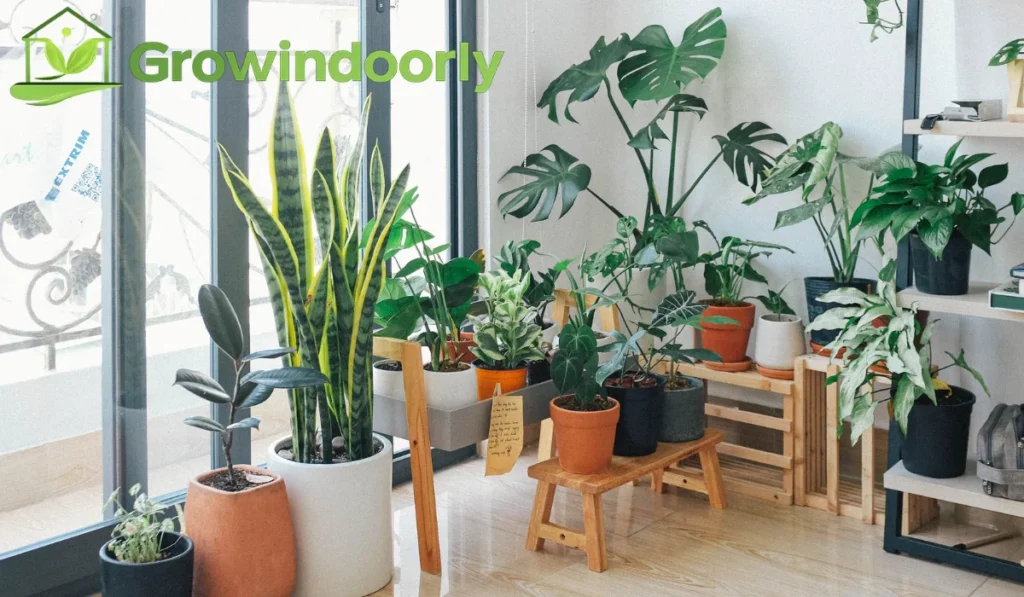
Why Keeping a Monstera Indoors is So Rewarding
Beyond its striking architectural silhouette, growing a monstera inside your home provides several tangible lifestyle and environmental benefits:
- Dramatic Visual Impact: A single healthy monstera serves as a living centerpiece, instantly elevating modern, bohemian, or minimalist room aesthetics.
- Aesthetic Longevity: Unlike fast-fading cut flowers, a monstera grows continuously for decades with proper maintenance.
- Air Humidification: Through natural transpiration, monsteras release moisture into the air, helping improve indoor humidity levels during drier winter months.
- Stress Reduction: Interacting with large green foliage and routine plant care helps lower cortisol levels and creates a peaceful living environment.
Exploring Monstera Varieties for Home Growing
While Monstera deliciosa is the most common variety, several fascinating species and cultivars thrive in home spaces:
- Monstera Deliciosa: The quintessential Swiss cheese plant with large, thick, glossy leaves and broad splits.
- Monstera Adansonii: A compact climbing or trailing species featuring smaller leaves riddled with fully enclosed holes rather than open splits.
- Monstera Borsigiana: A slightly smaller, faster-growing form of deliciosa that climbs quickly and works well in tight indoor corners.
- Variegated Monsteras (Thai Constellation or Albo): Highly sought-after varieties featuring white, cream, or yellow marbling on their foliage. They require slightly higher light levels to maintain their distinct coloration.
Essential Tools and Equipment for Success
Equipping yourself with the right supplies makes monstera care straightforward and stress-free:
- Quality Support Structures: A sturdy moss pole, coco coir pole, or wooden cedar plank to support upward growth.
- Planters with Adequate Drainage: Terracotta, ceramic, or plastic pots with generous drainage holes at the base.
- Gardening Shears: Sharp, sterile pruning shears for trimming damaged leaves or taking stem cuttings.
- Soft Plant Ties: Stretchable garden tape or hook-and-loop plant ties to secure heavy stems to support poles without pinching plant tissue.
- Moisture Meter: An accessible tool for testing soil moisture deep inside large pots before watering.
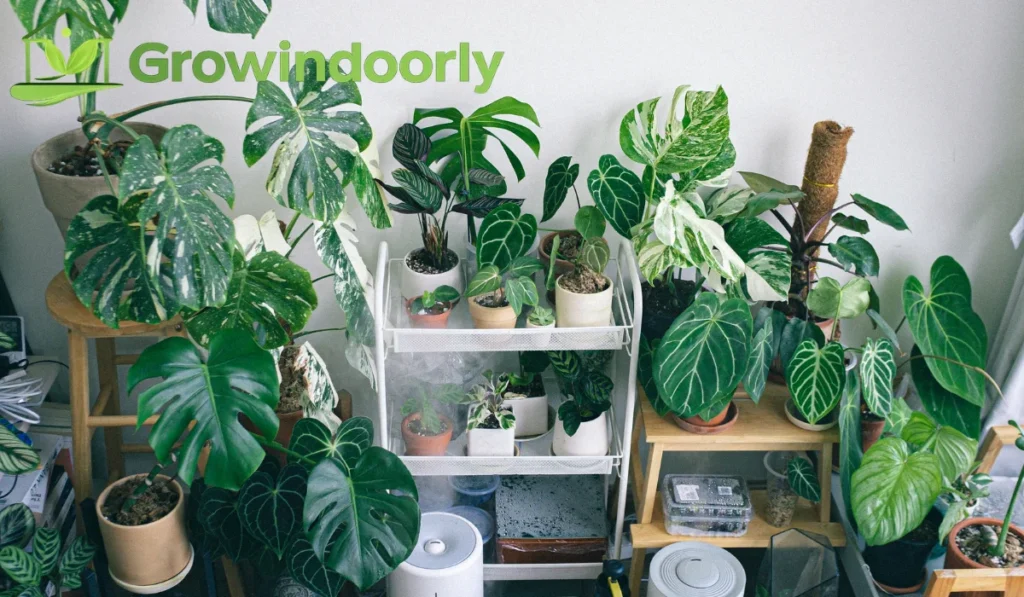
Mastering Light Requirements
Light directly dictates how fast your monstera grows and how large its leaves become. Inadequate lighting is the primary reason indoor plants fail to produce fenestrated leaves.
Bright, Indirect Sunlight
Your monstera thrives best when placed within a few feet of a bright window where it receives intense indirect light for most of the day. A spot near an east- or north-facing window is ideal, as is a few feet back from a south- or west-facing window shielded by a sheer curtain.
Dealing with Low Light and Direct Sun
Direct, harsh afternoon sunlight will scorch the foliage, leaving crisp black or bleached white burn marks that will not heal.
Utilizing Supplemental Grow Lights
If your living space lacks sufficient window light, supplement with modern LED grow lights. Full-spectrum LED bulbs positioned 12 to 18 inches above the leaf canopy for 12 hours a day will provide the light energy required for vigorous growth and deep leaf fenestration.
Proper Watering Techniques
Watering correctly relies on checking soil conditions rather than sticking to a rigid calendar schedule.
The Soak-and-Dry Method
Water your monstera deeply whenever the top 2 to 3 inches of soil feel completely dry to the touch. Water until excess moisture drains freely from the bottom of the pot, then empty the saucer so the roots never sit in standing water.
Recognizing Overwatering and Underwatering
Overwatering causes roots to suffocate and rot. Look for yellowing lower leaves, soft black stems, and a musty soil smell as warning signs. Underwatered monsteras show drooping, curling leaves and dry, crispy brown edges.
Ideal Soil Mix and Potting Needs
Monsteras require a highly aerated, chunky soil mix that retains light moisture while letting excess water drain away rapidly. Standard indoor potting soil is typically too dense on its own, compacting over time and trapping water around delicate root systems.
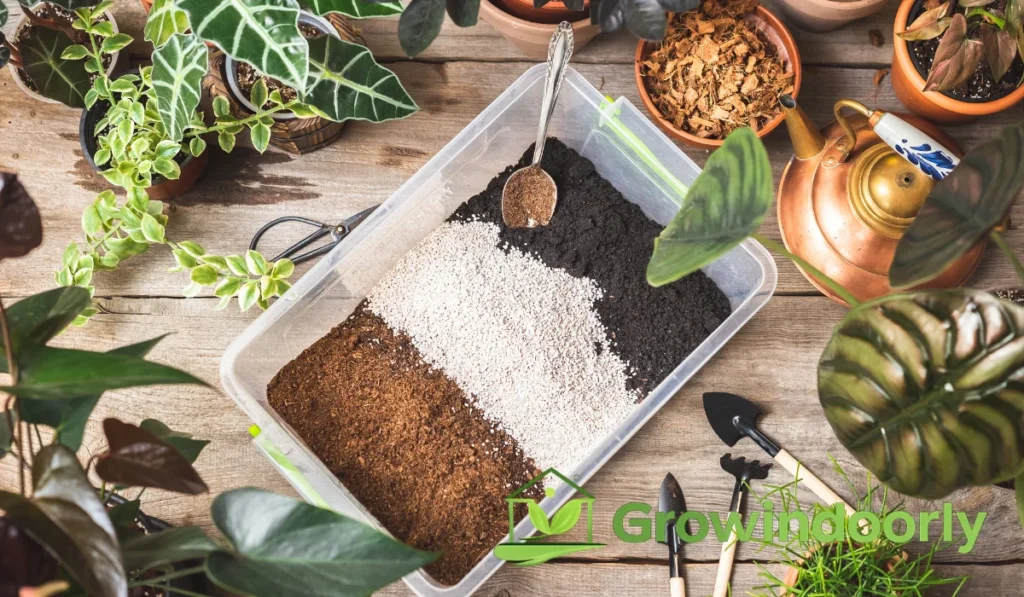
DIY Monstera Soil Blend
Create an optimal growing medium by combining:
- 1 part quality potting mix (provides foundational nutrients)
- 1 part coarse orchid bark (creates large air pockets)
- 1 part perlite or pumice (ensures rapid drainage)
- 1/2 part horticultural charcoal (sweetens soil and prevents fungal buildup)
Choosing the Right Pot
Select a pot that is only 2 to 3 inches larger in diameter than the current root ball. Oversized pots hold excess soil that stays wet too long, inviting root rot.
Temperature and Humidity Requirements
Because monsteras originate from warm tropical regions, keeping stable environmental conditions inside your home prevents stunted growth and cold damage.
Optimal Temperatures
Maintain room temperatures between 65°F and 85°F (18°C to 29°C). Keep your plant away from cold windows, drafty entryways, and heating or air-conditioning vents that cause sudden temperature swings.
Boosting Indoor Humidity
While monsteras tolerate average household humidity (around 30-40%), they flourish when ambient moisture rises to 50-60%. Boost humidity by:
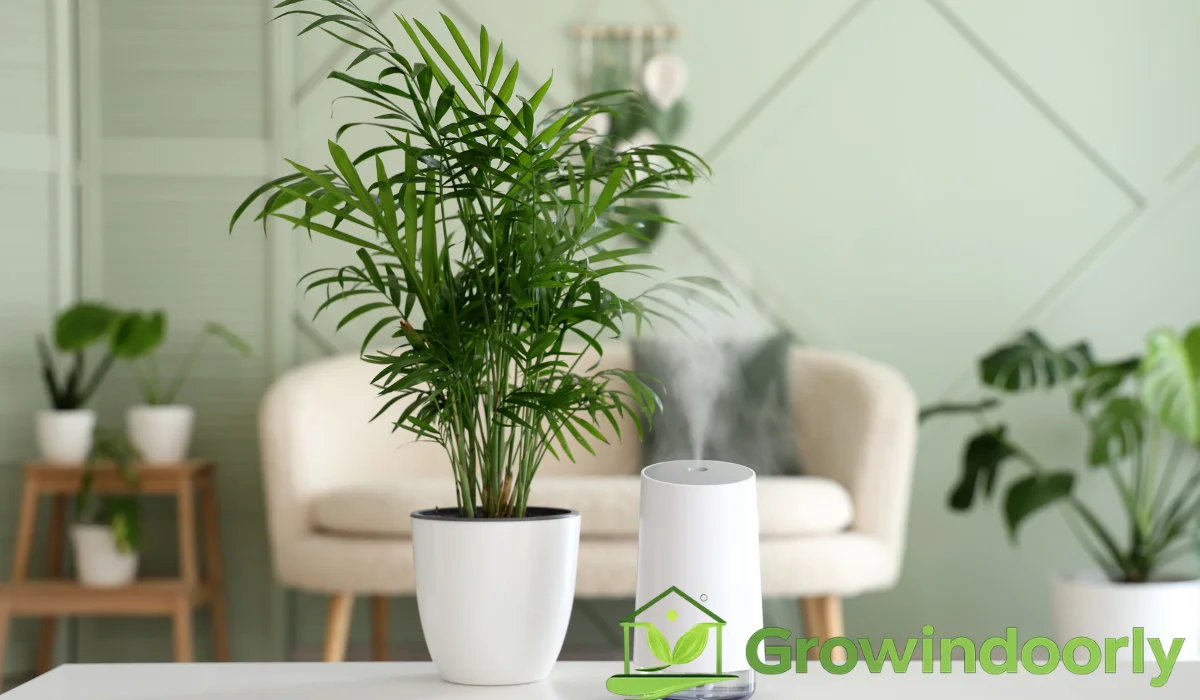
- Running a cool-mist ultrasonic humidifier nearby.
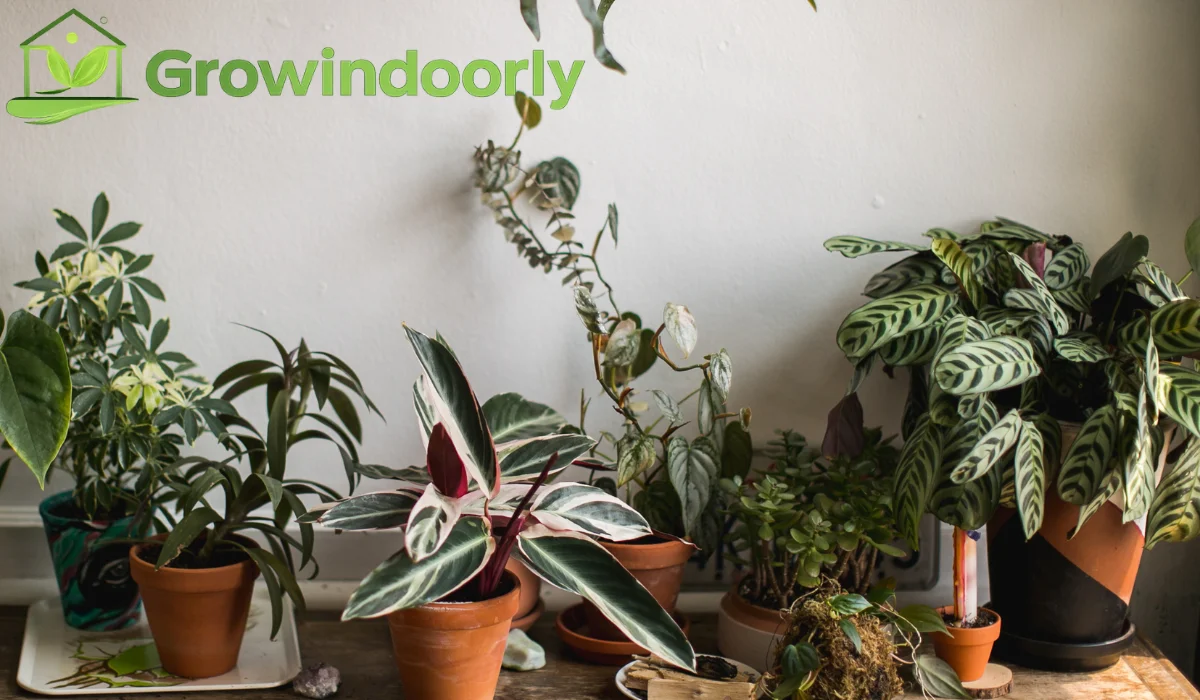
- Grouping several tropical foliage plants close together to form a humid microclimate.
- Placing the pot over a tray filled with pebbles and water (ensuring the base of the pot rests above the water level).
Fertilizing and Nutrient Management
During active growth, monsteras consume nutrients quickly to support their massive leaf development.
Choosing the Right Nutrient Formula
Feed your plant with a balanced, liquid houseplant fertilizer (such as a 10-10-10 or 20-20-20 formula) diluted to half strength every 4 weeks during spring and summer. Flush the soil with plain water every few months to prevent salt buildup.
Resting in Autumn and Winter
When natural day lengths shorten in late autumn and winter, growth naturally slows down. Pause all feeding until early spring when new growth resumes.
Regular Maintenance and Training
Routine care keeps monsteras looking clean, healthy, and structurally balanced inside your home.
Installing a Support Pole
Because monsteras are climbers, supporting their vertical growth encourages progressively larger foliage. Insert a moss pole or wooden plank into the pot directly behind the main stem where the aerial roots emerge. Gently secure the thickest stems to the pole using flexible plant ties. Over time, aerial roots will grip the pole naturally.
Cleaning and Dusting Leaves
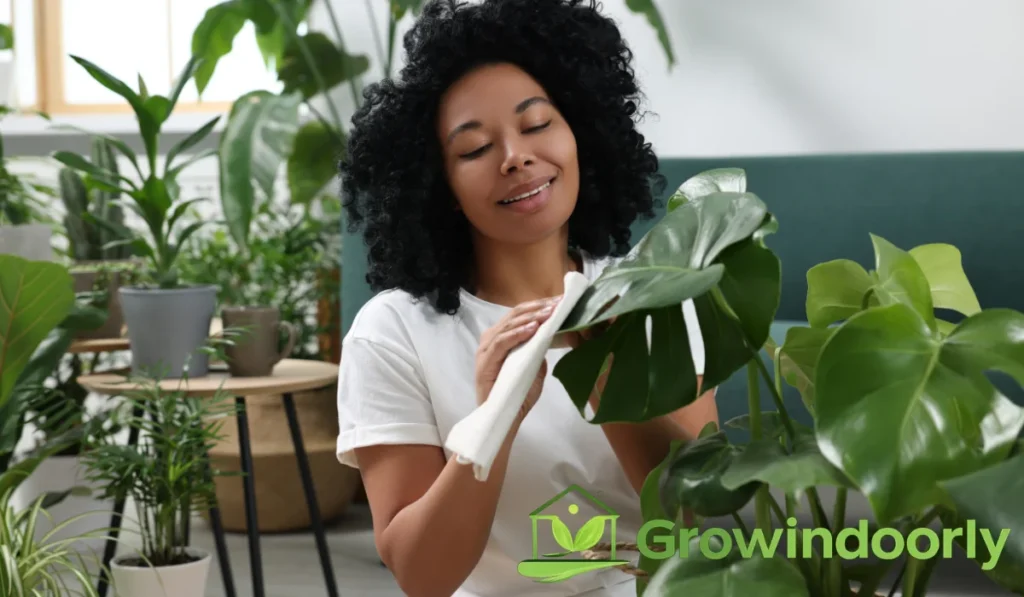
Large monstera leaves accumulate dust, which blocks sunlight and hinders photosynthesis. Wipe down the upper and lower surfaces of leaves every couple of weeks using a damp, soft microfiber cloth. Avoid commercial leaf shine products, which clog leaf pores (stomata).
Seasonal Care Guide
Adjust your care routine as the seasons change throughout the year:
- Spring: Resume fertilizing, increase watering frequency as ambient warmth rises, repot if roots are bound, and prune excess growth.
- Summer: Monitor soil moisture closely; high warmth and intense light mean faster drying times. Protect foliage from scorching afternoon sun.
- Autumn: Reduce watering intervals as light levels fade and temperatures cool. Stop fertilizing.
- Winter: Keep soil drier, letting the top half of the pot dry out between waterings. Wipe leaves frequently and move the plant closer to windows to maximize reduced sunlight.
Common Mistakes Beginners Make
Avoid these frequent pitfalls to keep your plant in peak condition:
- Using Pots Without Drainage: Water settles at the base, leading to systemic root destruction.
- Burying the Stem Base Too Deeply: Submerging petiole bases below soil levels causes stem rot.
- Neglecting Vertical Support: Allowing monsteras to crawl horizontally takes up vast floor space and results in smaller, un-fenestrated foliage.
- Moving the Plant Too Often: Frequent location shifts force the plant to continuously readjust leaf orientation, causing physical stress.
Troubleshooting Common Monstera Problems
Even experienced growers encounter occasional challenges. Here is how to diagnose and address issues quickly:
- Yellowing Leaves: Typically indicates overwatering. Check root health immediately. If lower leaves turn pale yellow slowly with age, it is simply natural shedding.
- Browning Leaf Tips: Signals dry air, under-watering, or mineral accumulation from tap water. Increase humidity and flush soil thoroughly with distilled water.
- Leaves Lacking Splits: Caused by inadequate lighting or young plant maturity. Move the monstera closer to a bright light source.
- Drooping Stems: Caused by severe under-watering or advanced root rot preventing water intake. Check the soil moisture deep inside the pot to determine the cause.
- Pest Infestations: Spider mites, mealybugs, and thrips occasionally target monsteras. Treat foliage promptly by wiping leaves with insecticidal soap or a dilute neem oil solution.
Step-by-Step Propagation Guide
Multiplying your monstera is easy through node-based stem cuttings.
- Locate a Healthy Node: Identify a section of stem containing at least one clear node (a raised ring where leaves and aerial roots join the main stem) and 1–2 mature leaves.
- Make a Clean Cut: Using sterilized shears, cut the stem roughly 1 to 2 inches below the node.
- Root in Water or Soil: Place the stem cut end down into a glass jar filled with fresh room-temperature water, ensuring the node stays submerged while leaves rest above the rim.
- Provide Bright Light: Keep the cutting in warm, bright, indirect light. Refresh the water weekly. Roots will typically sprout within 3 to 4 weeks. Once roots reach 2 to 3 inches long, pot the cutting into chunky monstera soil mix.
Advanced Expert Tips for Lush Growth
Take your monstera care to the next level with these horticultural insights:
- Tuck Aerial Roots Back into Soil: Instead of cutting long air roots, direct them back down into the potting mix. Once submerged, they convert into subterranean feeder roots, supplying extra water and nutrients to accelerate leaf size.
- Rotate the Pot Periodically: Monsteras naturally reach toward light sources. Quarter-turn your pot every few weeks to prevent asymmetrical growth and encourage a balanced, full appearance.
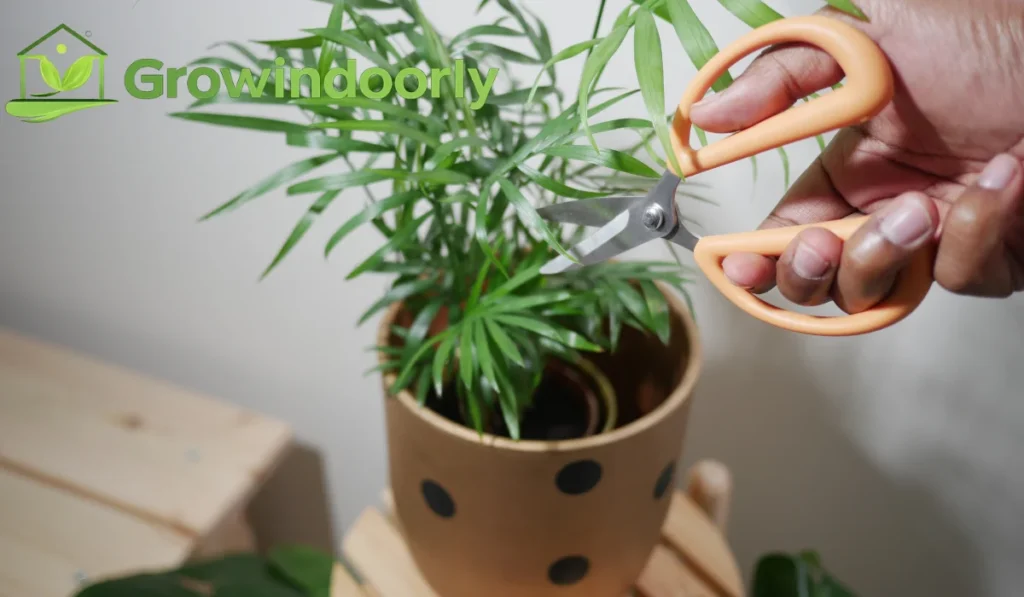
- Prune Strategic Stems: Trim off leggy or sprawling side shoots in early spring. Pruning forces growth hormones back into the central vine, producing thicker stems and larger foliage.
Conclusion
Growing a thriving monstera indoors is a uniquely rewarding journey that combines striking tropical beauty with accessible care routines. By prioritizing bright indirect lighting, using a chunky well-draining soil mix, supporting its climbing vines with a sturdy moss pole, and watering only when the top layers of soil dry out, you create an environment where your plant can flourish for decades. Remember to adjust your care routine with the changing seasons and pay close attention to subtle cues from foliage and roots. With these simple practices, your home will soon showcase a lush, vibrant green centerpiece. Explore more indoor plant care guides and expert horticultural tips here on GrowIndoorly.com to turn your indoor living spaces into flourishing green havens.
Pet Safety
Monsteras contain insoluble calcium oxalate crystals, making them toxic to dogs, cats, and other pets if chewed or ingested. Ingestion causes immediate oral irritation, burning mouth pain, drooling, pawing at the mouth, and potential vomiting or difficulty swallowing. Keep monsteras out of reach on high shelves or in rooms pets cannot access, and train curious pets to avoid the plant. If your pet chews on monstera leaves, rinse their mouth gently with water and contact your veterinarian promptly — while rarely fatal, the irritation can be severe and may require supportive care.
Knowledge Check
Test your understanding of indoor monstera care with this quick interactive quiz:
1. Primary Cause of Missing Leaf Splits
What is the primary reason an indoor monstera fails to form fenestrated (split) leaves?
A) Excess environmental humidity
B) Inadequate light levels
C) Over-fertilizing during winter months
D) Planting in a porous terracotta pot
2. Ideal Potting Medium Composition
Which soil blend is best suited for supporting healthy, rot-free monstera roots?
A) Pure outdoor clay soil
B) Heavy moisture-retentive peat moss alone
C) Chunky mix of potting soil, orchid bark, perlite, and charcoal
D) Fine sandbox sand mixed with standard topsoil
3. Proper Watering Frequency
When should you water your indoor monstera plant?
A) Every single morning at sunrise
B) Only after the pot remains bone-dry for a full month
C) When the top 2 to 3 inches of soil feel dry to the touch
D) Whenever leaf tips begin displaying guttation water droplets
4. Purpose of Moss Poles and Climbing Supports
What is the main benefit of securing your plant to a moss pole or wooden plank?
A) It prevents foliage from receiving bright light
B) It supports vertical climbing and encourages larger, split leaves
C) It completely eliminates the need to apply liquid fertilizers
D) It shields the foliage from common indoor pest infestations
5. Seasonal Winter Fertilization Strategy
What action should you take regarding fertilizer during the winter season?
A) Double the fertilizer concentration to stimulate off-season growth
B) Pause fertilizing because plant metabolic growth naturally slows down
C) Apply liquid nitrogen fertilizer every single week
D) Replace the potting medium with rich green garden compost
6. Correct Stem Cutting Propagation Location
Where on the stem must you cut when taking a cutting for propagation?
A) Directly through the center of a mature leaf blade
B) Just below a node that contains aerial roots or leaf joints
C) Deep down at the primary root base
D) Across the petiole near the leaf stem
Answer Key
- Question 1: B
- Question 2: C
- Question 3: C
- Question 4: B
- Question 5: B
- Question 6: B
Frequently Asked Questions
Why are my monstera leaves curling inward?
Leaves curl inward primarily to conserve moisture when the plant is underwatered, exposed to high heat, or sitting in low humidity. Check if the soil is dry deep in the pot, and give your plant a thorough watering.
How often should I mist my monstera leaves?
Misting offers only a temporary moisture spike lasting a few minutes and can encourage fungal spots if water pools on leaves. Using a dedicated room humidifier or pebble tray is significantly more effective for maintaining stable humidity.
Should I trim aerial roots off my indoor monstera?
Trimming aerial roots will not kill your plant, but it removes natural climbing supports. It is better to wind them around a moss pole or tuck them into the potting soil so they turn into root systems that feed the plant.
Why does my monstera produce leaves without any holes or splits?
Young monsteras naturally produce solid leaves. If a mature plant produces plain leaves, it indicates insufficient light; moving the plant closer to a bright, indirect light source will trigger new leaves to grow with split fenestrations.
How do I know when my monstera needs a larger pot?
Signs include roots growing heavily out of bottom drainage holes, roots coiling tightly around the top of the soil, water running straight through the pot without absorbing, or growth stalling completely during spring.
Is the indoor monstera plant toxic to pets?
Yes, monsteras contain insoluble calcium oxalate crystals. Ingestion causes oral irritation, mouth burning, drooling, and digestive distress in cats and dogs. Keep plants on raised stands or out of reach of pets.

Megan Foster is the founder and lead writer of GrowIndoorly.com, where she shares practical, easy-to-follow advice for growing healthy indoor plants. She is passionate about helping beginners and experienced plant lovers build thriving indoor gardens with confidence. Megan writes about houseplants, indoor herbs, succulents, hydroponics, grow lights, plant propagation, watering, soil care, and everyday plant maintenance.
She enjoys researching trusted gardening techniques and transforming them into simple, actionable guides that readers can easily apply at home. Her goal is to make indoor gardening more enjoyable and accessible by providing clear, reliable information that helps people keep their plants healthy throughout the year. Whether you’re caring for your first houseplant or expanding your indoor plant collection, Megan’s practical tips are designed to help you grow with confidence.